
When to Deadhead Peonies After They Bloom

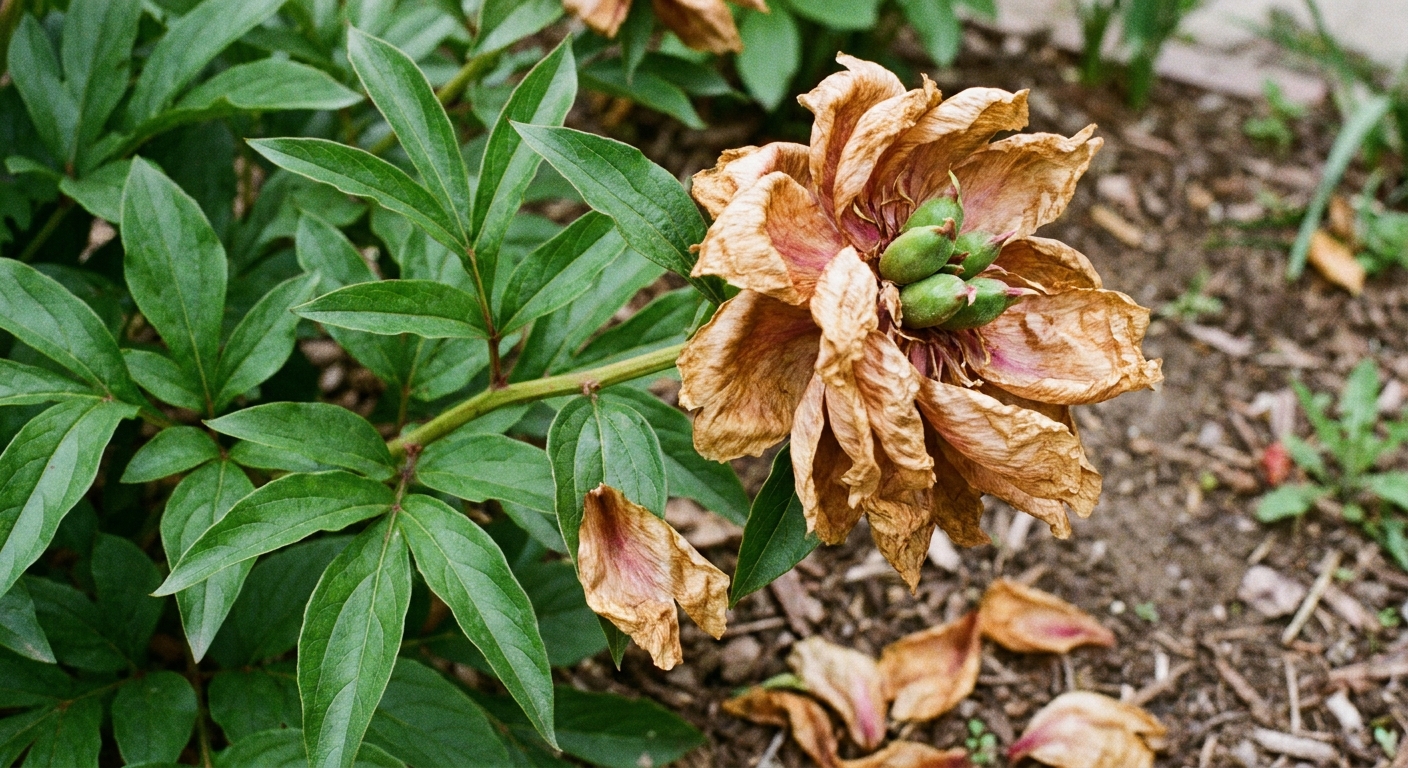
Peonies are the kind of plant that can make you feel like a gardening wizard for about ten glorious days, and then suddenly you are staring at a brown, droopy pom-pom wondering what, exactly, you are supposed to do with it. I have absolutely stood there with my pruners in one hand and a cup of coffee in the other, talking myself through it like the peony can hear me. (It can. I am convinced.)
Deadheading peonies is a small early-summer task that keeps your plant tidy and can reduce seed formation, without touching the foliage that is busy feeding next year’s blooms. Here is when to do it, where to cut, and when you might actually want to leave those little seed pods.

When to deadhead peonies
Deadhead peonies as soon as the flower is clearly finished, usually in early summer. You do not need to rush out the minute the first petal drops, but you also do not need to leave a collapsing bloom on the plant for weeks.
Easy timing
- Deadhead when the petals are falling or browning and the bloom looks messy.
- If you cut for bouquets, deadheading often happens naturally. Just remove any remaining spent blooms still on the plant.
Why deadhead at all?
Spent flowers can push the plant toward seed development. Removing them helps limit how much energy goes into seeds, and it keeps the plant looking fresh after its big show. With peonies, next year’s flowers are influenced most by overall plant health and strong late-season leaf growth, so think of deadheading as a tidy-up that can help, not a magic switch that guarantees more blooms.
Where to cut
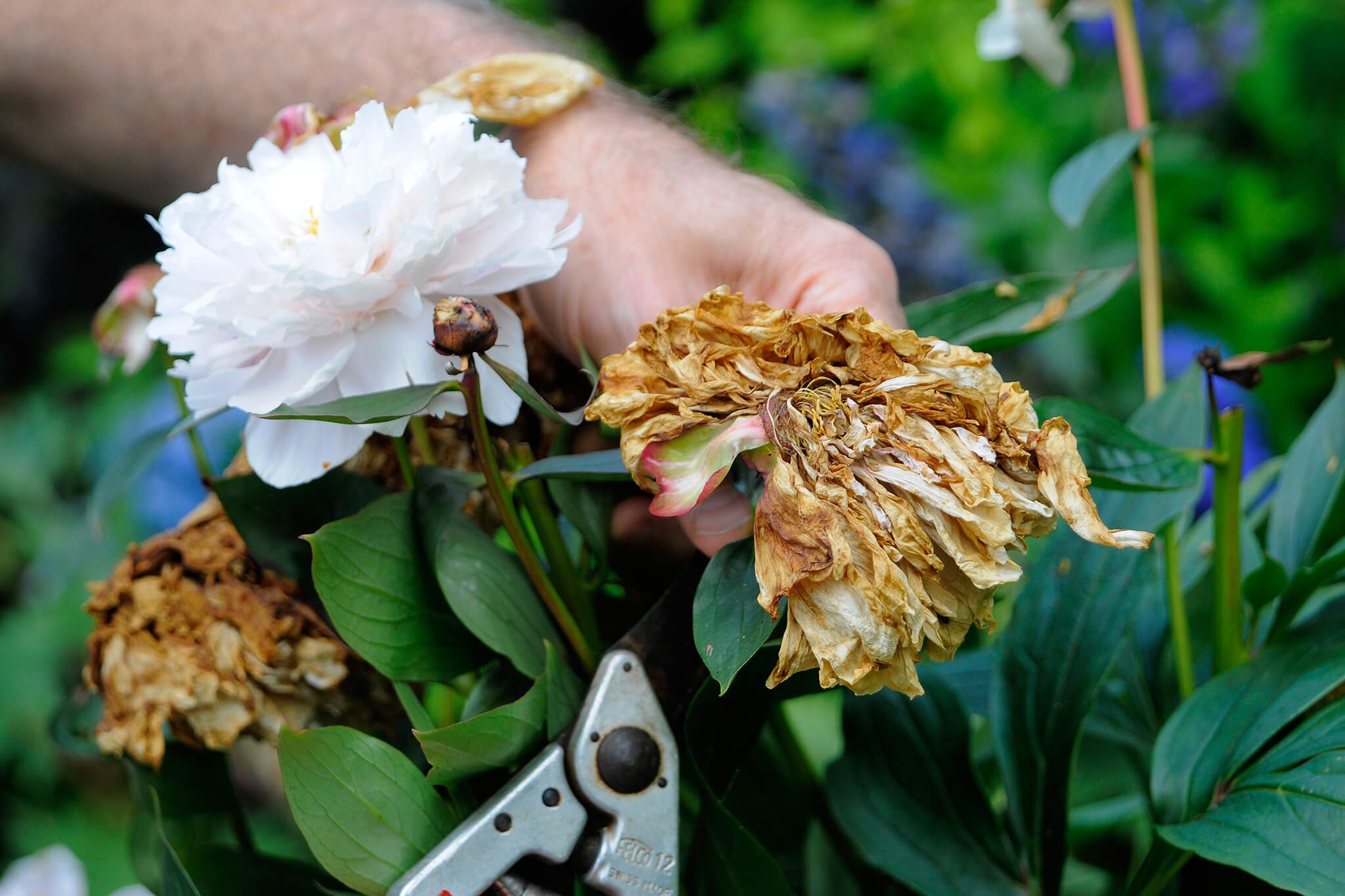
For herbaceous garden peonies, the goal is simple: remove the flower head and as little stem as practical, while keeping plenty of leaves.
Cut above a real leaf
Follow the flower stem down from the spent bloom until you reach the first full set of healthy leaves. On peonies, that usually means a normal leaf with multiple leaflets, not the smaller, skinny bracts tucked right under the flower. Make your cut just above that leaf junction.
- If the bloom is on a long stem, you may be cutting 6 to 12 inches down.
- If the flower sits close to the foliage, you might only remove a few inches.
Use clean, sharp pruners. If you like, angle the cut slightly so water is less likely to sit on the cut surface. If you are dealing with botrytis or other obvious disease, disinfect pruners between plants (or even between cuts) with rubbing alcohol.
Seed pods: leave them?
Sometimes, yes. Most of the time, no.
If your default goal is simple, it is this: more vigor and better odds of great blooms next year, not seed production.
Deadhead for plant strength
If your priority is a robust plant and dependable flowering next year, remove spent blooms. That reduces the plant’s need to put energy into seed development and keeps things cleaner in the bed.
Leave pods for seed or looks
You can leave seed pods in a few situations:
- You want to experiment with growing peonies from seed. Just know seedlings can take years to bloom and may not come true to the parent plant.
- You enjoy the ornamental pods for a cottage-garden look.
- You are growing a species peony where seed collection is part of the fun.
If you leave pods, keep the plant otherwise stress-free: consistent watering during dry spells and no aggressive leaf removal.
Do not cut back in summer
This is the part I wish someone had said to me plainly when I was younger and very enthusiastic with scissors: deadheading is not the same as cutting back.
After peonies bloom, their leaves become little solar panels that recharge the plant for next year. If you cut the foliage down early, you are asking the plant to make flowers next season on an empty pantry.
What to do with the leaves
- Leave the foliage standing through summer.
- Water during drought, especially for newly planted peonies.
- Remove only damaged or diseased leaves (spotty, collapsing, or mildewed foliage). If disease is involved, toss them in the trash unless you hot-compost reliably.
If your peony looks a little awkward after bloom, tuck in neighboring perennials or add a soft front edge of annuals. I love letting catmint, hardy geraniums, or lady’s mantle do the “after-party hosting” once the peonies finish.
Quick steps
- Wait until the bloom is spent (petals browning or dropping).
- Find the first strong set of leaves below the flower (a full peony leaf, not tiny bracts).
- Cut just above that leaf junction.
- Clean up fallen petals around the base to discourage rot and mess.
Mistakes to avoid
- Cutting the whole plant back after bloom. Save major cutbacks for autumn. (See: Peony Fall Cleanup.)
- Leaving long naked stems. If you only snip the head and leave a bare stick, it looks odd and can flop. It is better to cut back to foliage.
- Ripping off petals and calling it done. Petal-picking helps appearance, but it does not limit seed formation unless the whole spent bloom is removed.
- Using dirty pruners. A quick wipe with rubbing alcohol is simple insurance. If disease is present, disinfect between plants.
Peony types
The basic deadheading idea is the same across peonies, but pruning and seasonal cutback timing can differ by type.
Herbaceous peonies
Deadhead after bloom by cutting to a strong set of leaves. Leave foliage for the rest of the season.
Itoh peonies
Deadhead the same way in early summer, but their fall and winter handling is different. For the correct autumn cut, use: How to Cut Back Itoh Peonies in Fall.
Tree peonies
Tree peonies keep woody structure above ground, so pruning rules are not the same as herbaceous types. For pruning guidance, see: How to Prune a Tree Peony.
FAQ
Will deadheading make peonies rebloom?
No. Most peonies bloom once a year. Deadheading will not trigger a second flush, but it can help the plant avoid spending extra energy on seeds.
Should I fertilize after deadheading?
Not usually. If your soil is reasonably healthy, peonies are not heavy feeders. A thin layer of compost as a top-dressing is a gentle, soil-first option. If you fertilize, aim for balanced nutrition based on your soil, and avoid pushing lots of nitrogen-heavy leafy growth at the expense of flowers.
My peony buds never opened. Should I deadhead those?
If buds turned brown and failed, you can snip them off to keep the plant tidy, but the bigger question is why it happened. For troubleshooting, see: Why Peony Buds Stay Closed.
Can I divide peonies right after they bloom?
It is better to wait for the proper season so the plant recovers well. For timing and steps, see: Transplanting and Dividing Peonies.
My peony flops after flowering. Should I cut stems back more?
Deadheading will not fix flopping. The long-term solution is support. For options, see: Staking Peonies.