
Transplanting and Dividing Peonies

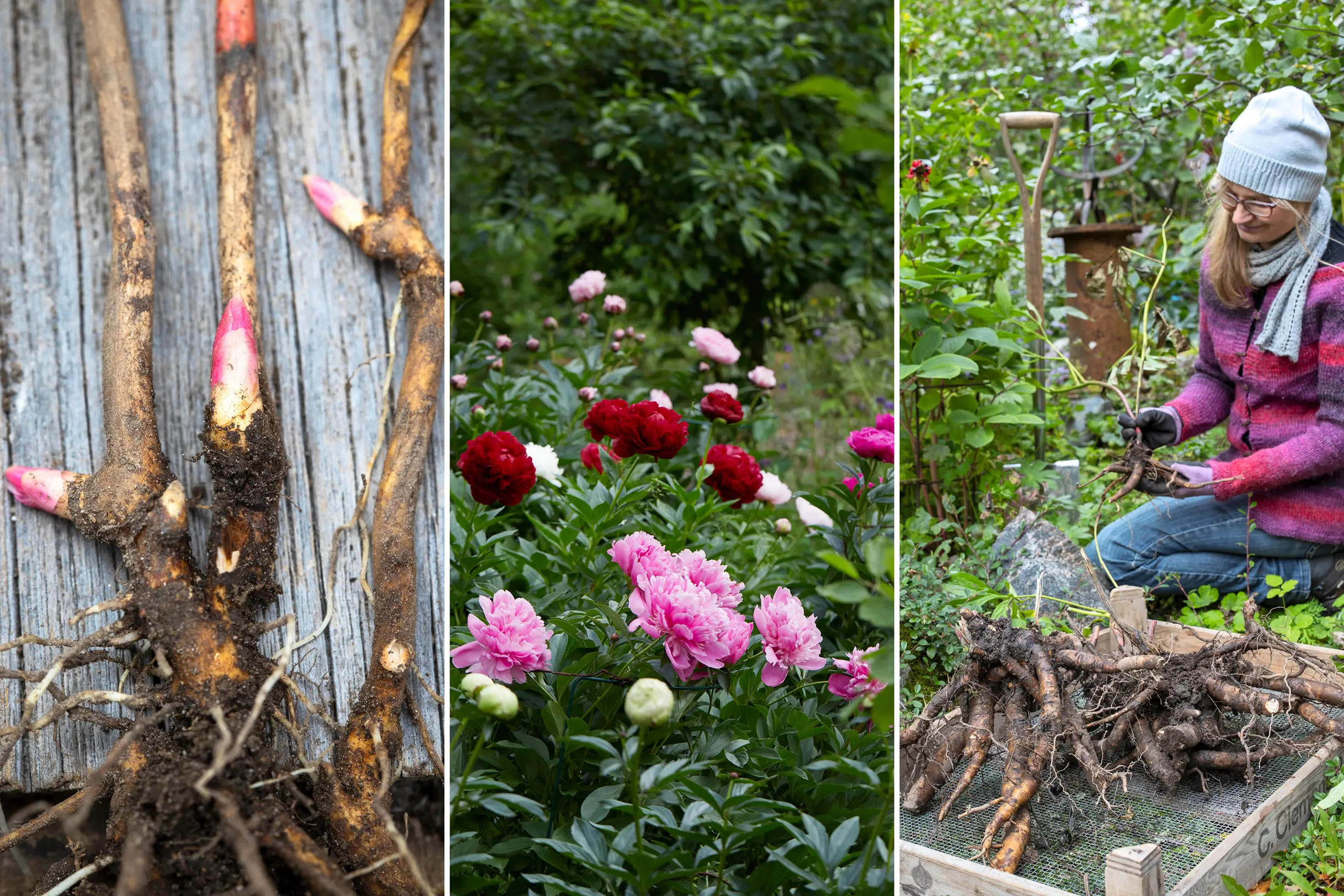
If your peony has stopped blooming like it used to, flops over every May, or has slowly crept into the shade, it might be asking for a fresh start. I know, I know. Peonies have a reputation for being divas about moving. But with the right timing and a few depth rules, transplanting and dividing is one of the best ways to rejuvenate an older clump and keep blooms coming for decades.
This guide focuses on herbaceous peonies (the classic die-back-to-the-ground types). I will note what changes for tree peonies near the end.

When to transplant or divide peonies
Best time: early fall, when nights cool down but the soil is still warm.
- Use frost, not the calendar: aim to transplant or divide 4 to 6 weeks before the ground typically freezes hard in your area. That window gives roots time to re-establish.
- Typical timing in many gardens: late August through October. In very cold regions, August to September is often better. In warmer zones, October to November can be ideal.
- Why fall works: the plant is done flowering, it is storing energy in the roots, and it can grow new feeder roots before winter. That head start matters.
- Spring moving is possible, but risky: you can do it in a pinch (especially if you must rescue a plant during construction), but spring transplants often sulk and may not bloom for a year or two.
- Do not divide in peak summer heat: peonies hate being dug and baked at the same time.
Signs it is time to divide
- Bloom count has dropped even though it gets enough sun.
- The clump is huge and crowded, with skinny stems and smaller flowers.
- It is planted too deep and you want to reset it properly.
- You want more plants (the most wholesome kind of math).
How much bloom loss to expect
Here is the honest truth: peonies often take a breath after being moved. If you divide a plant, it may bloom lightly next spring or skip blooms entirely while it rebuilds roots.
- Transplanting without dividing: often less setback, especially if you keep a large root ball intact.
- Dividing into smaller pieces: more setback, but better long-term vigor and more plants.
If you want flowers sooner, make fewer, larger divisions rather than many tiny ones.
Tools and supplies
You do not need fancy gear, just sturdy basics and a little patience.
- Spade shovel (sharp edge helps)
- Garden fork (great for lifting without slicing roots)
- Pruners (to cut stems back)
- Hori-hori knife or sturdy knife (for dividing)
- Bucket or tarp (to keep roots shaded and moist)
- Compost for bed prep
- Marker and tags if you are saving cultivar names
- Rubbing alcohol to sanitize blades between plants
Skip high-nitrogen fertilizers at planting time. They can encourage leafy growth at the expense of root establishment and blooms. If you fertilize at all, a soil test and a balanced approach beat guesswork.
Quick safety note: old peony clumps can be shockingly heavy. Lift with your legs, not your back, and do not be a hero. A second set of hands is often the best tool.
Pick the new spot first
Before you dig anything up, make sure the new location is truly better than the old one. Peonies can live 50 years. They like commitment.
Site checklist
- Sun: at least 6 hours of direct sun. In very hot climates, morning sun with some afternoon shade can be perfect.
- Soil: well-drained, rich, and loamy. If water sits for hours after rain, fix drainage or choose another spot.
- Soil pH: peonies generally do best in near-neutral soil (roughly 6.5 to 7.5). If you have chronic issues, a soil test is the fastest path to clarity.
- Airflow: helps reduce powdery mildew and botrytis.
- Space: allow 3 to 4 feet between plants so the clumps can widen without crowding.
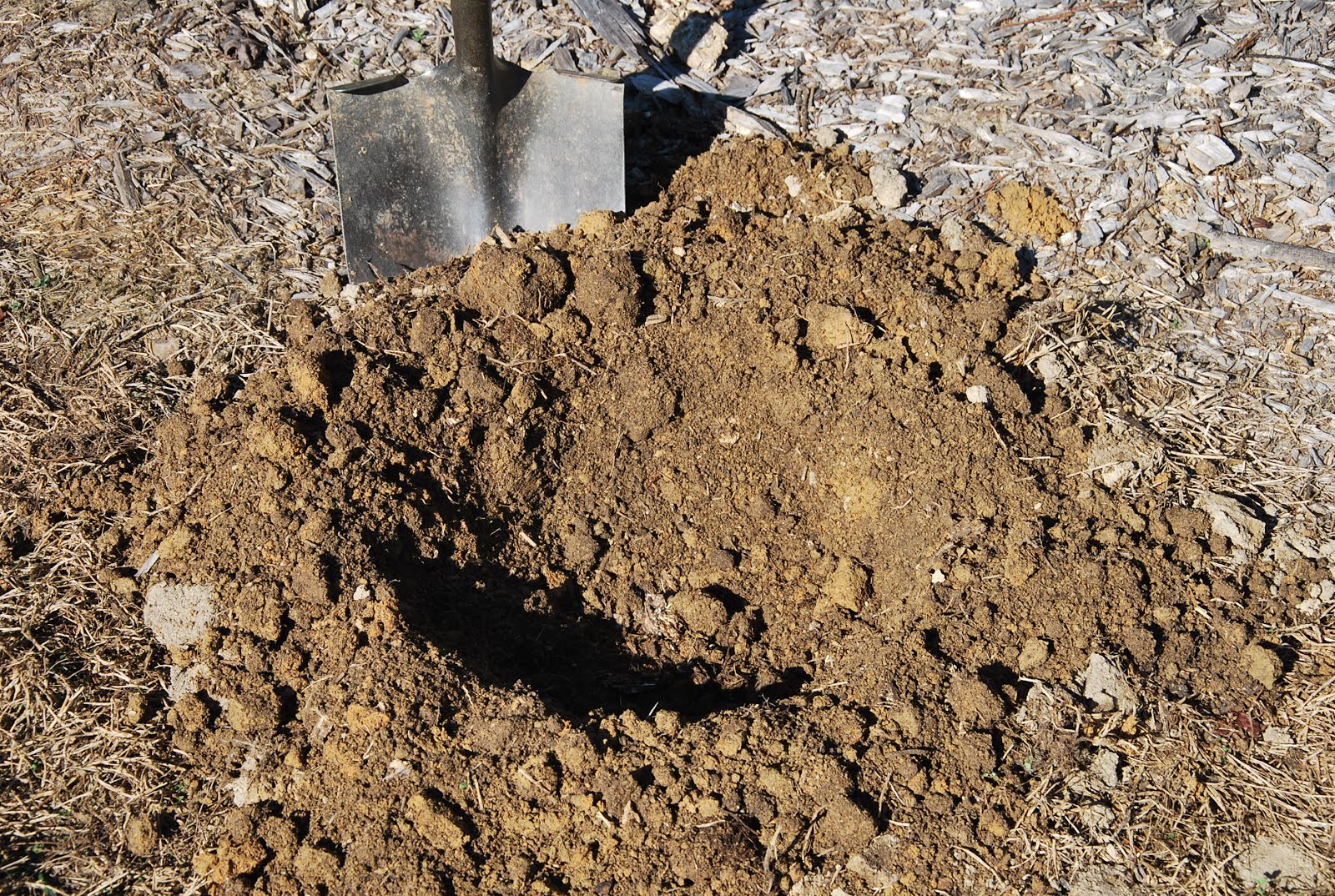
Work in a couple inches of compost and loosen the soil at least 12 to 18 inches deep. Think of it as fluffing the mattress before a long nap.
Step by step: digging up a peony
1) Cut back the foliage
For herbaceous peonies, cut stems down to 1 to 2 inches above the soil. Bag and trash any leaves with obvious disease. Clean foliage can be composted.
2) Dig wide, not close
Start your cut at least 12 to 18 inches away from the crown for mature plants (closer to 8 to 12 inches is fine for younger clumps), then work in a circle. Peony roots can be thick and brittle, like carrots that snap if you get impatient.
3) Lift gently
Use a garden fork to pry and lift from multiple sides. If it will not budge, widen the circle and go deeper rather than yanking.
4) Rinse and inspect
Shake off loose soil. A gentle rinse makes it much easier to see the buds, called eyes, and plan clean divisions.
How to divide peony roots
Take a breath. This is careful woodworking, not surgery.
What you are looking for
- Eyes: the pink or reddish buds near the crown
- Storage roots: thick, tan to brown roots that hold energy
- Feeder roots: smaller roots that help with water uptake
Division size that blooms well
For reliable flowering, aim for divisions with:
- 3 to 5 eyes per division
- At least a few thick roots attached
Yes, you can divide into 1 to 2 eye pieces, but those often take longer to size up and bloom.
Make the cuts
- Sanitize your knife or pruners.
- Follow natural seams where the crown wants to separate.
- Make firm, clean cuts. Ragged tearing slows healing.
- Trim away any mushy, blackened, or hollow root sections.
If you see obvious rot, discard that portion and sanitize tools again before touching healthy pieces.
Keep divisions from drying out
While you work, keep roots out of sun and wind. Set divisions on a tarp in the shade and cover them with a damp towel if needed. Peony roots should not sit around and get crispy.
Replanting depth rules
If peonies had a single sacred rule, it would be this: do not plant the eyes too deep.
Herbaceous peony depth
- Cold climates (roughly zones 3 to 5): set the eyes about 1 to 2 inches below the soil surface.
- Milder climates (roughly zones 6 to 8): aim closer to 1 inch below the surface.
Deeper planting is a classic reason for lush leaves and zero flowers. If your peony has not bloomed in years, check depth before you blame the plant.
How to plant so depth stays correct
- Build a small mound of soil in the hole.
- Spread roots over the mound like a little octopus.
- Backfill slowly, checking the eye depth as you go.
- Water in, then re-check. Soil settles.
Mulch lightly the first winter, but keep mulch pulled back from the crown so you do not accidentally bury the eyes.
Aftercare for blooms
Watering
For the first 4 to 6 weeks, water deeply when the top inch or two of soil dries. You want steady moisture, not soggy soil.
Staking
If your variety flops, add a peony ring or discreet stakes early next spring. Trying to corral stems after they stretch is like trying to put socks on a cat.
Fertilizing
If your soil is reasonably rich, wait until spring. Then use a balanced, slow-release fertilizer or compost top-dressing. Avoid heavy nitrogen.
Airflow and disease prevention
Keep the area weeded and avoid crowding. Good airflow is quiet disease prevention. In spring, avoid overhead watering when possible, and clean up old foliage in fall to reduce botrytis carryover.
What to do with buds the first year
If a newly divided peony tries to bloom and the plant is small, you can pinch off some buds to push energy into roots. I know it feels cruel. Consider it an investment in bigger bouquets later.
Common mistakes
- Planting too deep: the number one culprit.
- Too much shade: peonies can survive, but blooms suffer.
- Divisions too small: one-eye pieces are slow to rebound.
- Overwatering or poor drainage: encourages rot.
- Moving too often: peonies prefer to settle in.
- Heavy mulch piled on the crown: effectively deepens planting.
Why peonies flop
If flopping is your main complaint, it is usually a mix of physics and weather, not a personal failure.
- Big blooms plus rain: heavy, waterlogged flowers pull stems down.
- Not enough sun: stems stretch and get weaker.
- Too much nitrogen: can produce lush, softer growth.
- Crowding: thin stems compete inside an overgrown clump.
- No support: many double varieties simply need a ring, even when perfectly healthy.
Best fix: full sun, sane feeding, and a ring installed early, before stems hit their growth spurt.
Tree peonies note
Tree peonies (woody stems that stay above ground) can also be transplanted in fall, but division is not the same process and is not commonly done at home.
- Do not cut tree peonies to the ground like herbaceous types.
- Many tree peonies are grafted. When planting, the graft union is typically set so the scion sits about 4 to 6 inches (10 to 15 cm) below the soil surface to encourage the desirable top growth to root on its own. This is the opposite of herbaceous depth rules.
If you suspect you have a tree peony and are unsure whether it is grafted, pause before you dig. Identifying the graft changes everything about planting depth.
Simple timeline
Late summer to early fall
- Choose the new site and prep soil.
- Dig, rinse, divide (if needed), and replant at correct depth.
- Water in well.
Fall
- Keep soil lightly moist until frost.
- Do not pile mulch onto the crown.
Spring
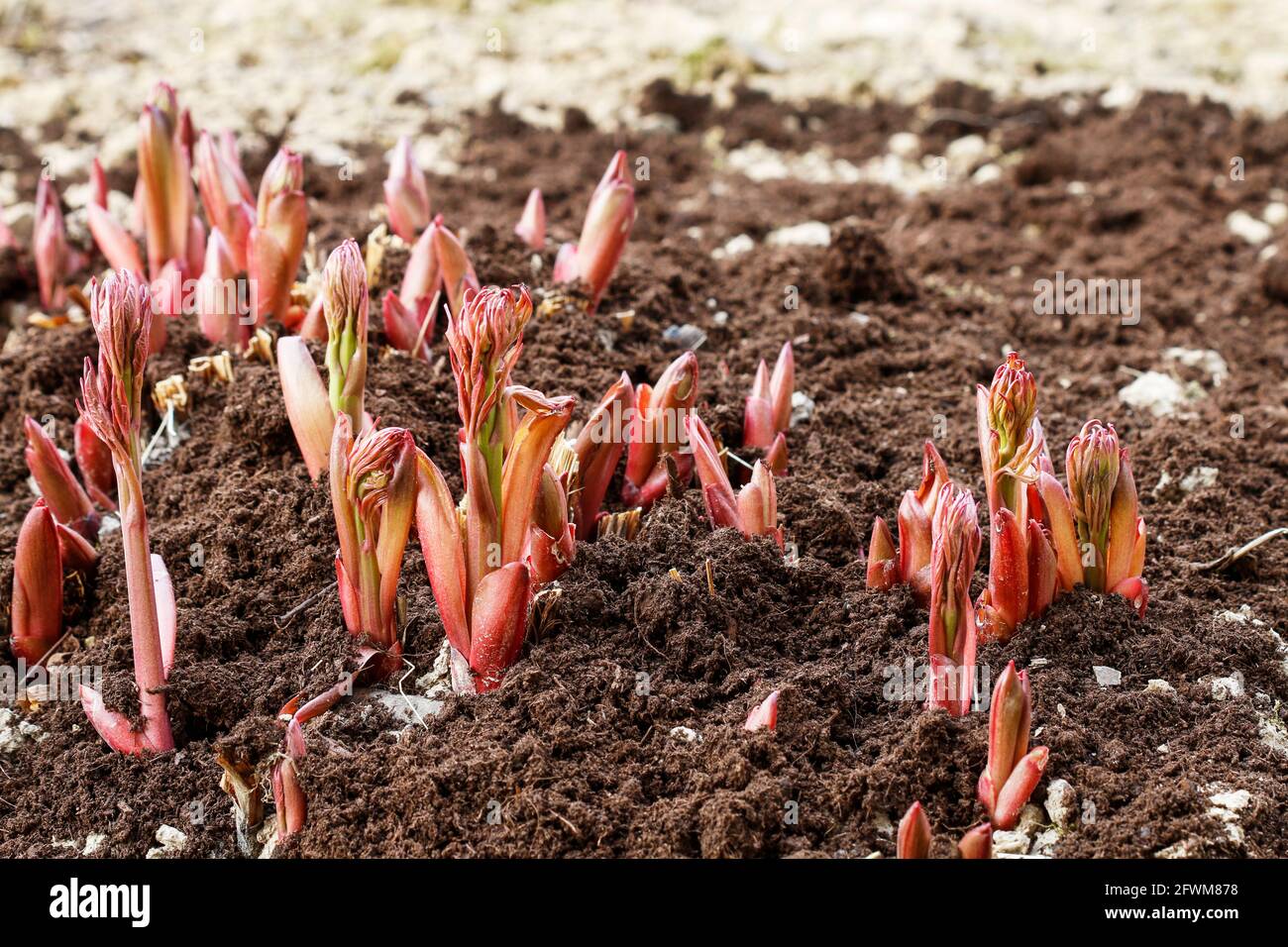
- Watch shoots emerge.
- Stake early if needed.
- Top-dress with compost.
If your peony blooms lightly the first year, celebrate. If it does not, that is normal. With good depth and decent sun, year two is where the magic usually ramps up.
FAQ
Can I transplant peonies in spring?
You can, especially if you move a large root ball and keep it watered, but expect fewer blooms. Fall remains the best season for both transplanting and dividing.
How long does it take a divided peony to bloom again?
Often 1 to 2 years for strong flowering, depending on division size, sunlight, planting depth, and how early you got it in before the ground freezes.
Should I add bone meal to the planting hole?
It is not required. If your soil test shows low phosphorus, amend accordingly, but compost and good soil structure do more for long-term health than tossing in random extras.
My peony has lots of leaves and no flowers. What should I check first?
Check planting depth, then sunlight. Those two solve the majority of no-bloom mysteries.
If you want, tell me your growing zone and your usual first hard frost date, plus whether your peony has been in the ground for 3 years or 30, and I can help you pick the best week to dig and how large to make your divisions for the quickest return to blooming.