
Why Peony Buds Stay Closed

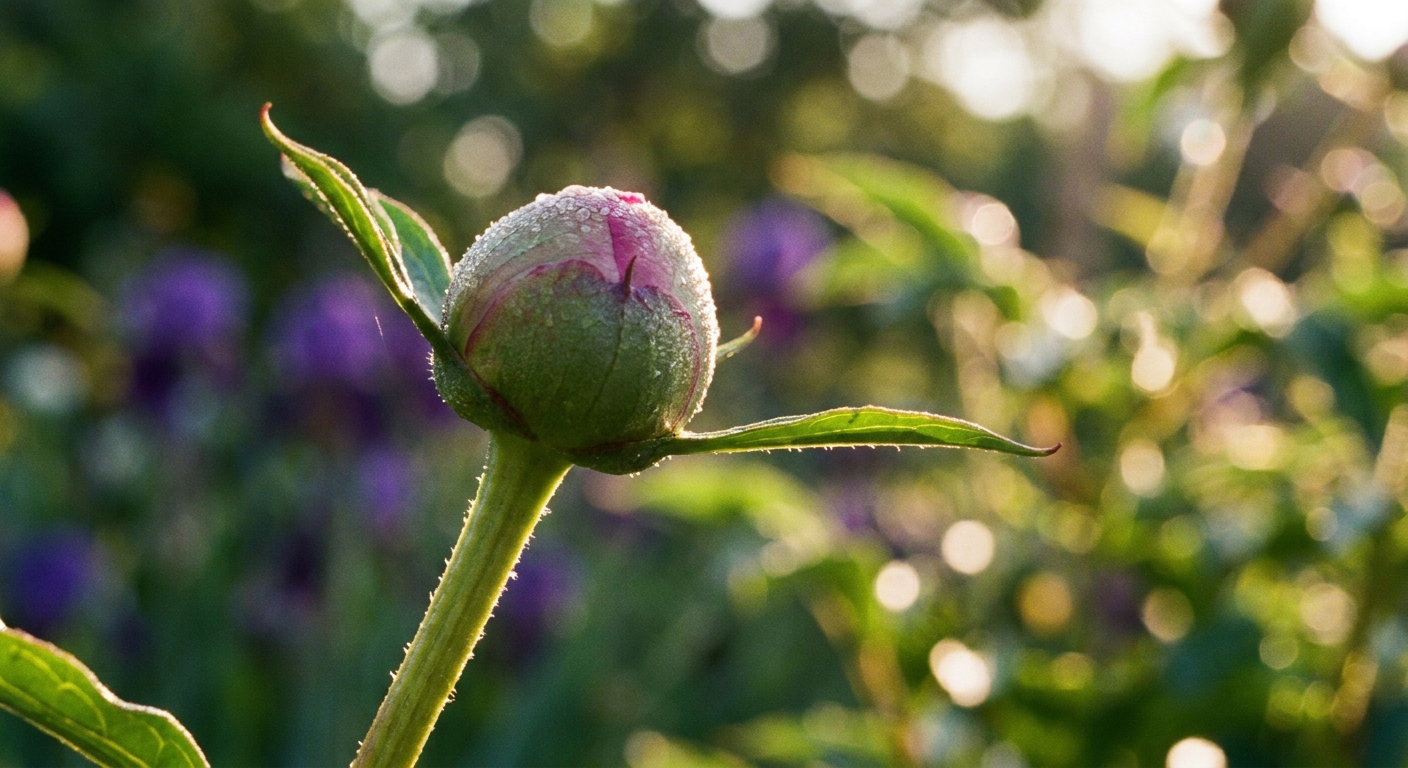
Peonies have a dramatic way of building anticipation. One day you have fat, promising buds. The next, they just sit there as if they are holding a grudge. The good news is that many “stuck” peony buds are not a mystery at all. They are a clue. In peony terms, this is often called bud blast, when buds form but fail to open (or they stall and dry up). If you learn to read bud color, the feel of the bud surface, and what the stem is doing, you can usually sort out what is normal, what is weather-related, and what needs a quick intervention.

First: Are ants the problem?
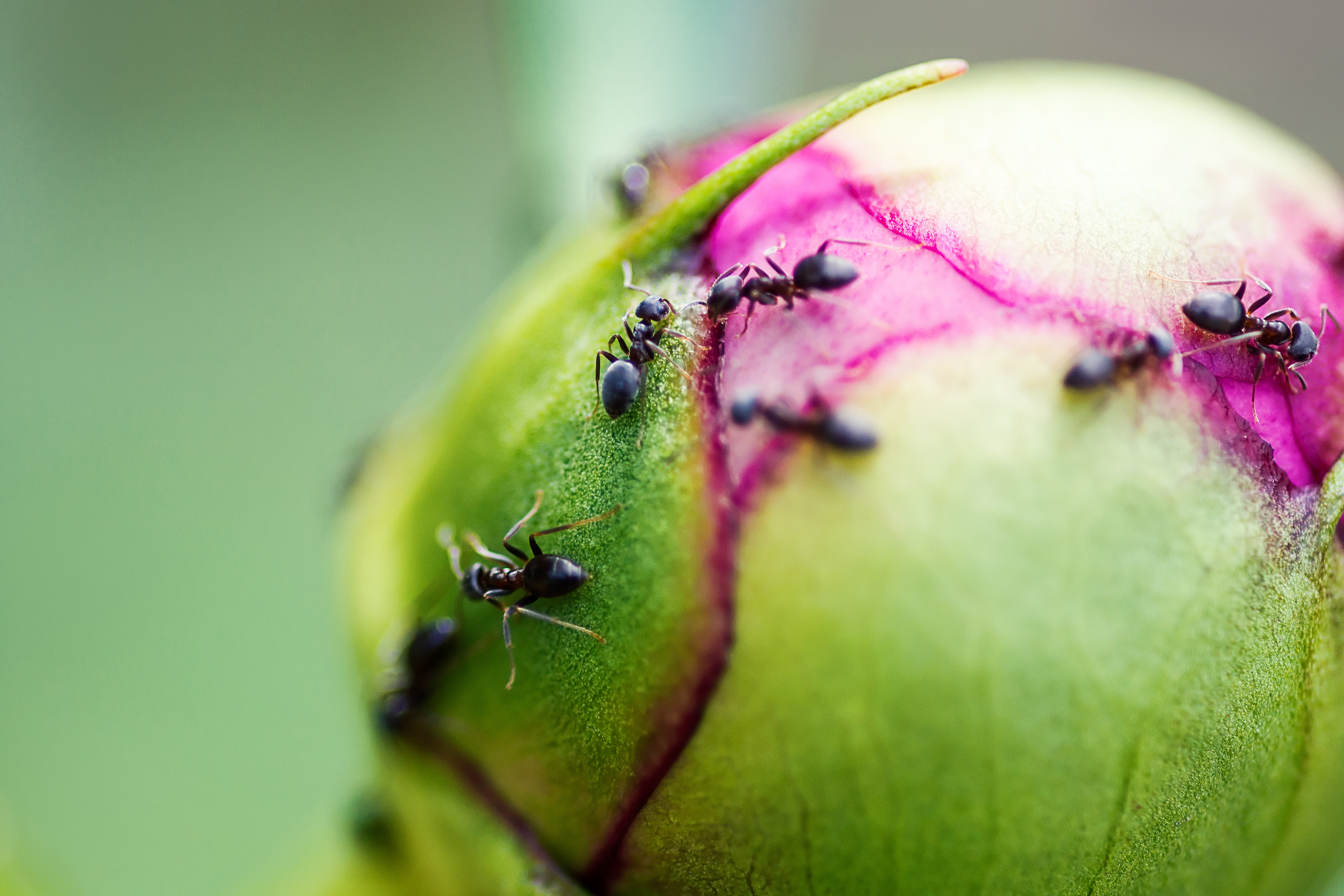
I know ants look guilty. They are bustling around the bud, and the bud is not opening. But in most gardens, ants are simply showing up for the sugary sap peonies naturally produce as buds swell. They are not required for blooms to open, and they usually do not harm buds directly. (On rare occasions, they can make other problems worse, like protecting aphids, or fussing with tissue that is already damaged.)
When ants are normal
- Buds feel slightly sticky, like a thin layer of syrup.
- Bud color looks healthy for the variety, often green with a blush or deeper pink/red as it matures.
- Stem is firm and upright.
- No fuzzy gray mold and no dark, collapsing patches.
If this is your situation, you can leave the ants alone. They are just sweet-toothed opportunists doing their spring rounds.
When a sticky bud needs a rinse
Sometimes the sap can dry and collect dust or debris, and petals can sometimes cling together on very tacky buds. In that case, ants are still not the culprit, but the bud may benefit from a gentle cleaning.
- Rinse the bud with a soft stream of water in the morning.
- If it is very tacky, use a spray bottle with lukewarm water and mist the bud, then let it air-dry.
- Avoid soaking buds late in the day in humid weather, since prolonged dampness can invite fungus.
Weather stalls: cold, heat, and drought
Peony buds are surprisingly tough, but they are not immune to spring mood swings. Weather stress is one of the biggest drivers of bud blast and bloom stalls. The tricky part is that a bud can look “fine” right up until it gives up.
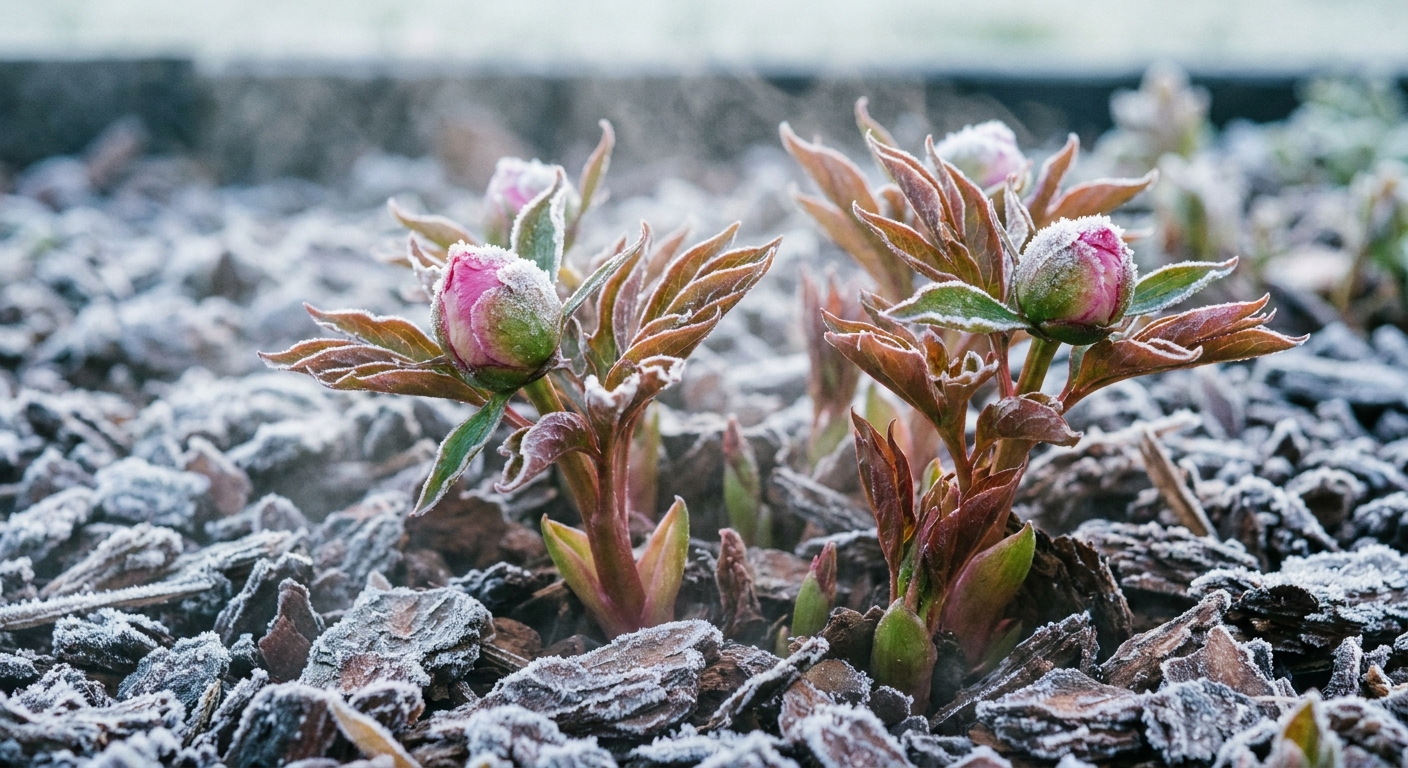
Cold snaps and late frosts
A cold snap can pause development like someone hit a slow-motion button. The bud may stay closed for days or, depending on your climate and variety, longer, then open when temperatures stabilize.
Signs your peony is weather-stalled (not sick)
- Buds are swollen and firm, but not expanding day to day.
- Bud color is normal, though it may look deeper and tighter in cold weather.
- Stems remain green and sturdy.
- No mushy areas, no fuzz, no bad smell.
What you can do
- Do nothing drastic. Do not fertilize “to force blooms.” That usually backfires.
- If a hard frost is forecast and buds are advanced, cover at dusk with a frost cloth or light sheet and remove it in the morning.
- Keep soil evenly moist, not soggy. Cold plus wet is where problems start.
Signs a frost actually damaged the bud
- The bud turns blackened or water-soaked.
- The bud becomes soft and may droop.
- The top of the stem shows collapsed tissue.
If you see true damage, snip the affected bud or stem back to healthy tissue. The plant may still put energy into foliage and next year’s buds.
Sudden heat, hot wind, and drought
Cold is not the only weather culprit. A fast swing into heat, drying winds, or a stretch of drought while buds are swelling can cause buds to dry, stall, or blast. You may see buds that feel firm at first, then turn papery, browned, or simply stop progressing.
- Water deeply when the top couple inches of soil are dry, especially during bud swell.
- Add a light mulch layer to even out moisture, but keep mulch pulled back from the crown.
- In extreme heat, temporary afternoon shade (a cloth or umbrella for a day or two) can help prized blooms finish.
Botrytis: the soggy-season bud killer
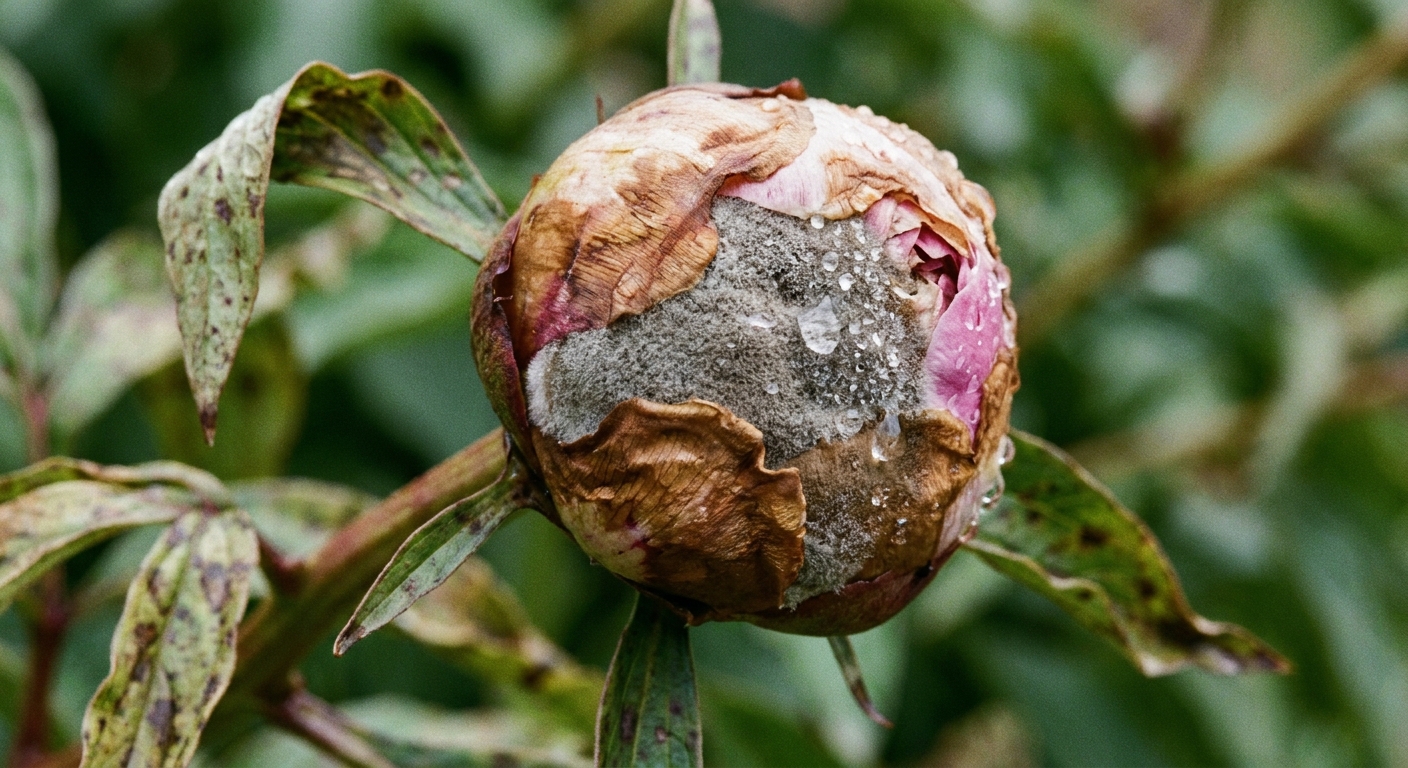
If your peony buds turn brown, shrivel, or seem to rot before opening, botrytis blight is a top suspect, especially in cool, wet springs. Botrytis loves crowded growth, poor airflow, and leaves that stay damp.
How to recognize botrytis
- Bud browns or blackens and stops developing.
- Bud or stem looks mushy or collapses.
- You may see gray, fuzzy mold on buds, stems, or nearby leaves in humid weather.
- Stems can show dark lesions, sometimes starting near the soil line or at a leaf joint.
What to do right now
- Remove infected parts immediately. Cut back to healthy firm tissue (green outside, pale and clean inside). Do not rely on a specific distance. Follow the healthy tissue.
- Bag and trash infected material. Do not compost it.
- Sanitize pruners between cuts with alcohol or a disinfectant wipe.
- Open up airflow by thinning nearby plants that crowd the peony, and avoid overhead watering.
If botrytis keeps returning
In persistent cases, a targeted fungicide program can help, but it works best as prevention early in the season, not as a rescue once buds are rotting. If you go this route, follow label directions and local extension guidance. If you prefer lower-intervention gardening, focus first on cultural fixes: spacing, airflow, morning-only watering at the base, and cleaning up plant debris. Botrytis survives on old stems and fallen leaves.
Site checks: sun and planting depth
If you are seeing frequent bud blast or weak blooming year after year, do a quick reality check on the basics. These are not always the reason a bud stalls mid-season, but they are common background stressors that make everything else more likely.
Sunlight
- Most peonies bloom best with at least 6 hours of sun. In heavy shade, buds can be fewer, smaller, and slower to open.
Planting depth
- Herbaceous peonies are famously fussy about depth. If the “eyes” are too deep, flowering suffers.
- A common guideline is to plant eyes about 1 to 2 inches below the soil surface, adjusted for your climate.
- If your peony is all leaves and no reliable bloom, depth is worth checking when you divide or replant in fall.
Nutrient clues
Peonies are not heavy feeders, and more fertilizer is not better. Buds that form but fail to open can sometimes trace back to an imbalance: too much nitrogen, a soil pH that makes nutrients harder to use, or less commonly, low potassium contributing to weak bloom performance.
Too much nitrogen
Nitrogen pushes leafy growth. If your peony looks like a gorgeous green shrub but blooms are scarce or buds stall, take a look at what is feeding it. Lawn fertilizer drift is a common culprit, especially if the peony sits near turf.
- Signs: deep green, floppy foliage; lots of stems; fewer blooms; buds that seem slow and reluctant.
- Next step: stop nitrogen-heavy fertilizers. Keep mulch a few inches back from the crown to avoid constant nutrient release right at the stems.
Potassium (a less common, but real factor)
Potassium supports flowering, overall vigor, and stress tolerance. It is not the most common cause of bud blast, but if buds are consistently small, stems are weaker, or flowering is inconsistent year to year, potassium is worth checking.
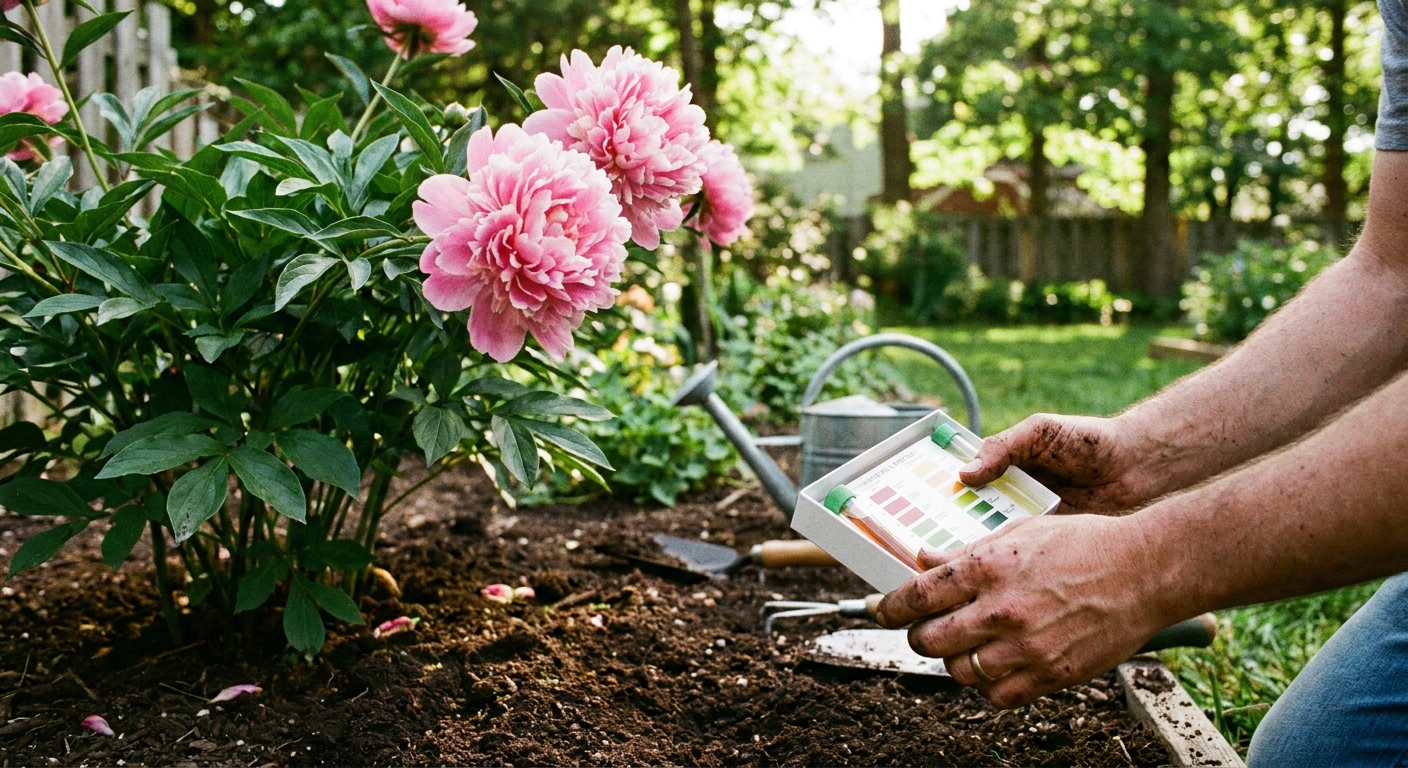
- Best move: get a soil test. It is the fastest way to avoid guessing.
- If a test shows low potassium, amend with a fertilizer that is not nitrogen-forward, following label rates.
Phosphorus myths
Phosphorus is often marketed as the bloom nutrient, but many soils already have plenty. Adding more will not necessarily open buds, and excess phosphorus can interfere with micronutrient uptake. If you suspect nutrition, a simple soil test is more helpful than a mystery “bloom booster.”
Pests and stress: when buds dry up
Sometimes bud blast looks like this: the bud never gets mushy, never grows fuzz, and never opens. It just stops, dries, and shrinks. That can happen from weather stress (heat, wind, drought), but it can also be tied to insect feeding such as thrips on developing petals. This can be hard to confirm without close inspection, but if you see distorted petals when buds partially crack, or repeated blasting in otherwise decent weather, pests and overall plant stress are worth considering.
Quick diagnostic flow
If you only have a minute, use this little flow. Think of it like a calm conversation with your plant. What does the flower bud look like, and what does the stem feel like?
1) Is the bud healthy-colored and firm?
- Yes. Go to step 2.
- No, it is browning, blackening, papery, or soft. Skip to step 4.
2) Is the bud sticky with ants present?
- Yes. Ants are usually normal. If petals seem glued and the bud is very tacky or dusty, rinse gently in the morning and wait for steady weather.
- No. Go to step 3.
3) Has the plant been stressed by weather?
- Cold snap or frost. Likely a weather stall. Keep watering even, avoid fertilizer, and protect from hard frost. Be patient.
- Sudden heat, wind, or drought. Water deeply, mulch lightly (away from the crown), and reduce stress so the bloom can finish.
- None of the above. Consider site basics (sun, planting depth) and take a look at nutrition, especially if growth is extremely leafy.
4) Is there gray fuzz, dark lesions, or a mushy spot on bud or stem?
- Yes. Suspect botrytis. Prune back to healthy firm tissue, trash it, sanitize tools, and improve airflow. Avoid overhead watering.
- No, it looks frost-burned or dried and papery. Remove the worst buds if you like, then focus on stress reduction. Next year will likely be better with steadier conditions.
Small habits that prevent stuck buds
No deep redesign required here. A few gentle habits go a long way, especially if you garden in a spring that swings between raincoats and shorts.
- Water at the base in the morning, so leaves and buds do not stay damp overnight.
- Give peonies some breathing room. Crowding makes botrytis more likely.
- Go easy on nitrogen. If you fertilize, choose a balanced approach and keep lawn fertilizer away from peony beds.
- Clean up diseased debris. If you saw botrytis, be extra careful to remove and trash affected plant material.
- Watch for stress windows. Bud swell is when drought and sudden heat can tip a bloom into bud blast.
Have you dealt with bud blast or stubborn buds that refused to open? Share what you noticed (sticky or dry, firm or soft, cold week or sudden heat) in the comments. It helps other gardeners compare notes and troubleshoot faster.