
Why Your Rose of Sharon Is Not Blooming

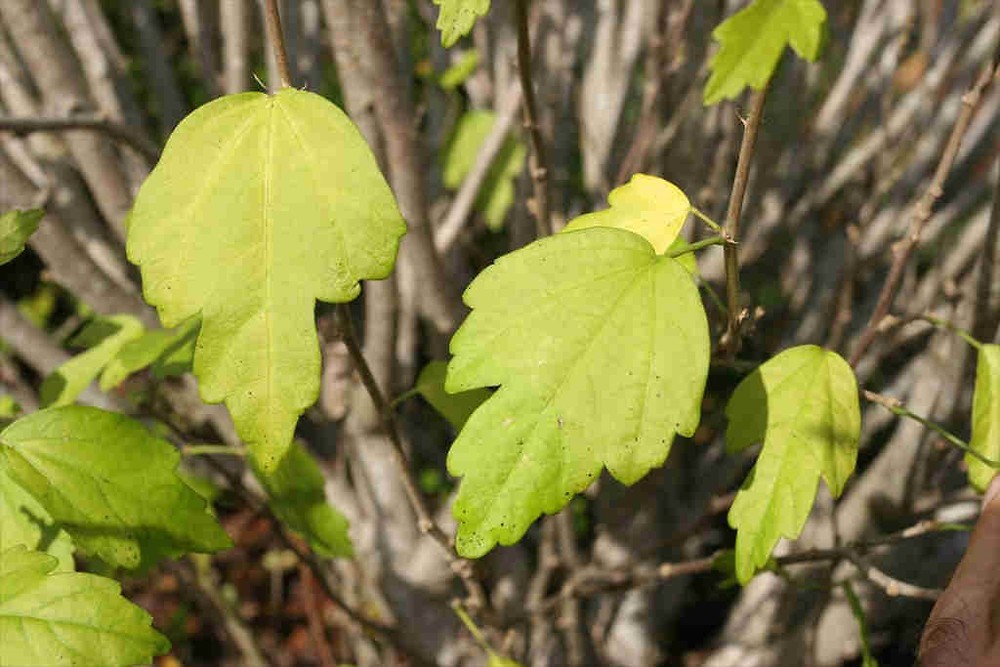
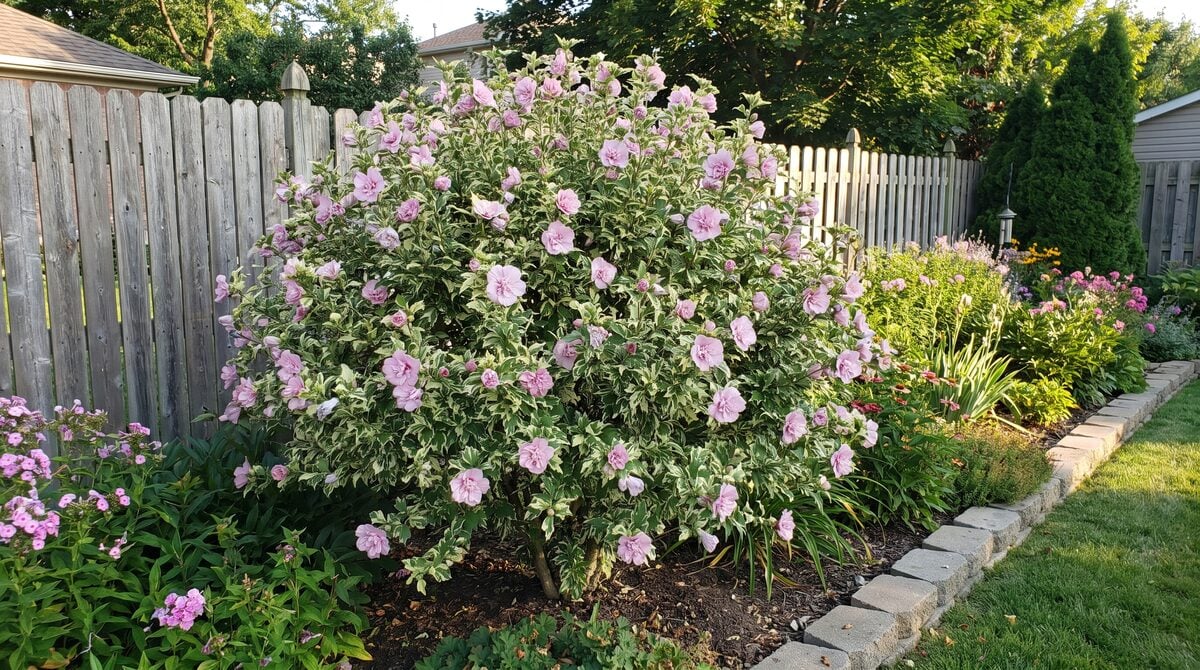
The first summer I grew Rose of Sharon (Hibiscus syriacus) on purpose, I was certain I’d found a “set it and forget it” shrub. It was green, tough, and completely unbothered by my busy weeks. Then July rolled around, my neighbor’s shrub turned into a confetti cannon of blooms, and mine did absolutely nothing. Not one flower. Just a smug wall of leaves.
If yours is doing the same, don’t panic. A non-blooming Rose of Sharon is usually healthy enough to grow, but missing one or two key conditions that trigger flower buds. Let’s troubleshoot it like a gardener, not a detective in a hurry.

Quick check: should it be blooming yet?
Rose of Sharon typically blooms in mid to late summer, often from July into September, depending on your climate and cultivar. In warmer areas or with early cultivars, it can start a bit sooner, and in mild falls it can stretch later. It also tends to leaf out later than many shrubs, so it can feel “behind” in spring.
- If it’s early summer: you may simply be ahead of the show.
- If it’s late summer and still nothing: work through the causes below in order. The first two solve most cases.
Cause #1: Too much shade
Rose of Sharon will survive in part shade, but heavy shade often means lots of leafy growth and few to no flowers. This shrub is at its happiest with full sun.
What to look for
- Less than about 6 hours of direct sun during the growing season
- It’s on the north side of a house, under high tree canopy, or in the shadow of a fence or new construction
- It grows long, reaching stems as if it’s trying to “find” light
What to do
- Observe sun patterns for 1 to 2 days. Morning sun plus afternoon shade can be okay, but deep shade most of the day is a bloom killer.
- Prune back nearby plants that are casting new shade, especially overhanging tree limbs.
- If it’s truly shaded: consider transplanting in fall or early spring to a brighter spot. (Rose of Sharon tolerates moving better when it’s dormant.)
Cause #2: Too much nitrogen
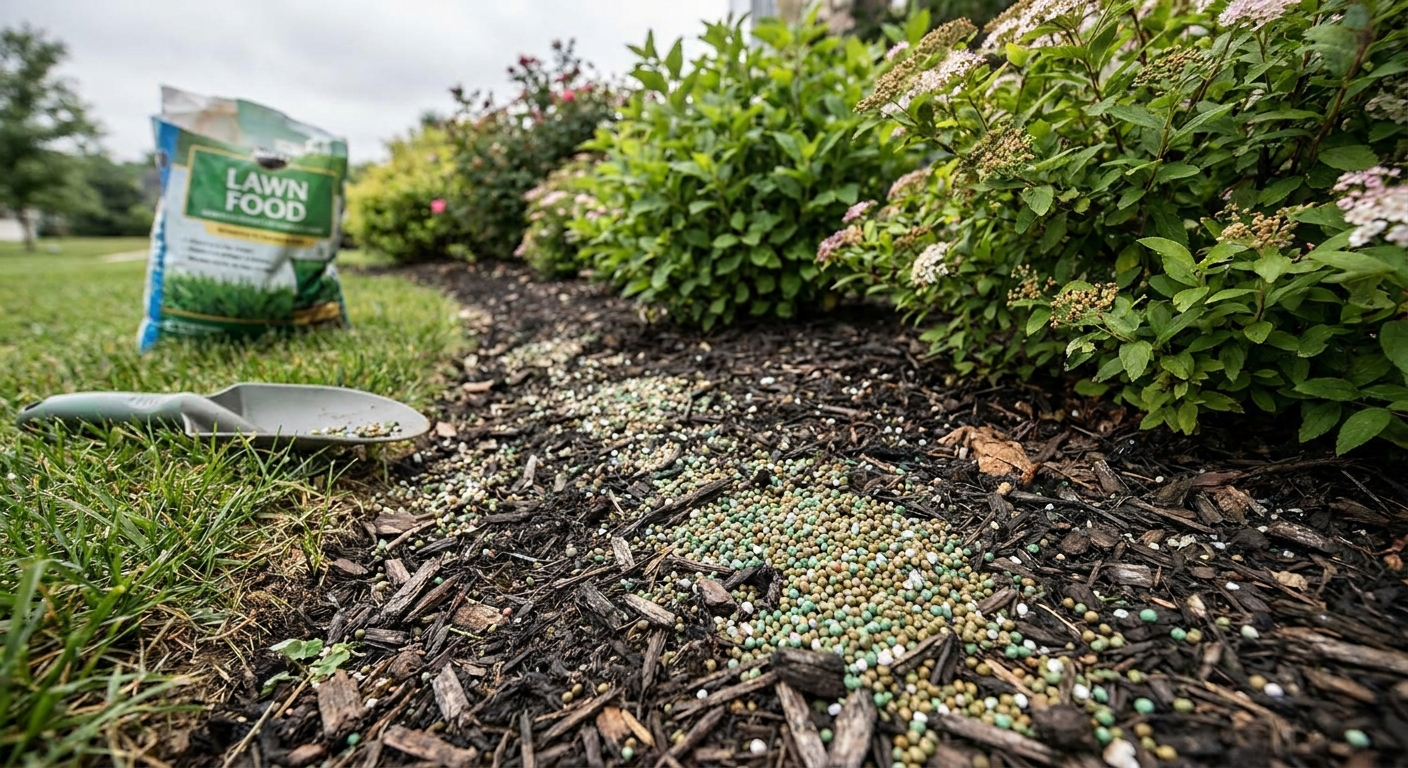
Nitrogen pushes leafy growth. That’s great for lawns and not so great for flowering shrubs when it’s overdone. Rose of Sharon that’s getting a steady diet of nitrogen often looks gorgeous and refuses to flower.
Common ways nitrogen sneaks in
- Nearby lawn fertilizer (the classic culprit). Roots can reach into fertilized turf.
- High-nitrogen general fertilizers applied in spring and early summer.
- Fresh manure or very “hot” compost applied heavily around the base.
What to do
- Pause fertilizing. Established Rose of Sharon shrubs often do not need regular fertilizer in decent soil.
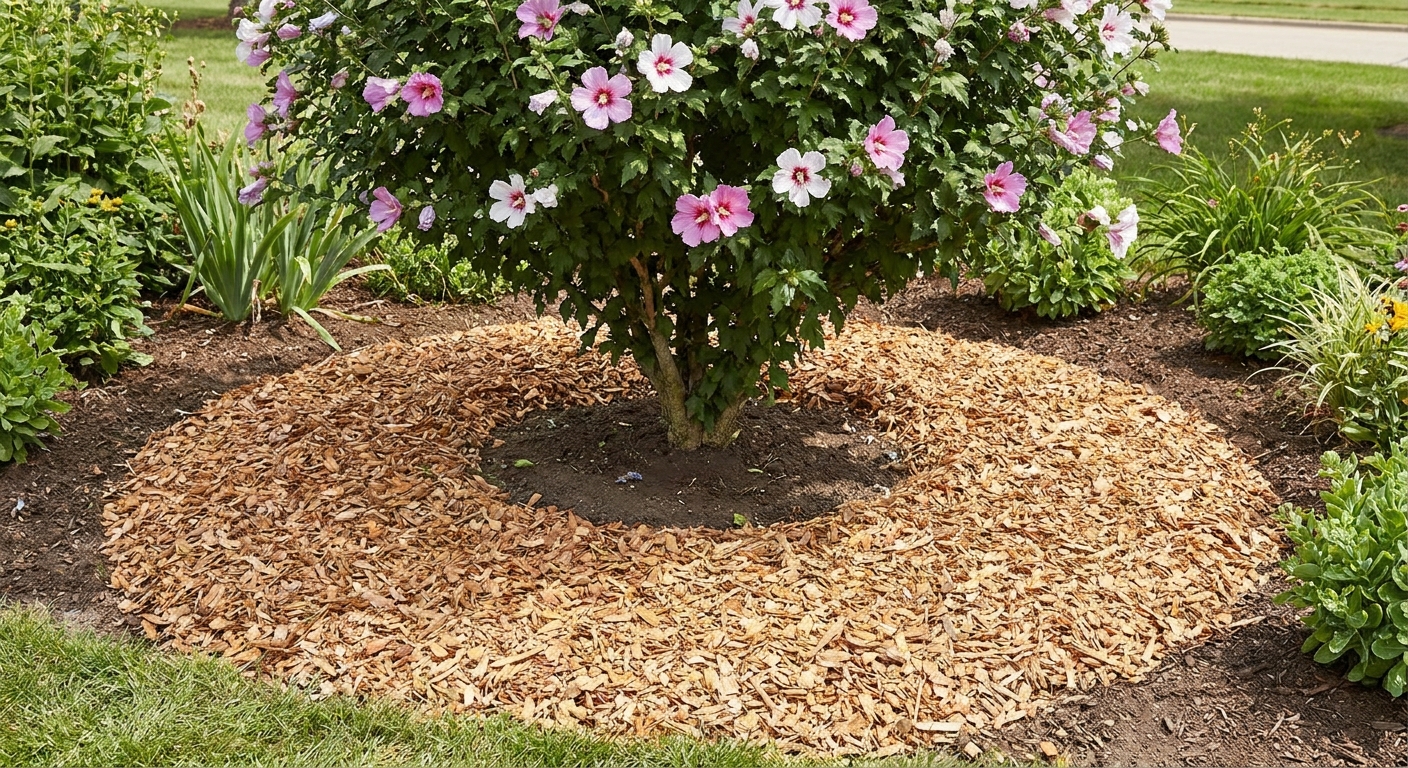
- Avoid feeding the lawn right up to the shrub. Leave a mulched ring under the canopy line to reduce fertilizer drift and runoff.
- Use compost lightly as a soil builder, not a performance enhancer. Think one thin top-dressing, not a mound.
- If you must fertilize: choose something balanced and gentle, and apply modestly in early spring only.
Cause #3: Pruning at the wrong time
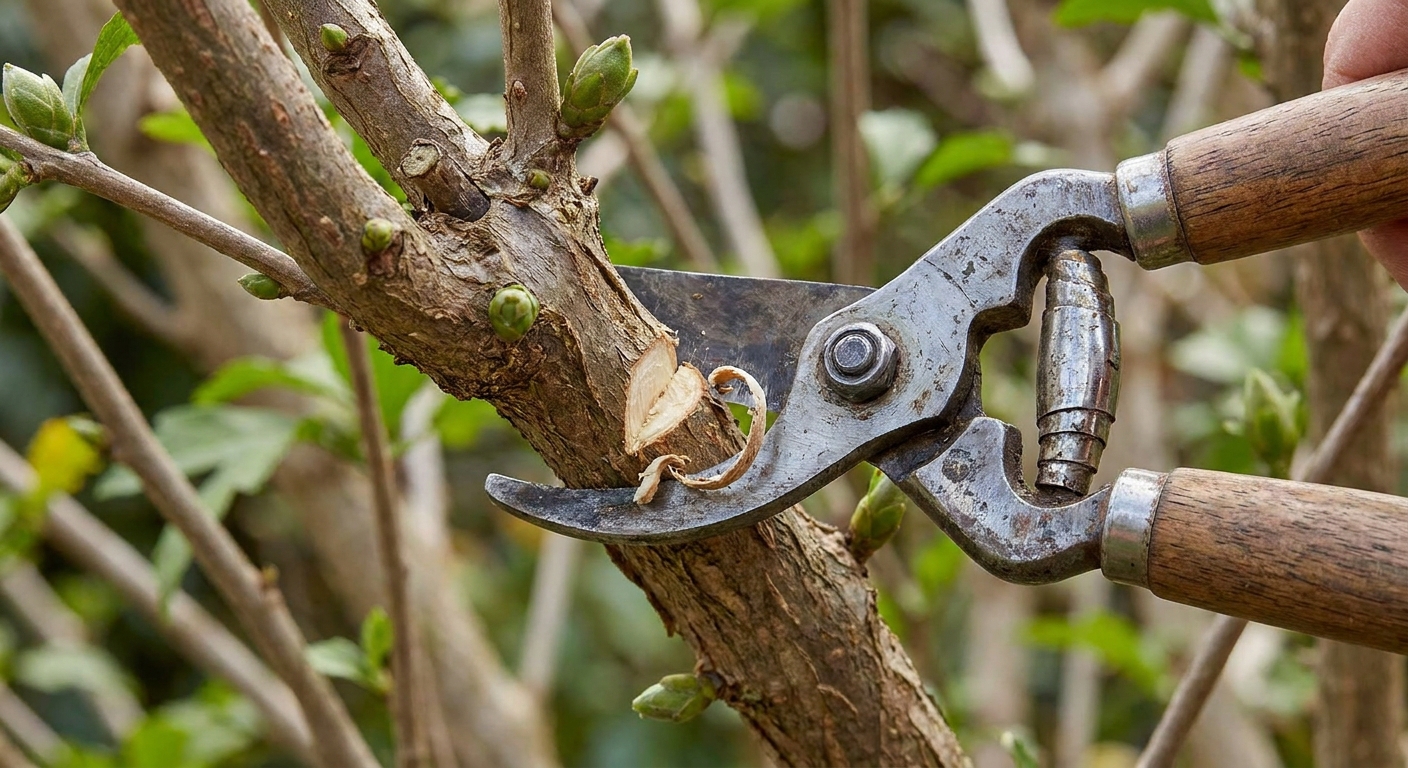
This is the heartbreak scenario: you did a nice clean prune, the shrub responded with vigorous growth, and then it didn’t bloom. The good news is that the problem is usually not that you literally chopped off next month’s flowers. Rose of Sharon blooms on new growth, so dormant-season pruning is generally fine.
The more common issue is that repeated shearing or a hard prune late in spring or into summer can keep resetting the clock. The plant keeps pushing fresh green growth, but that growth may not mature enough to form and open buds before the season is half over.
Signs pruning is the issue
- You sheared or shaped the shrub multiple times in late spring or early summer
- You made a very hard cutback and it responded with long whips of growth but no bud set yet
- You pruned after the shrub had already started pushing strong growth for the season
What to do this season
- Stop pruning once summer arrives. Let the shrub settle and set buds.
- Avoid shearing. Shearing encourages dense outer growth that can stay vegetative. If you need to reduce size later, use selective branch cuts rather than haircut shaping.
What to do next year
If your Rose of Sharon needs size control, plan your main prune for the dormant season, then let it grow uninterrupted once it leafs out. For bloom troubleshooting, the takeaway is simple: midseason shaping often means delayed flowers.
Cause #4: Drought stress
Rose of Sharon is fairly drought tolerant once established, but “tolerant” does not mean “flowers through neglect.” Drought stress often leads to bud drop, delayed bud formation, or smaller, fewer blooms.
Clues it’s water-related
- Leaves look a bit dull, curl at the edges, or droop during hot afternoons
- Flower buds form and then dry up or fall off before opening
- Soil is dry several inches down for long stretches
How to fix it
- Deep water, less often. A good rule is to water long enough that the soil is moist about 6 to 8 inches down. (For many gardens, that lines up with roughly 1 inch of water a week during drought, counting rain.)
- Mulch 2 to 3 inches deep under the canopy, keeping mulch a few inches away from the trunk. Mulch steadies moisture and soil temperature.
- Water during prolonged heat even if the plant is “established,” especially if it’s in reflected heat near pavement or a south wall.
Cause #5: Too young or stressed
If your Rose of Sharon is newly planted, recently transplanted, or recovering from winter damage, it may be prioritizing roots and branches over flowers.
When age is the likely explanation
- You planted it this year or last year
- It’s a small plant that’s putting on height but not much branching yet
- It suffered a big setback: deer browsing, severe winter dieback, major transplant shock, or a harsh pruning reset
What to do
- Be patient for a season. Many shrubs bloom more reliably once they’ve settled in.
- Focus on steady care: sun, deep watering during dry spells, mulch, and no heavy fertilizing.
Other bloom blockers
Wet feet and poor drainage
This one gets overlooked because the shrub can look fine early in the season. If the soil stays soggy, roots struggle, and flowering often fizzles.
- Clues: soil stays wet days after rain, yellowing leaves, slow growth, or dieback on otherwise healthy-looking branches.
- Try: back off irrigation, improve drainage if you can, and avoid planting Rose of Sharon in low, swampy spots.
Too much root competition
Dense turf, thirsty trees, or aggressive groundcovers can steal water and nutrients.
- Create a mulched bed under the shrub rather than letting grass grow right up to the stems.
Late freezes and winter damage
Rose of Sharon is hardy, but late cold snaps can damage tender new growth. You may still get blooms later, just fewer.
- Wait and watch for new shoots. Keep watering consistent and avoid extra nitrogen that encourages soft regrowth.
Pests
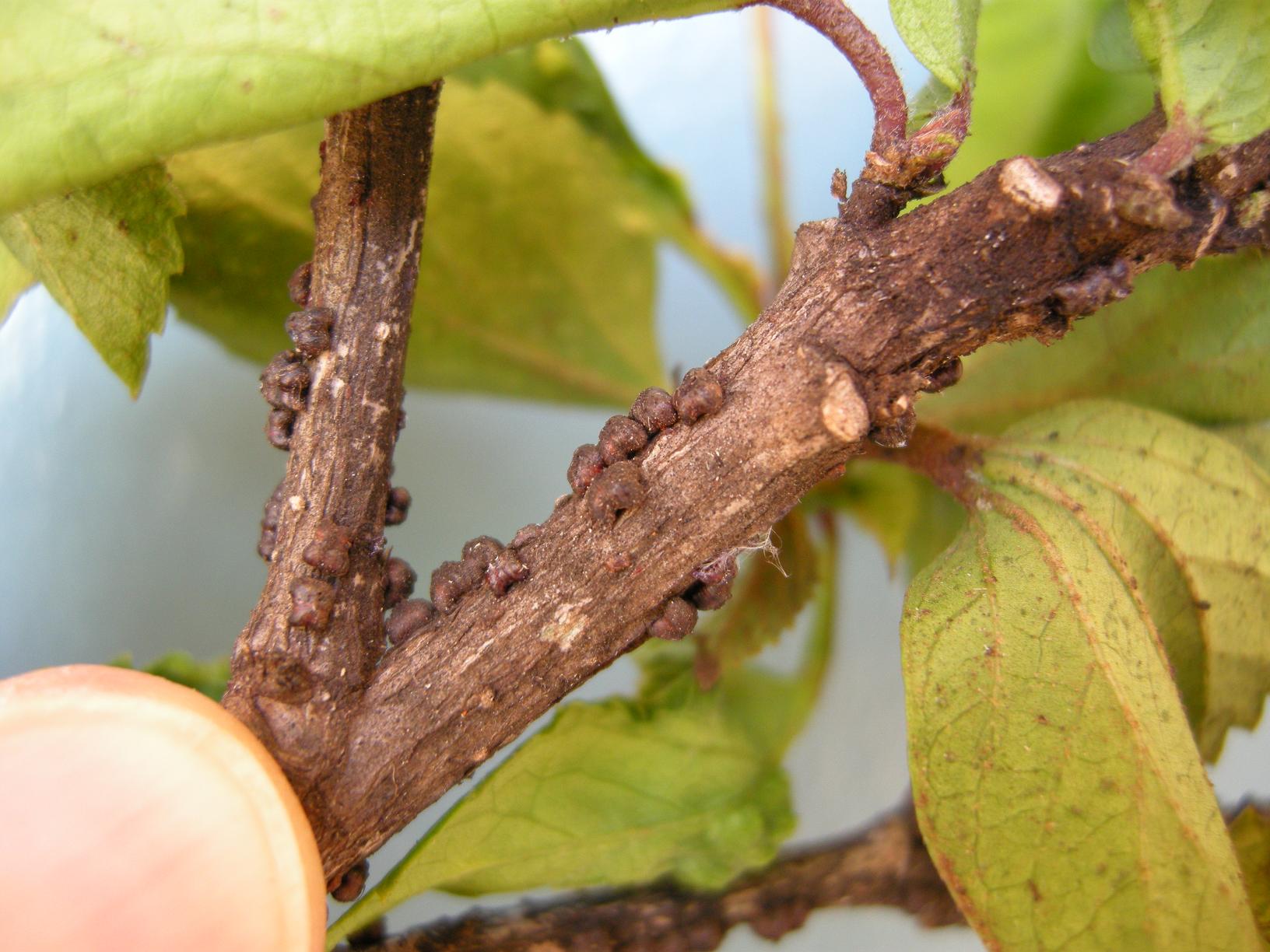
Leaf chewers rarely stop flowering on their own, but sap-suckers can stress plants enough to reduce vigor and blooms.
- Check the undersides of leaves and along stems for sticky residue, tiny bumps, or fine webbing.
- Blast with water, prune out heavily infested stems, and consider insecticidal soap if needed.
Diagnosis flow
- Count the sun. If it gets less than 6 hours of direct light, fix light first.
- Think about fertilizer. If lawn food or high-nitrogen feed is nearby, pause and create a mulched buffer.
- Review pruning. If you sheared or hard-pruned in late spring or summer, let it grow undisturbed now.
- Check soil moisture. Long dry spells (or chronically wet soil) can both interrupt blooming.
- Consider maturity and stress. New, moved, or recently damaged shrubs may just need time.
FAQ
My Rose of Sharon is huge and healthy. Why no flowers?
When it’s large and leafy but bloom-free, shade and nitrogen are the first suspects. The next most common issue is repeated shearing that keeps it producing fresh vegetative growth instead of letting stems mature and set buds.
Will Epsom salt make my Rose of Sharon bloom?
Epsom salt is magnesium sulfate. It only helps if your soil is truly low in magnesium, which is not the most common reason for no blooms. If you suspect a nutrient imbalance, the most reliable path is a simple soil test and then targeted amendments. In most gardens, improving sun and reducing excess nitrogen does more than any supplement.
Should I use a bloom booster fertilizer?
If your shrub is in full sun and not surrounded by lawn fertilizer, you can use a light, balanced feeding in early spring. But “bloom booster” products can be unnecessary, and overfertilizing is a frequent cause of bloom problems in the first place. For most established plants, compost and mulch are enough.
Is this the same plant as hardy hibiscus?
No. Rose of Sharon (Hibiscus syriacus) is a woody shrub that keeps its above-ground structure year to year. Hardy hibiscus (often Hibiscus moscheutos) dies back to the ground in winter and has a different care rhythm.
When to get a second set of eyes
If you have full sun, you have not overfed, you have not been shearing, and the plant still never blooms year after year, it’s worth checking for bigger stressors: poor drainage, root damage, or a chronic pest issue. A close look at the base, the soil, and the newest growth often reveals what’s off.
If you’ve been through the checklist and you’re still stuck, share your setup in the comments: roughly how many hours of sun it gets, whether the nearby lawn is fertilized, and when you last pruned. Those three details usually point to the answer.