Epsom Salt for Tomatoes, Roses, and Peppers

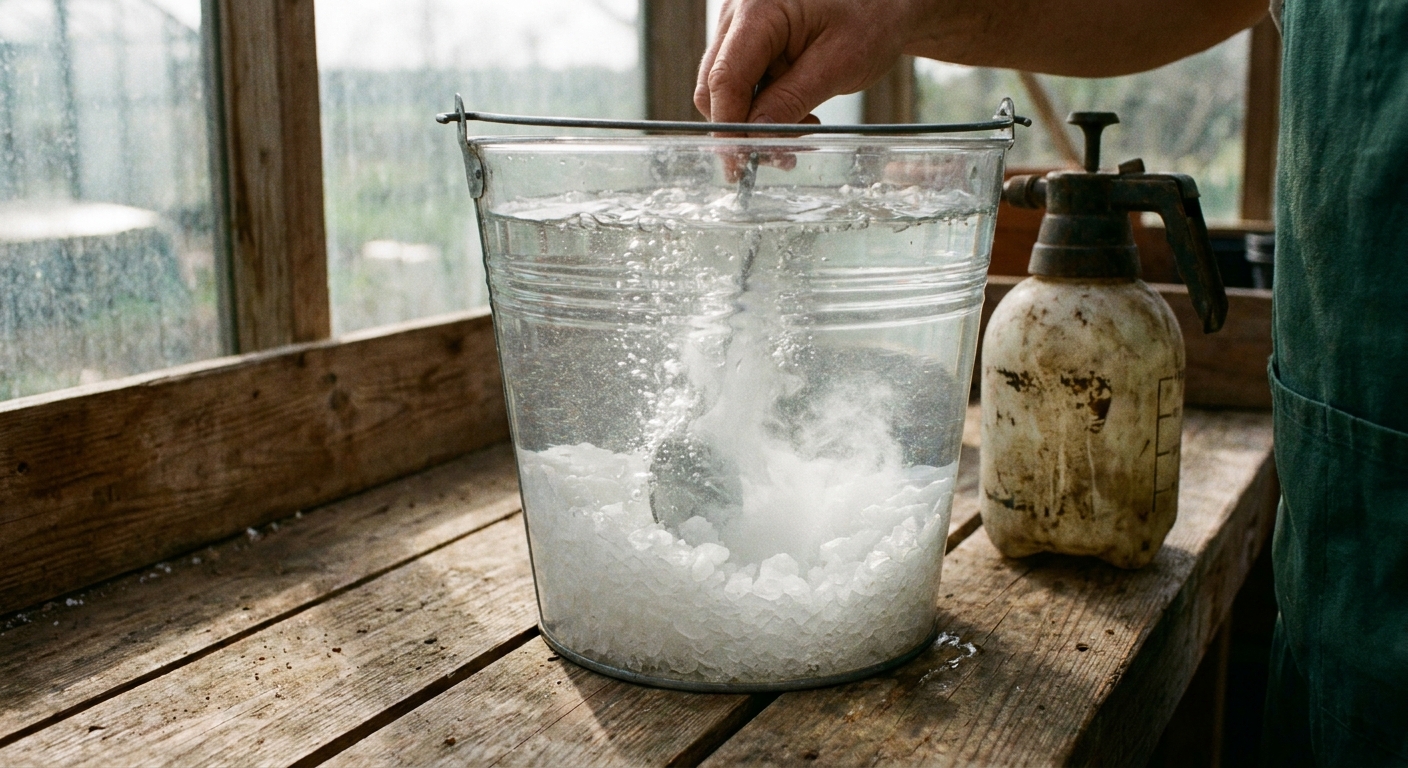
Epsom salt has a way of showing up in gardening advice like a magic potion: “Add it to tomatoes for more fruit!” “Feed it to roses for bigger blooms!” “Fix peppers instantly!” And sometimes, yes, it can help. But only for a very specific problem: magnesium deficiency.
As an organic gardener, I love simple tools that actually work. I also love saving you from wasting time, money, and potentially stressing your soil. Let’s separate the helpful from the hype, then talk safe dilution, when to use foliar spray vs soil drench, how much to apply, and the real risks.
Quick safety note: Use plain, unscented Epsom salt (magnesium sulfate). Skip products with fragrances, oils, or added “soaking” ingredients.

What it is and what it does
Epsom salt is magnesium sulfate. In plant terms, that means it supplies:
- Magnesium (Mg): central to chlorophyll and photosynthesis, and important for enzyme activity.
- Sulfur (S): used in amino acids and overall plant growth.
It does not provide nitrogen, phosphorus, potassium, or calcium. So if your plant is pale because it needs nitrogen, or dropping blossoms because of stress, Epsom salt will not be the missing piece.
Soil test first
If you do only one thing after reading this page, do this: confirm you actually need magnesium. Otherwise, you can create an imbalance that makes other nutrients harder for the plant to absorb.
Best options
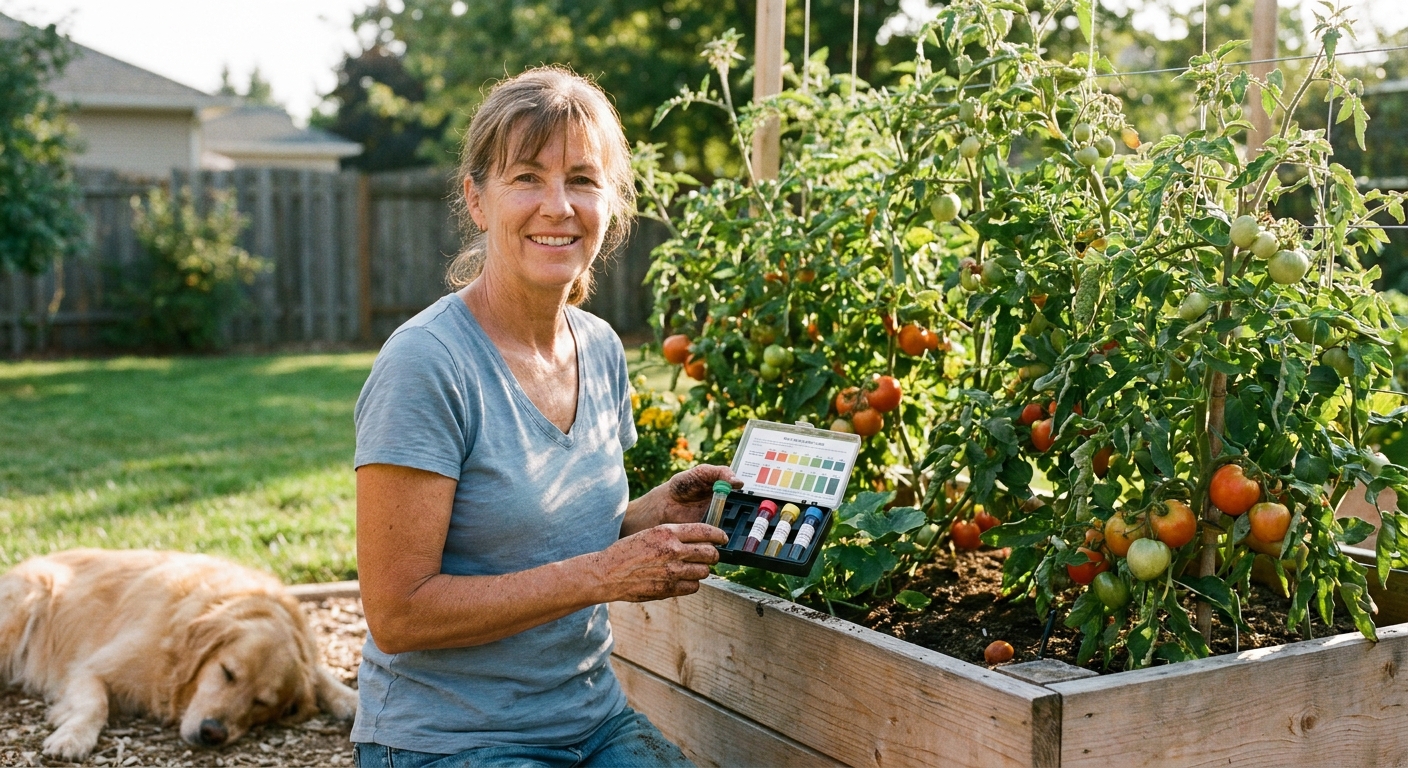
- Laboratory soil test: Most accurate and includes pH, magnesium level, and often calcium and potassium. This is the gold standard for in-ground beds.
- Quality at-home test plus observation: Helpful for a quick read, though less precise. For containers, your potting mix history and fertilizer routine matter a lot.
Why pH matters
Soil pH shifts nutrient availability. Some nutrients become less available, while others become more available (and can even reach toxic levels in very acidic soils). If pH is off, adding Epsom salt may treat a symptom while the underlying issue remains.
What causes magnesium deficiency
Magnesium deficiency is not always “no magnesium in the soil.” Sometimes it is there, but the plant cannot access it consistently. Common causes include:
- Leaching in sandy soils or during heavy rain and frequent irrigation.
- High potassium feeding (some bloom boosters) that can push the balance toward deficiency.
- Calcium and magnesium imbalance in some soils, especially where one is very high relative to the other.
- Low pH and general soil stress that affects root function and nutrient availability.
- Drought or watering swings that reduce uptake, even when nutrients are present.
Magnesium deficiency signs
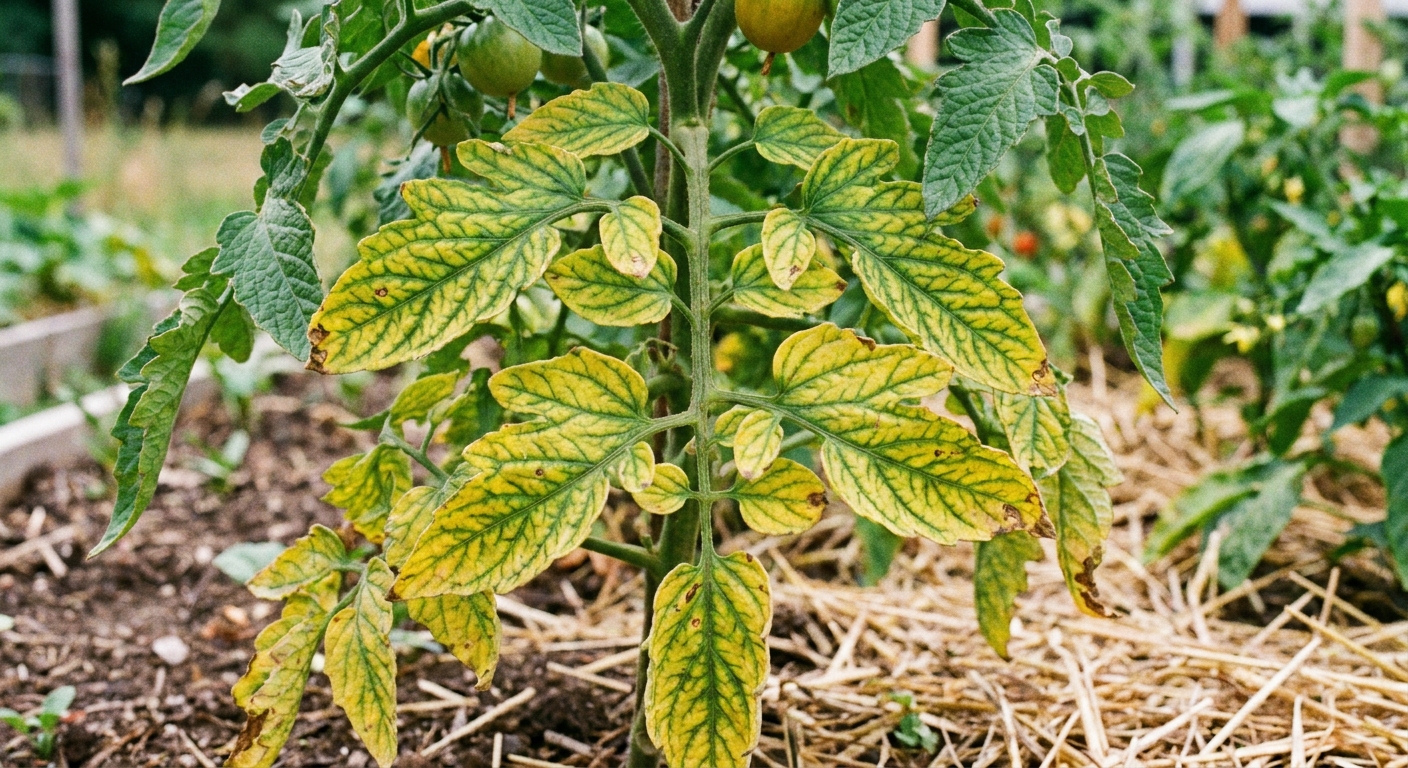
Magnesium is a mobile nutrient, so deficiency symptoms show up first on older, lower leaves. That detail helps you avoid confusing it with iron deficiency, which shows up on new growth.
Common signs
- Interveinal chlorosis: leaf tissue turns yellow while veins stay greener, usually on older leaves.
- Leaf edges may curl or develop reddish or purplish tints in some plants.
- Reduced vigor: slower growth, fewer flowers, smaller yields when deficiency is significant.
Tomatoes
Look for yellowing between veins on lower leaves first. It can progress upward if severe.
Peppers
Similar pattern: older leaves show mottled yellowing between veins, sometimes with a little edge curl.
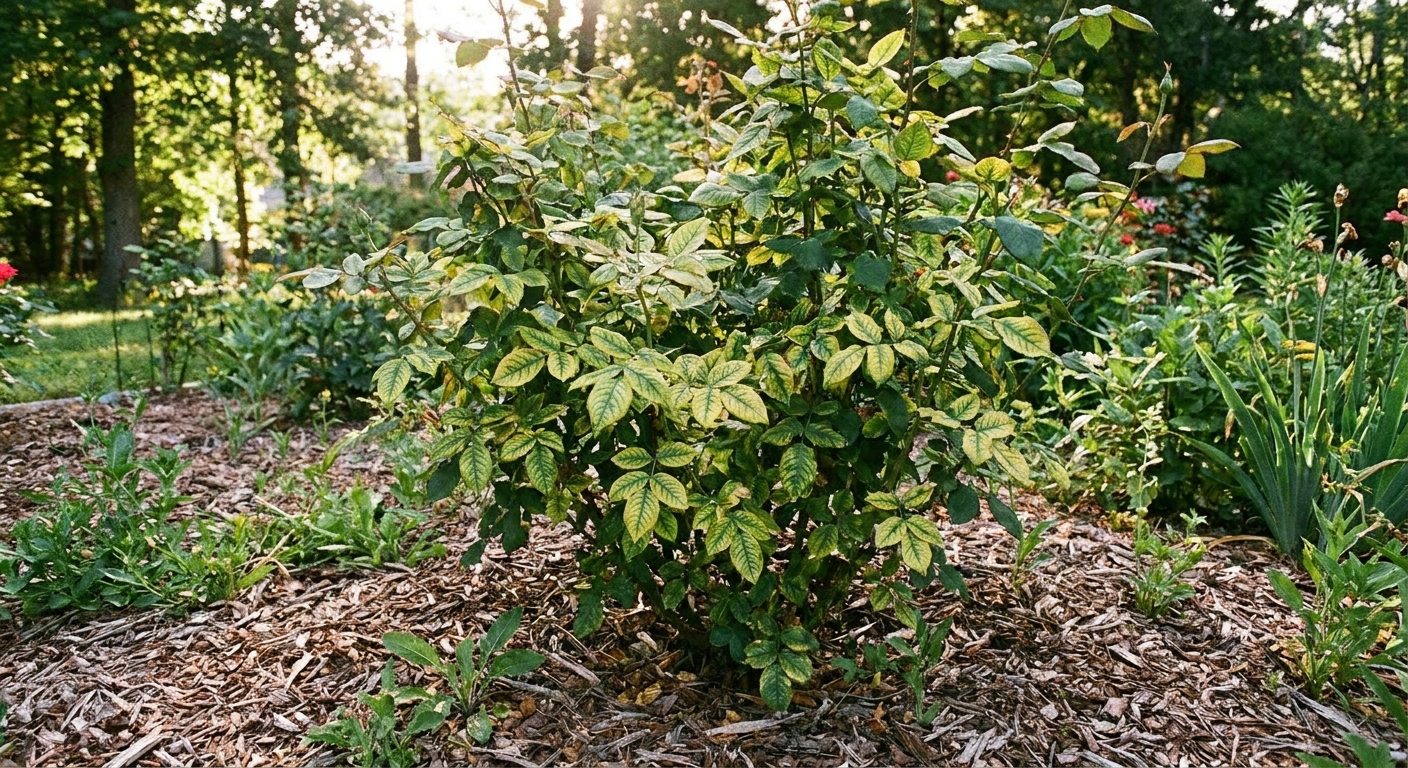
Roses
Roses can show yellowing between veins on older leaves while the veins remain green, especially in stressed plants or those fed heavily with potassium-rich fertilizers.
Important: These symptoms can overlap with other issues like overwatering, root damage, cold nights, or general nutrient imbalance. This is why a soil test, or at least a careful look at your fertilizer routine, is so valuable.
Blossom end rot: the myth
Here is the gentle truth: Epsom salt does not fix blossom end rot.
Blossom end rot in tomatoes and peppers is primarily tied to calcium supply and water movement in the plant. Often, there is enough calcium in the soil, but inconsistent watering, root stress, or rapid growth prevents calcium from getting to developing fruit.
Why it can backfire
If you add magnesium when you do not need it, you can increase nutrient competition in the soil. Excess magnesium can contribute to reduced calcium availability or uptake under some soil conditions. So the “cure” can make the real problem harder to solve.
What actually helps
- Even moisture: deep watering, consistent schedule, and mulch to reduce swings.
- Healthy roots: avoid damaging roots with deep hoeing near plants.
- Do not overdo nitrogen: too much can push leafy growth that outpaces calcium transport.
- Calcium only if needed: use a soil test to decide whether lime (for low pH) or gypsum (for calcium without raising pH) makes sense.
When it helps and when it fails
It can help when
- A soil test shows low magnesium.
- You are growing in sandy soil where magnesium leaches easily.
- You have been using a lot of potassium-heavy fertilizers (some “bloom boosters”), which can contribute to magnesium imbalance.
- You are in containers and have been watering heavily, flushing nutrients out over time.
It tends to fail when
- The problem is watering inconsistency, heat stress, or cold nights.
- The plant needs nitrogen (overall pale plant) or iron (yellow new leaves with green veins).
- Soil is already high in magnesium, or calcium is relatively low, and you add more magnesium anyway.
- Your real issue is pH or compaction, not magnesium supply.
Safe dilution rates
There is no single perfect recipe because soil texture, rainfall, and existing nutrient levels matter. Rates also vary across university extension guidance and product labels. Use these as a cautious, home-garden starting point when magnesium deficiency is likely or confirmed, and adjust based on your soil test and plant response.
Foliar spray (fast, temporary)
Foliar feeding can green up leaves faster because magnesium can be absorbed through leaf tissue. Think of it as a temporary correction. For sustained growth, you still need adequate magnesium in the root zone.
- Mixing rate: 1 tablespoon Epsom salt per 1 gallon of water
- How to apply: Spray tops and undersides of leaves until evenly wet, not dripping.
- Timing: Early morning or evening on cool leaves.
- Frequency: Every 10 to 14 days, for 2 to 3 applications, then reassess.
When not to foliar spray
- During heat or full sun.
- On drought-stressed plants (water first, then wait until they perk up).
- Right before rain or overhead irrigation (it washes off).
- Directly onto open blooms if you are trying to minimize any contact where pollinators are actively working.
Tip from my own garden notebooks: Always test-spray one plant first, then check leaves after 24 hours before spraying the whole bed.
Soil drench (slower, longer-lasting)
A drench helps replenish magnesium in the root zone, but it is easier to overdo and it can contribute to salt buildup, especially in containers.
- Mixing rate: 1 tablespoon per 1 gallon of water
- How to apply: Apply to already moist soil, around the root zone, like a normal watering.
- How much: Roughly 1 to 2 cups of solution for small plants, 2 to 4 cups for larger plants (tomatoes and peppers), or enough to lightly moisten the root zone without flooding.
- How often: Once, then wait 3 to 4 weeks before considering another application.
Dry application (use with caution)
Sprinkling dry Epsom salt around plants is popular advice, but it is harder to control dose and can concentrate in pockets. If you choose to do it:
- Use a very light hand and water in thoroughly.
- Avoid letting crystals sit against stems.
- Consider a drench instead for more even distribution.
Plant notes
Tomatoes
- If magnesium deficiency is confirmed or strongly suspected, foliar spray can be the quickest visual improvement.
- Do not use Epsom salt as a routine “more tomatoes” booster. Focus on compost, steady moisture, and balanced fertility.
Peppers
- Peppers are sensitive to watering swings and heat stress, which are often mistaken for nutrient issues.
- If you are seeing older-leaf interveinal yellowing and your feeding routine is heavy on potassium, magnesium may be the missing link.
Roses
- Roses can benefit if deficiency is real, but many “yellow rose” cases are about pH, iron availability, or root stress.
- If you fertilize roses frequently, consider whether your fertilizer is skewed toward potassium. Too much can encourage magnesium issues.
Risks and how to avoid them
Epsom salt is a salt. That does not mean it is automatically bad, but it does mean you should treat it like a targeted amendment, not a weekly tonic.
1) Salt buildup (especially in containers)
In pots, dissolved salts can accumulate because there is limited soil volume. Symptoms can include leaf tip burn, slowed growth, and crusty residue on soil or pot edges.
Prevention: Periodically flush containers by watering with plain water until excess runs freely from drainage holes. Also, do not let pots sit in saucers of runoff, since that can wick salty water right back up.
2) Nutrient imbalance
Soil nutrients interact. Too much magnesium can contribute to imbalances that affect calcium and potassium availability or uptake in certain soil conditions. This is one reason I keep coming back to soil testing and light, limited applications.
3) Foliar burn
Spraying too strong a mix, spraying in hot sun, or spraying drought-stressed leaves can cause spotting or scorch.
4) Fixing the wrong problem
If yellow leaves are from overwatering, poor drainage, or disease, adding Epsom salt delays real solutions. When in doubt, look at roots, moisture, and overall plant pattern before reaching for the bag.
Alternatives (often better long-term)
If your soil test points to low magnesium, you have options. Epsom salt is fast, but it is not always the most soil-friendly long-term approach.
For magnesium
- Dolomitic lime: Adds magnesium and calcium and raises pH. Best when soil is acidic and your test recommends liming.
- Langbeinite (sulfate of potash magnesia): Supplies magnesium plus potassium and sulfur. Useful when you truly need K and Mg together, but still something to apply based on soil test results.
- Compost: Not a high-magnesium “dose,” but excellent for overall nutrient buffering and soil biology.
- Kelp meal: Contains trace minerals and supports soil life, though magnesium amounts vary and it is not a quick fix.
For sulfur (if that is the need)
- Gypsum: Adds calcium and sulfur without raising pH much. Not a magnesium source, but helpful when sulfur is low and calcium is also needed.
- Elemental sulfur: Used to lower pH and supply sulfur, but should be applied based on a soil test and with patience.
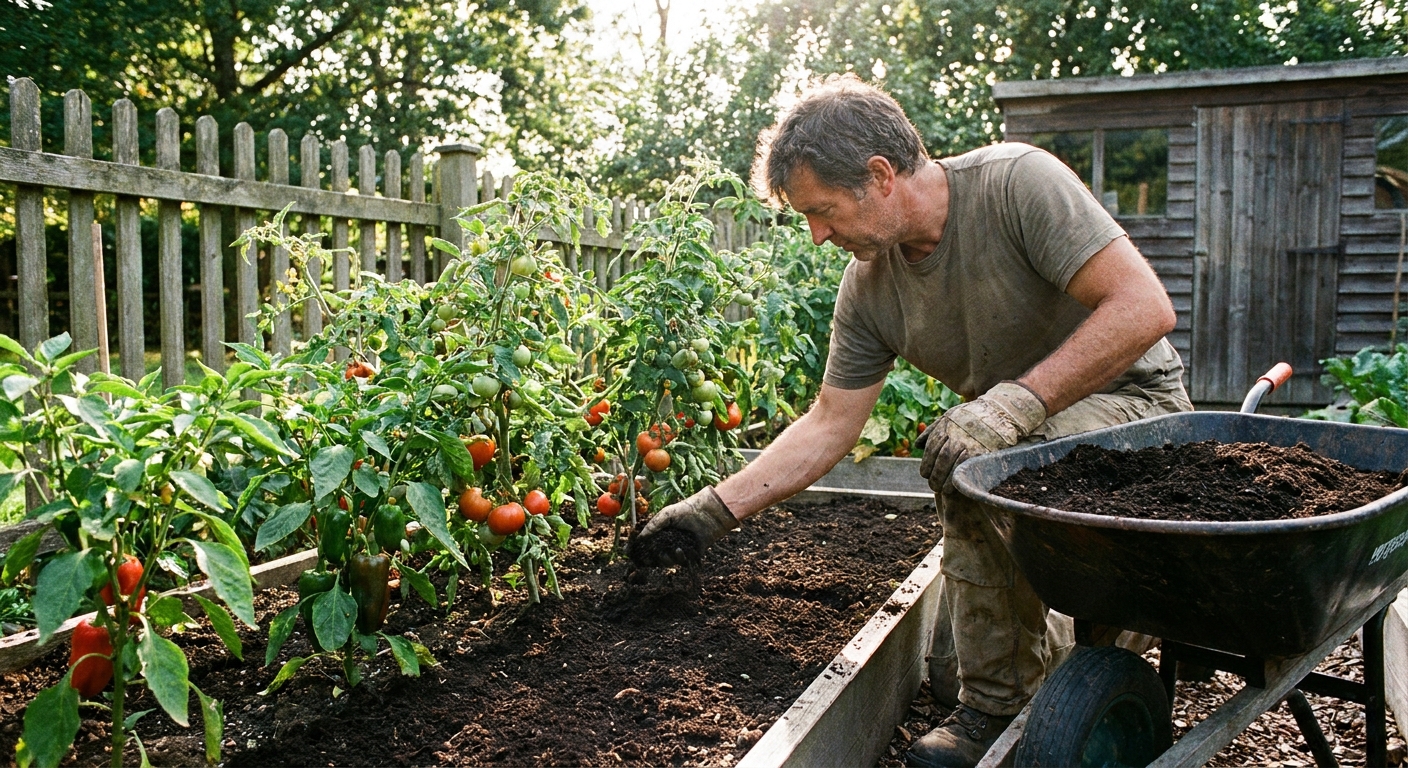
My gardener-to-gardener take: If you are feeding plants well but your soil structure is tired, compacted, or lifeless, compost and mulch will solve more problems than any single nutrient ever will.
Quick checklist
- Do older, lower leaves show interveinal yellowing while new growth looks better?
- Have you confirmed low magnesium with a soil test, or do conditions strongly suggest it (sandy soil, heavy potassium feeding, frequent leaching in pots)?
- Is watering consistent and are roots healthy?
- Are you trying to treat blossom end rot? If yes, step away from the Epsom salt and focus on water consistency and calcium strategy.
- Will you start with a gentle dilution and a limited number of applications?
Simple starting recipe
If you have good reason to suspect magnesium deficiency and want a cautious starting point:
- Mix: 1 tablespoon Epsom salt in 1 gallon of water.
- Choose one method: foliar spray or soil drench, not both on the same day.
- Reassess: Look for improved leaf color over 7 to 14 days, and stop once symptoms stabilize.
Plants are wonderfully forgiving when we treat them like living systems instead of chemistry experiments. If you are unsure, test first, go light, and let the plant tell you the rest.