Scale Insects on Outdoor Trees and Shrubs

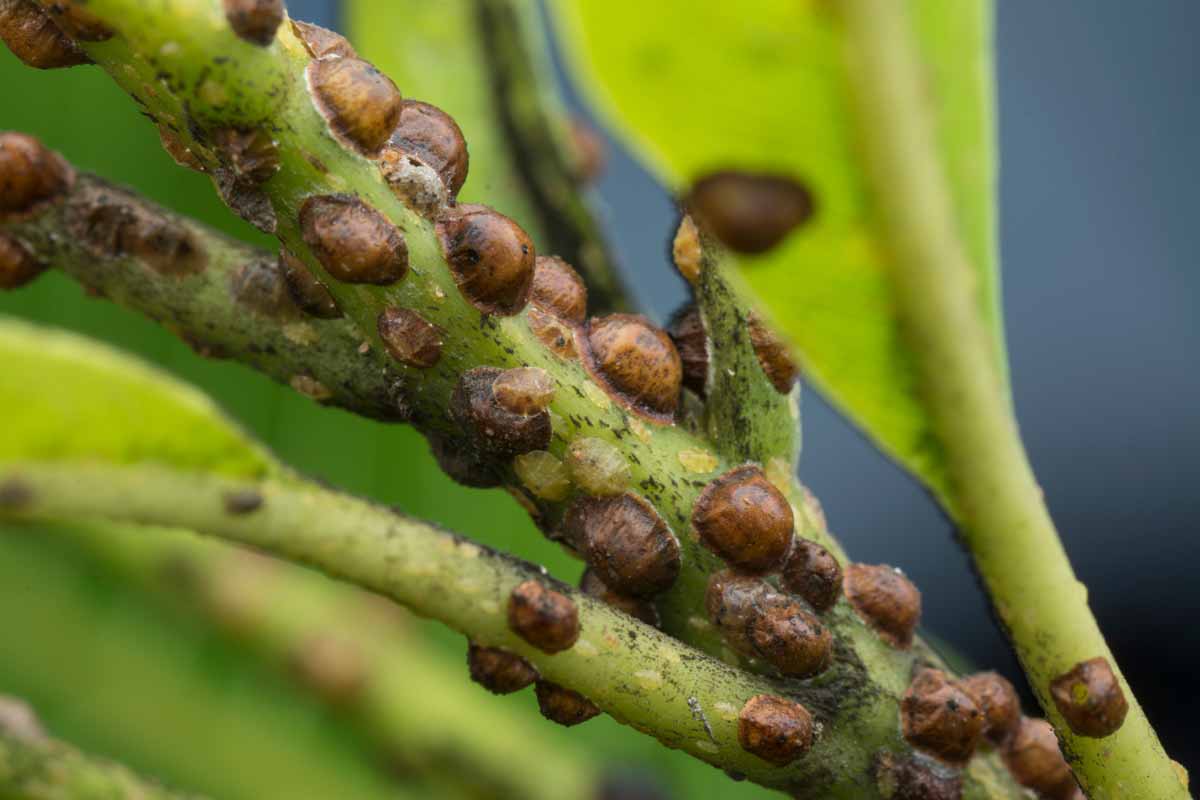
If you have ever run your hand along a shrub and felt a row of little bumps that would not brush off, you have probably met scale insects. They are sneaky. They do not look like “bugs” at first glance, and by the time you notice leaf yellowing or sticky residue, the population can already be well established.
The good news is that outdoor scale can be managed, especially when you match the treatment to the type of scale and the timing of its life cycle. I will walk you through the signs to look for, how to tell armored scale vs soft scale, and which control options make sense for trees and shrubs in real-world yards.

What scale insects do to plants
Scale insects are sap-feeders. Most of them settle down on stems, twigs, leaf undersides, or sometimes trunks, and cover themselves with a protective coating. As they feed, plants can become stressed, especially during hot, dry weather or when the plant is already struggling.
Common landscape plants that can get scale include maple, dogwood, magnolia, camellia, holly, euonymus, citrus (in warmer regions), azalea, lilac, fruit trees, and many conifers. The exact species varies by region, but the pattern of damage looks similar.
Signs of scale insects outdoors
1) Bumps that stay put
The classic sign is a line or cluster of small, waxy, or shell-like bumps on stems or along leaf veins. They can be tan, brown, black, gray, or white depending on the species.
- Quick test: Gently scrape one bump with a fingernail. If it pops off like a tiny scab and you see a soft body underneath or a stained spot where it was feeding, that is often scale. (Not always, but it is a strong clue.)
- Check twigs and the undersides of leaves first. Many species hide there.
2) Sticky residue (honeydew) and ants
If you notice sticky leaves, a shiny coating on foliage, or ants marching up and down branches, you may be dealing with soft scale (more on that in a moment). Soft scales usually excrete sugary honeydew that ants love. Ants will sometimes “farm” scale by protecting them from beneficial insects.
One caution: honeydew is a strong clue, but it is not a perfect yes or no test. You can also have mixed pests (aphids, whiteflies, mealybugs) or mixed scale species on the same plant.
3) Sooty mold (black film)
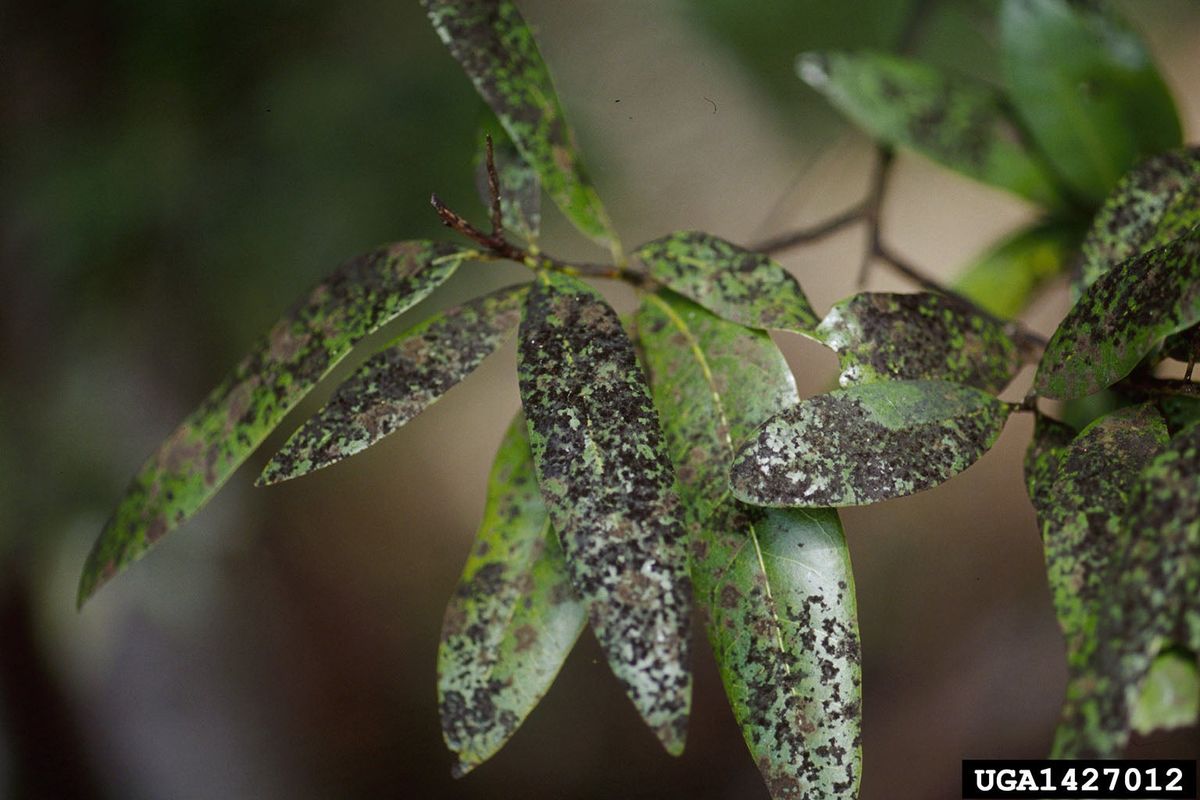
Sooty mold is a black, dusty-looking fungal growth that forms on honeydew. It does not invade plant tissue, but it can block light and make plants look grimy. If you see sooty mold, think “something is producing honeydew,” often soft scale, aphids, whiteflies, or mealybugs.
Rule out lookalikes
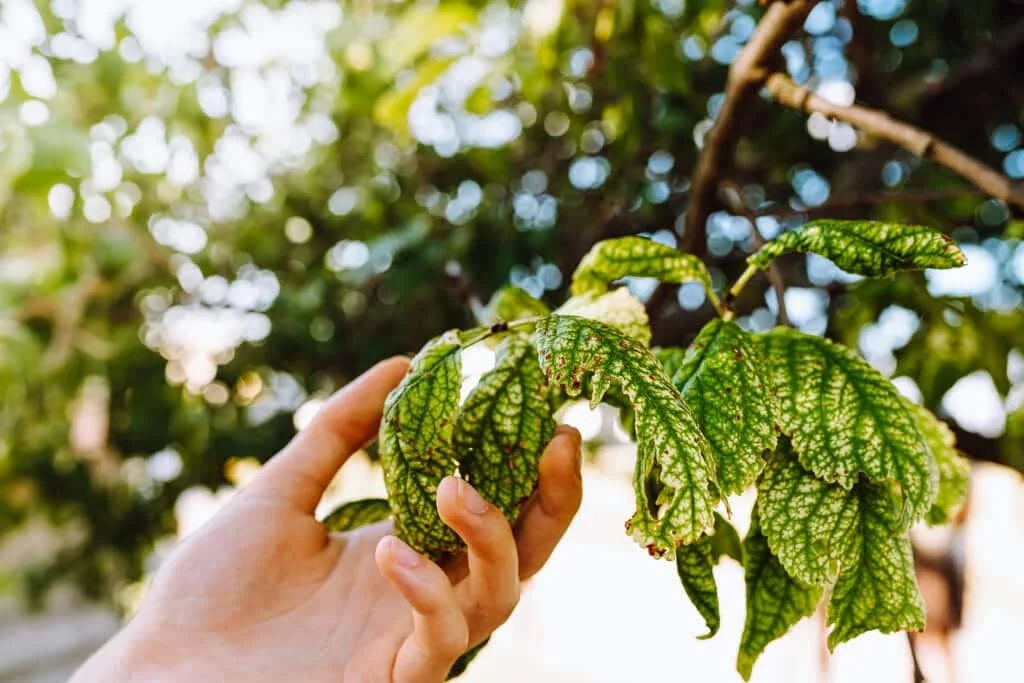
Before you treat, take a moment to make sure you are not chasing the wrong problem. A few common “scale imposters” include lichens (flat, crusty patches), leaf scars and bud scars (especially on twigs), lenticels (natural pores on bark), galls, and even hardened droplets of old honeydew. If the bumps are perfectly uniform and part of the bark pattern, or they do not scrape off at all, zoom out and reassess.
Armored scale vs soft scale
This is the fork in the road that helps you choose the right strategy.
Armored scale (Diaspididae)
- What they look like: Tiny, flattened “shells” or plates that can resemble fish scales or small barnacles.
- About the “shell”: The cover of armored scale is typically separate from the insect’s body. That is one reason the cover may pop off when scraped.
- Honeydew: Generally no. If there is no sticky residue but the plant is weakening, armored scale climbs higher on the suspect list.
- Damage: Often causes leaf yellowing, needle drop on conifers, dieback of twigs, and overall decline. They can be tough to control because the protective covering shields them from contact sprays.
Soft scale (Coccidae)
- What they look like: More domed, waxy, or slightly squishy bumps. Some look like little brown helmets.
- About the “shell”: The coating is generally part of the insect’s body, which can make soft scale feel more like a raised, waxy bump than a separate cap.
- Honeydew: Generally yes, which leads to sticky leaves, ants, and sooty mold.
- Damage: Leaf yellowing, stunted growth, branch dieback, plus the mess of honeydew and mold.
Quick shortcut: If your main complaint is sticky leaves and sooty mold, soft scale is more likely. If your main complaint is decline without stickiness, armored scale is a good suspect.
When scale is easiest to treat
Most scale species have a vulnerable stage called the crawler. Crawlers are tiny, mobile newborns that have not yet built their protective coating. This is when many treatments work best.
- Timing varies by species and climate. Many crawlers show up in late spring through summer, but some species start earlier, and some have multiple crawler flushes per year.
- If you want to get precise, you can use double-sided tape wrapped around an infested twig. Check it every few days for tiny specks. Use a hand lens if you have one. Wind-blown pollen and debris can look like “dots,” so look for movement or match what you see to confirmed scale nearby.
- Another clue is fresh new scale appearing as pale, tiny dots before they darken and harden.
If you only remember one thing: treating hard, settled scale is harder than targeting crawlers. That is why timing matters as much as the product.
Treatments that work
Outdoor scale management usually takes a layered approach: reduce the population, protect beneficial insects, and keep the plant vigorous so it can outgrow some damage.
Safety note: Whether you are using oils, soaps, or any pesticide product, read and follow the label. Apply on a calm day to reduce drift, keep spray off patios and ponds, and use basic protective gear (gloves and eye protection are a good start).
Step 1: Prune and reduce clusters
- On shrubs, prune out heavily infested twigs when practical and bag and dispose of the cuttings if the infestation is heavy.
- On small branches, you can sometimes wipe or gently scrub scale off with a soft brush and a bit of soapy water, then rinse.
- This is not glamorous work, but it can dramatically reduce pressure before spraying anything.
Step 2: Horticultural oil
Horticultural oil works by smothering insects. It can be very effective for scale when used correctly, especially with good coverage.
- Dormant oil (late winter to early spring): Often used on deciduous trees and shrubs before bud break to reduce overwintering scale. This is a classic, high-impact timing because there are fewer leaves to block coverage.
- Summer oil (during the growing season): Best aimed at the crawler period or light infestations. You must get thorough coverage, especially on twig crotches and leaf undersides.
Important cautions:
- Do not spray oil during extreme heat, intense sun, or drought stress. Follow label temperature guidance.
- Avoid oil applications right before freezing weather.
- Some plants are more sensitive. When in doubt, test on a small section first.
If you want a gentle, organic-leaning first line for many landscapes, oil is usually where I start, especially if you catch the issue early.
Step 3: Insecticidal soap
Insecticidal soap can help with crawlers and other soft-bodied pests, but it usually does not penetrate established armored coverings well. Think of soap as a support tool during crawler season, not a cure-all.
Step 4: Systemic options
Sometimes scale is beyond what contact sprays can handle, especially on large shrubs, tall trees, or chronic infestations. In those cases, professionals may recommend systemic insecticides that are taken up by the plant and affect sap-feeding insects.
Because systemic products vary by active ingredient, application method (soil drench, trunk injection, basal bark), and risk profile, the safest approach is to treat this category as “consult and confirm” rather than a one-size-fits-all DIY step. Labels and legal restrictions also vary by jurisdiction.
- Best fit: Severe infestations, plants that cannot be thoroughly sprayed, or situations where repeated oil applications are impractical.
- Timing matters: Many systemic approaches are planned around plant growth and pest life stage, and may take time to work.
- Pollinator considerations: If the plant flowers and bees visit it, use extra caution. Some systemic insecticides, including some neonicotinoids, have well-known pollinator risks. The goal is to protect your yard’s tiny workforce while solving the problem.
If you are considering a systemic, check your local extension service guidance for your region and the exact plant species, or work with a licensed arborist.
Bonus: Let beneficials help
Scale has natural enemies, including lady beetles, lacewings, and tiny parasitoid wasps. If you notice little round exit holes in older scale covers, that can be a sign beneficial insects are already working. When possible, avoid broad-spectrum insecticides that can wipe out the help you want to keep.
Honeydew and sooty mold cleanup
Once you reduce the insects, the sticky mess and black film usually improve on their own with time, sun, and rain. If it is really coating leaves or patio furniture, you can help things along.
- Rinse foliage: Use a firm spray of water to wash off honeydew and loosen sooty mold.
- Gentle wash: A mild soap solution can help on sturdy leaves, followed by a rinse. Avoid harsh detergents.
- Manage ants: If ants are protecting the scale, use sticky barriers or bait stations (placed safely) so natural predators like lady beetles and lacewings can do their job.
How long does it take?
Scale is a “slow and steady” problem. Even after successful treatment:
- Old shells can stay attached for weeks or months, especially armored scale. What matters is whether they are alive.
- New growth should look cleaner and stronger over time.
- You may need repeat treatments timed to crawler activity, especially for species with multiple generations.
Life check: Crush a few scales to see if they are still active. Use gloves or a toothpick if you prefer. If they are juicy or soft inside, they may still be alive. If they are dry and hollow, you are winning.
What success looks like: fewer (or no) new crawlers, and healthier-looking new growth over the next few weeks.
When to call an arborist
I love a good DIY garden rescue, but scale on woody plants has a point where a professional saves you time, money, and heartbreak.
Consider calling a certified arborist if:
- The infestation is on a large tree where safe, thorough coverage is not possible from the ground.
- You see significant branch dieback, thinning canopy, or decline that is progressing quickly.
- The plant is historically valuable or expensive to replace.
- You suspect scale plus another issue (drought stress, root problems, cankers). Multiple stressors often travel together.
- You are weighing systemic treatments and need guidance on timing, application, and pollinator safety.
A good arborist can identify the scale species, pinpoint the crawler window, and build a plan that protects the whole landscape ecosystem.
Prevention and resilience
Scale insects love stressed plants. You do not need a perfect garden, but you do want steady basics that keep shrubs and trees from living on the edge.
- Water deeply: Especially during heat waves and drought. Stressed plants are easier targets.
- Mulch thoughtfully: A 2 to 3 inch layer (kept off the trunk) supports soil moisture and beneficial life.
- Avoid excess nitrogen: Over-fertilizing can push tender growth that pests love.
- Encourage beneficial insects: Plant diverse flowering species nearby and avoid broad-spectrum insecticides when possible.
- Inspect before you plant: Check new nursery shrubs for bumps on stems and sticky leaves.
Simple action plan
If you want a calm starting point, here is my go-to sequence:
- Confirm the culprit: Look for bumps, check for honeydew, and inspect undersides of leaves and twigs. Rule out lookalikes.
- Reduce the population: Prune out heavily infested twigs and dispose of them appropriately.
- Watch for crawlers: Monitor in the growing season, and remember some species have more than one crawler flush.
- Use horticultural oil carefully: Apply during suitable temperatures with thorough coverage.
- Recheck in 2 to 3 weeks: You are looking for new crawlers and overall plant recovery.
- Call an arborist when needed: Especially for large trees, severe decline, or systemic decisions.
If you want help narrowing it down, bring your plant name and a close-up photo of the bumps (plus a note about sticky leaves or ants) to your local extension service or a certified arborist. The more specific the ID, the easier it is to hit the right timing.