How to Deadhead Hydrangeas Without Losing Next Year’s Buds


I learned the hard way that hydrangeas have long memories. One summer in a too-small apartment, I proudly “cleaned up” my potted mophead with decisive snips… and the following year it bloomed like it was giving me the silent treatment. If you have ever stared at a green hydrangea shrub the next summer wondering where all the flowers went, deadheading can be the culprit, especially on types that set buds on old wood.
The good news is that deadheading hydrangeas can be wonderfully simple once you know where the next buds are hiding. Below, I will show you exactly where to cut for mophead, lacecap, panicle, smooth, and oakleaf hydrangeas, plus when it is smarter to leave those papery heads on for winter charm.

First, figure out what kind of hydrangea you have
You do not need to memorize Latin names, but it helps to know which “family” your plant belongs to because it determines how cautious you need to be with your snips.
- Mophead and lacecap hydrangeas (Hydrangea macrophylla): rounded “pom pom” blooms for mopheads, flatter blooms with a lacy center for lacecaps. Many set next year’s flower buds on old wood along the upper portion of last year’s stems.
- Mountain hydrangeas (Hydrangea serrata): look like smaller, daintier lacecaps. They behave similarly to macrophylla and often bloom on old wood.
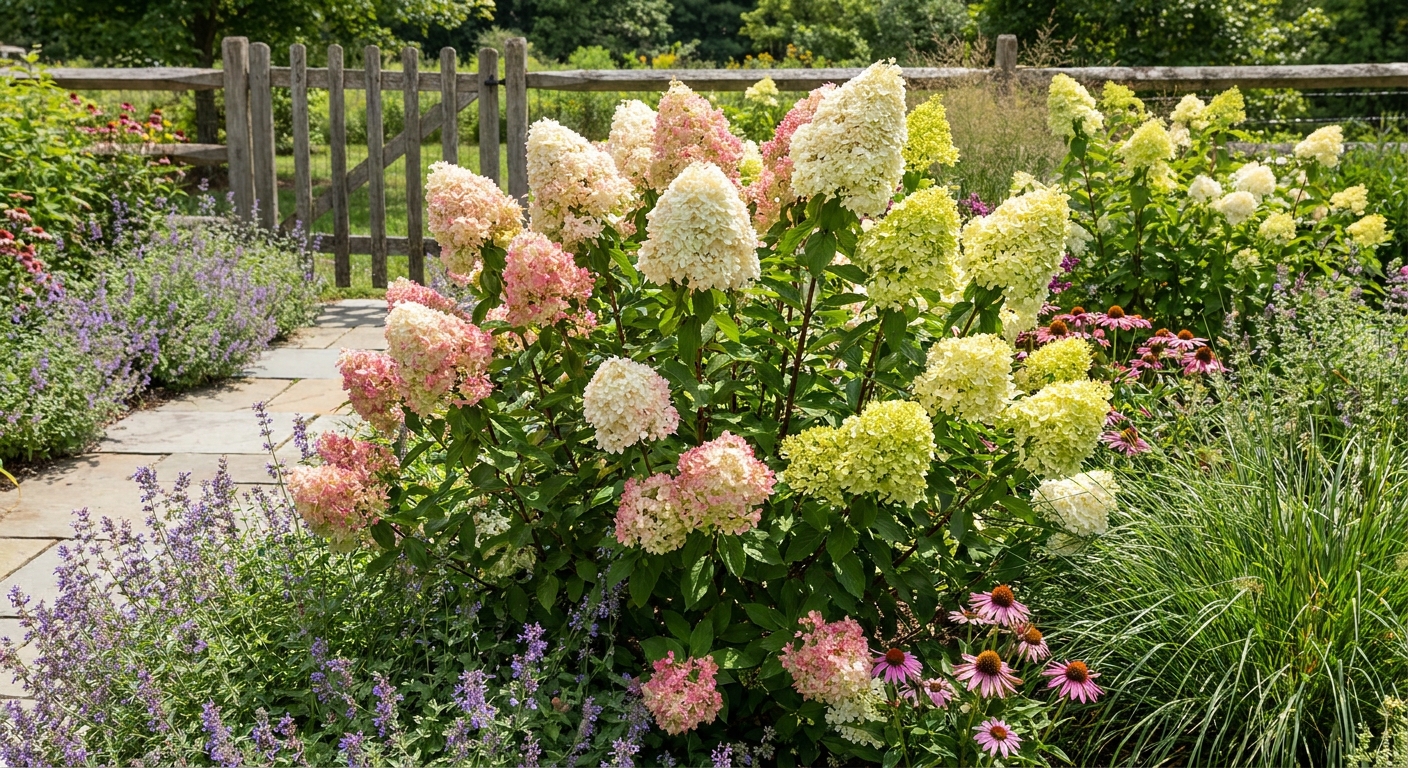
- Panicle hydrangeas (Hydrangea paniculata): cone-shaped flower clusters. These bloom on new wood.
- Smooth hydrangeas (Hydrangea arborescens): big round blooms like ‘Annabelle’. These bloom on new wood.
- Oakleaf hydrangeas (Hydrangea quercifolia): oak-shaped leaves and cone-like blooms that age beautifully. These typically bloom on old wood.
If you are unsure, look at the flower shape first (ball vs cone vs flat lacecap) and the leaves (oakleaf is the giveaway). If you have the plant tag or a receipt, even better.
The safest deadheading rule
If you do not know your hydrangea type, use this conservative approach that protects buds on old-wood types:
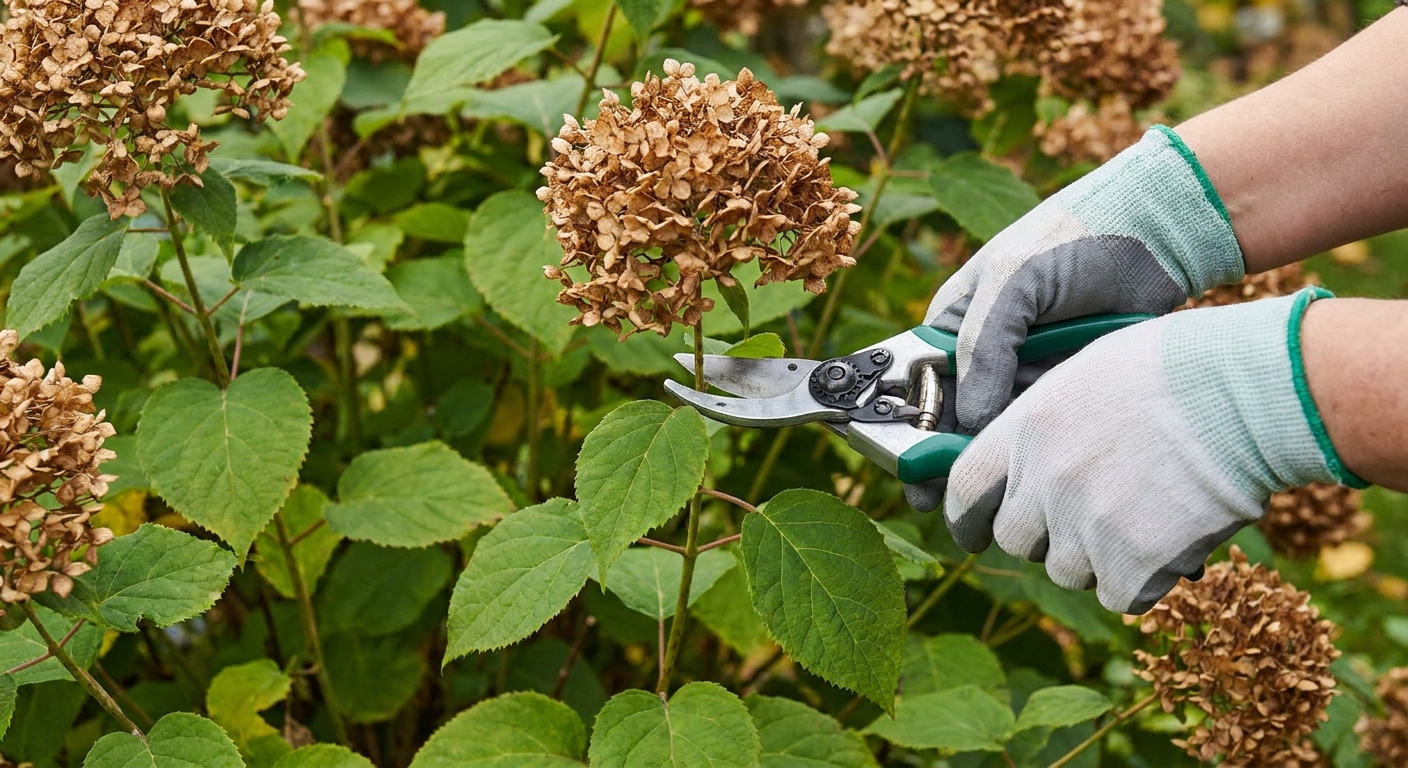
- Follow the spent bloom down to the first set of fat, healthy buds or a strong pair of leaves.
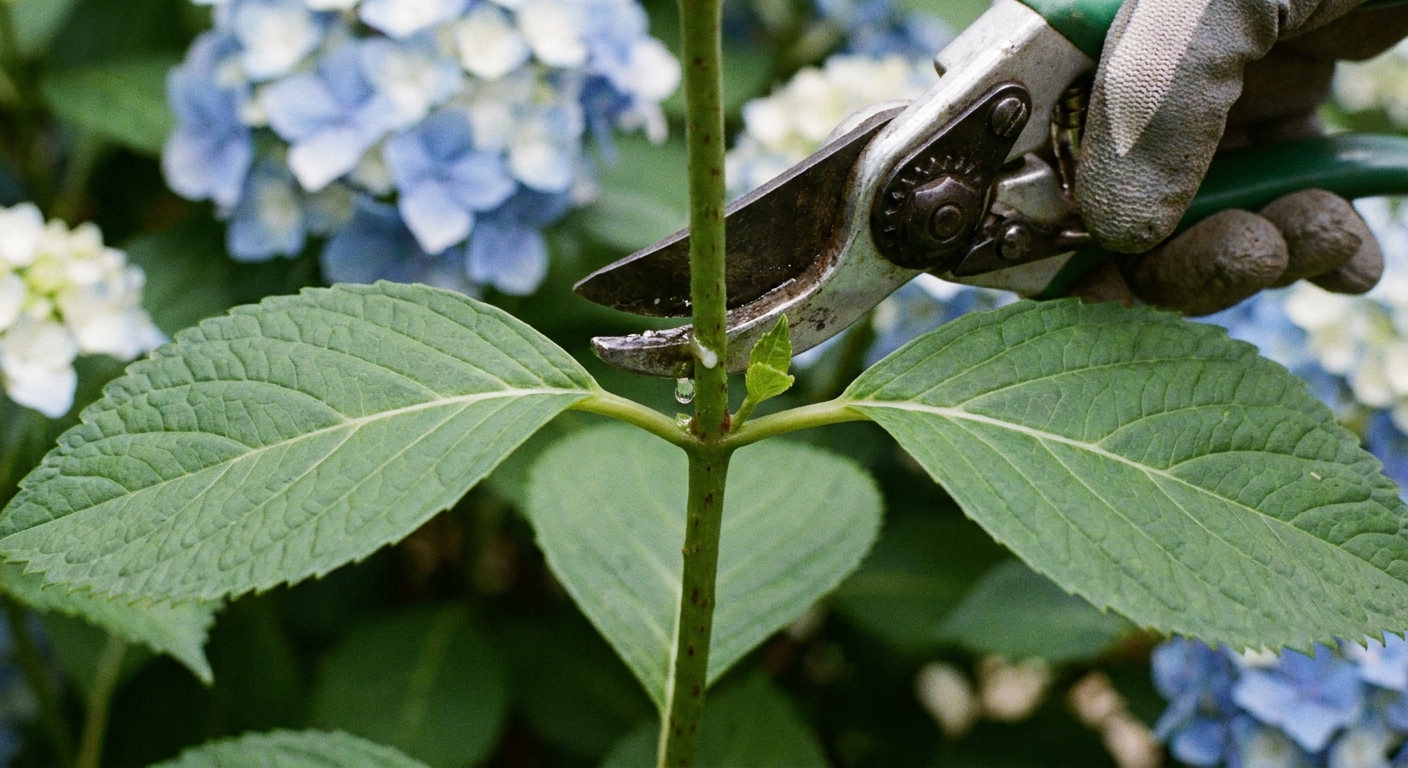
- Make your cut just above that set of buds or leaves (leave a small stub, about 1/4 inch).
- Do not cut long stems back into the shrub “to shape it” during the growing season.
This is the hydrangea equivalent of trimming your bangs instead of giving yourself a whole new haircut at midnight.
Why hydrangeas do not bloom
Before you blame your pruners, know that missing blooms can come from a few very common issues, especially with mopheads and lacecaps:
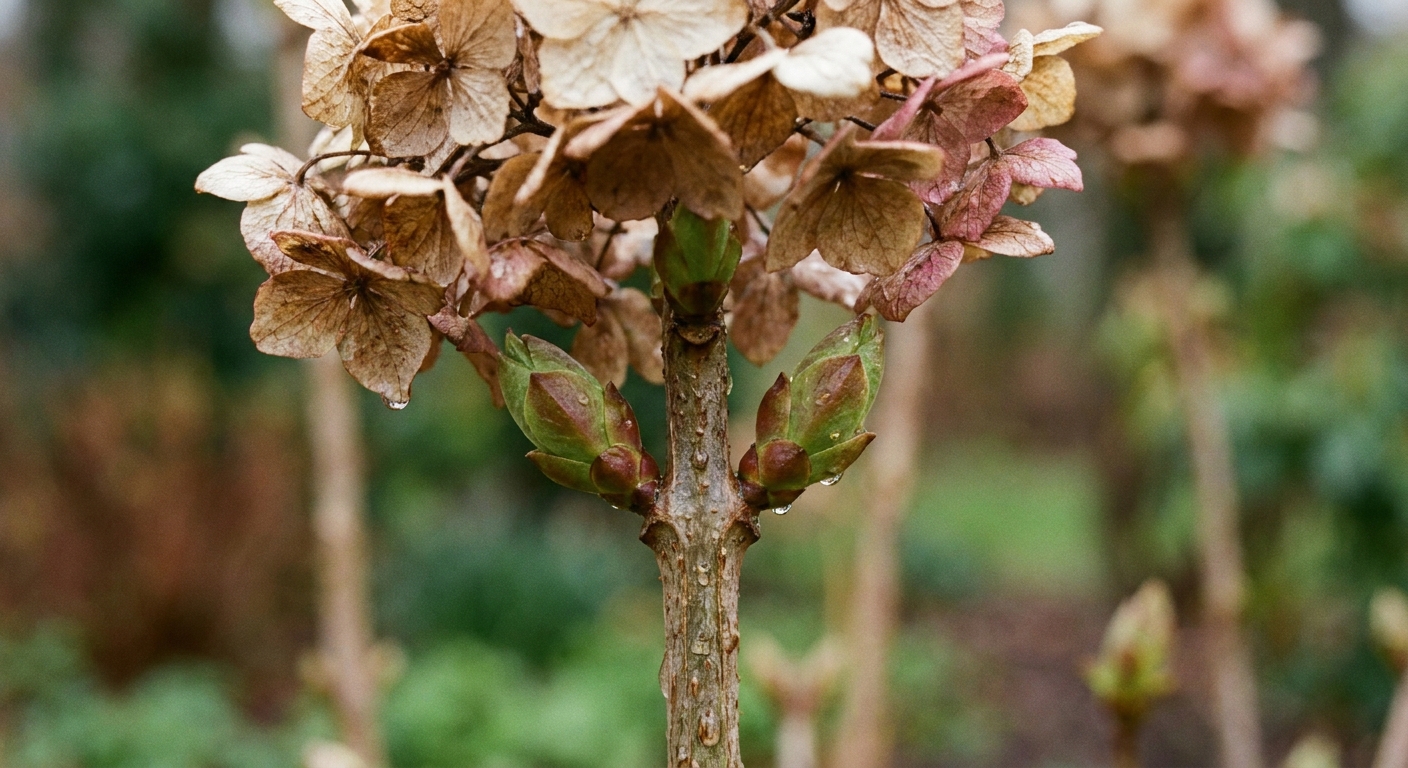
- Winter bud damage or late frosts that kill tender buds on old wood.
- Deer browsing that nips off the very stems holding next year’s flowers.
- Too much shade (some shade is fine, but deep shade can mean lots of leaves and few blooms).
- Too much nitrogen (lush growth, limited flowers).
- Drought stress during bud formation and summer heat.
- Pruning at the wrong time, including cutting back old-wood types in late summer, fall, or spring before bloom.
Deadheading is just one piece of the puzzle. It is simply the easiest one to do on autopilot, which is how it gets us into trouble.
Where to snip mophead hydrangeas
Mopheads are the ones that most often punish enthusiastic deadheading. Many varieties set next year’s flower buds on old wood along the upper portion of the stems, including nodes below this year’s bloom.
In summer: deadhead lightly
- Locate the spent mophead bloom.
- Move down the stem until you reach the first pair of strong leaves or a set of plump buds below the bloom.
- Cut just above that pair of leaves or buds.
What to avoid: Do not cut a long flowering stem all the way down to the base in summer unless it is dead, diseased, or broken. That is how next year’s flowers get snipped off before you ever meet them.
Rebloomers: stay conservative
Some macrophylla varieties are repeat bloomers (often sold as reblooming or remontant). They may bloom on old wood and new wood. I still deadhead them the same cautious way, because even a rebloomer can carry valuable buds higher up on the stems.
Late summer and fall: consider stopping
Once nights cool and the plant starts thinking about dormancy, I usually stop deadheading mopheads. Leaving late-season blooms may offer a bit of protection for buds below from wind and cold, and you get winter interest as a bonus.
Where to snip lacecap hydrangeas
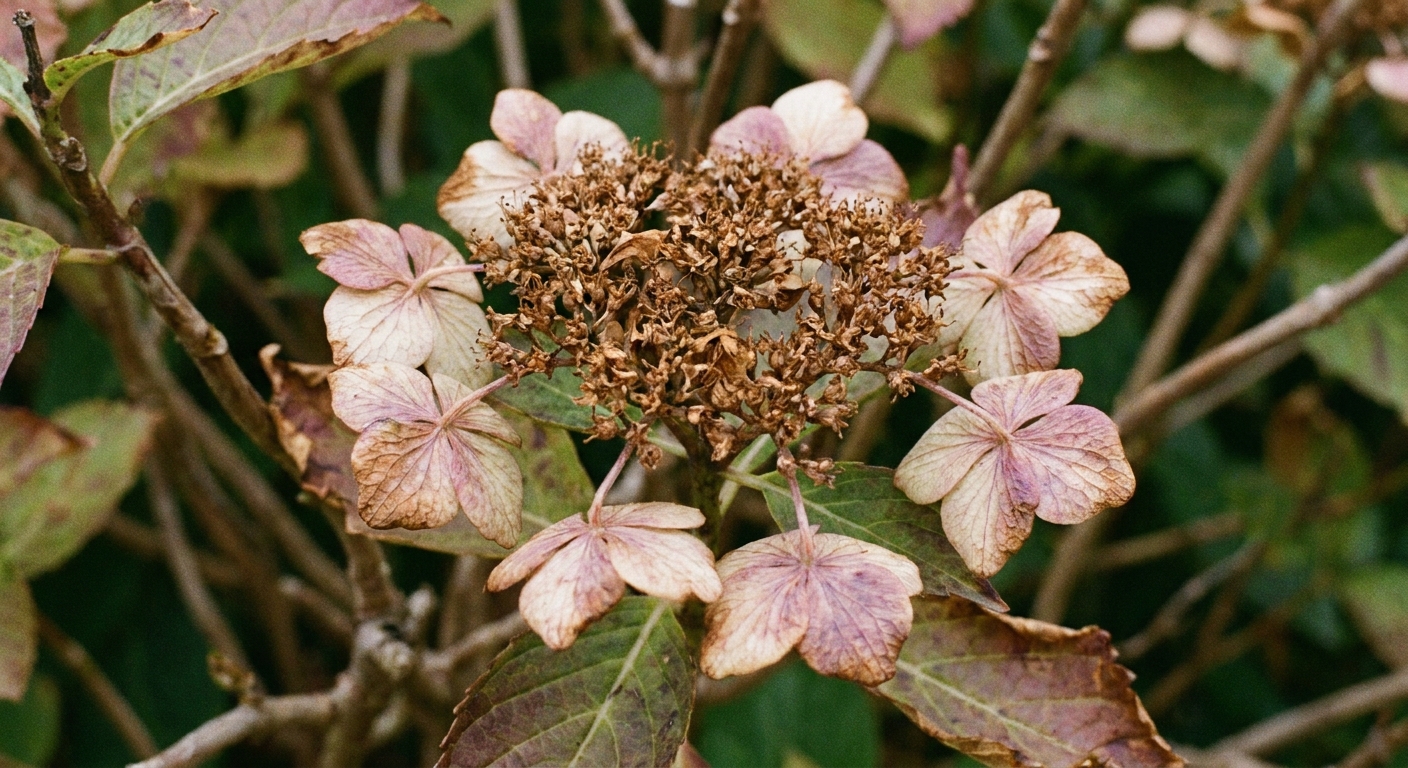
Lacecaps are deadheaded the same way as mopheads because the bud placement is similar. The difference is simply that the bloom is flatter and you can often see the fertile center flowers fade first.
- Trace the lacecap bloom stem down to the first strong set of leaves or fat buds.
- Snip just above that node.
If your lacecap is a repeat bloomer, deadheading can encourage tidiness and sometimes more flowers, but it is still wise to keep your cuts short and high on the stem.
Where to snip oakleaf hydrangeas
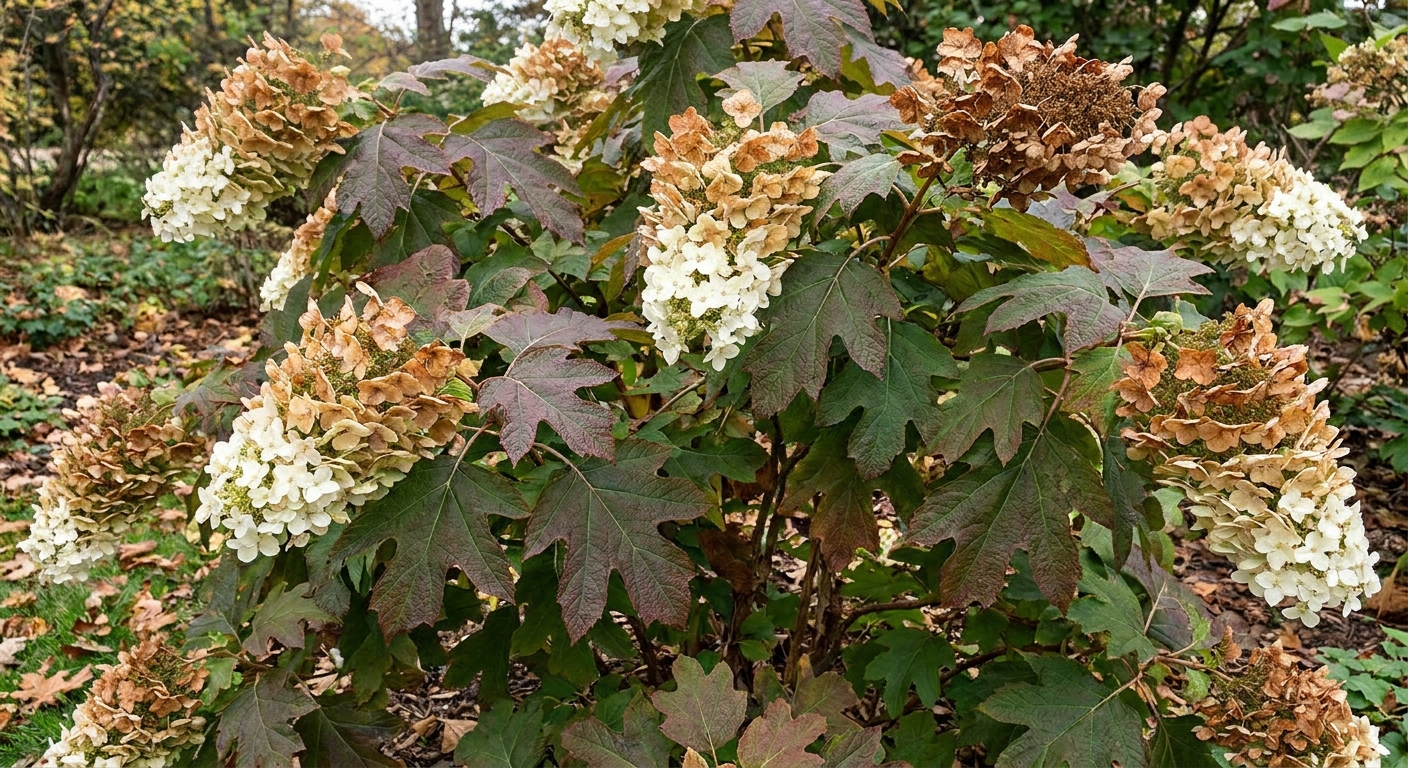
Oakleaf hydrangeas are the ones I am most likely to deadhead only if the spent blooms bother me. They bloom on old wood, and they look great as they dry and age.
- Find the faded bloom at the tip of a stem.
- Follow it down to the first healthy set of leaves or a visible bud pair.
- Cut just above that point, keeping the cut short.
When in doubt, I leave oakleaf blooms on through winter and clip them off in late winter or early spring.
Where to snip panicle hydrangeas
Panicle hydrangeas are refreshingly forgiving. They bloom on new growth, so removing spent blooms does not risk next year’s buds in the same way.
In season: deadhead to a tidy node
- Follow the cone-shaped bloom down to a set of leaves or a branching point.
- Cut just above that node to keep the shrub looking neat.
Want sturdier stems and fewer flops?
Even with panicles, I avoid taking long sections off during peak growth if the plant is already prone to flopping. Instead, I make small, balancing cuts and let the structure do its thing.
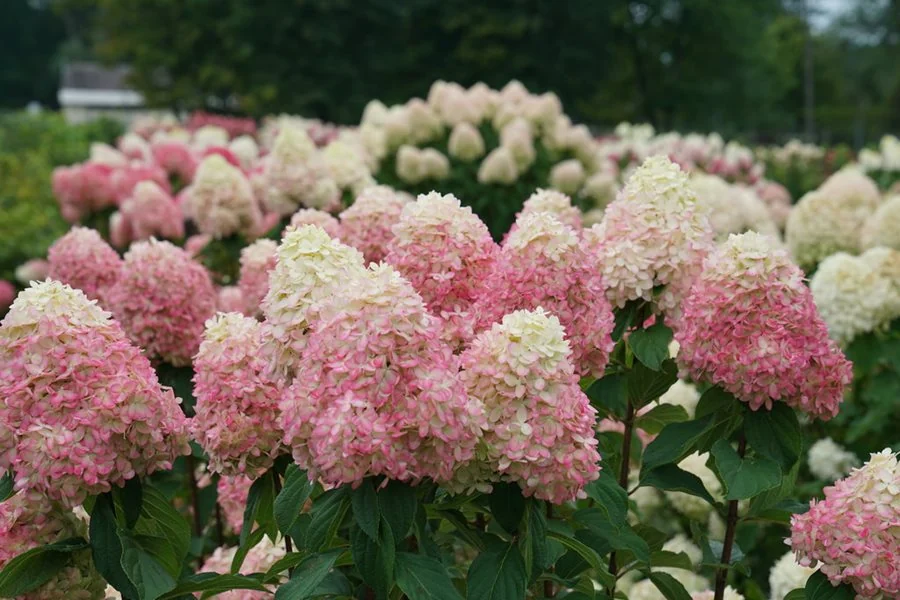
Note: Panicle blooms often shift color as they age. A greener or deeper pink tone is frequently normal aging, not a sign you did anything wrong. Deadhead when you are ready for a cleaner look or when heads get heavy after rain.
Where to snip smooth hydrangeas
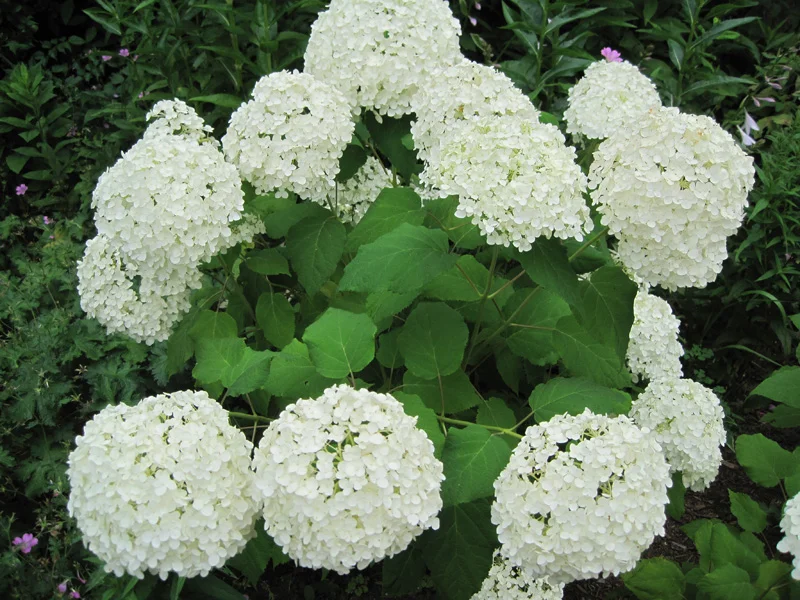
Smooth hydrangeas, including the classic ‘Annabelle’ types, also bloom on new wood. Deadheading is mostly about aesthetics, and any “energy savings” for the plant is a nice side benefit, not a guarantee.
- Find the faded round bloom.
- Cut the flower stem back to the next set of leaves or a branching point.
If the bloom is heavy and flopping, you can cut a little lower to bring the plant back into balance, but keep your cut above a healthy set of leaves.
When to leave blooms for winter
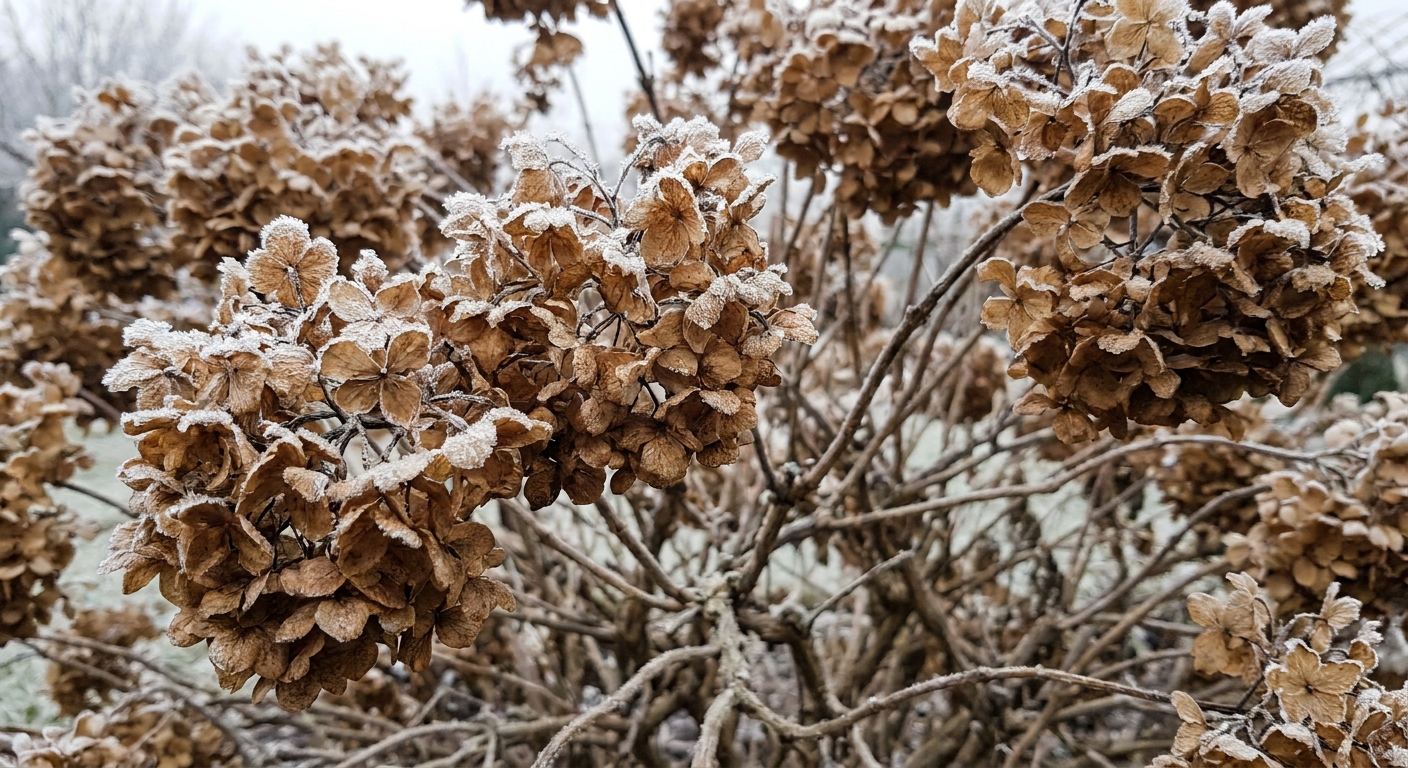
I am a big fan of letting hydrangeas wear their winter crowns, especially in gardens that feel a little bare once perennials melt back. Those tan, papery flower heads catch frost beautifully and add structure in snow.
Consider leaving blooms in place if:
- You like winter texture in the garden and enjoy dried flowers outdoors.
- You garden in a colder area and want a little extra insurance for buds on old-wood types.
- Your hydrangea is in a spot where the dried heads look intentional, like near an entryway or along a path.
In late winter or very early spring, you can clip off those dried heads once the worst of cold has passed and you can see swelling buds.
How to deadhead step by step
- Use sharp, clean pruners. I wipe blades with rubbing alcohol if I am moving between plants, and I am extra careful if anything looks diseased.
- Cut just above a node. The exact angle is not worth overthinking, but I do like a slight angle so water does not sit on the cut.
- Avoid cutting when foliage is wet. If fungal disease is a problem in your garden, deadhead on a dry day when you can.
- Do not strip leaves. Leaves are the plant’s solar panels. Let them work.
- Stop when the plant is stressed. During heat waves or drought, skip grooming and focus on watering and mulching.
If you are deadheading a lot of blooms at once, collect the heads in a bucket. Hydrangea petals love to cling to everything, including your socks.
Common mistakes
- Cutting too far down on mopheads, lacecaps, mountain, or oakleaf hydrangeas. If you remove stem sections that hold next year’s buds, next season is quieter.
- “Shaping” old-wood hydrangeas in late summer or fall. Even light shaping can remove developing buds.
- Assuming brown blooms mean you must cut hard. Brown can be simple age, sun scorch, wind damage, or weather. Deadhead for looks, not panic.
- Taking off too many stems at once. With any hydrangea, heavy midseason pruning can reduce vigor and create stress.
FAQ
Can deadheading make hydrangeas bloom again?
Sometimes. On repeat-blooming mopheads and lacecaps, removing spent blooms can encourage more flowering, especially early in the season. Panicle and smooth hydrangeas may continue to push blooms through the season regardless, but deadheading keeps the plant tidy and can prevent heavy, rain-soaked heads from dragging stems down.
Where are the next year buds on mophead hydrangeas?
Often on old wood along the upper portion of last year’s stems, including nodes below where this year’s flower formed. That is why the safest deadheading cut for mopheads is a short cut right above the first healthy set of buds or leaves below the bloom.
Should I deadhead hydrangeas in fall?
If you have mophead, lacecap, mountain, or oakleaf hydrangeas, I usually stop deadheading by late summer and let the last blooms dry naturally for winter interest and a bit of bud protection. If you have panicle or smooth hydrangeas, you can deadhead in fall if you prefer a cleaner look, but it is also fine to leave the dried blooms until late winter.
Do I need to seal the cut or use pruning paint?
No. A clean cut with sharp pruners is all you need. Hydrangeas heal best on their own.