
Why Panicle Hydrangea Blooms Fade to Green

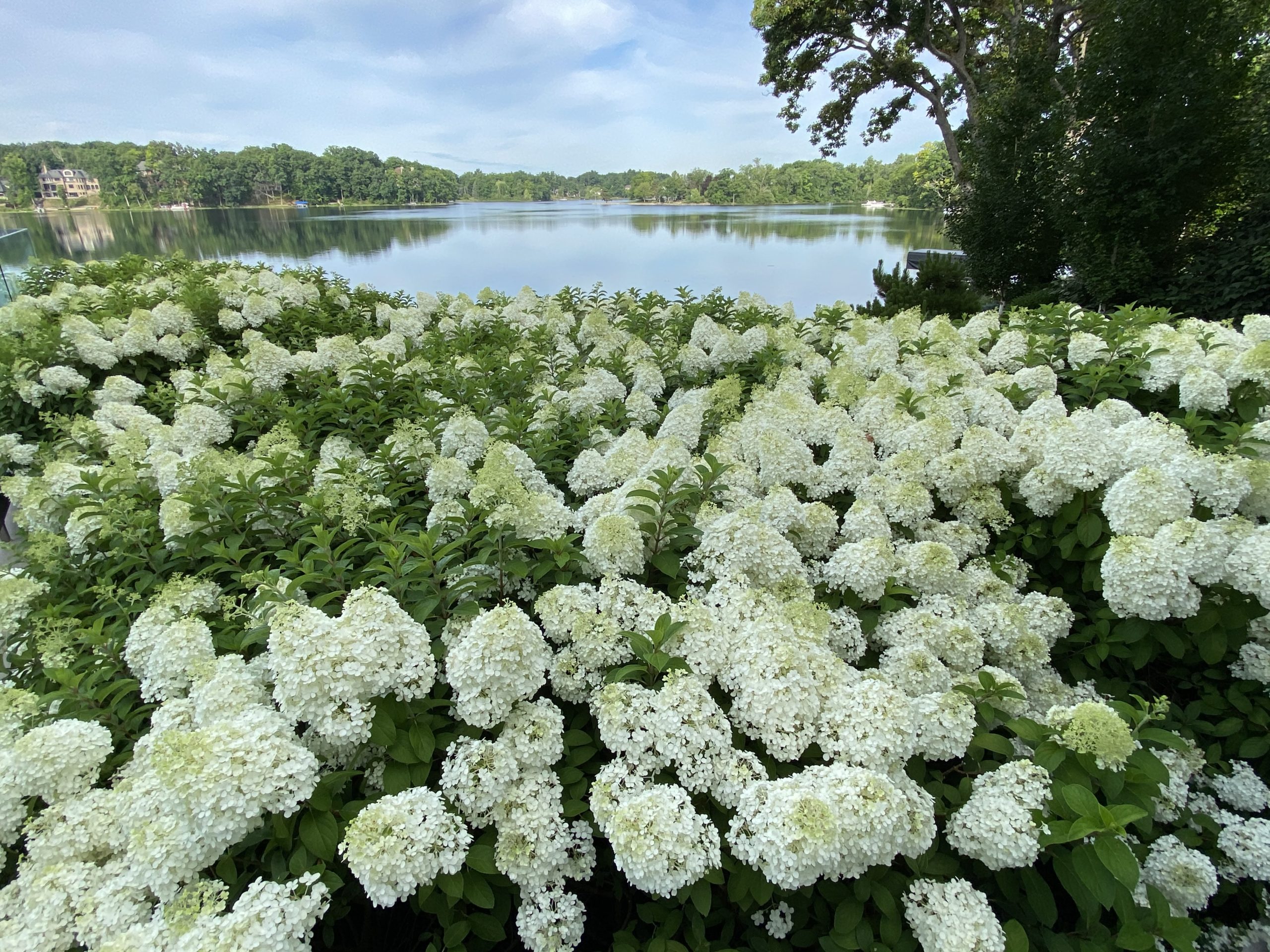
The first time my panicle hydrangea went green, I panicked a little. I had that familiar gardener thought spiral: Did I overfeed it? Underwater it? Did the soil do something dramatic overnight?
Then I remembered what panicle hydrangeas (Hydrangea paniculata) are famous for: their blooms are not static. Many varieties put on a whole little color show as the season rolls along. White florets blush pink, then drift into antique green as they age. In most cases, green is not a problem. It is the plant finishing its bloom cycle.

Green blooms are normal aging
Panicle hydrangea flowers are made up of many small florets packed into a cone-shaped cluster called a panicle. What we think of as the "petals" are actually showy sepals. Sepals tend to hold their shape far longer than true petals, which is one reason panicle hydrangeas look good for weeks and dry beautifully.
As the bloom matures, those sepals can develop more chlorophyll. Chlorophyll is the green pigment plants use to capture light energy. When it shows up in aging sepals, the bloom takes on that soft green cast.
The usual color shift
Not every cultivar follows the exact same script, but this is a common pattern for healthy panicle hydrangeas:
- Fresh bloom: crisp white or creamy white
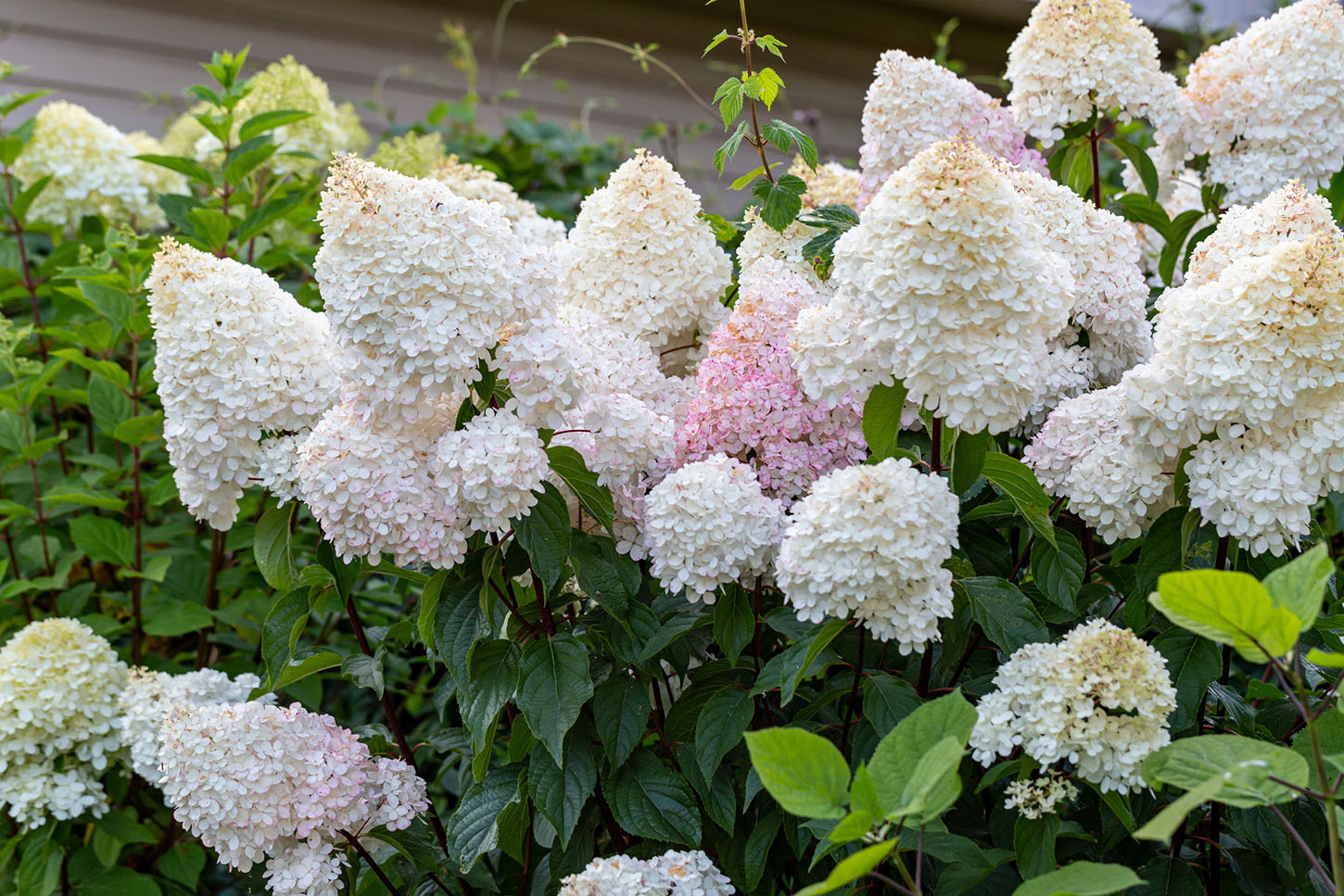
- Mid season: blush pink, rose, or raspberry tones (often stronger after cooler nights)
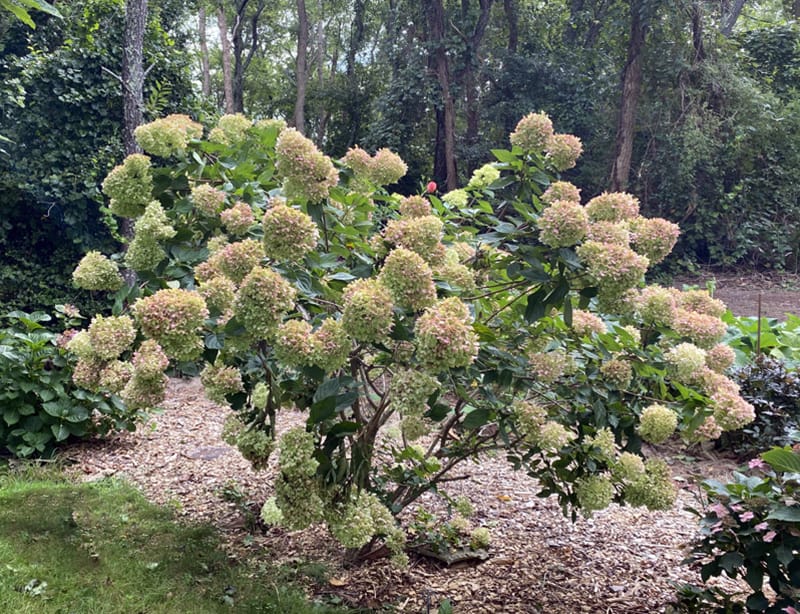
- Late season: antique green, sometimes with leftover pink edges
That green phase is the plant moving from peak display into late-season flower maturation. Many of the showy florets are sterile, so it is not always a big seed-making moment, but the look is still a normal “aging forward” change.
Which green blooms to keep
Most greening panicles are fine to leave right where they are. I usually do, because they still add structure and texture to the garden, especially when they catch morning light or the first dusting of frost.
Leave them if they look like this
- Even color change: a consistent green wash over the panicle, not patchy brown spots
- Firm, papery sepals: they feel dryish and sturdy, not slimy or mushy
- Stems are strong: the panicle is holding itself up (or only gently nodding from weight)
- No bad smell: aging blooms do not stink
If your hydrangea is otherwise happy, green blooms are basically the plant wearing its late-summer outfit.
When you might remove them
This is mostly an aesthetics call:
- You prefer a tidier look and want the shrub to read as “freshly blooming.”
- Heavy panicles are flopping into a walkway and driving you nuts.
- You are cutting flowers for indoor arrangements and want to tidy up what looks spent (removing old blooms improves appearance, but it does not make a panicle hydrangea rebloom like a repeat-blooming annual).
If you do snip a few for bouquets, cut above a set of healthy leaves and avoid stripping the shrub bare. Leaves are the solar panels that fuel next year’s growth.
When green starts
On many panicle hydrangeas, the green phase shows up in late summer into fall, once a bloom has been open for a while. Timing varies by cultivar, weather, and where you garden. Heat tends to speed up the aging look, while mild temperatures can keep blooms pink or white longer.
Green vs brown: stress signs
Here is the key difference: green is a color shift, while brown is tissue damage. Browning tends to look harsher, crispier, or blotchier than normal aging.
Sun scorch
Panicle hydrangeas handle more sun than bigleaf hydrangeas, but their blooms can still get singed in hot, bright weather, especially if the plant is thirsty.
- Brown, crispy patches on the side facing afternoon sun
- Edges turn tan first, then the whole floret browns
- Leaves may look dull or slightly droopy during peak heat
Scorched blooms often show damage quickly after a heat wave. They do not ease into it the way green aging does.
Drought stress
If watering has been inconsistent, the plant may sacrifice bloom quality first.
- Panicles look smaller or thinner than usual
- Florets brown earlier than expected, sometimes while still mostly white
- Lower leaves may yellow and drop if the stress is prolonged
Rot and fungus
Most panicle hydrangea bloom changes are not disease, but in humid weather with poor airflow you can occasionally see fungal issues such as Botrytis (gray mold). This is more of an opportunist on damaged or weather-beaten blooms than a guaranteed panicle hydrangea problem.
- Blooms turn brown and mushy, not dry and papery
- You may see gray fuzzy growth in damp conditions
- Damage spreads unevenly through the panicle
If browning looks wet or rotten, remove the affected clusters and clean up fallen debris. I toss that material in the trash rather than composting it, just to avoid spreading spores around the garden.
Not a soil pH issue
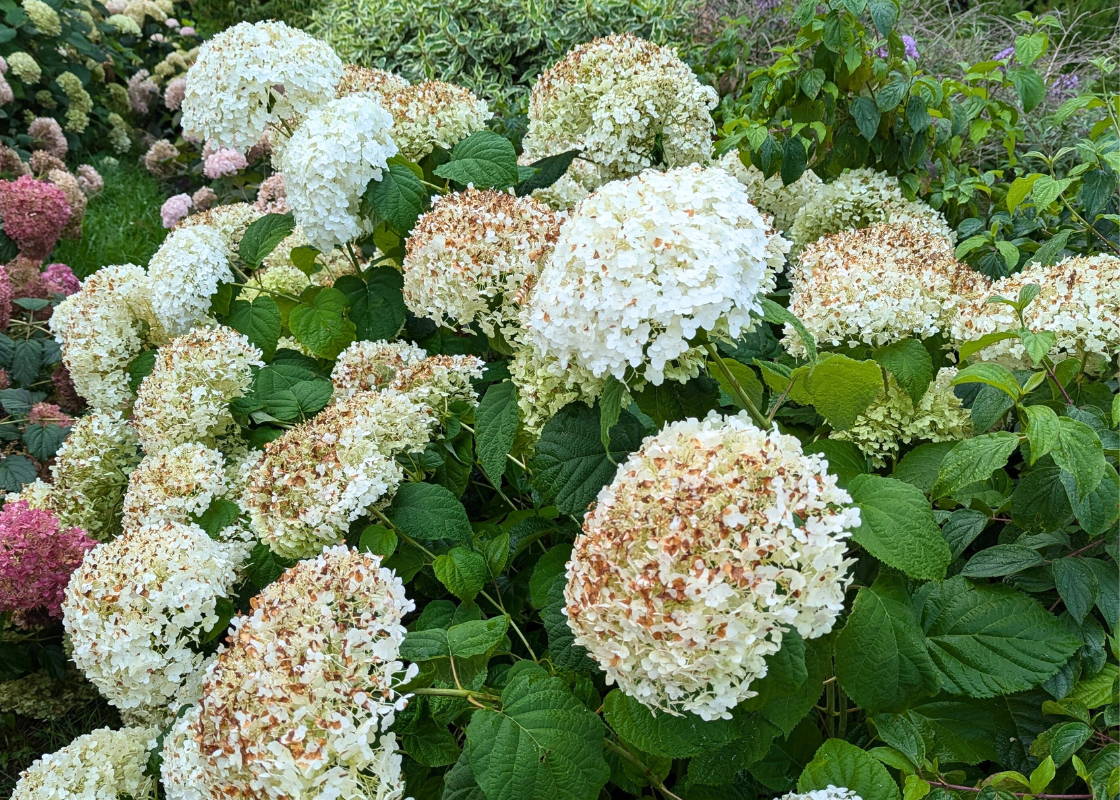
If you have ever chased blue blooms with soil amendments, you are not alone. But that whole soil-pH color shift story belongs mainly to bigleaf hydrangeas (Hydrangea macrophylla) and, to a lesser extent, mountain hydrangeas (Hydrangea serrata).
Panicle hydrangeas do not change from pink to blue based on soil pH. Their white, pink, and green shifts are part of how the bloom matures, not a sign that your soil suddenly became more acidic or alkaline.
Quick ID
- Panicle hydrangea: cone-shaped flower clusters, often blooming mid to late summer
- Bigleaf hydrangea: round mophead or flat lacecap blooms, often associated with blue or pink color shifts
So if your panicles are turning green, you can set down the pH test kit and take a deep breath.
Why some turn greener
Sometimes gardeners compare notes and one person’s hydrangea stays pink longer while another’s turns green early. That can be normal.
Common reasons
- Cultivar genetics: some varieties are bred for stronger pink, others for a lime-green aging phase
- Weather swings: cool nights can deepen pink tones, while prolonged heat often pushes blooms to age faster
- Bloom age: the oldest panicles on the shrub usually green up first
- Light exposure: panicles in more intense sun can look more faded or “antiqued” sooner
I like to think of it as the plant doing a seasonal wardrobe change. Not every shrub changes at the same pace, even in the same yard.
Care checklist for better blooms
If you are seeing browning along with greening, or your flowers are aging faster than you would like, these basics make a noticeable difference:
- Water deeply: soak the root zone instead of frequent sips. During hot, dry stretches, that may mean weekly deep watering, sometimes more in sandy soil.
- Mulch: a layer of mulch helps keep moisture even and cools the root area.
- Morning sun is easier: if you can give it morning sun and some afternoon shade, blooms tend to hold better in summer heat.
- Avoid late-day overhead watering: wet flowers overnight can encourage fungal problems. Water at the base when you can.
- Go easy on high nitrogen: too much nitrogen can push leafy growth at the expense of sturdier blooms.
Deadheading and pruning notes
If you want to deadhead, you can snip off individual fading panicles anytime. It is mainly for looks.
Pruning is a different thing. Panicle hydrangeas bloom on new wood, so they are generally pruned in late winter or early spring, before strong new growth takes off. I keep big cuts for that window and stick to light tidying during the season. If you are in a very cold climate, waiting until late winter also helps you avoid cutting away stems that are giving the shrub a little extra winter protection.
FAQ
Will green panicles turn white again?
Not on the same bloom cluster. Once a panicle has aged into green, that panicle will not cycle back to fresh white. The shrub may still open newer blooms during its normal flowering window, but individual panicles only move forward through their aging stages.
Do green blooms mean the season is over?
Not always. It can simply mean those particular panicles are older. Many shrubs have a mix of newer white panicles and older pink or green ones at the same time.
Should I deadhead green blooms?
You can, but you do not have to. Green, papery blooms are healthy to leave on. Deadheading is about your preferred look, not plant survival.
My flowers are turning brown, not green. Is that normal?
Some browning is normal late in the season, but crispy or blotchy brown patches that show up quickly often point to heat, sun scorch, or dryness. If the browning looks wet or rotten, remove affected blooms and improve airflow around the plant.
The calm takeaway
If your panicle hydrangea blooms are fading from white to pink and then slipping into green, you are likely witnessing a classic hydrangea aging process. As long as the blooms look firm and papery, green is not a diagnosis. It is just the plant moving through its season.
And if you catch yourself worrying anyway, you can do what I do: step close, look for crisp texture instead of scorched brown patches, and give the shrub a gentle thank you for putting on a long show. I swear my plants listen, even if they pretend they do not.