
How Long Do Phalaenopsis Orchid Blooms Last?

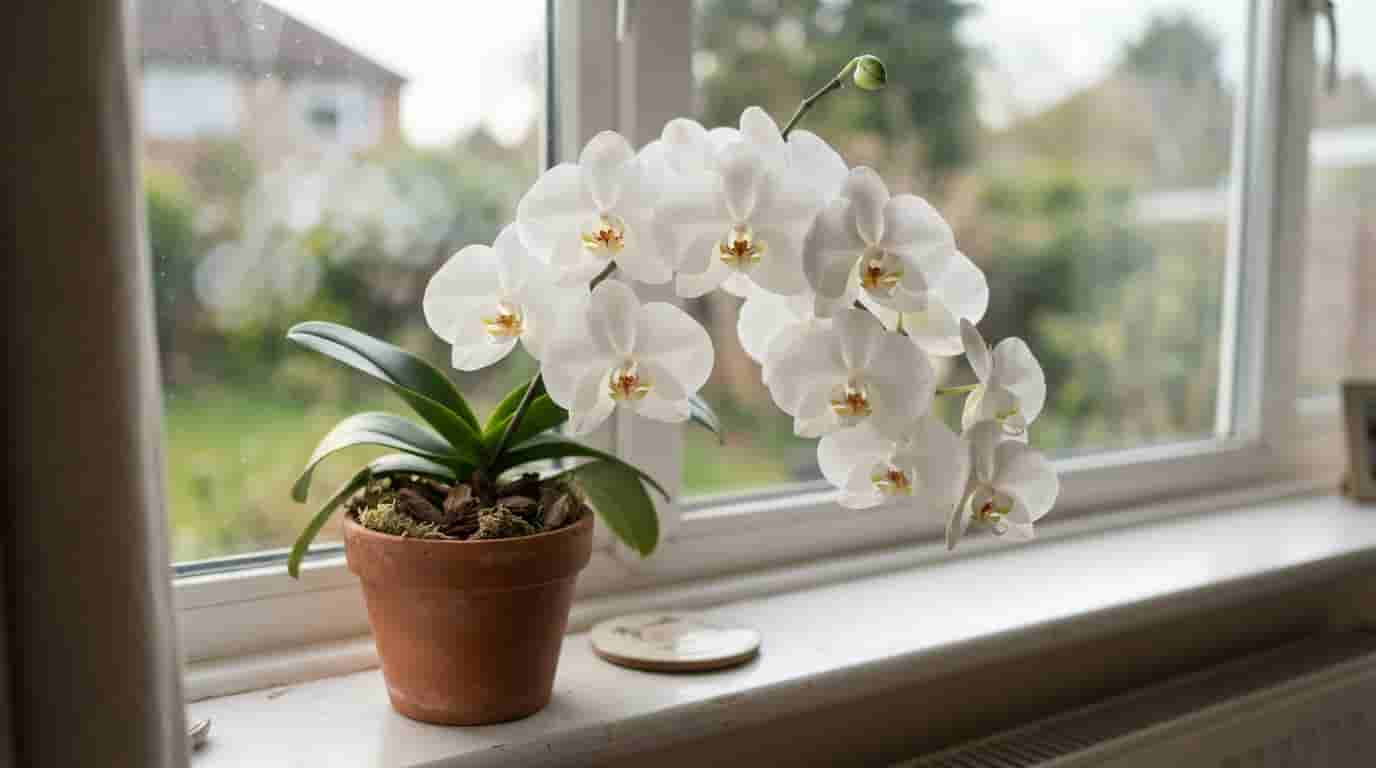
When someone tells me they have a “black thumb,” it is usually right after an orchid drops its last flower. I get it. Phalaenopsis orchids (the classic moth orchids you see everywhere) feel like they should stay perfect forever. The good news is that their bloom life really is long, and once you know what is normal aging versus a problem, they are much less stressful.

The realistic bloom lifespan for a Phalaenopsis
Most Phalaenopsis orchids hold their open flowers for about 6 to 12 weeks in an average home. In especially stable conditions, it is not unusual to see a display push 12 to 16 weeks from the first open flower to the last one dropping.
Two little details matter here:
- Each individual flower often lasts several weeks.
- The whole show lasts longer because the flowers usually open in sequence along the spike, not all at once.
So if your orchid has one tired-looking blossom while others still look fresh, that can be completely normal. The plant is basically running a relay, handing the spotlight from one flower to the next.
What affects bloom time
Phalaenopsis flowers last longest when the plant is kept in what I call “boringly consistent” conditions: moderate temperatures, gentle light, and steady humidity. When conditions swing, blooms age faster.
Heat: the fastest way to speed up fading
Warm air makes flowers age quicker. A Phalaenopsis kept in the mid to upper 70s Fahrenheit (24 to 26 C) will typically finish blooming sooner than one kept a bit cooler.
Watch out for heat sources that are easy to underestimate:
- Forced-air heating vents that blow directly on the plant
- Radiators or baseboard heaters
- Hot, sunny windows where leaves feel warm to the touch
- Heat spikes in kitchens
If you want maximum flower life, aim for comfortable room temps and keep the orchid out of direct hot drafts. I like a spot with bright, indirect light where the temperature stays steady day to night.
Ethylene: the invisible bloom-ender
Ethylene is a natural gas that triggers aging in flowers. Orchids are sensitive to it, and exposure can shorten bloom life or cause flowers and buds to drop.
Common ethylene sources in homes include:
- Ripening fruit, especially bananas, apples, avocados, pears, peaches, and tomatoes
- Cut flowers that are aging in a vase
- Smoke (cigarettes, cigars, heavy fireplace smoke)
My simple rule: do not park a blooming orchid in a fruit bowl zone. Give it its own little stage.
Low humidity: blooms dehydrate faster
When indoor air is dry, orchid flowers can lose moisture faster than the plant can comfortably replace it. That does not always cause immediate collapse, but it can shorten the “fresh” look of blooms and speed up their end.
Low humidity is most common:
- In winter when heaters run
- In summer with strong air conditioning
- In very sunny rooms where pots dry quickly
What helps most is gentle, consistent humidity near the plant, not misting the flowers. Try one of these instead:
- Run a small humidifier nearby
- Group plants together so they create a slightly more humid microclimate
- Use a pebble tray with water under the pot (pot above the waterline)
When fading is normal
I want you to hear this clearly: flowers ending is not a care failure. It is the natural finish line of a bloom cycle.
Normal, expected aging usually looks like this:
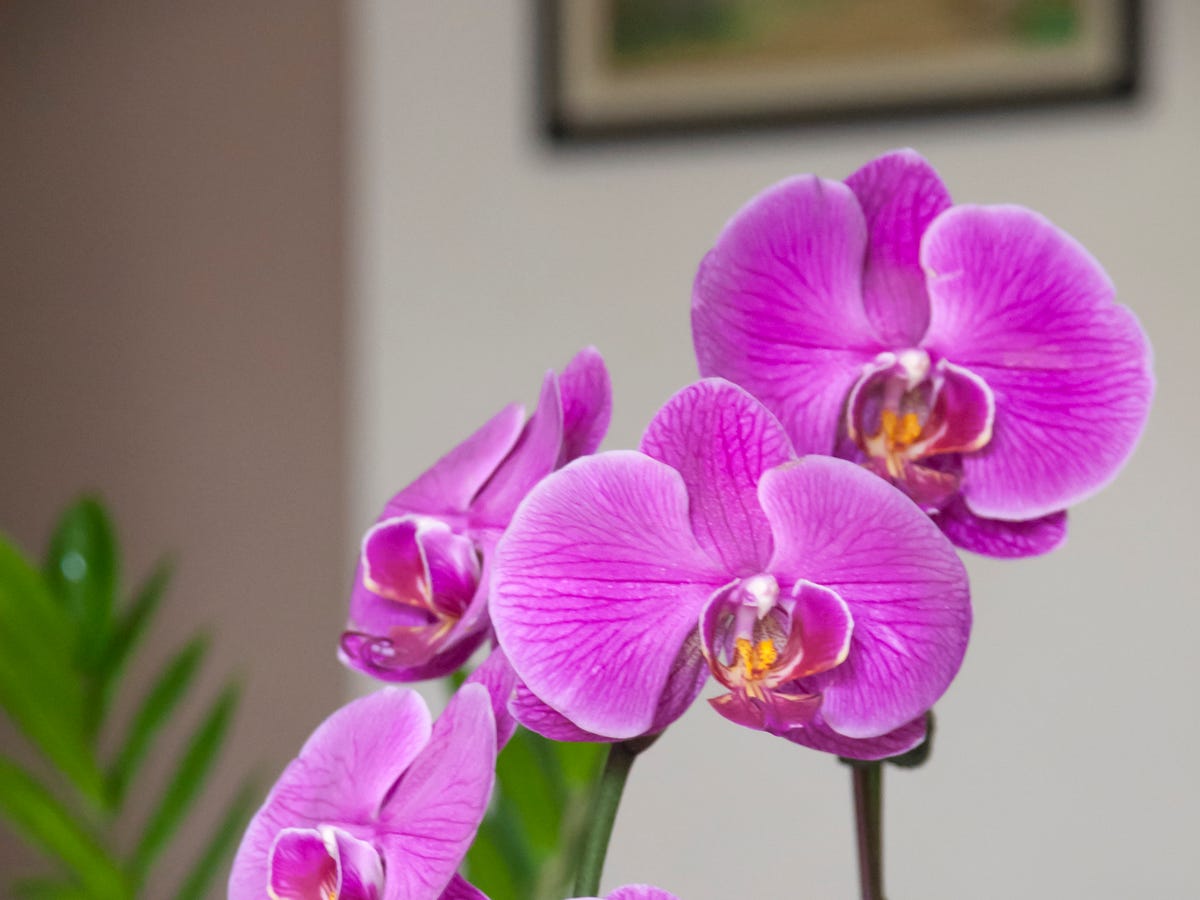
- One or two oldest flowers (often closest to the base of the spike) start to lose shine
- Petals may look a little papery or less taut
- Color softens or dulls slightly
- The flower wilts, then drops cleanly
If the rest of the plant looks fine and the flowers faded gradually over weeks, that is classic, normal bloom completion.
Signs something is off
If your moth orchid flowers are collapsing fast, think “environment,” not “mystery disease.” The most common early-fade triggers are heat, dry air, and ethylene exposure.
Red flags to take seriously:
- Several open flowers drop within a few days of bringing the orchid home
- Blooms fade rapidly right after the plant is moved to a new location
- Flowers look blasted or shriveled after hot sun or a heating vent
- Bud and flower drop happens near ripening fruit or smoke
Also check the basics: a dehydrated orchid (wrinkled leaves, silvery roots that never turn green after watering) tends to have a shorter bloom run. An overwatered orchid with rotting roots cannot support flowers for long either.
What to do after blooming
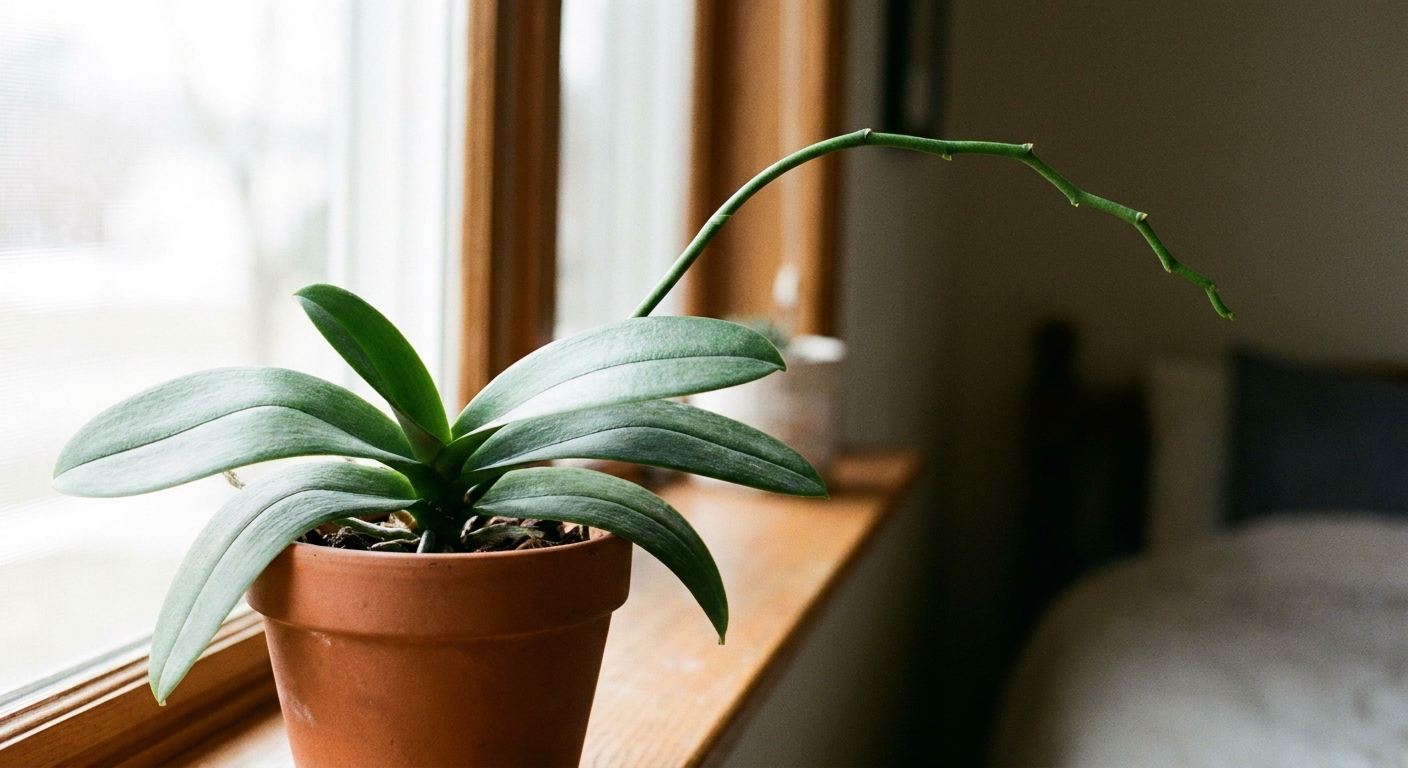
Once the last flower drops, your next step depends on what the spike is doing and how the plant looks overall. Some spikes stay green for a while, others brown out quickly, and both can be normal.
For the exact next steps, head to our guide here: After Phalaenopsis Blooms Fade.
If buds drop (bud blast)
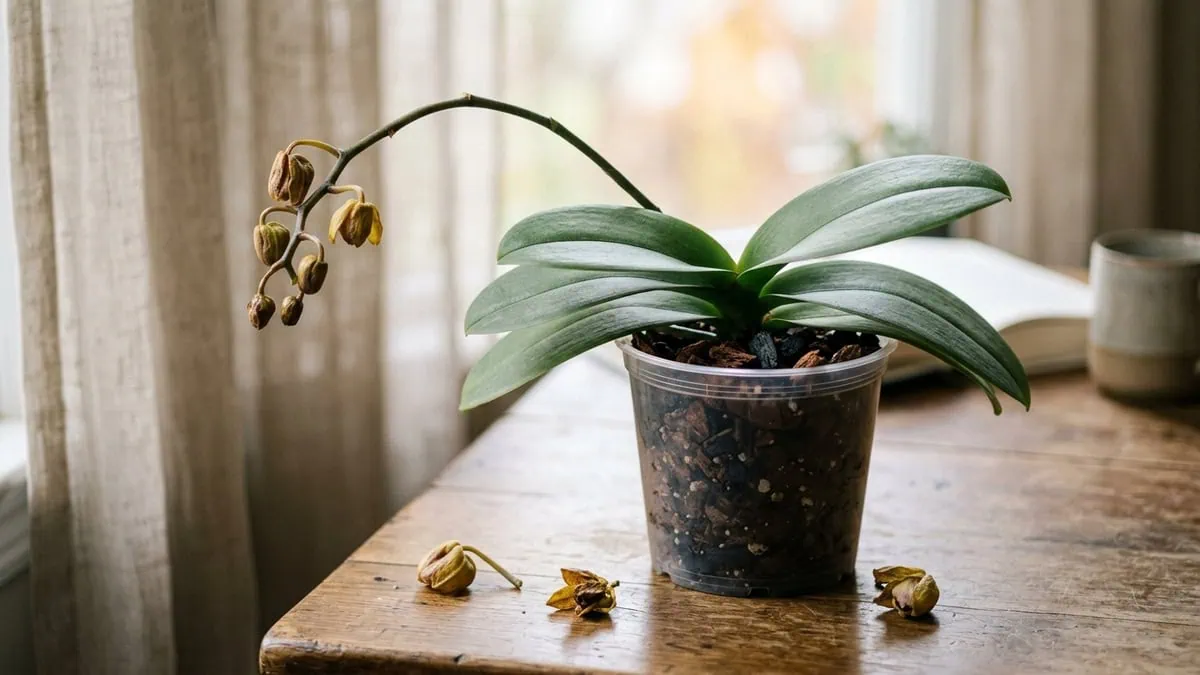
Unopened buds falling off is a different situation than normal flower aging. It is usually caused by sudden changes or stress during bud development, like temperature swings, dry air, or ethylene exposure.
If your buds yellow, shrivel, or fall before they ever open, go straight here: Orchid Bud Blast.
Quick FAQ
How long should a single Phalaenopsis flower last?
Often a few weeks, sometimes longer, but the overall bloom display lasts longer because flowers open in sequence along the spike.
Why did my orchid flowers fall off after I brought it home?
That is usually a shift in environment. Warm car rides, cold drafts, dry indoor air, and ethylene exposure during transport or placement can all speed up flower drop.
Will flowers last longer in a cooler room?
Usually, yes. Cooler, steady temperatures tend to slow flower aging. Just avoid cold drafts and temperatures that feel chilly to you for extended periods.