Green Shoulders on Tomatoes

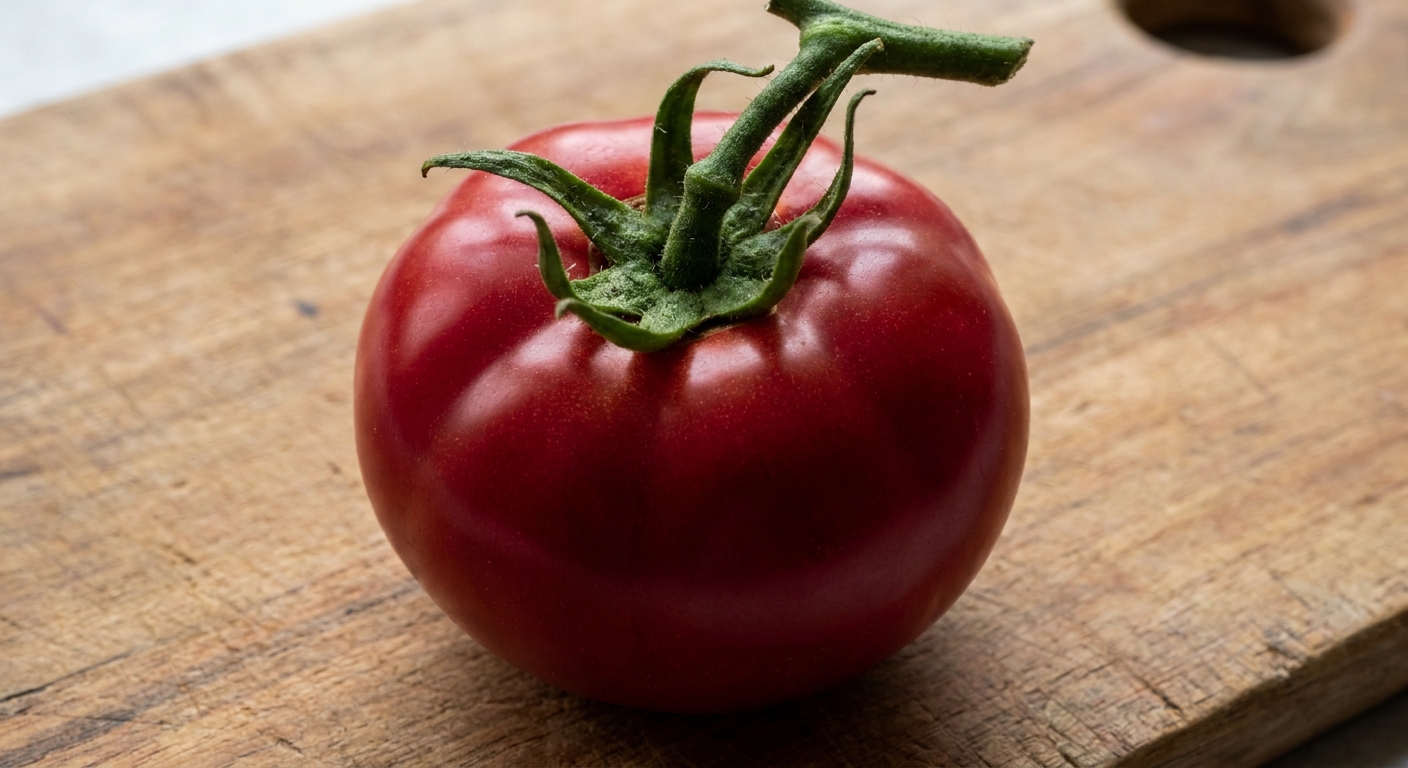
I still remember my grandmother turning a tomato in her hand like a little planet, inspecting every blush of color before it ever hit the kitchen counter. If she found a fruit that was beautifully red everywhere except for a stubborn green cap near the stem, she did not panic. She just sighed and said, "Green shoulders again."
If you are seeing that same thing, a tomato that looks ripe but stays hard and green or yellow at the stem end, you are not alone. The good news is that this is usually a ripening and nutrition issue, not a disease. You can still eat many of these tomatoes. You just need to know what you are looking at.

What green shoulders are
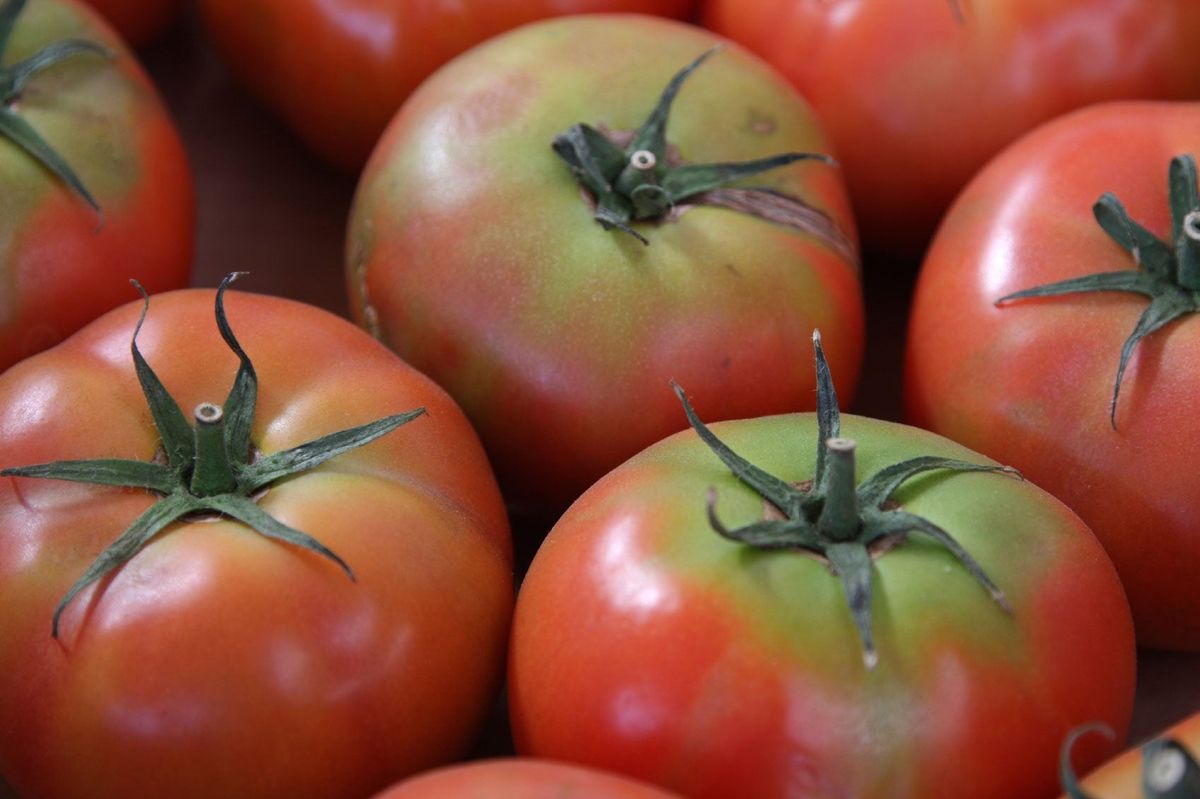
Green shoulders are when a tomato ripens but the area around the stem end stays green or yellowish and often feels firmer than the rest of the fruit. It can show up as:
- a green ring around the stem
- a green or yellow patch on the top of the fruit
- a shoulder that stays hard while the bottom softens and colors
Sometimes that shoulder will eventually color up if you leave the fruit longer. Other times it stays green even when the tomato is otherwise ripe.
This is different from a tomato that is fully green and never changes color, and it is different from sunscald, which looks pale, white, or tan and often turns papery.
Why it happens
Green shoulders are most common when a plant is trying to ripen fruit under stress. The main drivers in home gardens are genetics, heat and intense sun, and sometimes nutrient balance (including potassium).
1) Variety genetics
Some tomatoes are simply more prone to it. Older beefsteak types and some heirlooms can be notorious, especially in hot weather. Modern breeding has reduced the problem in many hybrids, but it has not eliminated it.
If green shoulders happen every year on the same variety while other varieties ripen evenly nearby, genetics is your loudest clue. When you are browsing seed catalogs, it can help to look for notes like uniform ripening or greenback tolerance.
2) Heat and intense sun
Tomato color comes from pigments like lycopene and beta carotene. Those pigments develop best at moderate temperatures. When fruit surfaces get too hot, coloring can stall at the shoulder while the shaded or cooler parts continue ripening.
This is why green shoulders are common during heat waves, on plants that were aggressively pruned, or on fruit that sits fully exposed at the top of the canopy.
3) Potassium and nutrient balance
Potassium supports fruit development and ripening, and low potassium or an overall imbalance can contribute to uneven ripening patterns, including green shoulders. That said, it is not always the main cause. In many gardens, heat and light intensity are the bigger drivers.
Two common ways potassium shows up as part of the problem:
- True deficiency in the soil or potting mix, which is more common in containers or very sandy soil.
- Nutrient competition, especially when nitrogen is high. Lots of nitrogen can push leafy growth while fruit quality suffers, and it can interfere with balanced uptake.
So yes, potassium matters. But I always say this gently: tossing random potassium at the problem is not always the fix. Watering consistency and heat management often do more, and a soil test is the only way to be confident about nutrients. Potassium availability can also depend on soil pH, which is another reason I prefer a whole-soil approach over chasing a single number.
Is it safe to eat?
Most of the time, yes. Green shoulders are usually a quality issue, not a safety issue.
Usually edible
If the tomato is otherwise ripe, smells tomatoey, and the green area is just around the stem end with no rot, mold, or weird oozing, it is generally fine to eat. The green portion can taste:
- less sweet
- a little grassy or bitter
- more firm and less juicy
My kitchen habit is to trim off the green shoulder if it tastes harsh, then use the rest for salads, sauce, or salsa.
Do not eat
Leave it to the compost if you see:
- soft, collapsing spots that spread quickly
- gray or fuzzy mold
- leaking fluid and a strong sour odor
- deep cracking with decay inside
Those are spoilage signs, not just uneven ripening.
Pick it or leave it?
This depends on how far along the tomato is.
Leave it to finish if
- the fruit is still mostly green and the shoulder is the darkest part
- nights are warm enough for ripening and the plant is healthy
- you can provide shade with foliage and steady watering
Sometimes the shoulder will catch up given time, especially if the weather cools a bit.
Pick it if
- the fruit is at least at the breaker stage (first blush of color) and you are facing cracking, pests, or storms
- the plant is declining and fruit is unlikely to improve on the vine
- you want to protect it from heat at the top of the plant
Once a tomato has started coloring, it can finish ripening off the vine. Picking at the right time can prevent additional stress that worsens the shoulder problem.
Lookalikes to rule out
This is the part that saves a lot of worry. Several issues look similar at first glance, but they behave very differently.
Green shoulders vs never ripening
Green shoulders: most of the fruit ripens normally, but the stem end stays green or yellow and firm.
Whole fruit stays green: the tomato remains green overall, sometimes with a dull, hard look, and it just sits there. This is more likely related to temperature extremes, variety, lack of maturity time, plant stress, or fruit that is not actually mature yet.
Green shoulders vs sunscald
Sunscald is a light colored patch caused by intense sun exposure, usually after leaves were removed or the plant lost foliage. It often looks:
- white, cream, or tan
- flat or slightly sunken
- papery as it ages
Sunscald tissue is damaged. It will not ripen into normal tomato flesh, and it can become a spot where rot starts.
Green shoulders vs indoor ripening
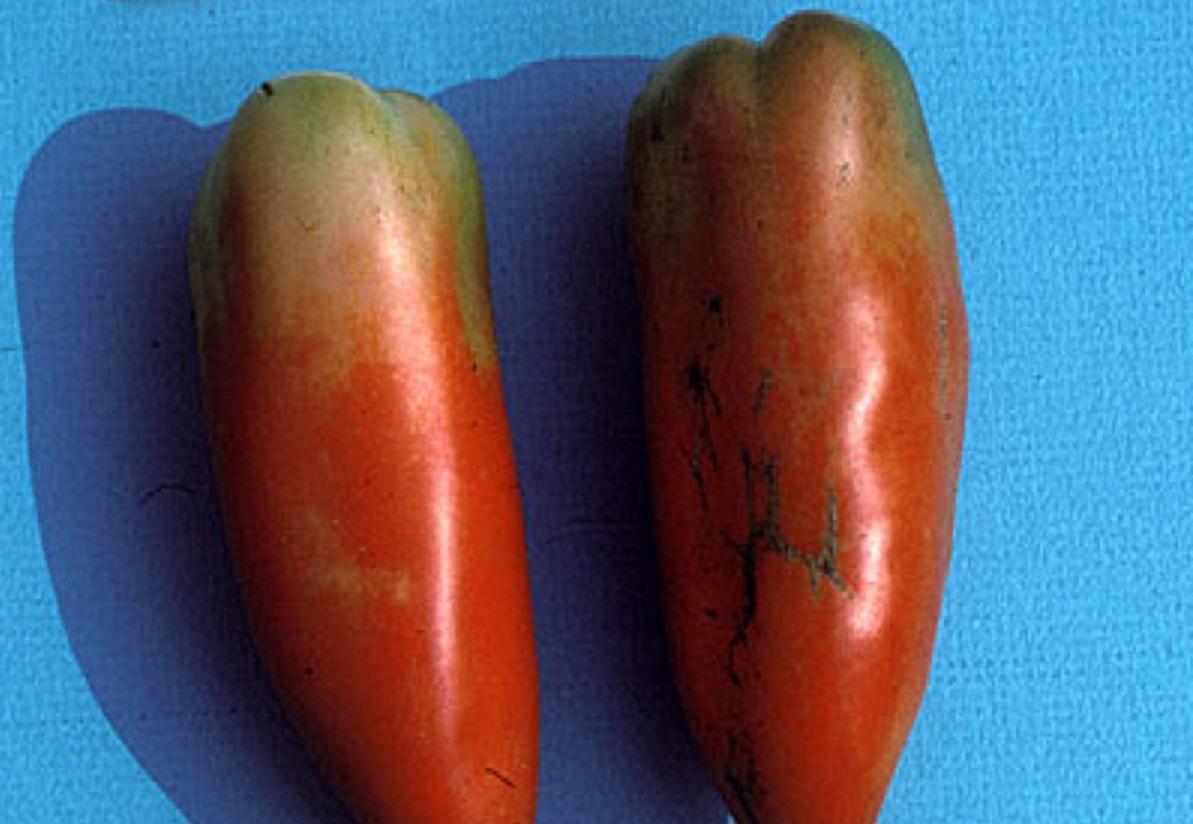
Indoor ripening is for sound, mature-green tomatoes that have reached full size and a glossy, slightly lighter green, even if they are not showing color yet. Those fruits have the internal maturity to ripen after picking.
Green shoulders, on the other hand, usually show up on fruit that is already ripening, just unevenly at the stem end.
If you pick a truly immature green tomato, it may soften a bit indoors but it will not develop the same flavor or color as a mature one.
How to prevent it
Think of prevention as a three part approach: pick friendlier varieties, protect fruit from heat stress, and keep nutrition and watering steady.
Choose varieties that ripen evenly
- If you garden in hot summers, trial a few varieties and take notes.
- Consider smaller fruited types, like salad tomatoes or cherries, which often ripen more evenly in heat.
- If a beloved heirloom always gives you green shoulders, grow it anyway, but balance it with a more reliable variety for sauces and slicing.
Keep foliage where it belongs
I am all for airflow, but tomatoes need leaves to act like a little parasol.
- Avoid heavy pruning above fruit clusters during peak summer heat.
- Use light trellising and gentle tucking so clusters are dappled, not blasted.
- If heat is intense, temporary shade cloth can help, especially in exposed beds or containers.
Water evenly
Inconsistent watering can amplify plant stress and make nutrient uptake less predictable. Aim for deep, steady moisture rather than feast and famine cycles.
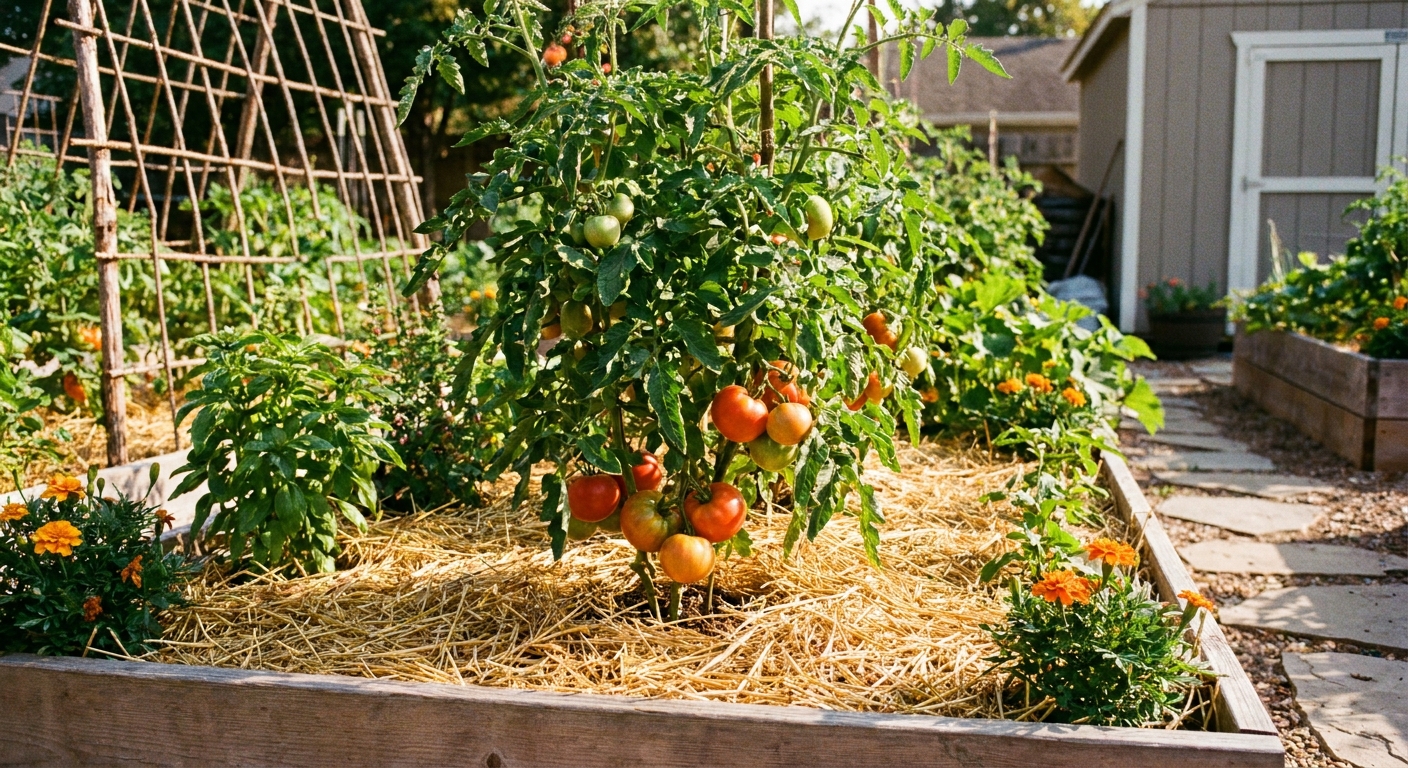
- Mulch 2 to 3 inches deep to stabilize soil moisture.
- In containers, check daily during hot spells. Pots heat up fast.
Support potassium without overdoing it
Potassium helps, but balance matters.
- Use a well rounded tomato fertilizer rather than straight nitrogen.
- Do not overfeed with high nitrogen products once flowering and fruiting are underway.
- If you suspect a deficiency, consider a soil test so you are not guessing.
Quick checklist
- Red tomato with a green or yellow hard cap near stem: likely green shoulders. Usually edible. Trim if flavor is bitter.
- Entire tomato stays green and hard for weeks: could be immature fruit, temperature stress, or variety timing.
- White or tan patch that turns papery: sunscald. Cut away damaged area. Discard if rot is present.
- Mature-green, full sized tomato picked before frost: good candidate for indoor ripening.
FAQ
Will green shoulders ripen off the vine?
Sometimes. If the fruit is already at the breaker stage or beyond, the green area may lighten and improve indoors, especially at room temperature. If the shoulder stays green, it is still usually fine to eat after trimming.
Does potassium fix it fast?
Not fast. Nutrient adjustments take time, and heat is often the bigger driver in midsummer. If you suspect low potassium, focus on steady watering and a balanced feeding plan, and consider confirming with a soil test.
Are green shoulders the same as greenback?
They are closely related terms. Many gardeners use them interchangeably to mean the green, firm area at the stem end that does not color properly.
Can I just leave the tomatoes longer?
You can, and it sometimes helps, especially as nights cool. But if pests, splitting, or storms are a concern, pick at first blush and finish ripening indoors to protect the fruit.