
Why Tomatoes Crack and Split (and How to Prevent It)

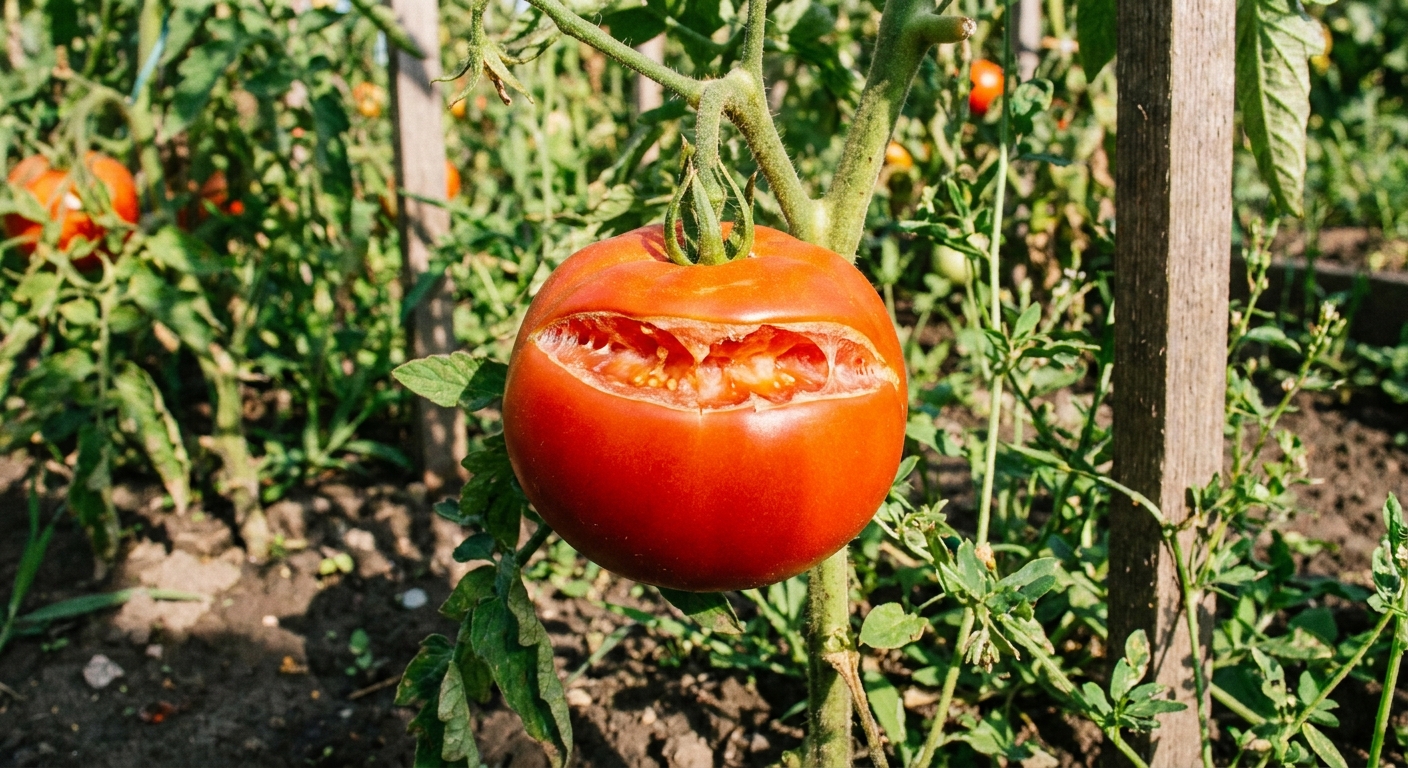
Nothing hurts quite like spotting a gorgeous, almost-ready tomato and then noticing a fresh split running across the shoulders like a tiny canyon. If you have ever stood there holding a cracked fruit and wondering what you did wrong, take a breath. Tomato cracking is incredibly common, and it is usually about water timing and weather swings, not bad gardening.

Let’s separate cracking from lookalikes, then walk through the real causes and the most reliable ways to prevent splits in the first place.
Cracking vs blossom end rot
These two problems get mixed up constantly because they both show up right when you are dreaming of sandwiches.
What cracking looks like
- Splits in the skin, often near the top or running around the fruit.
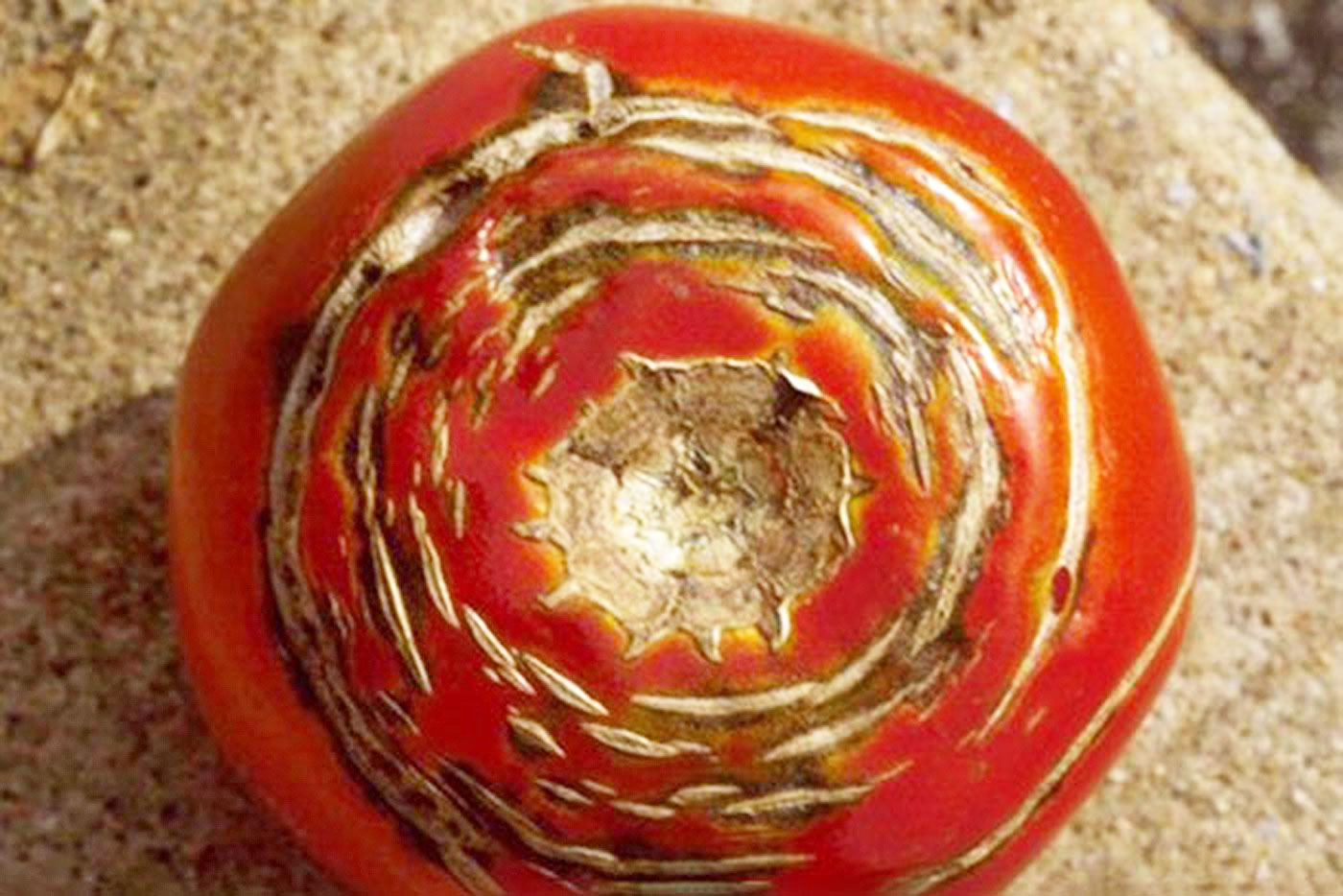
- May be radial (lines from stem downward) or concentric (rings around the shoulders).
- The flesh underneath is usually fine at first, but cracks can invite mold, rot, and insect damage.
What blossom end rot looks like
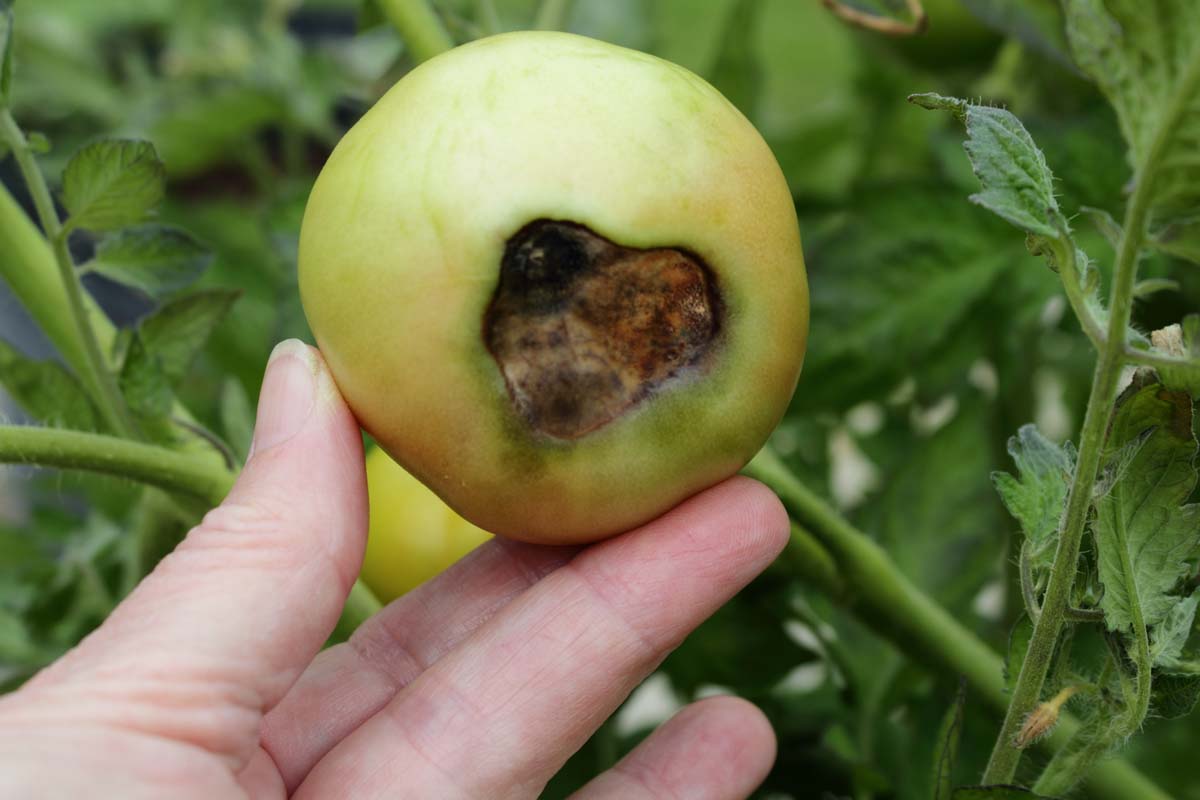
- A sunken, leathery brown or black patch on the bottom of the tomato (the blossom end).
- It is linked to calcium transport issues in the plant, often triggered by inconsistent moisture.
- The damage is not a split. It is a spot that often starts firm and leathery, and can become soft and rotten.
If your tomato has a split skin, you are dealing with cracking. If it has a dark, sunken bottom, that is blossom end rot. They can both be encouraged by uneven watering, but the fix and the fruit triage are a bit different.
Why tomatoes crack
Tomato skins are stretchy, but they have limits. When the inside of the fruit swells faster than the skin can expand, the skin tears. That swelling is most often driven by a sudden increase in water uptake, especially after the plant has been on the dry side.
1) Uneven watering
This is the most common story, and the highest-risk window is from fruit set through fruit sizing and ripening:
- Soil dries out (hot week, missed watering, containers dry fast).
- Then the plant gets a big drink (heavy rain, deep watering, sprinkler marathon).
- The fruit rapidly absorbs water, pressure builds, and the skin splits.
Cracking often shows up right after a summer storm, especially if the soil had been dry beforehand.
2) Heat and weather swings
Heat alone does not “create” cracks, but it can set the stage. Hot spells can speed growth and ripening, and plants may wilt and then rebound quickly when watered. Warm nights can also keep growth and ripening moving along. When that lines up with a sudden water surge, cracking is more likely.
3) Variety
Some tomatoes crack with very little provocation. Others are tougher little champs.
- Thin-skinned heirlooms often crack more readily.
- Cherry tomatoes can crack quickly because they ripen fast and their water balance changes quickly.
- Many modern hybrids are bred for crack resistance and hold up better after rain.
4) Fruit left on the vine too long
Fully ripe tomatoes are more prone to splitting, especially after a rain. As fruit ripens, the skin becomes less elastic and the internal tissues soften. That combo makes cracks more likely when water suddenly becomes abundant.
Crack types
Radial cracks
These are the splits that start near the stem and run downward. They are often associated with rapid growth after moisture changes and can open wide enough to invite rot.
Concentric cracks
These are rings around the top of the fruit. They often show up with ripening and moisture swings, and sometimes after stretches of hot days followed by cooler nights or sudden rain.
How to prevent cracking
You cannot control the weather, but you can dramatically reduce cracking by keeping moisture more even and protecting your soil like it is alive. Because it is.
1) Water steadily
Aim for steady moisture, especially once fruit has set and is sizing up.
- Water deeply so roots grow down, not just at the surface.
- Water in the morning so plants have what they need before the heat ramps up.
- Avoid letting plants wilt and then “rescuing” them with a flood.
For in-ground plants, many gardens do well with about 1 to 2 inches of water per week total (rain plus irrigation), adjusted for heat, wind, and soil type. Sandy soil needs smaller, more frequent watering. Clay holds water longer but can swing from soggy to brick-hard if it dries out.
For containers, inches-per-week is less useful. Think in terms of consistency: check moisture often in hot weather (sometimes daily), and do not let pots fully dry out before rewatering.
2) Mulch well
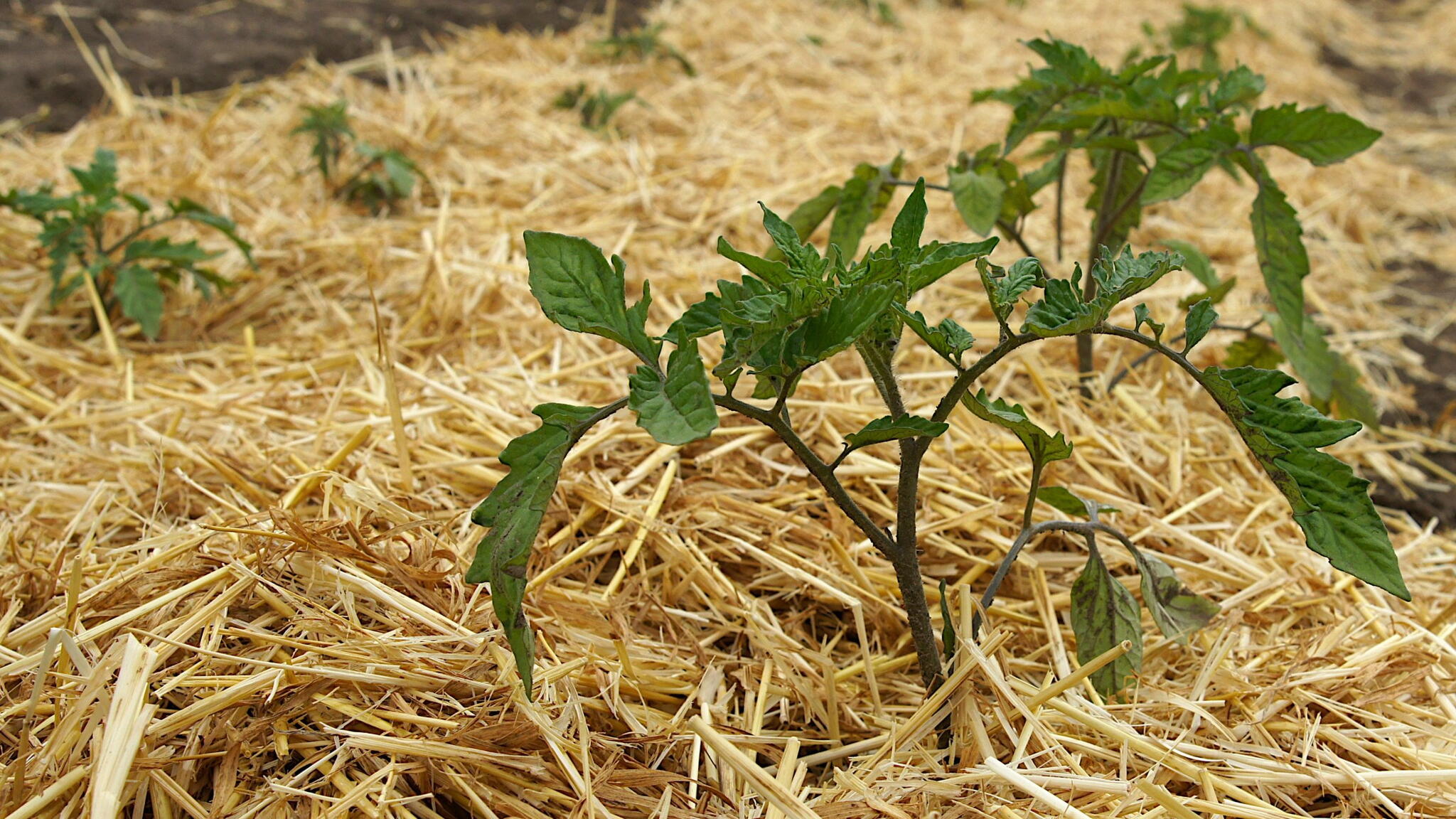
Mulch is one of the most powerful anti-cracking tools because it slows evaporation and smooths out moisture spikes.
- Use 2 to 4 inches of straw, shredded leaves, untreated grass clippings (thin layers), or fine bark.
- Keep mulch a couple inches away from the stem to reduce stem rot risk.
- Refresh as it breaks down, especially in midsummer.
3) Use drip or soaker hoses
Overhead watering can work when it is set up well, but it tends to lose more water to wind and evaporation and it wets foliage, which can add disease pressure. Drip irrigation and soaker hoses deliver water slowly to the root zone, which helps keep fruit growth steadier.
4) Harvest before storms
If you know a soaking rain is coming, consider picking tomatoes that are at the breaker stage (just starting to blush from green to pink or orange). They will finish ripening indoors and are far less likely to split.
- Bring them inside and let them ripen at room temperature out of direct sun.
- Do not refrigerate unless they are fully ripe and you truly need to slow spoilage.
5) Pick crack-resistant varieties
Look for seed descriptions that mention crack resistance or thicker skin. If you love heirlooms (I do too), you can still grow them, just pair them with excellent moisture management and earlier harvest timing.
6) Feed reasonably
Overdoing nitrogen can push fast, lush growth and quick fruit expansion, which can make cracking more likely when moisture swings happen. Focus on:
- Compost or balanced fertilizer.
- Steady watering.
- Healthy soil structure and biology, which helps regulate water availability.
7) Container tips that really help
- Use a larger pot to slow drying.
- Add mulch or a compost top-dressing to reduce evaporation.
- Consider a self-watering container to smooth out highs and lows.
8) Pruning note
Pruning does not directly cause cracking, but heavy leaf removal can increase stress and sun exposure. Keep pruning moderate, and avoid making big changes during extreme heat.
What to do with cracked tomatoes
Cracked tomatoes are not automatically “bad.” They are just more vulnerable.
- Pick them promptly, especially if the crack is fresh.
- Trim the cracked area if it looks clean and the flesh underneath is firm and smells normal.
- Use quickly in salsa, sauce, roasting, or soup.
- If you see mold, oozing, soft rot, off-odors, or signs insects have been inside a deep crack, compost it.
Also, if birds or insects are taking advantage of cracks, harvesting sooner will save you a lot of fruit.
Quick checklist
- Cracks after rain? Add mulch and harvest at breaker stage before storms.
- Plants in containers? Moisture may be swinging daily. Check often in heat, mulch the surface, and consider a larger pot or self-watering setup.
- Soil dries fast? Increase organic matter and mulch depth, and water more frequently with smaller amounts.
- Recurring cracking on one variety? Try a crack-resistant cultivar next season or grow that variety under the most consistent watering setup you can manage.
FAQ
Why do my cherry tomatoes crack so easily?
Cherry tomatoes ripen fast and can take up water quickly after rain or heavy watering. That sudden internal swelling can split thin skins. Consistent moisture and harvesting a bit earlier are your best tools.
Do slicer tomatoes crack for the same reasons?
Yes. Slicers often crack after a dry spell followed by heavy watering or rain. Their cracks may be larger and more noticeable because the fruit is bigger. Mulch, drip irrigation, and storm-timed harvesting make a huge difference.
Should I reduce watering when fruit starts to ripen?
Do not swing from dry to soaked. Keep moisture steady as fruit ripens. You can avoid overwatering, but the goal is consistency, not drought stress followed by a flood.
Are cracked tomatoes safe to eat?
Often, yes, if you pick them promptly and the crack is clean with no mold or rot. Trim the damaged area and use the tomato quickly. If the crack is deep and has been open long enough for insects, slime, or off-odors to develop, skip it.
Will calcium sprays stop cracking?
Calcium is not the main lever for cracking. Cracking is mostly about moisture swings and harvest timing. (Calcium conversations belong more to blossom end rot.)