
Cone-Shaped Holes in the Lawn Overnight

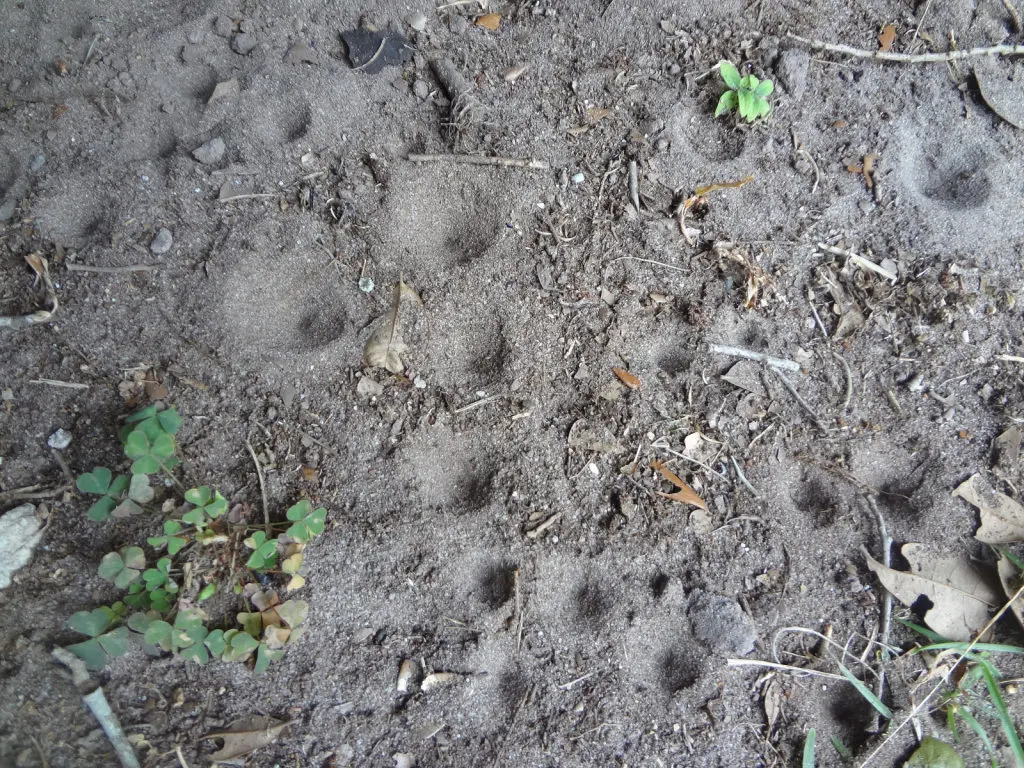
The first time I woke up to cone-shaped holes sprinkled across my lawn, I stood on the porch in my slippers, coffee going cold, whispering: “Who did this?” (My ferns got an earful, too.) The good news is that these tidy little craters are usually an identification puzzle, not a disaster. And once you know who is doing the midnight snacking, the fix gets a lot calmer.
Let’s use the three biggest clues you already have: cone shape, appeared overnight, and grubs nearby.

Start with the hole
Before you treat anything, take two minutes to look closely. The shape and the mess level tell you a lot.
Typical conical divots from foraging
- Diameter: often around 1 to 4 inches across
- Depth: commonly 1 to 3 inches deep
- Edges: fairly clean, like a little punch or divot
- Pattern: many small holes scattered, not one big excavation
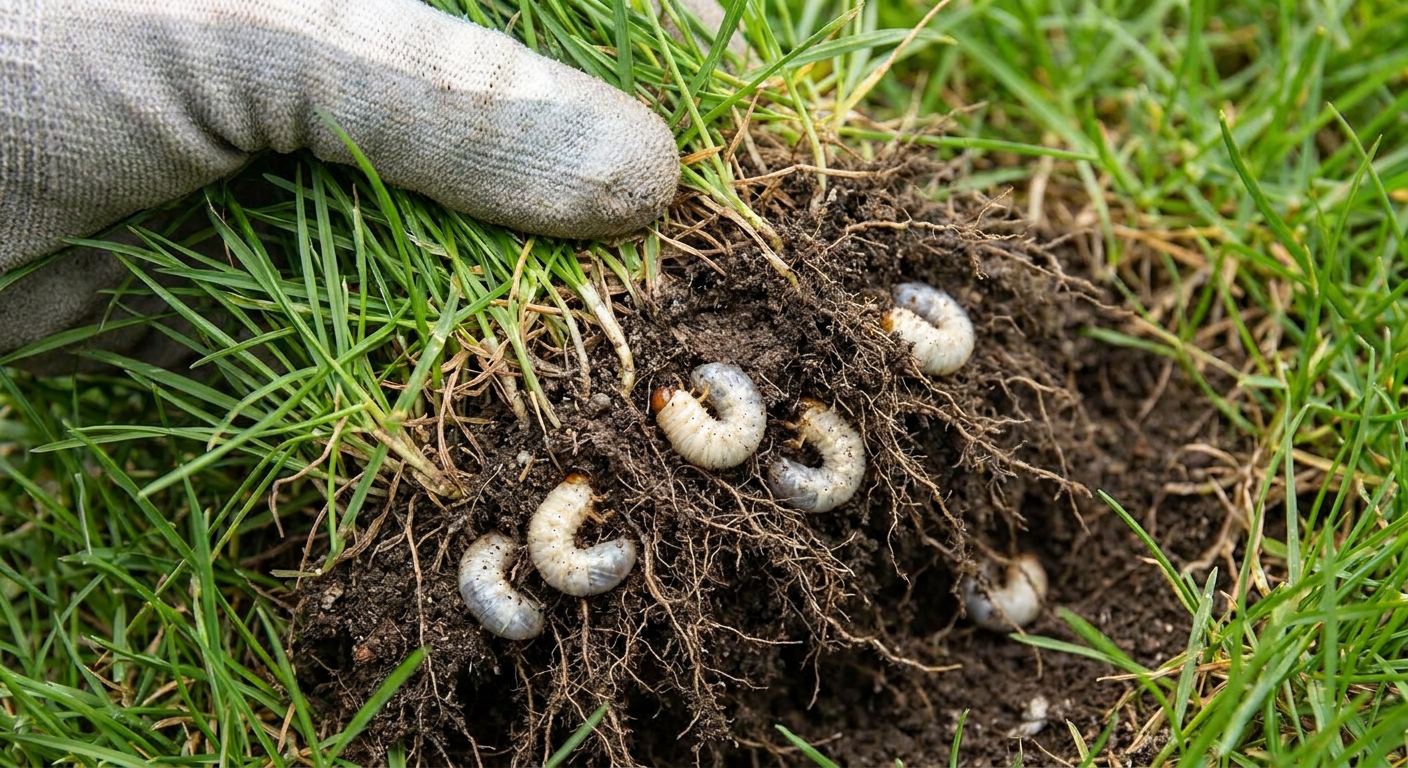
These are classic “I smelled a snack under here” holes. When insects are involved, the most common targets are white grubs (beetle larvae) and earthworms. In some yards, other lawn pests may also be in the mix, like cutworms or billbug larvae, but grubs and worms are the usual buffet that brings nighttime visitors in.
Who makes cone-shaped holes overnight?
Overnight lawn holes most often come down to skunks, raccoons, or a dog doing their own version of pest control. Here is how I tell them apart in real yards.
Skunk: small, tidy cones with little turf lifted
If your holes look like neat little cones, skunks are high on the suspect list. Skunks are surprisingly efficient foragers. They use their strong sense of smell and dig with their front paws, but they often do not roll back big sheets of turf unless they hit a truly loaded spot.
Skunk calling cards:
- Many small cone-shaped holes scattered around
- Little to no sod peeled back in large pieces
- Damage shows up overnight, especially when soil is soft and food is close to the surface (often late summer into fall, and sometimes in spring depending on region)
- You may notice a faint musky odor, but not always
Once you confirm the clues below, head to our skunk guide here: How to Get Rid of Skunks in Your Yard Naturally.
Raccoon: messier digging and “carpet” sod
Raccoons also hunt grubs, but they tend to be rougher about it. When raccoons find an active patch, they often pull back turf like they are lifting a rug to see what is underneath.
Raccoon calling cards:
- Fewer holes, but larger disturbed patches
- Sod rolled back in strips or chunks
- More tearing and ragged edges
- Sometimes damage near trash cans, compost, or bird feeders too
If your lawn looks peeled, you are likely dealing with a raccoon rather than a skunk.
Dog: one favorite spot and thrown soil
Dogs can make crater-y holes fast, especially if they smell a grub, a mole run, or yesterday’s rabbit visitor. But dog digging usually concentrates in one or two spots, with fast scratching and dirt flung backward.
Dog calling cards:
- Damage concentrated in one or two areas
- Scratch marks and scattered soil behind the hole
- Often along fences, tree bases, or where another animal has passed
- Happens anytime, not strictly overnight
Birds: tiny peck holes in daylight
Crows and starlings will go after grubs too. Their holes are usually smaller and shallower, and you will often notice the activity during the day.
Bird calling cards:
- Very small punctures or peck marks
- Less cone and more poked
- Often you see birds working the lawn
Insects alone: thinning grass, not craters
Grubs themselves do not usually create cone-shaped holes. What they do cause is spongy turf, thinning patches, and grass that lifts easily because roots are chewed. If your turf peels up like a bad toupee, that is a grub problem first, and a wildlife problem second.
Lookalikes to rule out
Before you pin it on skunks or raccoons, do a quick reality check. A few common yard issues can look similar at first glance.
- Moles and voles: more about raised ridges, tunnels, or surface runs than neat cone-shaped divots.
- Squirrels: small scattered digs happen, but they are usually a daytime show and often near trees, beds, or acorns.
- Armadillos (in some regions): can make deeper cone-shaped holes, sometimes larger and more frequent than skunk divots.
Fast checks: skunk vs raccoon
If you want a simple backyard detective routine, this is it. I do these checks before I change anything in the yard.
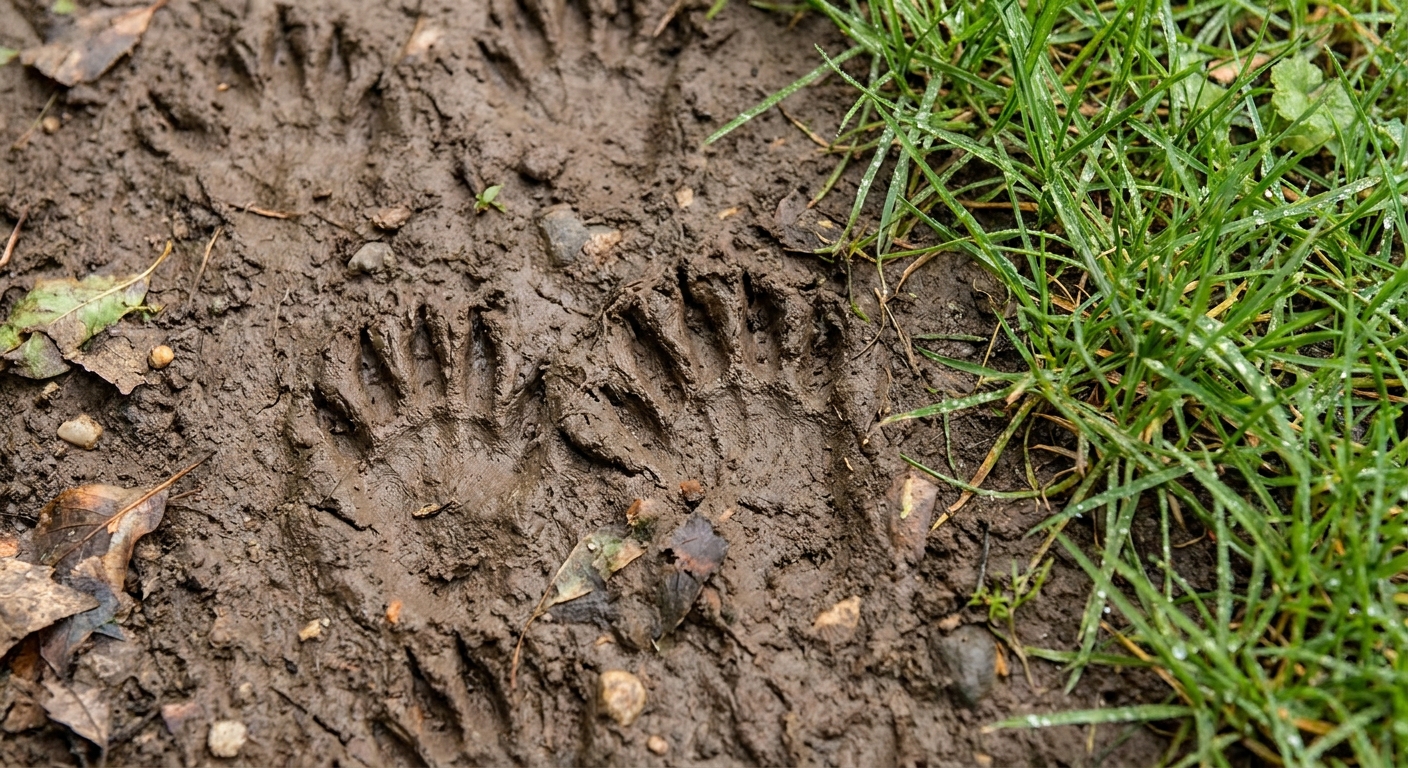
1) Check for tracks near the holes
Early morning dew is your friend here. Look for prints between holes.
- Skunk tracks: five toes, small print, and long claw marks can show. Front and back feet are different sizes.
- Raccoon tracks: look like tiny human hands with long fingers.
2) Look at how the turf was handled
- Skunk: punched holes, minimal lifting
- Raccoon: lifted, peeled, rolled, or shredded sod
3) Note the timing and pattern
- Overnight scatter of small cones: often skunk
- Overnight big patches flipped up: often raccoon
- One concentrated dig zone: often dog
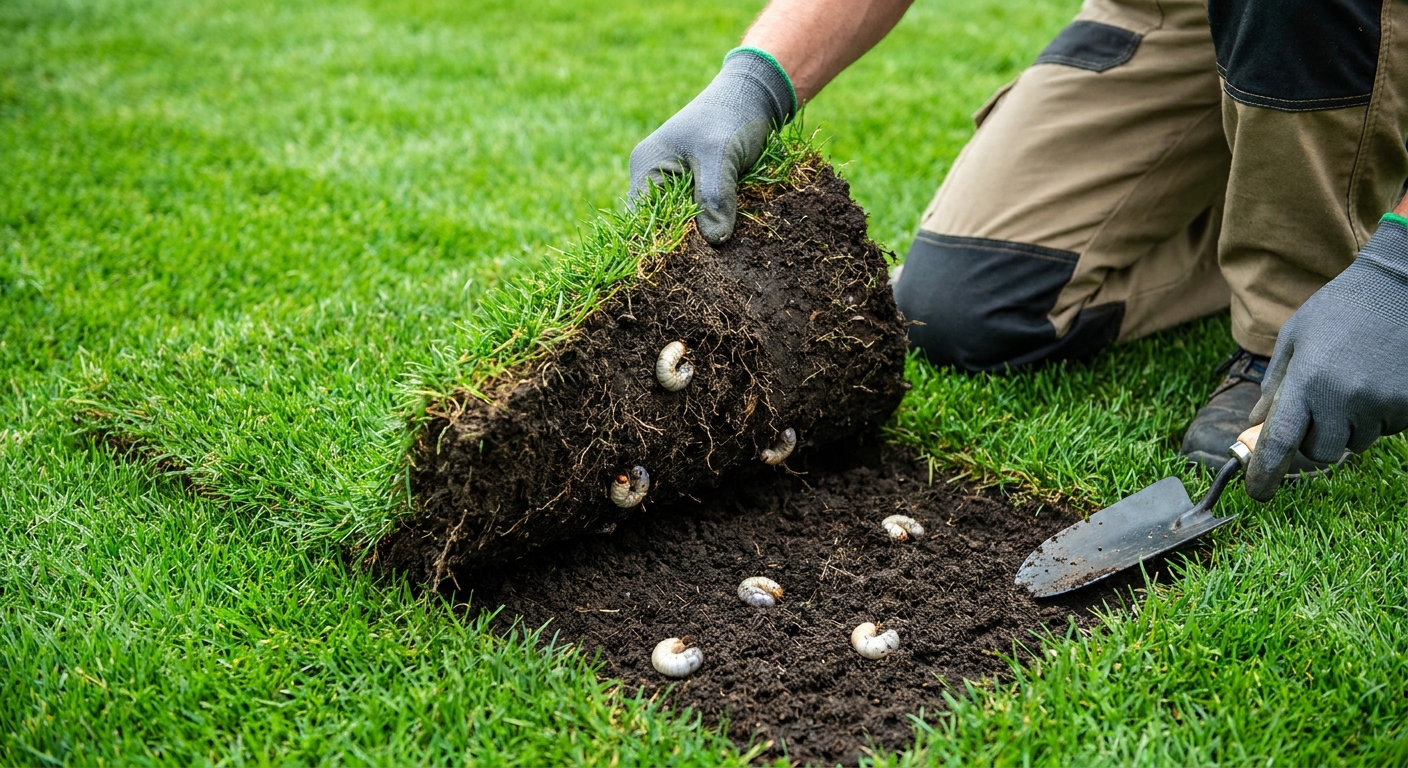
4) Confirm the buffet: are grubs actually present?
Pick one damaged spot and cut a neat square of turf (like a flap) about 6 by 6 inches, then fold it back. Check the top 1 to 3 inches of soil.
What counts as “enough grubs” to attract foragers? Thresholds vary by grass type and region, but a commonly cited rule of thumb is that around 5 to 10 grubs per square foot can justify treatment, especially if the lawn is thinning or spongy. If you find just one or two, that can still draw opportunistic digging in soft soil, but it is less likely to be a true infestation. When in doubt, your local extension guidance is the best tie-breaker.
What to do tonight
I know the temptation is to toss down a repellent and hope for the best. But if you repel the wrong animal, you can waste time and still have holes tomorrow.
Do this first
- Take photos of the holes and any tracks.
- Do a quick grub check in one spot.
- Remove easy attractants for the night: uncovered trash, pet food outdoors, and fallen fruit.
Then match your next step
If it looks like skunk foraging: use our targeted, gentle approach here: How to Get Rid of Skunks in Your Yard Naturally.
If it looks like raccoon digging: focus on locking down food sources and making the yard less rewarding. Raccoons can be persistent, so consistency matters.
If it looks like dogs or birds: focus on managing the behavior and lowering grub pressure so the lawn stops smelling like a snack bar.
Quick safety note
If you suspect skunks, avoid checking the yard up close at night, and keep pets leashed until you are sure what is visiting. If an animal is acting unusually bold around people or pets, a licensed wildlife professional is the safest next step.
Repair the lawn
Even if you stop the visitor tonight, the lawn will look rough tomorrow. Here is the simple organic-friendly repair routine I use.
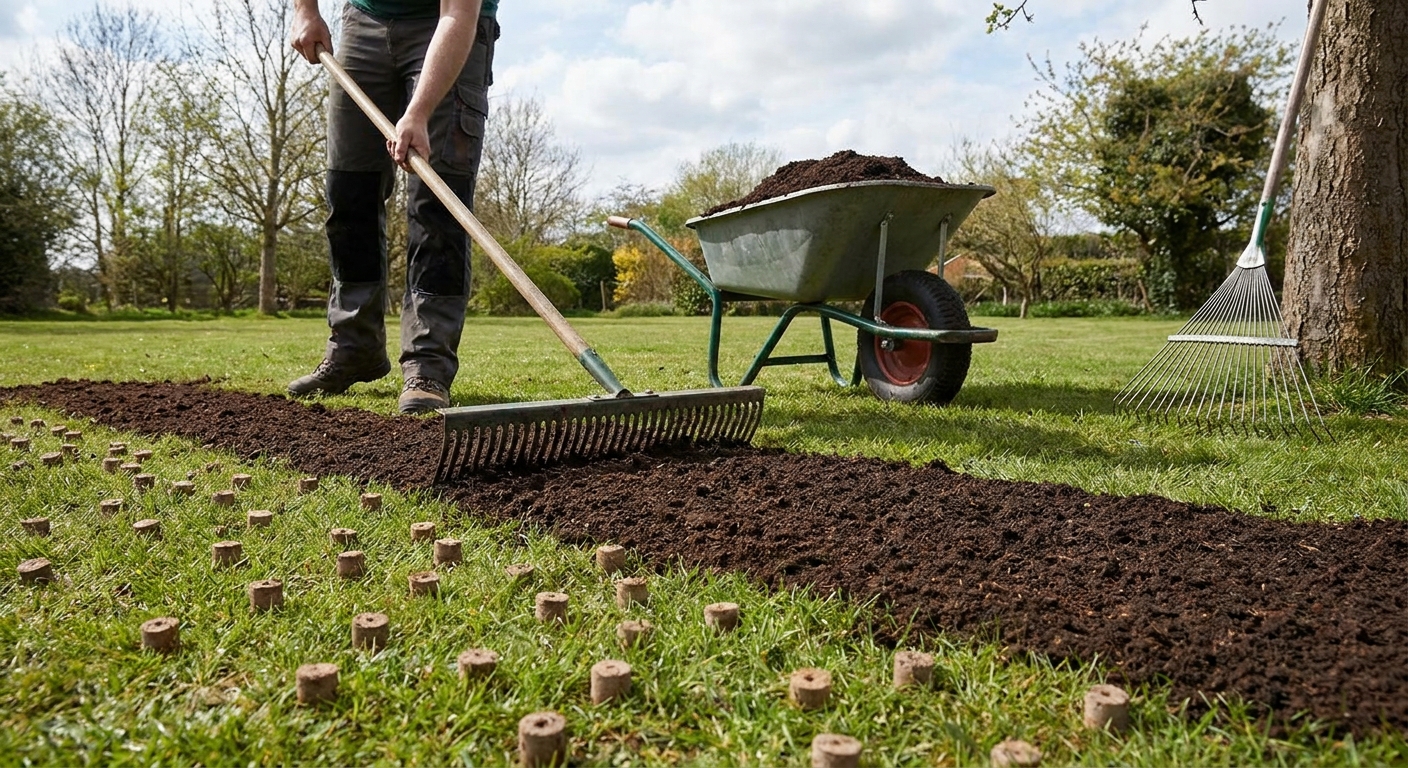
- Rake lightly to fluff smashed grass blades and pull loose soil back into the holes.
- Press the turf back down with your foot or the back of a rake so roots reconnect with soil.
- Topdress thin spots with a dusting of compost.
- Overseed if you have bare areas, then keep the surface evenly moist until germination.
- Water in the morning when possible. Overnight watering can increase fungal risk, and it can keep soil softer through the night, which may make digging easier for nighttime foragers.
FAQ
Are cone-shaped holes always skunks?
No. Skunks are a very common cause, but raccoons, dogs, and even birds can overlap in symptoms. The amount of turf flipped and the presence of tracks usually settles it.
Why would this happen all of a sudden?
Two common reasons: soil conditions changed (recent rain or irrigation can make soil easier to dig and can bring worms closer to the surface) or grub activity increased. The animal may have been passing through for weeks and only started digging when the food was easier to reach or easier to smell.
Should I treat for grubs if I see them?
If you consistently find several grubs in small samples and the turf is thinning or lifting easily, it is worth addressing. Many lawn experts use a rough benchmark of 5 to 10 grubs per square foot as a potential treatment threshold, but it varies by region and grass type, so local guidance matters.
Do I need to call a professional?
If you suspect a den nearby, repeated heavy damage, or you are dealing with an animal that is acting boldly around people or pets, a licensed wildlife professional is a smart next step. For simple foraging visits, identification plus basic yard sanitation and grub management usually gets you back to peaceful mornings.