
Lawn Aeration and Overseeding

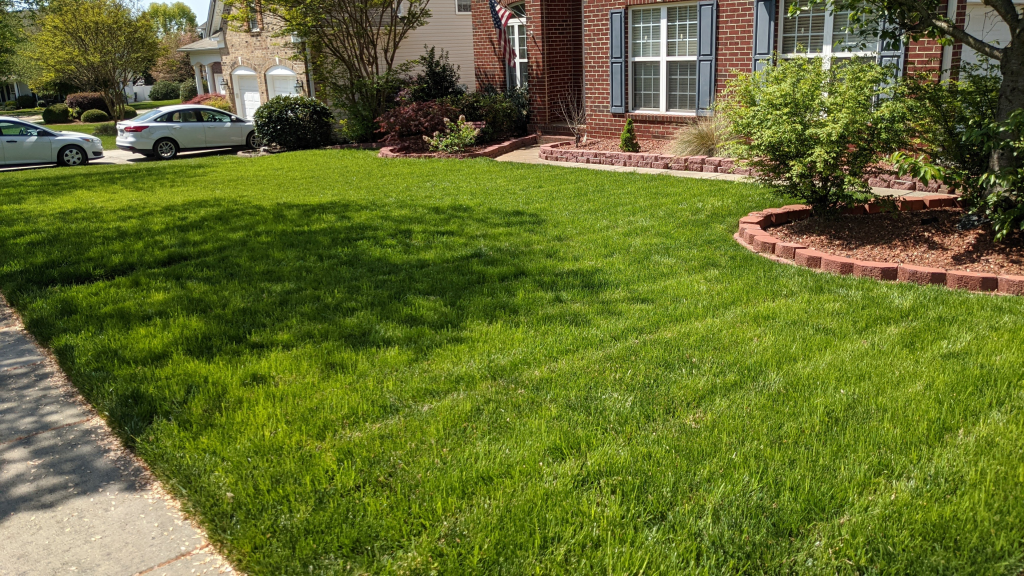
If your lawn feels like a welcome mat instead of a fluffy rug, it is usually not because you are “bad at grass.” Most lawns get compacted. Kids, dogs, mowers, summer heat, and even heavy rain press soil particles together until water and oxygen cannot move freely. Aeration opens that soil back up. Overseeding takes advantage of those openings to add new grass plants that thicken the turf and crowd out weeds over time.
This is one of my favorite lawn upgrades because it is straightforward, soil-friendly, and it rewards you quickly. Let’s walk through timing, tools, seed rates, and aftercare so you get that lush, barefoot lawn without drama.

Aeration basics
What aeration does
Aeration makes openings through any light thatch and into the soil. Those holes:
- Relieve compaction so roots can grow deeper
- Let water soak in instead of running off
- Move oxygen into the root zone, which supports soil life
- Create handy little seed beds for overseeding
Quick reality check: Aeration is mainly a compaction fix. If you have heavy thatch, aeration alone may not solve it.
Core vs spike aeration
Core aeration (plug aeration) removes small cylinders of soil and drops them on the surface. This is the gold standard for compacted lawns because it physically removes soil, creating real space for air and water.
Spike aeration pokes holes without removing soil. It can help water infiltration short-term, but in heavy clay it may press soil sideways and increase compaction around the holes.
My rule: If you are renting a machine, choose a core aerator. Save spike tools for very small, lightly compacted areas or as a temporary fix.
Aeration vs dethatching
Nope. Dethatching removes a thick layer of dead stems and roots sitting above the soil. Aeration targets compaction.
If thatch is around 1/2 inch or more (measured by cutting a small wedge and checking the spongy layer between grass and soil), dethatching before overseeding can improve seed-to-soil contact. If you are unsure, core aeration is the safer first move for most home lawns.
Best timing by grass type
Timing is everything because new seedlings are tender. You want a season where your grass naturally wants to grow and where weather is more cooperative.
Cool-season grasses
Best window: late summer into early fall. For many areas, that is roughly mid-August through October, depending on your first frost date.
Rule of thumb: Try to seed about 6 to 8 weeks before your first expected frost so seedlings can root in before winter.
- Why it works: Warm soil helps seeds germinate quickly, and cooler air reduces stress.
- Examples: Kentucky bluegrass, perennial ryegrass, tall fescue, fine fescue
Spring can work, but it often competes with spring weeds and may not establish deeply enough before summer heat.
Warm-season grasses
Best window: late spring through mid-summer, once the lawn is fully green and actively growing.
- Why it works: Warm-season grasses spread and recover fastest in heat.
- Examples: bermudagrass, zoysia, centipede, St. Augustine, bahiagrass
Important note: Many warm-season lawns are thickened more often with sod, plugs, or sprigs than with seed. St. Augustine is usually not seeded, and many zoysia lawns are also commonly established by sod or plugs (seed exists, but it is less common and can be variety-specific). If your warm-season lawn is seeded (like some bermuda or zoysia varieties), choose seed that matches your existing lawn type to avoid a patchy look.
When to wait
- If the soil is bone-dry and you cannot commit to consistent watering
- During peak summer heat for cool-season grass
- Right before a hard freeze
- When the lawn is already stressed by disease or severe insect damage
Prep the lawn
Check compaction and drainage
A quick test: try pushing a screwdriver into the soil after a light watering. If it barely goes in, you likely have compaction and core aeration will help.
Mow and clean up
- Mow a bit shorter than usual the day before, but do not scalp.
- Rake up heavy clippings or leaves so seed can reach soil.
Water the day before aerating
Slightly moist soil is ideal. You want the plugs to pull cleanly. If the ground is powder-dry, the machine struggles. If it is soggy, you will make a mess and compact more.
Mark sprinklers and wires
Flag sprinkler heads, shallow irrigation, and any shallow lines such as landscape lighting wire, pet fence wire, or drip tubing. Aerators are not delicate.
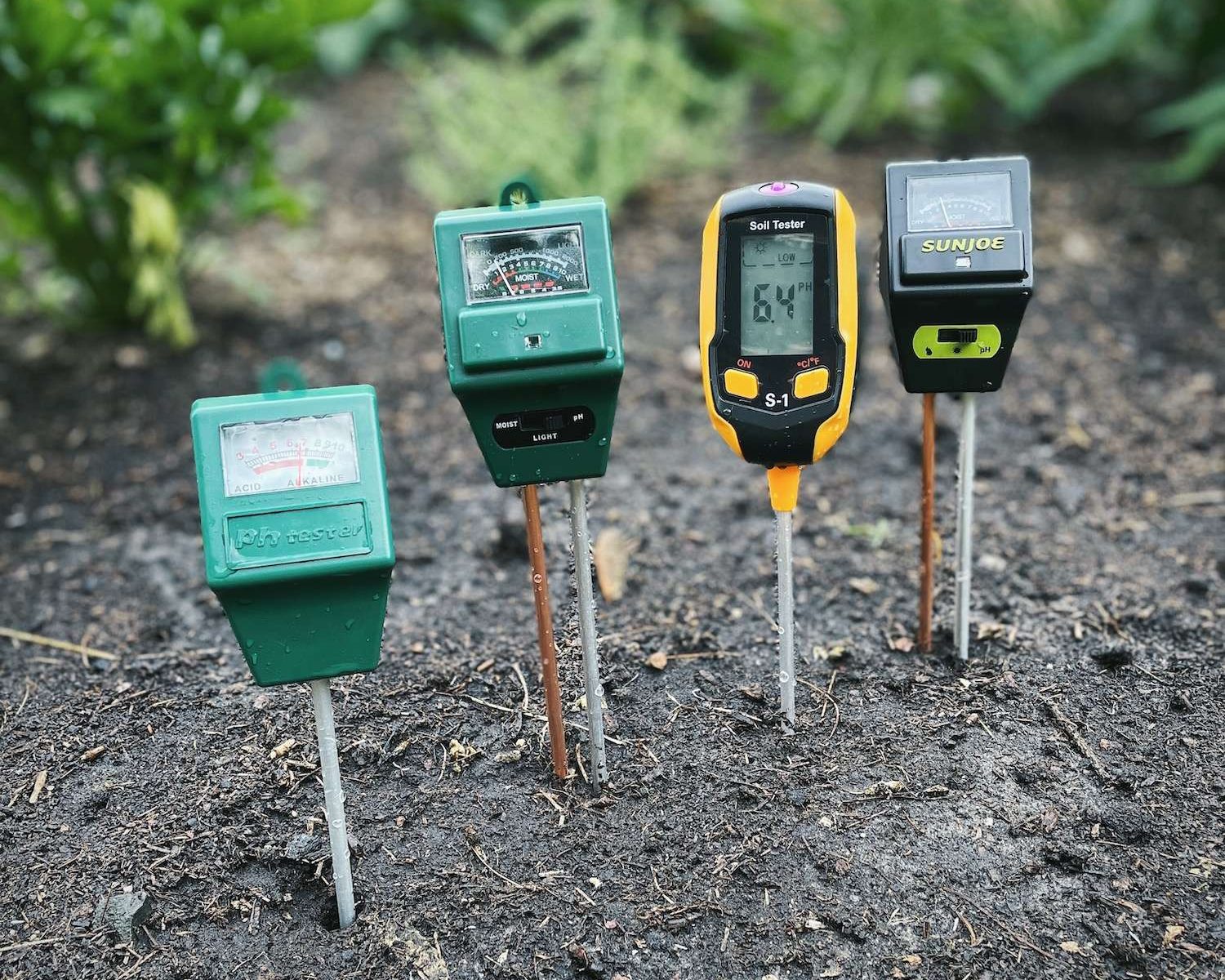
Soil test if you can
If your lawn has been struggling for years, a soil test is worth it. pH and low nutrients can block improvement even with perfect seeding.
Steps: aerate and overseed
1) Core aerate
Make at least two passes, crossing directions if possible. Focus extra on high-traffic areas where the soil is hardest.
- Ideal hole depth is typically 2 to 3 inches, depending on machine and soil.
- If your lawn is badly compacted, plan on doing this yearly, and do not be surprised if it takes more than one season to fully turn things around.
Leave the plugs on the lawn. They look messy for a week or two, then they break down and return soil and organic matter back into the turf.
What “enough holes” looks like: More is better. Aim for a dense pattern of holes across the lawn, and add extra passes in areas that get walked on constantly.
2) Overseed right away
Seed should go down immediately after aeration so it falls into holes and nestles against soil.
Seed rate guidance: Always check your seed label first. Rates vary a lot by cultivar, seed coating, product purity, and the density you want. Also, bag rates for overseeding vs new lawns can be very different (and you want the overseeding rate here). These ranges are common starting points for overseeding, not bare-soil seeding:
- Tall fescue: about 4 to 6 lbs per 1,000 sq ft
- Perennial ryegrass: about 3 to 5 lbs per 1,000 sq ft
- Kentucky bluegrass: about 1 to 2 lbs per 1,000 sq ft (tiny seed)
- Fine fescue: about 3 to 5 lbs per 1,000 sq ft
- Seeded bermudagrass: rates are highly product-dependent (hulled vs unhulled, coating, purity). Use your label as the authority and treat any general range as an example, not a universal rule.
If you are mixing seed types, follow the bag’s overseeding directions for that blend. When in doubt, resist the urge to double the seed. Overcrowded seedlings compete and can thin out later.
One more thing about “matching”: Mixing cool-season grasses can change color, texture, and mowing needs. Choose a blend that fits your light (sun vs shade), irrigation reality, and how manicured you want the lawn to look.
3) Boost seed-to-soil contact
Good contact is the make-or-break detail.
- Lightly rake to work seed into the holes and surface.
- Or roll with a lawn roller partially filled with water.
4) Topdress (optional)
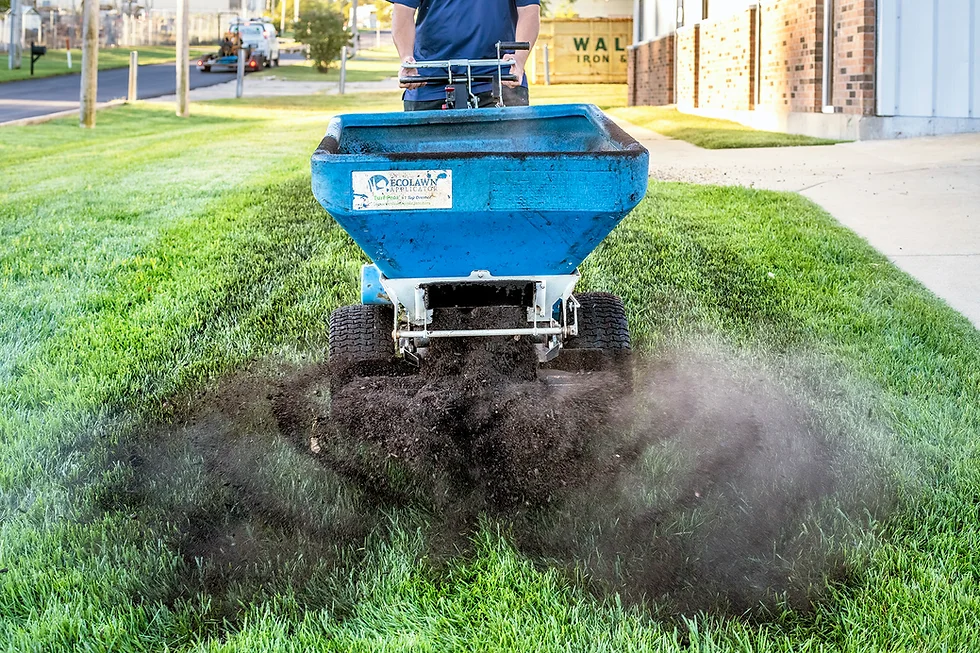
An optional but wonderful step is a thin topdressing, about 1/4 inch, of screened compost or a compost and topsoil blend. It holds moisture, protects seed, and supports soil health.
Watering new seed
Overseeding success is mostly a moisture management project. Seeds must stay evenly damp, not flooded, until they germinate and root.
Days 1 to 14: keep it evenly moist
- Water lightly 2 to 4 times per day, depending on heat, wind, and sun.
- Your goal is damp soil in the top 1/2 inch, not puddles.
Weeks 3 to 4: less often, a bit deeper
- Shift to 1 time per day or every other day, longer runs.
- Encourage roots to chase moisture down.
Weeks 5 to 8: transition to normal watering
- Aim for deep, infrequent watering once established, often around 1 inch per week total including rain.
Tip from my own impatient heart: If you see bare spots, do not panic-water. Adjust timing and coverage so the whole seeded area stays evenly moist. Dry edges and sunny slopes usually need extra attention.
Fertilizer, mowing, traffic
Fertilizing
Many gardeners use a “starter fertilizer” at seeding time, especially for cool-season lawns in fall. Look for a product intended for new seed and follow label rates carefully. Avoid heavy nitrogen blasts that can push disease in warm, humid weather.
If you topdressed with compost, you may be able to use less fertilizer or skip it, depending on your soil and goals.
When to mow
- Wait until new grass is about 3 to 4 inches tall.
- Mow with a sharp blade and do not remove more than one-third of the height.
- Try to mow when the lawn is dry so seedlings do not mat down.
Protect the baby grass
Limit heavy foot traffic for the first month. Think of seedlings like tiny toddlers. They can do amazing things, but they do not love being stepped on.
Weeds and expectations
Will overseeding reduce weeds?
Yes, but it is not instant. A thicker lawn is the best long-term weed prevention because it shades soil and leaves fewer open spots for weed seeds to sprout.
Weed killer during overseeding
Be careful here. Many herbicides can prevent grass seed from germinating or can damage seedlings.
- Avoid most pre-emergent products when you are trying to grow seed.
- If you need weed prevention at seeding time, only use a product specifically labeled as safe at seeding for your grass type.
- For existing broadleaf weeds, spot-treat after seedlings have been mowed a few times, and only with a product labeled safe for new grass at that stage.
If weeds are heavy, you may need a longer plan: overseed to thicken this season, then use pre-emergent at the correct time next season once the new grass is established.
How fast it fills in
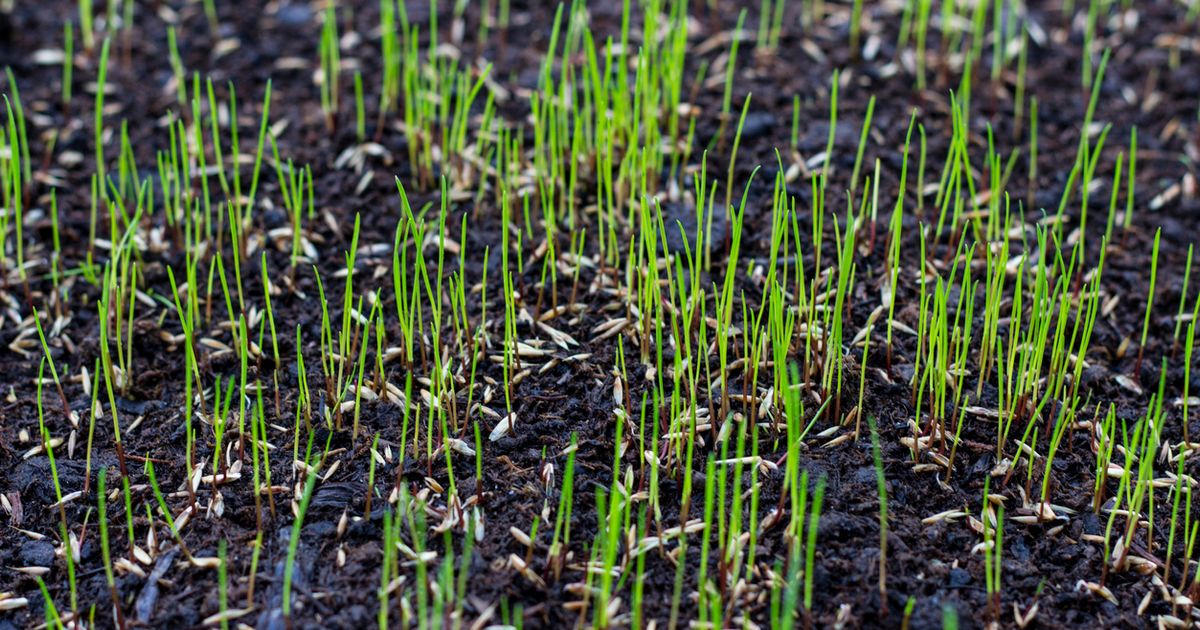
- Perennial ryegrass: often 5 to 10 days
- Tall fescue: about 7 to 14 days
- Kentucky bluegrass: often 14 to 30 days, but spreads nicely once established
- Warm-season grass seed: varies widely, often 7 to 21 days or more depending on soil warmth
Expect the lawn to look a little scruffy during the first couple weeks, then noticeably thicker by about week four to six. The real “wow” usually hits after a couple of mowing cycles.
Troubleshooting
Seed washed away after a storm
Patch-seed the areas that took the hit, then lightly rake and topdress with a pinch of compost to anchor it. On slopes, consider straw or erosion control blankets labeled for seeding.
Patchy germination
- Most commonly from uneven watering
- Second most common is poor seed-to-soil contact
- Also check shade patterns and compacted spots that needed extra aeration passes
Birds snacking on seed
This is usually a sign the seed is sitting on top of the soil. Light raking, rolling, or topdressing solves most of it.
Lots of thatch
If thatch is thick, seed may hang up in the dead layer instead of reaching soil. Consider dethatching in a future season, then aerate and overseed again if needed.
A weekend plan
If you want a straightforward checklist you can follow without overthinking:
- Day 1: Mow slightly shorter, rake up debris, water if soil is dry.
- Day 2: Core aerate, overseed immediately, lightly rake, optional compost topdress.
- Next 2 weeks: Light, frequent watering to keep the surface evenly moist.
- Weeks 3 to 8: Reduce frequency, water deeper, mow high with a sharp blade.
If you remember only one thing, make it this: aeration creates the doorway, but watering invites the new grass to move in.