
Catfacing on Tomatoes

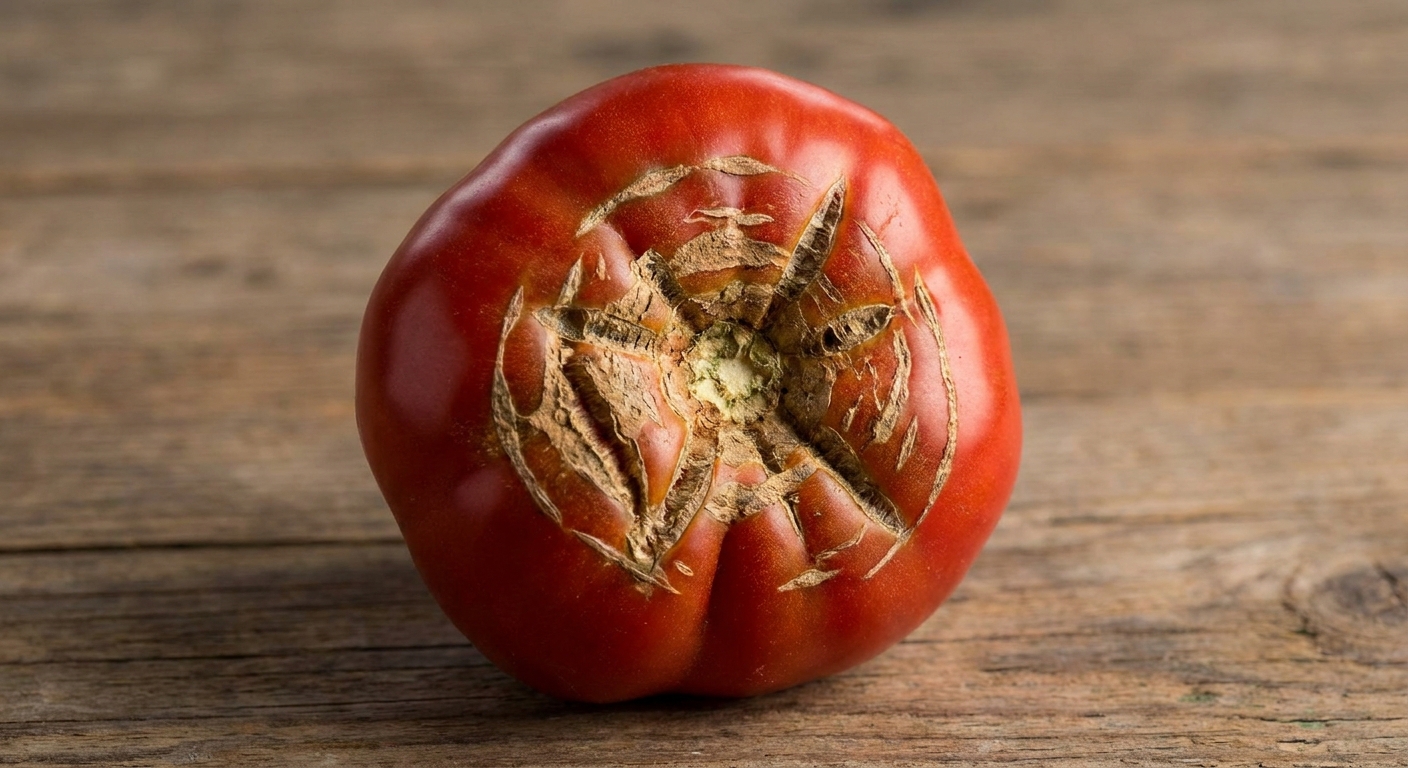
The first time I saw a catfaced tomato, I genuinely thought something had chewed it and then politely tried to put it back. The blossom end was puckered, ridged, and scarred like it had been stitched. The good news is catfacing looks dramatic, but it is usually a cosmetic issue that started during flowering and early fruit set, not a rot spreading through your harvest.
If you are staring at a lumpy tomato bottom (the blossom end) and wondering whether to toss it or slice it, let’s get you a clear ID.

What catfacing looks like
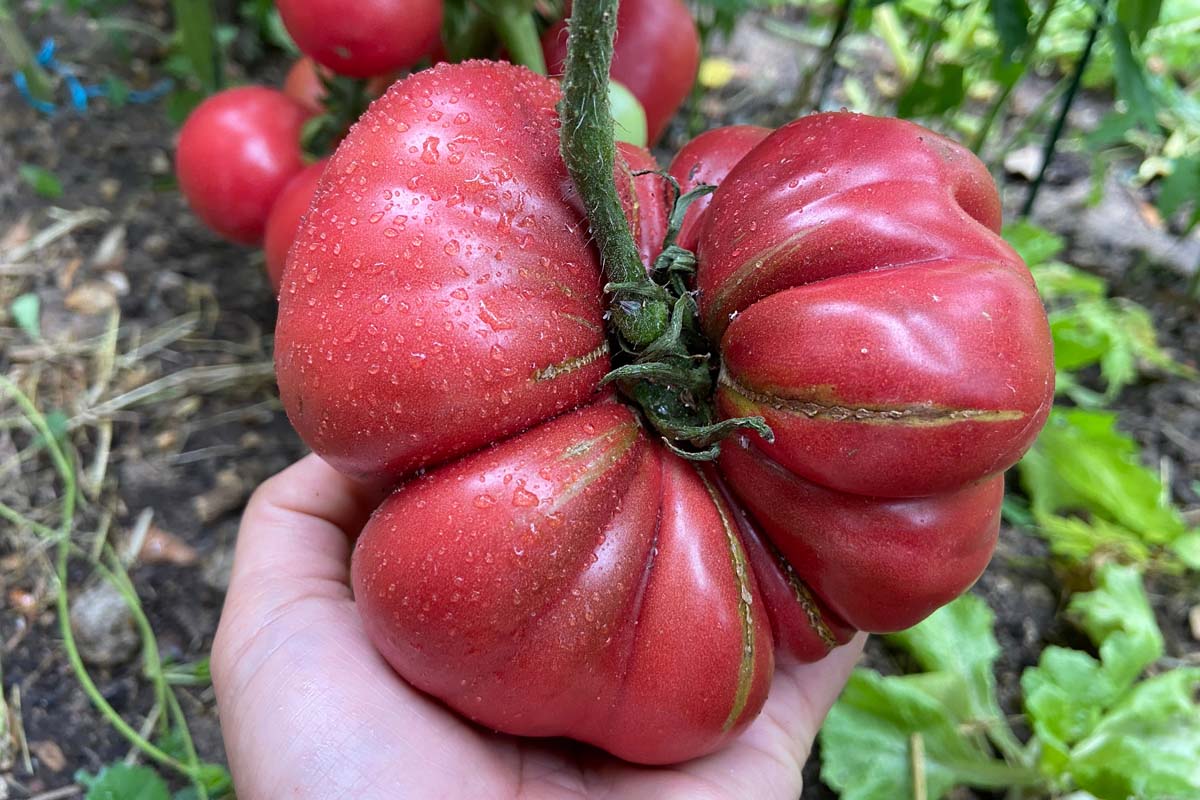
Catfacing is a fruit deformity where the blossom end (the bottom, opposite the stem) develops:
- Deep scars that look corky, tan, or brown
- Creases and puckering, sometimes forming folds
- Odd lobes and lumps, especially on larger varieties
- Open “cat mouth” holes in more severe cases
The key detail: catfacing is mostly concentrated at the blossom end and tends to look like misshapen growth plus scarring, not like a wet spot or fuzzy mold.
One more expectation-setter: those deep folds can collect water and debris, which means catfaced fruit is more likely to develop secondary rot or attract insects later. That second part is not catfacing itself, it is just opportunists taking advantage of the cracks and cavities.
Why catfacing happens
Catfacing forms when the flower is developing and setting fruit, and normal growth gets disrupted. The most common trigger is cool temperatures around bloom time, which can interfere with how the flower parts form and how the tiny fruit tissues develop.
Other contributing factors can play a role too, especially in combination with cool weather:
- Cold nights or cold snaps around flowering
- Cool, cloudy, or windy stretches that can reduce pollen shed and fruit set
- Variety genetics: large-fruited beefsteaks and many heirlooms are more prone
- Heavy pruning or plant stress during early flowering
- Excess nitrogen pushing fast, soft growth
- Flower damage from insects or rough handling
- Herbicide or growth-regulator drift (such as 2,4-D type products) that can cause widespread deformities
In plain language: the tomato did not grow “wrong” later. It got a little scrambled early, when it was still a flower and a tiny fruit, and it never had a chance to become perfectly smooth.
Is a catfaced tomato safe to eat?
Most of the time, yes. Catfacing is typically cosmetic.
Usually edible
A catfaced tomato is generally fine to eat if:
- The flesh is firm, not leaking or mushy
- There is no mold in the scars or folds
- The scar tissue is dry and corky, not slimy or oozing
- It smells like a normal tomato
What I do: I trim away the scarred or cracked bits with a knife and use the rest for sauce, salsa, or sandwiches. Ugly tomatoes still make beautiful food.
Skip it (or compost it) if you see this
Do not eat it if the damaged area has become a doorway for spoilage:
- Fuzzy growth (white, gray, green, or black mold)
- Wet rot spreading into the fruit
- Slime, persistent oozing, or a collapsing, watery spot
- Bad odor or fermentation smell
- Lots of insects inside an open cavity
If you are canning, be extra strict. Use only sound, unspoiled tomatoes. Trim generously, and if you have any doubt about spoilage, do not can it. Always follow tested canning guidance for acidification and processing.
Catfacing vs. other tomato problems
A lot of tomato issues show up on the fruit, but they do not all mean the same thing. Here is how to tell catfacing apart from the look-alikes.
Catfacing vs. cracking
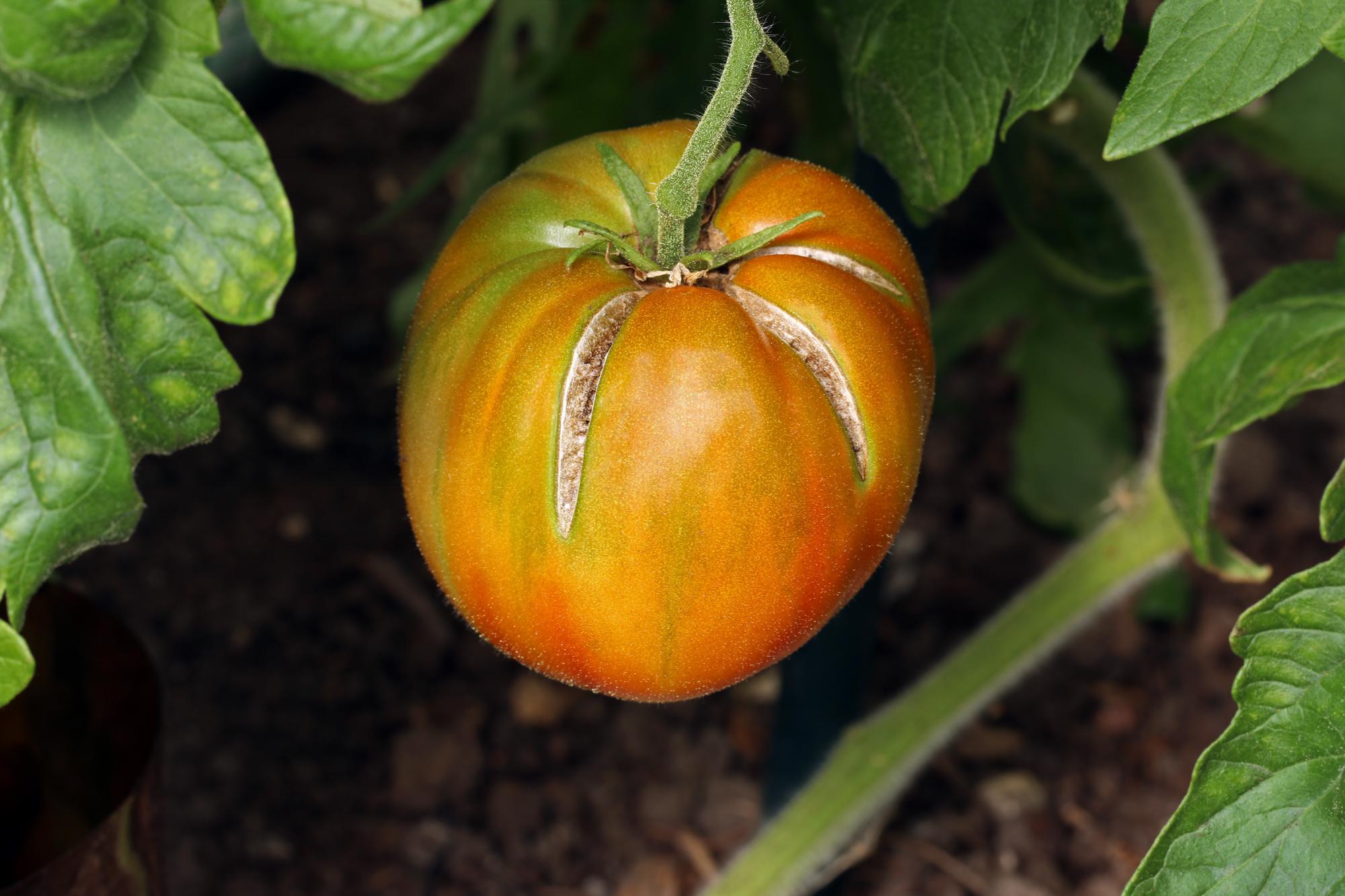
Cracking looks like splits in the skin, often near the shoulders (top) or sometimes radiating lines. The fruit may be otherwise normally shaped.
- Catfacing: misshapen blossom end with corky scars and folds
- Cracking: clear splits in the skin, frequently around the top, often after uneven watering or sudden rain
Catfacing vs. sunscald
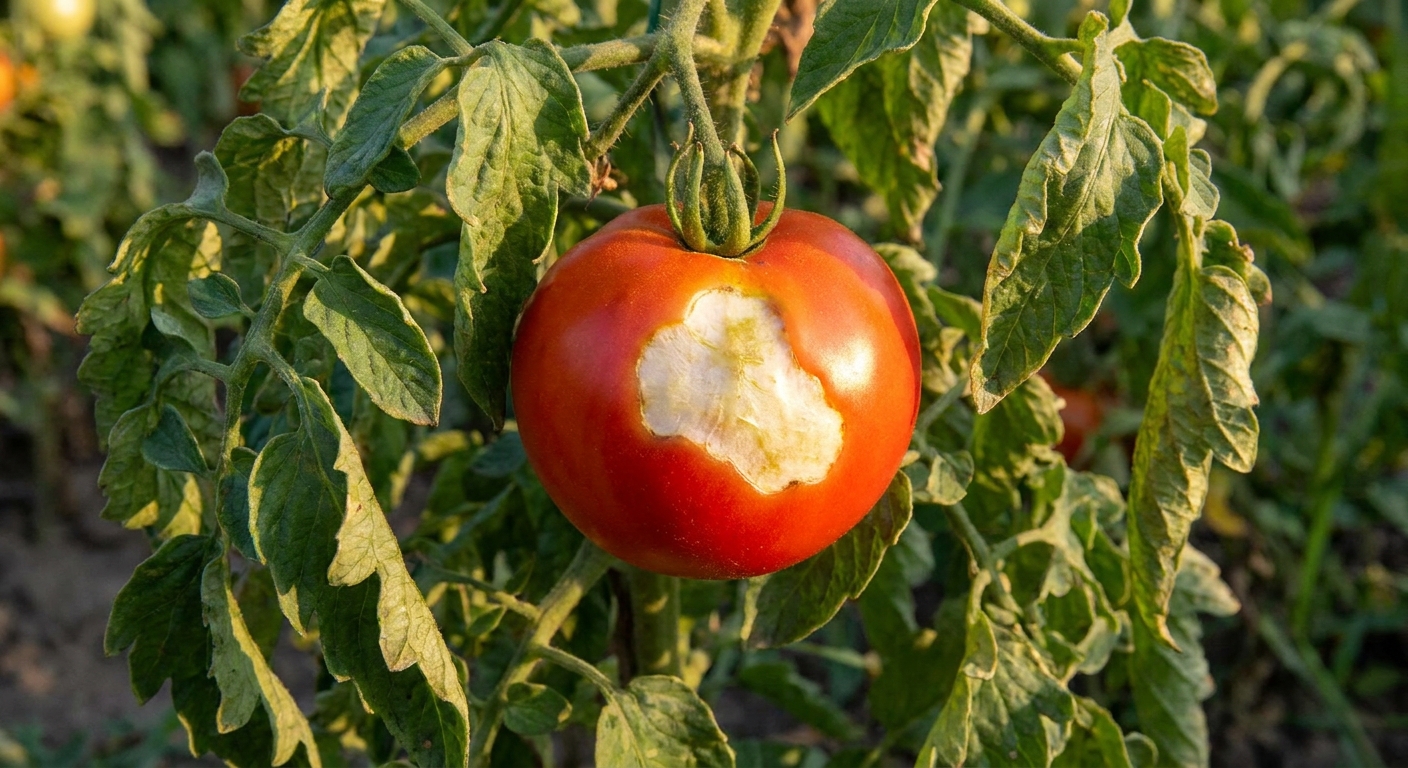
Sunscald appears as pale, bleached patches on the side or top of fruit exposed to harsh sun. It can later turn papery or develop secondary rot.
- Catfacing: scarred, lumpy blossom end
- Sunscald: light-colored, flattened patch where the sun hit the fruit, usually not confined to the blossom end
Catfacing vs. green shoulders
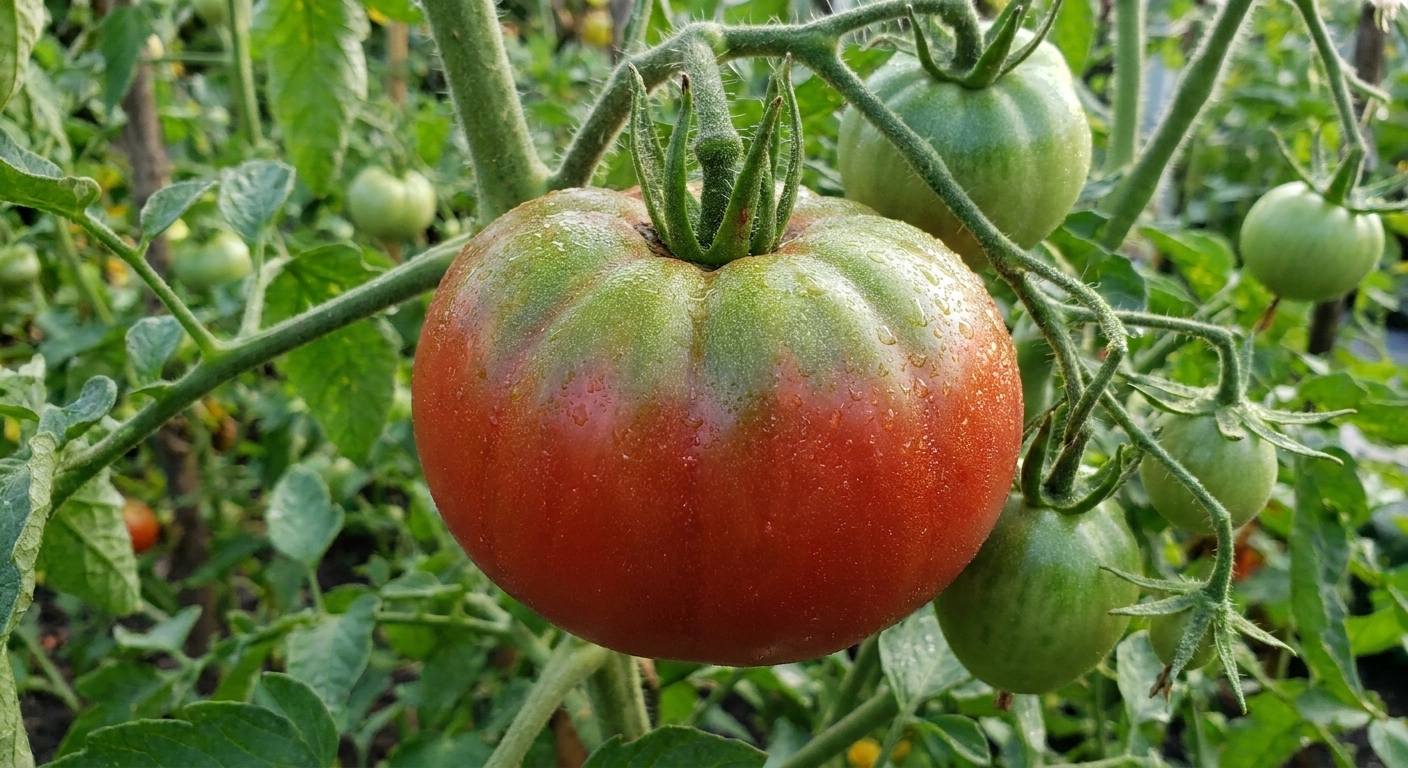
Green shoulders means the top of the tomato stays green or yellow-green while the rest ripens. The fruit shape is usually normal, and the discoloration is near the stem end.
- Catfacing: deformity and scarring at the bottom
- Green shoulders: uneven ripening at the top, with firmer green tissue near the stem
Catfacing vs. blossom-end rot
Blossom-end rot starts as a water-soaked spot on the blossom end that turns brown or black, leathery, and sunken. It is a physiological disorder often connected to inconsistent moisture and calcium movement in the plant.
- Catfacing: rough scars, creases, and deformity that formed early
- Blossom-end rot: a distinct sunken, dark rotten patch that expands as the fruit develops
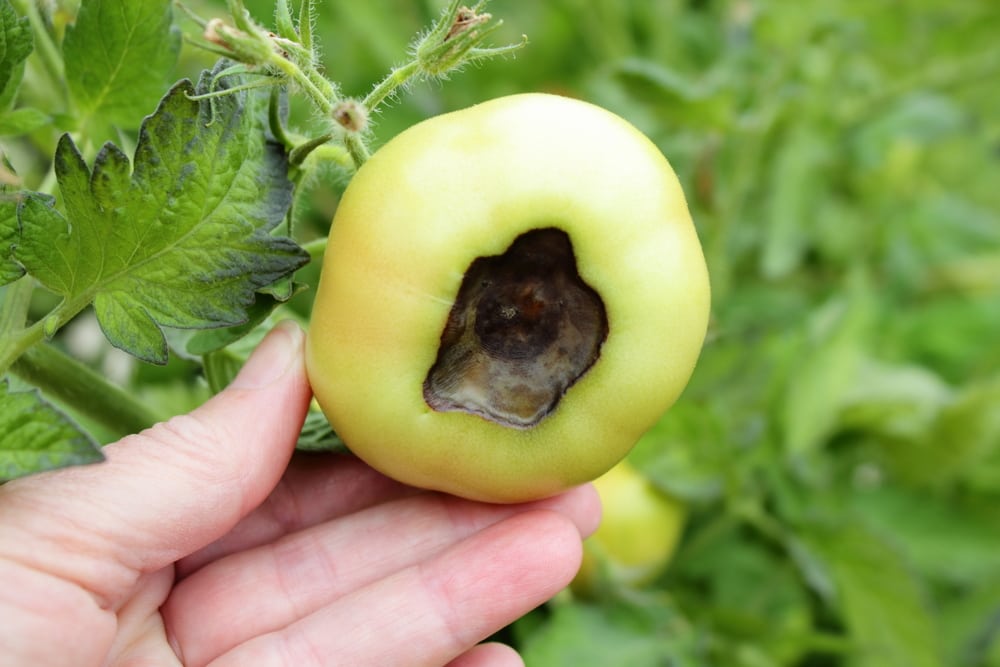
Quick checkpoint: Catfacing is mostly shape and scarring. Blossom-end rot is tissue breaking down.
What to do with catfacing
Once a tomato is catfaced, it will not smooth out. Your choices are mostly about harvest timing and kitchen use.
- Leave it to ripen if the fruit is healthy and you want the yield.
- Harvest when ripe and trim away scar tissue before eating.
- Pick earlier if deep folds are catching water and you keep seeing mold or insects move in.
And do not panic if it is happening on the first cluster or two. Catfacing is often worse on early fruit set when spring weather is moody.
How to prevent it
You cannot fix catfacing on fruit that is already formed, but you can often reduce how much you see next time.
- Do not rush planting. Setting transplants out too early often means blooms hit cold nights. Waiting a bit can reduce early-season deformities.
- Protect early flowers from chill. Use row cover, hoops, or a sheltered spot when cold nights threaten.
- Choose less-prone varieties. If catfacing drives you nuts, grow more smaller-fruited types (saladettes, romas, cherries) and fewer finicky beefsteaks and some heirlooms.
- Go easy on pruning early. Avoid heavy pruning while plants are flowering and setting their first clusters.
- Do not overdo nitrogen. Too much nitrogen can push fast growth and sometimes more misshapen fruit.
- Watch for herbicide drift. If many fruits across multiple plants are twisted or deformed, especially along with cupped leaves, consider nearby lawn or field sprays as a possible cause.
Will it spread?
No. Catfacing is not contagious and is not a fungal or bacterial disease moving through your garden. Think of it as a one-time developmental hiccup tied to conditions during flowering.
FAQ
Does catfacing mean my soil is bad?
Not usually. It is more commonly linked to cool weather and plant stress during flowering than soil problems.
Is catfacing more common on certain tomatoes?
Yes. Large-fruited beefsteaks and many heirlooms are more prone than small-fruited types like cherries.
Why is the scar so deep and corky?
The flower and the tiny developing fruit tissues were disrupted early, and the tomato healed by forming corky scar tissue as it expanded.
Can I cut around catfacing and eat the rest?
Absolutely, as long as the fruit is sound. Trim generously if the folds are dirty or cracked, and discard any parts that look moldy, wet, slimy, or rotten.