
Canna Rust: Orange Pustules on the Leaves

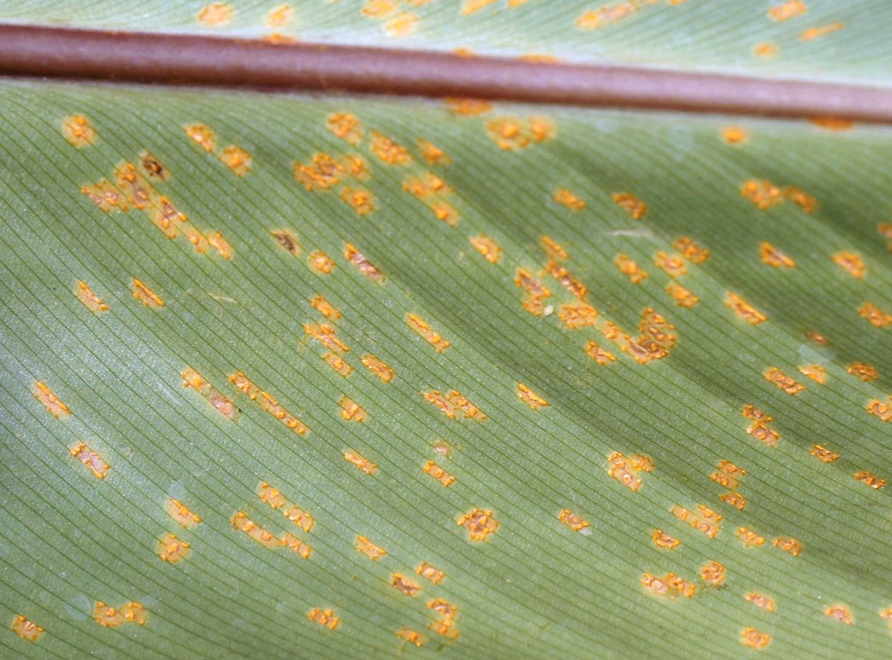
The first time I met canna rust, I thought my canna had brushed up against a construction site. The leaves looked like someone had dabbed them with paprika, and when I rubbed a spot, my fingertip came away orange. My ferns got a full lecture about “not bringing home plant drama,” but the real culprit was a very common leaf fungus.
If your canna leaves have orange, powdery pustules, you are likely looking at rust. The good news: you can slow it down fast with a little targeted cleanup and better airflow, and you can keep it from hitchhiking into storage with your rhizomes.

What canna rust looks like
Rust diseases are caused by fungi that produce masses of spores. On cannas, those spores show up as:
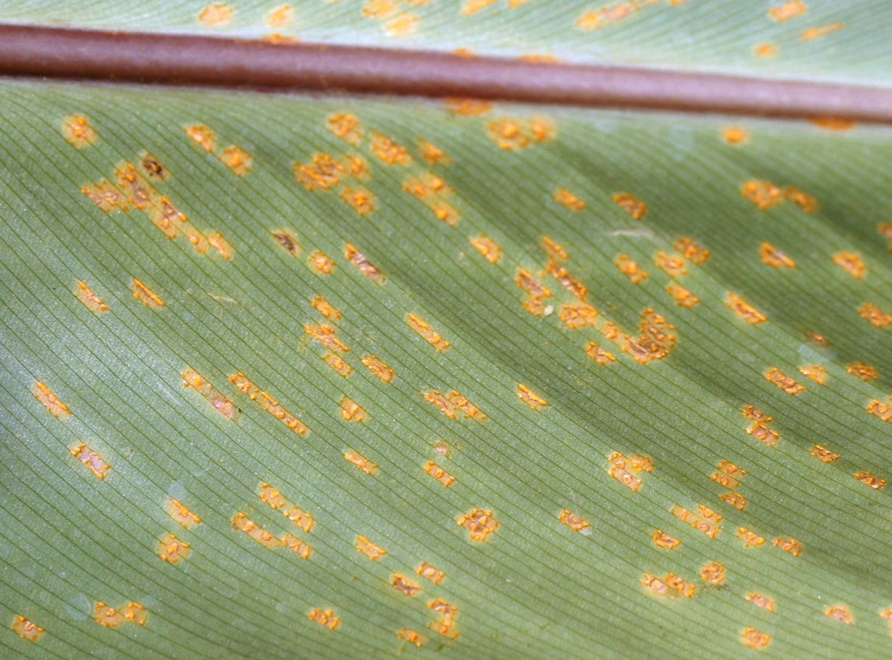
- Orange to rusty-brown bumps (pustules) on the leaf surface, often more noticeable on the underside
- Orange dust that rubs off on your fingers, gloves, or a paper towel
- Yellowing around spots as the leaf tissue weakens
- Leaves that look tired early, browning from the worst areas outward
Rust tends to spread during warm, humid stretches, especially when leaves stay damp and plants are crowded. Spores move by splashing water, wind, and us brushing against infected foliage.
What causes it? Canna rust is commonly linked to the rust fungus Puccinia thaliae, though the exact rust species reported can vary by region and source. The good news is that the day-to-day control is the same: reduce spores and keep leaves from staying wet for long stretches.
Rust or leaf-roller? Quick difference
These two problems get confused because both can make cannas look ratty fast, but the clues are totally different.
Rust (fungus)
- Orange powdery pustules on the leaf surface
- Orange dust smears when touched
- No tidy rolling, no “sewn” leaf edges
- Damage looks like spots and patchy weakening
Leaf-roller caterpillar
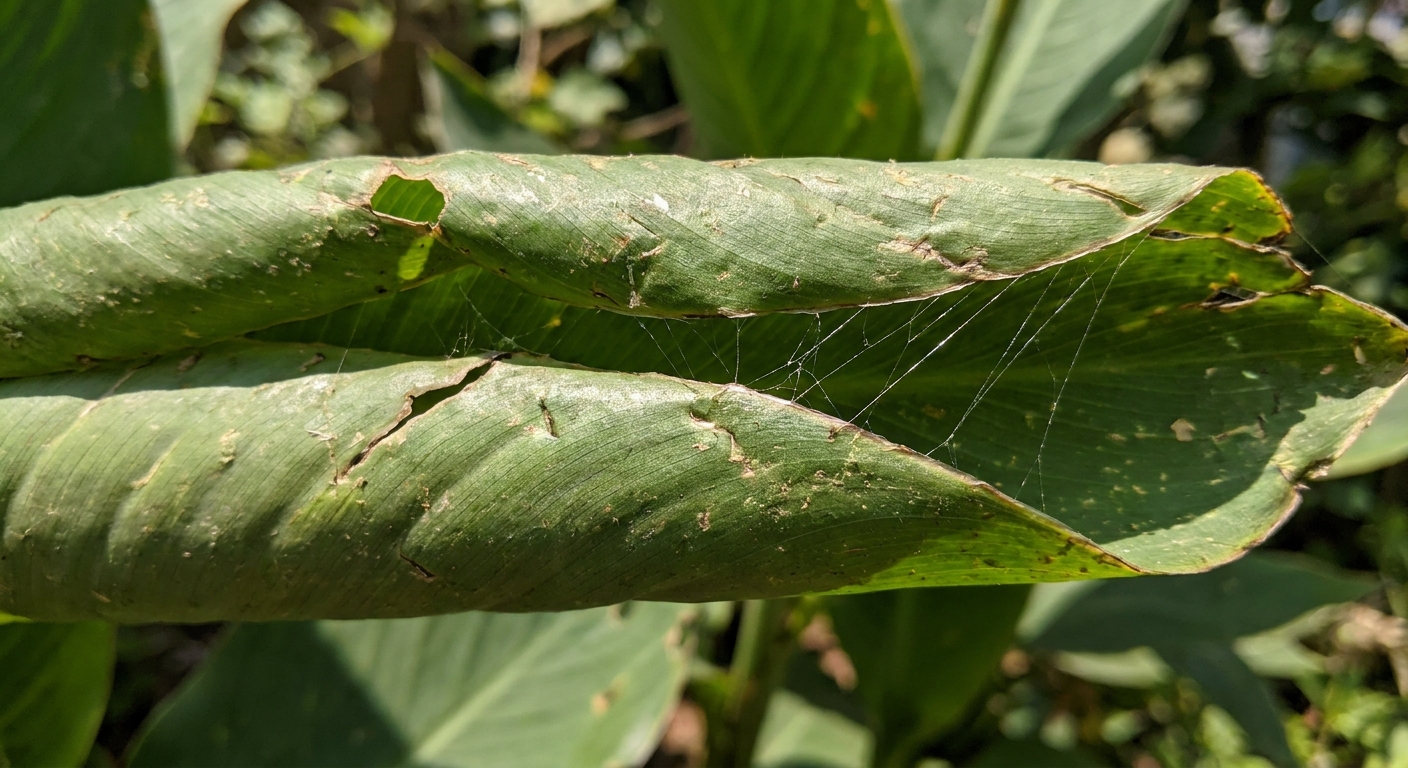
- A leaf rolled into a tube or folded over
- Leaf edges may look stitched together with silk
- You may find frass (tiny black pellets) inside the roll
- Damage shows up as chewed windows, holes, and ragged edges once the leaf unfurls or is torn open
If you are seeing orange dust that rubs off, that is rust. If you are seeing a rolled leaf with a little tenant inside, that is a leaf-roller.
What to do now: remove and contain
Rust management is mostly about reducing spores. You do not have to make your canna look perfect overnight, but you do want to stop the orange dust from multiplying and spreading.
Step-by-step cleanup
- Choose a dry time of day. Wet leaves help spores spread, and damp foliage is harder to bag cleanly.
- Put a bag under the leaf you are removing. I like to open a trash bag like a funnel so falling spores and bits drop straight in.
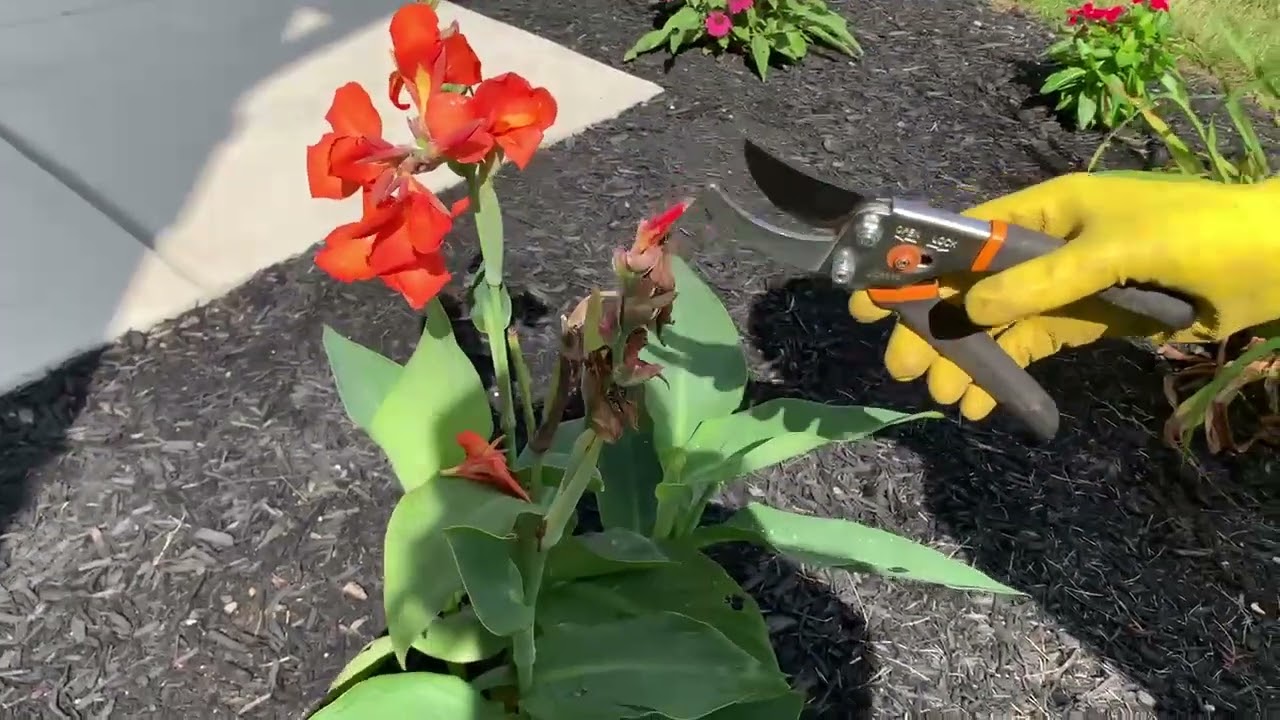
- Cut the worst leaves first. Remove heavily infected leaves all the way down at the base of the leaf stalk (the petiole), right where it meets the main stem.
- Bag immediately. Do not carry infected leaves across the garden uncovered.
- Practice good tool hygiene. Rust is usually spread by wind and splashing water more than pruners, but wiping blades between plants with rubbing alcohol (or a disinfectant wipe) is a simple habit that also helps with other diseases.
If only a small portion of a leaf is infected and the plant is otherwise lush, you can trim away sections, but in my experience, rust is happiest along for the ride. More literally, rust infections are embedded in the leaf tissue, so partial trims often leave active lesions behind that keep producing spores.
Do not compost rusted leaves in a typical home compost pile. Some hot, well-managed compost systems can kill many plant pathogens, but most backyard piles do not reliably reach and hold those temperatures. Bag rusted leaves for trash or dispose of them according to local yard-waste rules if your municipality runs a high-heat composting program.
Airflow fixes that help
Rust loves still, humid air and long-lasting leaf moisture. Your goal is not to “dry the plant out.” Your goal is to help leaves dry quickly after dew or rain.
- Thin crowded clumps. If canna shoots are packed tightly, remove a few at the soil line to open the center of the plant.
- Space containers and pots apart. A few extra inches between plants can make a big difference in how fast leaves dry.
- Keep surrounding plants from pressing into the canna. When neighboring foliage leans on canna leaves, it traps moisture and rubs spores around.
- Water at soil level when possible. Soaker hoses or careful watering at the base reduces splash and keeps spores from being flung up onto fresh leaves.
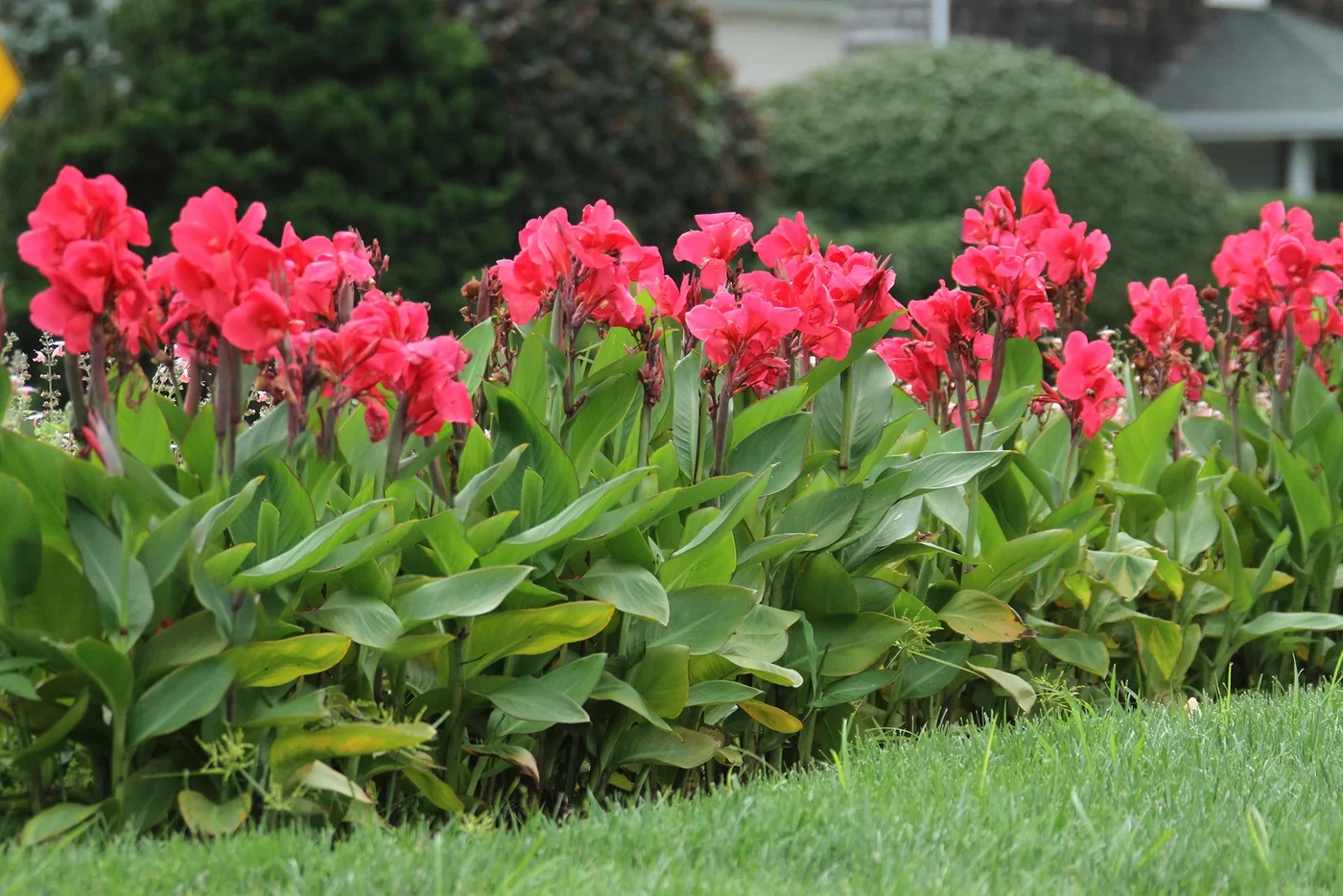
If you are growing cannas in a tight bed, even one deliberate “air pocket” can help. I sometimes treat cannas like big green sails and make sure the breeze can actually pass through them.
Should you use a fungicide?
For many home gardens, removal plus airflow does most of the heavy lifting. Fungicides can help protect new growth, but they work best when started early and used consistently, and they will not turn already-rusted tissue back to green.
If rust returns aggressively every year or you are protecting a prized variety, consider products labeled for rust on ornamentals, and follow the label specifically for application rate, timing, and where the plant is growing (in-ground vs container). Common active ingredients used for rust management in home settings include copper-based fungicides and sulfur. In some areas, systemic fungicides (often in the DMI or strobilurin classes, such as products containing myclobutanil or propiconazole where permitted) may be available, but availability and legal use vary by country and region. Always follow the label, note temperature restrictions, and avoid spraying when pollinators are active.
My organic-leaning rule of thumb: if a plant can be managed with sanitation and airflow, I start there first. Save sprays for repeat offenders or high-value plants.
Before storage: infected foliage
This is the part that saves you headaches next season. Rust is all about spores, and the last thing you want is to tuck those spores into a cozy garage or basement with your stored rhizomes.
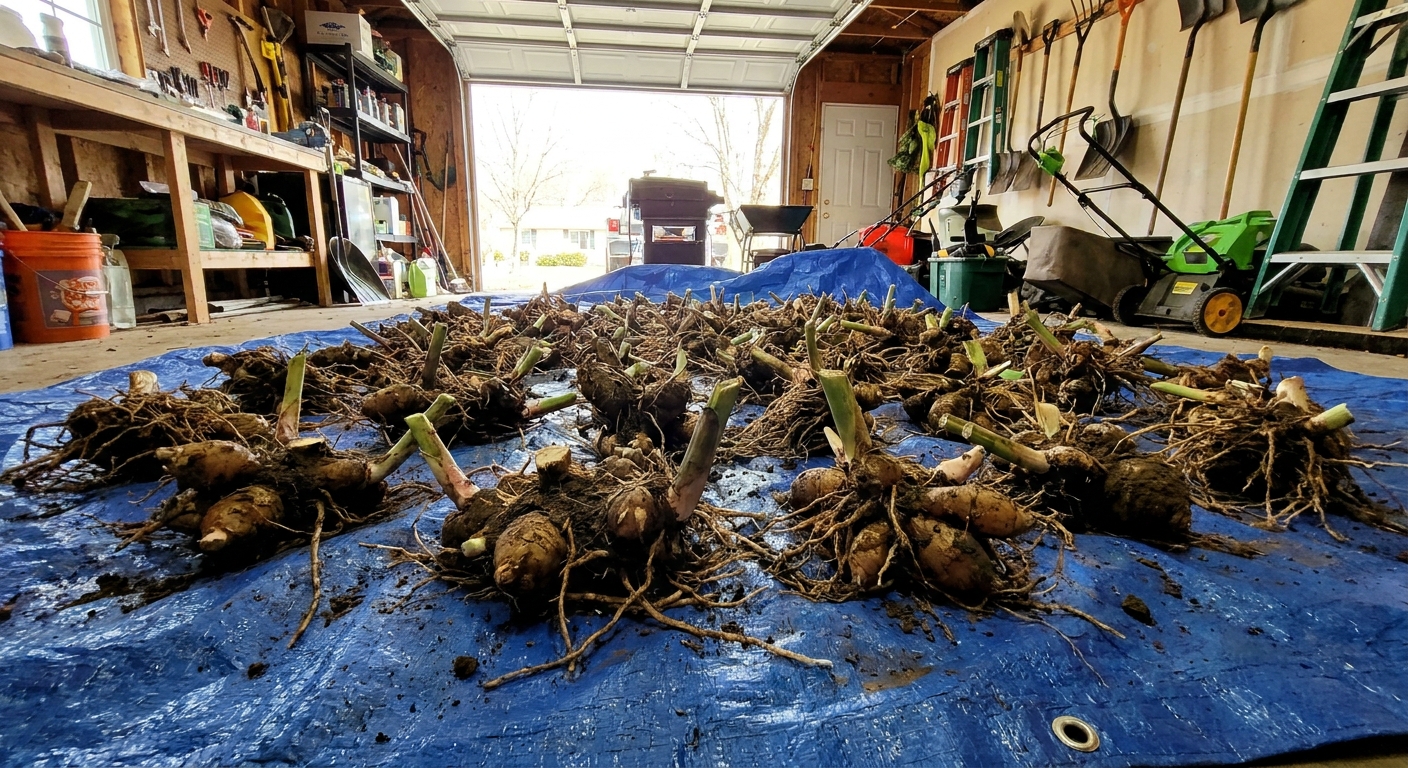
If you lift and store canna rhizomes
- Cut foliage down and remove it from the area. If leaves show rust, bag them. Do not let them dry and crumble near your digging spot.
- Lift rhizomes on a dry day if you can. Less mud means less mess, and it is easier to keep everything clean.
- Knock off excess soil gently. You do not need to scrub rhizomes raw, but you do want to remove clinging leaf debris.
- Do not store any leaf pieces. Even small bits stuck to the crown can carry spores.
- Cure and store with airflow. Rust needs host tissue to actively infect and produce new spores, but spores can persist on debris and nearby surfaces. Clean, airy storage helps reduce disease pressure and also discourages storage rots.
Some gardeners rinse rhizomes. If you do, let them dry thoroughly in a single layer before packing away. Damp storage is a bigger problem than slightly dusty rhizomes.
If your cannas stay in the ground (warm climates)
- Remove and bag infected leaves before they collapse. Mushy foliage can become a spore factory.
- Clean up leaf litter around the base. Old infected leaves can keep the disease pressure high.
- Thin the clump. Opening the stand helps reduce humidity around new growth when the plant rebounds.
Prevention next season
If canna rust showed up this year, assume it will try again next year and plan accordingly. You do not need to garden in fear. You just need to be a little faster than the fungus.
- Start with clean stock. Inspect new plants and rhizomes, and quarantine anything with suspicious spotting before it joins your main bed.
- Divide and re-space overcrowded clumps. Cannas are generous growers, which is lovely until the center turns into a humid lounge for fungal spores.
- Avoid overhead watering late in the day. Watering at the soil line keeps leaves drier, and morning watering gives any splashes time to dry.
- Remove the first bad leaf early. One rusted leaf left to simmer can be the spore source for the rest of the clump.
How fast will it spread?
Rust can move surprisingly quickly when the weather stays warm and humid, especially in dense plantings. You might see a few spots one week and a noticeable orange haze the next. Once you remove heavily infected leaves and improve airflow, the spread often slows, and new leaves may emerge cleaner.
Keep checking the newest leaves and the undersides. Catching the first pustules is the easiest moment to intervene.
FAQ
Is canna rust contagious to other plants?
Rust fungi are often host-specific, meaning a rust that loves cannas is mainly a canna problem. Still, spores travel easily, so treat it as contagious among cannas and avoid brushing from infected plants to clean ones.
Can I just wipe the orange dust off?
You can, but wiping does not remove the infection inside the leaf tissue. It also risks smearing spores to new areas. It is better to remove badly infected leaves and focus on airflow.
Will the plant die?
Rust is usually more of a stress and appearance issue than a death sentence. Severe infections can weaken plants over time, though, especially if most of the leaf surface is affected. Quick sanitation helps your canna keep enough leaf power to finish the season strong.
What should I do with rusted leaves at the end of the season?
Bag them and throw them away, or dispose of them through a municipal program that accepts diseased plant material. Avoid home composting rusted leaves unless you are confident your composting setup reliably runs hot enough to neutralize plant pathogens.