
Why Bigleaf Hydrangea Flowers Turn Green

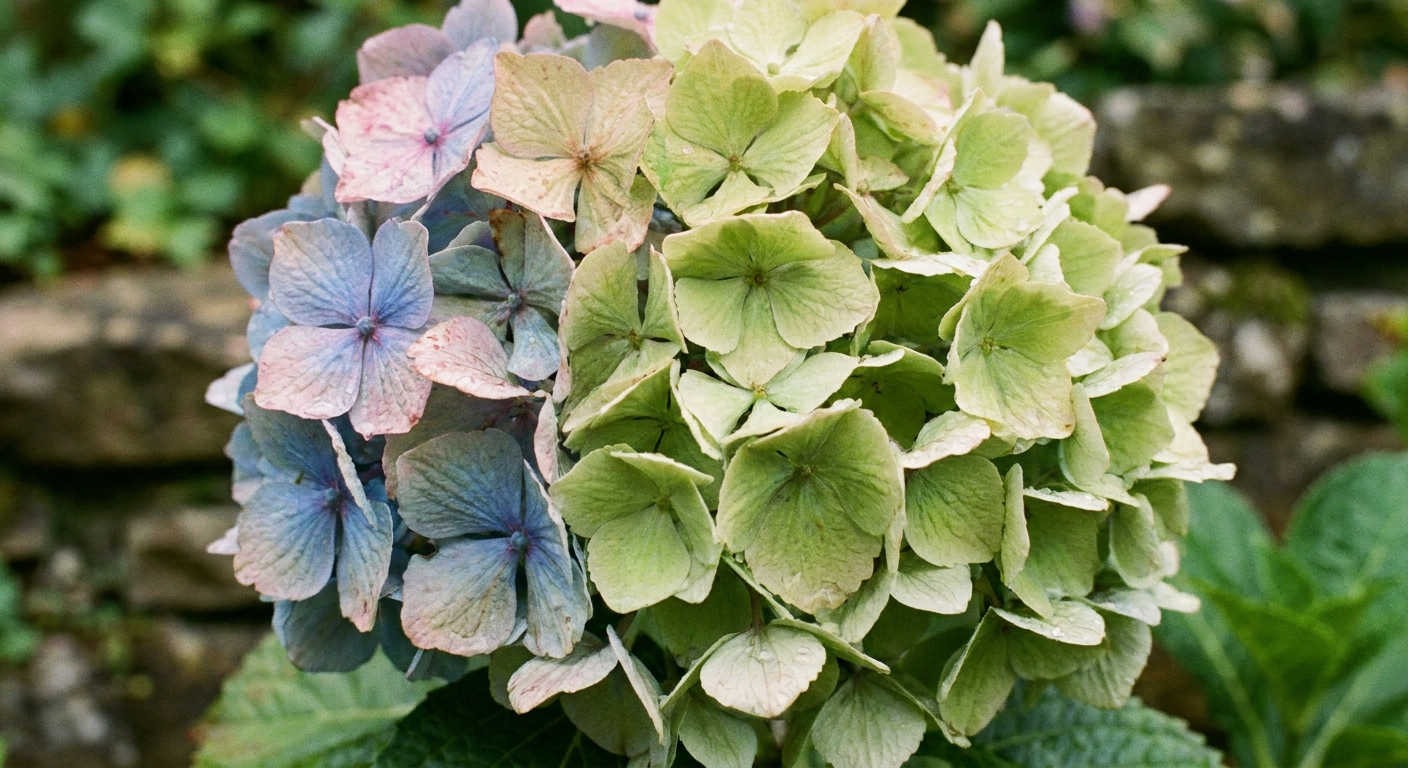
A little green. A lot of curiosity.
If your bigleaf hydrangea flowers (Hydrangea macrophylla) are drifting from blue or pink to green, you are not alone, and you are not necessarily doing anything wrong. With mopheads and lacecaps, a green stage can be part of the bloom’s natural life cycle, it can show up during hot spells, or it can be something your particular variety simply loves to do.
The trick is telling normal “end-of-bloom” greening from other lookalikes, like a soil pH color shift (pink to blue), panicle hydrangeas that naturally antique, or bigleaf blooms that are actually turning brown from stress or disease.
First, confirm the type
Bigleaf hydrangeas are usually the classic “summer bouquet” shrubs with broad, shiny leaves and round mophead clusters or flatter lacecaps. Many bloom on stems that gardeners call old wood, meaning buds were formed earlier. Some modern reblooming bigleaf types can also flower on new wood, so greening is not a reliable clue by itself.
This matters because some hydrangeas that commonly fade or start out green are not bigleaf hydrangeas at all. A lot of “my blooms are turning green” cases are really an ID mix-up.
- Bigleaf hydrangea (Hydrangea macrophylla): mophead or lacecap, often blue or pink, can age green.
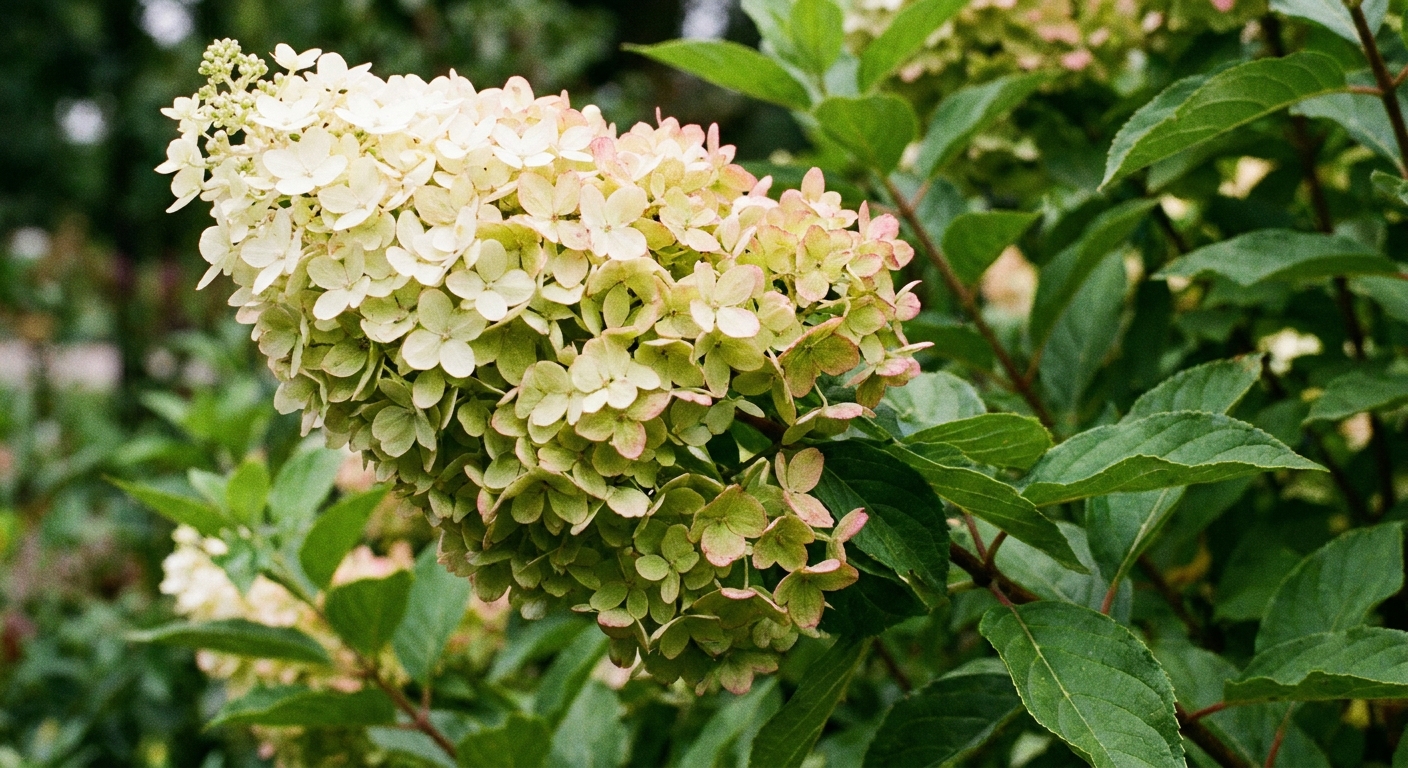
- Panicle hydrangea (Hydrangea paniculata): cone-shaped blooms. Many start white or cream (sometimes with a greenish cast), then shift toward pink or red tones, then tan as they dry. A greenish stage can happen, but it is not the whole story for every cultivar.
- Smooth hydrangea (Hydrangea arborescens): round, often white “snowball” blooms (think ‘Annabelle’). These do not do the blue-pink pH trick, and they often age from white to soft green to tan.
If your shrub looks like a ‘Limelight’ type with cones, it is likely a panicle hydrangea. If it looks like ‘Annabelle’ with big white balls and a more relaxed, matte-leaf look, it is likely smooth hydrangea.
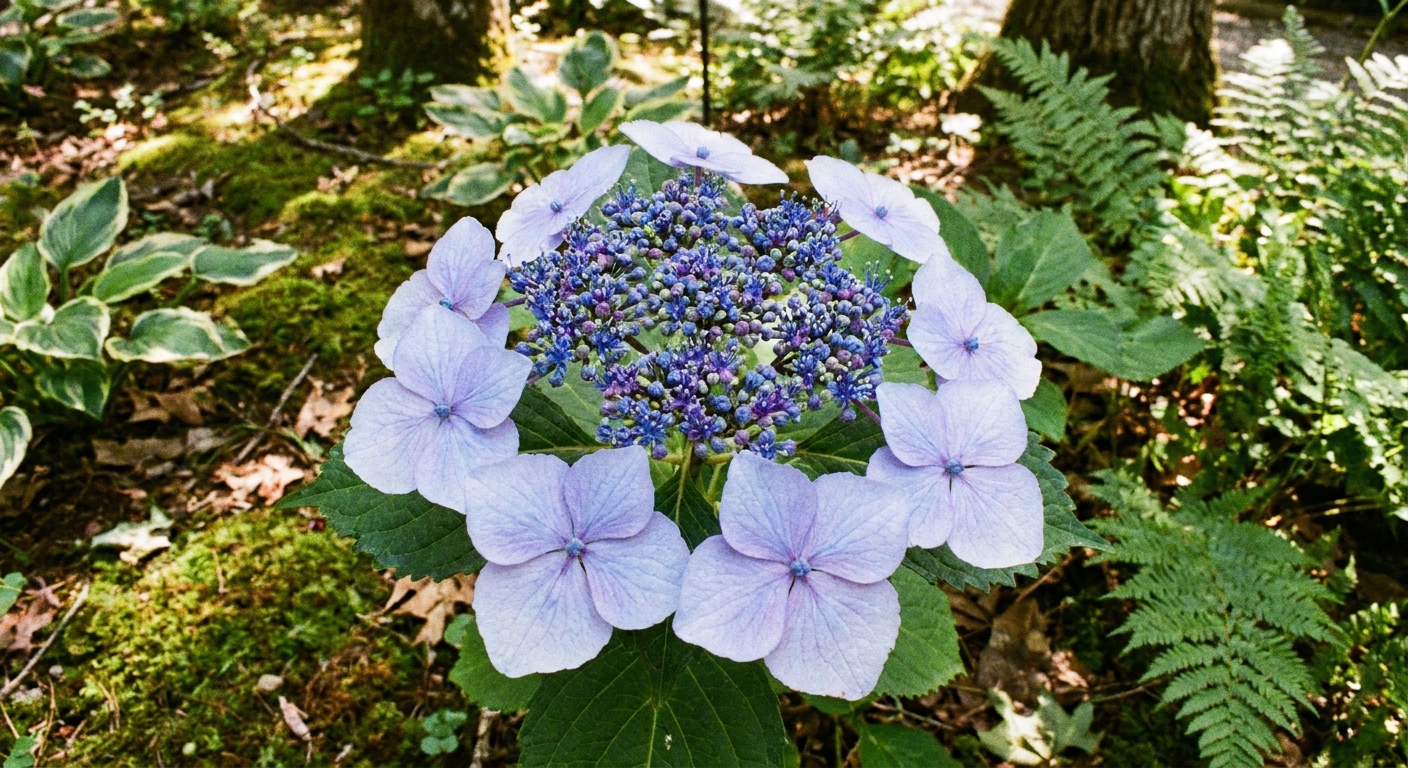
Why bigleaf blooms turn green
With bigleaf hydrangeas, “green” usually means one of three things: the bloom is maturing, the weather is nudging it there faster, or the plant is genetically wired to finish green.
1) The bloom is aging
Those showy “petals” on hydrangeas are actually sepals. As the bloom matures, the pigments that made it blue, pink, or purple can fade. Chlorophyll can become more visible, and the bloom takes on green tones. Late summer into fall is an especially common time to notice this, simply because the flower heads have been hanging around longer.
Clues it is normal aging:
- The flower head is still firm and intact.
- Color change is fairly even across the bloom.
- Leaves look generally healthy.
- The plant is still growing normally.
2) Heat and strong sun speed it up
High temperatures and bright afternoon sun can shorten the “peak color” stage. In heat, pigments can fade faster, and the bloom may shift green earlier than you expected. This is especially common in exposed spots, along reflective walls, or in containers that heat up quickly.
Clues heat is involved:
- Greening happens quickly during a hot stretch.
- The sun-facing side of the bloom changes first.
- Leaves may look slightly droopy in late afternoon but recover by morning.
3) Some varieties finish green
There are bigleaf hydrangea cultivars that naturally green up as they mature, and a few that are marketed specifically for green blooms. Even within common cultivars, some plants show stronger green finishing tones than others depending on light, temperature, and bloom age.
If the plant reliably goes green every year, at roughly the same stage, you are likely seeing normal variety behavior rather than a care problem.
What it is not: soil pH
A lot of hydrangea color talk focuses on soil pH, but pH changes do not usually explain a bloom turning green.
- Soil pH affects: whether many bigleaf hydrangeas skew bluer (more available aluminum in more acidic soil) or pinker (less available aluminum in higher pH soil).
- Soil pH does not typically cause: an even green fade across an aging mophead or lacecap.
In other words, if your blooms are shifting from blue to lavender, or pink to mauve, that can be pH and aluminum availability at work. If they are shifting toward green, that is more often age, heat, or cultivar.
Also different: panicles that antique
Panicle hydrangeas are the ones with cone-shaped flower clusters. Many cultivars go through a whole color parade and “antique” beautifully, often moving from white or cream (sometimes greenish-white) into pink or red, then toward tan as they dry.
If you are seeing green on a cone-shaped bloom, it can be part of that normal panicle progression rather than a bigleaf mystery.
Green vs brown
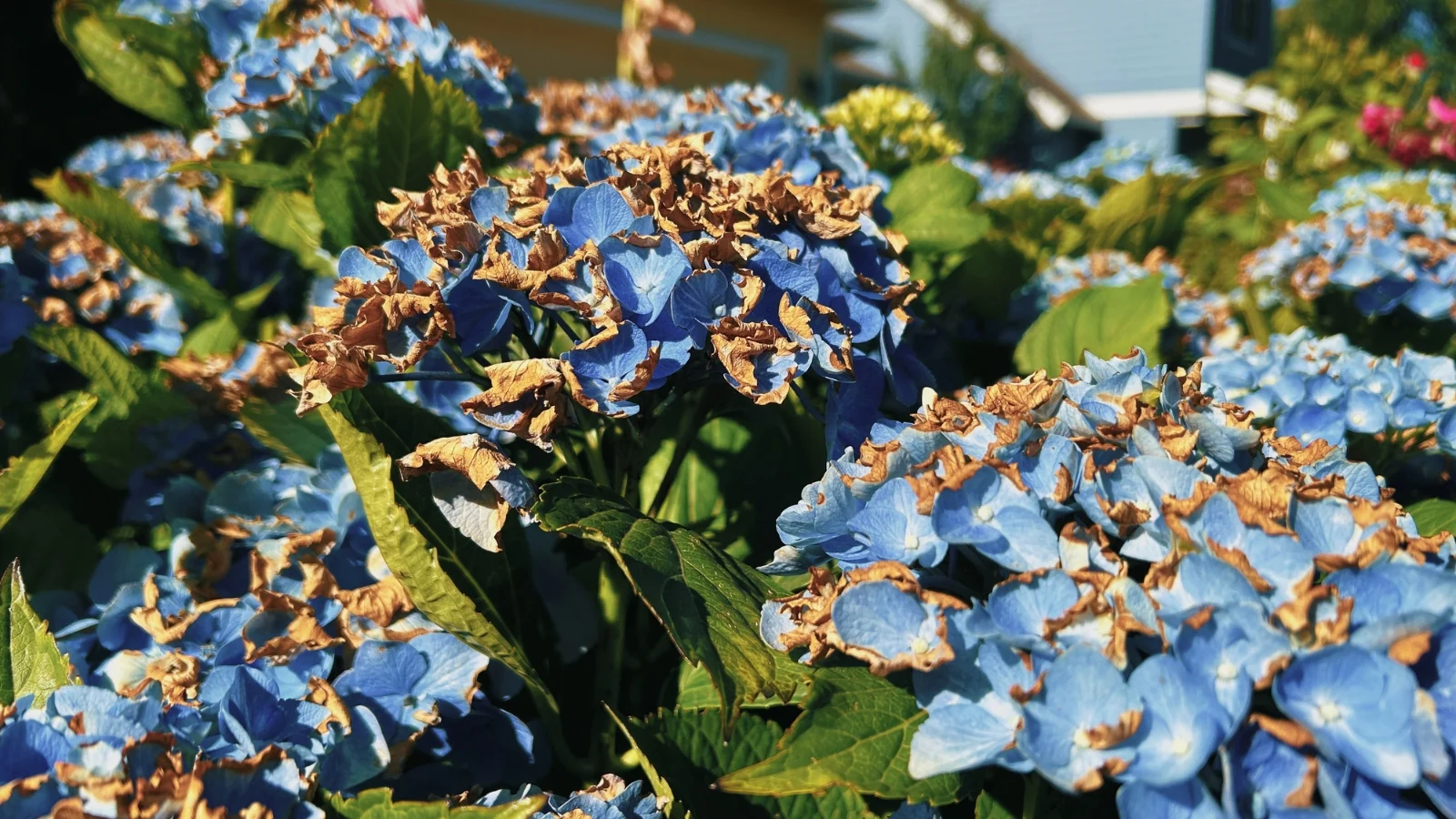
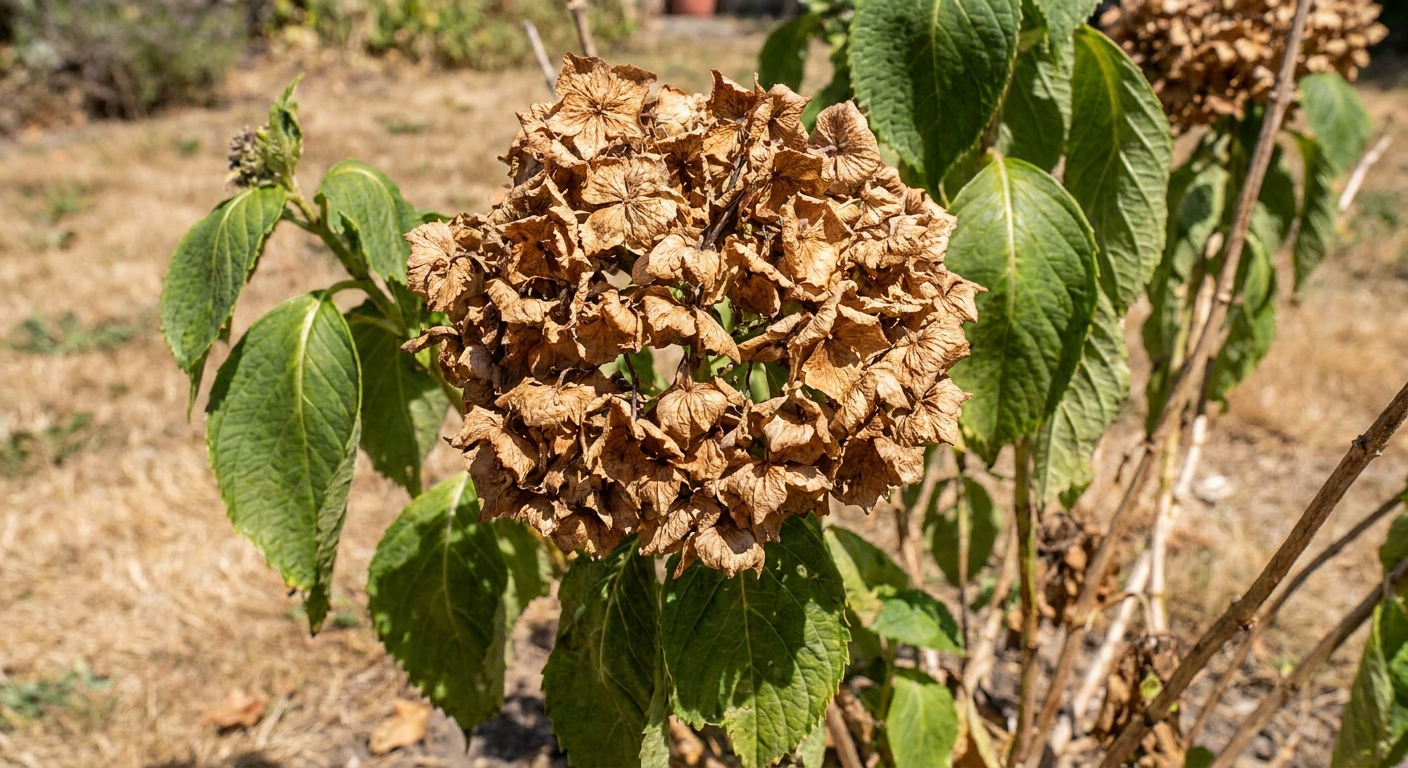
Sometimes gardeners say “green” when the bloom is actually browning, turning tan, or getting spotty. Bigleaf hydrangea flowers can turn brown from sun scorch, drought stress, or fungal issues like botrytis. Those problems need a different response than normal greening.
Sun scorch
Scorch often looks like browning on the edges of florets, especially on the side facing afternoon sun. The texture changes too, from supple to papery.
What helps: shift to morning sun and afternoon shade if possible, water deeply during hot weeks, and add mulch to cool the root zone.
Drought stress
When water is inconsistent, blooms can brown prematurely, and leaves often wilt noticeably. Container hydrangeas are especially prone because pots dry out fast.
What helps: water slowly and deeply, check moisture a few inches down, and avoid letting the root ball swing from bone-dry to soaked. Bigleaf hydrangeas prefer consistently moist soil, not soggy soil.
Botrytis blight
Botrytis tends to show up with prolonged moisture, crowded growth, and poor airflow. Blooms may develop brown patches, and in humid conditions you might see a gray, dusty-looking fungal growth.
What helps: remove and discard affected blooms, clean up fallen petals and leaves, improve airflow, avoid overhead watering late in the day, and keep mulch from splashing soil onto flowers. In severe cases, a labeled fungicide may be needed. Follow local guidance and the product label.
What to do
If the blooms look healthy and simply greener with time, you can mostly enjoy the shift. Green hydrangea heads can be gorgeous in the garden and they often dry well for arrangements.
- Leave them: If the plant is healthy, letting blooms mature on the shrub is fine.
- Deadhead for a fresher look: Snip spent flower heads off just above a pair of healthy leaves. Use clean pruners.
- Do not hard prune to “fix” color: Severe pruning is not a solution for greening and can remove next season’s buds on many bigleaf types.
- Dial down heat stress: Aim for morning sun, afternoon shade, and steady watering during hot stretches. Containers may need more frequent watering than in-ground shrubs.
Quick checklist
- Even green fade, bloom still firm: normal aging or heat-accelerated aging.
- Green mixed with crispy tan edges, especially on sun side: scorch.
- Brown patches, especially after rainy or humid periods: possible botrytis or other flower blights.
- Color shift stays in the pink to purple to blue range: more likely soil pH and aluminum availability than greening.
- Cone-shaped blooms shifting color: likely panicle hydrangea, not bigleaf.
- Round white “snowballs” aging green: often smooth hydrangea, like ‘Annabelle’.
FAQ
Will green blooms turn back to blue or pink?
Usually, no. Once a bloom has entered its mature green stage, it typically keeps aging toward antique tones, then tan or brown as it dries. New blooms next season should return to that cultivar’s typical color range.
Does fertilizer cause green blooms?
Fertilizer is not a common direct cause of green blooms. Excess nitrogen can push leafy growth at the expense of flowers, but greening on an existing bloom is more often age and weather. If you fertilize, go easy and follow the product label, especially with bigleaf hydrangeas.
Should I cut green blooms right away?
Only if you prefer the look of fresher color or the flower heads are declining. Otherwise, leaving them can extend garden interest. If you do deadhead, make a modest cut and avoid removing lots of stem on bigleaf hydrangeas.
A mossy little takeaway
When bigleaf hydrangea flowers go green, it is often the plant’s gentle way of saying, “I’m maturing.” Check the leaves, check the texture of the bloom, think about the calendar, and think about the weather. If everything looks sturdy and the color change is even, you are likely seeing a normal shift, not a problem to chase with soil amendments.