
Why Tomatoes Stay Green on the Vine

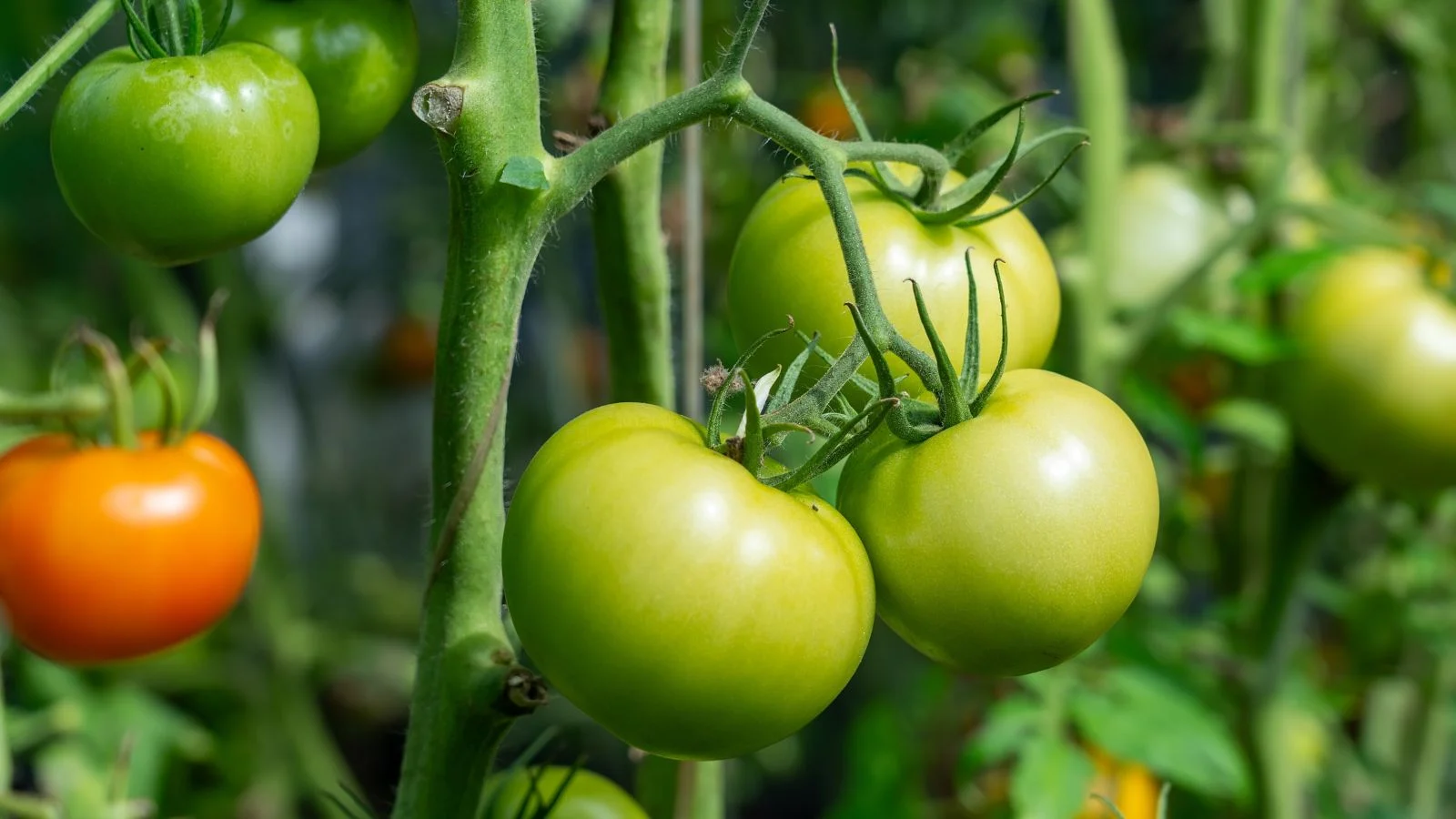
I still remember the first summer I grew tomatoes on a tiny apartment balcony. The vines were gorgeous, the flowers were plentiful, and I felt very proud of myself until I realized I was basically growing a decorative plant covered in hard green marbles. If your tomatoes are staying green on the vine, you are not failing. Most of the time, the plant is simply responding to temperatures or the way it is being fed and managed.

Below are the most common reasons tomatoes refuse to color up while still attached to the plant, plus what to do next. This is about fruit that has already set and sized up, but will not blush, stripe, or deepen into its final color.
First, make sure they are mature
Tomatoes do not start changing color until they hit the mature-green stage. Before that, they can look full-sized but still be physiologically too young to ripen.
Quick mature-green clues
- Gloss softens to a more matte look. Immature fruit often looks shiny.
- The fruit gives slightly when you gently squeeze, not squishy, just less rock-hard.
- The shoulders lighten first on many varieties, especially beefsteaks.
- The stem scar looks a bit corky and the fruit twists off with less fight.
These clues are helpful, but they vary by cultivar. Cherries can stay glossy longer, some heirlooms soften early, and green-when-ripe types play by their own rules.
If the tomatoes are still very hard and shiny, they may simply need more time. If they seem mature but stay stubbornly green for weeks, keep reading.
Heat slows ripening
Tomato color is largely about pigment production. For red tomatoes, the star pigment is lycopene. When temperatures get too hot, the plant slows or pauses lycopene production, and fruit can sit there looking green or a washed-out pale green to yellowish for what feels like forever.
What too hot means
Most tomatoes ripen best when daytime temps are roughly 70 to 85°F. Once highs regularly climb above about 85°F, ripening often slows. When highs hit 90°F plus, stalling is common, especially if nights stay warm too (many gardeners notice the slowdown most when nights hover around 70 to 75°F or higher).
What to do in a heat wave
- Give afternoon shade with shade cloth or a lightweight row cover draped above the plants. Even a few degrees helps.
- Mulch the root zone with straw, shredded leaves, or untreated grass clippings to keep soil temperatures steadier.
- Water deeply and consistently so the plant can keep moving sugars to the fruit. Heat plus drought is a ripening double-whammy.
- Avoid heavy pruning in extreme heat. Fruit exposed suddenly to intense sun can sunscald, and stressed plants ripen more slowly.
The encouraging part is this: once temperatures drop back into a comfortable range, tomatoes often start coloring again like they finally got permission.
Cold nights slow ripening
Tomatoes are warm-season plants with tender feelings about chilly nights. When nighttime temperatures drop regularly below about 55°F, the enzymes involved in ripening slow down. In the 40s°F, the slowdown is even more noticeable. Fruit can remain green, or it may shift color unevenly.
Signs cold is the culprit
- Days are pleasant, but nights are consistently cool.
- The plant looks generally healthy, yet fruit changes color at a crawl.
- Late-season fruit sizes up, then just sits there green.
What helps when nights are cool
- Use a simple nighttime cover such as frost cloth supported over hoops so it does not press the foliage.
- Grow near a heat-storing surface like a south-facing wall or fence if you can.
- Consider variety timing next season. In short-season climates, earlier varieties and cherry types often ripen more reliably before nights cool down.
Too much nitrogen
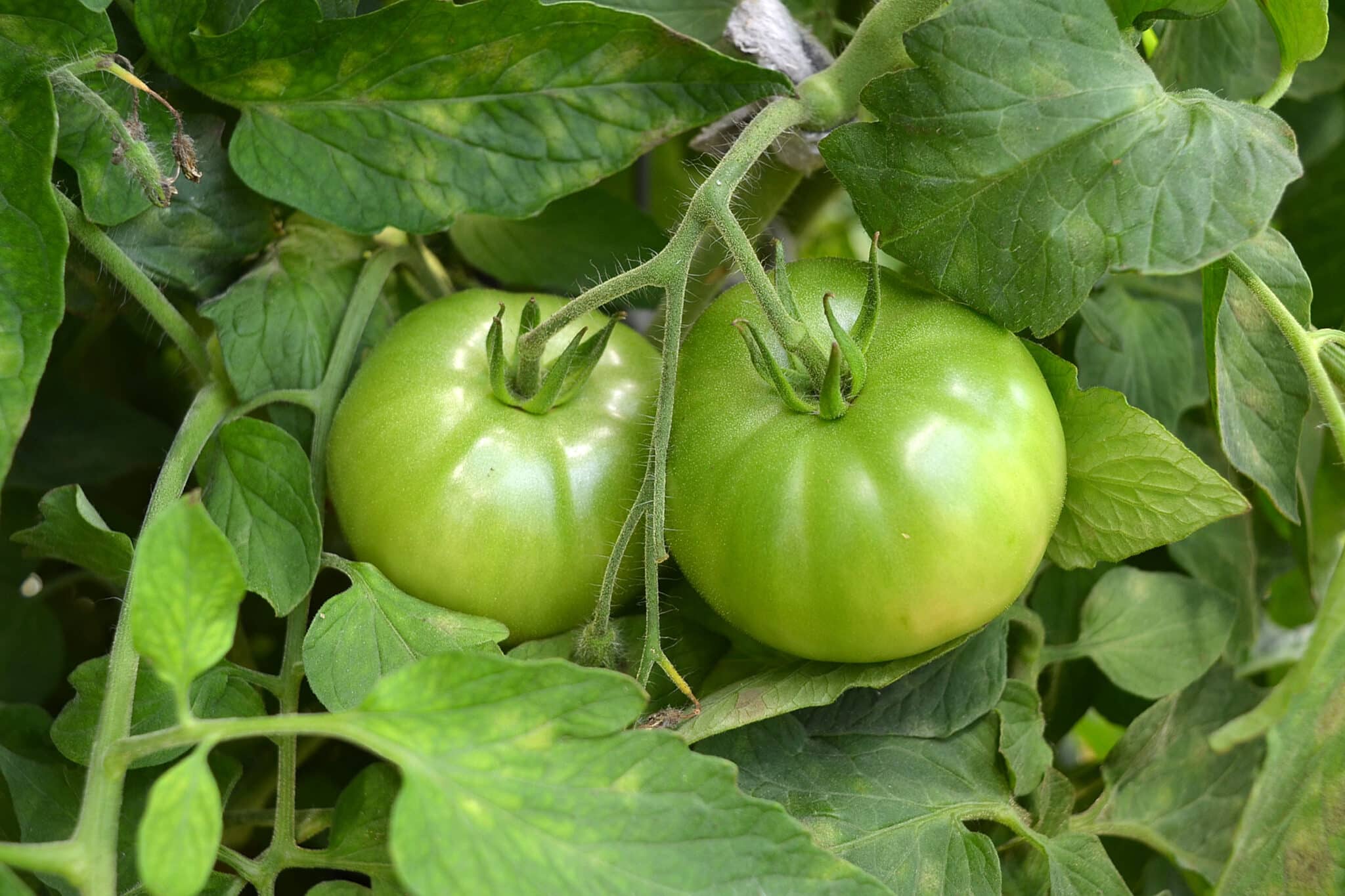
If your tomato plant looks like it could audition for a rainforest documentary, but the fruit refuses to color, excess nitrogen is a prime suspect. Nitrogen pushes leafy growth. Tomatoes need nitrogen, yes, but too much keeps the plant in grow leaves mode instead of finish fruit mode.
Clues you are overfeeding
- Very dark green leaves and thick, vigorous stems.
- Lots of new shoots and suckers, even late in the season.
- Few flowers or slow ripening compared with the amount of foliage.
Common sources include lawn fertilizer drift, frequent fish emulsion, fresh manure, and heavy-handed feeding with all-purpose fertilizer.
How to correct it gently
- Pause high-nitrogen fertilizers (especially lawn-type fertilizers and many all-purpose mixes).
- Switch to a tomato fertilizer that is lower in nitrogen and higher in phosphorus and potassium, if feeding is needed at all.
- Go easy on fresh manure and heavy applications of uncomposted hot amendments.
- Keep watering consistent, and avoid waterlogged soil. Overly wet ground reduces root oxygen, stresses plants, and can contribute to nutrient imbalance and splitting.
If you already added plenty of compost, you may not need to feed much more midseason. Tomatoes are happier with steady, moderate nutrition than big swings.
Other factors
Too much fruit to finish
A heavy load can slow ripening, especially on indeterminate varieties that want to keep flowering and growing forever. If you have dozens of green tomatoes late in the season, the plant may be spreading its energy thin.
- Tip prune late-season growth to help the plant focus on existing fruit. For best results, do it about 4 to 6 weeks before your expected first frost. Snip the growing tips above the last set of flowers you realistically expect to mature in time.
- Harvest selectively at mature-green (more on that below) so the plant can concentrate on fewer fruit.
Low light from shade or crowding
Tomatoes can ripen in partial sun, but heavy shade often delays color change. If your plants are crowded or shaded by taller crops, ripening can slow.
- Improve airflow and light by removing a small number of lower leaves, especially those touching soil.
- Do not strip the plant bare. Fruit needs some leaf cover to avoid sunscald and stress.
Water swings
Big swings from dry soil to soaking wet soil can stall ripening and increase cracking. If the weather is bouncing around, aim for even moisture with mulch and deep, regular watering.
Disease and pest stress
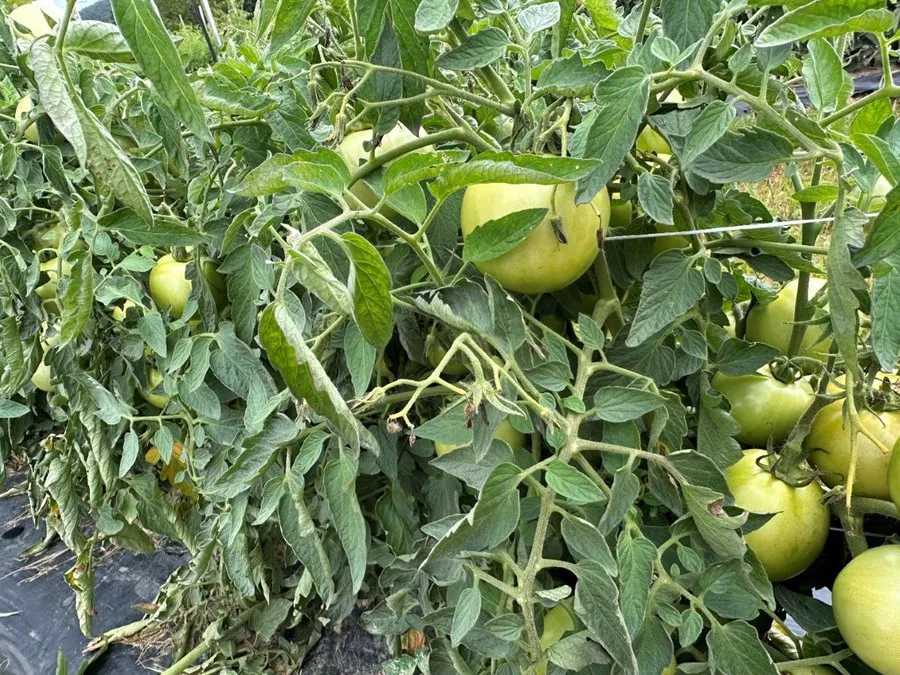
If the foliage is declining, yellowing, or stippled, the plant may simply not have the leaf power to finish fruit well. Heavy pest pressure (like aphids or whiteflies), root problems, or disease can all slow ripening by reducing photosynthesis. If your plant looks like it is failing fast, focus on plant health and consider harvesting mature-green fruit to save what you can.
Variety and color type
Some varieties simply take longer, and not all ripe tomatoes turn red. Purple, black, green-when-ripe, and many striped types can confuse even experienced gardeners. If you are growing an unfamiliar cultivar, look up its typical ripe color and texture cues.
When to pick mature-green
There is a point where leaving fruit outside is not helping, especially when weather is driving the stall. If the tomato is truly at the mature-green stage, it can finish coloring off the plant, often with very good flavor (though some varieties taste a little more complex when they finish on the vine).
Pick at mature-green if
- Heat is persistent and highs are stuck in the 90s for days on end.
- Nights are consistently cold and you are heading toward frost season.
- Fruit is full-sized and slightly softening but has not started to blush after a long wait.
- Pests or cracking risk is rising and you would rather save the harvest than gamble.
How to pick without sacrificing quality
- Harvest in the morning when fruit is cool and firm.
- Leave a short stem stub if the variety tends to tear at the top, which can reduce tiny entry points for rot.
- Handle like eggs. Bruises do not show immediately on green fruit, but they absolutely show up later.
How to ripen indoors
- Keep them at room temperature, ideally around 65 to 75°F.
- Set in a single layer on a counter or tray, out of direct sun. Check daily and remove any fruit that starts to soften or spot.
- Use a paper bag if you want to speed things up. Add a banana or apple to boost ethylene, then loosely fold the bag shut and check every day.
- Do not refrigerate green tomatoes. Cold temperatures can permanently dull flavor and texture.
I know it feels like cheating to pick green tomatoes. It is not. It is you adjusting to what the plant and the weather are doing right now.
Mini checklist
- Are daytime highs regularly above 85°F? Expect ripening to slow. Add shade and mulch.
- Are highs hitting 90°F plus, with warm nights near 70 to 75°F? Stalling is common. Protect from heat and consider harvesting mature-green.
- Are nights dropping below about 55°F? Protect at night or plan to harvest mature-green.
- Did you fertilize heavily, especially with nitrogen? Pause feeding and avoid lawn fertilizer near tomatoes.
- Is the plant overloaded with fruit? Consider tipping growth (especially several weeks before frost) and harvesting some mature-green fruit to reduce the load.
- Is the variety slow or a non-red type? Confirm what ripe looks like for that cultivar.
- Are you dealing with water swings, disease, or pests? Stabilize watering, address the stressor, and harvest mature-green fruit if the plant is declining.
FAQ
My tomatoes are big but still green. How long is too long?
In steady, warm weather, many varieties begin coloring a few weeks after reaching full size. If fruit has been full-sized for three to four weeks with no blush at all, look hard at heat, cool nights, and nitrogen. Those are the big three that create a long green standstill.
Will pulling leaves off make them ripen faster?
A little strategic leaf removal can improve light and airflow, but heavy defoliation often backfires by stressing the plant and exposing fruit to sunscald. I prefer modest thinning and better support, plus temperature management when possible.
Why are my tomatoes staying green at the end of the season?
Late-season green fruit is usually a mix of cooling nights, shorter days, and a plant that is still trying to grow. This is the moment when harvesting at mature-green becomes a very practical move, especially before prolonged cold or the first frost.