
Vegetable Garden Watering: Depth, Frequency, and Common Mistakes

Watering a vegetable garden sounds simple until you are standing there with a hose, second-guessing everything. Too little and plants sulk. Too much and roots can rot, flavors get bland, and disease moves in like an uninvited houseguest.
Here is the calm, reliable way to think about watering: aim for the root zone, water deeply, then wait until the soil tells you it is time again. Once you learn that rhythm, you can adapt to heat waves, rain, raised beds, and containers without panic.

Water the root zone, not the leaves
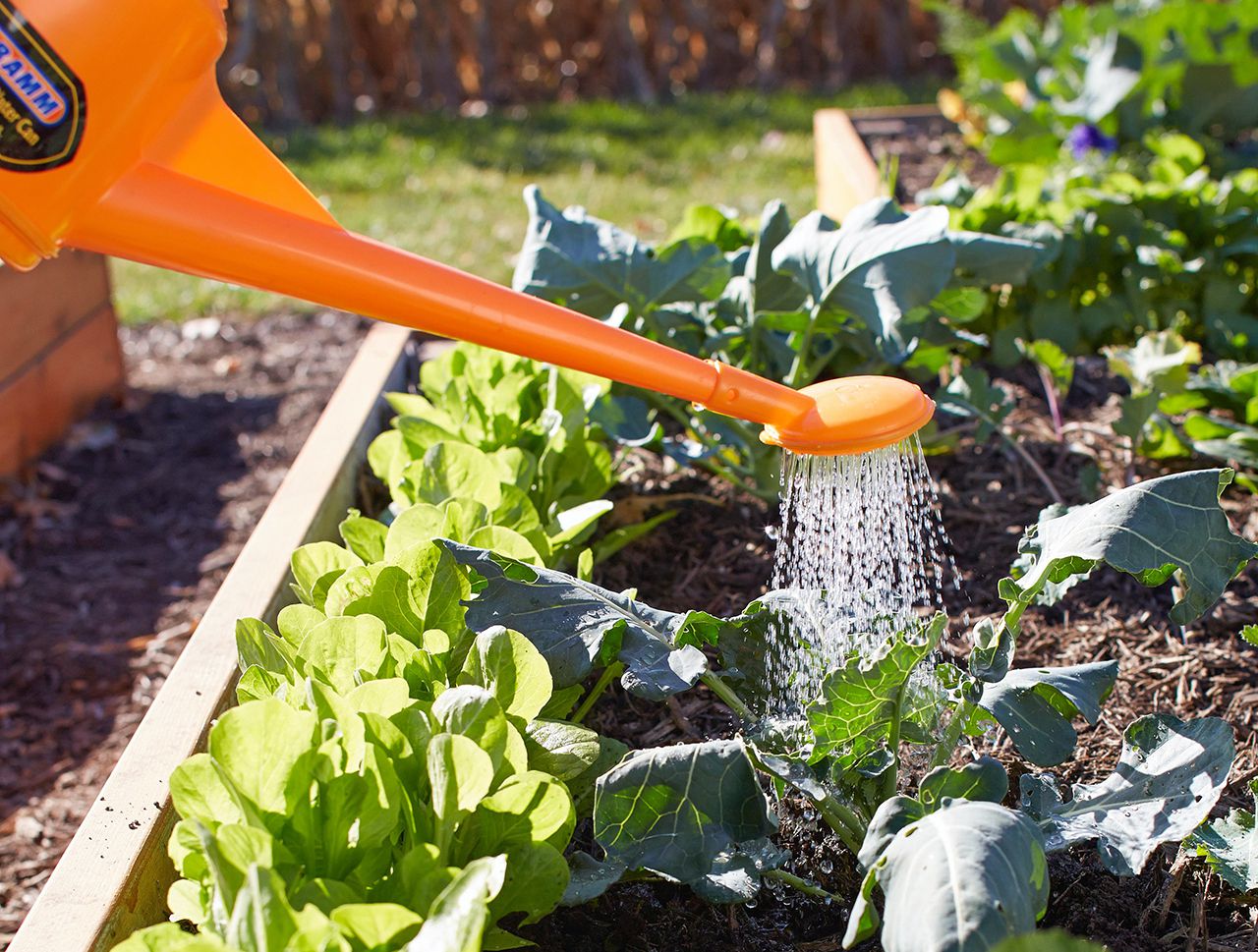
Vegetables drink through their roots, not their foliage. When water lands on leaves, it either evaporates or lingers and can encourage fungal problems. Your goal is to get moisture down where the fine feeder roots live.
Where most vegetable roots actually are
- Most feeder roots: typically in the top 6 to 12 inches of soil
- Deeper anchoring roots: can go farther down in loose, healthy soil, but the main “drinking straws” are usually closer to the surface where oxygen and nutrients are plentiful
Best ways to deliver water
- Soaker hoses: slow, steady, and beginner-friendly. Snake them along rows and under mulch.
- Drip irrigation: among the most efficient and consistent options, especially for raised beds and containers. (A quick filter, occasional flush, and decent pressure regulation help prevent clogs and dry spots.)
- Wand or gentle hose: works fine if you aim low and water slowly enough that it soaks in instead of running off.
If you do overhead water, do it early in the day so leaves dry quickly. Evening overhead watering is still risky in humid or cool-night climates since leaves can stay wet for hours, basically a spa day for mildew. In very arid areas where foliage dries fast, it can be less of an issue, but soil-level watering is still the safer default.
How deep should you water?
Deep watering encourages roots to explore more soil and makes plants steadier and less dependent on you. It is not a magic switch that forces roots straight down, though. Root growth also depends on oxygen, soil structure, and where moisture and nutrients hang out over time.
Depth targets you can use
- Seedlings and new transplants: keep the top 1 to 2 inches evenly moist while roots establish, then transition to deeper watering.
- Most established vegetables: often do well when moisture reaches about 6 to 10 inches.
- Big, thirsty plants (tomatoes, peppers, cucumbers, squash, melons): aim for 10 to 12 inches once established, keeping in mind that in loose in-ground soil many of these crops can root deeper, while containers cap root depth.
- Root crops (carrots, beets): consistent moisture in the top 8 to 12 inches helps prevent splitting and woodiness.
The simple “dig and feel” test (my favorite)
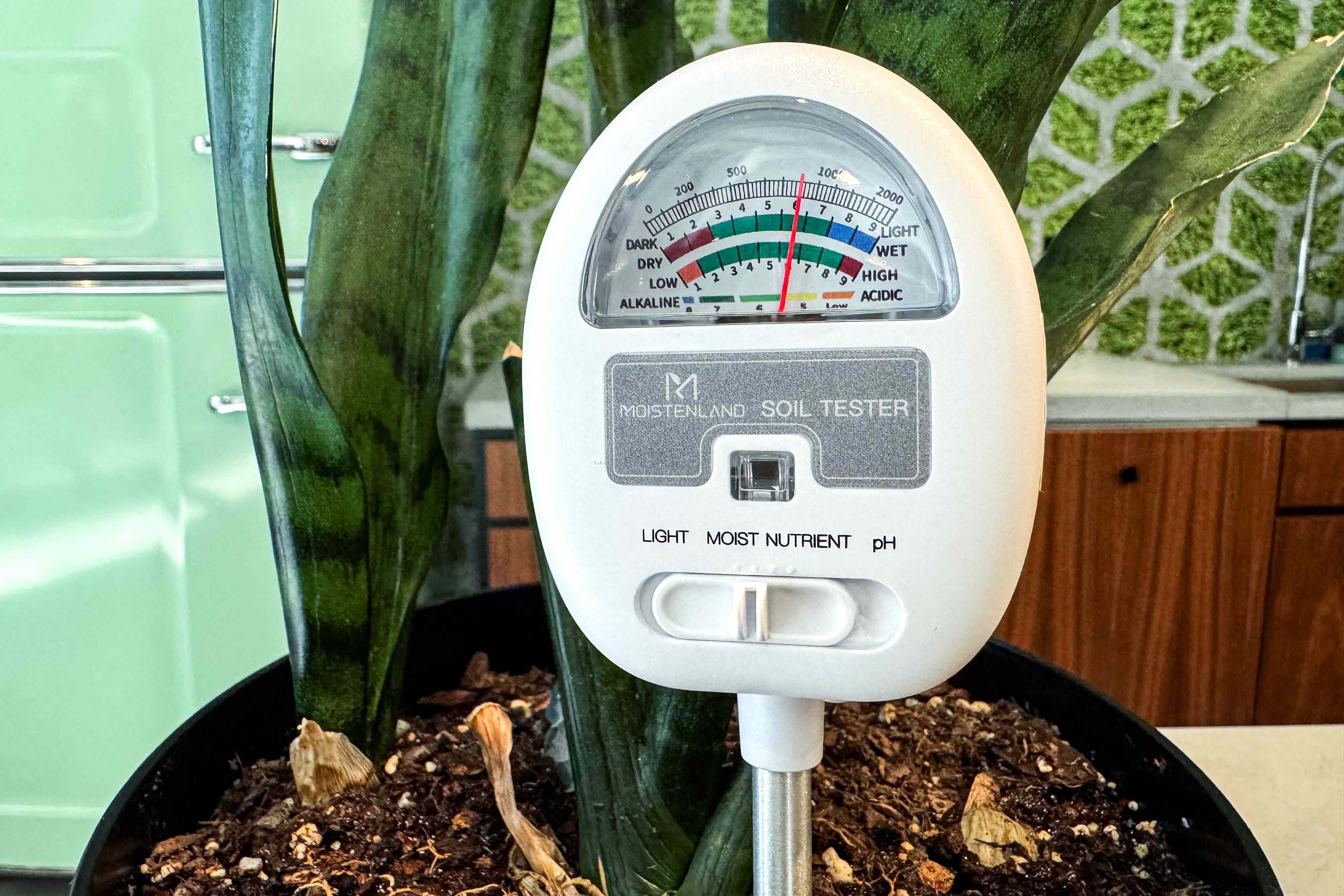
Water, wait 30 to 60 minutes, then use a trowel to dig a small check hole near the plant (not right against the stem). Pinch the soil:
- Evenly damp, cool, holds together lightly: you hit the root zone.
- Dry and dusty at 4 to 6 inches: you watered too fast or not long enough.
- Glossy, sticky, or smells sour: too wet, too often, or drainage issues.
How often should you water?
Frequency depends on heat, wind, soil type, plant size, and whether you are in the ground, in a raised bed, or in a container. Instead of chasing a perfect calendar, anchor your schedule to two ideas: deep watering and dry-down.
Soil type (quick cheat code)
- Sandy soil: drains fast. You will usually water more often, but still aim for deep soakings.
- Loam: the “goldilocks” soil. Typically the easiest to keep evenly moist.
- Clay soil: holds water longer but can waterlog. Water less often, and avoid stacking wet days on top of wet days.
A beginner schedule you can adapt
- Mild weather (spring or early fall): deep water about 1 to 2 times per week.
- Hot weather (summer heat): deep water about 2 to 4 times per week, more often for containers.
- Heat wave plus wind: you may need a check every day, especially for pots.
A more useful rule than “every Tuesday” is: water again when the top 1 to 2 inches is dry, but the soil a few inches down is starting to lose that cool, damp feel.
How much water per week (a helpful backup)
If you like a simple metric, many vegetable gardens aim for roughly 1 to 1.5 inches of water per week (including rainfall), then adjust up in intense heat and wind, and down during cool or rainy stretches. This is a starting point, not a law of nature. Your soil and setup decide the final number.
- Measure rainfall: put a cheap rain gauge in the open, or set a straight-sided jar outside during a storm and measure what collected.
- Count it: if you got 0.75 inches of rain, you may only need to supply the remaining 0.25 to 0.75 inches that week, depending on how deeply the rain soaked in.
Morning vs evening
- Morning is best: less evaporation than midday, and foliage dries quickly.
- Evening is second best: fine for root-level watering, but avoid soaking leaves, especially where nights are humid or cool.
- Midday: okay in emergencies, but expect more evaporation and plant stress.
Signs of underwatering vs overwatering
Here is the tricky part: plants can look droopy for multiple reasons. Use plant signals plus a quick soil check to confirm.
Underwatering (too dry)
- Leaves droop and look thin, especially in the afternoon
- Soil pulls away from the edge of pots or forms cracks
- Older leaves yellow and crisp at the edges
- Fruit issues like blossom end rot can show up when moisture swings wildly (common in tomatoes and peppers). It is also tied to calcium movement in the plant, so steady moisture matters more than flooding the soil once in a while.
Confirm it: check 3 to 4 inches down. If it is dry there, water deeply and slowly.
Heat wilt vs true drought wilt
Some plants droop in hot sun even when the soil is fine. If a plant wilts midday but perks back up in the evening or by the next morning, that is often heat stress, not a full-on water emergency. Still check the soil before you react with extra watering.
Overwatering (too wet, too often)
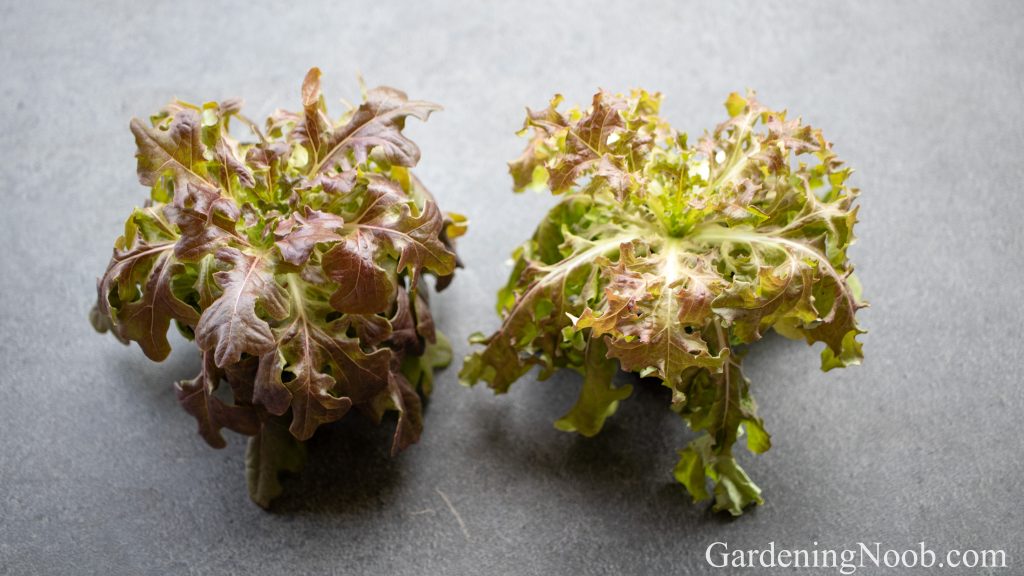
- Leaves droop but feel softer and heavier, not papery
- Yellowing starts on lower leaves, growth looks stalled
- Soil smells musty or sour
- Fungus gnats hover around containers
Confirm it: if soil is wet several inches down and stays wet day after day, pause watering and address drainage or frequency.
Mulch changes everything, in a good way
Mulch is like a quiet assistant that stands between the sun and your soil. It reduces evaporation, smooths out moisture swings, and protects soil life. It also changes how often you need to water.
What mulch does for watering
- Slows evaporation: you water less often.
- Improves infiltration: water soaks in instead of running off crusty soil.
- Keeps roots cooler: plants handle heat better.
Mulch tips for vegetable beds
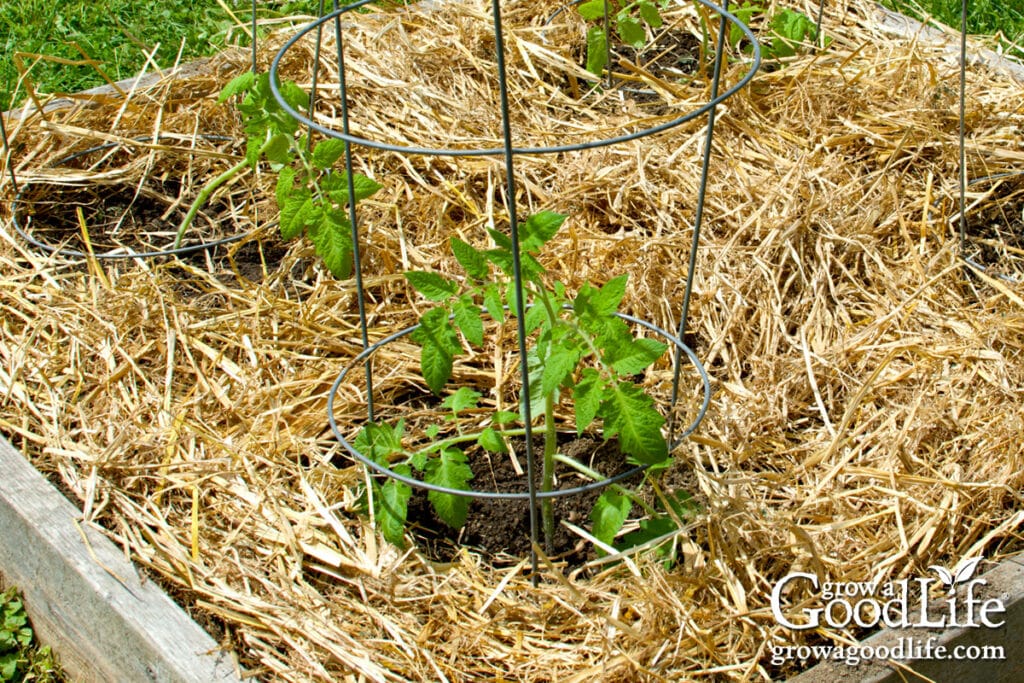
- Apply 2 to 3 inches of straw, shredded leaves, or untreated grass clippings (thin layers for clippings).
- Keep mulch a couple inches away from stems to prevent rot and pests.
- If you use drip or soaker hoses, run them under the mulch.
Mulch can hide dry soil at the surface, so check moisture by feeling below the mulch layer, not by looks alone.
Containers vs raised beds vs in-ground
Where your vegetables grow changes how water behaves. The same plant can need totally different care depending on the setup.
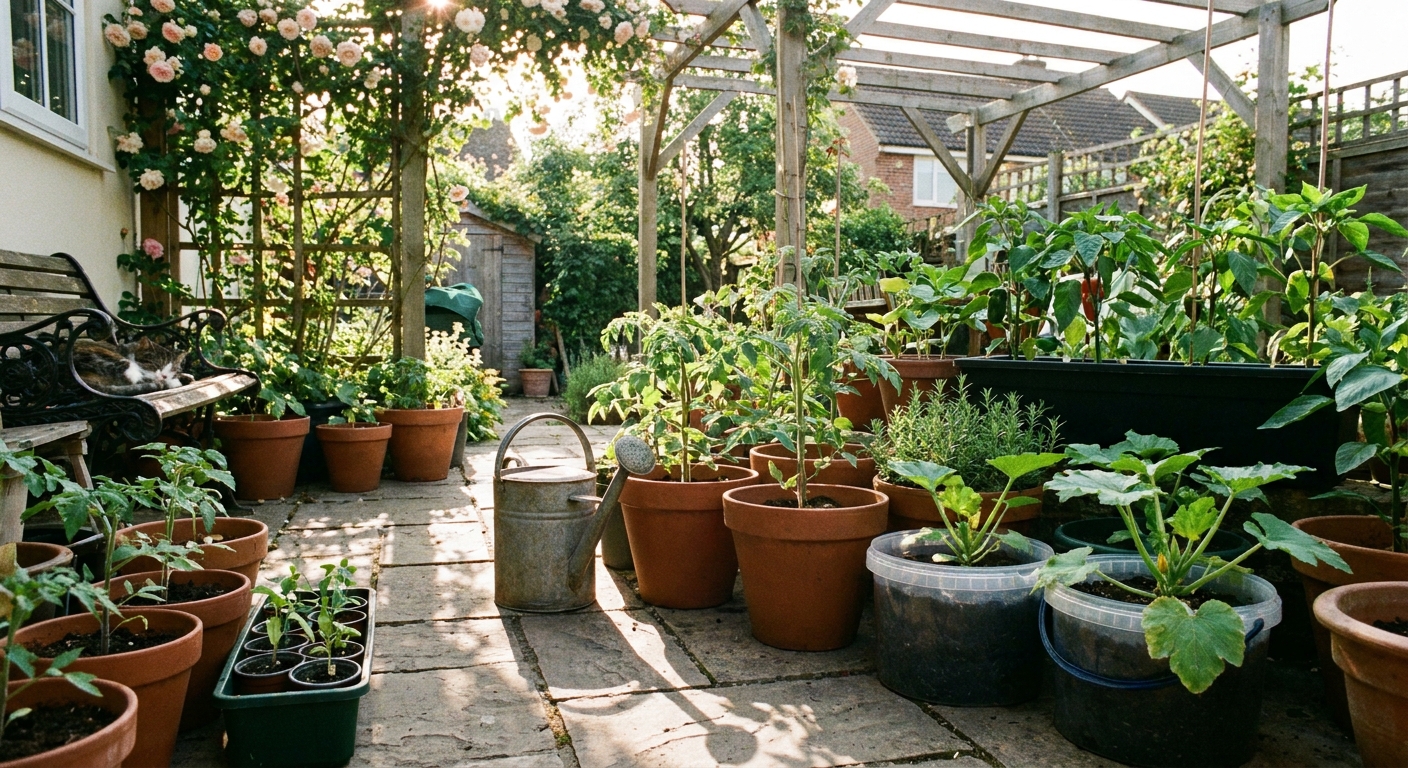
Containers (dry fast, water often)
- Expect watering daily in hot weather, sometimes twice a day for small pots.
- Water until it runs from the drainage holes, then empty saucers so roots do not sit in water.
- Use a potting mix that holds moisture but drains well. Garden soil in pots tends to compact and suffocate roots.
- Add a 1 to 2 inch mulch layer on top of potting mix to slow evaporation.
Raised beds (drain well, warm fast)
- Raised beds often need more frequent watering than in-ground beds because they drain faster and warm up sooner.
- Deep, slow watering is key, especially early in the season when roots are still shallow.
- Mulch makes a dramatic difference in raised beds.
In-ground beds (most stable)
- Soil holds moisture longer, especially if it has plenty of organic matter.
- Clay soils hold water longer but can waterlog, so water less often and avoid saturating repeatedly.
- Sandy soils drain quickly, so water may need to be more frequent, but still aim for deeper soakings.
Common watering mistakes (and what to do instead)
- Mistake: Watering a little every day.
Do instead: Water deeply, then wait. Let the top layer dry a bit before the next soak. - Mistake: Spraying leaves in the evening.
Do instead: Water at soil level, preferably in the morning. If you must water overhead, choose a time when foliage will dry quickly. - Mistake: Watering fast so it runs off.
Do instead: Use a gentle flow and pause to let water soak in, especially on dry soil. - Mistake: Trusting the surface.
Do instead: Check 2 to 4 inches down with your finger or a trowel. - Mistake: Overcompensating after a missed day.
Do instead: Return to deep watering, but do not flood repeatedly if drainage is slow. - Mistake: Ignoring system upkeep.
Do instead: If you use drip, check for leaks, clogs, and uneven flow. A “perfect schedule” will not help a plugged emitter. - Mistake: Ignoring soil health.
Do instead: Add compost, use mulch, and keep soil covered. Healthy soil holds water better.
Simple watering routines you can steal
If you are new, routines reduce guesswork. Use one of these as a starting point, then adjust based on weather and your soil check.
Routine A: In-ground vegetable bed
- Twice per week: water long enough to wet 6 to 10 inches deep.
- Midweek check: if soil is dry at 3 to 4 inches, add a shorter soak.
- After rain: skip watering until the soil starts to dry below the surface.
Routine B: Raised bed with mulch
- Two to three times per week: deep soak to about 8 to 12 inches.
- Hot spells: add a quick check every morning for new transplants.
Routine C: Containers
- Morning check daily: if the top inch is dry, water until it drains.
- During fruiting: aim for consistent moisture. Big swings can lead to cracking, bitterness, or blossom end rot.
- Very hot days: shade the pot or move it out of harsh afternoon sun if possible. Sometimes the best watering hack is less heat.
How to know you are doing it right
You do not need perfection. You are looking for a garden that stays steady.
- Plants perk up in the morning and hold their shape through most of the day
- New growth looks even and consistent, not stop-and-start
- Soil feels cool and lightly damp a few inches down
- Fewer pests and diseases show up when foliage stays drier and plants are not stressed
If you take only one thing from this page, let it be this: water slowly, water deeply, and then trust the soil to tell you when it is time again. Your vegetables will reward you with better flavor, stronger roots, and fewer dramatic fainting spells.
One last practical note: If you live in an area with watering restrictions or drought rules, follow local guidance. Early-morning watering is often the most efficient and the least likely to get you side-eye from the neighborhood.