
Why Isn’t My Lilac Blooming?

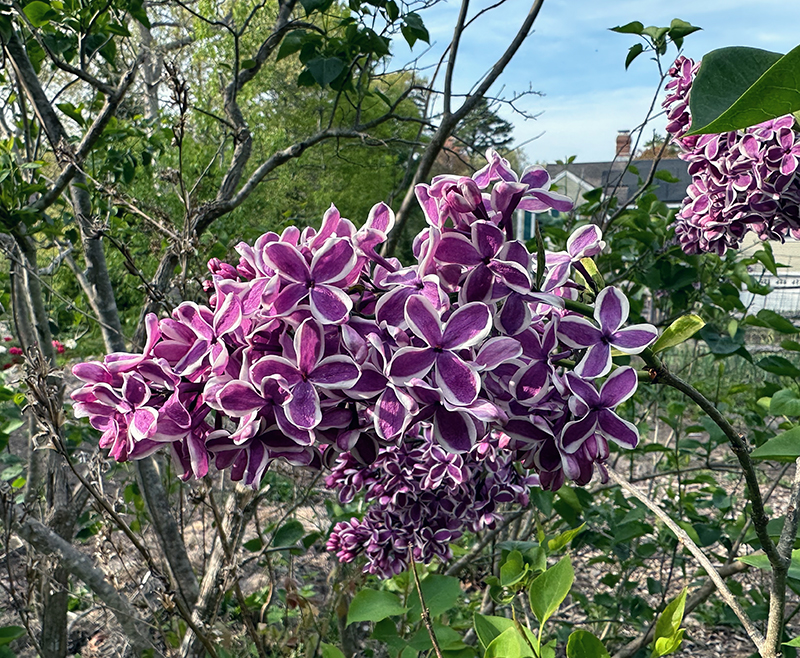
A little green. A lot of curiosity.
When a lilac puts on a gorgeous show of leaves but skips the flowers, it is usually trying to tell you something simple: it does not have enough sun, it is being fed like a lawn, its flower buds were clipped off at the wrong time, or the buds were damaged before they ever opened.

Below is a practical, garden-walk checklist of the most common reasons lilacs do not bloom, how to confirm each one, and what you can realistically expect next season.
Quick check: When should lilacs bloom?
Most common lilacs (Syringa vulgaris) bloom in mid to late spring. Many other lilac types bloom around the same window, with some variation by climate and variety. The important detail is when buds form: lilacs set next year’s flower buds in the weeks after blooming and into summer on this year’s growth.
So if something goes wrong with light, pruning, nutrition, or bud survival during summer, fall, winter, or early spring, you can end up with a leafy lilac and no flowers.
Diagnosis map: Leaves but no blooms
If you only do three observations, do these:
- Sun hours: How many hours of direct sun does the lilac get in late spring and summer?
- Bud check: In late winter or early spring, do you see plump flower buds on the tips of branches?
- Pruning timing: Did anything cut the lilac back after it bloomed last year, including shearing, hedge trimming, or a big rejuvenation prune?
One simple fork helps you narrow it fast:
- No buds formed usually points to light, excess nitrogen, youth, crowding, or general stress.
- Buds were present but failed usually points to late frost, winter browsing, or bud removal from pruning.
Then work through the sections below that match what you saw.
Cause 1: Too much shade
Lilacs are sun lovers. In shade or even bright partial shade, they often grow plenty of leaves but do not set many flower buds.
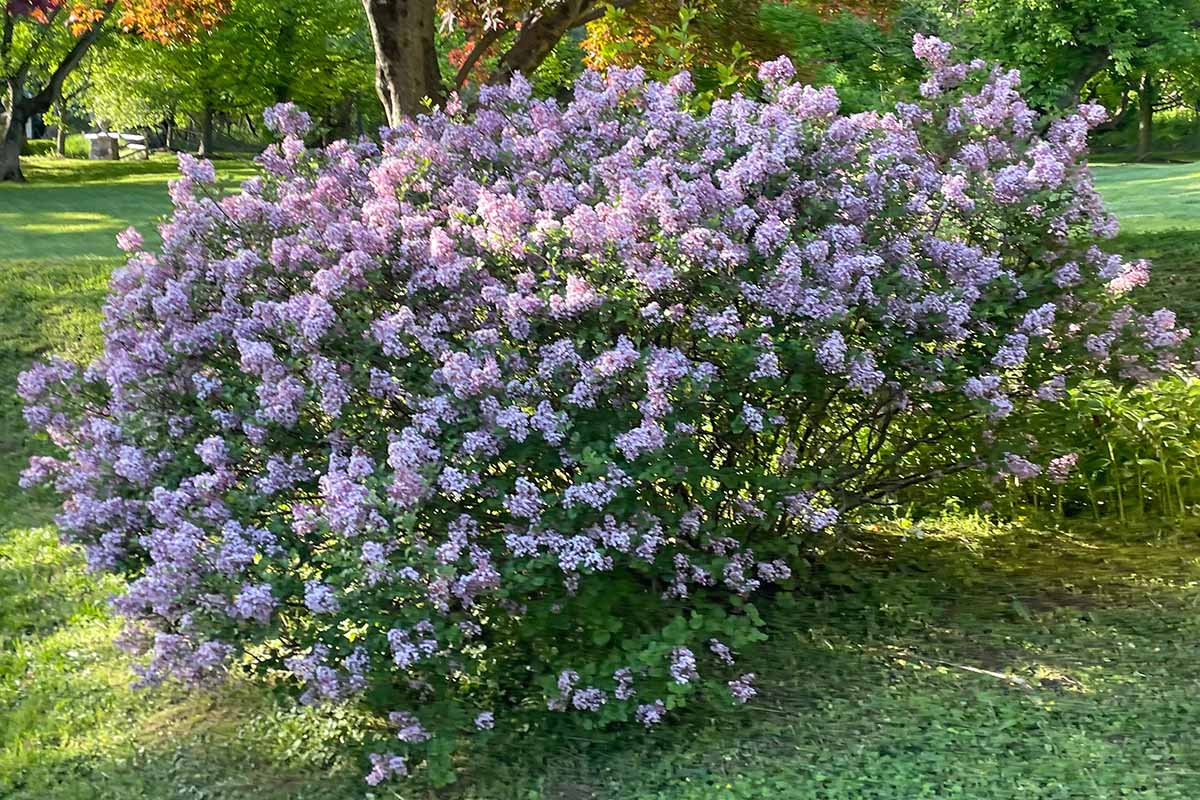
Checklist: Signs shade is the problem
- The plant gets fewer than about 6 hours of direct sun in the growing season. Some lilacs can bloom with 4 to 5 hours, but more sun usually means more flowers.
- It is shaded by maturing trees, a new structure, or taller shrubs that were not there when it was planted.
- Growth is long and stretchy, with fewer side branches and sparse flowering spurs.
- The shadiest side has the fewest buds.
What to do
- Improve light: Prune back overhanging branches (especially on the south and west sides in many yards) to increase sun exposure.
- Thin nearby competition: Remove or reduce shrubs crowding the lilac.
- Consider moving it: Transplanting is best done when dormant (late fall after leaf drop or very early spring), and smaller shrubs move more successfully than old giants.
What to expect next season
If you increase sun this season, you may see better bud formation by late summer and more flowers next spring. Shade fixes can take a year or two to fully show, especially if the plant also needs time to regain vigor.
Cause 2: Too much nitrogen (lush leaves, zero flowers)
Nitrogen fuels leafy growth. If a lilac is getting repeated doses of high-nitrogen fertilizer, it can stay in a “leaf mode” and neglect blooms.
This often happens when lilacs are planted near lawns that are fertilized regularly. The lilac roots enjoy the buffet.
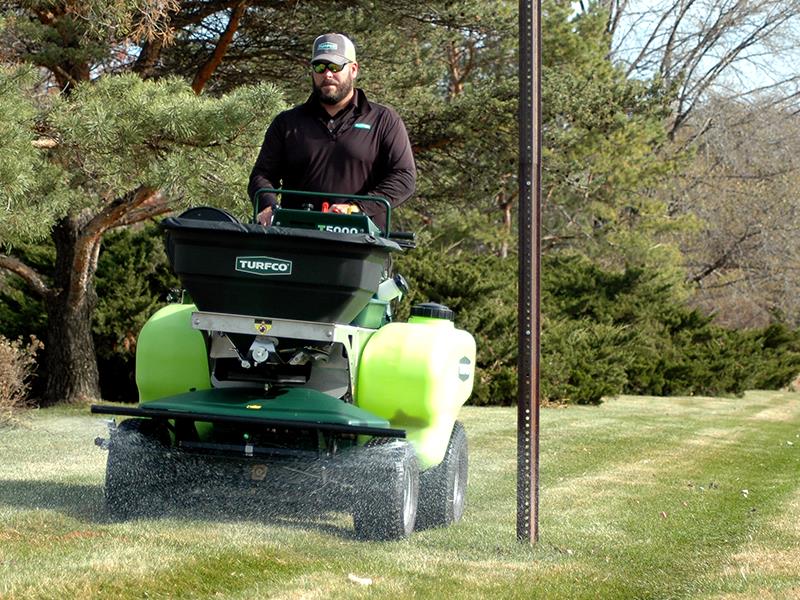
Checklist: Signs nitrogen is the problem
- The lilac is extremely vigorous with lots of soft new shoots but few or no buds.
- You fertilize the lawn nearby in spring and early summer, especially with a high first number (like 30-0-0).
- You regularly apply “all-purpose” fertilizer around the lilac without checking the nitrogen level.
- The plant has plenty of sun, but still refuses to bloom.
What to do
- Stop feeding nitrogen-heavy fertilizer to the lilac. Most established lilacs need little or no fertilizer unless a soil test shows deficiency.
- Avoid lawn fertilizer drift: Keep spreader passes away from the lilac’s root zone and sweep granules off hard surfaces back onto the lawn.
- If you add anything, go low-N: A thin top-dressing of finished compost is usually gentle. If a soil test suggests you need nutrients, choose a product that is low in nitrogen and apply sparingly, following label rates.
- Consider a soil test: If you want to fertilize precisely, a soil test helps you avoid guessing.
What to expect next season
After nitrogen is reduced, lilacs often return to blooming as they set buds later in summer. Expect improvement next spring, not instantly.
Cause 3: The plant is young (or recently transplanted)
Some lilacs need time. A young lilac may spend its early years building roots and framework branches before it flowers heavily. A transplanted lilac may also “pause” while it re-establishes.
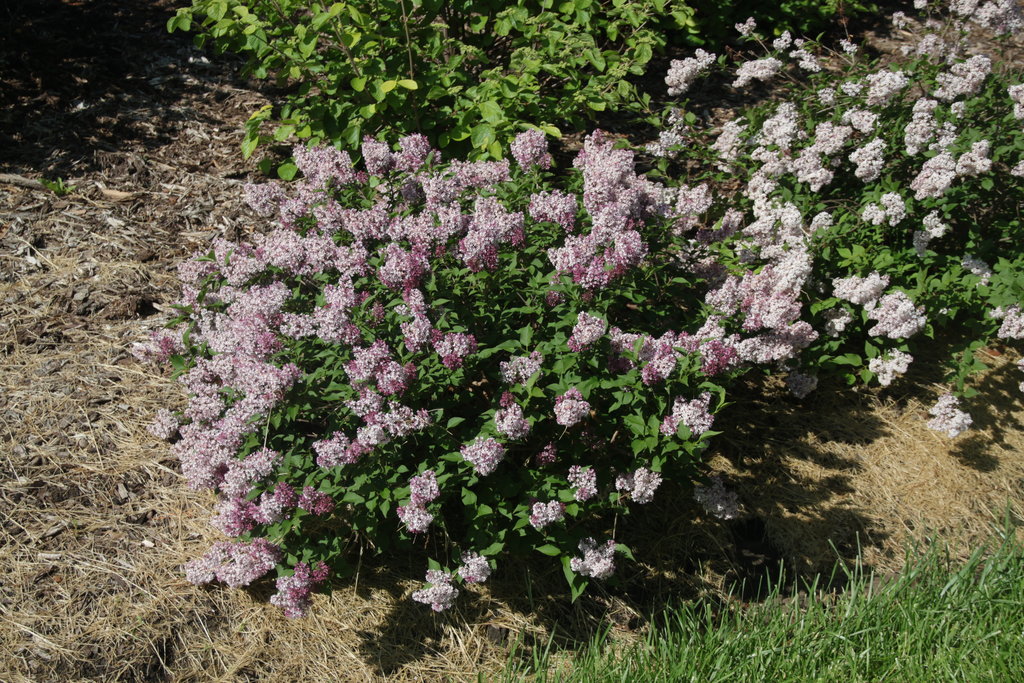
Checklist: Signs youth or transplant shock is the problem
- The lilac was planted within the last 1 to 3 years.
- It is still small, with thin stems and limited branching.
- It had buds before transplanting, then stopped blooming afterward.
- You are seeing healthy leaf growth, but the plant is not yet “woody and full.”
What to do
- Be patient, but consistent: Deep water during dry spells, especially in the first couple of years.
- Skip heavy fertilizing: Overfeeding can delay blooming further.
- Mulch wisely: Keep mulch a few inches away from the stems to prevent moisture issues at the base.
What to expect next season
Many lilacs begin to bloom more reliably once they are established and have a bit of mature wood. If everything else is right, the “no blooms” phase is often temporary.
Cause 4: Pruning at the wrong time (or too hard)
This is the classic lilac heartbreak. Lilacs set next year’s flower buds starting soon after they bloom and continuing into summer. If you prune later in summer, in fall, or in early spring, you may remove the buds you were hoping to see.
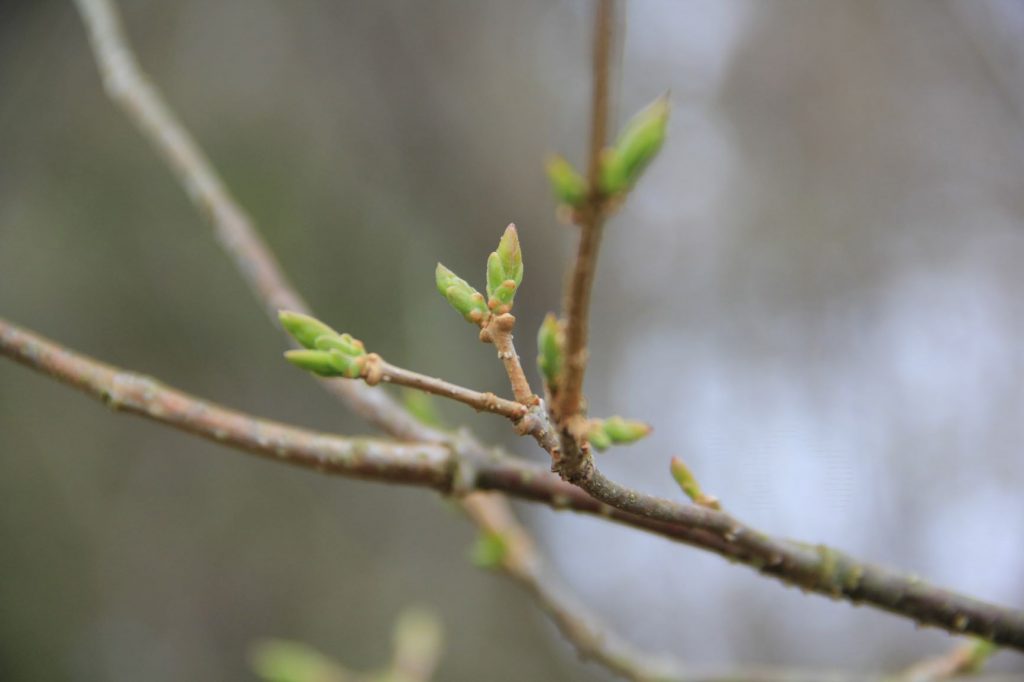
Checklist: Signs pruning is the problem
- You pruned the lilac after the post-bloom window or did a major cutback in fall or early spring.
- Someone sheared it like a hedge for shape.
- You cut back long stems and noticed many buds at the tips later on.
- The lilac bloomed in prior years, then stopped after a pruning session.
What to do
- Prune right after flowering: As soon as blooms fade is the safest window for shaping and thinning.
- Thin, do not shear: Remove some older stems at the base to improve light and airflow through the shrub.
- Go slow with rejuvenation pruning: If the shrub is very old or overgrown, remove a portion of the oldest stems at ground level each year over 2 to 3 years instead of cutting everything at once.
What to expect next season
If this year’s buds were pruned off, there is no way to re-create them in the same season. The goal is to protect bud-setting time this summer so you get flowers next spring.
Cause 5: Frost damage to flower buds
Lilacs are hardy, but flower buds can be vulnerable to late frosts or wild temperature swings. A warm spell can nudge buds forward, then a hard freeze can damage them.
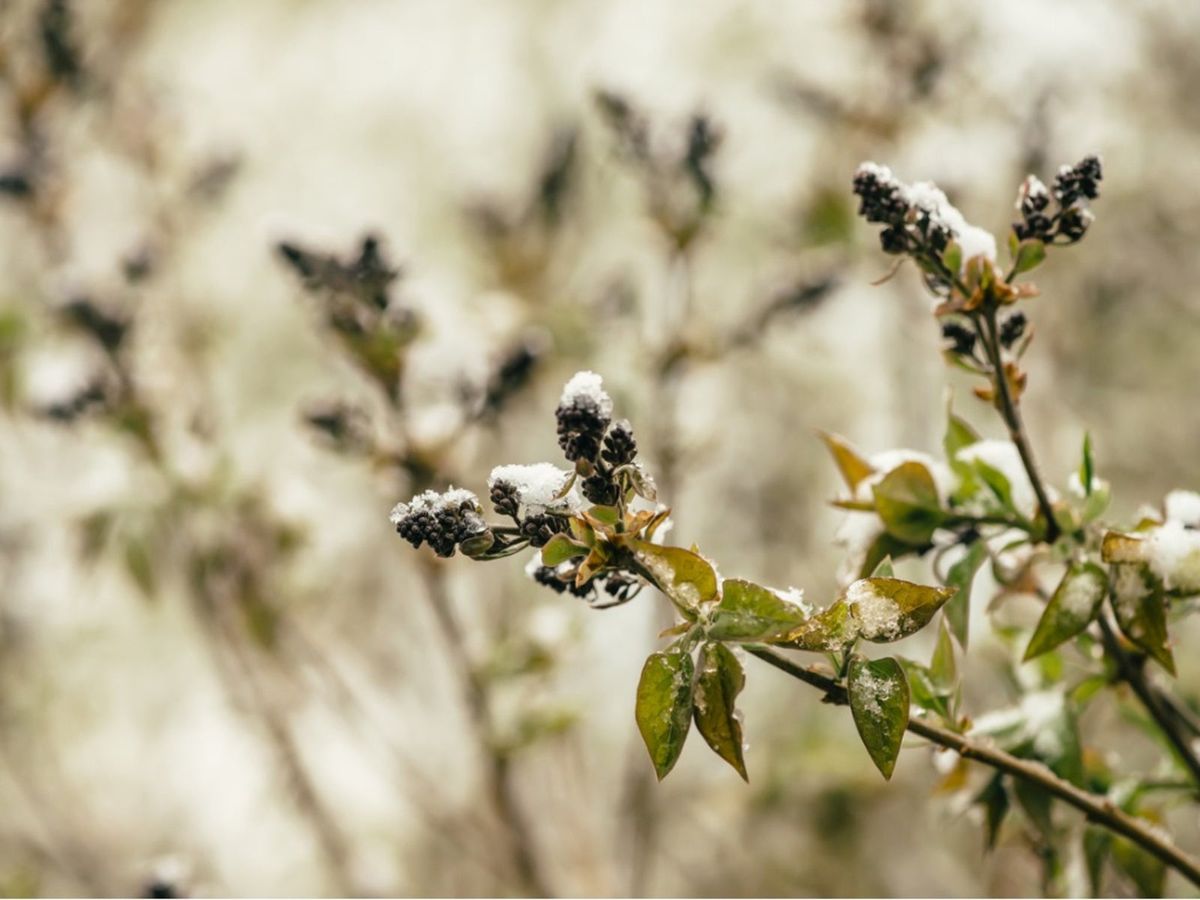
Checklist: Signs frost is the problem
- You saw buds earlier in spring, then they turned brown, shriveled, or never opened.
- Leaves look fine, but the buds look dry or blackened at the tips.
- A late freeze hit when buds were swelling or just starting to open.
- Damage is worse on exposed parts of the shrub and less severe in sheltered areas.
What to do
- Do not panic-prune: Wait and see what leaf and branch growth does. Removing too much can reduce next year’s bloom wood.
- Avoid pushing lots of tender growth early: Heavy nitrogen in early spring can encourage soft new shoots that are more easily nipped by late cold.
- Improve siting for the future: If possible, reduce exposure to harsh wind corridors. For shrubs in very frost-prone pockets, a more sheltered planting spot can help long-term.
What to expect next season
Frost damage is often a one-season event. If the shrub is otherwise healthy and you avoid late pruning, it can bloom normally next spring.
Cause 6: Soil pH is off
Lilacs generally prefer soil that is near neutral to slightly alkaline. If soil is too acidic, the plant may still grow leaves but struggle with nutrient availability and overall performance, including flowering.
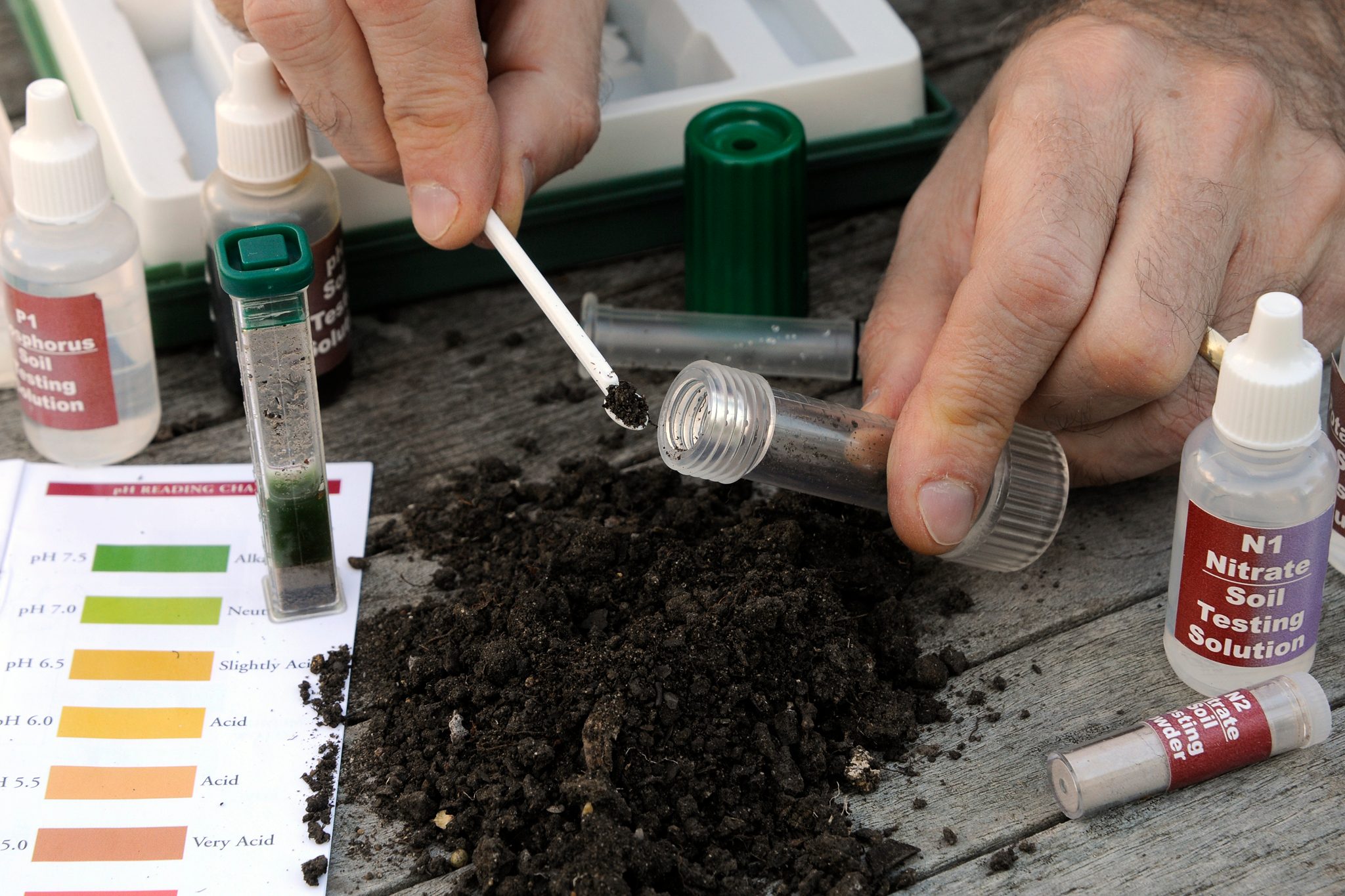
Checklist: Signs pH might be involved
- The lilac has steady leaf growth but looks a bit pale or underwhelming overall.
- You live in an area known for acidic soil, or you regularly add acidifying materials nearby.
- The shrub shares a bed with acid-loving plants, and the soil is managed for them.
- You have never tested the soil where the lilac is planted.
What to do
- Test before treating: Use a lab soil test or a reliable home test to check pH. A common target range for lilacs is roughly 6.5 to 7.5.
- Adjust gradually: If soil is acidic, gardeners often use lime to raise pH, but the right amount depends on your current pH and soil type.
- Rethink amendments: Avoid repeatedly adding materials that lower pH in the lilac’s root zone.
What to expect next season
pH adjustment can take time, often months to a year, because it depends on moisture, soil biology, and incorporation. Improvements may show gradually over one or two seasons.
Cause 7: Too dense or too old
A lilac can be healthy, sunny, and still bloom poorly if it has turned into a thicket. When the center gets crowded, light and airflow drop, and flowering wood tends to migrate to the outer edges.
Checklist: Signs crowding is the problem
- The shrub is very dense, with lots of thin stems and little light reaching the center.
- Blooms (if any) happen mostly on the outside.
- You see a lot of older, thicker canes and few vigorous new shoots coming from the base.
What to do
- Thin at the base: Right after flowering, remove a few of the oldest canes at ground level each year to open the shrub.
- Aim for balance: Keep a mix of younger and mid-aged stems. Do not remove more than about a third of the shrub in one season if you want to keep some bloom potential.
What to expect next season
You may see gradual improvement as light reaches more of the plant and new stems mature. This one is a slow, satisfying fix, not an overnight miracle.
Cause 8: Deer or rabbit browsing
This one is sneaky because it can look like the lilac “just didn’t bloom.” Deer and rabbits often nip off the very tips that carry the fattest buds.
Checklist: Signs browsing is the problem
- Branch tips look cleanly clipped or torn, especially after winter.
- Buds were present, then mysteriously disappeared before opening.
- You see deer activity in the yard, or rabbit tracks and droppings near the shrub.
What to do
- Protect the shrub in winter: Physical barriers work best. A simple fence ring or mesh guard can save budded tips.
- Prune after bloom season only: If browsing already removed tips, focus on good care and let the shrub set buds again in summer.
What to expect next season
Once browsing is prevented, lilacs often bounce back quickly, assuming the plant is otherwise healthy and gets enough sun.
Your next-season bloom checklist
If you want a simple plan you can follow without overthinking the whole shrub, here is the tidy version.
- Sun: Aim for 6 or more hours of direct sun. Fewer hours can still bloom for some plants, but more sun usually means more flowers.
- Feeding: Avoid high-nitrogen fertilizer. Be cautious with lawn fertilizer nearby. Skip fertilizer unless a soil test suggests you need it.
- Pruning: Prune only right after flowering. Thin older stems rather than shearing the whole plant.
- Water: Deep water during dry spells, especially in summer when buds are being set.
- Buds: In late winter, look for plump buds at branch tips. No buds usually means a light, nitrogen, crowding, or stress issue.
- Soil: If blooms are chronically weak, test pH and correct slowly if needed.
- Browsing: If tips go missing over winter, protect the shrub before buds swell.
FAQ
Will Epsom salt make my lilac bloom?
Not reliably. Magnesium is only helpful if your soil is actually deficient, and most bloom issues trace back to sun, pruning timing, and nitrogen. If you are tempted to add something, a soil test is the calmest next step.
Should I deadhead lilac flowers?
Deadheading can help the plant put energy into growth instead of seed production, and it can make the shrub look neater. It will not fix shade or bad pruning timing, but it is a good habit after blooming.
My lilac bloomed once and then never again. What happened?
The most common culprits are late pruning and increasing shade as nearby trees or shrubs grew. Check sun hours first, then think back to when it was pruned.
How can I tell if my lilac has flower buds?
In late winter or early spring, look at the tips of branches. Flower buds are usually larger and rounder than leaf buds. If you see mostly small, pointed buds and no plumper tips, the shrub likely did not set many flowers last summer.
Could disease or pests stop blooms?
Sometimes, but it is not the first place I look. Powdery mildew is common and usually more cosmetic than catastrophic. Bigger stressors like borers, scale, severe drought, or repeated defoliation can reduce blooming over time. If the shrub also looks weak, has dieback, or you see holes and sawdust-like debris on stems, investigate pests and overall health.