
Should You Cut Off Hosta Flower Stalks?

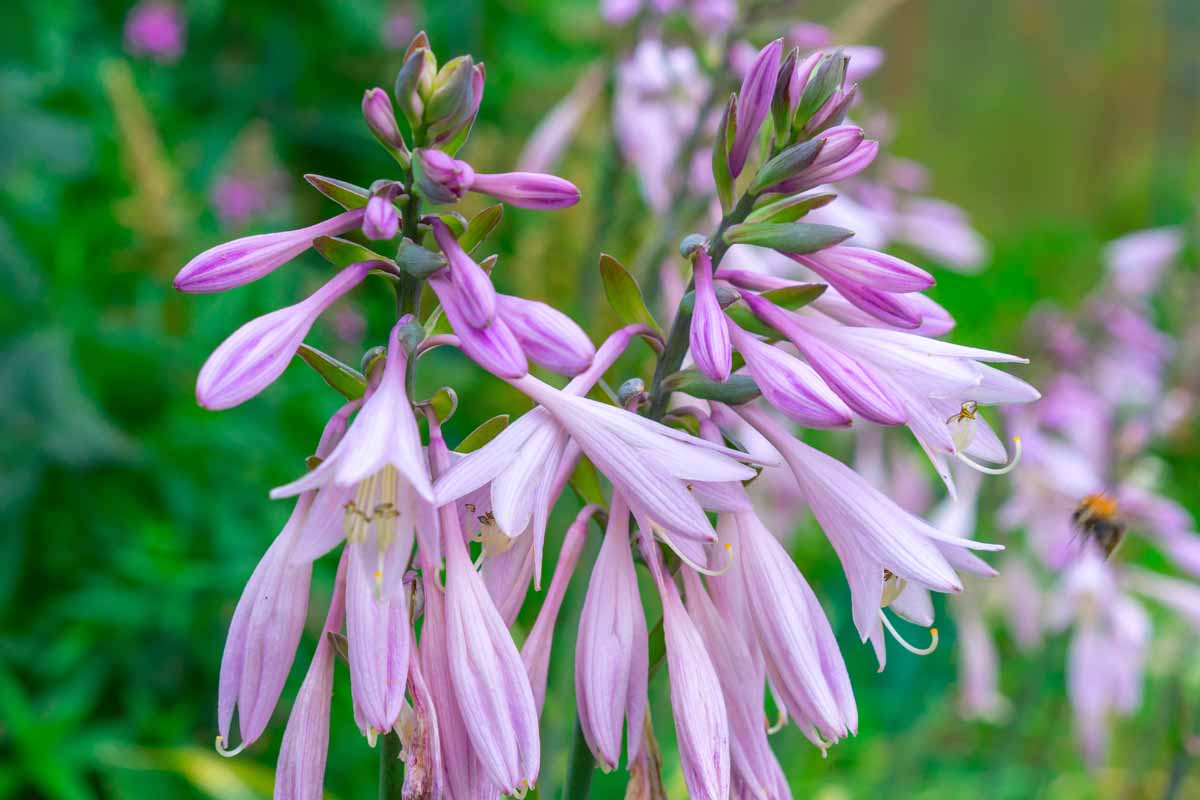
The first time I grew hostas in a too-small city courtyard, I treated every flower stalk like a tiny victory flag. I let them all bloom, then watched those tall scapes flop and rattle in the wind while my poor plants looked a bit exhausted by August. These days, I still love a hosta bloom, but I am much more intentional about whether I keep the stalks or snip them.
Here is the good news: cutting off hosta flower stalks is optional. It is a bloom-season choice, not a plant health emergency. The “right” move depends on what you want from your hosta that year: tidier foliage, longer-lasting leaves, flowers for pollinators, or seed for experimenting.

What you are cutting
Hostas send up flower stalks called scapes. They emerge from the crown, grow above the leaves, and hold buds, blooms, and later seed pods.
Cutting a scape is not the same thing as cutting hosta leaves back. When you remove a scape, you are just removing the flowering stem. The leafy mound stays in place, continuing to photosynthesize and store energy for next year.
Should you cut them off?
Most of the time, yes, I remove them after the blooms fade, especially on hostas I grow mainly for foliage. But there are perfectly good reasons to leave them longer.
Reasons to cut scapes off
- You want the cleanest foliage display. Many varieties look their best as a neat mound. Spent stalks can make the clump look messy.
- You want to limit seed set. Once pollinated, the plant can put energy into developing seed pods. Removing scapes can reduce energy spent on seed production, especially on heavy-blooming plants.
- You want fewer flop-over stalks. Some varieties lean, snap in storms, or sprawl across nearby plants.
- You want to simplify midseason maintenance. Cutting old scapes is quick and makes the whole bed feel “reset.”
Reasons to keep scapes on
- You enjoy the flowers. Some hostas are grown partly for bloom, especially fragrant types and white-flowering varieties.
- You want pollinator activity. Bees commonly visit hosta flowers. Hummingbirds may visit too, depending on the variety and what else is blooming nearby.
- You want to try growing hostas from seed. Seed pods only form if you leave the scapes long enough.
Bottom line: If you are on the fence, let the flowers bloom, then cut the scape once it stops looking good. That is the sweet spot for most home gardens.
Best times to cut scapes
You have a few low-risk times to remove hosta flower stalks. Choose the one that matches your goals.
Option 1: Cut when scapes appear
This is for gardeners who want maximum foliage focus. If you dislike the look of scapes, or you want the clump to keep its perfect shape, you can snip the stalk when it is still short.
- Pros: Clean look all season, no flopping, no seed pods.
- Cons: No flowers for you or pollinators.
Option 2: Cut after peak bloom
Let the flowers open and enjoy them for a week or two. Once most blooms are browning and the stalk is past its prime, cut it.
- Pros: You get flowers, then a tidy clump again. It can also limit how much energy goes into seed maturation.
- Cons: You will still see the stalk for a while in that messy middle of summer.
Option 3: Cut after seed pods form
If you are experimenting with seed, keep the scape until pods mature. This takes time and not every pod will be viable.
- Pros: Potential seeds for sowing.
- Cons: Stalks can look ragged late season and may pull some resources toward seed.
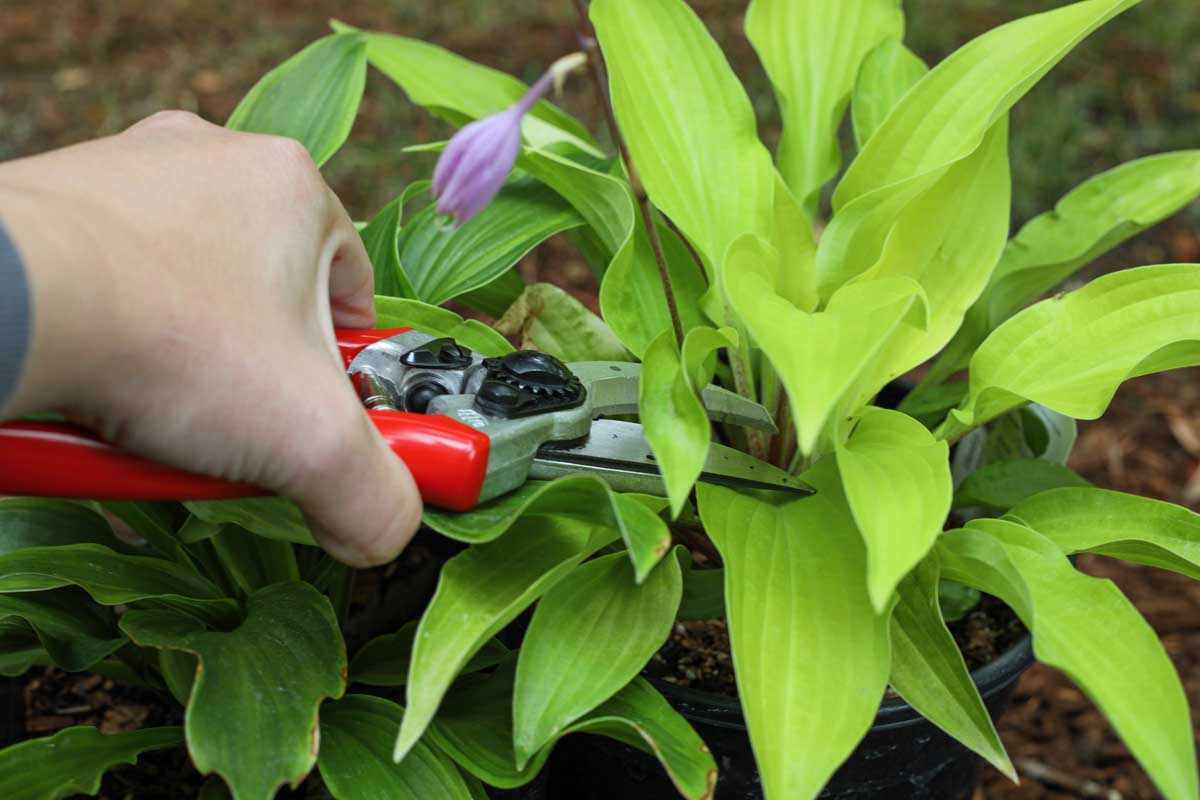
How to cut scapes cleanly
Hostas are forgiving, but clean cuts help avoid problems.
- Use sharp, clean pruners. A clean cut is less likely to tear tissue and is easier for the plant to seal off.
- Sanitize tools if you suspect disease. If you have any concern about virus or rot, wipe blades with rubbing alcohol between plants.
- Follow the scape down to the base. Gently part the leaves and find where the stalk emerges from the crown.
- Cut low, but do not gouge the crown. Snip as close to the base as you comfortably can while keeping the blades away from tender crown tissue.
- Remove the stalk from the bed. Compost is fine if it is healthy. If it looks slimy, moldy, or otherwise suspect, bag and trash it.
Most scapes cut easily with hand pruners. On very large clumps, you might prefer heavier pruners, but it is rarely necessary.
Are seed pods worth keeping?
This is where expectations matter. Hostas grown from seed are a bit like children. They are related to the parent, but they will not look exactly the same, especially if your hosta is a named cultivar.
Keep pods for a fun experiment
Growing hostas from seed is slow, but satisfying if you enjoy the long game.
- You may get unique leaf colors or shapes.
- It is a budget-friendly way to raise a lot of plants.
- It is genuinely delightful to see what shows up.
Skip pods for identical plants
If you want more of the same hosta, seed is usually not the route. The reliable way to duplicate a cultivar is division.
How to tell when pods are ready
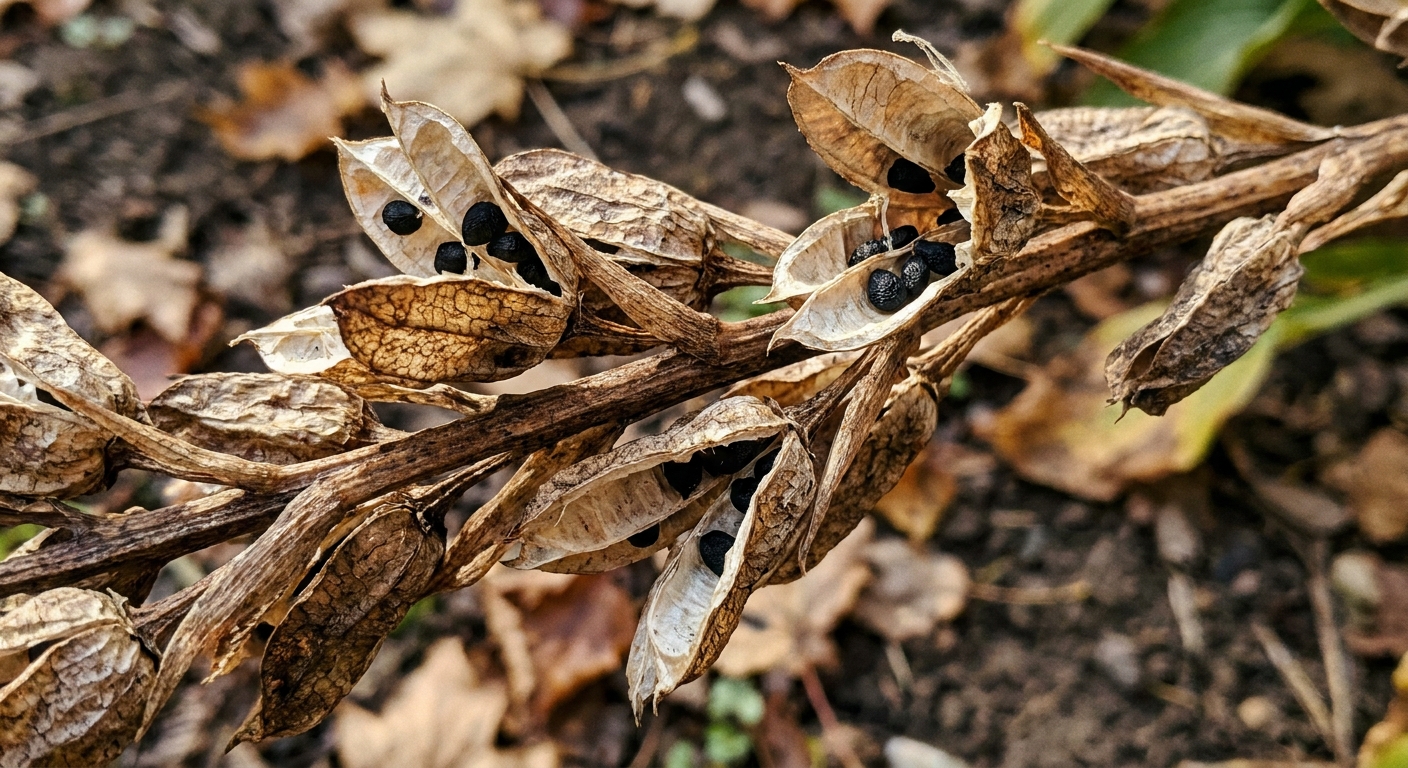
Hosta seed pods typically mature in late summer into fall. They are ready when:
- Pods turn brown and begin to dry.
- They start to split along seams.
- Seeds inside are black and firm.
Cut the scape, let pods finish drying in a paper bag somewhere airy, then shake out the seeds.
Will cutting scapes help leaves?
Sometimes, a little. Removing scapes can slightly improve the look of the planting and can reduce the plant’s push toward seed. But it will not fix leaf issues caused by site conditions or pests.
If your hosta leaves are struggling, start with basics like light and moisture. For a solid overview, see Hosta Care for Beginners.
- If leaves are being chewed, see: Slug damage on hostas
- If you are worried about mottling and distorted growth, see: Hosta virus symptoms
- If leaves are bleaching or crisping at the edges, see: Hosta sun scorch
Scapes vs fall cutback
This is the part that trips people up, so let me say it plainly: scapes are a summer grooming decision. leaf cleanup is a fall and winter decision.
What scape removal does
- You remove a stem above the leaves.
- The plant still has plenty of leaf surface to feed itself.
- It is mostly about appearance and limiting seed production.
What leaf cutback does
- You remove the plant’s solar panels.
- Timing matters because the plant needs the growing season to store energy for next year.
- Fall cleanup is usually done after frost damages the foliage and it begins to collapse.
If you are looking for fall timing and cleanup steps, head here: When to Cut Back Hostas in Fall.
Quick FAQ
Do hostas bloom again if you cut the stalks?
Usually no. Most hostas bloom once per season. Rebloom is uncommon, but an occasional plant may throw a small later flush depending on cultivar and conditions.
Should I deadhead individual hosta flowers?
You can, but it is usually easier to remove the whole scape once most blooms are fading. If you like a super tidy look, you can pinch off spent flowers as you walk the garden and then cut the stalk later.
Can I cut scapes off in late summer?
Yes. If the scapes are flopping or turning brown, go ahead and remove them. Just keep the leaves in place to finish out the season.
Will cutting scapes prevent hostas from spreading?
No. Hostas expand mainly by growing a larger clump over time. Removing scapes may reduce self-seeding, but it does not stop the clump from enlarging.
If I want more hostas, should I keep pods or divide?
For identical plants, divide. For a surprise assortment, try seed. If division is on your mind, see: Dividing Hostas and Perennials.
My simple rule
If you grow hostas for their leaves, let them flower if you enjoy it, then cut the stalk at the base once the blooms fade. If you want to try seed, keep a few scapes and snip the rest. Your hosta will not hold a grudge either way.
And if you catch me in the shade garden murmuring “thank you” to a particularly well-behaved clump, just know you are not alone. Gardening is allowed to be a little quirky.