
Rose of Sharon vs Hardy Hibiscus

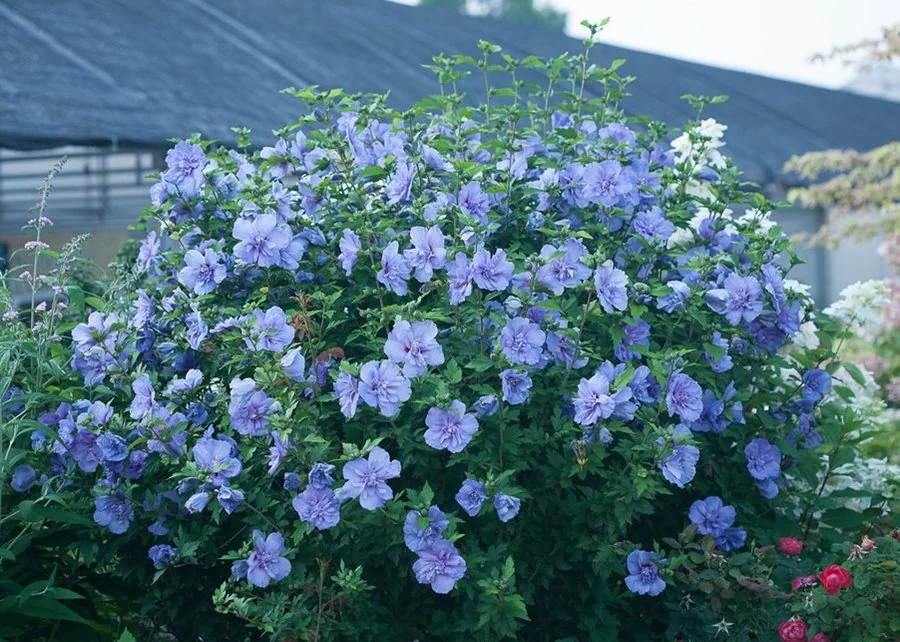
The first time I mixed these two up, I did what many of us do in early spring: I marched outside with pruners and confidence. The plant looked dead, so I treated it like a shrub and started cutting for shape. Weeks later, I learned my “dead shrub” was actually a hardy hibiscus that was simply taking its sweet time waking up.
Rose of Sharon and hardy hibiscus are both commonly sold as “hibiscus,” and they are most often in the genus Hibiscus. In gardens, that usually means Hibiscus syriacus (Rose of Sharon) versus Hibiscus moscheutos types and hybrids (hardy hibiscus). Depending on where you shop, “hardy hibiscus” can also include other closely related species and crosses. Either way, they can both put on a flower show that stops you mid-watering-can.
But their bodies are built differently. That difference is the whole key to telling them apart, and it matters a lot for what you do, and do not do, with your pruners in spring.

The quick ID
If you only remember one thing, make it this: Rose of Sharon is woody year-round. Hardy hibiscus is an herbaceous perennial that returns from the crown after winter.
- Rose of Sharon (Hibiscus syriacus): a deciduous woody shrub with permanent above-ground stems (branches) that persist through winter.
- Hardy hibiscus (most often Hibiscus moscheutos types and hybrids): an herbaceous perennial that typically dies back after frost and returns from the crown/roots in late spring.
That growth habit tells you what you are dealing with, even out of bloom.
Winter and early spring
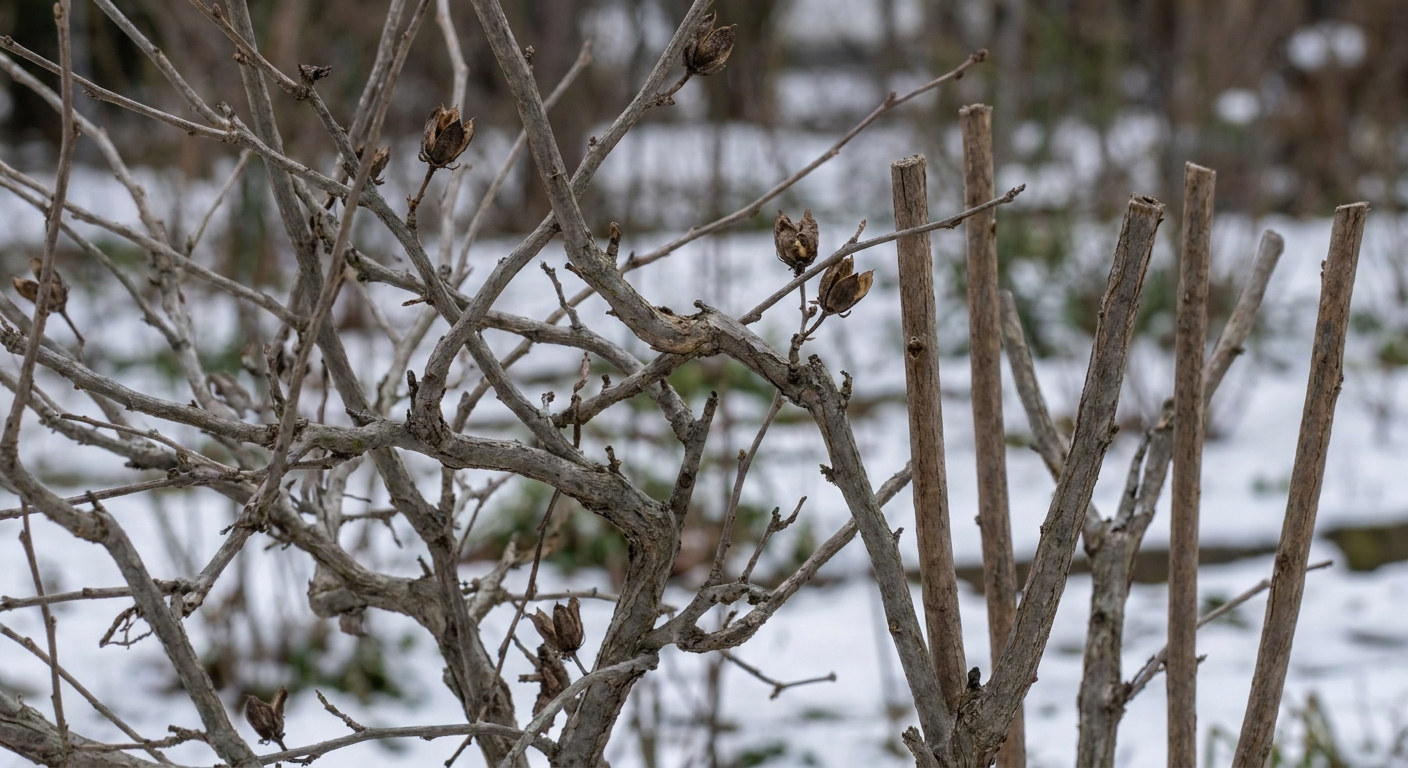
Rose of Sharon: woody stems stay up
In winter, Rose of Sharon looks like a shrub because it is one. You will see upright stems and branching structure above ground. The bark is woody, and older plants can develop a slightly rougher texture.
In spring, it leafs out on those existing branches. Buds swell along the stems, and green growth appears on wood that was alive all winter.
Hardy hibiscus: cut-back stalks and a late return
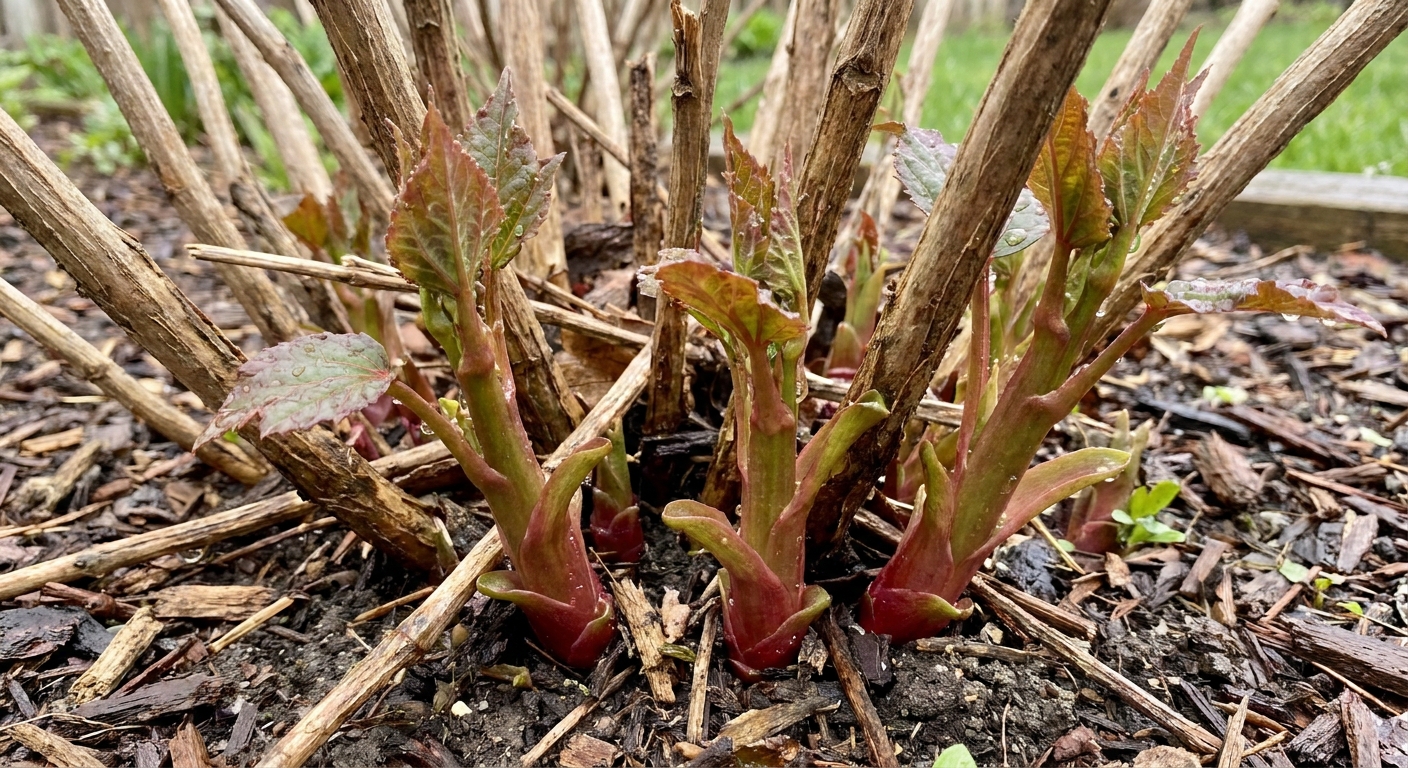
Hardy hibiscus is famous for making gardeners nervous in spring. After winter, you may see:
- a few dry, hollow-looking stalks from last year, often snapped by wind or snow
- short stubs near soil level
- no visible stems at all if it was cut back in fall or tidied by winter weather
In milder winters, a little more stem may linger, but the key is this: the plant’s real comeback happens from the crown at the soil line.
Then, later than you expect, thick new shoots push up from the base. This plant is often one of the last perennials to emerge, especially in cooler climates.
Flowers
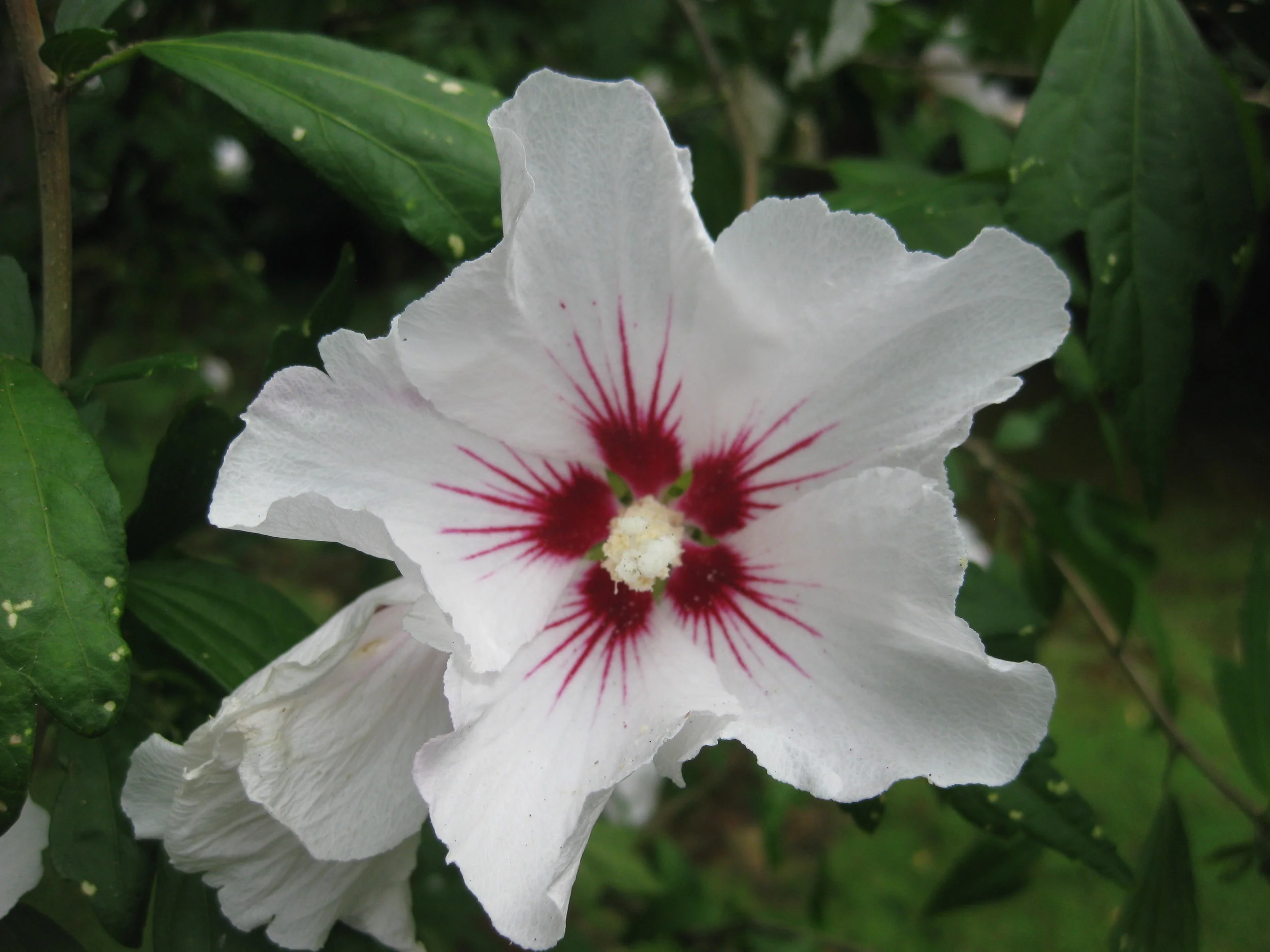
Flowers can look deceptively similar from a distance, but a few patterns help.
Rose of Sharon: blooms across a shrub
Rose of Sharon flowers are usually smaller than hardy hibiscus, but still generous. You will see them distributed across a woody shrub, often from mid to late summer into early fall. Many cultivars have single or double blooms, sometimes with a dark “eye” in the center.
Hardy hibiscus: very large blooms
Hardy hibiscus is the one known for the giant flowers. Depending on variety, blooms commonly land in the 8 to 12 inch range, and some cultivars can run larger. The plant tends to look like a big, leafy perennial clump that suddenly produces enormous blossoms near the upper portion of the season’s stems.
Leaves and stems
If your plant is leafy but not flowering yet, zoom in on the foliage and stems. Just keep in mind that leaf shape varies a lot by cultivar, especially for hardy hibiscus, so do not use leaves as your only test.
Rose of Sharon clues
- Stems: woody, branching, and persistent
- Leaves: typically medium green and somewhat glossy, often three-lobed or irregularly toothed (shape varies by cultivar)
Hardy hibiscus clues
- Stems: thick, green to reddish, not woody, produced fresh each year
- Leaves: generally larger and more matte, ranging from heart-shaped to lobed depending on species and cultivar
Both may have serrated edges and some lobing, so the stem texture is usually the more reliable clue: woody and branched (Rose of Sharon) versus thick seasonal stalks (hardy hibiscus).
Size and habit
If you are standing back trying to decide what you bought, overall shape helps.
- Rose of Sharon: typically a tall, upright shrub, often roughly 8 to 12 feet at maturity (sometimes trained as a small tree, and some cultivars stay smaller).
- Hardy hibiscus: a big perennial clump, commonly around 3 to 6 feet tall and wide depending on variety and growing conditions.
Spring cutting
This is where identification turns into plant-saving practical advice.
If it is Rose of Sharon
Because Rose of Sharon is a woody shrub, spring pruning is about managing permanent structure. You are working with living branches the plant will keep year to year. Cutting back is a shaping decision, and it can be used to control size and encourage a fuller habit.
If you want the full details on timing and technique, head to our dedicated page: Rose of Sharon Care and Pruning.
If it is hardy hibiscus
Because hardy hibiscus is an herbaceous perennial, spring “pruning” is usually a simple cutback of last year’s dead stalks near ground level, plus patience while it wakes up. You are not shaping woody branches because there are not any long-term woody branches to shape.
For the exact how-low-to-cut and when-to-wait guidance, head here: Hardy Hibiscus Care and Spring Cutback.
One gentle caution: if you are unsure, do not do major cutting above ground in early spring. Instead, scratch the stem lightly with your fingernail. Woody stems with green tissue under the bark suggest Rose of Sharon. Dry, hollow, brittle stalks that snap easily are more typical of last year’s hardy hibiscus growth.
Common mix-ups
“It comes back every year, but looks dead until June.”
That is classic hardy hibiscus behavior. It is late to emerge, especially after a cold spring.
“It has thin woody sticks all winter.”
That sounds like Rose of Sharon. It holds a woody framework year-round and blooms in late summer when many shrubs are winding down.
“The tag just said hibiscus.”
Nursery tags can be vague, and common names get tossed around. If you can find the botanical name:
- Hibiscus syriacus = Rose of Sharon (woody shrub)
- Hibiscus moscheutos (and many labeled hybrids) = hardy hibiscus (die-back perennial)
If the tag says “tropical hibiscus” or Hibiscus rosa-sinensis, that is a different plant entirely and is not winter-hardy in most climates. If you suspect that is what you have, see: Indoor Tropical Hibiscus Care.
Quick checklist
- Woody branches visible in winter: Rose of Sharon
- Returns from the soil line each year: hardy hibiscus
- Smaller blooms scattered over a shrub canopy: Rose of Sharon
- Very large blooms on fresh seasonal stems: hardy hibiscus
FAQ
Can Rose of Sharon die back to the ground?
In very cold winters, or if it is newly planted and not well established, Rose of Sharon can suffer dieback. But its growth habit is still woody shrub growth. If it survives, it regrows from living wood or from the base, and it will rebuild a shrub framework over time.
Should I cut a dead-looking hibiscus down in early spring?
If you have confirmed it is hardy hibiscus, you can cut dead stalks back near the ground. If you have confirmed it is Rose of Sharon, prune as a shrub, not as a ground-level cutback. When in doubt, wait for buds or do a small scratch test first.
Do they like the same growing conditions?
They overlap in enjoying sun and decent soil, but their care routines are not identical. Rather than repeat full care instructions here, use the care pages linked above to match watering, feeding, and pruning to the correct plant.
Will Rose of Sharon spread?
It can. Rose of Sharon is known to self-seed in some gardens, depending on the cultivar and local conditions. Many newer cultivars are less likely to seed heavily. Hardy hibiscus is usually not as weedy, though any plant can surprise you if it is happy.