
Pansies vs Violas: Size, Hardiness, and Which to Plant

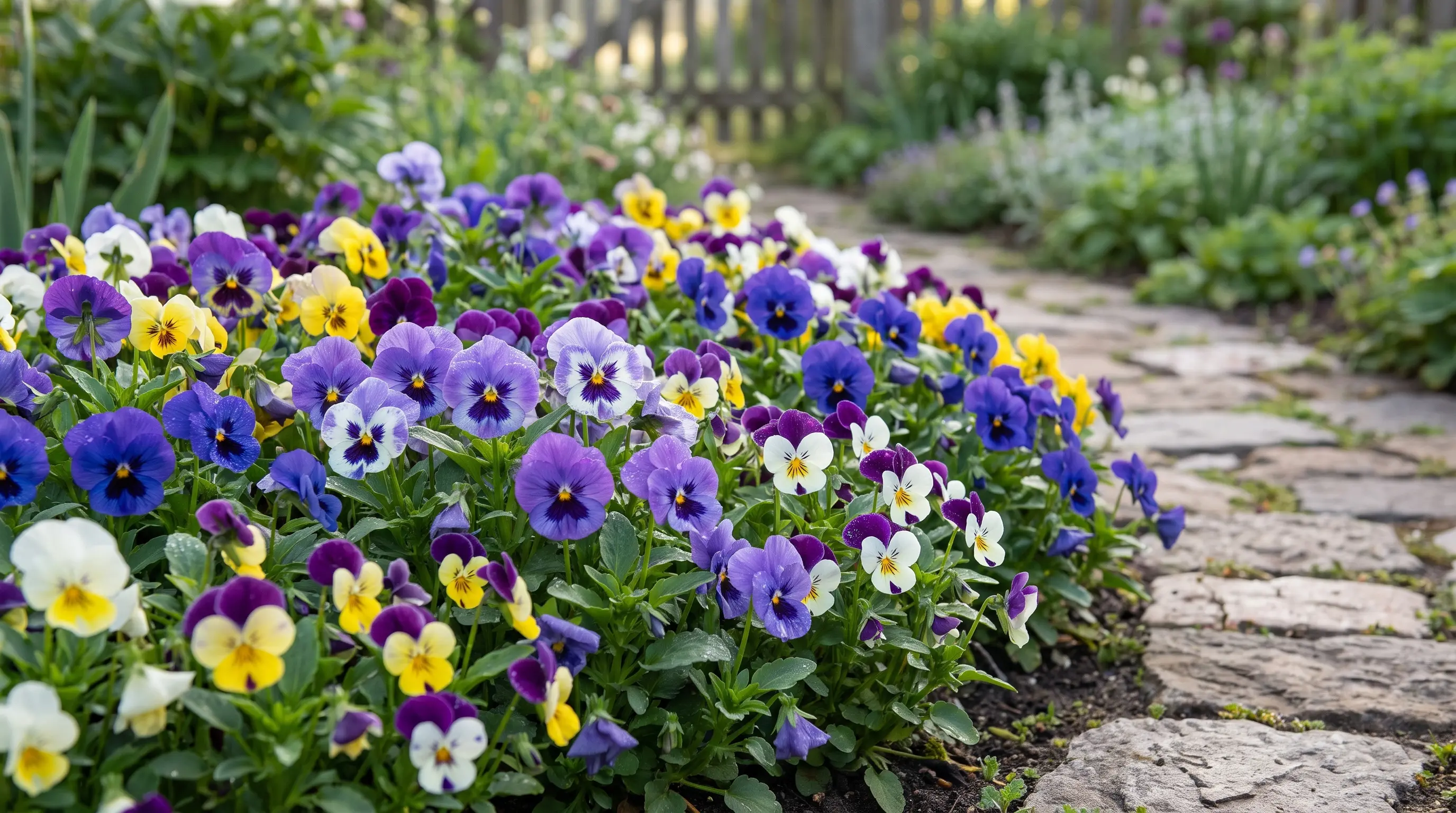
The first time I realized pansies and violas were not the same plant with different price tags was on a windy March afternoon at my local nursery. I was standing there with cold hands and big spring feelings, trying to pick something cheerful for a front pot. The pansies were practically shouting with those dinner-plate faces. The violas were quieter, smaller, and somehow tougher-looking, like they had already made peace with bad weather.
If you are choosing between them, you are asking a shopping question, not a care question. Here’s how to pick the right one for your space, your climate swings, and your patience level.

Quick takeaway: the simplest way to choose
If you want the fastest, boldest color impact up close, choose pansies. If you want more blooms over time and generally better stamina through temperature swings, choose violas.
- Go pansy for big flowers, “face” patterns, and statement containers near doors and walkways.
- Go viola for longer blooming stretches, smaller flowers that keep coming, and a softer, meadowy look in beds and mixed planters.
Pansies vs violas: what they actually are
Both pansies and violas belong to the genus Viola. Garden “pansies” are typically larger-flowered hybrids derived in part from Viola tricolor. “Violas” sold for bedding are usually smaller-flowered types, often called tufted violas or horned violets, commonly linked to Viola cornuta breeding.
That family connection is why they share the same general vibe: low mounds of green leaves and friendly cool-season flowers in purples, yellows, whites, blues, oranges, and near-black. The differences show up in size, temperature tolerance, and growth habit.
Flower size and overall look
Pansies: big, bold, and close-up friendly
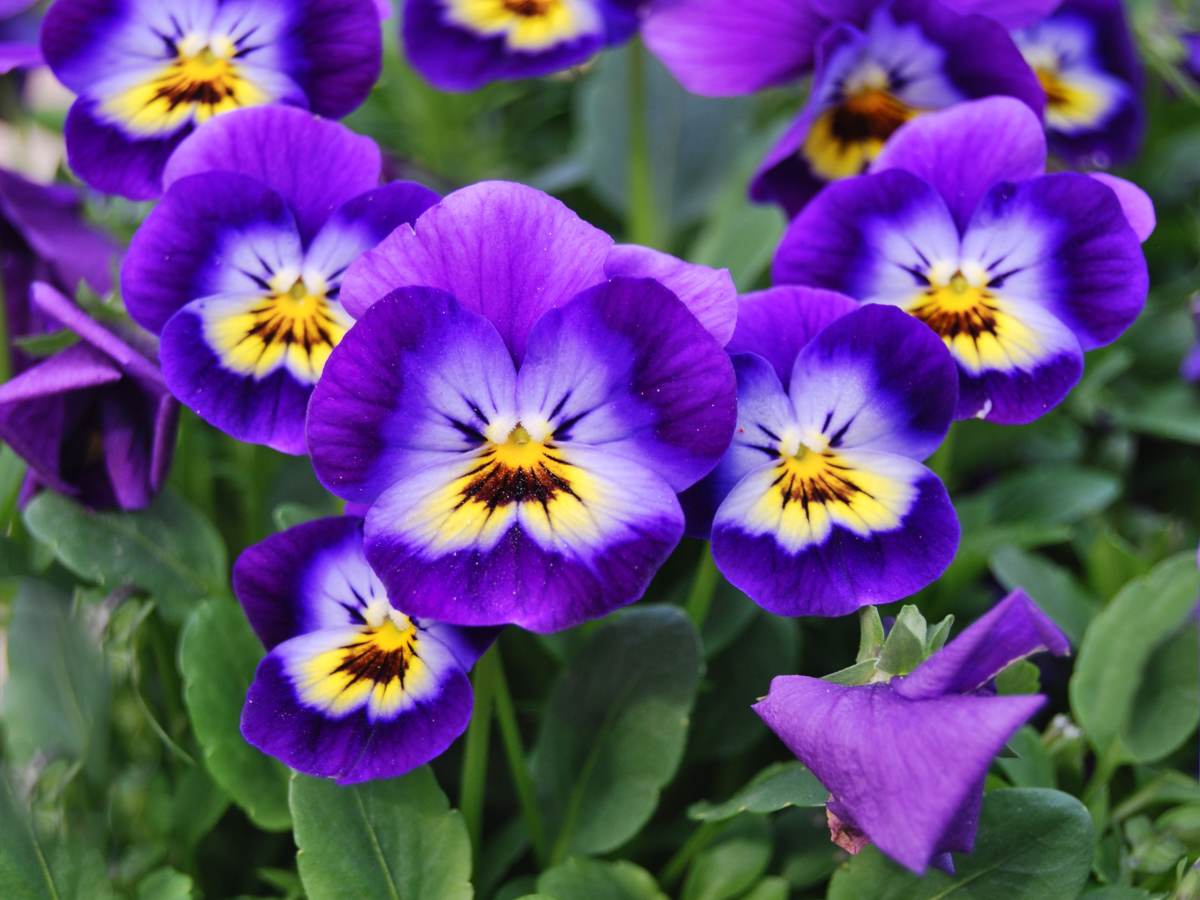
Pansies are the ones with the larger blooms and the classic “face” markings. In the garden, they read as chunky color blocks. If you are planting where people will see them from a few feet away, pansies deliver that immediate wow.
- Typical bloom size: larger, showier blooms (often around 2 to 3+ inches across, depending on variety and conditions).
- Visual effect: fewer flowers needed to make a statement.
Violas: smaller flowers, but lots of them
Violas have smaller blooms, usually with a more delicate, airy look. But they tend to produce more flowers per plant, so the overall display can be surprisingly full. In beds, violas blend beautifully with bulbs and spring greens. In containers, they tuck into edges and gaps like they were born there.
- Typical bloom size: smaller (often around 1 to 1.5 inches across).
- Visual effect: a confetti scatter of blooms rather than big faces.
My rule of thumb: If you want the flowers to be the main character, pick pansies. If you want flowers that play well with others, pick violas.
Cold hardiness: who handles chill best?
Both pansies and violas are cool-season champions. They are at their happiest when days are crisp and nights are chilly.
Violas tend to be the steadier cold performer
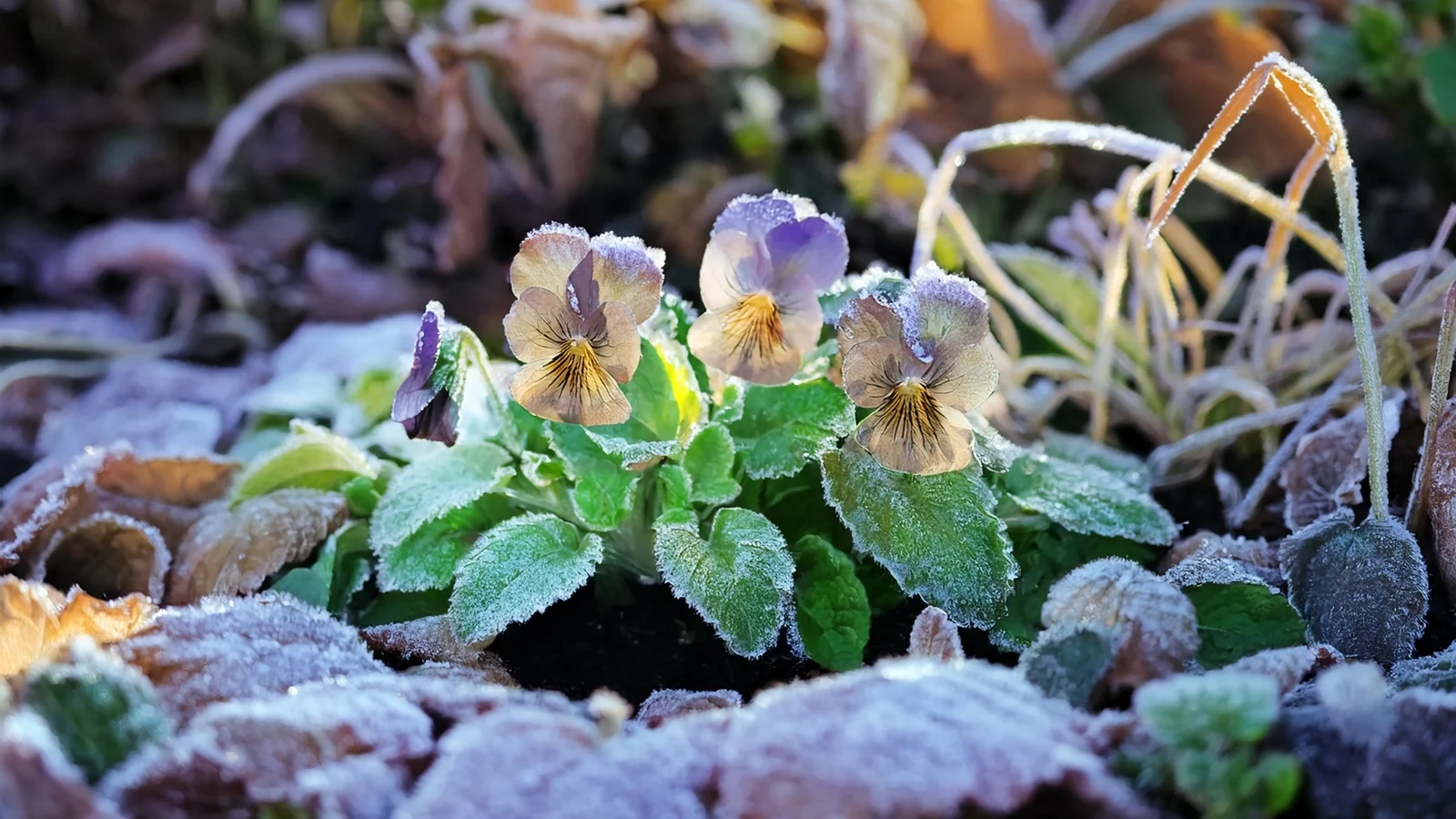
In many gardens, violas come through cold snaps with less fuss and bounce back quickly. Their smaller blooms are simply less likely to look battered after a rough night.
Pansies are cold-tough, but blooms can look weathered
Pansies are also impressively cold hardy for a flowering plant. The main difference is cosmetic: those big petals can get tattered more easily in wind, ice, or heavy rain. The plant may be fine, but the flowers can look tired faster.
If you get late frosts and spring storms: violas usually keep a tidier look.
Heat behavior: who lasts longer when spring turns to summer?
Neither plant truly loves heat. Once temperatures climb, both will slow down and eventually decline, especially in full sun. But when it comes to hanging on through warming weather, violas usually last longer.
Violas: more likely to keep blooming into warm spells
Because violas have smaller flowers and often a more vigorous flowering habit, they can keep going longer in that in-between season when mornings are cool but afternoons start feeling like early summer.
Pansies: earlier peak, earlier fade
Pansies often peak hard and fast in cool weather, then look leggy or worn sooner as heat settles in. They are still worth it if you want that early-season punch, just expect a shorter window in warmer climates.
If your spring goes from 55°F to 85°F in about ten minutes: violas are the safer bet.
Spreading habit and plant shape
Pansies: mounding, more “placed” than “spreading”
Pansies typically form a neat mound. They fill their spot, but they do not usually roam. This makes them predictable in formal borders and symmetrical pot designs.
Violas: often more free-flowering and lightly spreading
Many violas have a slightly looser habit. They can broaden out and knit together, especially in beds. Some types also self-sow lightly in hospitable gardens, popping up in sweet, surprising places the next season.
If you want a tidy checkerboard: pansies. If you want a soft drift of color: violas.
Best uses: garden beds vs containers
Where pansies shine
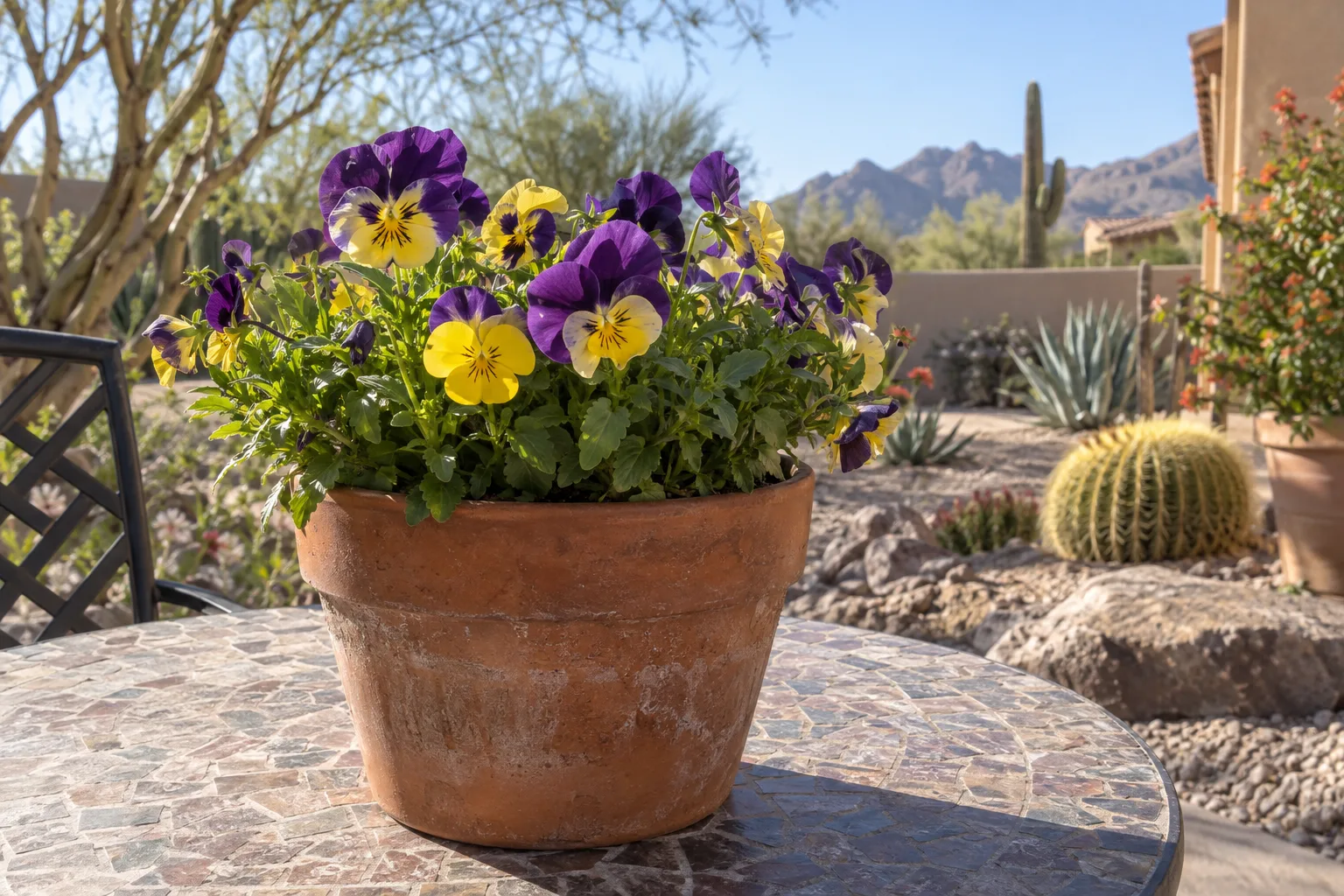
- Front-door containers and window boxes: big blooms read beautifully from the sidewalk.
- Edging a path or entry: the bold faces make a clear line of color.
- Small spaces that need impact: balcony pots, porch planters, tiny courtyard beds.
Where violas shine
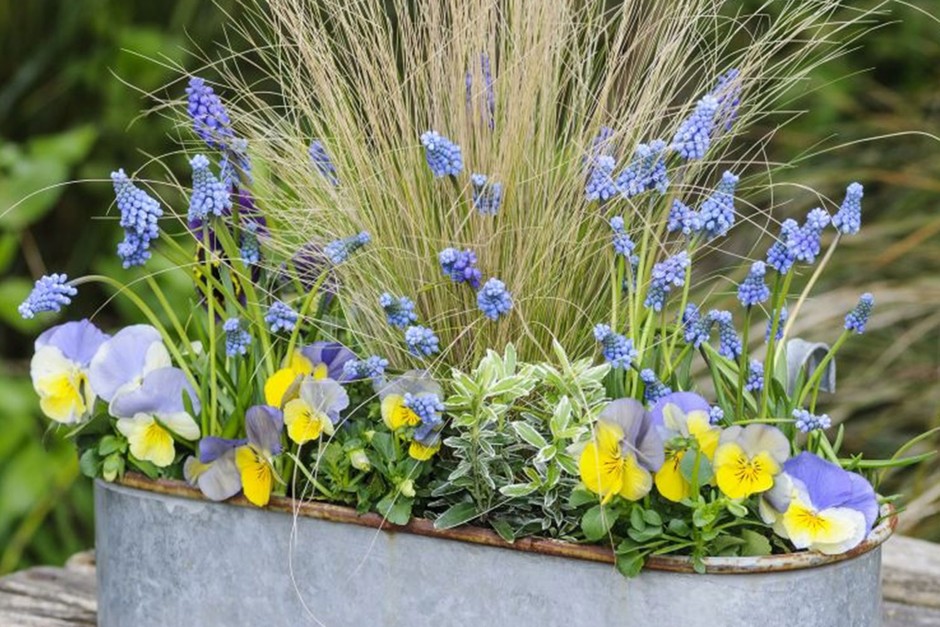
- Mixed containers: violas weave between other plants without overpowering them.
- Garden beds with bulbs and spring perennials: they fill gaps like living mulch with flowers.
- Large drifts: the smaller blooms create a naturalistic, romantic effect when planted in groups.
A personal favorite move: pansies in the center of a pot for drama, violas around the edge for constant bloom and a softer finish.
Shopping tips so you buy the right plants
Nursery benches can be a blur of color. These quick checks help you choose strong plants, whether you pick pansies, violas, or both.
- Look for dense foliage: compact plants usually establish faster than lanky ones.
- Check the crown: avoid plants with mushy, dark stems at soil level.
- Flip a leaf: skip anything with heavy spotting, sticky residue, or lots of tiny insects.
- Choose buds over full bloom: a plant loaded with buds tends to last longer after planting.
Which should you plant? Scenario-based picks
Choose pansies if you want…
- Big blooms for photos, curb appeal, and instant color
- A polished, intentional look in pots and borders
- Strong cool-weather performance with dramatic flowers
Choose violas if you want…
- More flowers over time, even though each bloom is smaller
- Better tolerance of temperature swings and rough weather
- A natural, drifting look in beds and mixed planters
Choose both if you want the best of everything
If you cannot decide, you do not have to. Pairing them is one of the easiest ways to make a cool-season planting look layered and lush: pansies for bold focal points, violas for filler and continuity.
FAQ
Are pansies just big violas?
They are closely related, but garden pansies are bred for larger flowers and a different overall look. Violas are typically smaller-flowered and often bloom more freely.
Do violas come back every year?
It depends on the type and your winter conditions. Many bedding violas are grown as cool-season annuals, but some can behave like short-lived perennials in mild climates, and some may self-sow.
Do pansies and violas attract pollinators?
Yes. In cool seasons when not much else is blooming, they can be a helpful nectar source for early bees, especially when planted in clusters.
Can I plant them together in one pot?
Absolutely. They have very similar needs, and the mixed bloom sizes look charming together.