
Southern California Monthly Planting Schedule

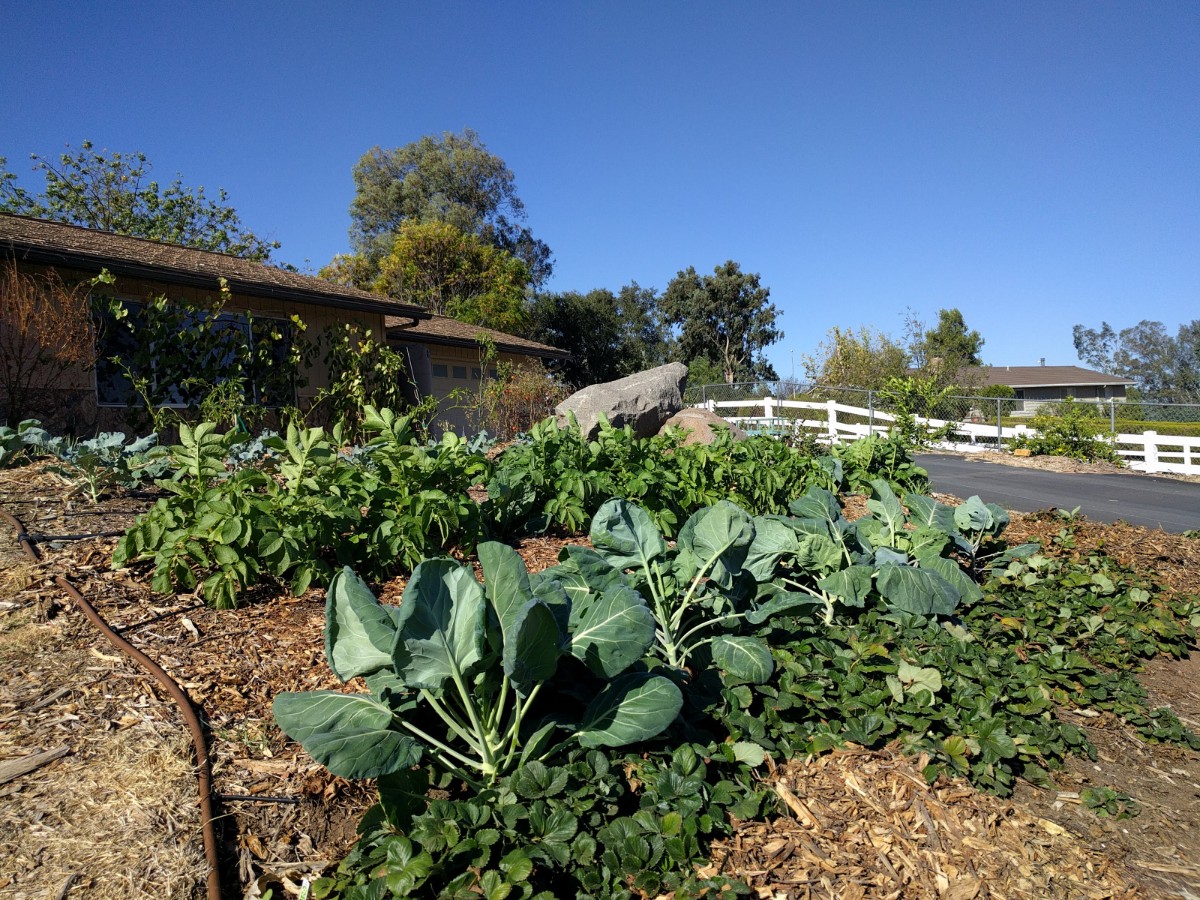
Southern California gardening is a little like living with a friendly dragon. Most of the year it is warm, generous, and full of possibility, but the heat can singe your plans if you plant at the wrong moment. The good news is that once you follow a simple monthly rhythm, SoCal becomes one of the easiest places to grow food and flowers almost year-round.
This schedule is built for the three big realities of our region: mild coastal winters, hotter inland summers, and the occasional surprise frost in foothills and valley pockets. Use it as a starting point, then fine-tune based on your zip code, your garden’s sun exposure, and what your soil is telling you.

Before you follow any schedule
1) Know your microclimate
- Coastal: cooler summers, fewer frosts, longer spring and fall. Great for leafy greens and herbs almost anytime.
- Inland valleys: warmer days, bigger heat spikes. Warm-season crops thrive, but summer timing and shade matter.
- Foothills: can get real frost. Treat winter and early spring more like a colder zone.
- Desert edges: two main growing seasons (fall through spring, plus heat-tolerant summer crops). Summer planting needs protection.
2) Track two dates
- Last frost: can be as early as December or January near the coast and as late as March or April in frost pockets and foothills.
- First heat wave: often late May through July inland. It matters just as much as frost.
3) The SoCal secret: soil and watering rhythm
If you do nothing else, do these three things and your planting success rate jumps:
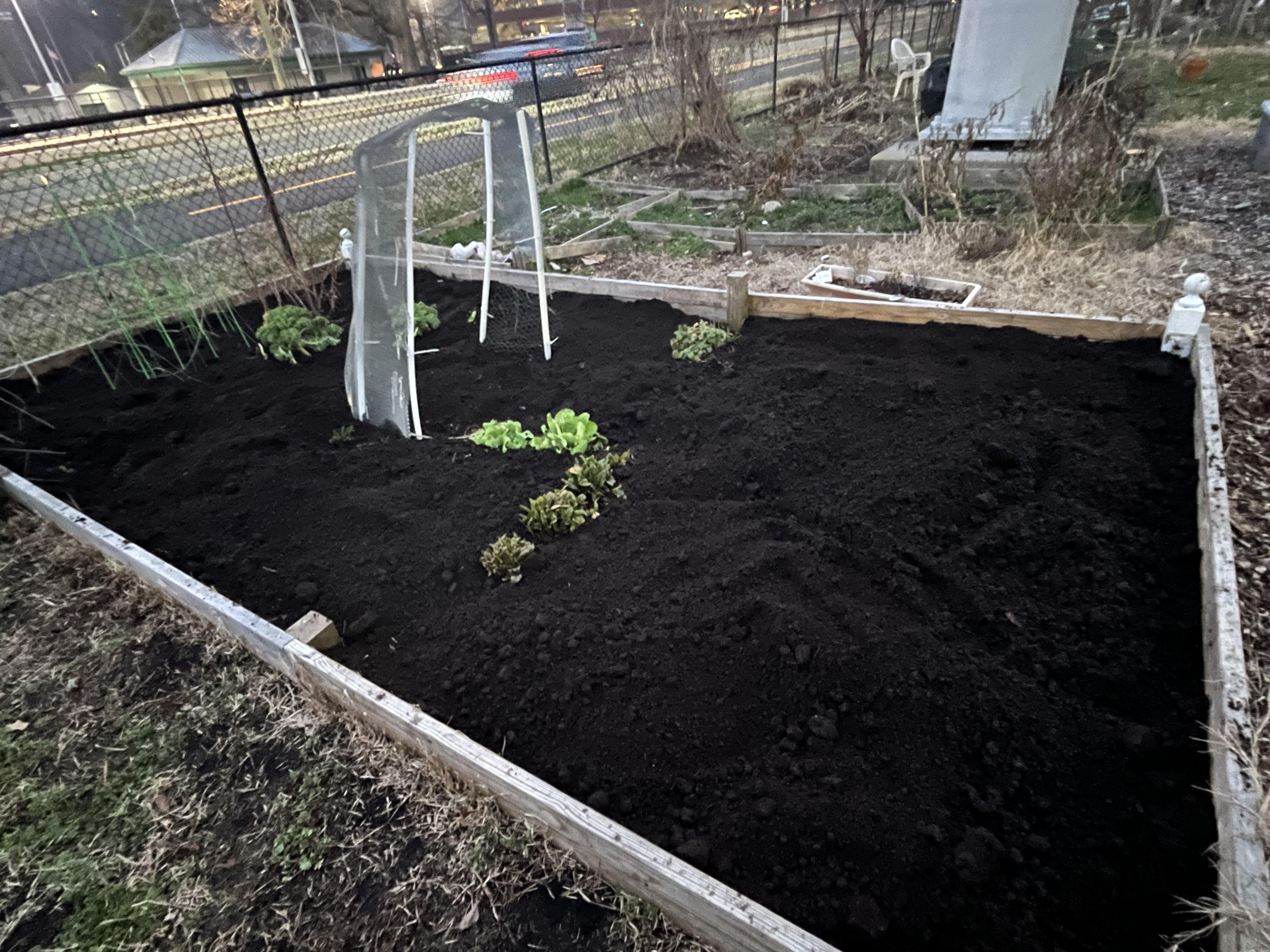
- Compost: top-dress beds 1 to 2 inches a few times a year.
- Mulch: keep 2 to 4 inches over bare soil to steady moisture and protect soil life.
- Water deeply: fewer, deeper waterings beat daily sprinkles for most plants.
Quick timing cues (SoCal)
Use the calendar as your rhythm, then let temperatures be the final vote.
- Tomatoes: transplant when nights are mostly 55°F or warmer and soil feels warm. Starting indoors works best 6 to 10 weeks before transplant with strong light and steady warmth.
- Peppers and eggplant: happiest when nights are mostly 60°F or warmer. Start indoors 8 to 12 weeks ahead only with good light and warmth.
- Beans: direct sow when soil is about 60°F or warmer.
- Corn: direct sow when soil is about 60°F or warmer for reliable germination.
- Cucumbers and squash: direct sow once soil is about 65°F or warmer. If you start indoors, do it only 2 to 4 weeks before transplant and disturb roots as little as possible.
Succession planting tip: in cool seasons, sow fast crops like lettuce, radishes, and cilantro every 2 to 3 weeks for steady harvests.
Monthly planting schedule (SoCal)
Each month includes what to start from seed, what to transplant, and what to do in the garden. If you are coastal, you can usually start a little earlier and keep cool-season crops going longer. If you are inland or desert, lean into fall and winter planting, and protect plants during summer heat.
January
- Sow (direct): carrots, beets, radishes, turnips, peas (cool areas), spinach, arugula, lettuce mixes, cilantro.
- Start indoors: tomatoes, peppers, eggplant (only with strong lights plus warmth, and only if you have space to pot up). Otherwise, wait for February or March.
- Transplant: broccoli, cabbage, cauliflower, kale, chard, lettuce, onions, strawberries.
- To-do: cover beds during cold snaps, watch for slugs, keep soil lightly moist for germination.
February
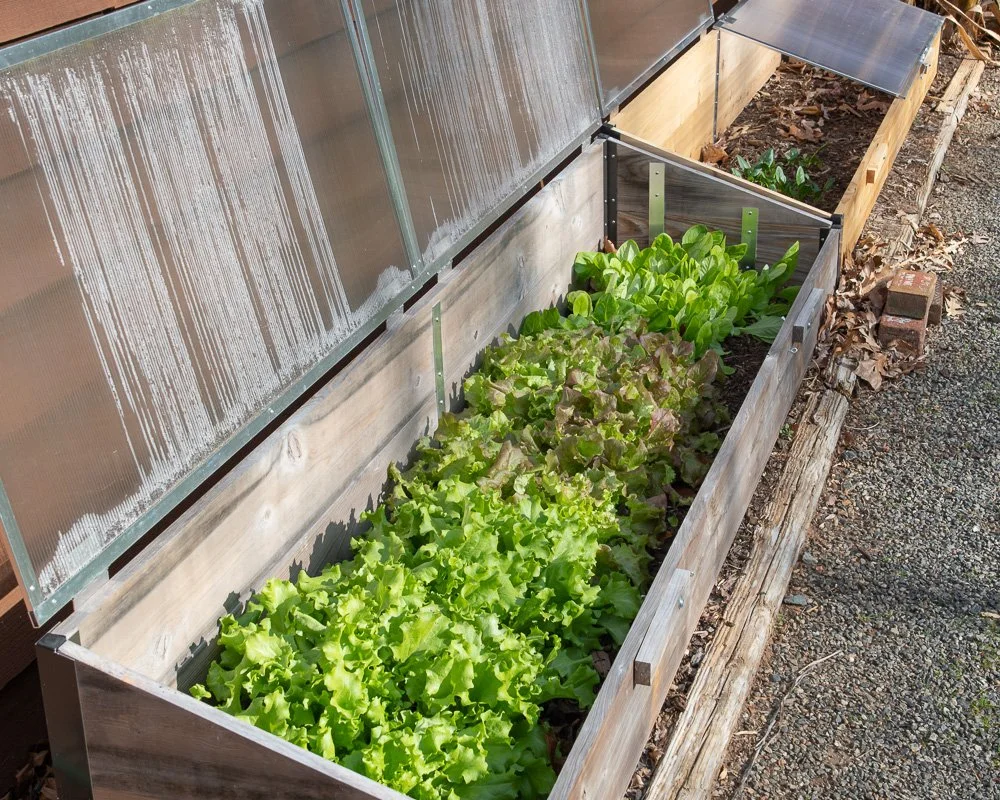
- Sow (direct): repeat sowings of carrots, beets, radishes, peas, lettuce, spinach, cilantro, dill, parsley.
- Start indoors: tomatoes, peppers, eggplant, plus flowers like marigolds and zinnias (late month in warm areas). Cucumbers and squash are best direct sown later, or started indoors only 2 to 4 weeks before transplant if you are careful with roots.
- Transplant: cool-season greens, onions, leeks, potatoes (late month inland).
- To-do: prune roses, refresh mulch, set up drip irrigation before the busy season hits.
March
- Sow (direct): beans (once soil is about 60°F or warmer), carrots, beets, corn (warm areas once soil is about 60°F), basil (coastal late month), sunflowers.
- Start indoors: melons, cucumbers, squash, pumpkins (time it 2 to 4 weeks before transplant), more tomatoes.
- Transplant: tomatoes (coastal and warm inland), peppers (late month in warm areas), herbs, strawberries.
- To-do: harden off seedlings slowly, add compost to beds, install supports for peas and tomatoes.
April
- Sow (direct): beans, corn, cucumbers, squash, sunflowers, basil, borage, nasturtiums.
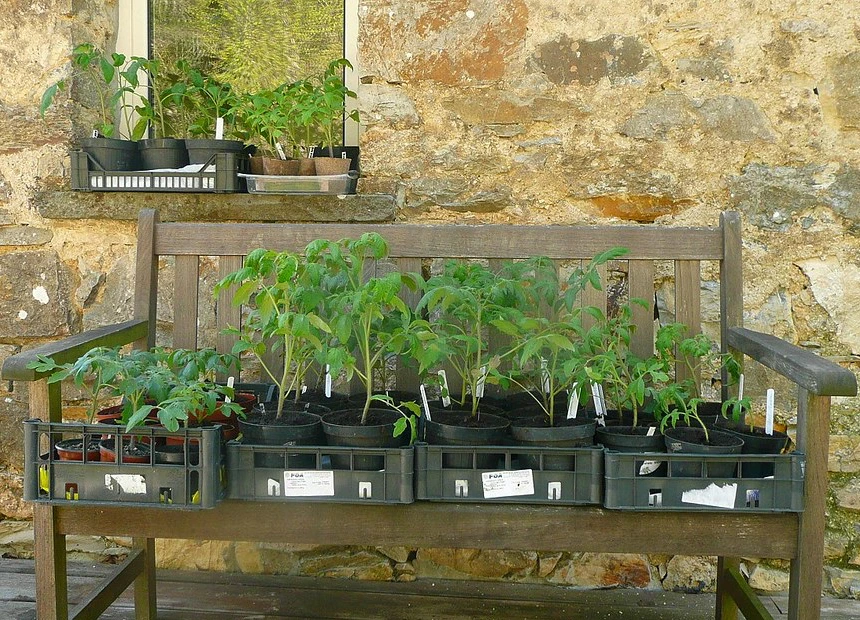
- Transplant: tomatoes, peppers, eggplant, basil, marigolds, zinnias. For cucumbers and squash, direct sow is usually easiest. If you transplant, use biodegradable pots or handle gently to avoid root shock.
- To-do: start consistent watering, mulch around warm-season transplants, protect new plants from sudden hot days with shade cloth.
May
- Sow (direct): beans, corn, okra (hot areas), cucumbers, squash, pumpkins, melons.
- Transplant: sweet potatoes, basil, peppers (cool coastal gardens that waited).
- To-do: pinch basil early for bushy growth, check irrigation coverage, set up pollinator water sources.
June
- Sow (direct): beans (last easy window inland before extreme heat), corn, okra, heat-tolerant herbs like basil.
- Transplant: heat lovers like peppers and eggplant (only if you can shade and water well).
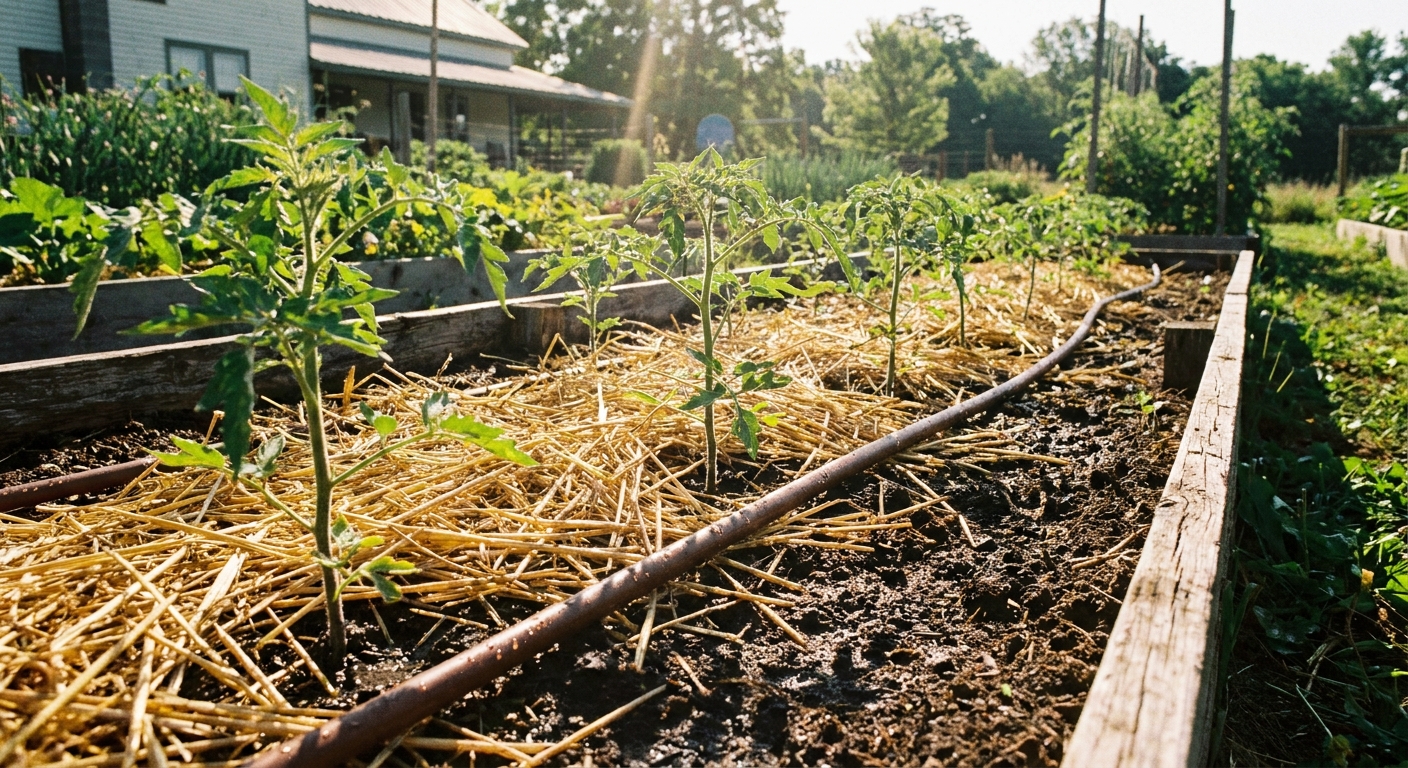
- To-do: switch mindset from planting to protecting. Mulch deeper, add afternoon shade for lettuces, water in the early morning.
July
- Sow (direct): heat-tolerant crops only, like cowpeas, okra, amaranth, basil. In milder coastal gardens, you can sneak in beans.
- Start indoors: fall brassicas (broccoli, cabbage, cauliflower), a second round of tomatoes for coastal gardens (July is best).
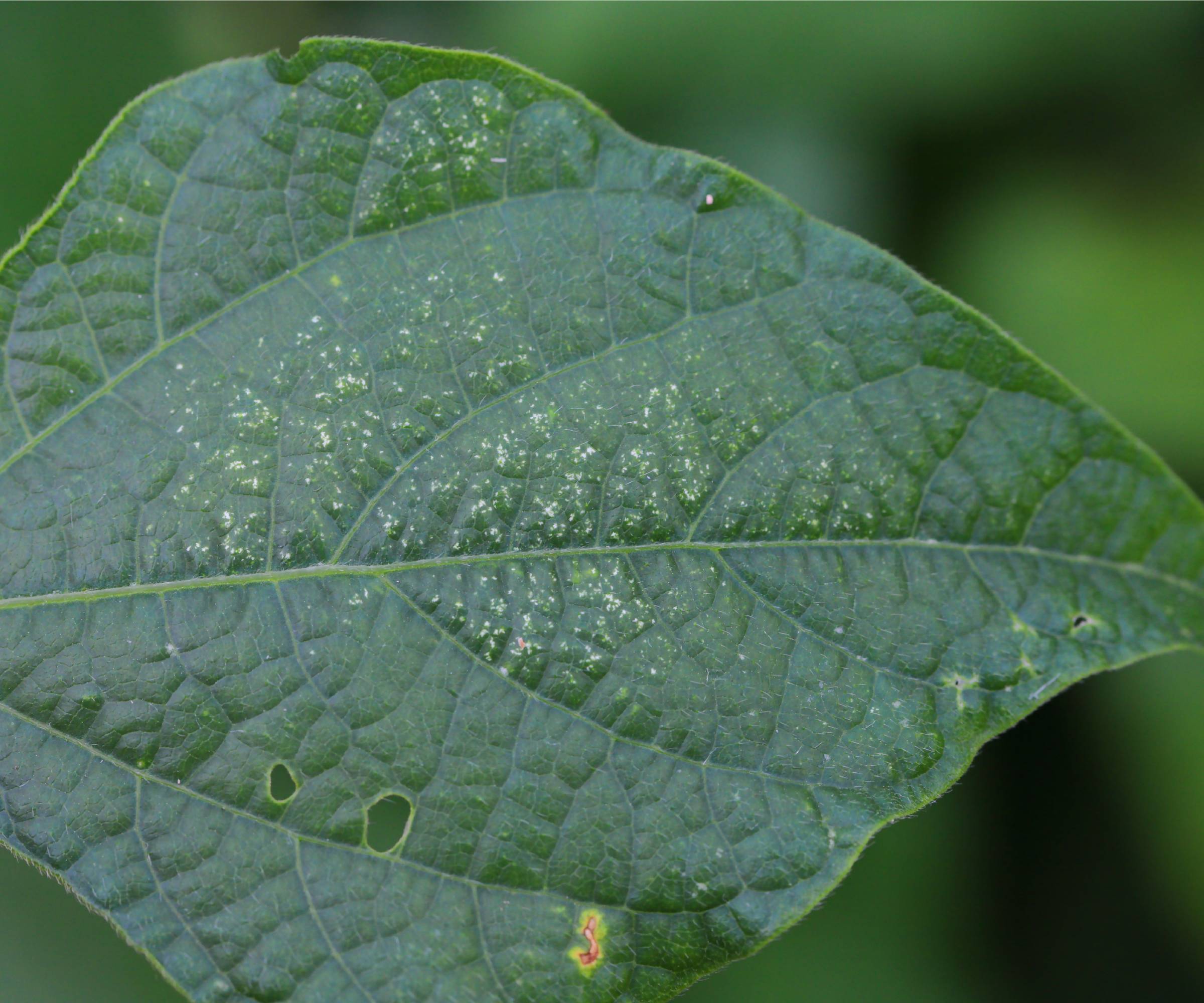
- To-do: keep flowers deadheaded, watch for spider mites, and avoid heavy fertilizing during heat spikes.
August
- Sow (direct): carrots (coast and cooler spots), beets (coast and mild areas, or provide shade and steady moisture), chard, basil (coast), cucumbers for a quick fall crop (coast).
- Start indoors: kale, broccoli, cabbage, cauliflower, lettuce (for transplanting when it cools).
- Transplant: fall tomatoes for coastal gardens (early August only in mild, frost-free spots with fast varieties), young peppers can still go in if protected inland.
- To-do: prep fall beds now. Pull tired summer plants, add compost, and solarize weedy beds if needed.
September
- Sow (direct): carrots, beets, radishes, turnips, arugula, lettuce, spinach (late month inland), cilantro.
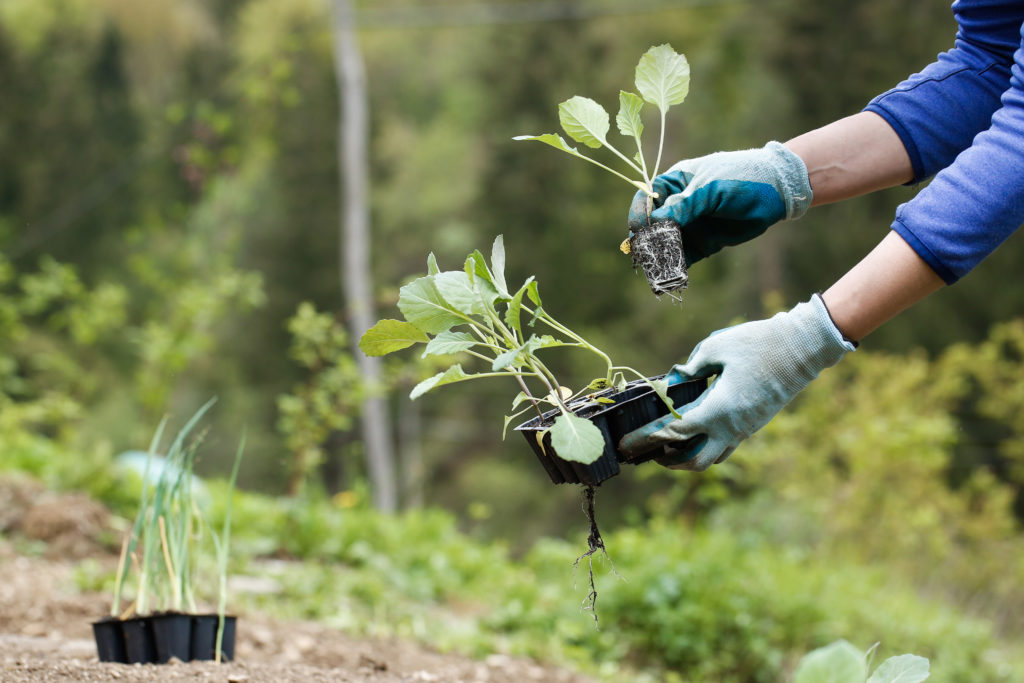
- Transplant: broccoli, cabbage, cauliflower, kale, chard, lettuce.
- To-do: this is prime planting month. Temperatures drop, soil stays warm, and roots explode with growth.
October
- Sow (direct): peas, fava beans, carrots, beets, radishes, spinach, lettuce, arugula, cilantro, dill.
- Transplant: onions, leeks, brassicas, lettuce, strawberries (many areas).
- To-do: start slug patrol, use row cover for pest pressure, and keep new seedlings evenly moist.
November
- Sow (direct): peas, fava beans, radishes, lettuce (coastal), spinach, cilantro.
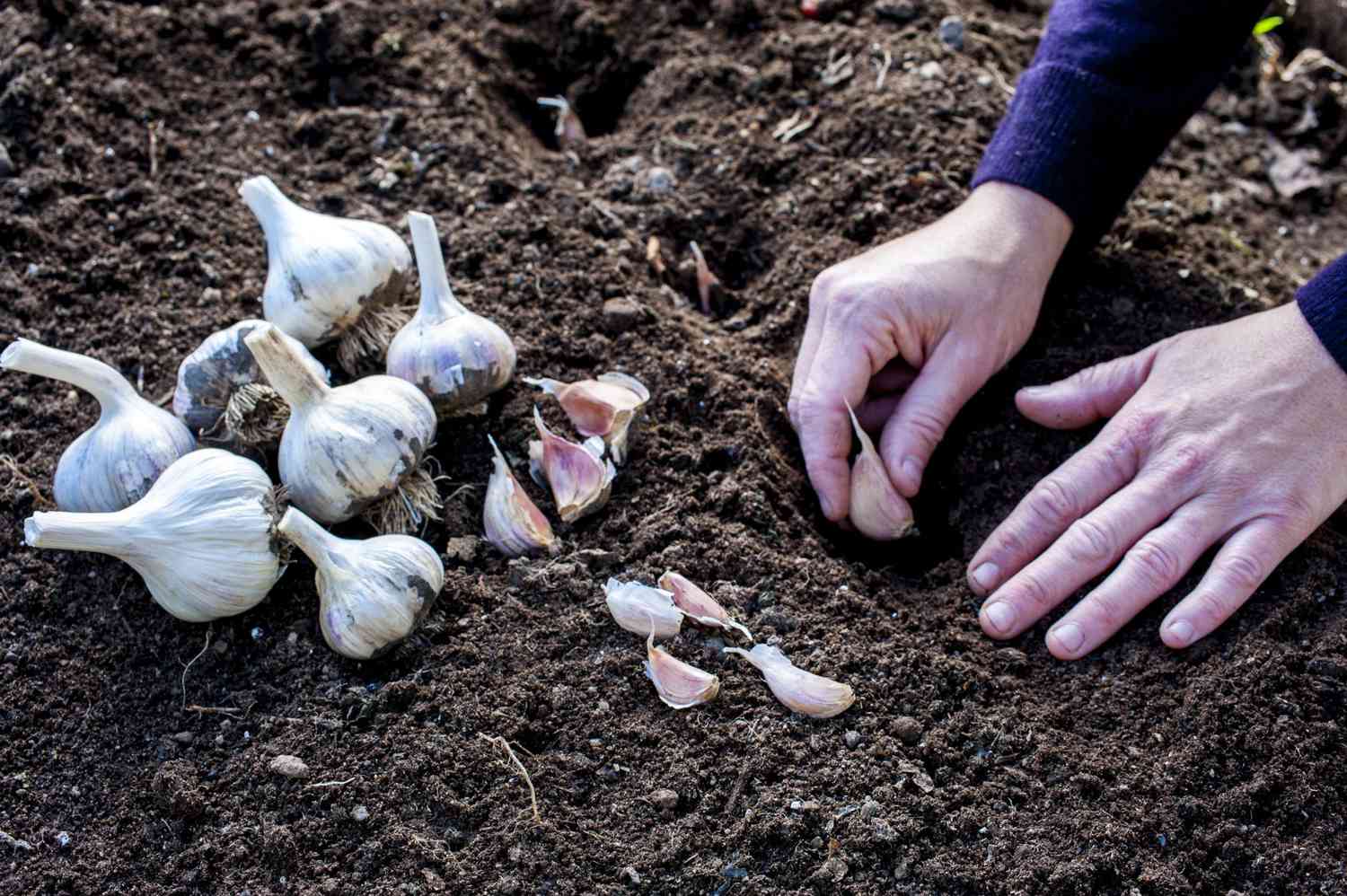
- Transplant: onions, garlic, greens, brassicas (coastal and mild inland).
- To-do: mulch beds before winter rains, plant cover crops in empty areas, clean and sharpen pruners.
December
- Sow (direct): fava beans, peas (mild areas), radishes, lettuce (coastal), carrots (mild areas), cilantro.
- Transplant: onions, lettuce, kale, chard.
- To-do: protect from frost with fabric on cold nights, avoid waterlogging by checking drainage, plan spring crop rotation while the garden slows.
What to plant when: quick crop cheat sheet
Warm-season favorites
- Tomatoes: transplant March to May (coast can go earlier in warm springs, inland aims for April). Second coastal planting is best in July. Early August can work in mild, frost-free areas with fast varieties and low disease pressure.
- Peppers and eggplant: transplant April to June in warm areas, later for coast if it is still cool.
- Cucumbers and squash: direct sow April to June (simplest). Another coastal round in August for quick varieties.
- Beans: sow April to June, and again late summer on the coast.
- Corn: sow March to June in warm inland gardens, once soil is about 60°F or warmer.
Cool-season staples
- Lettuce: September to April, and often year-round on the coast with afternoon shade.
- Brassicas (broccoli, cabbage, cauliflower, kale): start July to September, transplant August to October.
- Root crops (carrots, beets, radishes): September to March, with shoulder-season sowings in mild areas.
- Peas and favas: October to January for best results.
- Onions and garlic: plant October to January depending on variety.
Monthly tasks that make planting easier
Soil
- Spring: compost, gentle organic fertilizer, re-mulch.
- Summer: maintain mulch, avoid leaving soil bare, feed with diluted fish or compost tea only if plants are actively growing.
- Fall: biggest compost moment of the year, then plant cool-season crops into that fluffy goodness.
- Winter: protect soil structure, avoid compacting wet beds.
Water
- Use drip or soaker hoses where possible.
- Water early morning in summer.
- In winter, water less often but do not let new seedlings dry out.
Pests and disease
- Aphids: blast with water, encourage ladybugs, avoid over-fertilizing with high nitrogen.
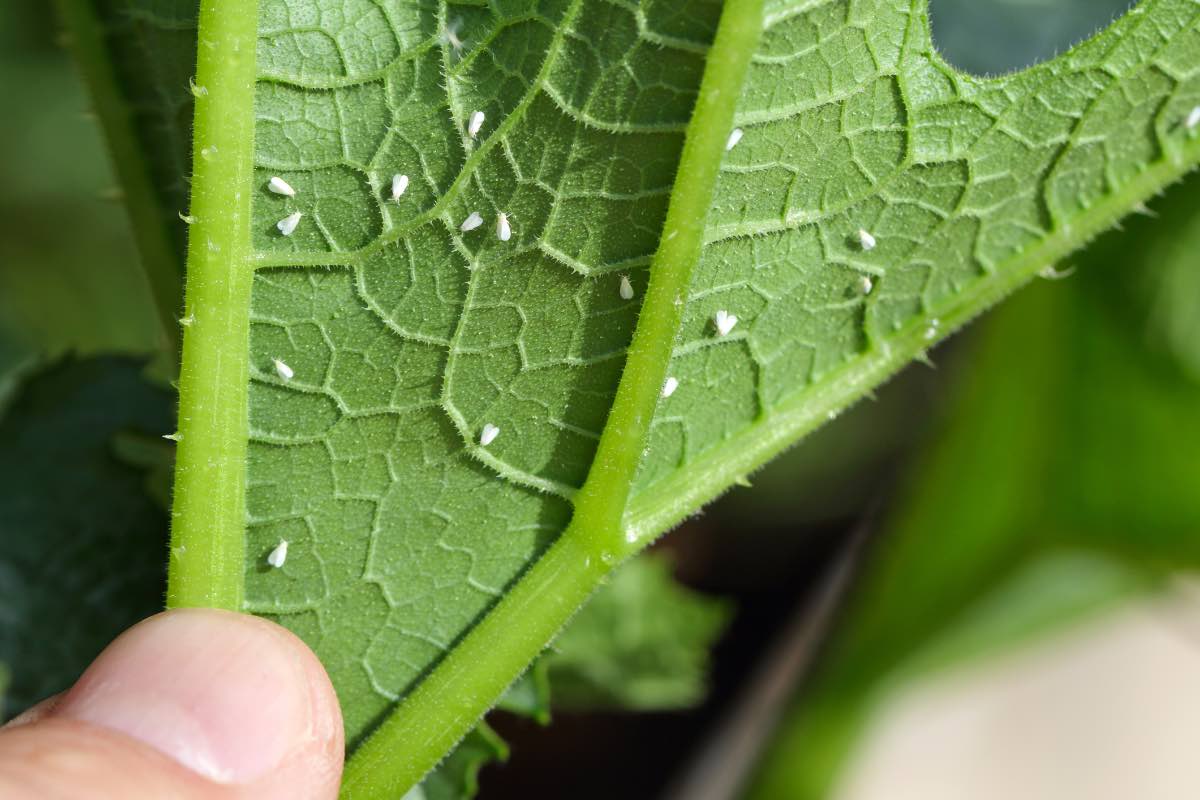
- Whiteflies: yellow sticky traps, vacuum early morning, keep plants healthy and not drought-stressed.
- Powdery mildew: improve airflow, water soil not leaves, remove infected leaves early.
Planting by region
Coastal SoCal
- Start tomatoes later if nights stay cool. Plants will stall in cold soil.
- Grow greens year-round with afternoon shade and consistent moisture.
- Powdery mildew is common. Space plants generously.
Inland valleys
- Plant warm-season crops on time and mulch early to buffer heat.
- Plan for shade. Even 30 percent shade cloth can keep lettuce alive longer.
- Fall planting is gold. Soil is warm, air is cooling, and plants root fast.
Foothills and frost pockets
- Keep frost cloth handy from December through April in colder pockets.
- Delay tender transplants until you are confident nights have warmed.
- Choose shorter-season varieties for spring planting.
Desert edges
- Your main season is fall through spring. Think October as your big “spring.”
- In summer, focus on heat champions (okra, cowpeas) and shade everything else.
- Prioritize soil organic matter. It is your air conditioner.
Scope note
This guide focuses on annual vegetables, herbs, and a few easy flowers. If you are also growing fruit, your timing will depend on variety and local chill hours, plus your pruning and feeding schedule.
A gentle note
If you plant something “at the wrong time” and it flops, you did not fail. You just collected local data. Gardening is a conversation with your microclimate, and Southern California has a lot to say.
Pick one month, pick three crops, and start there. Your confidence will grow right alongside your seedlings.