
First and Last Frost Dates

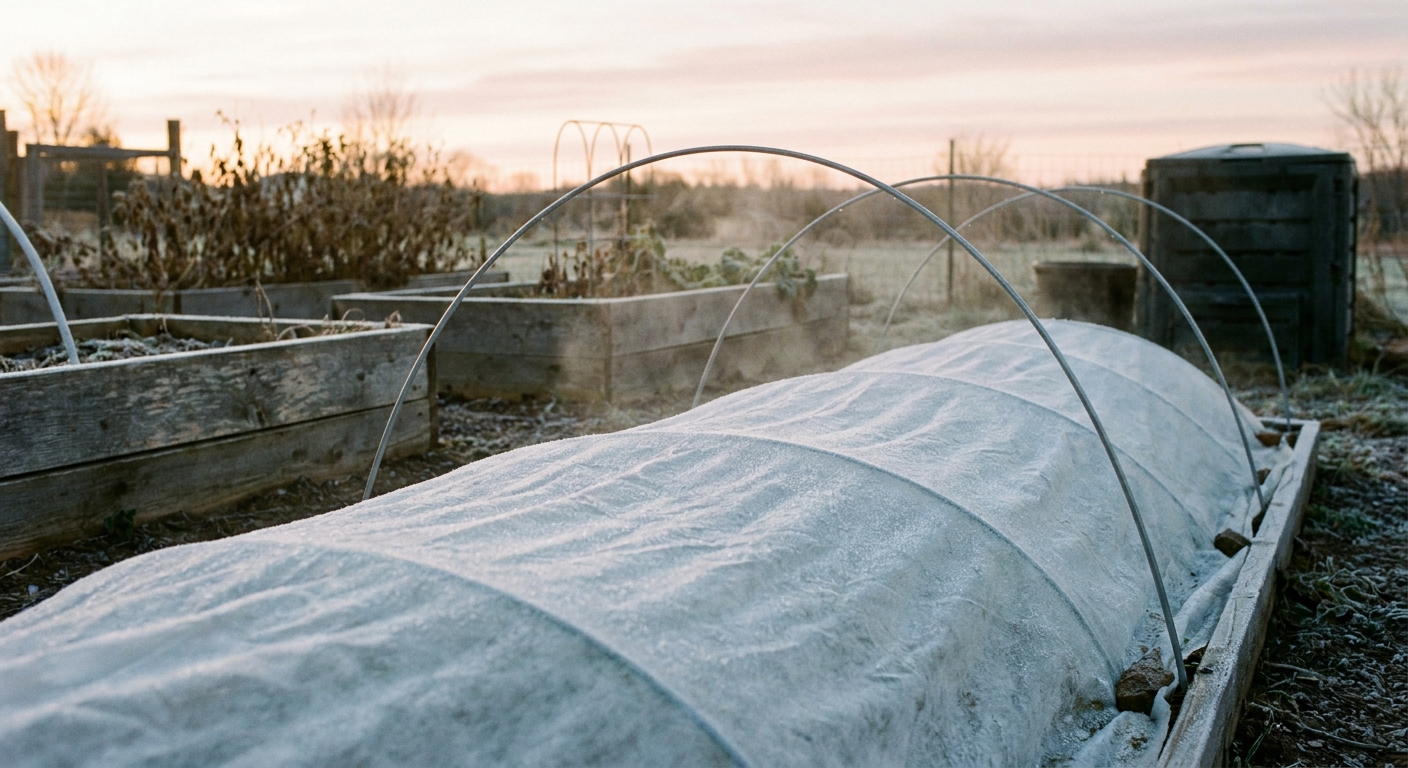
If you have ever lost a tomato to a surprise cold snap or waited so long to plant basil that summer felt half over, you already understand the power of frost dates. They are not magic, and they are not promises. But they are one of the handiest planning tools a home gardener has.
Your last spring frost date is the average date when your area gets its final night with temperatures at or below 32°F (0°C). Your first fall frost date is the average date when nights at or below 32°F typically return. Together, they frame your frost-free growing season, which helps you decide when to start seeds, when to transplant, and when to protect or harvest.
One important detail: Most published frost dates use 32°F. Some tools also offer a 28°F (-2°C) “killing frost” date, which is more relevant for truly tender plants. If your source provides both, use 32°F for general scheduling and 28°F when you want a more cautious, protect-your-tomatoes plan.

What frost dates mean
Most frost date tools are based on long-term weather records and are usually reported as an average date or a probability (often 50 percent, meaning that in about half the years, a frost happens after that date). That is why frost dates are best used as planning anchors, not guarantees.
Frost versus freeze
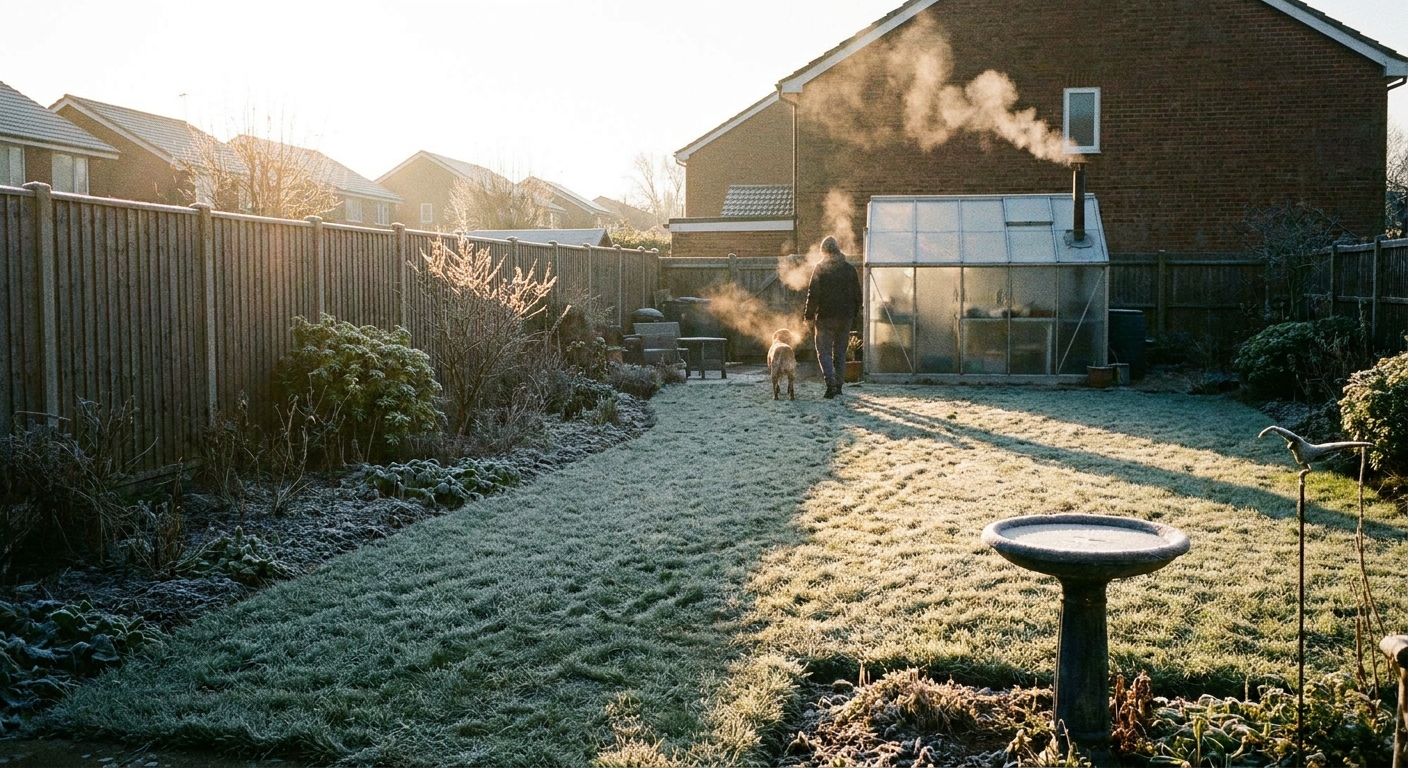
- Frost is ice that forms on surfaces when they cool below freezing. On clear, calm nights, plant surfaces can drop below 32°F even if the official air temperature is a bit above 32°F, especially close to the ground.
- Freeze generally refers to air temperatures at or below 32°F (0°C).
Gardeners tend to use the terms interchangeably, but for plant survival, what matters most is the temperature at plant level and how long it stays there. (Weather stations usually measure at standard height, not down in your lettuce bed.)
Light, moderate, and hard frosts
These labels vary by region and source, but gardeners often use ranges like these:
- Light frost: around 29 to 32°F. Many tender annuals get damaged, but some plants can limp along with protection.
- Moderate frost: around 25 to 28°F. Top growth of many plants is hit hard.
- Hard freeze: around 24°F and below. This is the “clean slate” night for most warm-season annuals.
If your area commonly gets a light frost and then warms up for weeks, you can often stretch the season with simple covers.
How to find frost dates
You have two good ways to look up frost dates: by ZIP code or by a specific weather station. I recommend checking at least two sources the first time you do this, just to make sure they agree within a reasonable window.
Option 1: Search by ZIP code
Searching by ZIP is the fastest. Type “first frost date” or “last frost date” plus your ZIP code. Many gardening sites and almanac-style tools will return a date range.
Tip: If you live in a ZIP code that spans coastal to inland, valley to hill, or downtown to rural, your result may be a little fuzzy. That is when station-based data helps.
Option 2: Use weather station data
Station-based results are often more accurate because they are tied to a particular measuring point. Look for tools that let you choose a nearby airport or weather station. If you can pick from multiple stations, choose the one that best matches your conditions:
- Similar elevation
- Similar distance to large bodies of water
- Similar urban versus rural setting
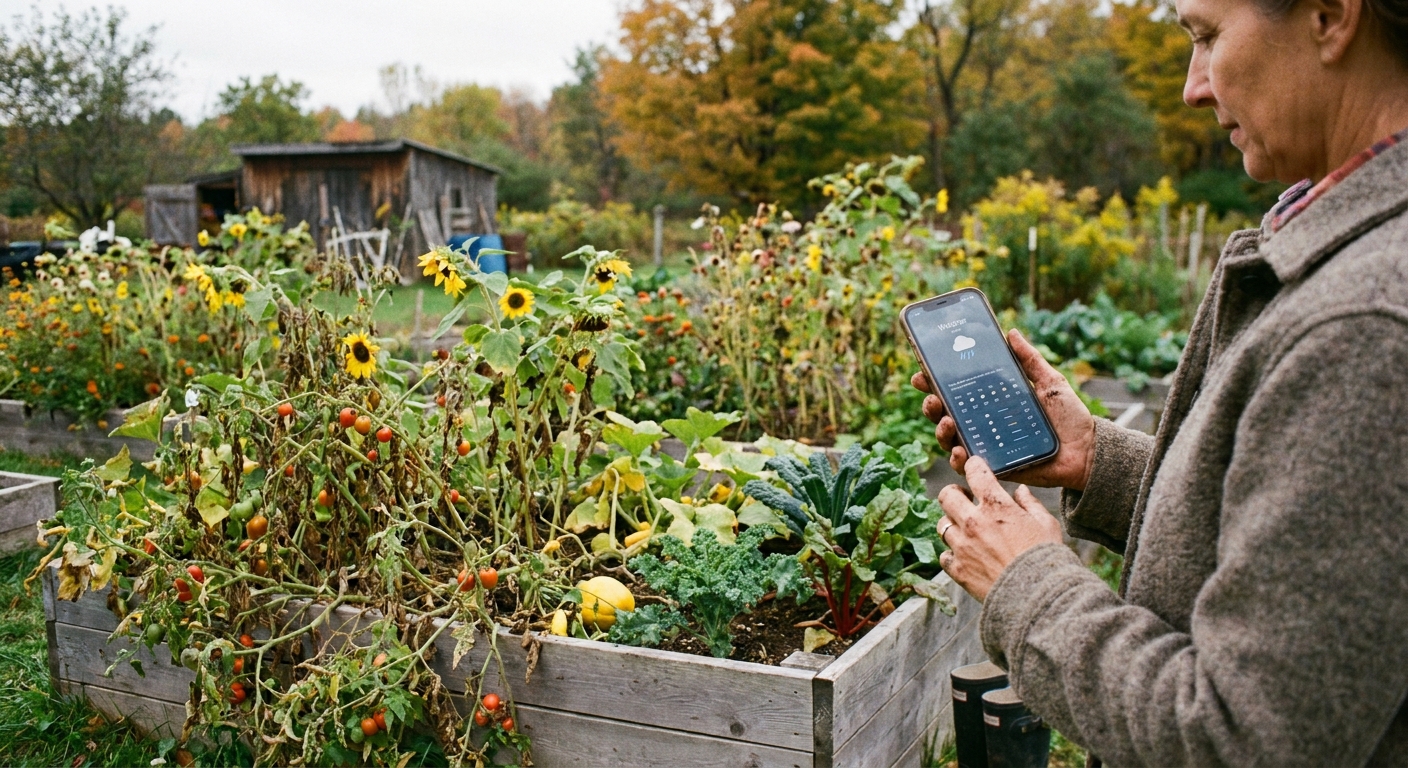
Microclimates matter
Even with the “right” frost date, your garden might freeze earlier or later than the average. That is not you doing anything wrong. That is microclimate magic and mischief.
What changes frost timing
- Low spots collect cold air: Cold air flows downhill like water. A garden at the bottom of a slope can frost earlier than one halfway up.
- Urban heat islands: Brick, pavement, and buildings hold warmth. City gardens can be several degrees warmer at night.
- Near water: Lakes and oceans moderate temperatures, often delaying fall frost and softening spring cold snaps.
- Wind exposure: Wind can reduce frost formation on calm, radiational nights, but it can also increase heat loss and make freeze damage worse. It also makes covers less effective if they flap and leak warm air.
- Next to a house wall: South and west facing walls radiate stored heat at night. They are little season extenders.
Find your real yard date
If you want to get wonderfully nerdy about it (I do), set a simple outdoor thermometer near plant height, or use a small min-max thermometer. Track overnight lows in spring and fall for a season or two. You will quickly learn whether you are consistently earlier or later than the published average.
Also pay attention to the first time you see frost on roofs or lawns nearby. That is often a signal that tender plants need protection even if your official date is still a week away.
Annuals vs perennials
This is the part that lowers anxiety fast. Frost dates are most useful for tender annual crops and flowers. Perennials are a different story.
Tender annuals: use frost dates for timing
Warm-season plants tend to be frost-sensitive. Think tomatoes, peppers, eggplant, basil, cucumbers, squash, beans, zinnias, and marigolds. Use your last spring frost as the anchor for when these can safely go outside.
- Seed starting indoors: Count backward from your last frost date to decide when to sow. For example, many tomatoes do well started 6 to 8 weeks before your last frost date (then hardened off and transplanted after frost risk fades).
- Transplanting: Many tender seedlings do best when you wait until after the last frost and when nights are reliably mild. If your garden stays chilly, your “real” transplant date might be 1 to 2 weeks after the official last frost.
Cool-season crops: you can start earlier
Plants like peas, spinach, lettuce, kale, and many brassicas tolerate cold and can be planted before the last frost date, sometimes by several weeks. Frost dates still help here because they tell you how much cold risk is left, but these crops are built for it.
Perennials: think protection and new growth
Established perennials are usually not scheduled by frost dates. They are scheduled by soil conditions and their own growth cycle. Where frost dates help is with:
- Newly planted perennials: Young roots are more vulnerable. A surprise hard freeze can heave plants out of the soil or damage tender new growth.
- Spring emergence: If a warm spell pushes early growth, a later frost can nip buds and fresh leaves.
- Fall planting windows: Knowing your first frost helps you time planting so roots can settle before the ground freezes.
Make a simple planting plan
You do not need a huge calendar to benefit from frost dates. I like to use three “lanes” in my notebook or phone:
Lane 1: Safe (after last frost)
This is where most tender annual transplants go. If you are a cautious planter or you are gardening with kids and do not want heartbreak, aim here.
Lane 2: Early (1 to 2 weeks before)
This is for hardy seedlings, cold-tolerant greens, and for gardeners willing to keep frost cloth handy. It can get you a head start, but it requires attention to the forecast.
Lane 3: Extend (around first frost)
In fall, plan what you can protect. Greens and roots often cruise through light frosts. Tomatoes and peppers need either harvest, heavy protection, or acceptance. I usually choose harvest with a side of “one last cover” because optimism is part of gardening.
Fall planning tip: Use your first frost date like a finish line. Count backward using “days to maturity” so you know whether that last sowing of beans has time, or whether you should switch to faster crops like greens and radishes.
Frost cloth and row covers
If frost dates tell you when risk is likely, covers tell you what to do about it. A basic setup can buy you a few degrees and a surprising amount of extra time.
What to use
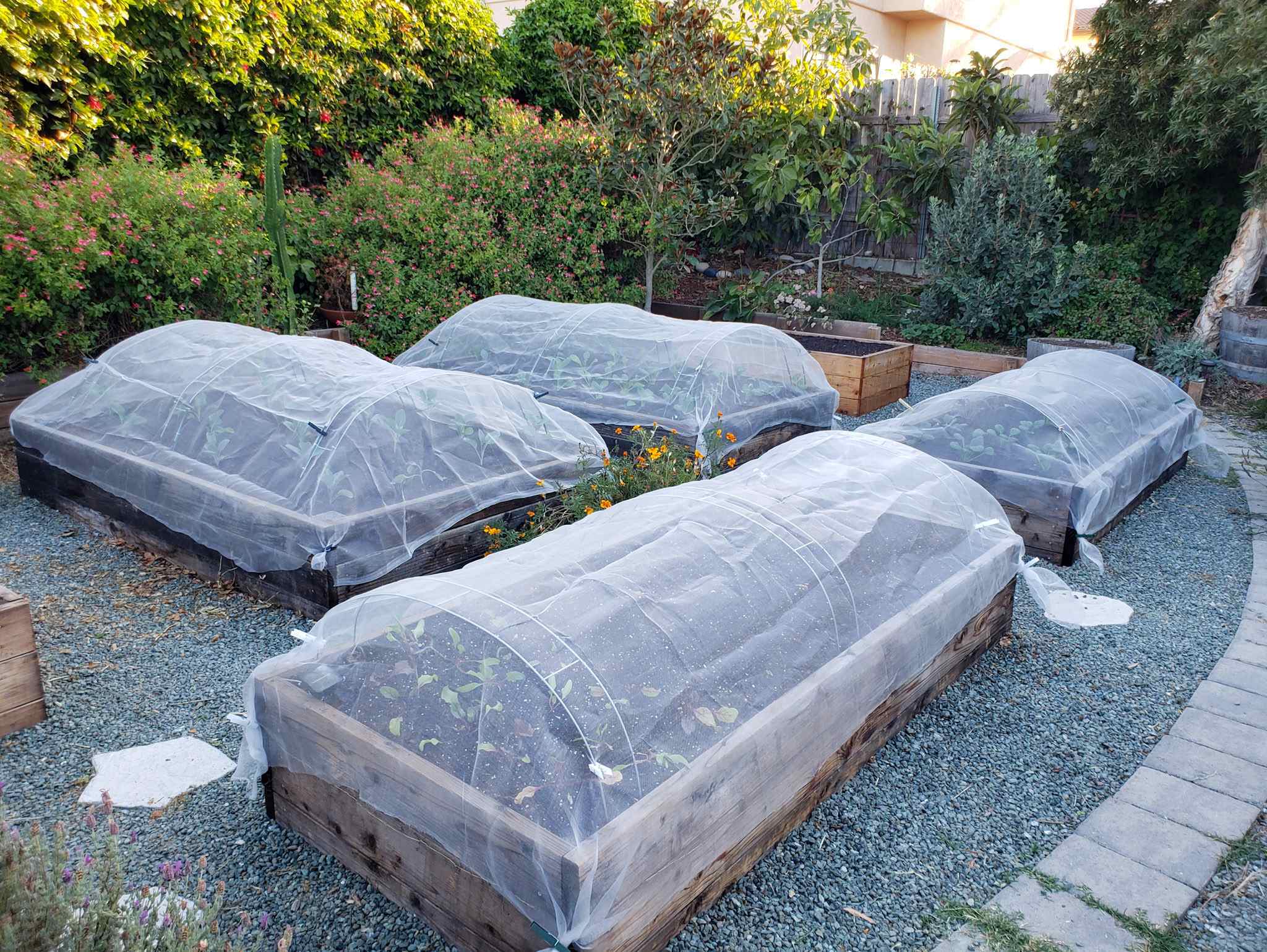
- Frost cloth (garden fabric): Breathable, designed for plants, and reusable. Great for light to moderate frosts.
- Row cover fabric: Similar idea, sometimes lighter weight for insect protection and slight warmth.
- Hoops: Wire, PVC, or flexible fiberglass rods keep fabric off leaves, which improves protection and prevents breakage.
- Clips or pins and weights: Rocks, boards, or sandbags to seal edges and stop flapping.
Skip: Plastic directly on plants. Plastic can transfer cold and cause more damage if it touches leaves. If you use plastic as a temporary cover, keep it suspended on hoops and vent it in the day.
How to cover
- Cover before sunset if possible. You are trapping heat that rose from the soil during the day.
- Drape fabric to the ground and seal the edges. A loosely draped cover leaks warm air.
- Use hoops for taller plants to prevent crushing and leaf contact.
- Remove or vent in the morning once temperatures rise, especially if the day will be sunny. Plants can overheat under covers surprisingly fast.
Quick questions
“My last frost date passed. Why did we still freeze?”
Because frost dates are probability, not prophecy. Late frosts happen. Keep an eye on the 10-day forecast for a few weeks after your date and keep your frost cloth where you can grab it quickly.
“Should I plant by USDA hardiness zone instead?”
Hardiness zones describe winter minimum temperatures, not your last spring frost or first fall frost. They are useful for choosing perennials that can survive winter, but frost dates are better for timing annual crops.
“Do containers frost sooner?”
Yes. Pots cool faster than in-ground soil. If you garden on a balcony or patio, you may want to treat your frost dates as a bit earlier in fall and riskier in spring. The fix is simple: move pots close to the house, cluster them together, and cover them during cold nights.
“How do I know if I should protect plants tonight?”
If the forecast is near 32°F, consider:
- Clear, calm nights increase frost risk.
- Moist (not waterlogged) soil holds more heat than dry soil. Water earlier in the day if the soil is dry.
- Tender plants with lots of soft new growth are more vulnerable.
Start using frost dates
If all of this feels like a lot, here is the simplest path:
- Look up your last spring frost and first fall frost by ZIP and by a nearby station. If your tool offers both 32°F and 28°F dates, write down the one you plan to use (or both).
- Write the dates down in your calendar.
- Add two reminders: one 2 weeks before last frost (seedling prep and cover check) and one 2 weeks before first frost (season-extension supplies and harvest plan).
That is it. You can get fancier over time. The goal is confidence, not perfection. Gardening is just weather plus hope, and frost dates help you place your hope wisely.