
Lawn Disease Identification Chart

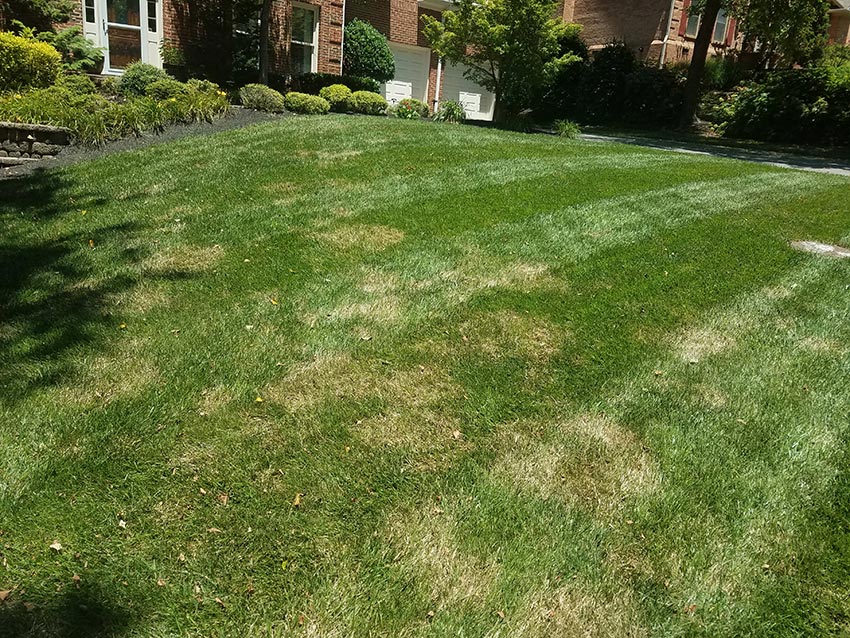
When a lawn starts turning blotchy, it is tempting to panic-spray something and hope for the best. Take a breath. Most turf diseases have very recognizable “tells” once you know what to look for: the shape of the patch, the time of year, and the tiny details on the blades. This page is your spotter’s guide.
I will walk you through six of the most common lawn diseases, show you what to photograph up close, and share a few quick, no-fuss tests you can do at home before you treat.

Quick-reference lawn disease chart
Use this table like a set of directions. Start with patch shape and season, then confirm with a close-up look at the blades.
| Disease | Most obvious symptom | Patch pattern | Typical season | Fast confirm at home |
|---|---|---|---|---|
| Brown patch | Rapid browning, “smoke ring” edge | Round patches, 6 inches to several feet | Warm, humid summer nights | Morning dew may show a dark ring; blades show tan lesions with darker borders (note: Pythium can look similar in hot, wet weather) |
| Dollar spot | Small straw spots and “hourglass” lesions | Many coin-size spots that merge | Late spring through fall | Look for hourglass lesions with reddish-brown margins; check for heavy dew and low fertility |
| Rust | Orange dust that rubs off | Scattered thinning, not true circles | Late summer to fall, slow growth | Wipe a white tissue on blades, orange powder stains |
| Red thread | Pink-red threads on tips | Irregular patches, a few inches to 2 feet | Cool, damp spring and fall | Early morning: you can see coral “threads” on leaf tips |
| Fairy ring | Dark green ring, mushrooms, or dead ring | Circle or arc, 1 foot to many yards | Summer to fall, often after rain | Peel back turf at ring edge: white fungal growth or dry, water-repellent soil |
| Snow mold | Mattified gray or pink patches after snow | Round patches where snow lingered | Late winter to early spring | Look for matted blades with webby growth; pink tint suggests pink snow mold |
How to inspect your lawn like a pro
- Zoom out first: Stand at the edge and note the shape. Rings, coins, and irregular, smeared-looking patches each point to different causes.
- Then zoom way in: Kneel down and part the grass. Diseases often show on individual blades before the whole area browns out.
- Check moisture at the roots: Push a screwdriver 3 to 4 inches into the soil. If it slides in easily, drought is less likely.
- Note your timing: Warm and muggy points toward brown patch (and sometimes Pythium). Cool and damp points toward red thread or snow mold.
- Look for “extras”: Mushrooms suggest fairy ring. Orange dust suggests rust.
Common lawn diseases
Brown patch
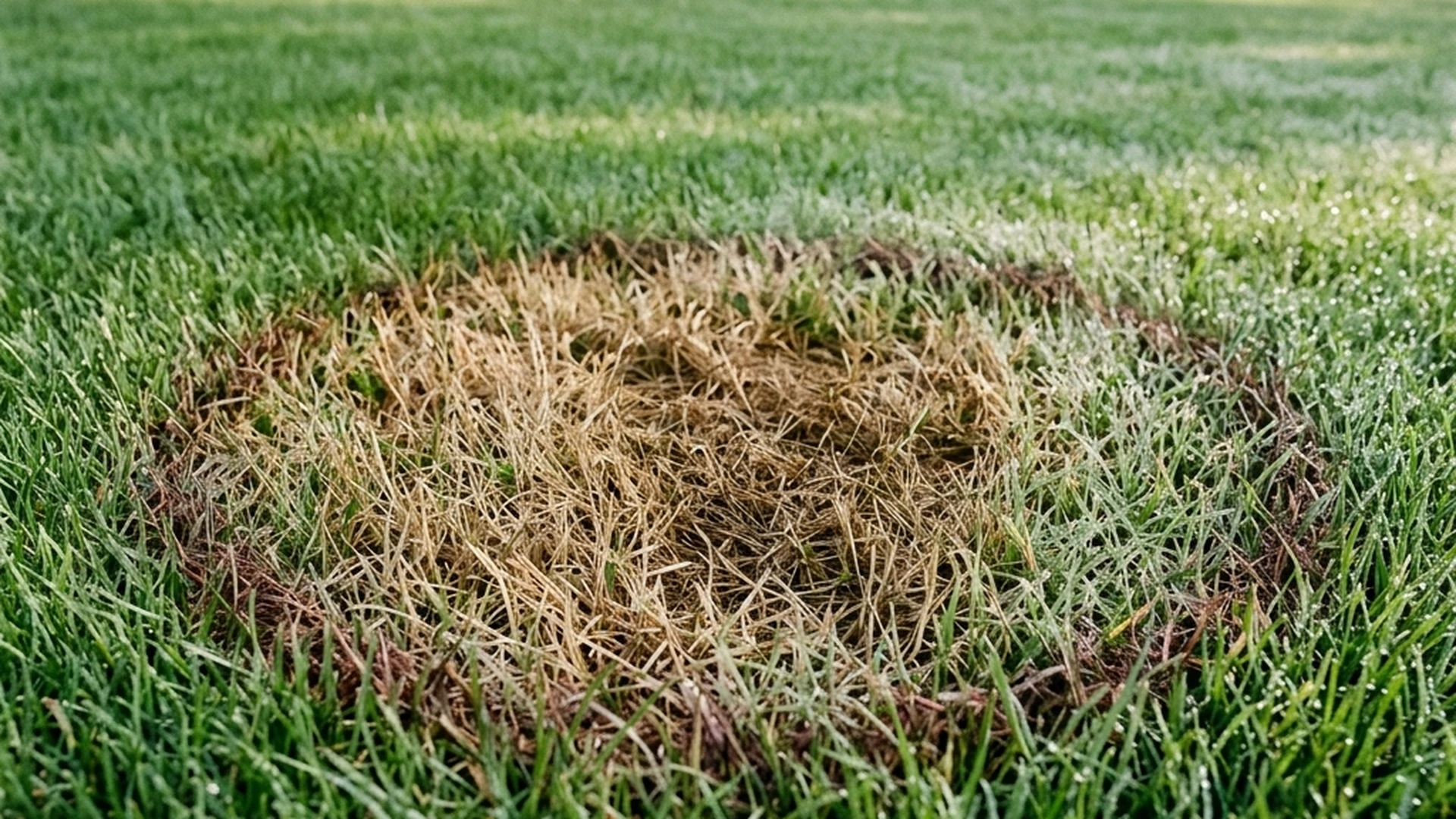
What you will notice: Circular brown patches that can expand quickly in hot, humid weather. In early morning dew, you may see a darker edge called a “smoke ring.”
- Patch pattern: Round, 6 inches to several feet. Often more severe in thick, lush areas that stay damp.
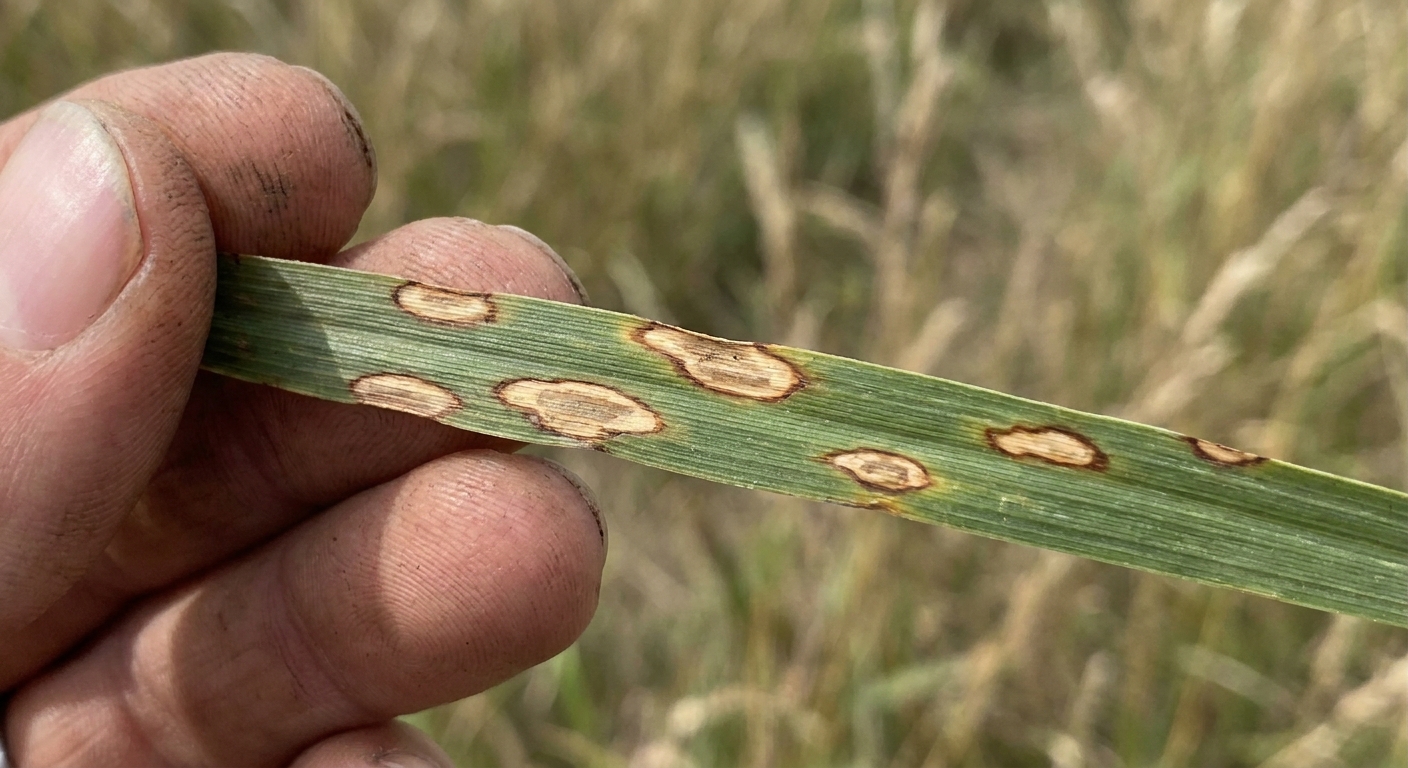
- Blade clues: Irregular tan lesions with darker borders. Blades can look “pinched” where the lesion sits.
- When it shows up: Summer, especially after warm nights with heavy dew and poor air flow.
Simple at-home check: Go out at sunrise and inspect the edge of an active patch. If you see a darker “smoke ring” and classic bordered lesions on blades, brown patch moves up the list.
Quick caution: In hot, very wet conditions, Pythium blight can mimic brown patch and tends to look more greasy and water-soaked, sometimes with cottony white growth in the morning. If the grass seems to pull away very easily at the base, do not assume it is brown patch based on that alone.
Dollar spot
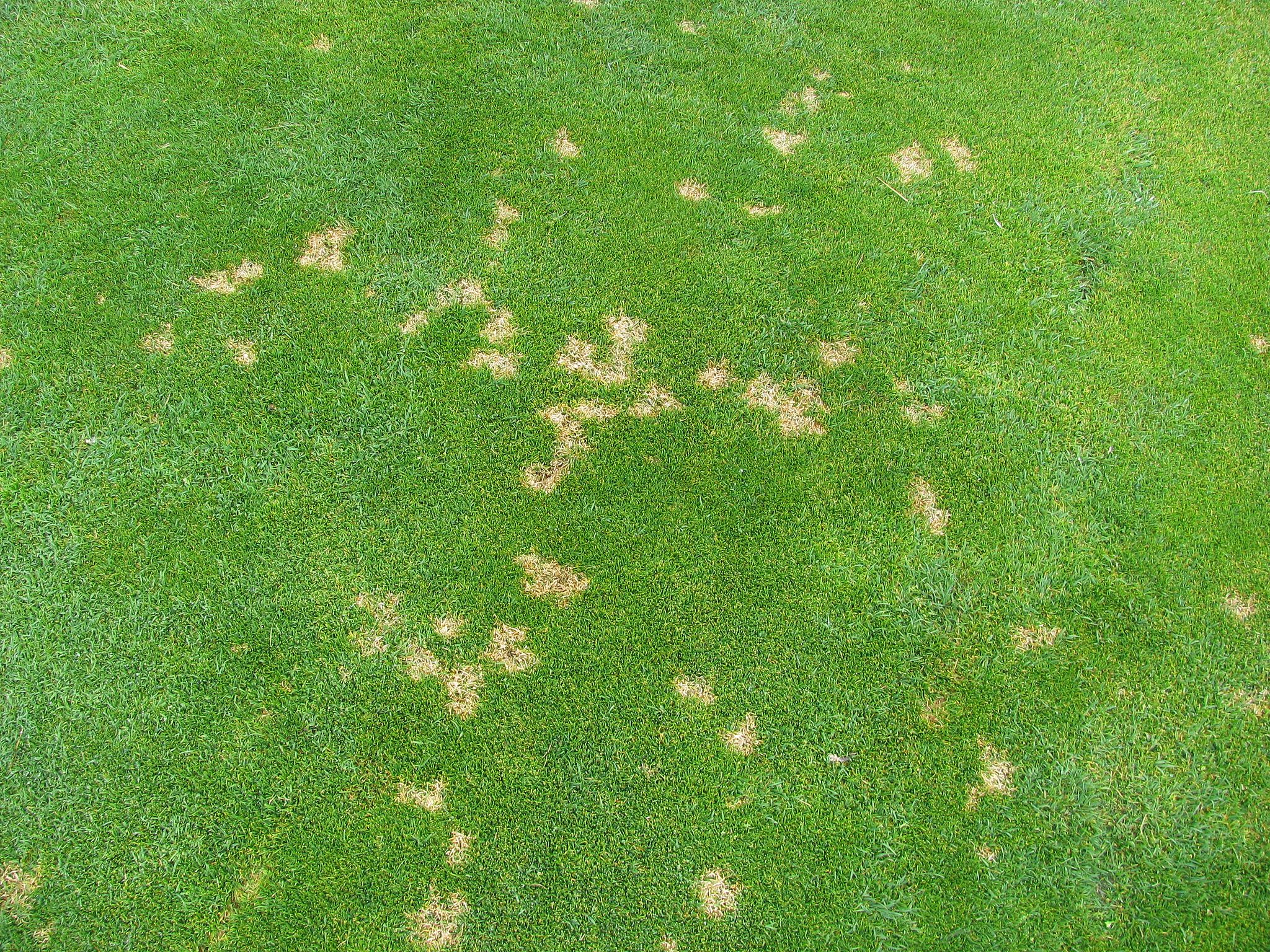
What you will notice: Many small straw-colored spots, often about the size of a silver dollar, that can merge into larger thin areas. This one loves low fertility and stressed turf.
- Patch pattern: Scattered coin-size spots, sometimes clustered.
- Blade clues: “Hourglass” lesions, straw in the middle with reddish-brown margins.
- When it shows up: Late spring through fall. In many regions it loves warm days, cool nights, and heavy dew, and it can stay active through summer when irrigation keeps things damp.
Simple at-home check: Pluck a few blades from the edge of a spot and hold them against a dark background. If you can see crisp hourglass lesions with darker edges, it strongly suggests dollar spot rather than drought.
Rust
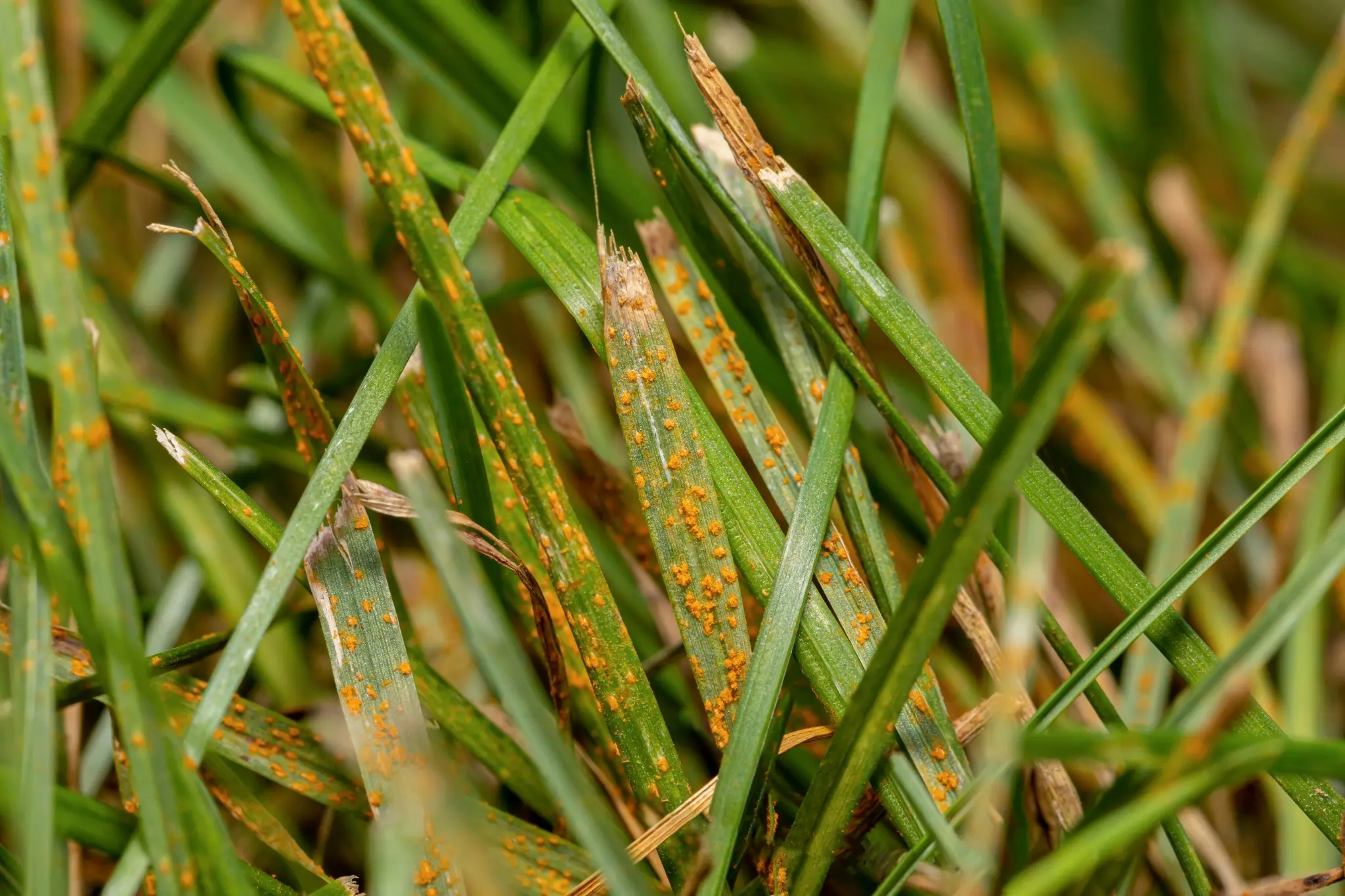
What you will notice: The lawn looks dull, yellowish, or thin, and your shoes may pick up an orange tint. Rust is usually more cosmetic than catastrophic.
- Patch pattern: Often diffuse rather than perfectly circular. Can move across large areas.
- Blade clues: Orange to cinnamon powdery spores on the leaf surface.
- When it shows up: Late summer to fall, especially during slower growth or shade.
Simple at-home test: Wipe a handful of grass with a white tissue or paper towel. If it comes away orange, that strongly suggests rust spores.
Red thread
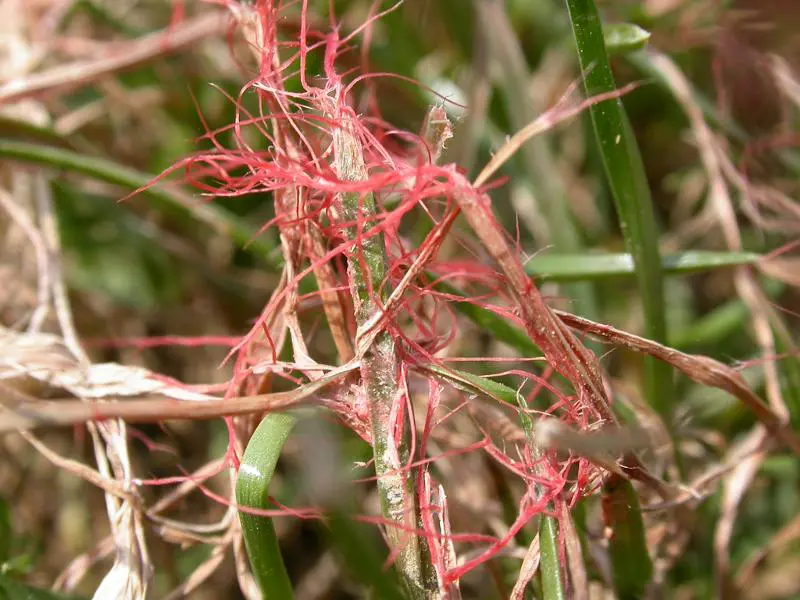
What you will notice: Patches that look pinkish from a distance, especially when wet. Up close you can spot coral-red threads or tiny pink fuzz on the leaf tips.
- Patch pattern: Irregular patches, from a few inches to a couple feet.
- Blade clues: Red or pink “threads” extending from leaf tips, sometimes with a cottony look.
- When it shows up: Cool, damp spring and fall weather, often with low nitrogen. It is especially common in many cool-season lawns.
Simple at-home check: Inspect the patch early in the morning when the grass is damp. Those red threads are easiest to spot then.
Fairy ring
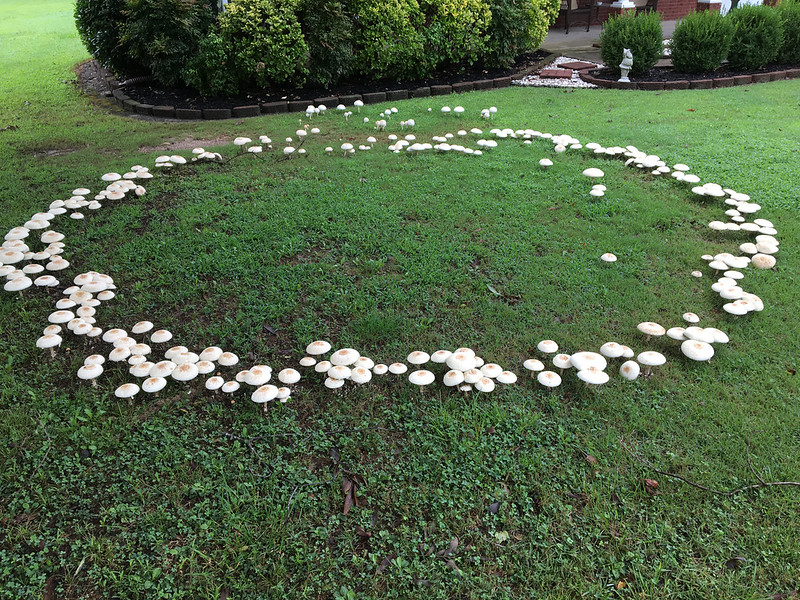
What you will notice: A circle or arc in the lawn. Sometimes it stays darker green than the surrounding turf, sometimes you only see mushrooms, and sometimes you only see a brown or dead ring because the fungus makes the soil water-repellent.
- Patch pattern: Distinct ring or partial ring. Size can range from 1 foot to many yards.
- Blade clues: Grass may be deep green on the ring, or scorched on the ring, or the ring may be mostly a mushroom line with little blade-level change.
- When it shows up: Summer into fall, often after rains.
Simple at-home test: At the ring edge, cut a small flap of turf (like lifting a carpet corner). Look for white fungal strands in the thatch or soil. Also do a “water test.” If water beads up and runs off instead of soaking in, the soil has turned hydrophobic, a classic fairy ring trait.
Snow mold
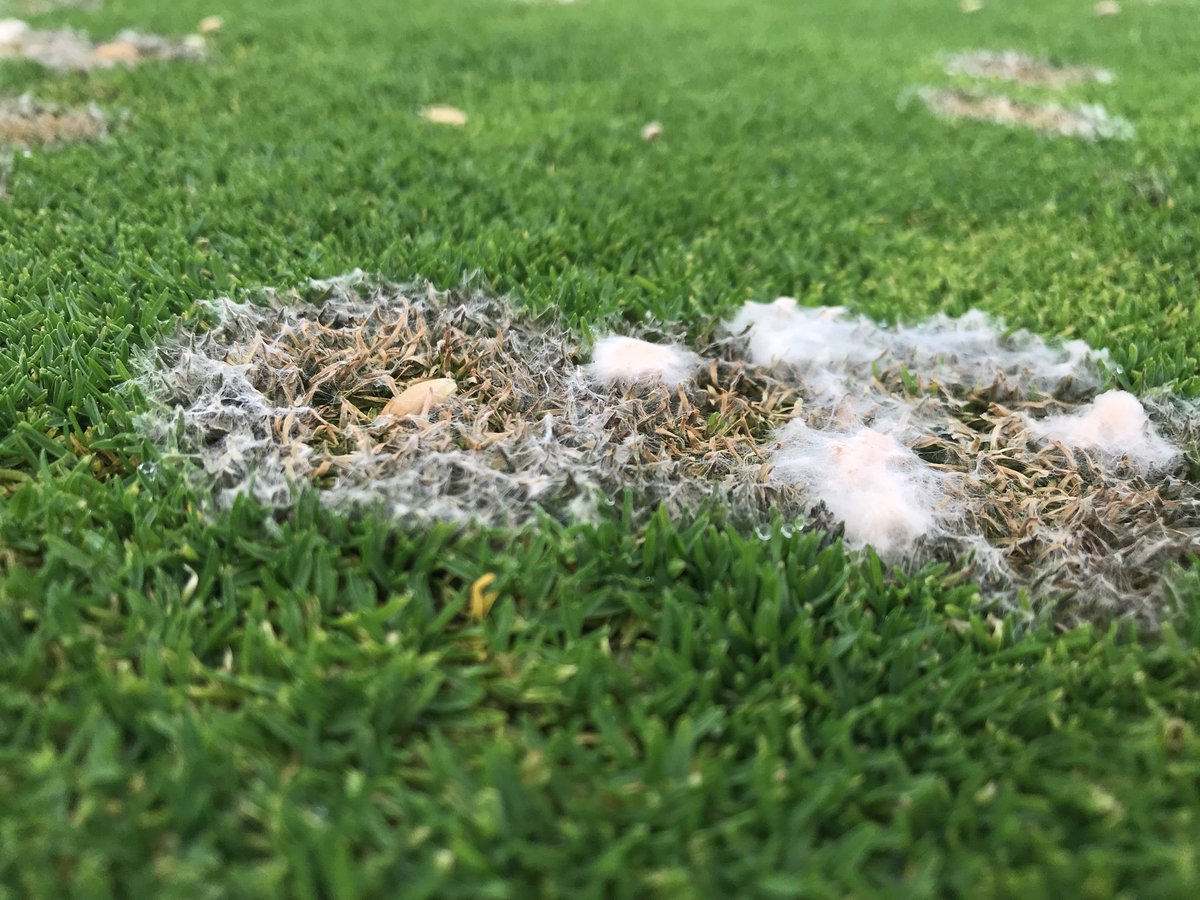
What you will notice: After snow melts, you see matted, straw-to-gray patches. Some snow mold has a pinkish cast. The grass often looks glued down.
- Patch pattern: Roundish patches where snow piled or lingered.
- Blade clues: Matted leaves with a webby or crusty look. Pink snow mold can show salmon or pink growth at the edges.
- When it shows up: Late winter and early spring, especially after long snow cover. It is most common in cool-season lawns.
Simple at-home check: Gently rake the patch with your fingers. If the grass is matted and you see webby growth at the base, snow mold is likely. Many lawns grow out of light cases once conditions dry and warm. If you suspect severe pink snow mold and you see dead crowns, plan on reseeding those areas.
Easy tests for lookalikes
Before you assume “fungus,” take two minutes to rule out the sneaky impostors. These checks cost almost nothing and save a lot of unnecessary treatments.
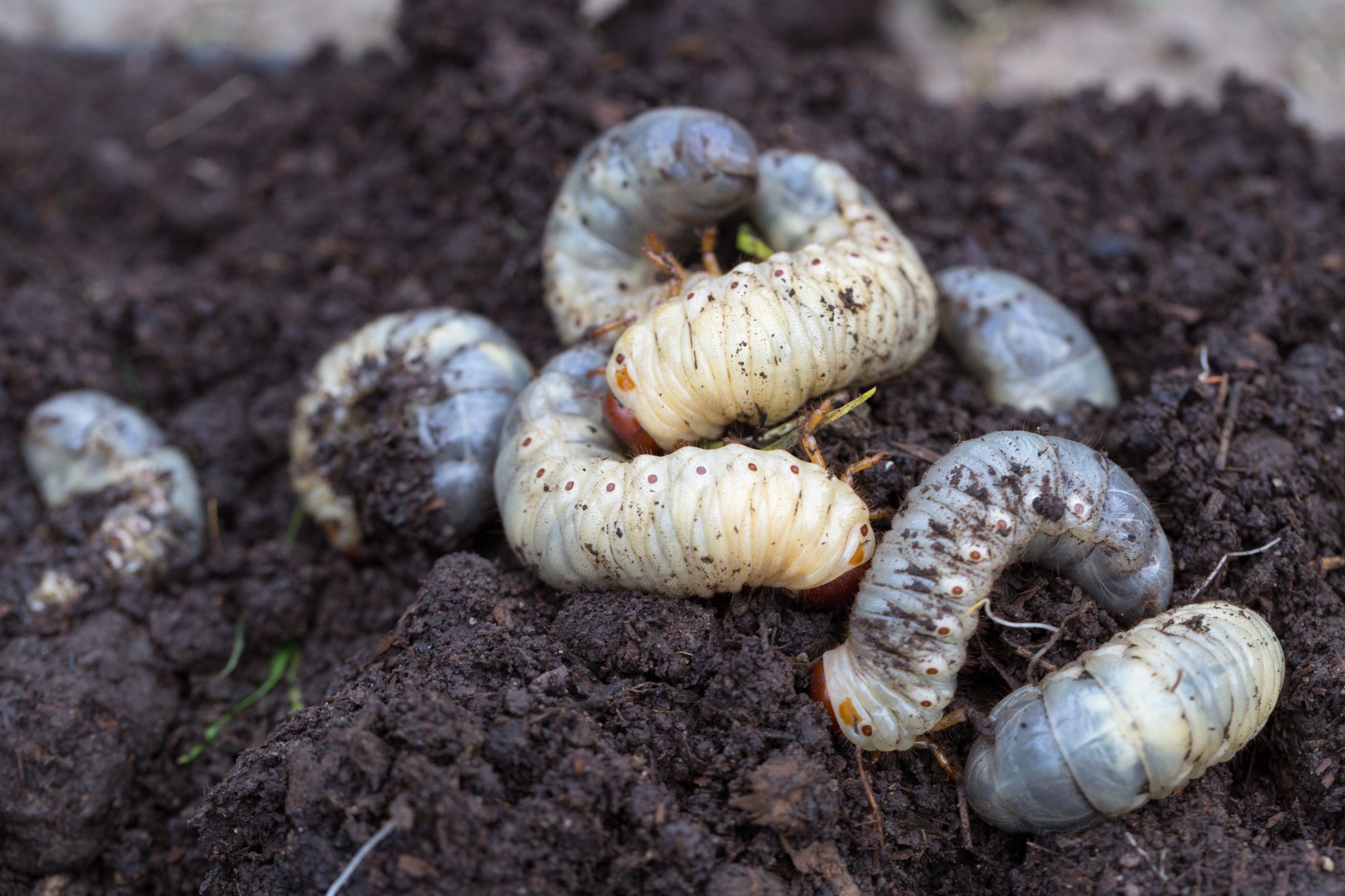
Grubs (and other root-feeding larvae)
- Clue: Turf lifts like a loose rug because roots are chewed off.
- Test: Cut three sides of a 1-foot square and peel it back. If you find an above-threshold number of C-shaped white grubs (often around 5 to 10 or more per square foot, depending on species and region), that strongly suggests grubs are driving the damage. When in doubt, check your local extension’s threshold for your area.
- Pattern: Often irregular patches, sometimes near sunny edges. You may also see skunks or birds tearing up turf.
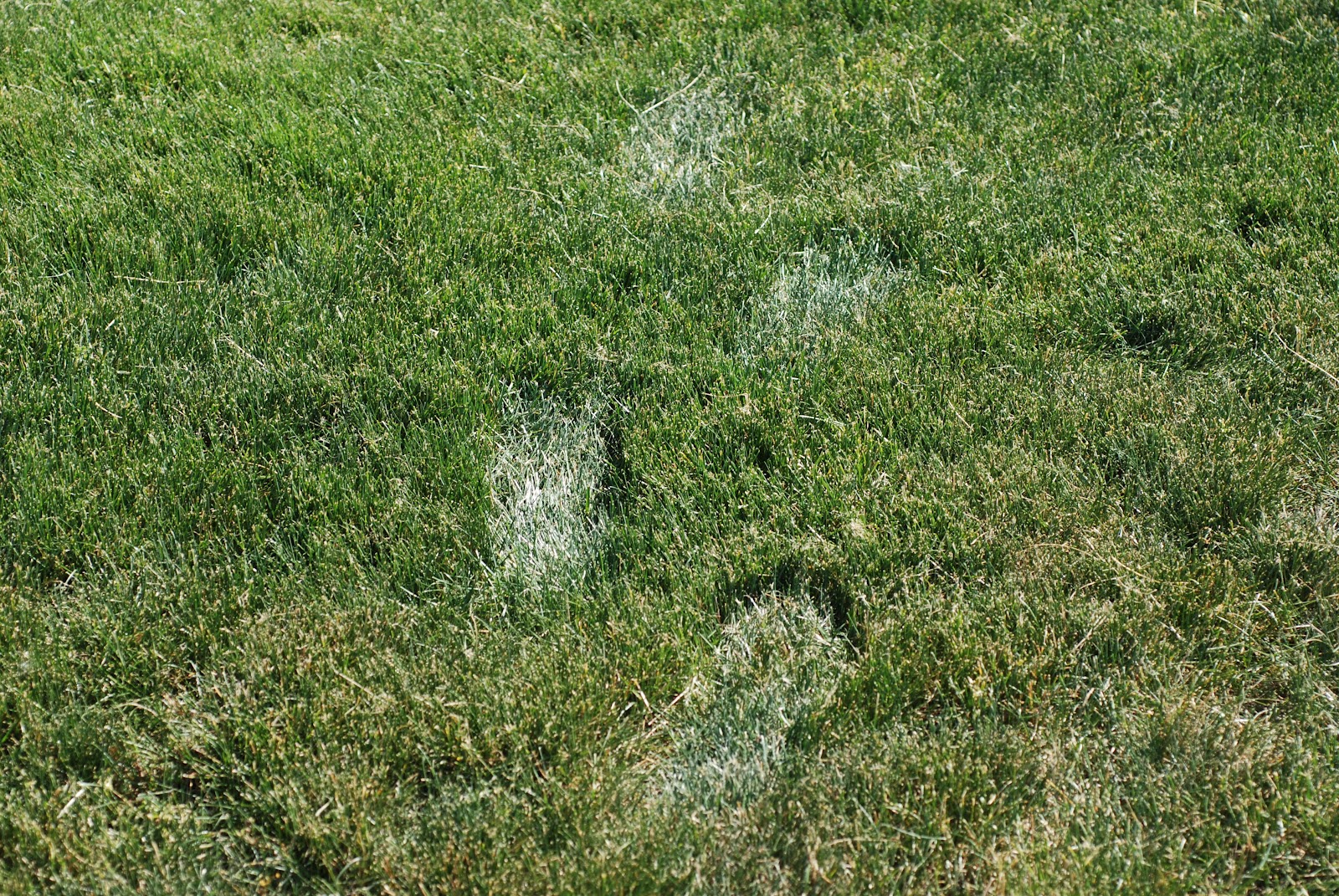
Drought stress
- Clue: Footprints linger, grass looks bluish-gray and wilted, and browning happens more uniformly across high spots.
- Test: Push a screwdriver into the soil. If it is hard to penetrate and the soil is dry several inches down, you likely need deep watering, not fungicide.
- Pattern: Larger areas, especially slopes, along pavement, or under thirsty trees.
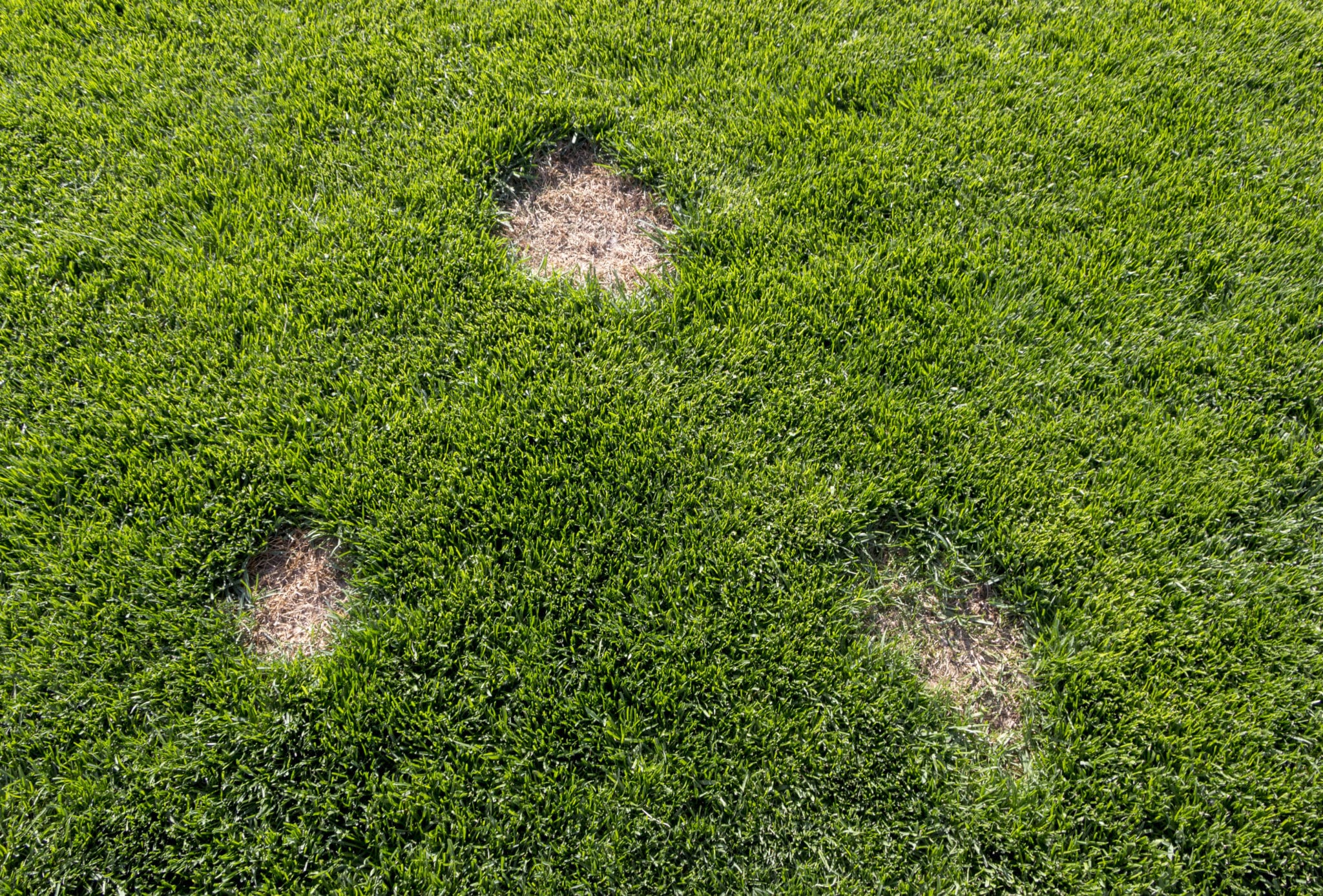
Pet urine
- Clue: Small spots with a straw-brown center and a dark green halo around the edge.
- Test: If you can predict where your dog likes to go and the spots repeat there, that is likely your answer. You can also water the area immediately after urination for a week and see if new spots stop forming.
- Pattern: Random small spots, often in the same general “route.”
Mower damage and dull blades
- Clue: Leaf tips look shredded or frayed, then turn tan. This can mimic disease from a distance.
- Test: Pick a few blades and look at the tips. Clean cuts point away from mower issues. Ragged tears point toward sharpening.
Pythium blight (common confusion)
- Clue: Fast, greasy-looking, water-soaked spots during hot, humid, very wet weather. Early morning may show cottony white growth.
- Test: Check at sunrise on a still morning. If you see a slimy or matted look with cottony growth, and the pattern seems to “run” along low, wet areas, consider Pythium as a strong possibility.
- Why it matters: It can be mistaken for brown patch, but management and product choices can differ. If you suspect it, consider getting an extension diagnosis before treating a large area.
When to treat and when to wait
In organic gardening, I am always balancing “do something” with “do the least that works.” With turf diseases, that often means fixing conditions first and only treating when the lawn is likely to keep declining.
Often OK to wait and correct conditions
- Rust: Often clears as growth improves. Mow, water properly, and consider a light, appropriate feeding.
- Red thread: Commonly grows out with improved fertility and better drying conditions.
- Snow mold: Light cases often recover with gentle raking, sunlight, and spring growth.
Consider treatment sooner
- Brown patch: If it is actively expanding during hot, humid spells and your lawn is thinning fast, treatment may prevent bigger losses. If symptoms look greasy or you see cottony growth, consider Pythium as well.
- Dollar spot: If it is widespread and merging, a combination of cultural fixes plus targeted treatment is often more effective.
- Fairy ring: Treatment is tricky and inconsistent. Focus on breaking water repellency with aeration and wetting, and address underlying organic matter.
Smart cultural fixes that help almost every disease
- Water in the morning: Deep and infrequent, early enough that blades dry quickly.
- Reduce thatch: Thatch holds moisture and harbors pathogens. Aerate if your soil is compacted.
- Raise mowing height: Taller grass equals deeper roots and less stress.
- Improve air flow: Trim back dense shrubs or low branches that trap humidity.
- Do not overdo nitrogen in heat: Tender, fast growth is more disease-prone in midsummer.
Label and diagnosis note
If you do choose a fungicide, follow the label exactly and make sure it is labeled for your grass type and the disease you are targeting. If a large area is declining quickly or you are seeing mixed symptoms, a local cooperative extension office or a turf lab can often confirm the diagnosis from clear photos or a sample.
Photo checklist
If you are sending a photo to an extension office or just trying to compare symptoms, these shots make identification dramatically easier.
- One wide photo from 6 to 10 feet away showing the whole patch and its shape.
- One edge photo where green meets damaged turf.
- One close-up of individual blades laid across your palm.
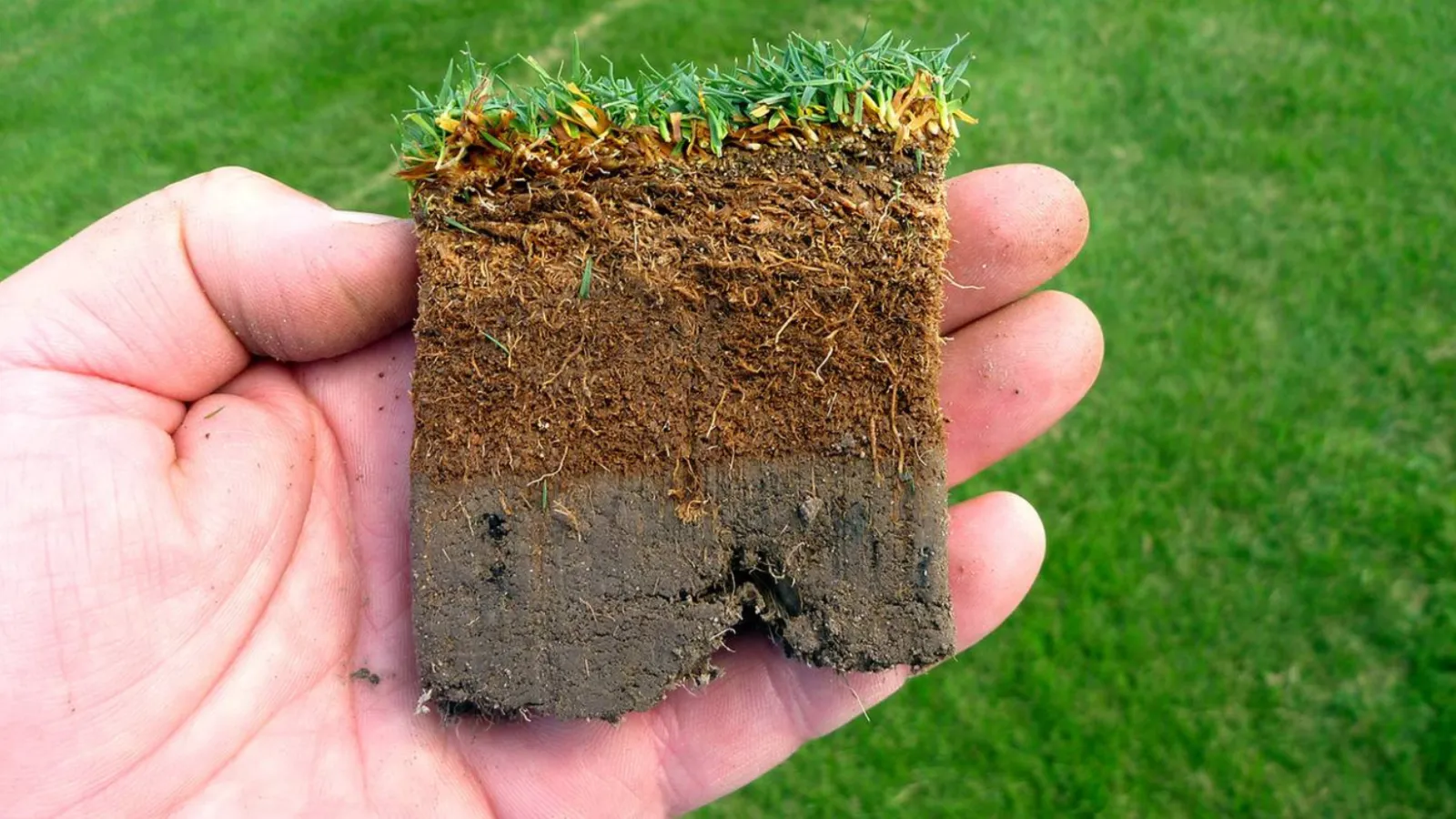
- One soil and thatch photo with the grass parted at the base.
FAQ
Can I identify lawn disease just by the color of the patch?
Color is a clue, but it is not enough on its own. Patch shape, season, and blade-level lesions are what separate brown patch from drought or dog urine.
Are fungicides always necessary?
No. Many lawns recover with better watering timing, improved drainage, and balanced fertility. Fungicides are most helpful when a disease is actively spreading and conditions strongly favor it, and when you are confident you have the right target.
Why does my lawn have green rings?
A green ring often points to fairy ring, where fungi break down organic matter and release nutrients along the ring. Confirm by checking for mushrooms, white fungal growth under the turf, or water that beads and runs off in the ring area. Keep in mind some fairy rings skip the green phase and show up mainly as mushrooms or a brown ring.
What if I am still unsure?
Take the four photos listed above and compare to the descriptions here. If you want the most reliable answer, your local cooperative extension can often identify turf issues from a good sample or a clear set of photos, especially when multiple problems are overlapping.