
Hydrangea Lace Bugs: Stippled Leaves and What to Do

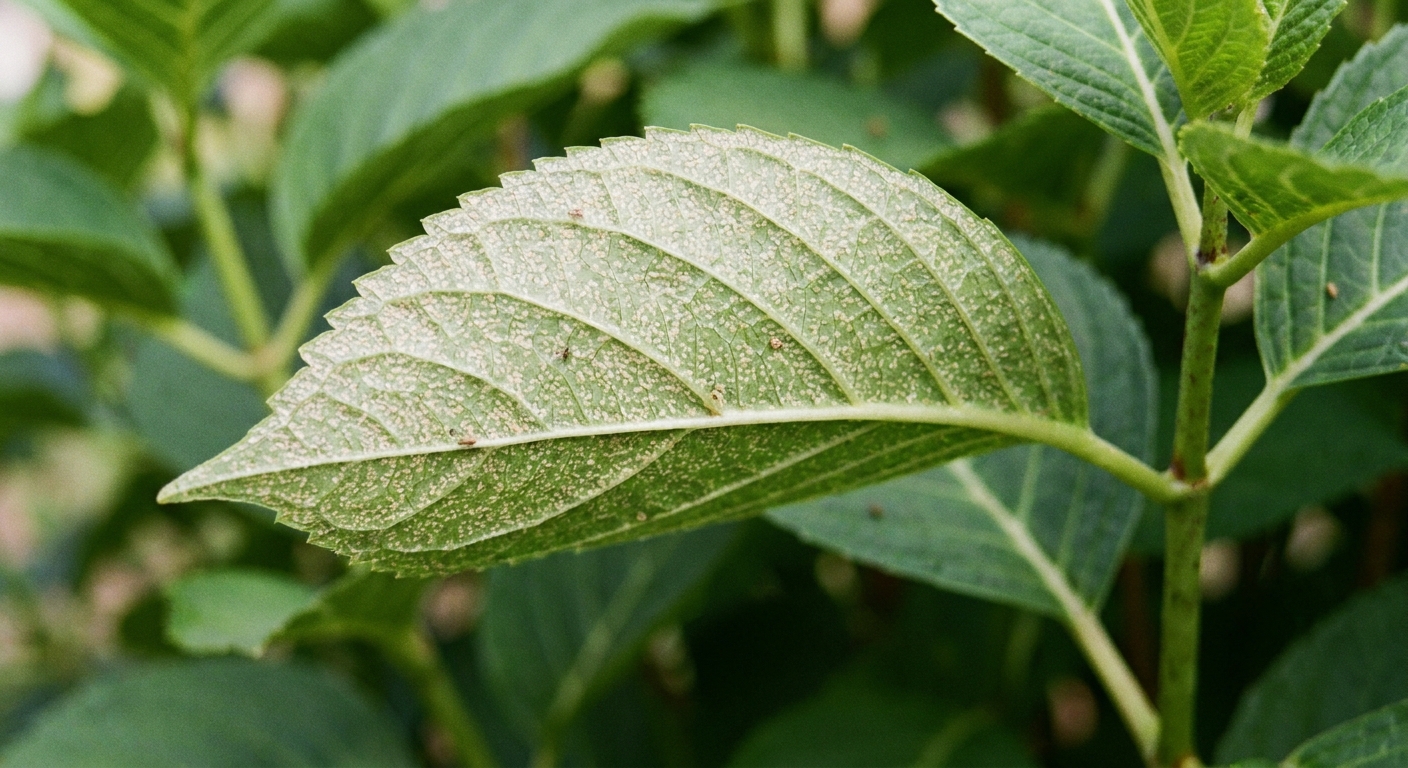
The first time I met hydrangea lace bugs, I blamed the sun. My bigleaf hydrangea had that washed out, speckled look, like it had been lightly sanded, and I assumed I had misjudged the afternoon heat. Then I flipped a leaf over and there it was: peppery dark specks and tiny, flat insects that looked like they were wearing stained glass.
If your hydrangea’s leaves are turning pale and stippled on top, with dark spots underneath, you are in the right place. Let’s confirm what you are seeing, separate lace bug damage from other lookalikes, and walk through exactly what to do and when.

What hydrangea lace bug damage looks like
Lace bugs are sap-feeding insects. They sit mostly on the undersides of leaves and pierce the tissue, sucking out cell contents. The top of the leaf shows the story first.
On the top of the leaf
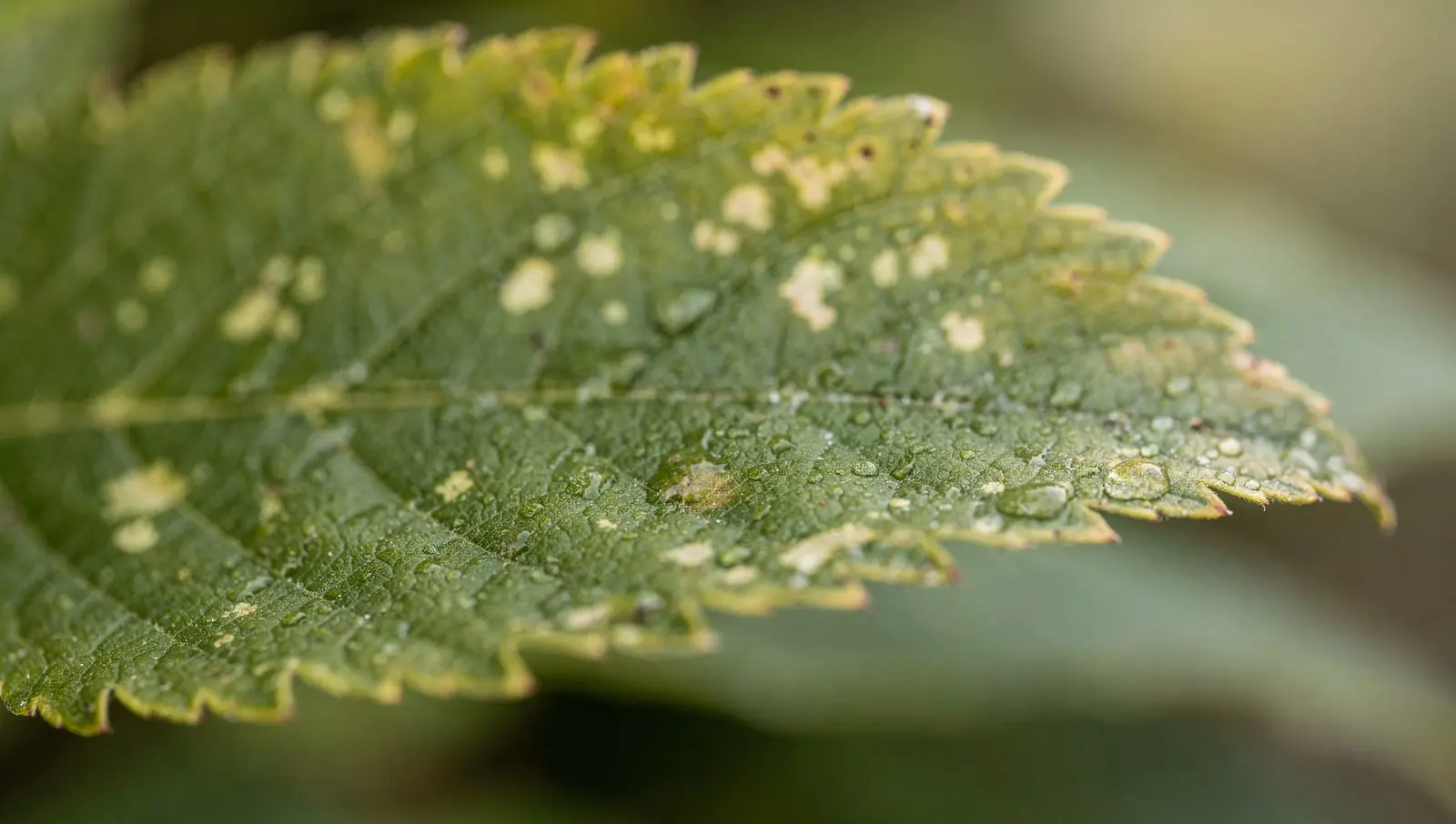
- Stippling: lots of tiny pale dots that merge into a silvery, bleached look
- Overall fading: the leaf can look dull, gray-green, or bronzed
- Patchy damage: often worse on older leaves and on the lower or inner parts of the shrub
On the underside of the leaf
- Dark varnish-like spots: these peppery black specks are frass (excrement), and they are a big clue
- Shed skins: pale, papery cast skins from molting nymphs
- The insects themselves: adults are small with lacy wings; nymphs are smaller, darker, and spiky-looking
If you see stippling above and dark specks below, lace bugs jump to the top of my suspect list.
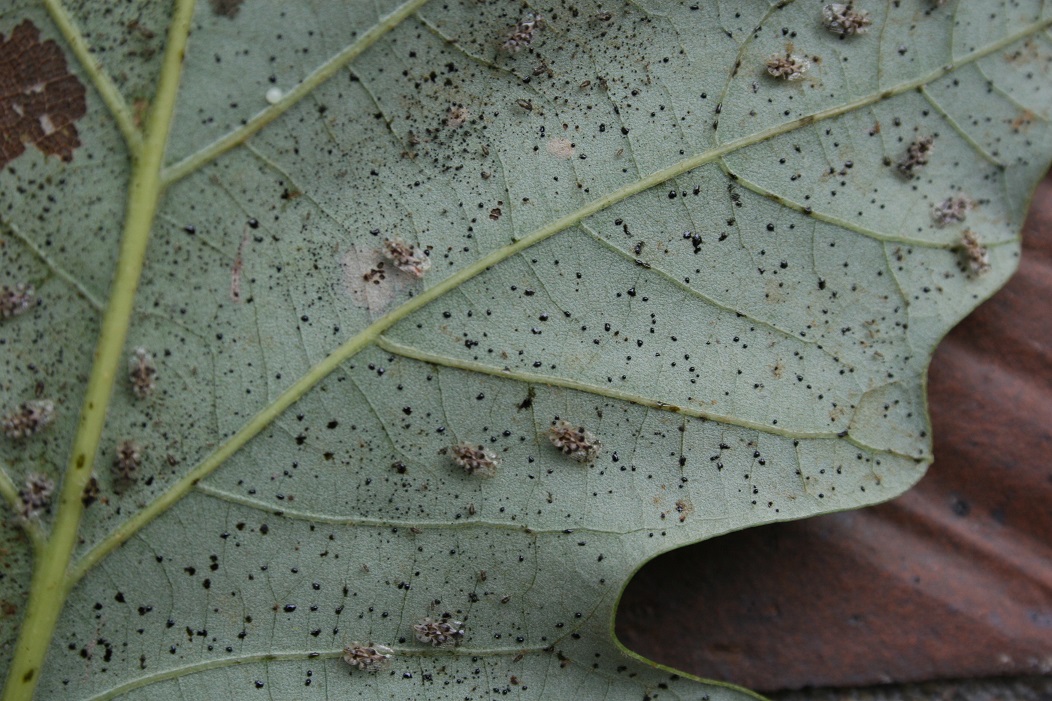
Quick ID check: a 60-second leaf flip test
Go out with your hydrangea and do this:
- Pick a leaf with fresh stippling, not one that is already brown and crispy.
- Flip it over and look along the main veins.
- Tap the leaf over a white sheet of paper. Lace bugs can drop or scuttle, making them easier to spot.
- Look for the “two-signature combo”: insects plus dark tar-like frass spots.
Even if you do not see the adults, the underside speckling and dark spots usually give them away.
Not lace bugs? How to tell the lookalikes apart
Hydrangeas can look dramatic when they are stressed, and several problems can mimic each other from ten feet away. Here is how I separate them up close.
Sunscorch (heat or harsh sun)
- Damage pattern: browning usually starts at leaf edges or between veins, often on the most exposed leaves
- Underside clue: no tar-like specks and no shed skins
- Timing: often appears after a heat wave, missed watering, or a move to brighter light
Sunscorch tends to look like crisping. Lace bug damage looks like stippling and bleaching first, then browning later if the leaf has been heavily fed on.
Leaf spot (fungal or bacterial)
- Damage pattern: distinct spots that are brown, purple, or reddish, sometimes with halos
- Underside clue: you may see fuzzy growth or more defined lesions, but not peppery tar dots that look like little varnish specks
- Spread: often starts low on the plant and moves upward, especially with overhead watering
Leaf spot is about lesions. Lace bugs are about stippling and specks.
Spider mites (another sap-feeder)
- Damage pattern: fine stippling too, sometimes with bronzing
- Underside clue: webbing and very tiny moving dots; no varnish-like frass spots in the same way
- Where they thrive: hot, dry conditions
If you are unsure, the dark, sticky-looking specks under the leaf are the lace bug giveaway.
Why lace bugs show up in the first place
Lace bugs love plants that are already a little stressed. Hydrangeas in hot afternoon sun, windy sites, or dry soil tend to be hit harder.
Depending on the lace bug species and where you garden, they may overwinter as adults tucked into bark crevices and sheltered spots, or as eggs laid on the plant. Either way, if they were around last year, it is smart to assume they can reappear when temperatures warm.
My most reliable “prevention” is not a spray. It is keeping hydrangeas evenly moist, mulched, and growing in the kind of light they prefer, usually morning sun with afternoon shade.
Timing matters: when they are easiest to control
If you only remember one timing tip, make it this: early-season nymphs are the easiest stage to knock back. In many gardens, lace bugs go through multiple generations in a season, so a small spring problem can turn into a bigger summer one if you never flip leaves until the shrub looks tired.
By late summer, a lot of the visible stippling is already “baked in.” At that point, the goal is stopping active feeding, protecting new growth, and keeping the plant from getting stressed going into fall.
What to do right now: a simple action plan
You do not have to go nuclear to get lace bugs under control. I like to start with the gentlest options and move up only if the infestation is persistent.
Step 1: Confirm and assess severity
- Light: stippling on a few leaves, minimal insects underneath
- Moderate: many leaves stippled, visible insects and black specks under multiple leaves
- Heavy: leaves turning gray or brown, premature leaf drop, lots of insects on most foliage
Light and moderate cases often respond well to thorough coverage with soap or oil plus cleanup. Heavy cases might require repeated treatments and patience over a few weeks.
Step 2: Physically reduce the population
- Blast the undersides with a strong spray of water in the morning. Focus on the lower and inner foliage.
- Remove the worst leaves if practical. Do not strip the plant bare, but take off the most damaged foliage to reduce feeding sites.
Think of this as lowering the headcount so your next step can actually work.
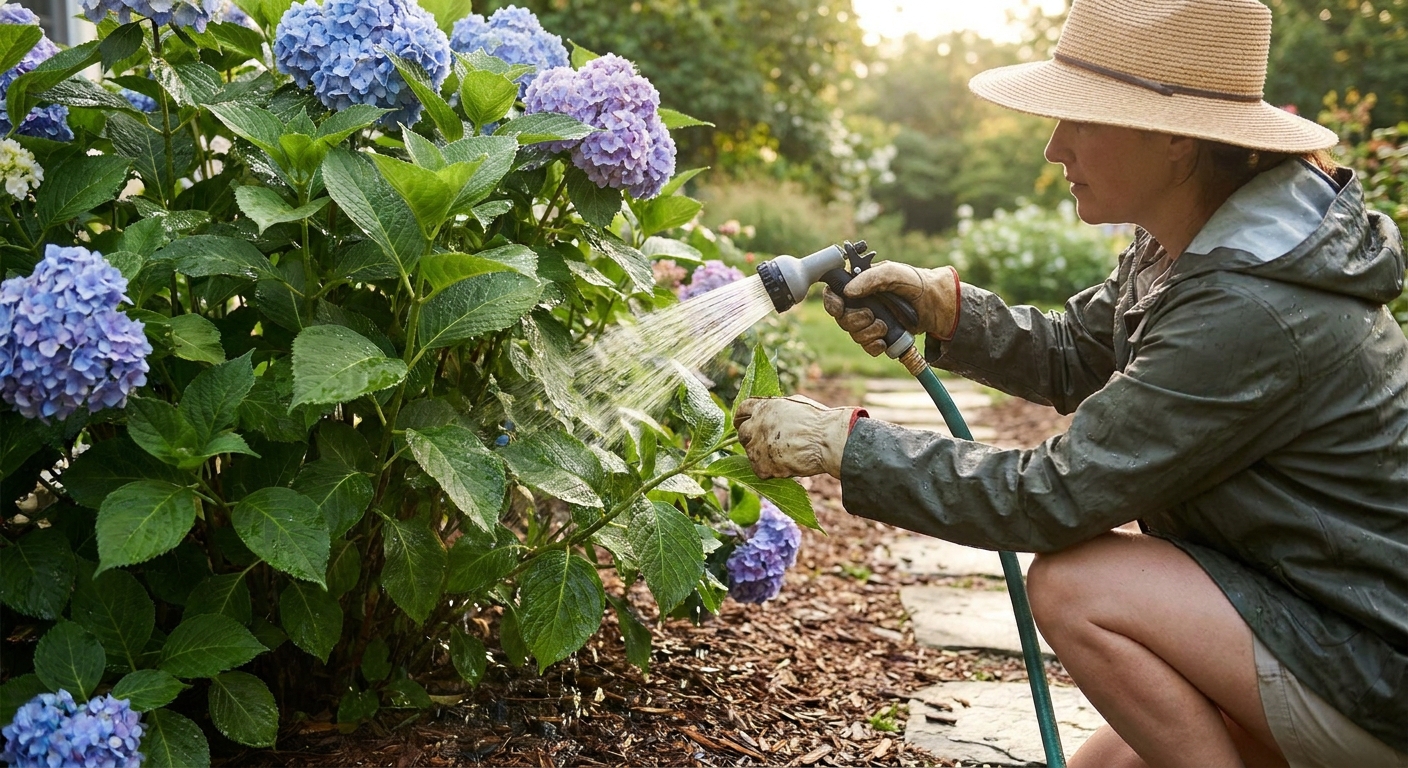
When to use insecticidal soap or horticultural oil
The biggest reason these treatments fail is timing and coverage. Lace bugs hang out on the undersides of leaves, so a quick spritz across the tops does basically nothing.
Insecticidal soap: best for active nymphs and light infestations
Use it when: you can still see moving nymphs or adults and conditions are mild.
- Spray early morning or evening to lower leaf-burn risk.
- Target the undersides until leaves are evenly coated, not dripping.
- Repeat every 5 to 7 days for a couple rounds, because new nymphs can hatch.
- If your hydrangea is in bloom and attracting pollinators, avoid spraying open flowers and avoid hitting bees directly. Soaps and oils can still harm beneficial insects on contact.
Skip it when: the plant is drought-stressed or temperatures are very hot. Get the hydrangea hydrated and shaded first.
Horticultural oil: best for smothering and longer-lasting suppression
Use it when: you need a bit more staying power than soap, or you are catching the infestation early in the season.
- Apply during cooler parts of the day, and pay attention to more than just temperature. High humidity and direct sun can increase burn risk too.
- Many labels recommend avoiding oil applications once temps climb into the mid-80s°F. Treat that as a guideline, then follow your product label for the real rule.
- Coat the undersides thoroughly. This is non-negotiable.
- Repeat in 7 to 14 days if you still see activity.
Important cautions: Do not apply oil within a short window of sulfur-based products, and avoid spraying when the sun is intense. Always follow the label for mixing rates and plant safety, since different oils vary.
My personal rule of thumb
If the damage is just starting, I reach for insecticidal soap first. If I am seeing a steady population week after week, I switch to horticultural oil and focus on consistency, not strength.
Common mistakes to avoid
- Spraying only the tops of leaves and calling it done
- Spraying in midday sun or during heat stress
- Treating once, then never checking the undersides again
- Skipping water and mulch while focusing on sprays, since stressed plants get hit harder
If soap and oil are not enough
If you have a heavy, recurring infestation year after year, it can be worth talking with your local extension office or a trusted garden center about a more targeted, longer-lasting option labeled for lace bugs on ornamental shrubs.
I say that carefully, because broad-spectrum insecticides can also take out beneficial insects that help keep pests in check. If you do escalate, choose the most targeted product you can, apply only as directed, and avoid spraying when pollinators are active or blooms are open.
Clean up fallen leaves (it matters more than you think)
Those peppery black specks under the leaves are not just unsightly. They are a sign the lace bugs have been feeding for a while, and the plant has likely been stressed. Good sanitation helps in two ways: it removes hiding places for pests and reduces humidity pockets that can invite disease.
During the season
- Rake up and remove heavily damaged fallen leaves from under the shrub.
- Keep mulch 2 to 3 inches deep, but avoid piling it against the stems.
- Water at the soil line when possible, not over the foliage.
In fall
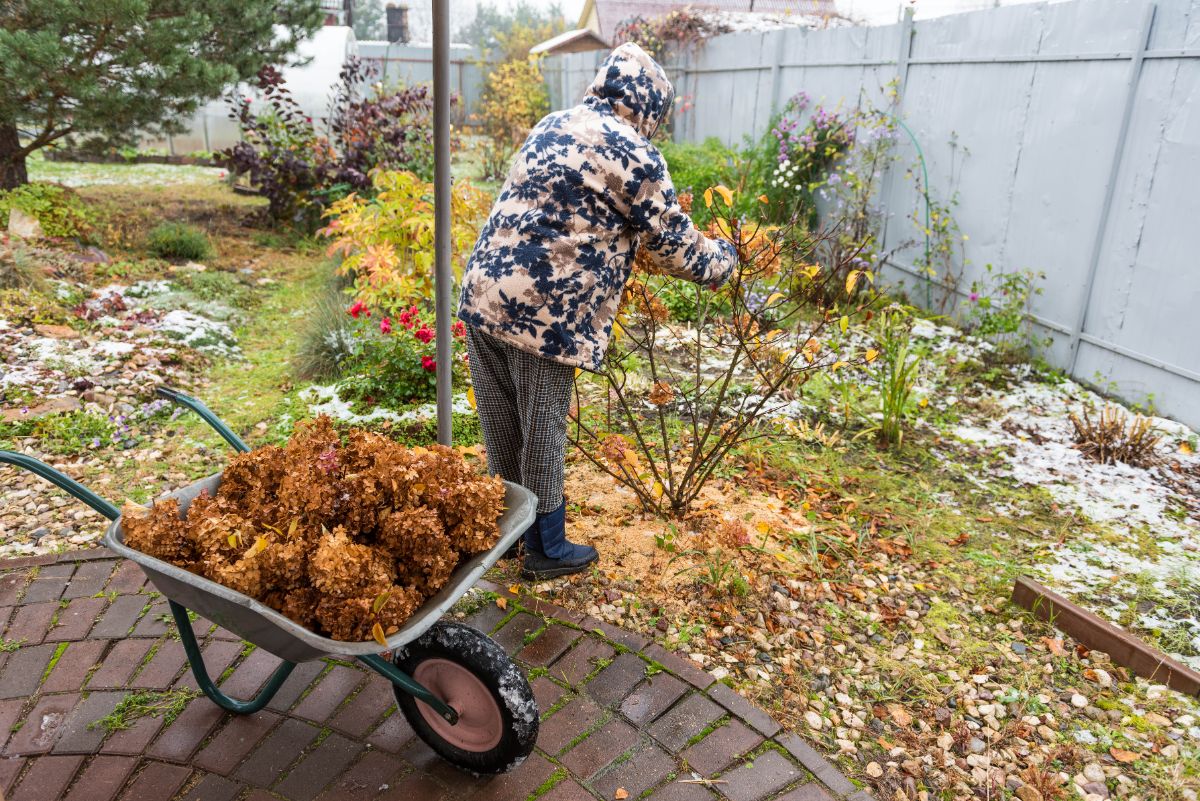
- Do a thorough leaf cleanup beneath hydrangeas. It is not a magic cure, but it can help reduce pest pressure next year by removing sheltered spots.
- If you compost, only compost leaves that are generally healthy. If leaves are heavily spotted or you have repeated pest issues, bagging or municipal yard waste is often the safer call.
How long it takes hydrangeas to look better
Here is the honest truth I tell myself every year: stippling does not heal. Once a leaf is bleached, it stays bleached. The goal is to protect new growth and stop the damage from spreading.
- After treatment, you should see less active feeding within 7 to 14 days.
- The plant will look better as it pushes fresh leaves that are not stippled.
- If you are late in the season, focus on reducing stress and preventing a blowout next spring.
Preventing lace bugs next year
- Give hydrangeas the light they want: morning sun, afternoon shade in hotter climates.
- Mulch for moisture: consistent soil moisture makes the plant less inviting to sap-feeders.
- Avoid excess nitrogen: very lush, tender growth can invite pests.
- Scout early: start flipping leaves in late spring and early summer, especially on plants that had damage before.
If you have had a recurring problem, that early-season check is everything. Catching lace bugs when you see the first stippling is so much easier than trying to rescue a plant that is already gray and tired.
FAQ
Will lace bugs kill my hydrangea?
They usually do not kill established hydrangeas outright, but heavy, repeated feeding can weaken the shrub, reduce flowering, and make it more vulnerable to heat stress and winter damage. Addressing them early keeps the plant vigorous.
Should I cut off all the damaged leaves?
No. Remove the most damaged leaves if you can do it without stripping the plant. Hydrangeas still need foliage to photosynthesize and recover.
Do I need to treat the soil?
Not for lace bugs. The action is on the foliage, especially the undersides of leaves. Put your effort into scouting, spraying correctly, and keeping the plant well-watered and mulched.
Why do I only see damage on some hydrangeas?
Microclimates matter. One plant might get more reflected heat, more afternoon sun, or drier soil. Lace bugs also tend to return to the same general area if they overwinter nearby.
A final, calming note from my garden to yours
If you are feeling that familiar black-thumb panic, take a breath. Lace bug damage looks alarming because it is so speckled and sudden looking, but it is also very diagnosable once you know to flip the leaf. Confirm the signs, treat gently and thoroughly, and clean up the fallen leaves. Your hydrangea can absolutely bounce back, and you do not have to be perfect to get there.