
Why Are My Hydrangea Leaves Turning Yellow?

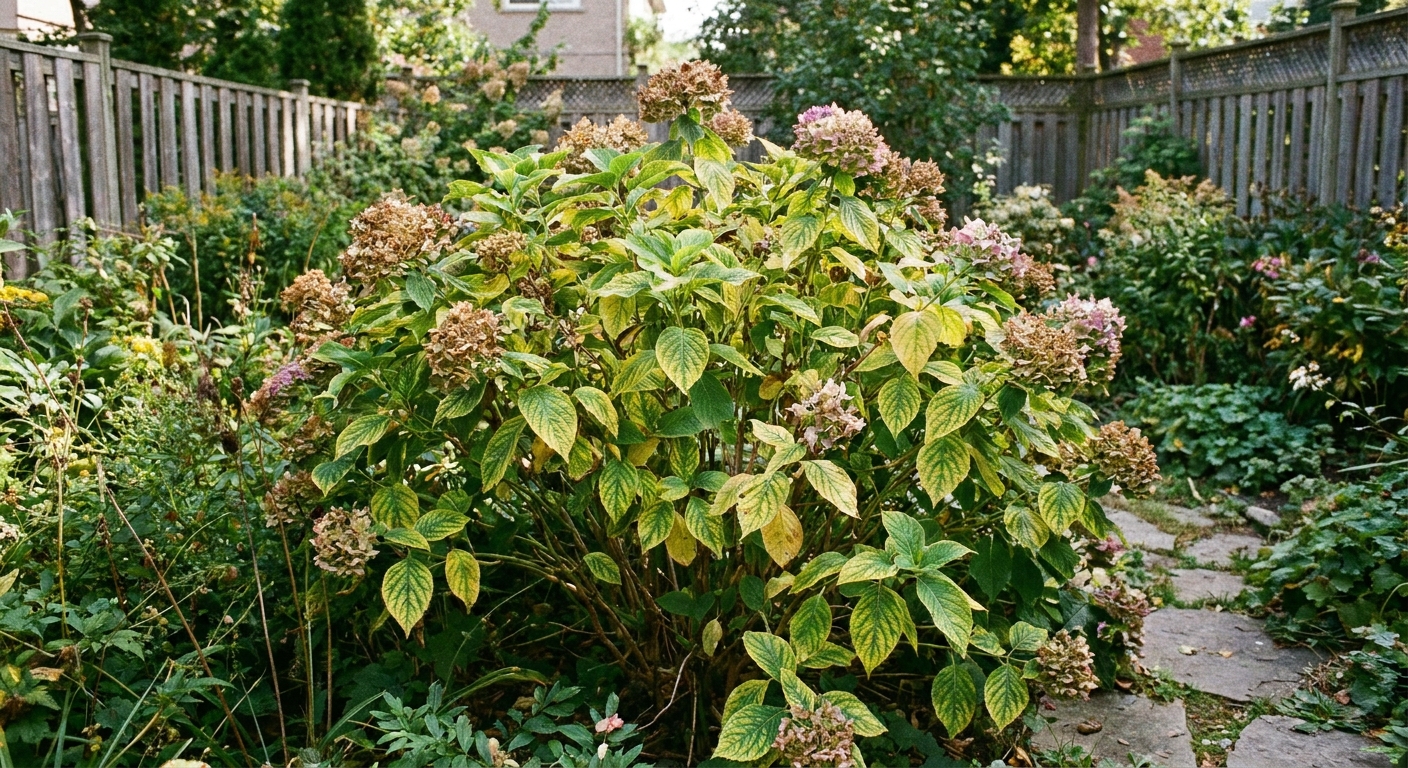
Yellow hydrangea leaves can feel like your plant is waving a little flag that says, “Something is off.” The good news is that most causes are fixable once you match the pattern of yellowing to what is happening underground and above ground.
Before you fertilize or do any panic pruning, take 60 seconds to observe:
- Which leaves are yellowing? New growth at the tips, or older leaves near the base?
- Is it between the veins or the whole leaf? Green veins with yellow tissue often points to micronutrient issues like iron, but there are look-alikes.
- Is the soil wet, dry, or hard like a brick? Water and root issues cause more yellowing than most people realize.
- Any spots, chewing, or sticky residue? That is your pest and disease clue.
Let’s walk through the most common reasons hydrangea leaves turn yellow, and what to do without making things worse.

Read the pattern first
Hydrangeas are wonderfully expressive plants. The pattern of yellowing can help you narrow things down, but it is best used as a clue, not a final diagnosis.
Quick pattern cheat sheet
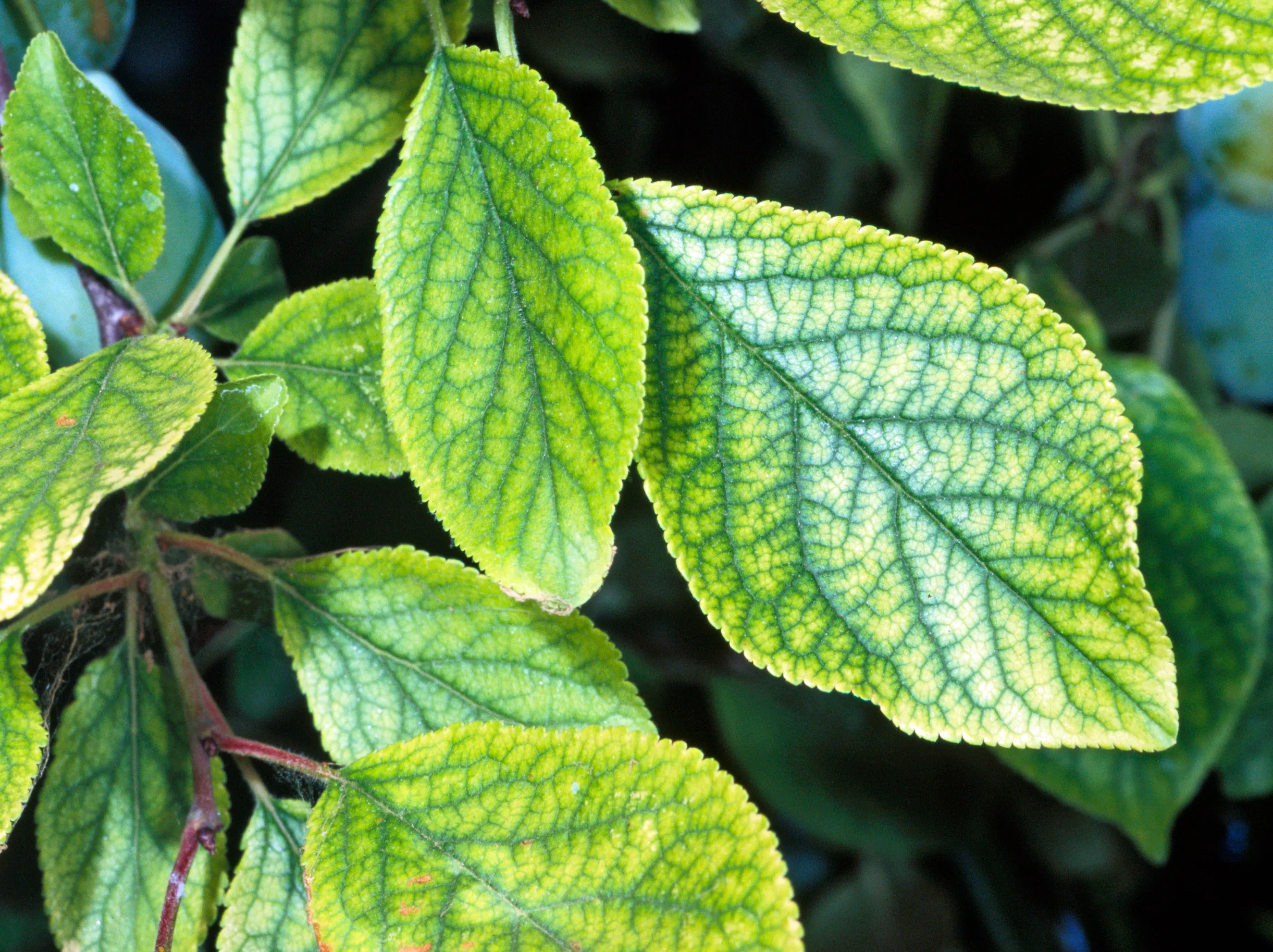
- Yellow leaves with green veins, mostly on new growth: often iron chlorosis (a micronutrient availability problem, usually tied to soil pH).
- Yellow leaves with green veins, mostly on older leaves: can be magnesium deficiency (a common iron look-alike). Iron tends to show up on new leaves first; magnesium usually starts lower on the plant.
- Older leaves yellow first, more even overall: can be nitrogen deficiency, but it can also be mild drought stress, root limitation, or normal seasonal aging.
- Yellow plus crispy edges or bleached patches: often sun scorch or watering swings.
- Yellow plus limp, droopy leaves in wet soil: often overwatering, poor drainage, or root stress.
- Yellow plus spots, speckling, or distortion: likely disease, pests, or chemical injury.
Nutrients: macro vs micro
This is where a lot of hydrangea owners get tripped up. A plant can be in soil that technically contains nutrients, but the roots cannot access them. That is especially true for iron, and sometimes magnesium.
Iron chlorosis
Classic look: leaves turn pale yellow between the veins while the veins stay greener. It often shows up on newer leaves first.
Common causes:
- Soil pH too high (alkaline soil makes iron less available).
- Over-liming nearby beds or using alkaline irrigation water over time.
- Cold or waterlogged soil that slows roots down.
Safe fixes:
- Check soil pH with a basic test kit. Many hydrangeas do best in slightly acidic soil, often around pH 5.5 to 6.5, though many types tolerate a wider range (roughly 5.0 to 7.0 depending on species and cultivar).
- Apply chelated iron (follow label rates). This can green leaves up faster than trying to “feed” iron with compost alone.
- Gently acidify over time if your pH is high: top-dress with pine bark fines, pine needle mulch, or use an acid-forming fertilizer made for acid-loving plants.
A note from my own garden: iron chlorosis is usually not a sign you failed at feeding. It is more often a sign your hydrangea is picky about chemistry. Also, once you correct the cause, new leaves often improve first. Old yellow leaves may not fully turn green again.
Magnesium deficiency (iron look-alike)
Classic look: interveinal yellowing that starts on older leaves first, sometimes with green triangles near the base of the leaf. It can look a lot like iron chlorosis until you notice where it begins.
Safe fixes: confirm with a soil test when you can. If magnesium is truly low, your local garden center may recommend a magnesium source (sometimes magnesium sulfate). Go easy and follow the label. This is one of those cases where “a little” is helpful and “a lot” can throw other nutrients out of balance.
Nitrogen deficiency
Classic look: older leaves fade from healthy green to pale green, then yellow. The whole leaf often yellows more evenly than with iron chlorosis.
Common causes:
- Not fertilizing at all in very sandy soil.
- Heavy rain or frequent irrigation leaching nutrients.
- Mulch that is mixed into soil and temporarily ties up nitrogen as it breaks down.
Safe fixes:
- Feed lightly with a balanced slow-release fertilizer or an organic option like alfalfa meal or a gentle plant food labeled for shrubs.
- Top-dress with compost and keep it as a layer on top, not dug into roots.
- Avoid overdoing nitrogen. Too much can create lush foliage with fewer blooms, and it can increase tender growth that pests love.
Roots and crowding
If your hydrangea is in a pot, planted in heavy clay, or squeezed by nearby roots, it can struggle to take up water and nutrients. That stress can show up as yellowing, especially during heat.
Signs roots are the issue
- Soil surface looks fine but stays dry underneath, or it stays soggy for days.
- Plant wilts quickly on warm afternoons even when you watered recently.
- Very slow growth and smaller leaves than usual.
- In containers, roots circle the pot or poke out drainage holes.
Safe fixes
- For container hydrangeas: step up one pot size, loosen circling roots, and use a high-quality potting mix that drains well.
- For clay or compacted soil: do not dig around and damage roots. Instead, top-dress with compost and keep a 2 to 3 inch mulch layer to slowly improve structure.
- Improve drainage if water pools: consider a raised planting area or redirect downspout runoff.
Water extremes
Hydrangeas like consistent moisture, not soggy feet and not bone-dry spells. Yellow leaves are a very common response to watering stress, and it is not always obvious which direction the problem is going.
Too much water
Clues: yellowing with a limp look, soil that smells sour, fungus gnats around pots, or leaves that drop while still soft.
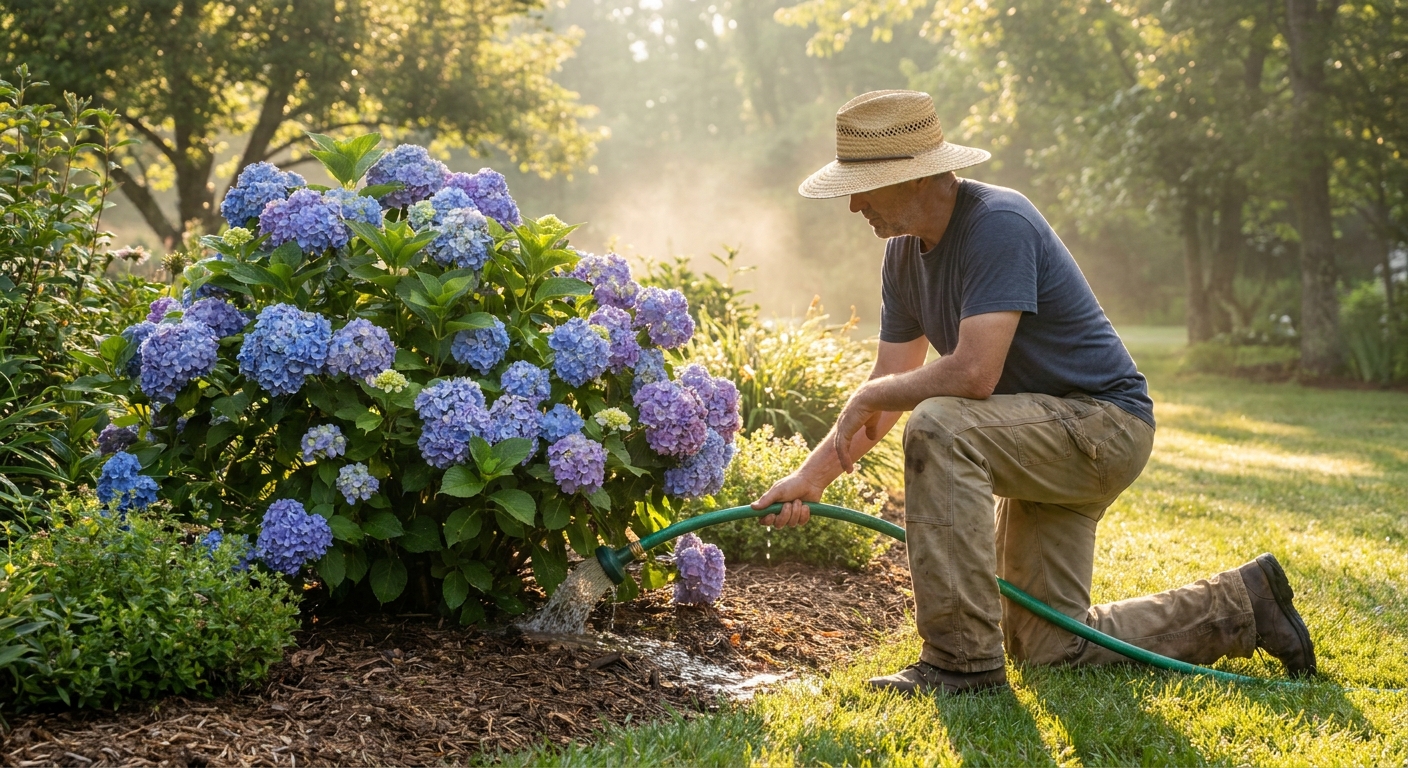
Fix: let the top couple inches of soil dry before watering again. In ground, improve drainage and avoid daily sprinkling. Aim for deep, less frequent watering so roots get oxygen between soakings.
Too little water
Clues: yellowing plus wilting during heat, crispy edges, and dry soil several inches down.
Fix: water deeply at the base. A slow soak is better than a quick splash. Mulch helps enormously, especially during summer.
Big swings
If your hydrangea alternates between drought and drenching, the plant can shed older leaves or yellow unevenly as it tries to rebalance.
Fix: set a simple rhythm: check soil with your finger 2 to 3 inches down, then water thoroughly when it feels dry at that depth.
Sun and heat
Many hydrangeas, especially bigleaf types, do best with morning sun and afternoon shade. Too much hot sun can bleach leaves to yellow, then tan, especially on the side facing the strongest light.
Clues
- Yellowing and bleaching on the most exposed leaves.
- Crisp, browned patches that look papery.
- Symptoms worsen during heat waves.
Safe fixes
- Give relief with shade cloth during extreme heat or provide dappled shade with taller plants.
- Water early and mulch well, but do not keep soil constantly saturated.
- Avoid foliar sprays in full sun that can intensify leaf burn.
Disease
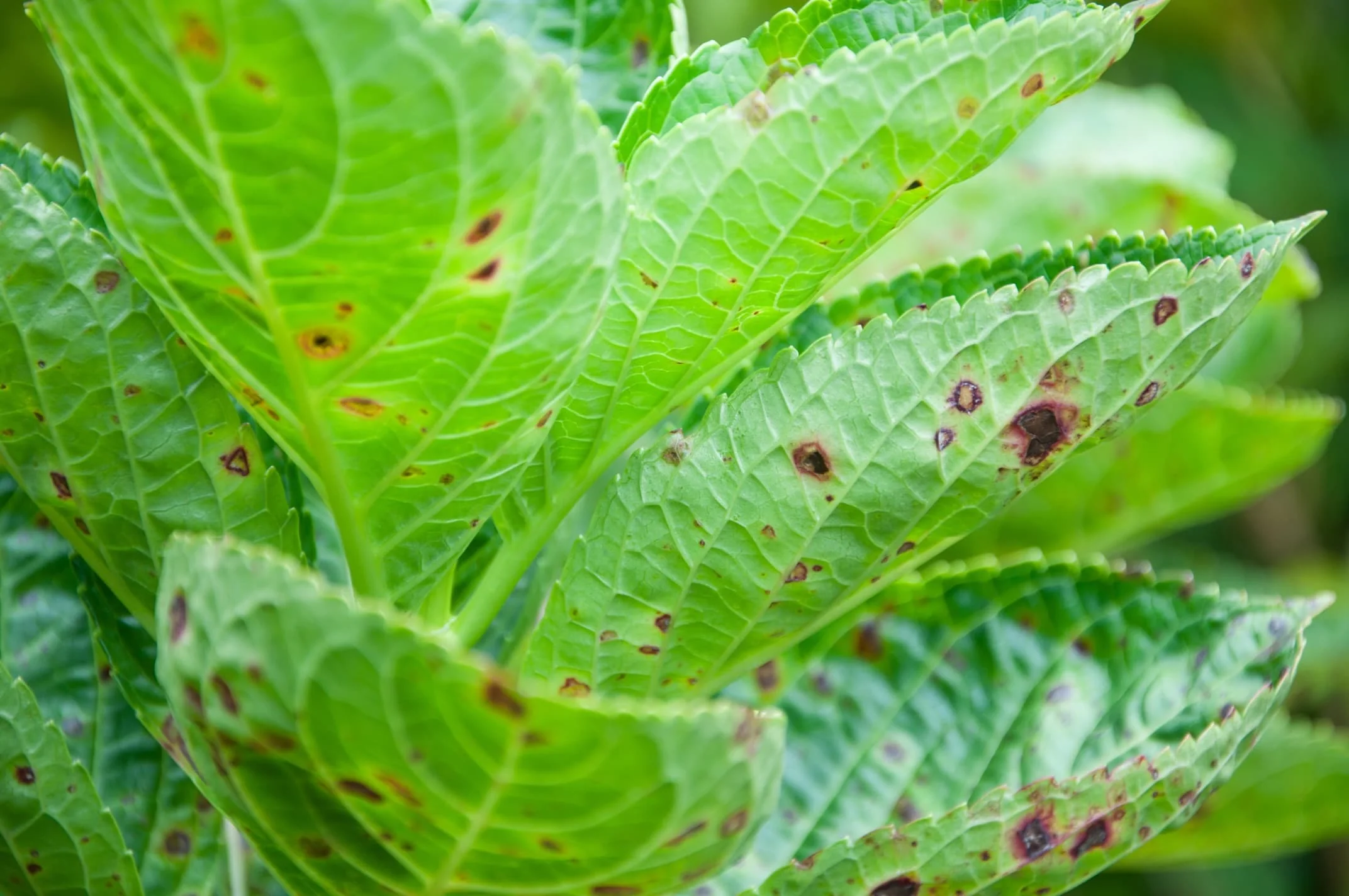
Hydrangeas are generally sturdy, but leaf spot diseases can cause yellowing, especially when leaves stay wet or airflow is poor. Bacterial leaf spot can also happen in some areas, and it can look similar at first glance.
Leaf spot (usually fungal)
Clues: yellowing accompanied by spots that are purple, brown, or black. Leaves may yellow around the spots before dropping.
Fix:
- Remove heavily affected leaves from the plant and pick up fallen leaves.
- Water at the base, not overhead.
- Thin nearby plants for better airflow and avoid crowding.
- If the problem repeats yearly and is severe, consider a fungicide labeled for hydrangea leaf spots and follow the label exactly. Be patient. It often helps prevent new infection more than it “repairs” old leaves.
Bacterial leaf spot (quick note)
Clues: angular, water-soaked looking spots that can turn dark, sometimes with a yellow halo. It often spreads during warm, wet periods and with overhead watering.
Fix: focus on sanitation and keeping foliage dry. If you suspect bacterial issues, avoid routine fungicide use as a first step and consider local extension guidance for your area.
Root rot
Clues: yellowing with persistent wilting in wet soil, poor growth, and sometimes a bad smell in the root zone. In pots, roots may look brown and mushy instead of firm and pale.
Fix: address drainage first. In containers, repot into fresh mix and trim dead roots. In ground, reduce irrigation and consider replanting to a better-drained spot if the site stays wet.
Pests
Pests often cause a tired look: yellowing, stippling, and leaves that just do not seem as lush. The faster you catch them, the gentler the fix can be.
Spider mites
Clues: fine stippling, a dusty look to leaves, and sometimes delicate webbing on undersides. Often worse in hot, dry weather.
Fix: rinse leaf undersides with a strong spray of water. If needed, use insecticidal soap or horticultural oil, applied in the cooler part of the day.
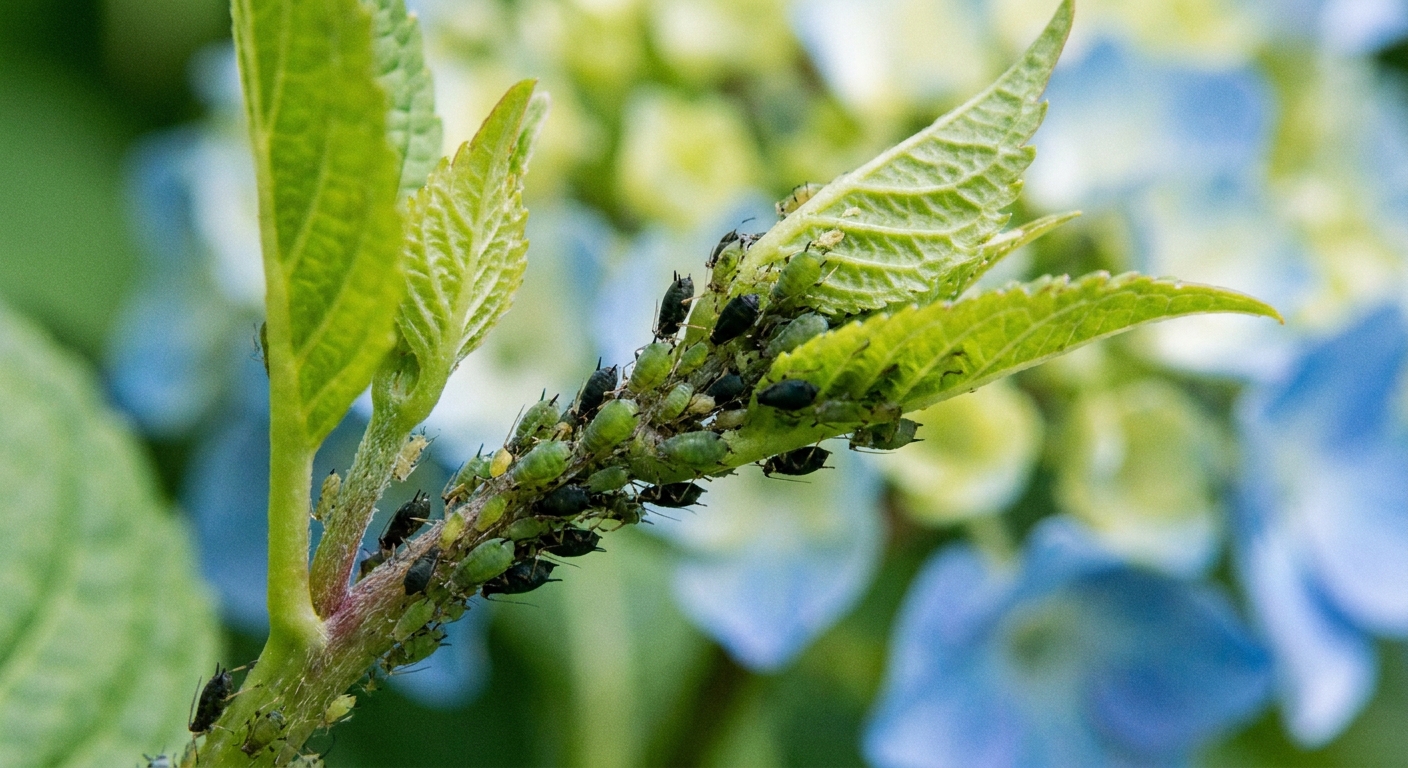
Aphids
Clues: curled new growth, sticky residue (honeydew), ants farming the plant, and clusters of small insects on tender stems.
Fix: blast them off with water, encourage ladybugs, or use insecticidal soap. Avoid heavy nitrogen feeding that makes extra-tender growth.
Scale
Clues: small bumps on stems or leaf veins, yellowing and decline over time.
Fix: hand-scrape small infestations, then treat with horticultural oil according to label directions.
Chemical and salt stress
Sometimes yellowing is not a nutrient deficiency at all. It is chemical stress.
Herbicide drift
Clues: twisted or cupped new growth, weird distortion, and sudden decline after a lawn weed killer application nearby or on a windy day.
Fix: rinse foliage if exposure was very recent, water the root zone normally (do not flood it), and avoid fertilizing hard while the plant is stressed. New growth often tells the story over the next few weeks.
De-icing salt or road salt
Clues: browning and yellowing along leaf edges, poor growth near driveways, sidewalks, or street-facing beds.
Fix: in spring, flush the soil with a deep watering if drainage is decent, refresh mulch, and consider a barrier planting or moving the shrub if the site is a repeat offender.
Do this week
If you are not sure which cause is at play, start with steps that are low-risk and high-impact.
1) Check moisture
Stick your finger 2 to 3 inches into the soil. If it is soggy, pause watering and improve drainage. If it is dry, do a slow, deep soak.
2) Compare new vs old leaves
- New leaves yellow with green veins: think iron and pH.
- Older leaves yellow with green veins: think magnesium as a possible look-alike.
- Older leaves yellow evenly: think nitrogen, but also consider stress, roots, or seasonal aging.
3) Check undersides
Bring a phone flashlight. You are looking for mites, aphids, scale, or fine speckling.
4) Tidy and add airflow
Remove fallen leaves, avoid overhead watering, and thin lightly if the plant is extremely dense. Hold off on heavy pruning while the plant is stressed unless you are removing clearly dead material.
5) Feed carefully
If you fertilize, go gentle and water first if the soil is dry. Hydrangeas respond better to steady, modest nutrition than big doses that can burn roots or push weak growth.
What not to do
- Do not fertilize a wilted, drought-stressed plant until it is hydrated again.
- Do not apply iron blindly if your soil is already quite acidic. Test pH first when possible.
- Do not use horticultural oil in high heat or full sun. Apply in cooler parts of the day and follow the label.
- Do not keep “fixing” with five products at once. Make one change, then watch new growth.
Normal yellowing
Not all yellowing is a crisis.
- Seasonal shed: older leaves can yellow and drop as the plant reallocates energy, especially late in the season.
- Transplant shock: a few yellow leaves after planting can happen while roots reestablish.
If the plant is producing healthy new growth and the yellowing is limited to a few older leaves, you can usually tidy them up and focus on consistent care.
When to worry
If more than a third of the plant is yellowing, if new growth is stunted, or if the plant wilts even in moist soil, it is time to gather better information.
- Soil test: for pH and nutrient levels. This is the fastest way to stop guessing between iron, magnesium, and nitrogen problems.
- Drainage test: dig a hole about 12 inches deep, fill it with water, let it drain once, then fill again. If the second fill still has standing water after 1 to 2 hours, drainage is likely an issue for hydrangeas.
- Container check: slide the plant out and look at roots. Healthy roots are firm and light colored, not mushy and brown.
Hydrangeas are forgiving, and they really do bounce back once the roots can breathe, the watering is steady, and nutrients are available. Start with observation, make one change at a time, and let the plant tell you how it feels over the next couple of weeks.