
How to Welcome Ladybugs, Lacewings, and Other Beneficial Insects

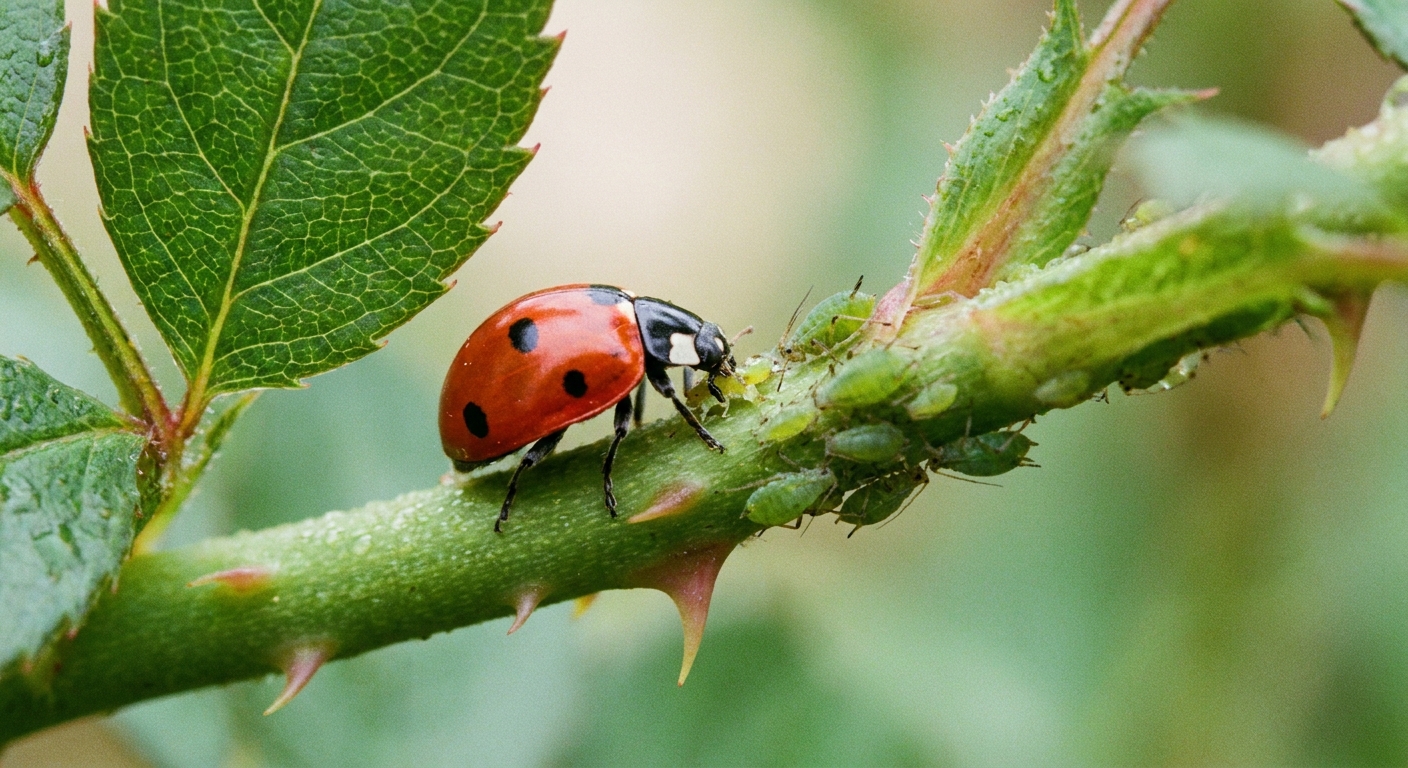
If you have ever crouched over a kale leaf whispering, “Please do not let those aphids win,” you are in excellent company. Beneficial insects are the quiet, tireless helpers of an organic garden. They hunt pests, pollinate flowers, and keep outbreaks from turning into full-blown plant drama.
The good news is you do not need a fancy backyard meadow to welcome them. A balcony pot with the right blooms, a shallow water dish, and a few “leave it alone” corners can make your space a five-star stopover for ladybugs, lacewings, hoverflies, parasitic wasps, and other garden allies.

Meet the helpers (and what they eat)
Beneficial insects generally fall into three helpful categories. The trick is to support all three so your garden stays balanced through the whole season.
1) Predators
These are the hunters that actively eat pests.
- Ladybugs (lady beetles): Both adults and especially larvae eat aphids, scale crawlers, and small soft-bodied insects.
- Green lacewings: Their larvae are sometimes called “aphid lions” for a reason. They also eat thrips, mites, whiteflies, and small caterpillars.
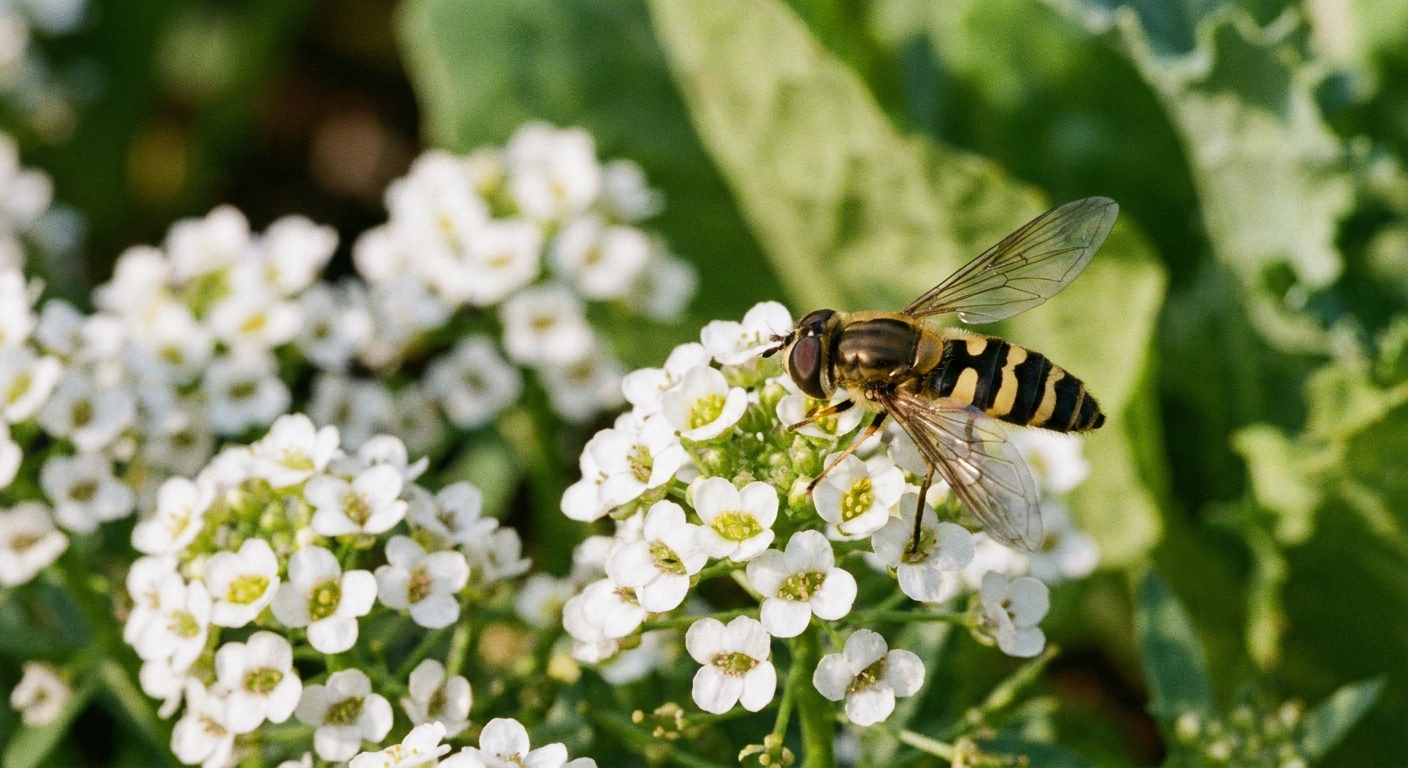
- Hoverfly larvae: The adults look like tiny bees and visit flowers, while the larvae eat piles of aphids.
- Predatory beetles and assassin bugs: Generalist predators that help in vegetable beds and ornamentals.
2) Parasitoids
These insects lay eggs on or inside pests. It sounds intense, and it is, but it is also very effective.
- Parasitic wasps (many tiny species): Target aphids, whiteflies, caterpillars, and more. If you see “aphid mummies” (puffy, tan aphids), that is parasitoid work.
3) Pollinators (with side benefits)
Some insects pull double duty.
- Hoverflies: Pollinating adults, pest-eating larvae.
- Native bees: Not pest control, but they improve pollination, fruit set, and yields, which helps keep plants productive through normal garden stress.
Author note: If you only focus on ladybugs, you can end up with a “tourist problem” where they visit briefly and leave. A garden that feeds beneficials in every life stage is what keeps them around.
Quick ID (do not squish these)
- Ladybug larvae: Tiny black-and-orange “alligators” cruising leaves.
- Lacewing eggs: Little white eggs on thin stalks, often on the underside of leaves.
- Hoverfly larvae: Legless, tapered little slugs near aphid clusters.
Attract vs release
You will see beneficial insects sold two ways: as live insects you can release, or as habitat solutions that attract wild populations. Both can work, but they are not interchangeable.
When attracting is best
- For long-term balance: Flowers, shelter, and clean water build a stable, self-renewing beneficial community.
- When you want fewer surprises: Wild beneficials arrive gradually and tend to stick around if the habitat suits them.
- If you use IPM: Attracting fits beautifully into an Integrated Pest Management approach where you monitor and respond gently.
When a release helps
Releases are most helpful when you have an active outbreak and you need reinforcement quickly, especially in enclosed or semi-enclosed spaces.
- Greenhouse, hoop house, or indoor grow: Releases can be very effective because insects are less likely to fly off.
- A sudden aphid flare-up on seedlings: Lacewing eggs or larvae can help, if conditions are right.
Timing tips for releases
- Release at dusk or early morning: Cooler temperatures reduce immediate dispersal.
- Water first: Lightly mist plants or water the bed so insects can drink.
- Release near food: If there are no pests, predators leave. That is normal, not a failure.
- Avoid spraying while releases are underway: Many products, including some “natural” ones, can harm beneficials on contact. Also pay attention to label guidance on residual activity and re-entry intervals, since residues can remain harmful after spraying.
Important reality check: Many store-bought adult ladybugs are collected from the wild and often fly away within a day or two. If you want better “stay put” results, focus on habitat, or consider lacewing eggs, which often establish more reliably in open gardens (still dependent on weather, ants, and prey availability).
A quick ladybug warning
Not all “ladybugs” are equal. The Asian lady beetle (Harmonia axyridis) is a common, invasive species in many regions and can become a nuisance in homes. Avoid intentionally purchasing or releasing lady beetles if you cannot confirm the species. When in doubt, focus on habitat and local natives instead of buying a bag of adults.
Flowers that actually help
Adult beneficial insects often need nectar and pollen even if their babies are the pest-eaters. The goal is a steady food supply from early spring through fall so there is always a reason to stick around.
What to look for
- Small, open blooms: Easier for tiny wasps and hoverflies to access.
- Clustered flowers: Think umbels and flat-topped blooms.
- Long bloom time: Reliable food instead of a one-week party.
Great choices for beds and pots
- Sweet alyssum: A hoverfly magnet and an excellent living border for beds.
- Dill, fennel, cilantro (let some bolt): Umbel flowers feed parasitoids and hoverflies.
- Yarrow: Tough, drought-tolerant, and loaded with tiny nectar-rich blooms.
- Calendula: Easy, cheerful, and a steady bloomer.
- Cosmos: Long-season nectar, especially helpful in late summer.
- Borage: Beloved by pollinators, also a great companion in mixed beds.
- Native wildflowers: Whenever possible, choose natives suited to your region for the most consistent beneficial insect support.
Simple bloom pacing
If you want the “always open” sign without overthinking it, pick:
- Early: alyssum, calendula
- Midseason: dill or cilantro (flowering), yarrow
- Late: cosmos, plus a local native aster if you have room
Habitat matters
Flowers are the café. Habitat is the apartment. If you want beneficial insects to reproduce and overwinter, give them a few safe, slightly messy places.
Easy habitat upgrades
- Leave a little leaf litter: A thin layer under shrubs or in a bed corner shelters ground beetles and overwintering beneficials.
- Keep some stems standing: Hollow and pithy stems can shelter beneficial insects and some native bees.
- Add low, dense plants: Thyme, oregano, and creeping groundcovers create humid hideouts for predators.
- Use mulch thoughtfully: Organic mulch moderates soil moisture and temperature, which supports a healthy soil food web that many insects depend on.
- Create “no disturbance” zones: Even a one-square-foot corner helps.
Skip the spotless look
I love a tidy path as much as anyone, but beneficial insects need a garden that looks alive, not sterile. If you can tolerate a little garden chaos, you will be rewarded with fewer pest explosions.
A note on insect hotels
They can help some solitary bees, but they are not required for biological control and they need occasional cleaning or replacement to avoid turning into a parasite and disease hangout. If you want a low-maintenance option, standing stems and leaf litter are the unsung heroes.
Shallow water
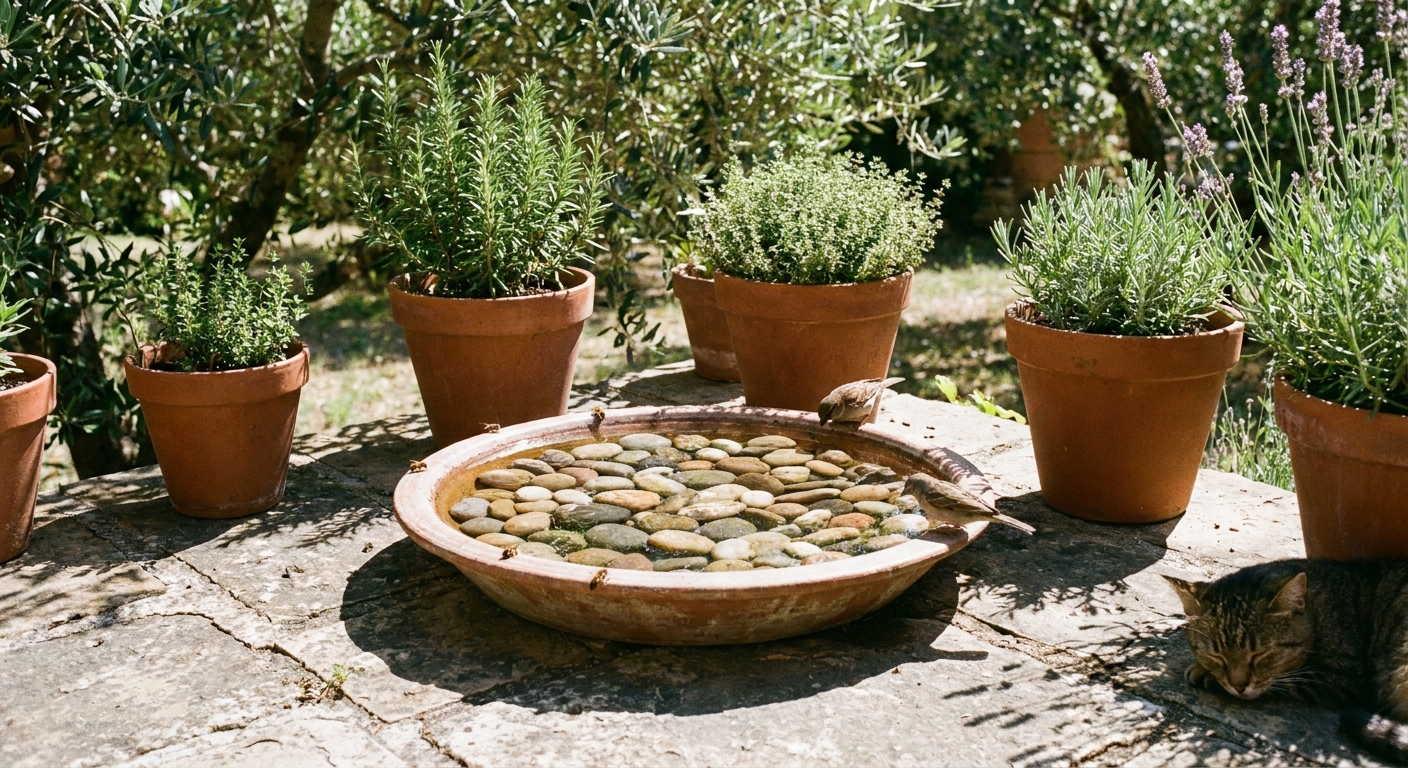
Insects need water, especially in hot weather. But deep water is dangerous. A safe water station can keep beneficials hunting in your garden instead of leaving to find hydration.
Make a safe watering spot
- Use a shallow saucer, pie tin, or plant tray.
- Add pebbles or small stones so insects can land and drink without drowning.
- Keep it topped up and rinse it occasionally to prevent slime buildup.
Pesticides and IPM
If you want ladybugs and lacewings, you need an IPM mindset. Integrated Pest Management is just a fancy way of saying: observe first, act strategically, and choose the least disruptive option.
Use the gentlest tool that works
- Start with water: A firm spray knocks aphids off many plants.
- Hand-remove: Squish, prune, or pick off heavily infested tips.
- Use barriers: Row covers for young brassicas can prevent moths from laying eggs.
- Spot-treat only when needed: If you must spray, avoid blanket coverage.
Be careful with “natural” sprays
Products like insecticidal soap, horticultural oil, neem, and pyrethrins can harm beneficial insects on contact. They are sometimes appropriate, but timing and precision matter.
- Spray at dusk when beneficial activity is lower.
- Target the affected plant, not the whole bed.
- Avoid spraying open flowers whenever possible.
- Follow the label and consider residual activity. If residues remain active, beneficials can still be affected after the spray dries.
Best practice: If you see ladybug larvae or lacewing eggs, pause. Your garden is already deploying reinforcements.
One common sabotage: ants
If ants are “farming” aphids for honeydew, they may protect aphids from predators like ladybug larvae and lacewings. If you see lots of ants running up and down an infested plant, consider sticky barriers on stems (where appropriate), managing ant nests nearby, and reducing aphid density with a water spray so your beneficials can actually do their jobs.
Windowsills and indoor starts
Many of us start seedlings indoors, and pests like aphids and fungus gnats love that environment. Beneficial insects can help, but indoors adds one big problem: windows.
Simple fixes
- Use fine mesh on open windows: Keeps beneficials from leaving and pests from entering.
- Move houseplants away from bright windows during a release: Predators are drawn to light and can get stuck trying to escape.
- Use yellow sticky traps carefully: They catch fungus gnats, but they can also catch beneficials. Place them low and away from flowering plants, and remove them if you are releasing beneficial insects.
If you are dealing with fungus gnat larvae in potting mix, consider biological controls that stay in the soil, like BTi or beneficial nematodes, rather than flying predators that may end up at the window.
Trap crops and banker plants
One reason beneficial insects leave is that your garden becomes too clean. When pests disappear completely, predators go looking elsewhere. A well-managed trap crop, and in some settings a true banker plant system, can keep beneficials active nearby.
Trap crops
You plant something pests prefer, then manage that plant to protect your main crop. Results vary by region and timing, so monitor closely.
- Nasturtiums: Can attract aphids away from vegetables. They can also become an aphid hotspot if you ignore them.
- Radishes: Can lure flea beetles away from young brassicas in some gardens. Monitor, since they can also increase local pressure if unmanaged.
- Mustard greens: Sometimes used as a decoy for certain brassica pests.
How to use trap crops safely
- Plant the trap crop near but not inside the most precious bed.
- Inspect it often.
- When it is heavily infested, either remove it, compost it hot, or bag and discard it. Do not let it become a pest factory.
Banker plants (quick clarification)
A classic banker plant system is more structured than “plant extra flowers.” It uses a specific plant plus an alternate, non-damaging prey or host to sustain a specific beneficial insect. This is common in greenhouses and takes careful matching.
Simple home-garden alternative: Think “insectary plants + a sacrificial plant.” For example, alyssum for nectar plus a separate pot of aphid-prone ornamentals placed away from your main crop can keep hoverflies and lacewings interested, as long as you manage it and do not let it turn into an aphid factory.
Seasonal timing
Spring
- Plant early nectar sources like alyssum and let some herbs bolt later.
- Go easy on spring cleanup. Leave some overwintering habitat until temperatures are consistently mild.
- Scout seedlings weekly. Early pest detection prevents “panic spraying.”
Summer
- Keep water available during heat spells.
- Stagger blooms. Deadhead some plants, let others go to flower.
- Spot-treat pests and protect beneficial hot spots.
Fall
- Let late flowers run. Cosmos, calendula, and native asters are beneficial fuel stations.
- Leave some stems and leaf litter for overwintering.
- Plan next year’s beneficial borders and herb patches now while you remember where pests were worst.
Beneficials and nematodes for grubs
Ladybugs and lacewings are fantastic above ground. Grubs are a below-ground issue, and that is where beneficial nematodes shine. This is one of my favorite “teamwork” approaches because you are supporting two different ecosystems at once: the leaf canopy and the soil.
Who does what
- Ladybugs, lacewings, hoverflies: Reduce soft-bodied pests like aphids, thrips, and small larvae on leaves and stems.
- Beneficial nematodes: Hunt soil-dwelling pests, including certain beetle larvae (grubs), depending on species and timing.
Which nematodes for grubs
- Hb (Heterorhabditis bacteriophora): A common go-to for many white grubs in lawns and garden soils.
- Sf (Steinernema feltiae): Often used for fungus gnat larvae and some soil pests, and sometimes included in mixes. It is not the classic first pick for deep turf grub problems, but it can be useful depending on the target and conditions.
Note: Product availability and best species vary by pest (Japanese beetle vs other grubs), soil temperature, and region. If you can, match nematode species to your target pest using a local extension guide or supplier chart.
How to use them together
- Start with scouting: If you have patchy turf, wilting plants despite watering, or you find C-shaped larvae in soil, grubs might be involved.
- Apply nematodes when soil is moist and temperatures are appropriate: Water before and after, and apply in the evening or on a cloudy day to protect them from UV light.
- Keep pesticides out of the equation: Broad-spectrum insecticides can wipe out your above-ground beneficials and disrupt soil biology.
- Support soil health: Compost, mulch, and reduced disturbance help nematodes and other beneficial soil organisms persist.
Timing tip: Grub control is usually most effective when grubs are small and near the soil surface. That often means late summer into early fall for many lawn and garden situations, but it varies by region and pest species. If you are unsure, a quick local extension office calendar is gold.

A simple 7-day plan
If you want an easy starting point, here is a gentle, doable week of changes that makes a noticeable difference.
Day 1: Observe
Walk your garden slowly. Flip a few leaves. Note where pests cluster and where flowers already bloom.
Day 2: Add blooms
Plant or pot up alyssum, calendula, dill, or yarrow near your most pest-prone bed.
Day 3: Add water
Set out a shallow pebble water dish near plantings.
Day 4: Make a habitat corner
Choose one out-of-the-way spot and let it stay a bit wild with leaf litter or standing stems.
Day 5: Adjust pest control
Remove sticky traps near flowers, stop blanket spraying, and switch to spot treatments and physical removal.
Day 6: Try a trap crop (optional)
Add nasturtiums or radishes near susceptible plants and monitor weekly.
Day 7: Keep it steady
Consistency is what builds a beneficial population. Refill water, keep blooms coming, and keep scouting.
Troubleshooting
You have flowers, but no helpers
- You may need more continuous bloom. Add at least two plants that flower at different times.
- Your garden might be isolated. Beneficials will still come, but it can take time. Keep the welcome sign up.
You released ladybugs and they vanished
- Common and normal, especially with adult ladybugs in open gardens.
- Try releasing at dusk, watering first, and focusing on habitat so the next wave wants to stay.
Pests are still present
This is not failure. In a healthy garden, pests rarely hit absolute zero. The goal is below the damage threshold, not a bug-free world. A few aphids are often the price of keeping predators around.
The calm truth
You do not have to “fight” your garden into submission. When you plant nectar, provide water, protect habitat, and choose gentle interventions, you are building a little ecosystem that works with you. And the more you practice that rhythm, the more your black-thumb worries soften into something steadier: curiosity.
Now if you will excuse me, I need to go tell my fern it is doing a great job.