
How to Grow Roses in Pots

A little green. A lot of curiosity.
Roses in pots are one of my favorite small-space garden miracles. You get fragrance and flowers right where you live, plus you can shuffle the plant into better sun, out of harsh wind, or closer to the door when it is showing off. The secret is no mystery. It is container basics done well: enough room for roots, reliable drainage, and a steady rhythm of water and food.

Pick the right pot
A rose can live in a container for years, but only if the container acts like a decent little home. Most rose problems in pots trace back to two issues: the pot is too small, or water cannot escape.
Pot size guide
Think of these as a good starting point. Your exact “right” size depends on the variety, your heat and wind, and whether you are growing a naturally compact rose or a bigger shrub type.
- Miniature roses: Start with a pot that is 10 to 12 inches wide and at least 10 inches deep (often around 5 to 7 gallons).
- Patio roses and compact floribundas: Aim for 14 to 18 inches wide and 14 to 18 inches deep (often 7 to 15 gallons).
- Most hybrid teas and larger floribundas: Choose 18 to 24 inches wide and 18 inches or deeper (often 15 gallons or more). Bigger is better for temperature stability and fewer watering emergencies.
- Small climbers trained on a trellis in a pot: Use 20 to 30 inches wide if you are serious about long-term growth.
If you are deciding between two sizes, choose the larger one. More soil volume buffers heat, cold, and moisture swings.
Drainage is non-negotiable
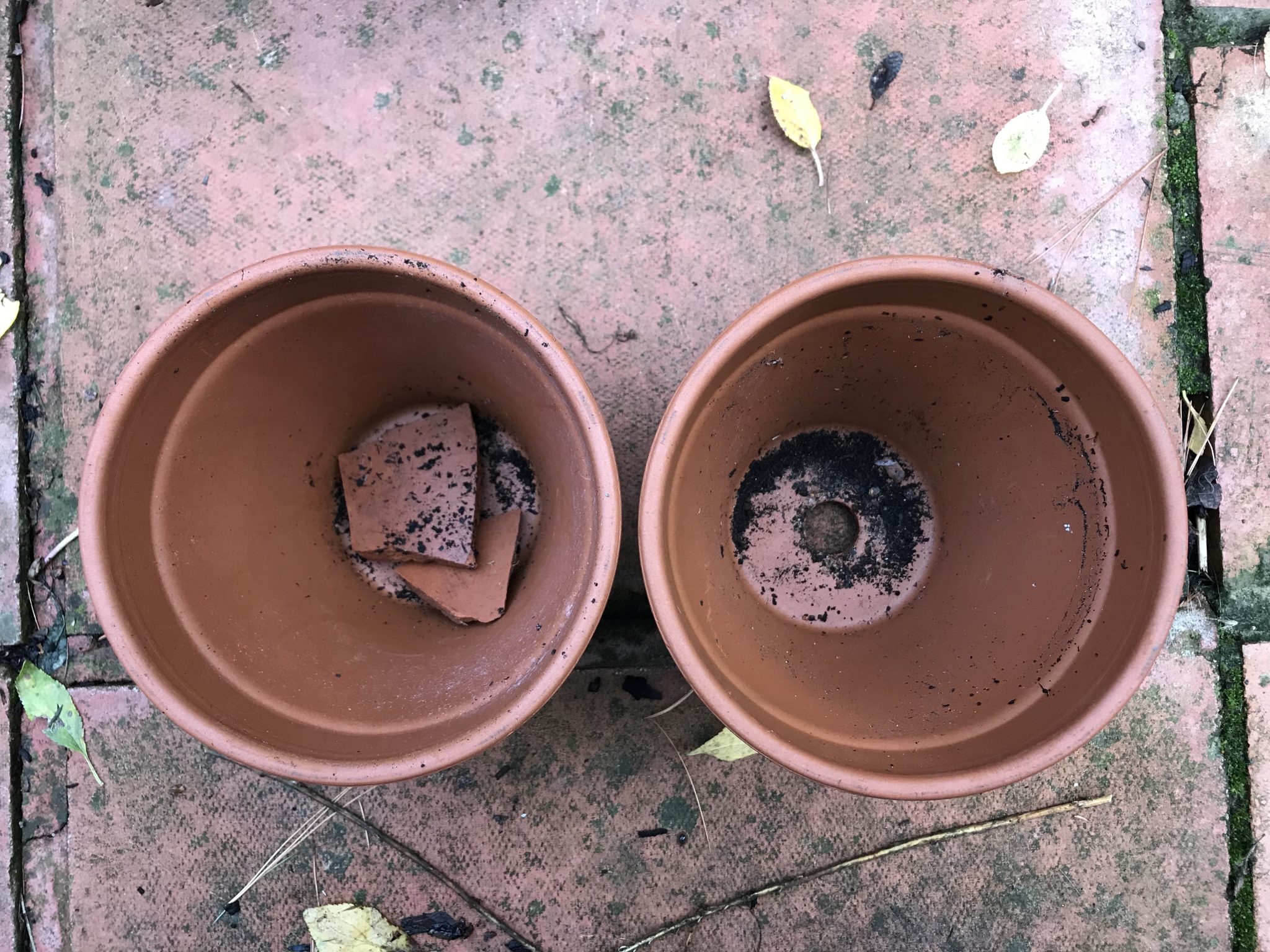
Your pot needs at least one large drainage hole, and several is even better. Roses hate sitting in waterlogged mix. If you fall for a decorative cachepot with no hole, use it as an outer sleeve and keep the rose in a plastic nursery pot inside.
Skip “drainage layers” of gravel. In containers, a layer of rocks usually does not improve drainage. It reduces root space and can keep the wet zone higher in the pot. A better move is using a well-structured potting mix and making sure water can freely exit.
Material matters
- Terracotta: Breathable and attractive, but dries faster and can crack in freezing conditions.
- Glazed ceramic: Holds moisture longer and looks polished, but can be heavy.
- Plastic or resin: Lightweight and practical, good for moving roses for winter protection.
- Fabric grow bags: Excellent root aeration, but dry quickly in hot weather and need sturdy support.
Choose rose types that love containers
Not every rose wants to live its best life in a pot. The happiest container roses are naturally compact, repeat-blooming, and less fussy about perfect conditions.
Best rose categories for pots
- Patio roses: Bred for containers and small gardens, typically compact with lots of blooms.
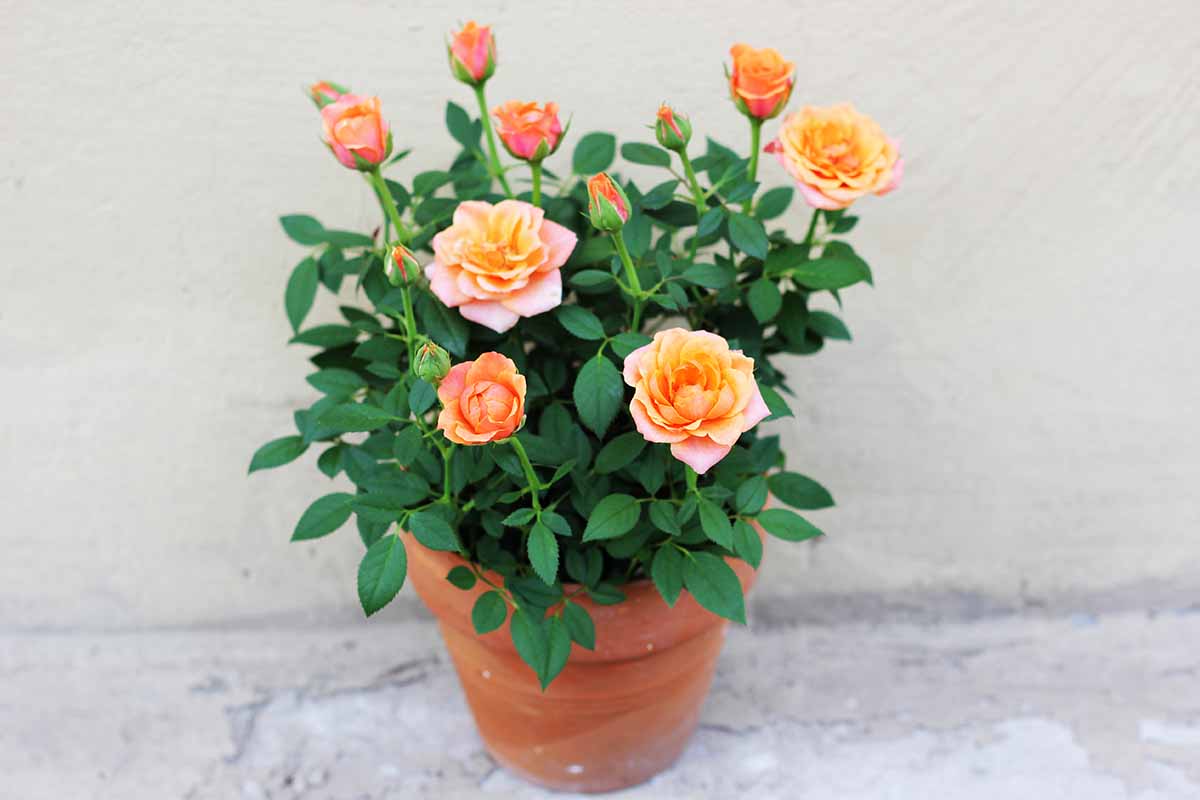
- Miniature roses: Great for balconies and tight spaces, but still need sun and steady moisture.
- Polyantha and compact floribunda roses: Often bloom in clusters and can be very rewarding in pots.
- Shrub roses that stay moderate in size: Some modern shrubs do well if given a large container.
A smart shortcut: if you are picking roses specifically for a patio, look for varieties described as disease-resistant. Airflow can be tighter around walls and railings, and resistant roses make container life easier.
What to be cautious with: very vigorous climbers, old garden roses with big root systems, and large shrub roses can be grown in pots, but they demand very large containers, consistent feeding, and more winter planning.
Own-root vs grafted in containers
You may see roses sold as own-root or grafted. Both can work in pots. Own-root roses can recover well if winter damage happens above soil level. Grafted roses can be more vigorous in some cases, but you will want to protect the graft union from severe cold, especially in a container where roots chill faster.
Use a soil mix that drains and feeds
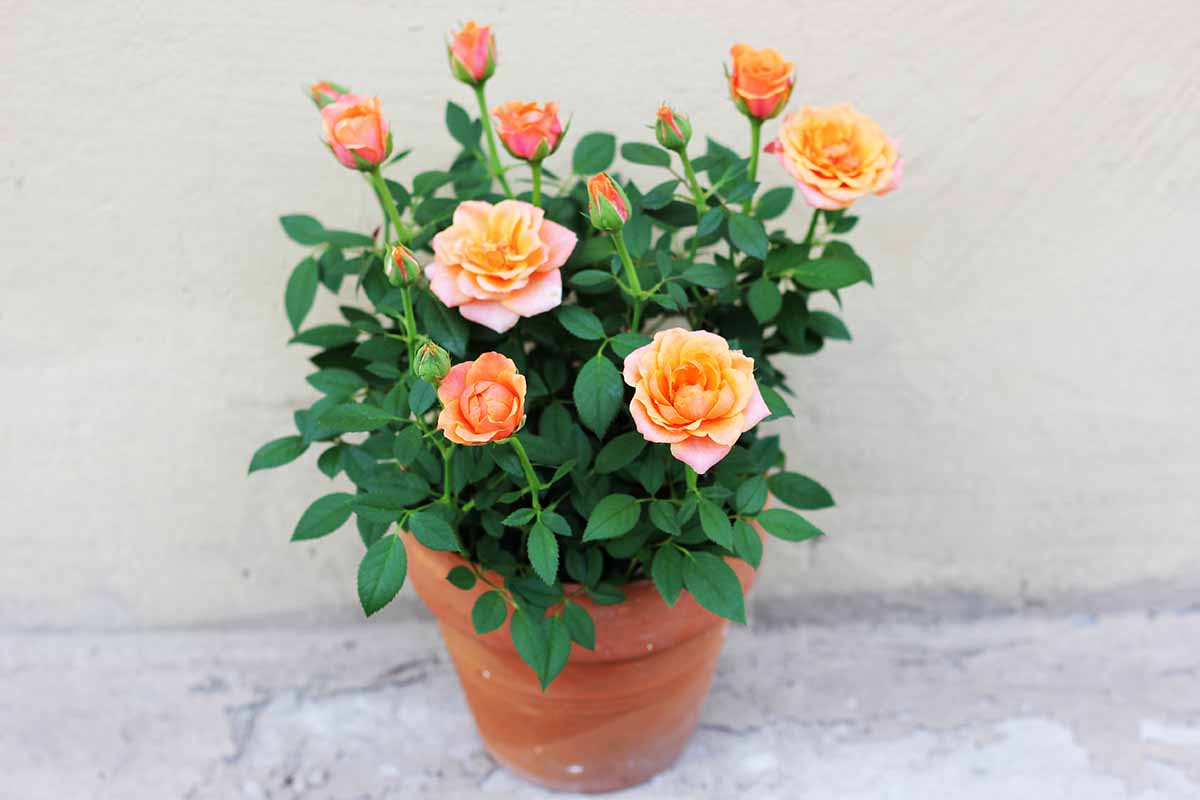
Garden soil is usually too heavy for containers. Roses want a mix that holds moisture but still breathes, so roots can take up oxygen.
A simple rose-friendly potting mix
- 2 parts high-quality potting mix (not topsoil)
- 1 part compost for slow nutrition and structure
- Optional: a handful of perlite or pine bark fines if your potting mix feels dense
If you prefer bagged products, choose a potting mix that lists ingredients like bark, peat or coir, and perlite or pumice. Avoid mixes that compact quickly or stay soggy for days.
Should you add sand or rocks?
In most home containers, no. Sand can make a mix heavier and reduce air spaces. Rocks at the bottom steal depth. Your best drainage tool is the mix itself, plus a pot with real holes.
Planting steps that prevent stress later
Planting well is like setting the table before dinner. It makes everything else smoother.
How to plant a rose in a pot
- Pre-moisten the mix so it is evenly damp, not dripping.
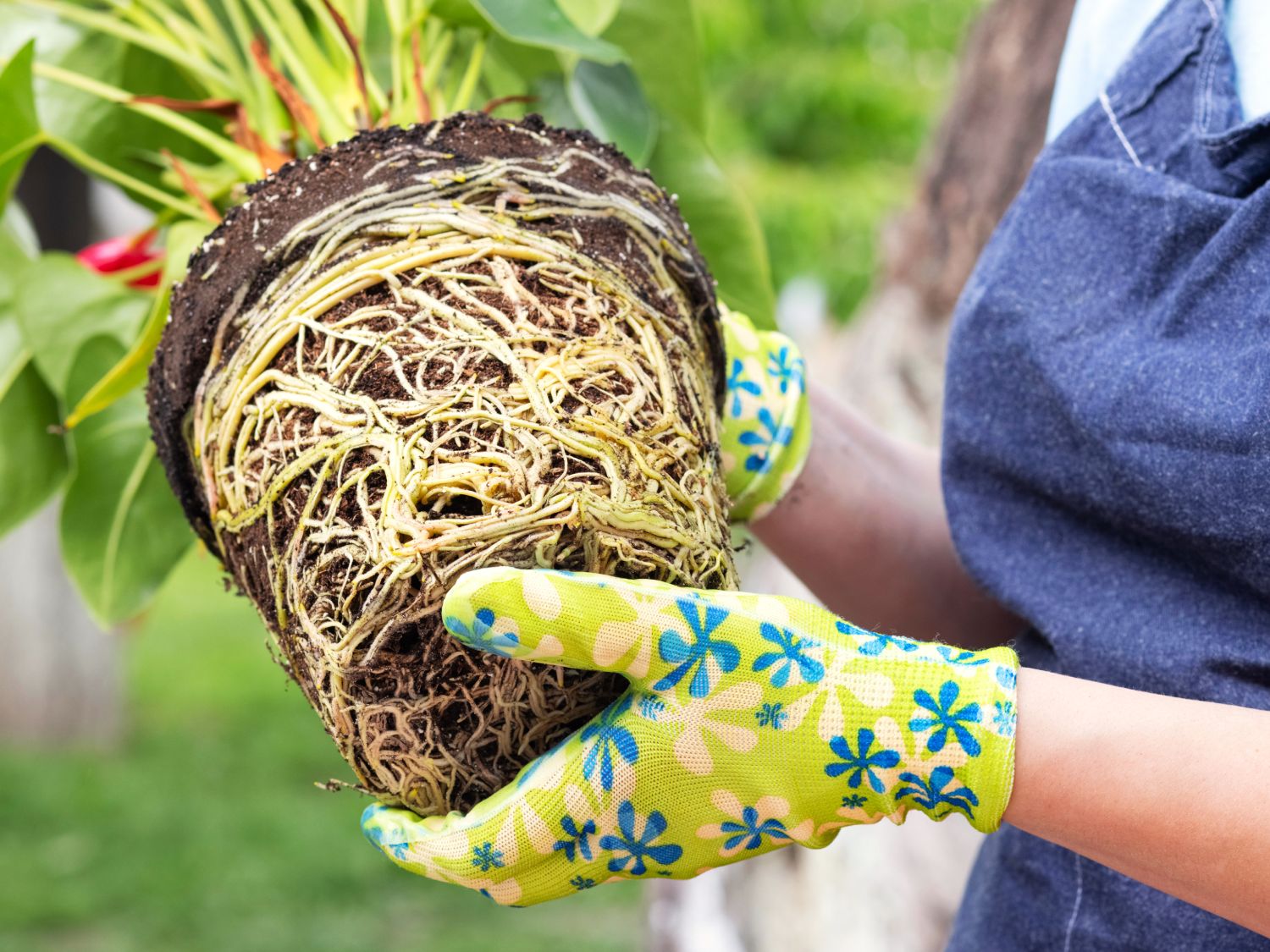
- Check the root ball. If roots are circling tightly, gently loosen the outer layer.
- Set the depth. For own-root roses, plant at the same depth it was growing in the nursery pot. For grafted roses, position the graft union at or slightly above soil level in warm climates, or about 1 to 2 inches below soil level in colder climates for extra winter protection.
- Backfill and firm lightly. You want stability, not a compacted brick.
- Water thoroughly until water runs from the drainage holes.
Sun and placement
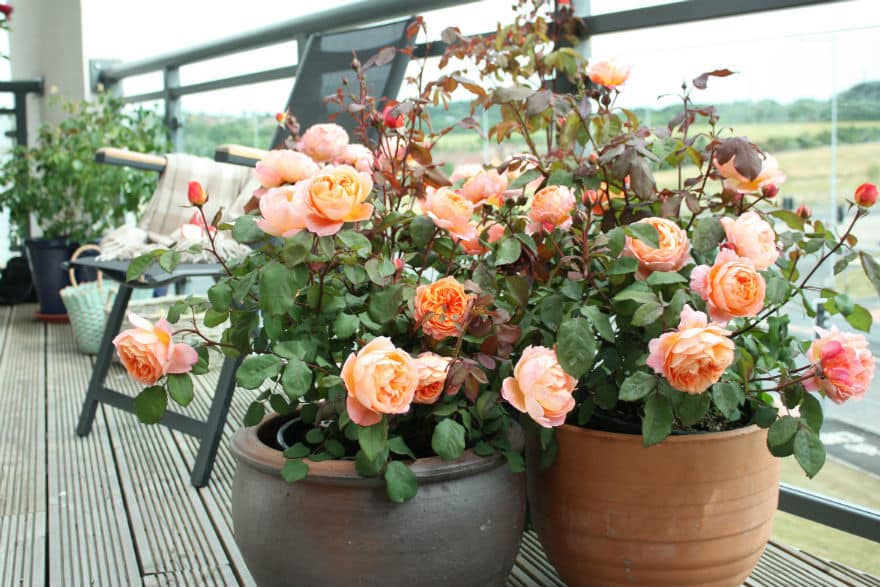
Most roses bloom best with 6 to 8 hours of direct sun. In very hot climates, morning sun with some afternoon shade can reduce heat stress and crispy petals. Keep the pot where air moves gently through the foliage, which helps reduce fungal issues.
Watering potted roses
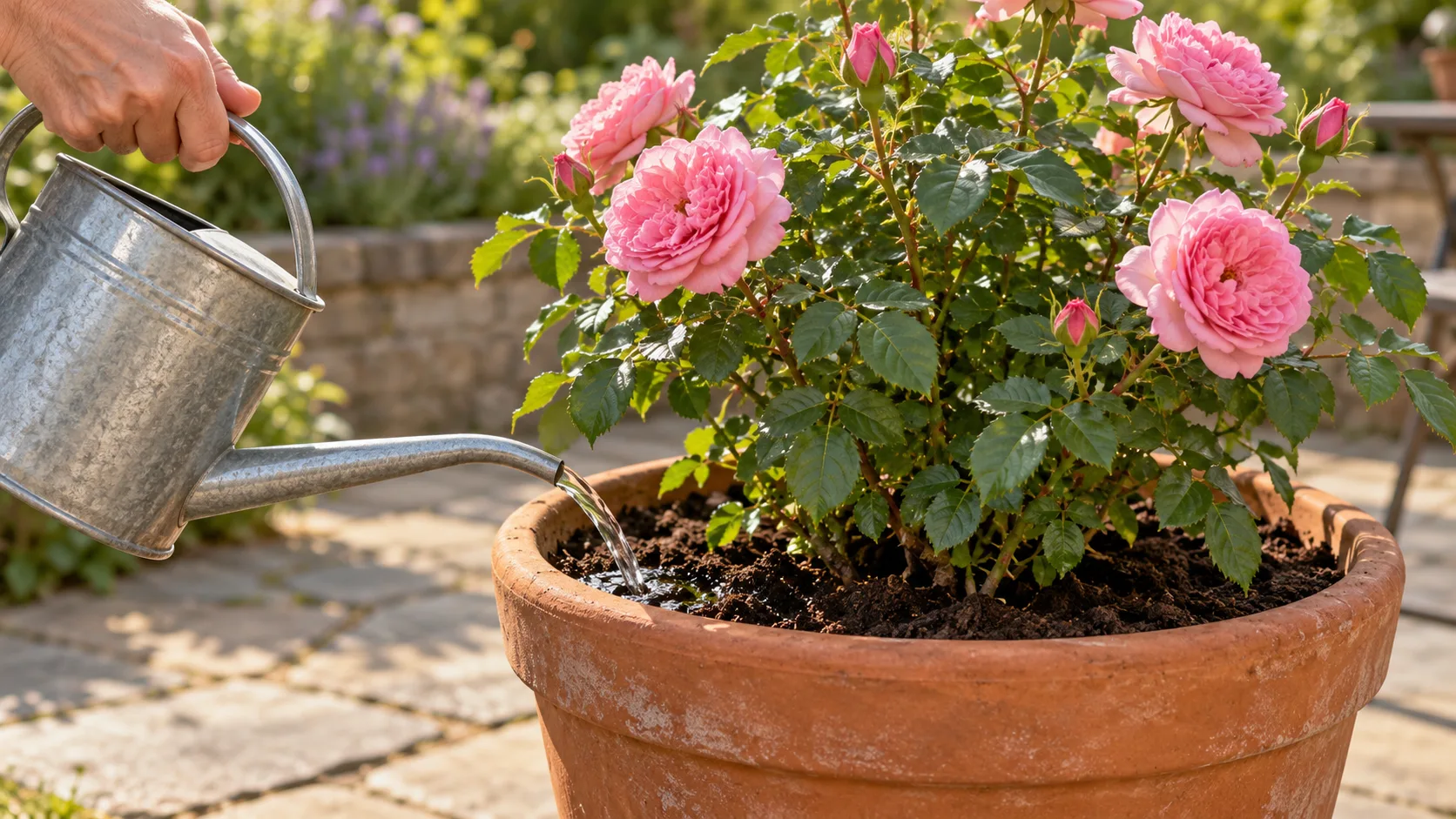
In-ground roses can coast on deeper moisture. Potted roses cannot. Your goal is deep watering, then a slight dry down, then deep watering again. The rhythm changes with heat, wind, pot size, and how root-filled the container is.
How often to water
- Spring: Usually every few days, depending on weather.
- Summer: Often daily in hot spells, especially for terracotta or smaller pots.
- Fall: Gradually less as growth slows and temperatures cool.
Instead of a calendar, use a quick check: push a finger 2 inches into the mix. If it feels dry at that depth, water.
How to water correctly
- Water slowly until it drains from the bottom.
- Saucers are fine, but empty them after watering so the pot does not sit in runoff.
- Avoid frequent tiny sips. They encourage shallow roots and uneven moisture.
Signs you are overwatering vs underwatering
- Underwatering: drooping leaves that perk up after watering, crispy edges, buds that dry and fail to open.
- Overwatering: yellowing leaves, limp growth that does not improve after watering, consistently wet soil surface, and sometimes a sour smell from the pot.
Feeding routine for steady blooms
Roses are hungry plants, and containers wash nutrients away faster than garden beds. Feeding does not need to be complicated. It just needs to be consistent.
Easy feeding options
- Slow-release granular fertilizer: Apply in spring as new growth starts, then reapply based on label timing. This is the “set it and mostly forget it” choice.
- Liquid fertilizer: Feed lightly every 2 to 4 weeks during active growth for quicker response and easier adjustments.
- Compost top-dressing: Add a thin, about 1 inch layer of compost on top of the pot in spring for gentle nutrition. Keep it from piling against canes, and go lighter if you are already battling fungus gnats or a mix that stays wet.
When to stop feeding
In areas with cold winters, begin tapering off in late summer. You want the plant to slow down and harden off, not push tender new growth right before frost. A practical rule is to stop 6 to 8 weeks before your typical first frost.
Watch for nutrient clues
- Pale leaves overall: could be low nitrogen, or simply a plant that needs more sun.
- Yellow leaves with green veins: can point to iron chlorosis, often related to high pH water or mix.
- Weak bloom cycles: often means the plant is underfed, under-sunned, or pot-bound.
Pruning and daily upkeep
Container roses benefit from the same basics as in-ground roses, with one extra perk: you can rotate the pot for even growth and better airflow.
Simple upkeep checklist
- Deadhead spent blooms to encourage repeat flowering.
- Remove yellowing or spotted leaves that drop onto the soil surface.
- Rotate the pot every week or two so one side does not hog all the sun.
- Check for pests under leaves and at tender tips.
- Mulch lightly in summer with a thin layer of bark fines or compost to slow evaporation, keeping it off the canes.
Common container rose pests
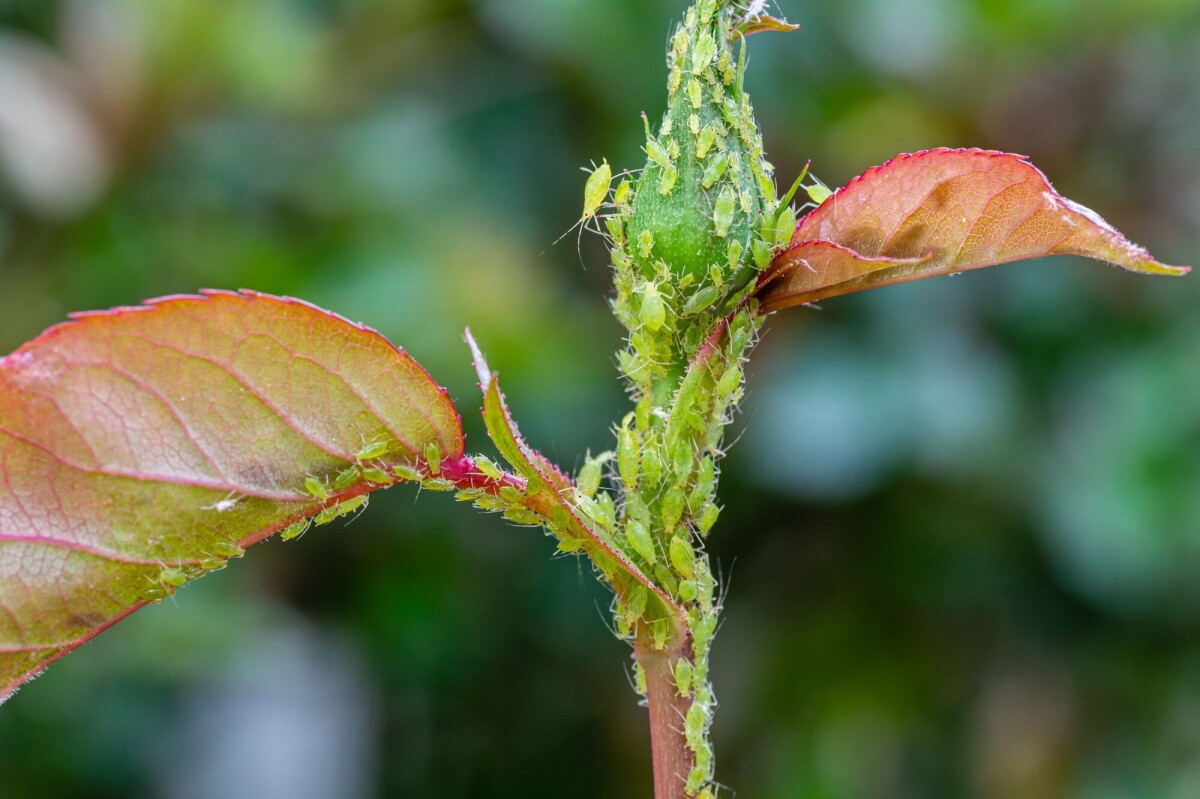
Aphids, spider mites, and thrips show up often, especially on stressed plants. A strong spray of water can knock aphids off. For recurring issues, insecticidal soap can help when used carefully and consistently, following the label. Apply in the cooler part of the day, and avoid spraying open blooms when possible.
Repotting and root care
A rose that has been in the same pot for a couple of years may start acting tired even with good feeding. That is often a root-space issue.
When to repot
- Water runs straight through and the plant dries out very fast.
- Growth is weaker and blooms are smaller.
- You see roots circling heavily at the drainage holes.
How often
Plan to repot every 2 to 3 years for many container roses. You can either move up one pot size, or keep the same pot and do a root prune and refresh the soil. If you keep the same pot, remove the rose, trim a small amount of outer roots, and replace a generous portion of the old mix with fresh.
Winter care for potted roses
This is the part that trips people up. Containers expose roots to colder temperatures than in-ground plantings. A rose that is hardy in your zone in the ground may need extra help in a pot.
Options for overwintering
- Move the pot to a protected spot outdoors. If winters are mild to moderately cold, you can often keep the rose outside by reducing exposure.
- Place the pot against a wall that blocks wind.
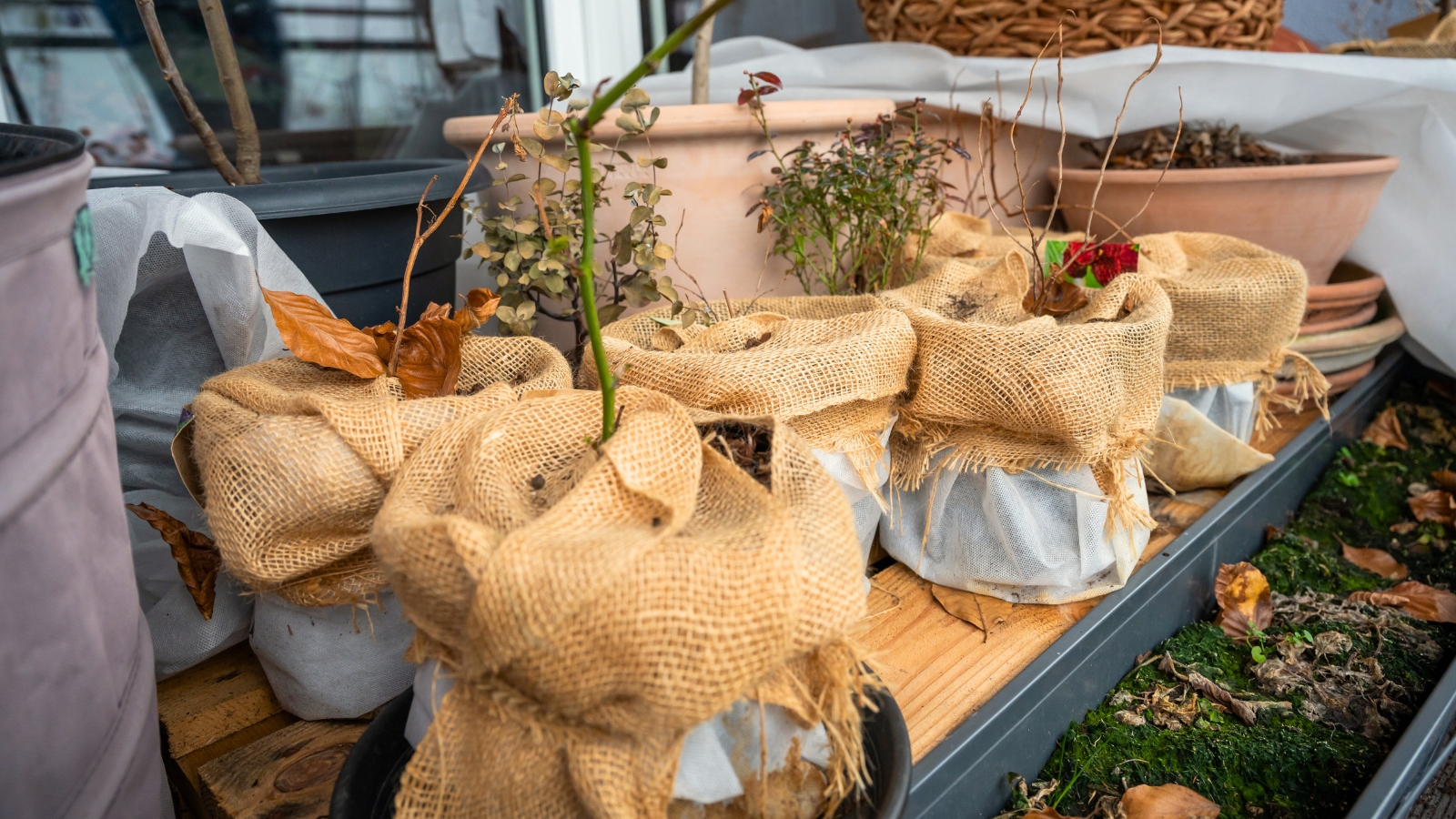
- Wrap the container with burlap, bubble wrap, or a thick layer of insulating material, keeping drainage holes clear.
- Mulch the soil surface with straw, shredded leaves, or bark to buffer temperature swings.
- Heel the pot into the ground. If you have access to a garden bed, sinking the pot into soil for winter can dramatically protect roots. Dig a hole, set the pot in, and mound mulch around it.
- Use an unheated garage or shed. In colder regions, an unheated but sheltered space is often the safest bet, especially after the plant has gone fully dormant. You are aiming for cold, not warm, ideally in the 35 to 45°F range.
- Keep it dark or low light during dormancy.
- Water sparingly, just enough so the mix does not become bone dry.
- Bring it back out gradually in spring as hard freezes pass.
Watering in winter
Even dormant roses need occasional moisture. If the pot is outdoors and the mix is frozen, you cannot water. That is another reason to use a protected method in colder climates. If the pot is sheltered and the soil is workable, check monthly and water lightly when dry.
Troubleshooting common problems
Leaves turning yellow
- Most common cause: inconsistent watering or waterlogged mix.
- Check: drainage holes, how long the mix stays wet, and whether the pot sits in a saucer of water.
- Also consider: low nutrients, especially if the plant has been in the same soil for a long time.
No blooms or very few blooms
- Not enough sun is a frequent culprit. Roses need bright light to set buds.
- Too much nitrogen can cause lush leaves with fewer flowers.
- Some varieties bloom in flushes. Be patient after a big bloom cycle, then feed and deadhead.
Black spot or powdery mildew
- Improve airflow and avoid wetting foliage late in the day.
- Remove affected leaves from the pot surface.
- Keep the rose from being stressed by drought, which can make disease pressure feel worse.
Buds that droop and fail to open
- Often from heat stress or underwatering.
- Can also be thrips damage in some areas.
- Move the pot to morning sun with afternoon protection during extreme heat, and water deeply.
Quick checklist
- Pot: generally 14 to 24 inches wide for most roses, with real drainage holes.
- Sun: 6 to 8 hours direct sun, with afternoon shade in very hot climates.
- Soil: potting mix plus compost, airy and free-draining.
- Water: soak thoroughly, then water again when the top 2 inches are dry.
- Feed: slow-release in spring or liquid every few weeks during active growth.
- Winter: protect roots by insulating the pot, heeling in, or moving to an unheated sheltered space.
FAQ
Can roses stay in pots year round?
Yes. The main challenge is winter root protection in colder climates and faster drying in summer. Choose a large pot, maintain a steady watering routine, and plan a winter strategy.
Do potted roses need different soil than in-ground roses?
They do. Container roses need a potting mix that drains well and stays airy. Heavy garden soil compacts in pots and can lead to poor root health.
Should I put rocks in the bottom of a pot for drainage?
Usually no. A better approach is a pot with drainage holes and a high-quality potting mix. Rocks reduce root space and rarely solve drainage issues.
How big should the pot be for a rose bush?
For many roses, 18 inches wide and deep is a comfortable long-term starting point. Compact types can do well in 14 to 18 inches. Larger roses and climbers often need 20 inches or more for stability and root room.