
Iron Chlorosis: Yellow Leaves with Green Veins

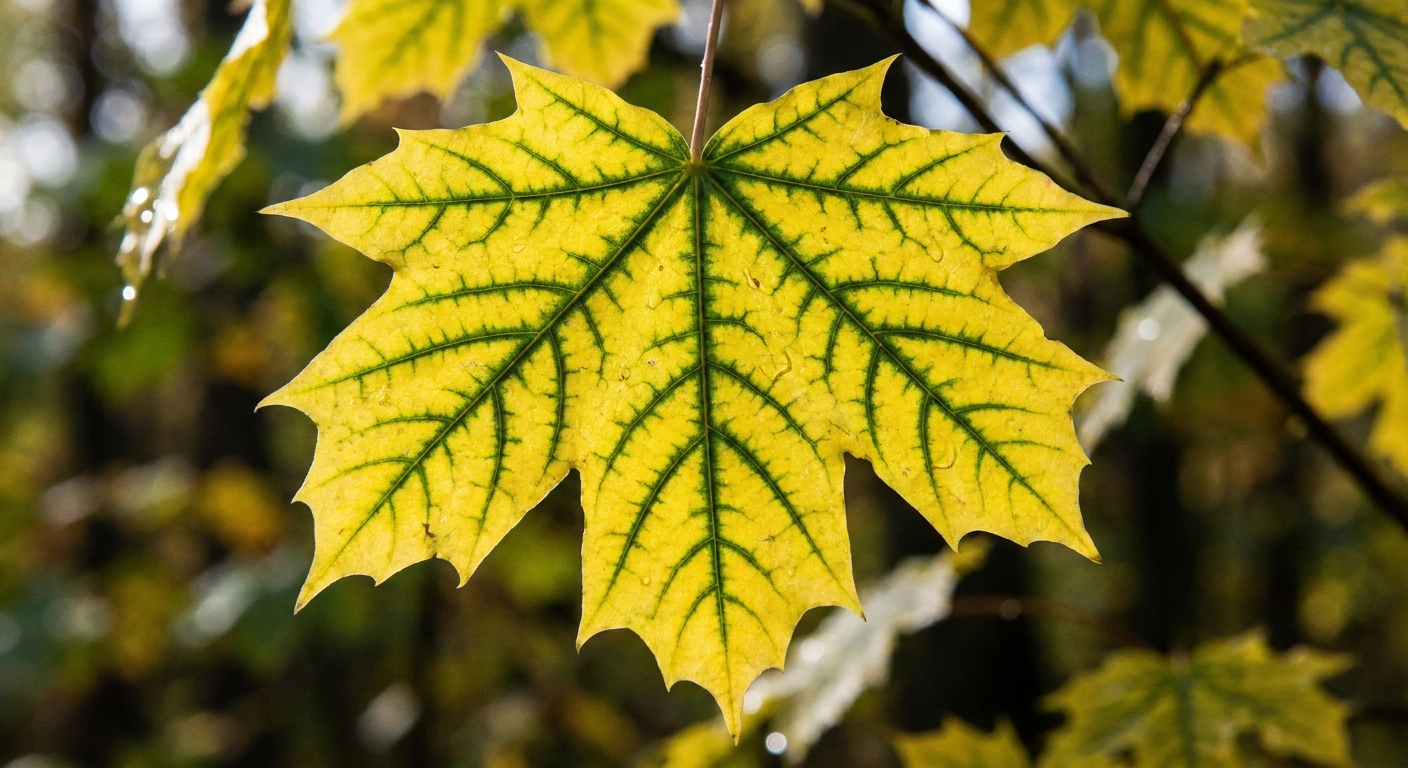
If your plant’s leaves are turning a pale, washed-out yellow while the veins stay stubbornly green, you are looking at one of gardening’s most recognizable clues: iron chlorosis . It can look dramatic, especially on shrubs and trees, and it often triggers panic pruning, heavy fertilizing, or both. Take a breath. This is one of those problems that feels mysterious until you learn what iron is doing in the plant and why some soils make it unavailable.

In this guide, we will define what iron chlorosis is, why it often shows up in alkaline soils, which plants are frequent victims, and exactly how to test and treat it without overcorrecting and causing new issues.
What iron chlorosis is
Chlorosis means reduced chlorophyll, the green pigment plants use to capture light. Iron is essential for chlorophyll synthesis and for key photosynthetic enzymes and chloroplast function. When a plant cannot access enough usable iron, it cannot keep chlorophyll production running smoothly, so the leaf tissue yellows even while the veins may remain green.
Classic symptoms
- Yellow leaves with green veins, called interveinal chlorosis
- Often starts on newest leaves first because iron is not easily moved from old leaves to new growth
- In severe cases, leaves can turn almost white, scorch at the edges, and growth becomes weak and stunted
Here is the key nuance: many plants with iron chlorosis have plenty of iron in the soil. The problem is that the iron is locked up and unavailable, or the roots are too stressed to take it up.
Why it happens
There are a few common pathways to the same yellow-and-green-vein look.
1) Low iron in the mix
This is true deficiency, meaning the soil or potting mix is genuinely low in iron. It can happen in very sandy soils, heavily leached areas, or container mixes that have been used for a long time without micronutrient replenishment.
2) Iron present, but unavailable
This is the big one in many home landscapes. In alkaline soil (higher pH), iron shifts into forms plant roots cannot absorb efficiently. Even if your soil test shows iron is present, your plant may still be starving for it.
Common contributors to iron lockup:
- High soil pH (often from naturally calcareous soils or limestone-based parent material)
- Over-liming garden beds just in case
- High-bicarbonate (high alkalinity) irrigation water that gradually nudges pH upward over time
- High phosphorus (often from heavy manure or repeated high-P fertilizers) which can worsen iron availability
3) Roots that cannot function well
Sometimes the pH is not outrageous and iron is present, but the plant still acts iron-deficient. This is often called a physiological iron deficiency, and it usually traces back to stressed roots.
- Compacted soil and poor aeration
- Waterlogged soil or chronic overwatering
- Root damage from transplanting, construction, girdling roots, or disease
Plants that get it often
Some plants are simply less tolerant of alkaline conditions and show symptoms quickly. If any of these live in your yard, keep iron chlorosis on your mental shortlist.
Maples
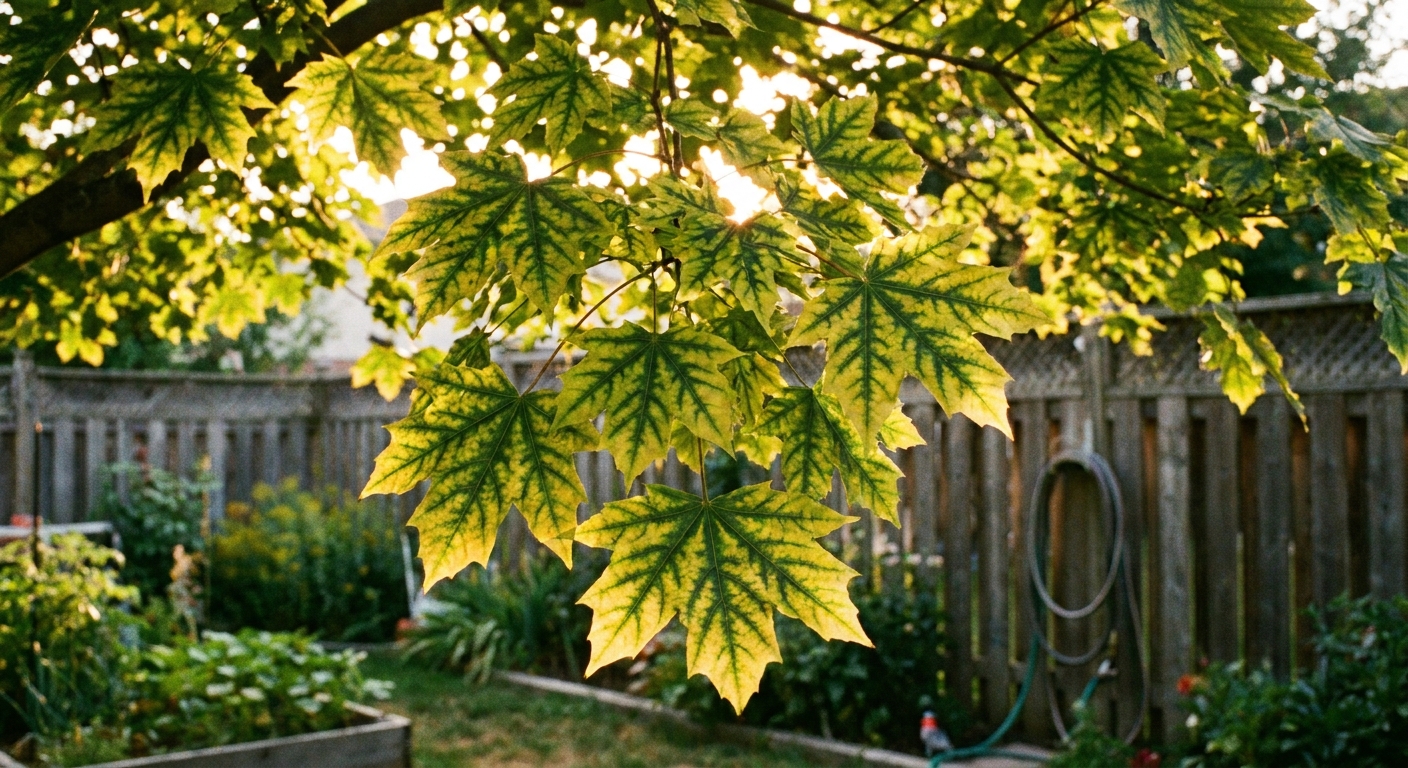
Many maples, especially in high pH soils, can show interveinal chlorosis on new growth. It is particularly noticeable because maple leaves have a bold vein structure that stays green while the spaces fade.
Roses
Roses are hungry plants with high expectations. When pH is too high or roots are stressed, new leaves can yellow while the vein pattern stays green, and blooms may be smaller or reduced.
Hydrangeas
Hydrangeas prefer slightly acidic soil. In alkaline conditions, they can show chlorosis and generally look washed out. Soil pH also affects bloom color in bigleaf hydrangeas, so pH management can solve more than one mystery at a time.
Berries (especially blueberries)
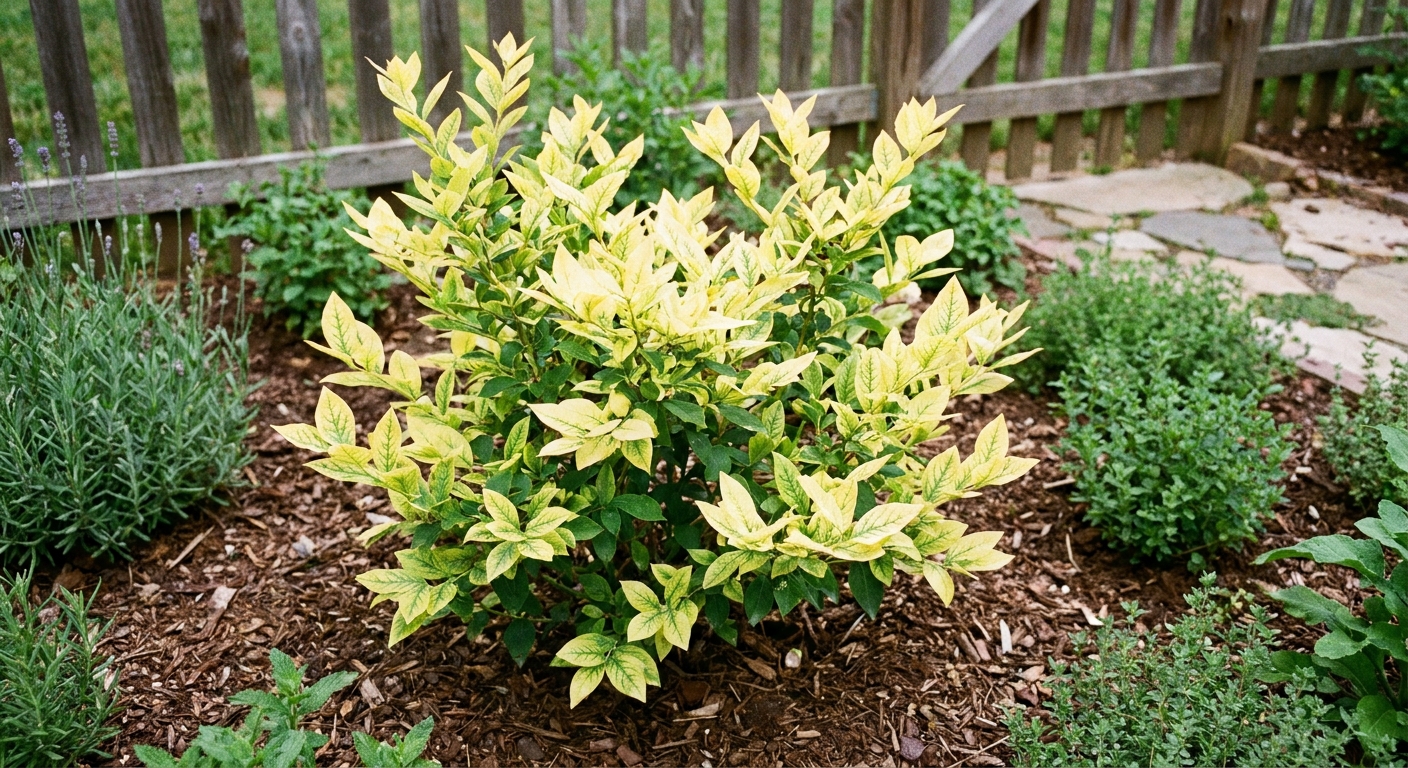
Blueberries are the poster child for acid-loving. Put them in alkaline soil and they often respond with chlorosis, weak growth, and poor yields. If your blueberry leaves are yellowing with green veins, pH is usually the first thing I check.
Confirm it before treating
Yellow leaves can mean several different problems, and iron chlorosis has a few convincing lookalikes. A quick bit of detective work saves money and prevents over-application.
Step 1: Where it starts
- New leaves first: iron chlorosis is more likely
- Old leaves first: think nitrogen deficiency or general nutrient depletion
Step 2: The pattern
- Green veins with yellow tissue between: classic iron chlorosis
- Overall pale plant with no strong vein contrast: often nitrogen or root stress
- Yellowing plus brown, mushy roots or wilting despite wet soil: drainage and root health issues may be primary
Step 3: Test pH (and nutrients if you can)
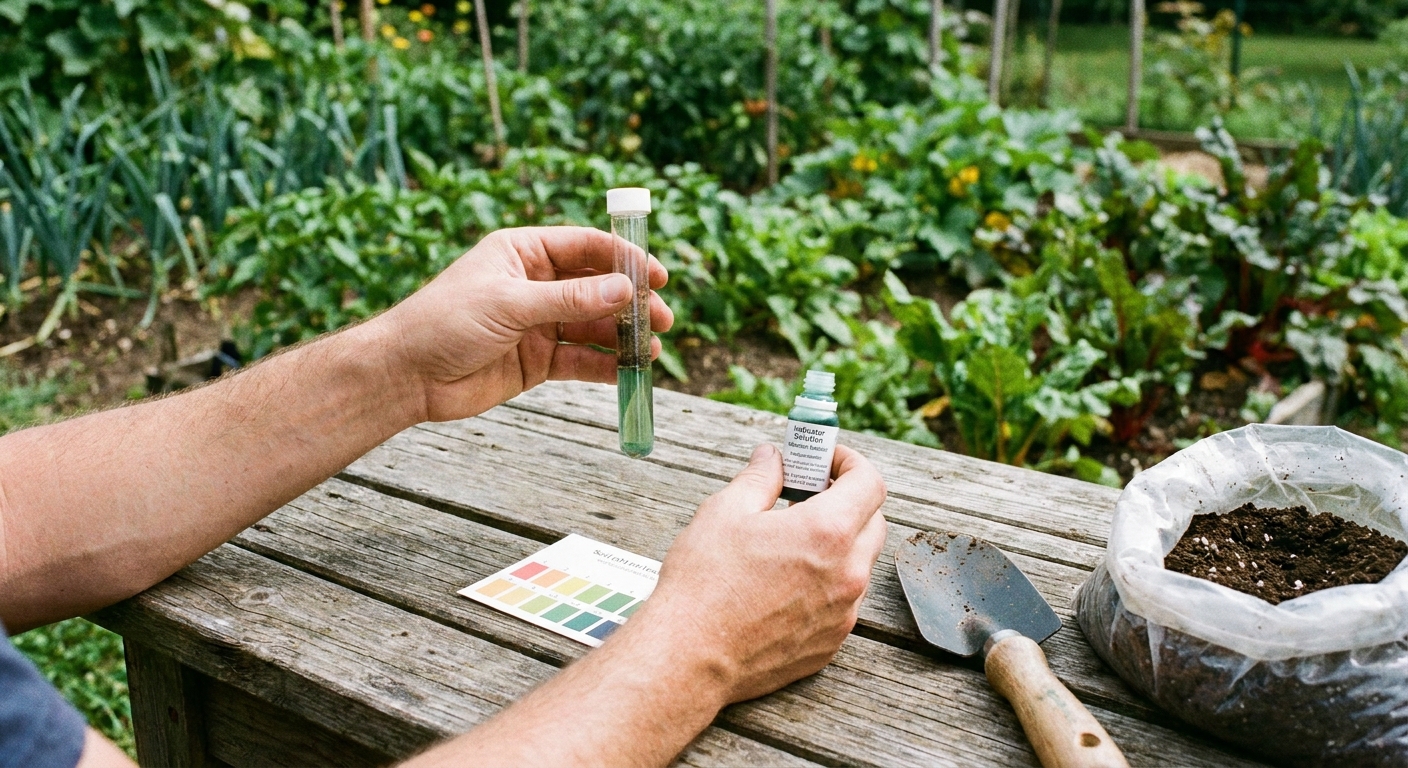
A pH test is the fastest way to separate needs iron from has iron but cannot use it. You can use a home pH kit for a rough read, but for recurring chlorosis on shrubs or trees, I recommend a lab soil test at least once. It will often report pH, buffer pH, organic matter, and sometimes micronutrients.
- Most garden plants do well around pH 6.0 to 7.0 (often up to about 7.5 depending on the plant and soil)
- Acid lovers like blueberries often prefer roughly pH 4.5 to 5.5
- Iron lockup becomes more likely as pH climbs above neutral
Quick soil test sanity check: pH tells you what is happening right now. Buffer pH hints at how stubborn your soil is and how hard it is to change. If your buffer pH suggests a highly buffered, lime-rich soil, you can still improve plant performance, but the long-term strategy often shifts toward targeted iron treatments, root-zone improvement, and smarter plant choices.
One more important expectation: chlorotic leaves do not always fully re-green, even after you correct the problem. Judge success by healthier new growth.
Fast relief: chelated iron
If a plant is severely chlorotic, you often need a quick, available form of iron while you work on the longer-term soil solution. This is where chelated iron shines.
What chelated means
Chelation is a way of holding iron in a form that stays soluble and plant-available, especially in challenging soils. Different chelates perform better at different pH ranges.
Best chelate for alkaline soil
- EDDHA-chelated iron: often the most effective choice in high pH soils because it stays available longer
- DTPA or EDTA chelates: can work in mildly acidic to near-neutral conditions, but may be less reliable in strongly alkaline soils
How to apply it
- Soil drench: great for shrubs, roses, and perennials. Apply around the root zone and water in as directed on the label.
- Granular products: convenient, slower, often used around trees and shrubs.
You may see greener new growth within a couple of weeks, sometimes sooner, but remember: chelated iron is often a treatment, not a permanent fix if pH is still high or roots are still struggling.
Big trees: trunk injections
If you are dealing with a mature tree, soil acidification can be painfully slow, and spraying a 40-foot canopy is not most people’s idea of a fun Saturday. In those cases, professional trunk injections (sometimes called systemic injections or iron implants) can be a practical option.
- What it is: an arborist injects an iron solution into the tree’s vascular system so it can move where it is needed.
- When it helps: large trees with recurring chlorosis, trees growing in stubbornly alkaline soils, or situations where soil treatments are not feasible.
- What to expect: results vary by species, timing, and severity. It is often not instant, and it may need repeating over time.
- Important: injections are best done by a certified arborist to avoid unnecessary wounding and to choose the right product and timing.
Long-term fixes
If your soil test shows high pH and you keep seeing chlorosis every season, your best results come from improving the root zone conditions over time.
Elemental sulfur
Elemental sulfur can lower soil pH as soil microbes convert it to sulfuric acid. This is a slow, steady process that works best when the soil is warm and biologically active.
- Best for: long-term pH adjustment in beds and around shrubs
- Timeline: often weeks to months, not days
- Tip: incorporate lightly into the top layer where feasible, then mulch
Caution: sulfur is easy to overdo. Follow soil test recommendations if you have them, and do not apply heavy doses repeatedly without rechecking pH.
Mulch and root-zone care
A consistent organic mulch does not magically fix high pH overnight, but it supports roots and soil life, buffers moisture swings, and gradually improves nutrient cycling. This matters a lot if the chlorosis is being driven by root stress.
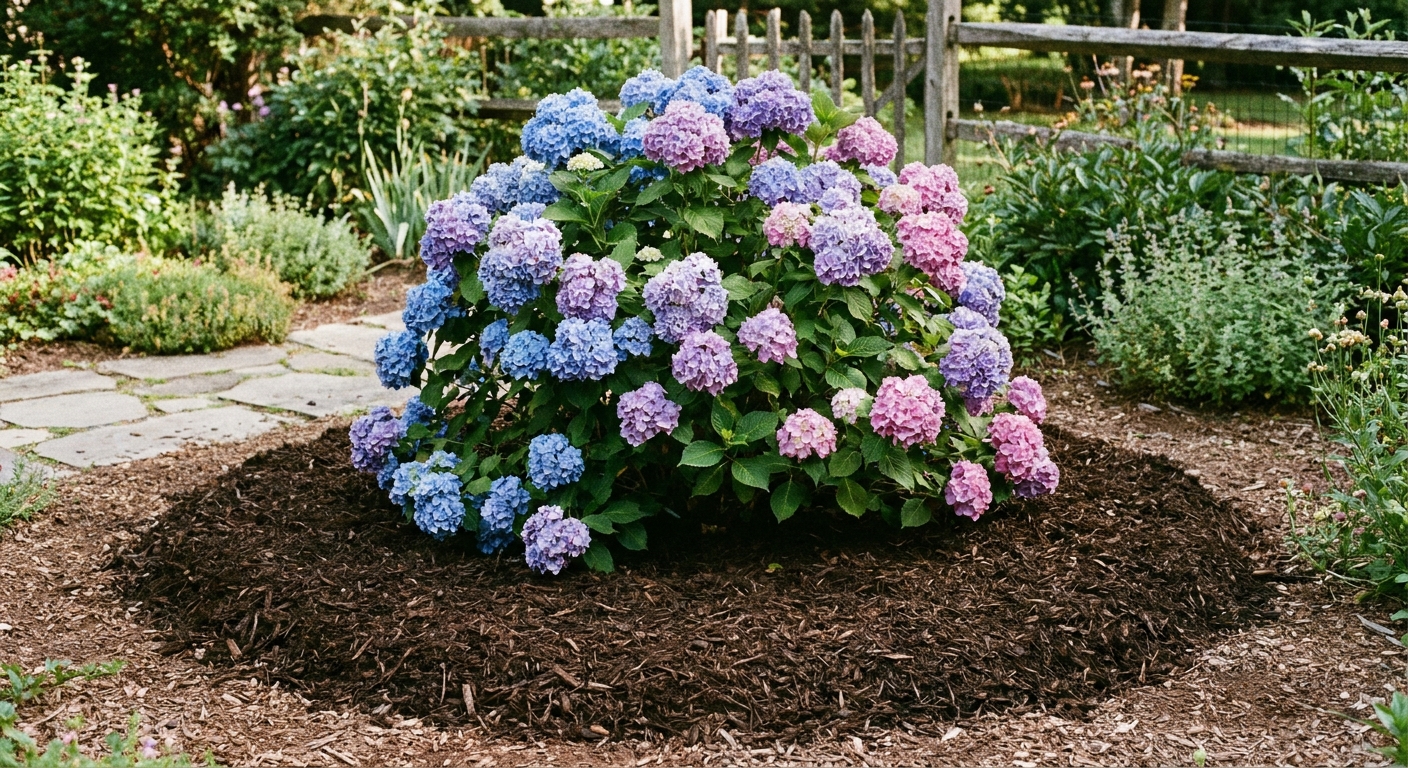
- Use 2 to 4 inches of wood chips, shredded leaves, or pine needles depending on what suits the plant.
- Keep mulch a few inches away from the trunk or crown to prevent rot.
- Refresh as it breaks down, because decomposition is part of the benefit.
Build the right soil for acid lovers
For blueberries and other acid lovers, consider building a more suitable root zone from the start: acidic organic matter, pine bark fines, and fertilizers formulated for acid-loving plants. In stubbornly alkaline regions, growing blueberries in raised beds or large containers with an acidic mix can be the most sanity-saving approach.
Skip the quick-fix acids
You will see plenty of internet advice to pour vinegar or other acids around plants to fix chlorosis fast. It can swing pH temporarily, but it is hard on soil life and does not create a stable, healthy root zone. If you need fast relief, use chelated iron. If you need lasting change, use measured, soil-test-guided strategies.
Foliar sprays
Foliar sprays can green up leaves because iron is absorbed directly through the leaf surface. They are useful when you need cosmetic improvement quickly or when roots are temporarily stressed.
When they help
- You need rapid improvement during the growing season
- Soils are cold or waterlogged and root uptake is sluggish
- You are using it as a bridge while correcting pH and root-zone conditions
Limits to know
- Foliar iron does not fix a high-pH root-zone problem. If the underlying cause remains, the benefit is often temporary and may require repeat applications.
- Severe chlorosis may not fully correct with sprays alone, especially on large shrubs and trees.
Practical note: foliar products can spot or scorch leaves if mixed too strong or sprayed in hot sun. Apply in the cool part of the day and follow label directions carefully.
Common mistakes
I love an enthusiastic gardener, but iron chlorosis punishes the more-is-more approach.
- Piling on fertilizer: If the issue is iron availability, extra general fertilizer can push fast growth while the plant still cannot make enough chlorophyll, worsening the look.
- Overdoing phosphorus: Manure and bloom-boosting fertilizers can quietly push P high enough to aggravate chlorosis.
- Over-acidifying: Too much sulfur or repeated acidifying products can swing pH too far and damage roots or unbalance nutrients.
- Ignoring drainage: Roots that cannot breathe cannot feed. Fix compaction, waterlogging, and irrigation issues alongside nutrient work.
- Treating without testing: A simple pH check prevents seasons of guessing.
Lookalikes
Before you commit to iron treatments, run through this quick checklist.
Nitrogen deficiency
- Usually starts on older leaves
- Yellowing is often more uniform, not sharply green-veined
Root problems
- Overwatering, poor drainage, girdling roots, or transplant shock can all reduce nutrient uptake.
- Symptoms can mimic nutrient deficiencies because the roots are not functioning well.
Magnesium or manganese
Some micronutrient issues can also show interveinal chlorosis. Magnesium typically appears on older leaves first, while manganese can resemble iron on newer leaves. If your pH is fine and iron treatments do not help, a lab test is worth it.
When to get help
- Mature trees with recurring chlorosis, canopy thinning, or dieback: consult a certified arborist. Trunk injection may be the most practical tool.
- Chlorosis that keeps returning even after treatment: consider a lab soil test and, if possible, ask your local extension office for region-specific guidance.
- New construction or grade changes near trees: root damage and compaction are common, and nutrient fixes alone will not solve it.
Action plan
- Confirm the pattern: new leaves yellow with green veins.
- Check pH: home kit for quick info, lab test for recurring problems.
- Fast relief: apply an appropriate chelated iron, especially EDDHA types in alkaline soils.
- Long-term change: improve the root zone with mulch, better watering practices, and careful pH adjustment using elemental sulfur when appropriate.
- For big trees: consider professional trunk injections if soil and foliar approaches are impractical.
- Recheck: monitor new growth over the next few weeks and retest pH if you are acidifying.
If you tell me your plant, your region, and your soil pH, I can help you choose the most likely fix and avoid the trial-and-error spiral. Your leaves are giving you a message, not a moral judgment. Even the best gardeners get chlorosis now and then, and yes, I have absolutely apologized to a hydrangea while holding a pH test in the other hand.