
How to Fertilize Roses: What to Feed and When

A little green. A lot of curiosity.
Roses are hungry plants, but they are also picky about timing. Feed too early and the roots are still sleepy. Feed too late and you can push tender growth right when you want your rose to start winding down for the season. Let’s keep it simple, seasonal, and rose friendly.

Before you fertilize: check the basics
Fertilizer works best when your rose has the basics covered. If one of these is off, feeding can disappoint or even backfire.
- Sun: Most roses want 6 or more hours of direct sun.
- Water: Deep, consistent watering beats frequent sips.
- Soil: Roses prefer well-draining soil with plenty of organic matter.
- Mulch: A 2 to 3 inch layer helps even out moisture and temperature.
If your rose is newly planted, go extra gently. Strong fertilizer on a stressed, freshly transplanted root system is like loud music at a nap.
When to start fertilizing roses in spring
The best signal is not the calendar. It’s growth.
Start when roses wake up
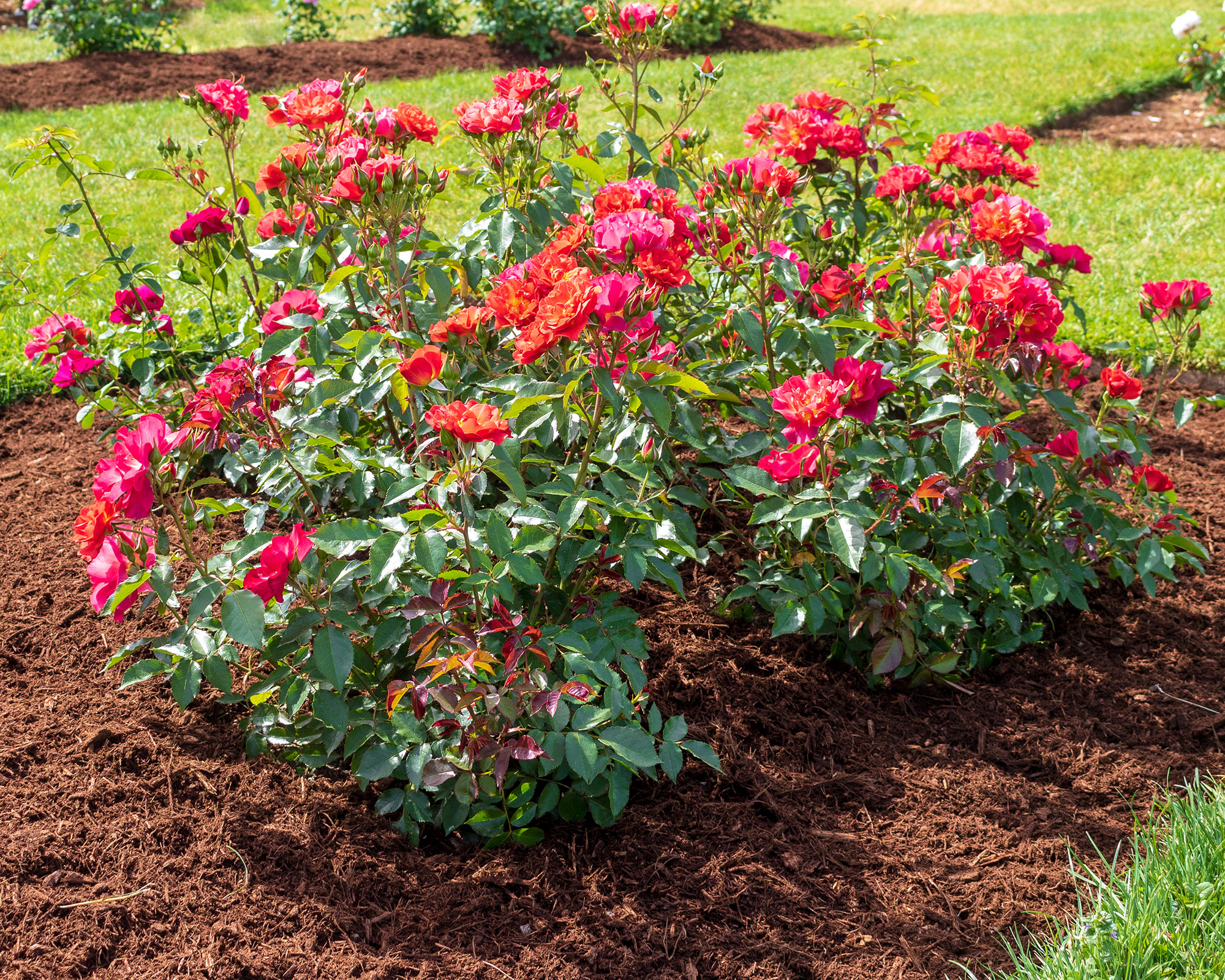
Begin feeding when you see new leaves and shoots and the plant is actively growing. In many climates, that’s early to mid spring. A common garden rule is to start around the time buds begin swelling and you can see fresh green at the tips.
Skip feeding during late frosts
If your area still gets hard freezes, wait. Fertilizer can encourage tender new growth that is easily damaged by cold snaps.
After spring pruning
If you prune in early spring, feeding soon after is a tidy one-two step: prune, clean up, then feed once new growth starts pushing.
What nutrients roses want most
Most rose fertilizers focus on NPK, which stands for nitrogen (N), phosphorus (P), and potassium (K).
- Nitrogen: drives leafy growth and cane growth. Too much can mean lots of leaves and fewer flowers.
- Phosphorus: supports roots and blooming. Many soils already contain plenty, so more is not always better.
- Potassium: supports overall vigor, stress tolerance, and flower quality.
Roses also benefit from micronutrients like magnesium, iron, and manganese, plus steady organic matter that supports soil life.
Fertilizer types for roses
You can grow gorgeous roses with several approaches. The best choice depends on how hands-on you like to be and how quickly you want results.
Granular fertilizer
Best for: gardeners who want a low-fuss routine.
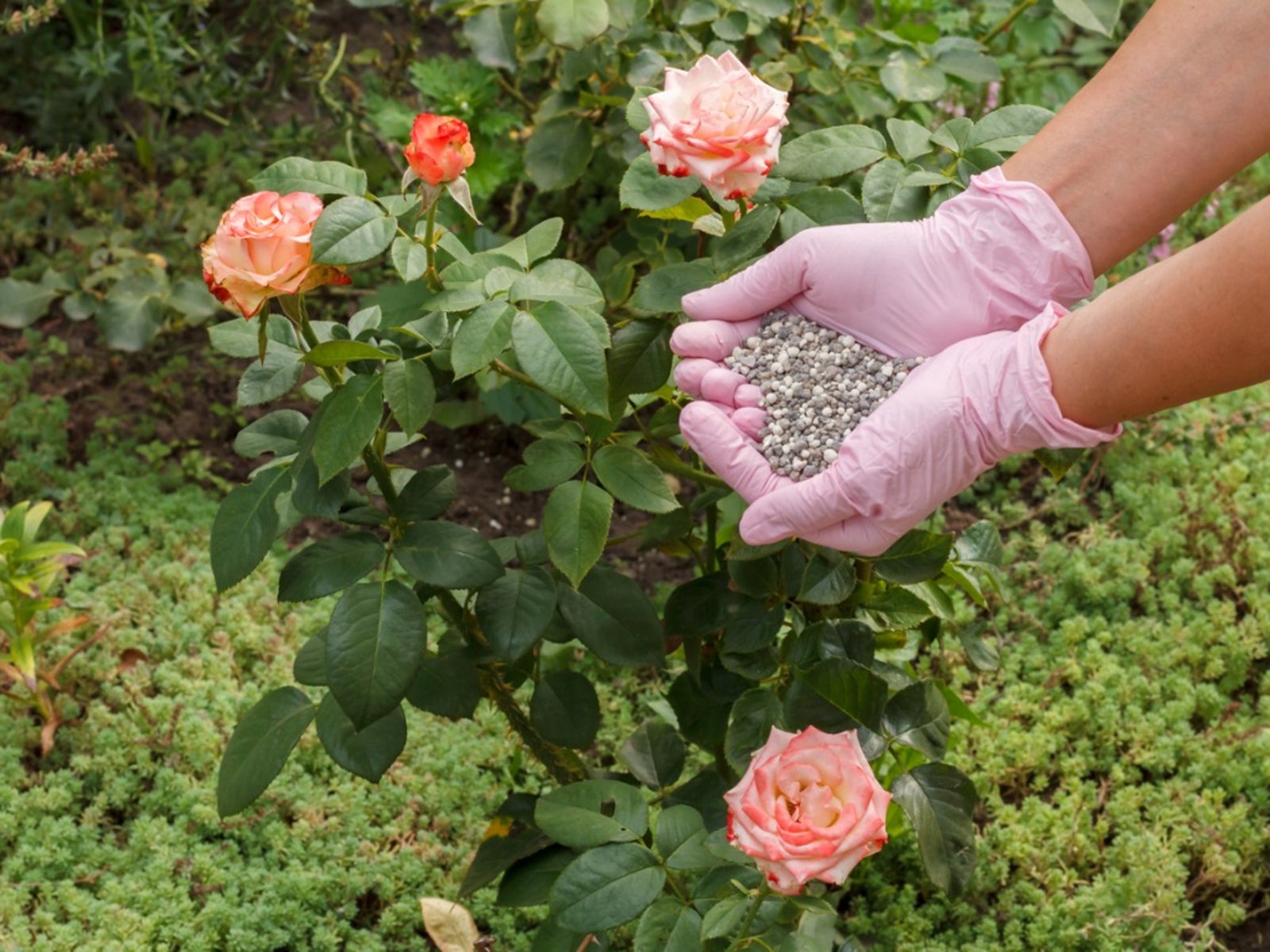
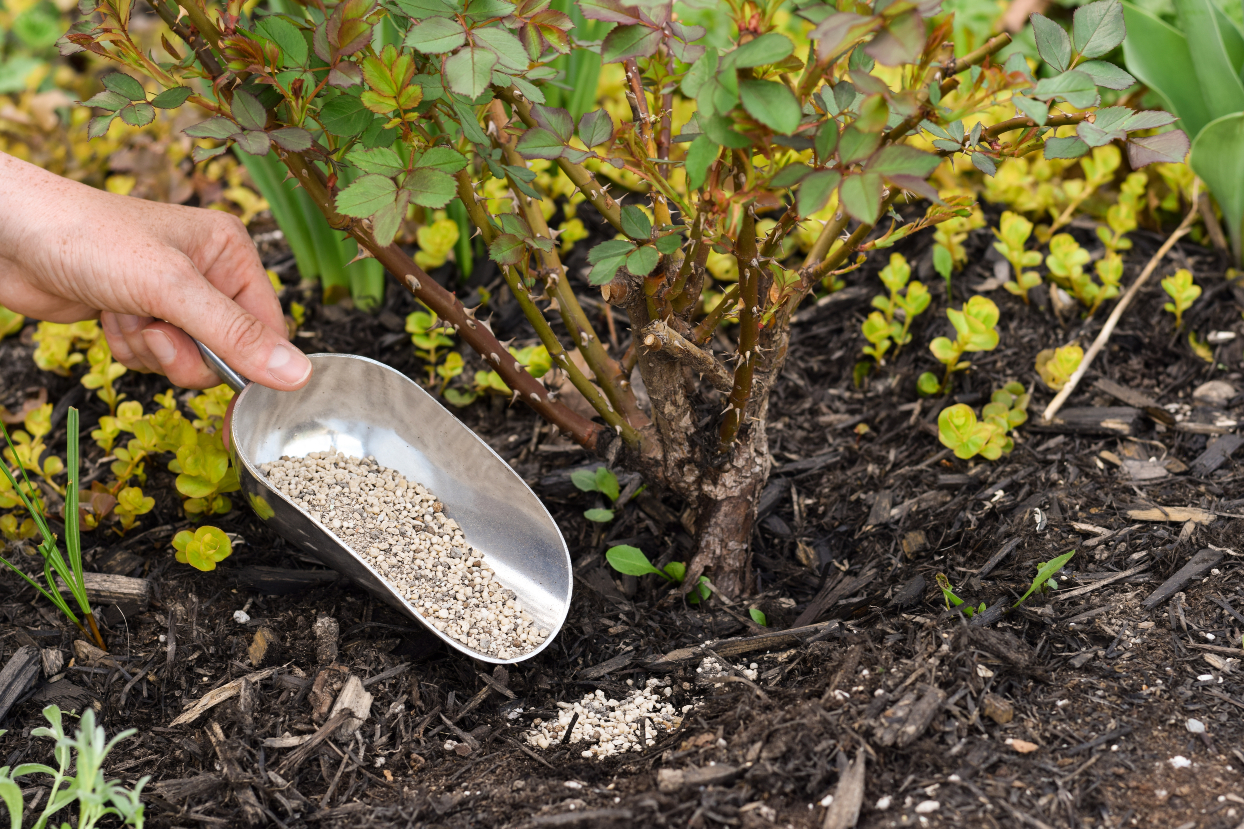
- Granular rose food is typically sprinkled around the drip line and watered in.
- Slow-release formulas feed gradually, which reduces the chance of growth spurts.
- They are great as your “base meal” for the season.
Tip: Keep granules a few inches away from the canes and never pile them against the base.
Organic fertilizers and soil builders
Best for: improving soil over time and supporting steady, resilient growth.
- Compost, well-aged manure, worm castings, and organic blends release nutrients more slowly.
- They improve soil structure and water holding, which roses love.
- Organic feeding is forgiving, but it still needs time and warmth to break down.
Tip: A spring top-dress of compost under mulch is one of the calmest, most rose-friendly habits you can adopt.
Liquid fertilizer
Best for: quick boosts during heavy blooming or after weather stress.
- Liquids act faster because nutrients reach the root zone quickly.
- They are useful for container roses, which leach nutrients faster.
- They require consistency. A little and often approach is safer than a big dose.
Tip: Water the soil first if it’s dry, then apply liquid fertilizer. Feeding a thirsty plant can increase the risk of root burn.
A simple rose feeding schedule
Roses do best with a steady rhythm. Here’s a practical schedule you can adjust based on your climate and the product label you use.
Early to mid spring
- When: once new growth is underway.
- What: compost top-dress and mulch refresh, plus a balanced granular or organic rose fertilizer if you use one.
Late spring to midsummer
- When: about every 4 to 6 weeks for many granular products, or more often at lighter doses for liquid feeds.
- What: continue with your main fertilizer type. Consider a liquid feed if blooming slows and the plant otherwise looks healthy.
After a bloom flush
Many repeat-blooming roses appreciate feeding after the first major bloom cycle. Think of it as replenishing the pantry after a party.
Container roses
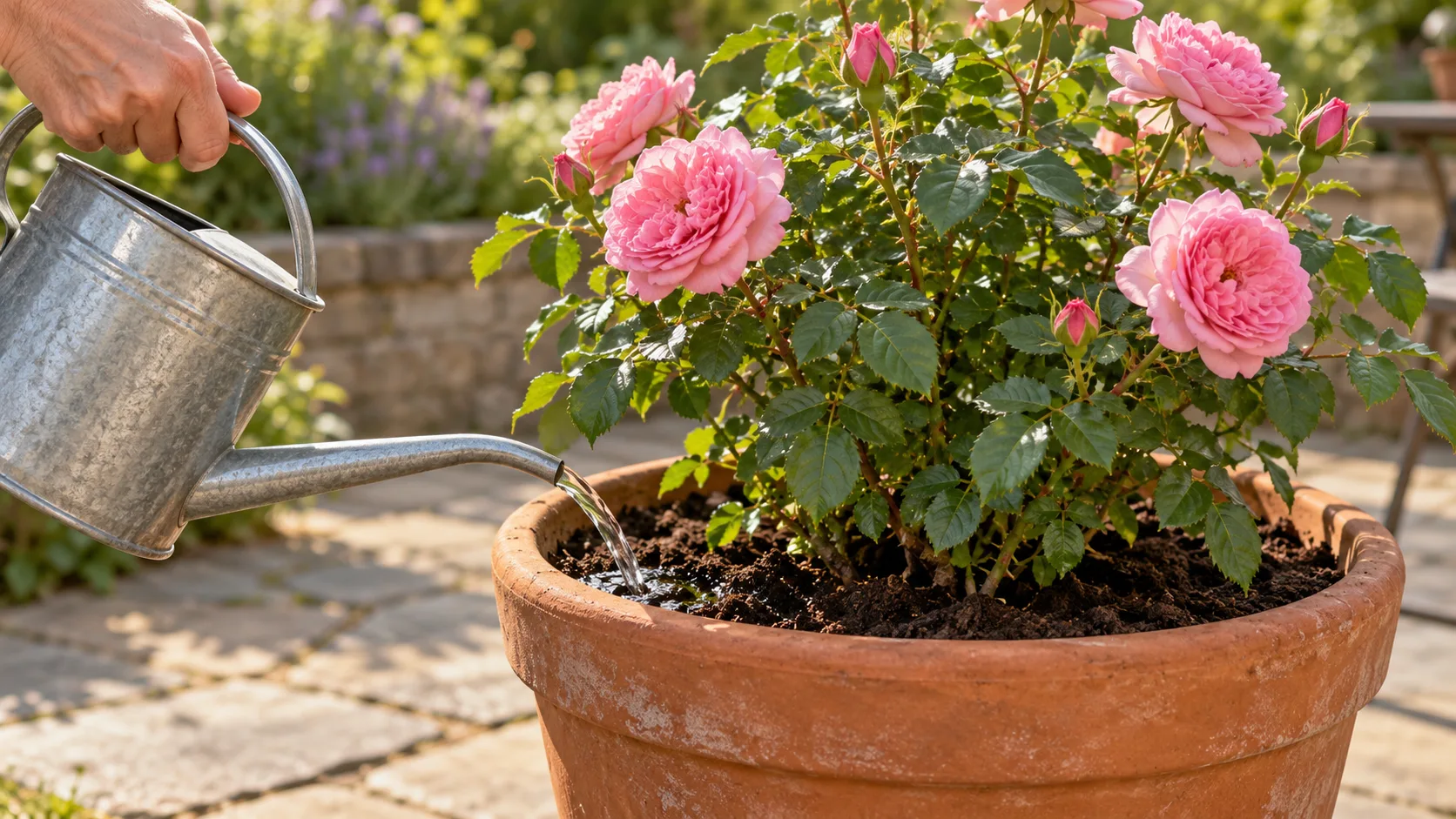
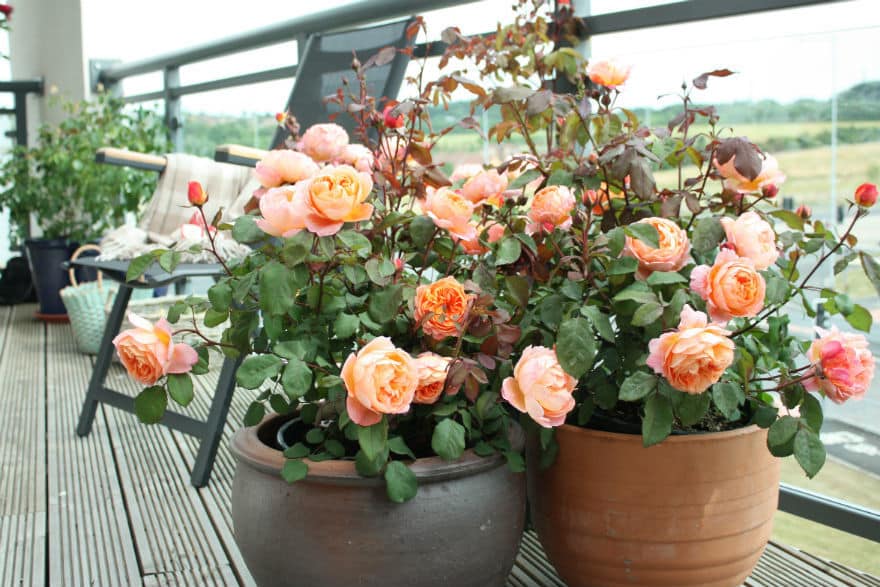
Plan to feed containers more frequently than in-ground roses. Pots dry out faster and nutrients wash out faster. Slow-release granules plus occasional liquid feeding is a common, gentle combo.
When to stop fertilizing roses
Stopping at the right time matters as much as starting.
Stop in late summer
In many regions, stop fertilizing about 6 to 8 weeks before your first expected frost. Late feeding can encourage soft new growth that does not harden off in time, making winter damage more likely.
Gentle fall care
If you top-dress with compost in early fall in mild climates, that is generally about soil health, not pushing new growth. Avoid high-nitrogen fertilizers in fall.
How to apply fertilizer safely
- Read the label every time. Application rates vary widely.
- Water before and after (for most types). Moist soil helps protect roots.
- Apply at the drip line. Most feeder roots sit out from the base, not right against the canes.
- Keep fertilizer off leaves. Rinse any granules or liquid splashes off foliage.
- Do not fertilize a drought-stressed plant. Rehydrate first, then feed later.
Signs you’re over-fertilizing roses
Overfeeding is one of the fastest ways to get big leaves and small blooms, or a stressed plant that suddenly looks worse after you tried to help.
Common symptoms
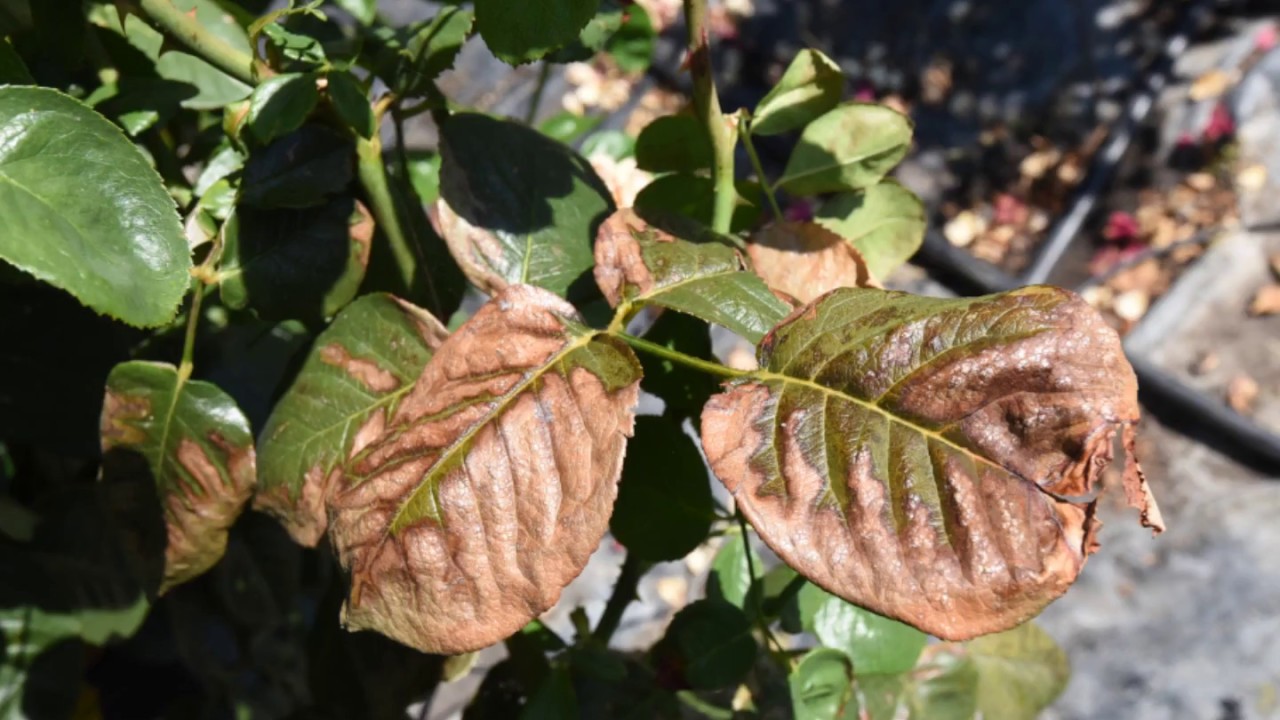
- Leaf burn: brown, crispy leaf edges or tips, especially soon after feeding.
- Very dark green, soft growth: lots of lush leaves but fewer flowers.
- Wilting despite moist soil: roots can be irritated by excess salts.
- White crust on soil: fertilizer salts building up, more common in containers.
- Sudden pest pressure: aphids often love tender, nitrogen-pushed growth.
What to do if you suspect overfeeding
- Pause fertilizer. Give the plant a break.
- Deep water. In-ground roses can be watered deeply to help move salts through the soil. Make sure drainage is good.
- Flush containers. Water until it runs freely out the bottom for several minutes, then let the pot drain fully. Repeat later if needed.
- Remove visible granules. If you can see unused fertilizer on the surface, gently scoop it off.
If symptoms are severe and fast, consider that it may be heat stress, underwatering, or herbicide drift instead of fertilizer. Roses love to keep us guessing.
Quick FAQ
Do roses like coffee grounds?
Used coffee grounds are best treated as a small soil amendment, not a fertilizer. They do not supply a big, balanced nutrient boost on their own. If you use them, keep it light and mix into compost rather than piling them at the base.
Is Epsom salt good for roses?
Epsom salt is magnesium sulfate. It only helps if your soil or plant is magnesium deficient. Routine use “just because” can throw off nutrient balance. If you suspect deficiency, a soil test is the clearest guide.
Should I fertilize roses when they are blooming?
You can, especially with gentle, steady feeding. Avoid heavy doses during extreme heat. Many gardeners feed after a bloom flush to support the next round.
What is the easiest method for beginners?
A spring top-dress of compost under mulch, plus a slow-release granular rose fertilizer applied according to label directions, is simple and effective.
The calm takeaway
Start feeding when growth starts. Choose a fertilizer style you can keep up with. Feed steadily through the active season. Then stop in late summer so your rose can firm up and head into fall like a plant that knows what it’s doing.
I’ll be here in the mulch, rooting for your next flush of blooms.