
DIY Soil Boosters From Kitchen Scraps

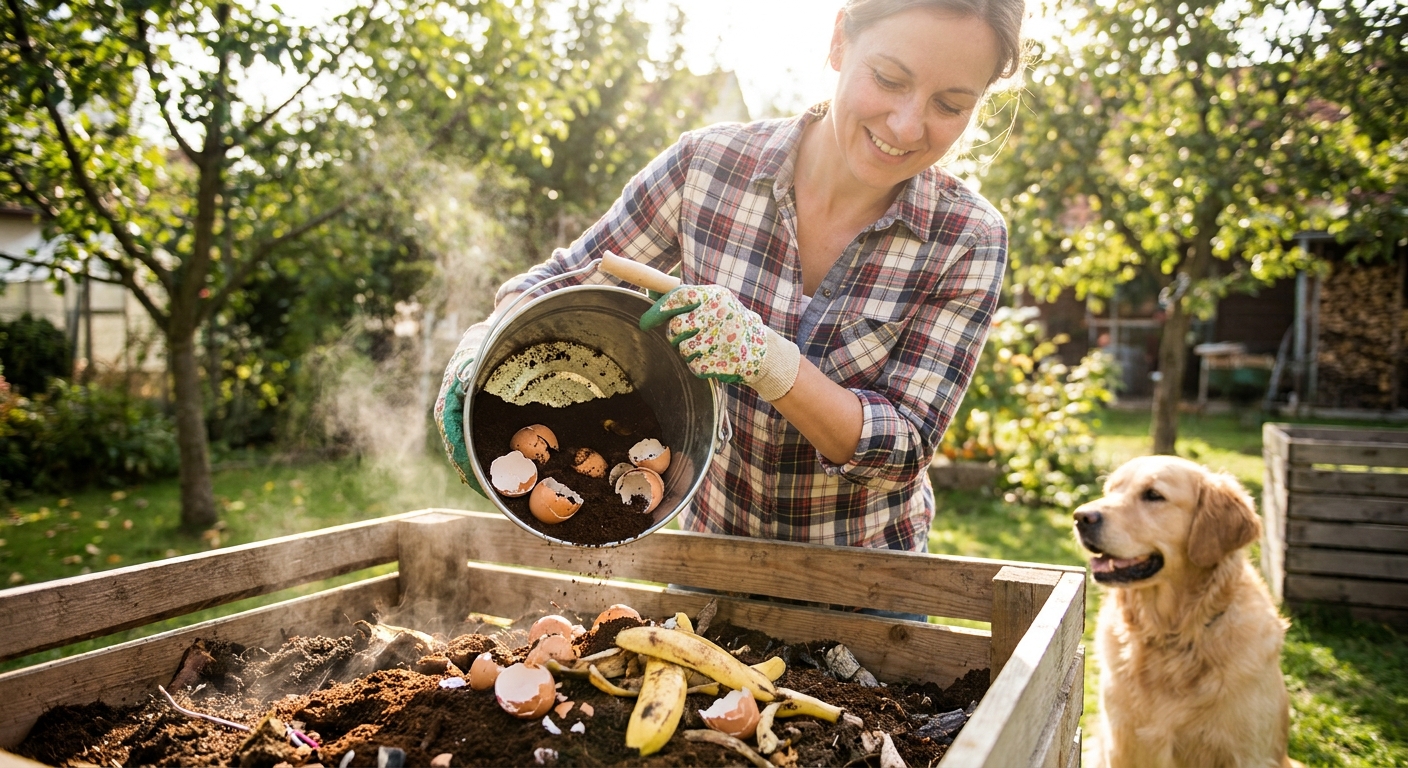
There is something deeply satisfying about feeding your plants with what you already have. Not in a magic-beans way, but in a steady, soil-first way. Coffee grounds, eggshells, and banana peels can be genuinely useful in the garden, as long as we use them for what they are: slow soil boosters, not instant fertilizer.
Below, I will walk you through the safest, least fussy methods for garden beds and containers, plus which plants actually benefit, which ones tend to sulk, and how to avoid the biggest kitchen-scrap mistakes (hello, salt buildup and fruit-fly parties).

Before you start: scraps are mostly soil food
Plants take up nutrients as dissolved ions in soil water (think nitrate nitrogen, potassium, calcium, and trace minerals). Kitchen scraps are usually not in those ready-to-use forms yet. They become useful when microbes and fungi break them down.
- Fastest path to benefits: compost first, then apply compost to soil or potting mix.
- Second-best: use scraps as gentle “teas” or powders in small amounts, especially in-ground.
- Most common problem: adding too much raw material to containers, which can rot, smell, attract pests, and temporarily tie up nitrogen as it decomposes.
If you want one rule that keeps you out of trouble, here it is: compost first for containers, and you can be a little more flexible in garden beds.
Coffee grounds: use them without the drama
Coffee grounds are beloved for a reason: they add organic matter, improve soil structure over time, and provide a small amount of nitrogen. The key phrase is over time.
Do coffee grounds acidify soil?
Fresh coffee is acidic, but used coffee grounds are typically near-neutral to mildly acidic, and results vary by brew and source. Translation: they are not a reliable way to “make soil acidic.” If you need to shift pH for blueberries, you will get more predictable results from pine bark fines, elemental sulfur (carefully), and appropriate acid-forming fertilizers.
Best ways to use coffee grounds
- Compost them: Grounds count as a “green” (nitrogen-rich) compost ingredient. Mix with plenty of “browns” like shredded leaves, torn cardboard, or straw.
- Top-dress lightly: Sprinkle a very thin layer on soil, then cover with mulch or gently scratch it in. Thick mats can crust and repel water.
- Worm bin friendly (in moderation): Add small amounts and bury them in bedding. Too much at once can go anaerobic or acidic and stress worms.
Container rates (safe starting point)
- Top-dress: 1 to 2 tablespoons per 8 to 10 inch pot, once a month at most, then water in.
- Mixed into potting mix: Keep it under 5% of total volume. Potting mixes need airiness, and grounds are fine-textured.
Pot size and plant type vary, so use these as a starting line, not a dare. When in doubt, go smaller. If you notice fungus gnats, compaction, or soggy soil, pause and back off.
Plants that usually like coffee-ground compost
- Leafy greens (in composted form)
- Roses
- Hydrangeas (for general vigor, not guaranteed color shifts)
- Many perennials and shrubs as a compost top-dressing
Plants to be cautious with
- Seedlings: avoid direct contact, it can crust and interfere with delicate roots.
- Succulents and cacti: they prefer lean, fast-draining mixes. Grounds can hold moisture and encourage fungus gnats.
- Mediterranean herbs (rosemary, lavender, thyme): too much organic top-dressing can keep the root zone too rich and damp.
A quick food-scrap sanity check
Skip grounds that are mixed with lots of sugary syrups, whipped toppings, or heavy dairy residue. It is not that your plants are too refined, it is that sugar and fats attract pests and smell faster. Plain used grounds are the easy button.
Eggshells: calcium help, slowly
Eggshells are mostly calcium carbonate. They are great for reducing household waste and adding long-term calcium, but they break down slowly unless you help them along.
What eggshells can and cannot do
- Can: contribute calcium gradually and add grit to compost, supporting crumbly soil structure.
- Can (very gradually): act a bit like a mild liming material in acidic conditions, especially when ground very finely.
- Cannot (quickly): cure blossom end rot overnight. Blossom end rot is usually a water-uptake issue, not simply a lack of calcium in the soil.
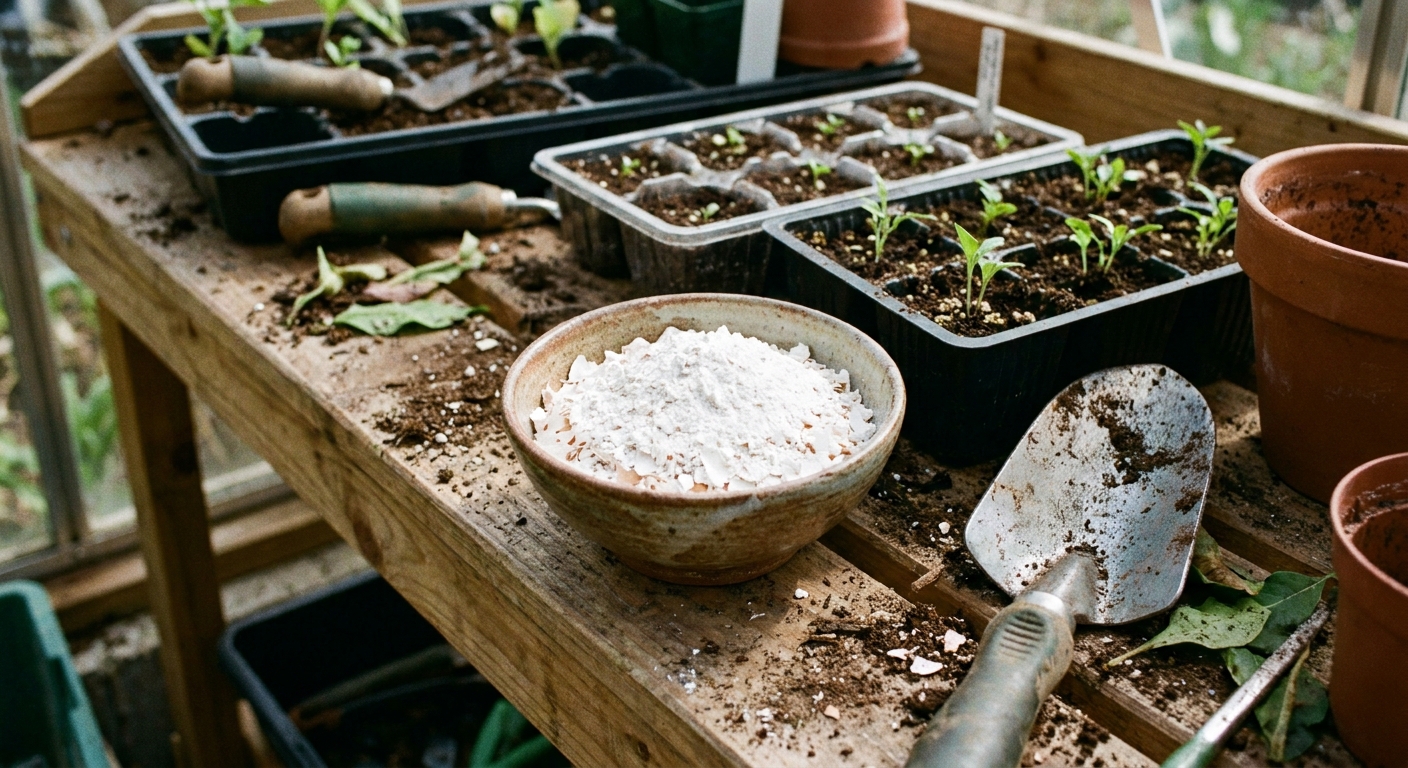
How to prep eggshells (my no-fuss method)
- Rinse shells to reduce odor and pests.
- Dry completely (sunny windowsill works).
- Crush very finely. A mortar and pestle, rolling pin, or a quick pulse in a blender you use only for garden materials works well.
How to use eggshells in beds and containers
- Compost first (best): add crushed shells to compost. They will break down gradually over time.
- Direct in garden beds: mix finely crushed shell into the top few inches of soil around heavy feeders.
- Containers: use sparingly. A pinch to 1 teaspoon of finely ground shell per small pot is plenty. Too much chunky shell does not break down and can mess with texture.
Eggshell “tea” note
Soaking eggshells in water mostly makes a mineral rinse, not a strong soluble calcium fertilizer. If you need fast calcium, a commercial calcium product or properly managed watering and mulch will do more than eggshell water.
Banana peels: compost-smart potassium
Banana peels are often talked about like a secret flowering potion. In reality, they are a compostable source of potassium and other minerals, plus organic matter for microbes. They can absolutely be helpful, but raw peels buried in a pot can turn into a slimy surprise.
Best ways to use banana peels
- Chop and compost: small pieces break down faster and attract fewer pests.
- Balance them in compost: peels are a wet kitchen scrap, not a “brown.” Pair them with dry browns like leaves, cardboard, or straw for cleaner decomposition.
- Freeze then compost: freezing ruptures cell walls, helping decomposition once thawed.
- Dry and grind: dry peels until crisp, then crumble into a powder to use as a light top-dress for garden beds. This is tidier than burying fresh peels.
Banana peel water: safe method + dilution
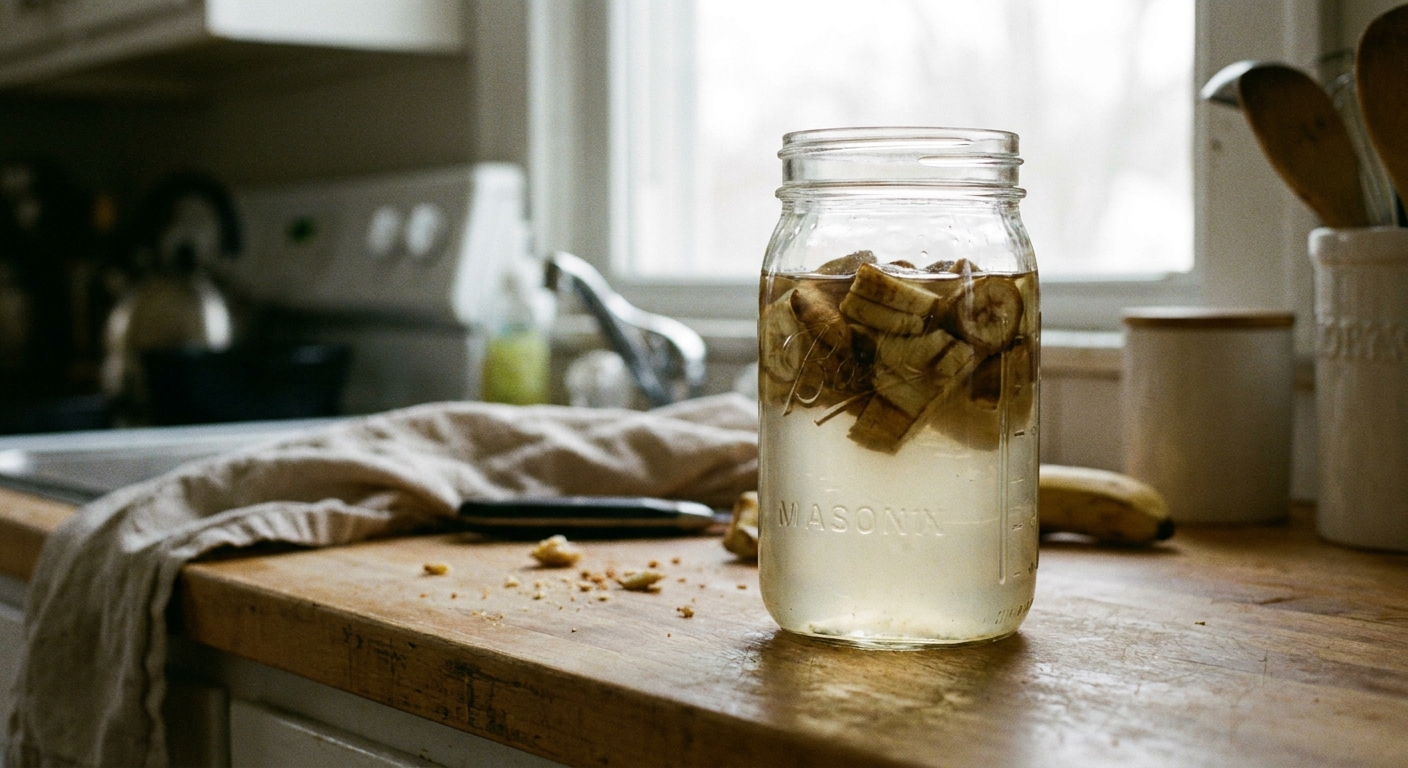
“Banana peel tea” is usually a mild extract. It will not replace fertilizer, but it can be a gentle supplement when used correctly. Nutrients extracted are variable, so treat it as optional, not essential.
- Method: soak 1 chopped peel in 1 quart (1 liter) of water for 24 to 48 hours, then strain.
- Dilution: dilute 1:1 with water before applying to soil.
- Frequency: every 2 to 4 weeks during active growth.
- Important: apply to soil, not foliage, and do not store it for long. If it smells off, compost it instead.
Best plant matches
- Flowering annuals in beds (zinnias, cosmos, marigolds) as an occasional soil drench
- Tomatoes and peppers in composted form as part of overall feeding
- Houseplants that like steady, mild feeding (when diluted and used sparingly)
Plants to avoid with banana peel water
- Succulents and cacti: risk of fungus gnats and overly moist soil.
- Very small pots: organic residues can build up quickly.
- Seedlings: keep inputs simple until plants are well established.
One more peel note
If you are using peels from produce that might be waxed or sprayed, give them a quick rinse before composting. Composting reduces some risk, but it does not magically erase all contaminants. Washing your harvest still matters.
Plant matchups: who benefits
If you are gardening long enough, you will meet two kinds of plants: the ones that want rich, composty soil and the ones that want you to back away slowly with your bucket of goodies.
Plants that tend to enjoy compost-rich soil
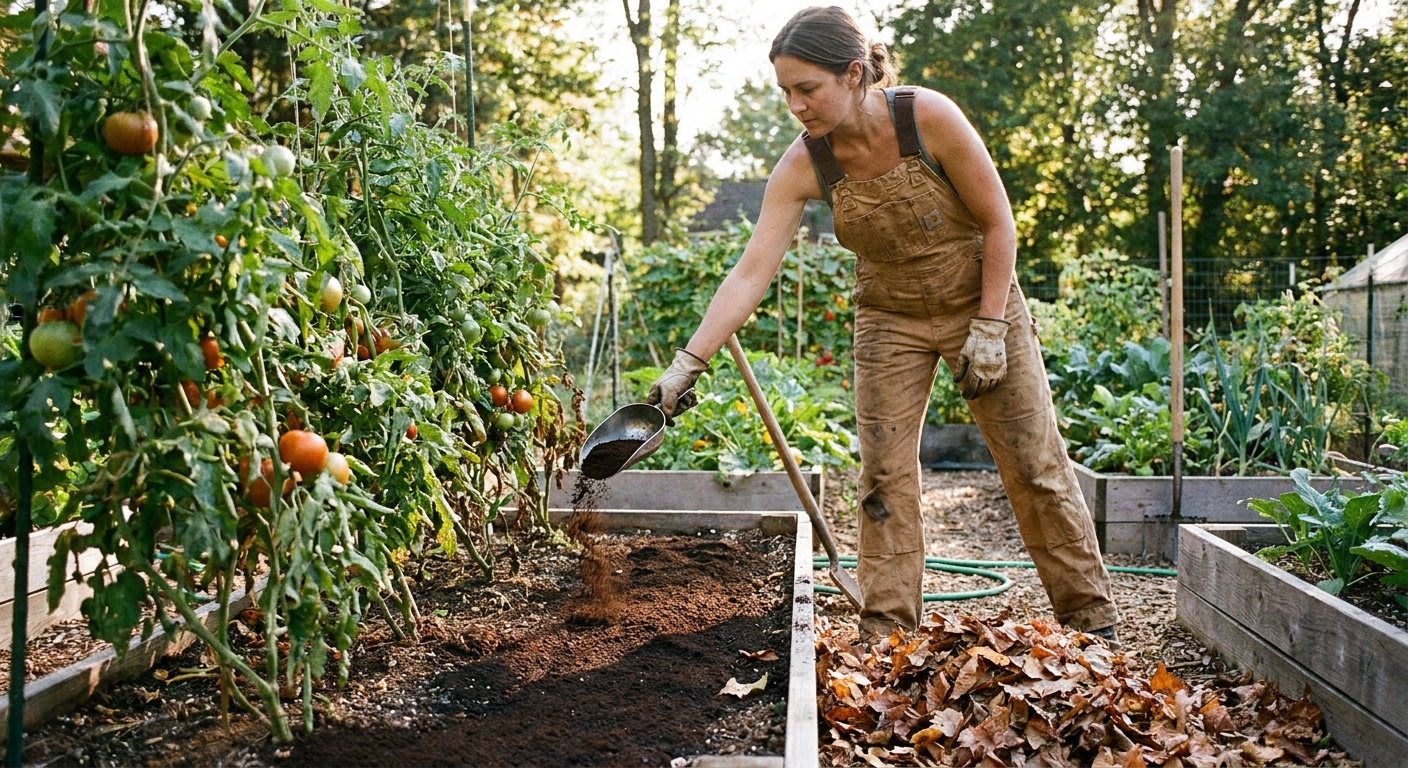
- Vegetables: tomatoes, squash, cucumbers, leafy greens, corn
- Flower beds: most annuals and many perennials
- Roses and berry shrubs: especially with consistent compost top-dressing
Acid lovers
Blueberries, cranberries, and azaleas prefer more acidic conditions. Kitchen scraps alone rarely move the needle on pH in a predictable way. For these plants, focus on:
- Mulching with pine needles or pine bark
- Adding compost that is not heavy on wood ash or lime
- Using a fertilizer designed for acid-loving plants when needed
Plants that prefer lean, fast-draining conditions
- Lavender, rosemary, thyme, sage (especially in containers)
- Most succulents and cacti
- Many native plants adapted to low-fertility soils
Big safety issues: pests, pathogens, salts
Kitchen-scrap soil boosters are at their best when they support soil life without creating new problems. These are the three issues I watch for the most.
1) Pests and smells
- In containers, avoid burying chunky fresh scraps. They can attract fungus gnats, ants, raccoons, and neighborhood cats with strong opinions.
- Chop scraps small and compost them, or dry them first for tidy use.
- Avoid sugary, flavored, or dairy-heavy leftovers in your garden systems. They invite the wrong kind of party.
2) Pathogens and food safety
- Stick to plant-based scraps (coffee grounds, fruit and veggie scraps, eggshells) for home systems.
- Avoid meat, grease, and dairy in typical backyard compost unless you use a hot-compost system you manage carefully.
- For edible gardens, apply finished compost to soil, not directly onto leaves you will eat soon. Wash produce as usual.
3) Salt buildup in containers (the sneaky one)
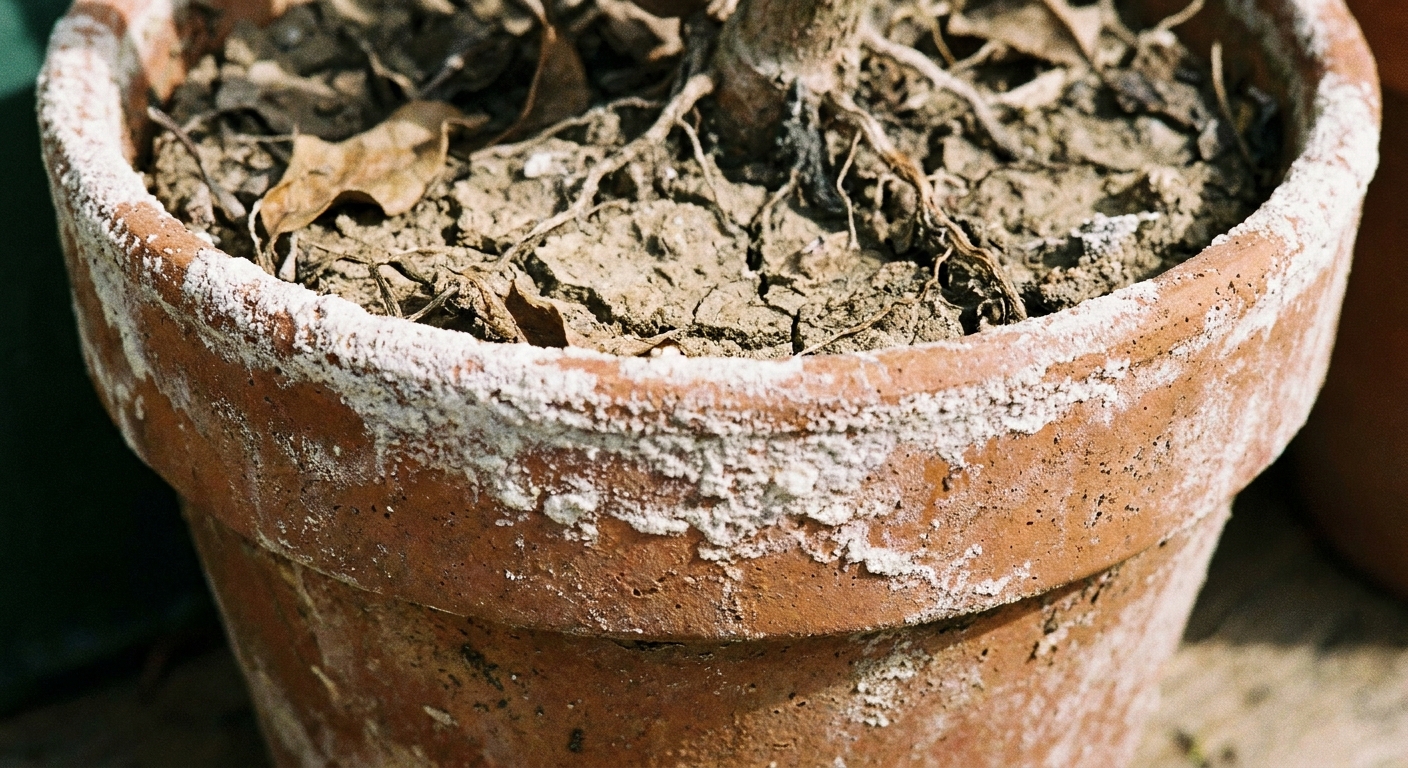
Containers are closed systems. Minerals and salts can accumulate because there is nowhere for them to go. This is most often driven by tap water and concentrated fertilizers, not banana peels themselves. Still, heavy or frequent “extras” in pots can make the root zone less happy overall, especially if drainage is poor.
- Signs: white crust on soil or pot rim, leaf tip burn, stalled growth even with watering.
- Prevention: water deeply enough that some drains out the bottom, and go light on any fertilizer or additive.
- Fix: flush the pot with clean water (2 to 3 times the container volume) and let it drain fully. Then back off feeding for a bit.
Quick reference: compost first vs use now
If you want a simple rule that keeps you out of trouble, here it is: compost first for containers, and you can be a little more flexible in garden beds.
- Compost first (best for most people): coffee grounds (in bulk), banana peels, eggshells (still crush them), fruit and veggie scraps.
- Use now in beds (small amounts): thin sprinkle of coffee grounds, finely ground eggshells, dried banana peel crumbles.
- Use now in containers (very limited): small top-dress of coffee grounds, pinch of eggshell powder, occasional diluted banana peel water.
How to tell compost is finished
Finished compost is dark, crumbly, and smells earthy (like a forest floor), not sour or like old lunch. You should not be able to recognize most of the original scraps.
How this compares to organic fertilizers
I love a thrifty soil hack, but I also love honest expectations. Here is the real difference between kitchen scraps and bagged organic fertilizers.
Kitchen scraps (coffee, shells, peels)
- Pros: free, reduces waste, supports soil biology, improves soil texture over time.
- Cons: nutrient content is inconsistent, slow to become plant-available, easy to overdo in containers, not a precise solution to deficiencies.
Commercial organic options (granular blends, fish emulsion, kelp, composted manures)
- Pros: labeled NPK and more predictable results, easier to correct deficiencies, often faster acting.
- Cons: costs money, can contribute to salt buildup in containers if overapplied, some products have strong odor or sourcing concerns.
My compromise approach: build your soil with compost (including your scraps), then use a gentle commercial organic fertilizer during heavy growth periods, especially for container vegetables and flowering annuals.
A simple weekly routine
If you want a system you can stick with, here is a rhythm that keeps things clean and effective.
For garden beds
- Keep a small covered kitchen container for coffee grounds, rinsed eggshells, and chopped peels.
- Compost most of it.
- Once a month during the growing season, top-dress beds with finished compost and mulch.
For containers
- Prefer finished compost over raw scraps.
- Use coffee grounds as a light monthly top-dress only if your potting mix drains well.
- Flush pots occasionally to prevent salt buildup from water and fertilizers.
And if you try something and a plant pouts, do not take it personally. Gardening is a relationship, and sometimes the lesson is simply: this particular fern prefers sweet nothings over banana water. I have one like that, and yes, I still talk to it.
FAQ
Can I put coffee grounds directly on top of soil?
Yes, but keep it thin and do not let it form a crust. In containers, stick to small amounts and water through thoroughly.
Are eggshells good for tomatoes?
They can contribute slow calcium over time, especially when finely ground and composted. They are not a quick fix for blossom end rot, which is usually tied to uneven watering and calcium uptake.
Should I bury banana peels near plants?
In garden beds, small chopped pieces can be buried deeply, but composting is cleaner and more reliable. In containers, I skip burying fresh peels because they can rot and attract pests.
Do these replace fertilizer?
Not usually. Think of them as soil-building helpers. For heavy-feeding container plants, a labeled organic fertilizer is often the more dependable main meal.