
Hosta Virus X: Mottled Leaves and Why You Should Not Divide

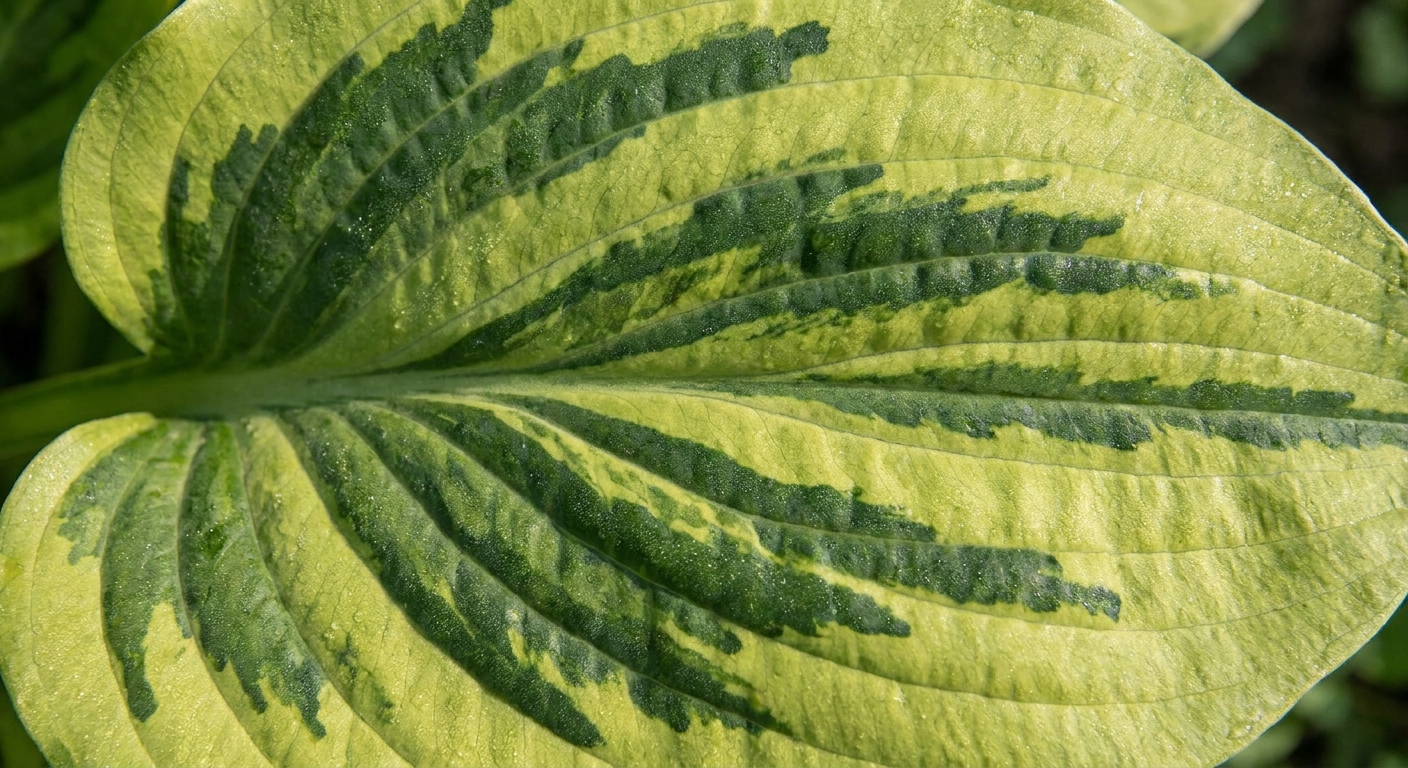
I have a soft spot for hostas. They are the calm, dependable friends of the shade garden. So when a hosta starts showing strange mottling, it is tempting to assume it is stress, a little sun, maybe a slug party you missed. But there is one possibility I want you to take seriously right away: Hosta Virus X, usually shortened to HVX.
HVX is not a cosmetic problem. It is an incurable virus that spreads readily through sap transfer. In plain garden terms, that usually means mechanical spread: cuts, shared tools, and handling that moves plant juices from one hosta to another. If your hosta looks suspicious, this is the moment to pause the spade work.

What HVX can look like
HVX symptoms vary by cultivar, but the classic look is what many gardeners describe as an ink-bleed or bleeding dye pattern in the leaf. Instead of a neat, stable variegation, the color looks smeared, feathered, or water-stained, as if green ink leaked into the lighter parts of the leaf.
Common visual clues
- Inky mottling or streaks that follow veins or radiate through the leaf tissue.
- Patchy dark green areas inside normally lighter zones, especially on gold or chartreuse hostas.
- Twisting, puckering, or waviness that looks different from the cultivar’s normal texture.
- Collapsed or thin-looking tissue in mottled areas, sometimes with a slightly shiny, oily look.
- Symptoms that persist from one leaf flush to the next, often worsening over time.
One tricky detail: HVX can be subtle early on. A plant can look mostly fine, with just one or two leaves showing that smeared pattern. That is why I treat “odd mottling” like a stop sign until proven otherwise.
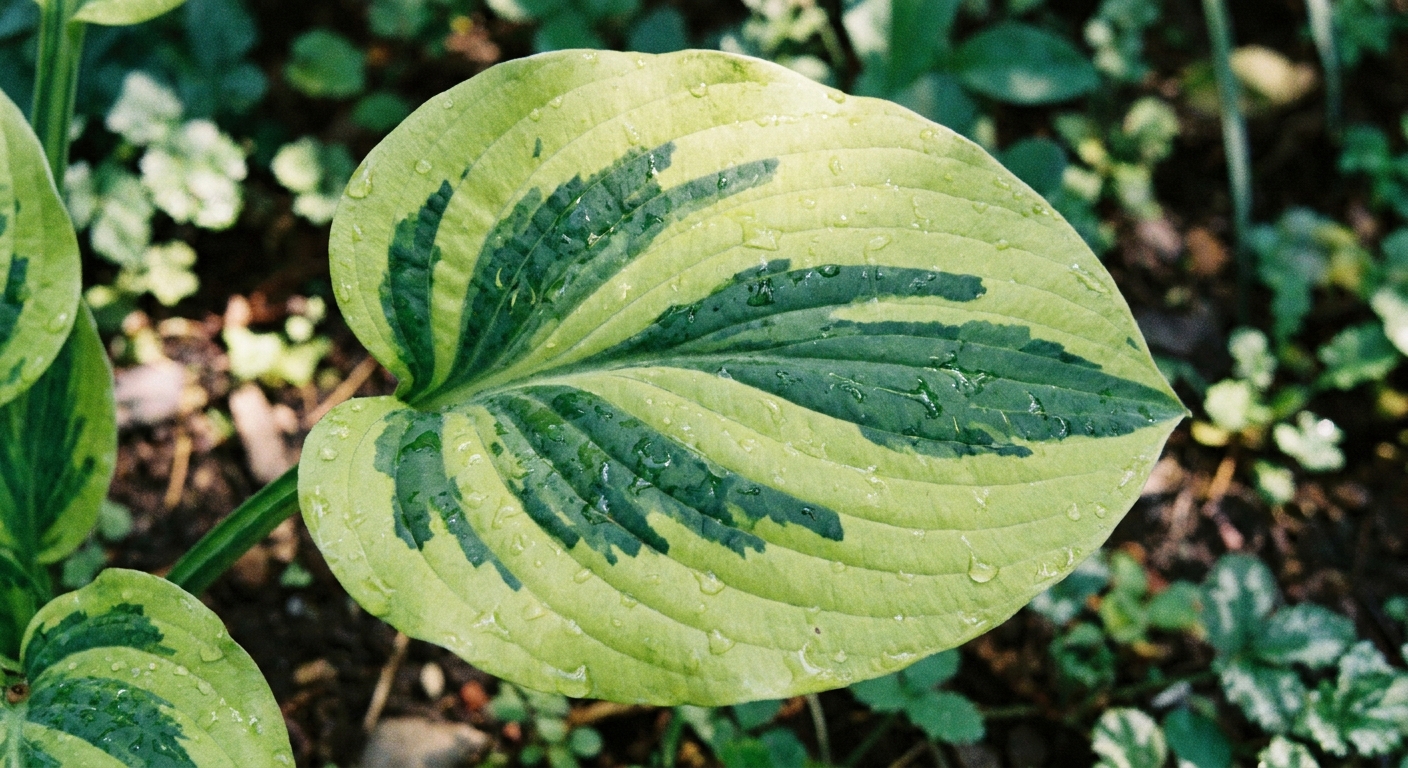
Look-alikes are real
Before you make a final decision on a beloved or expensive hosta, it helps to know this: HVX is not the only thing that can cause strange color patterns. Some cultivars can sport or show unstable variegation, herbicide injury can create odd streaking, and other viruses can also make leaves look “off.”
You can still act quickly without rushing to destruction. Quarantine first, then confirm if you can.
Slug holes vs scorch vs virus
Hostas are famous for taking a beating and still showing up. Slugs chew them, sun can fry them, hail can shred them. The key difference is that HVX changes pigment patterns inside the leaf. Slugs and scorch tend to remove or kill tissue in more straightforward ways.
Also, two things can be true at once. A hosta can have slug damage and HVX. So do not let a few holes talk you out of taking mottling seriously.
Slug damage
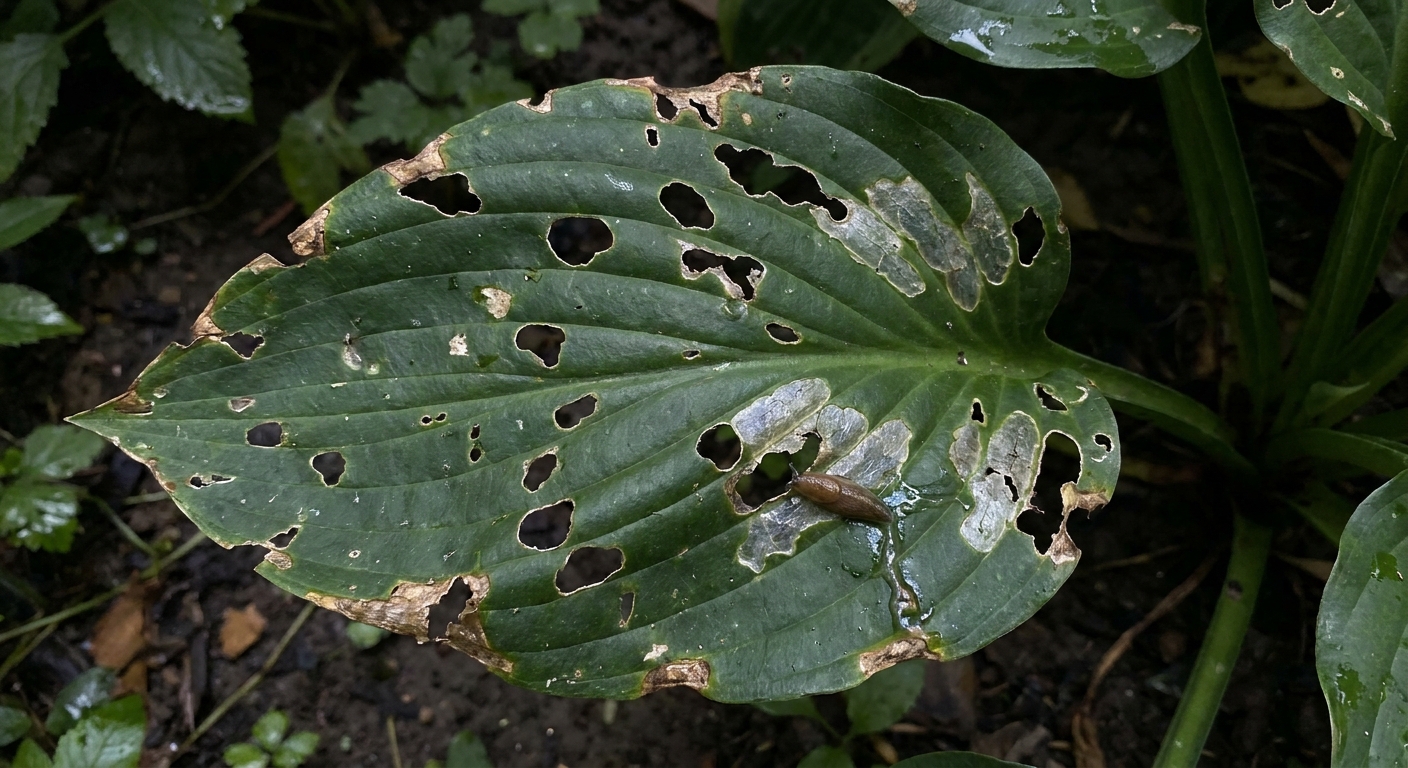
Slugs and snails leave holes, ragged edges, and windowpane scraping, often appearing overnight. You may also see slime trails or damage that starts low to the ground and works upward.
- Looks like: missing chunks, irregular holes, shredded leaf margins.
- Texture clue: the surrounding tissue looks normal in color, just eaten.
- Timing clue: damage can appear suddenly after wet nights.
Sun scorch or heat stress
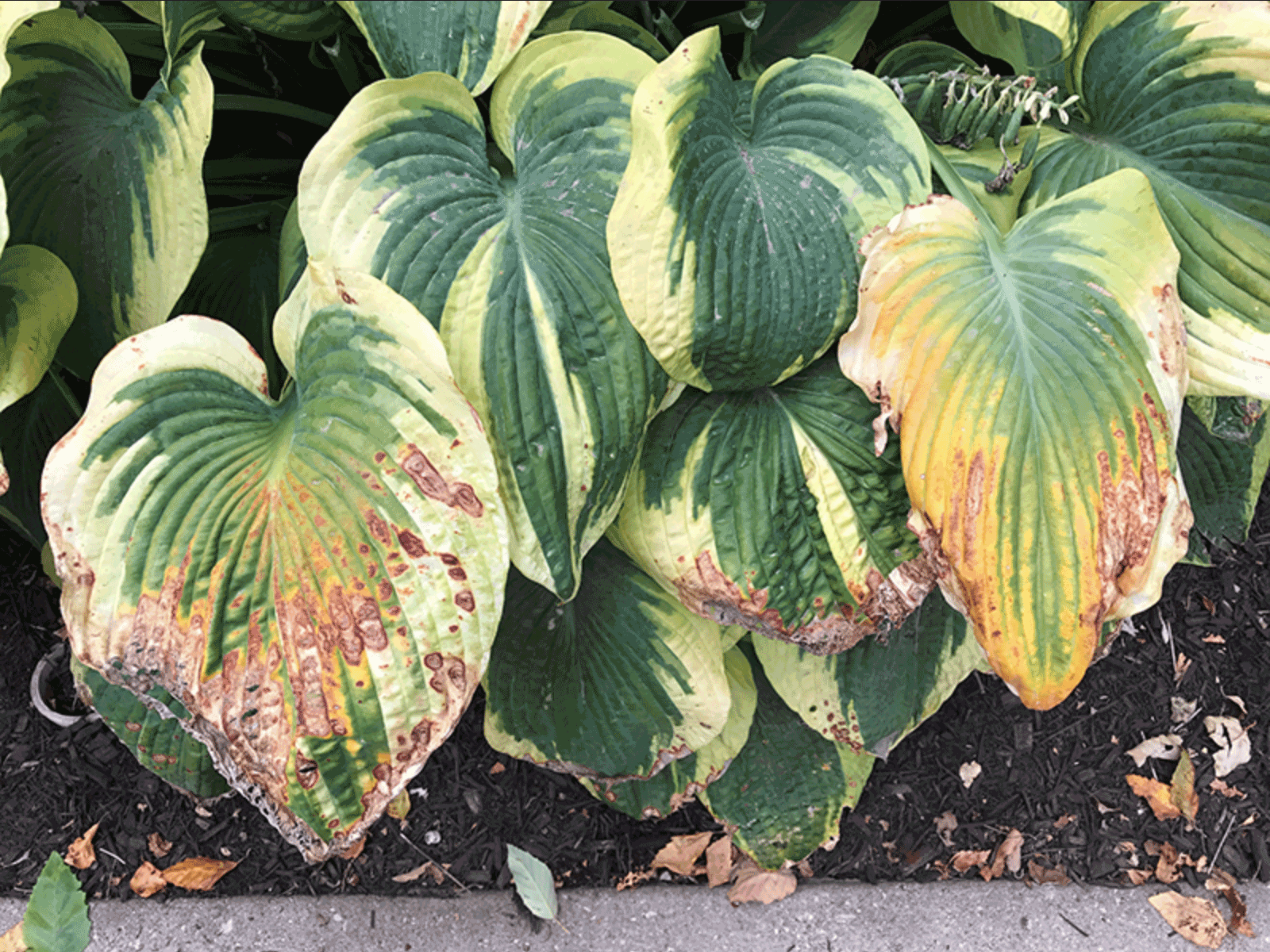
Sun scorch usually shows up as bleached patches or crispy brown areas, often at the leaf tips, along edges, or on the sunniest-exposed parts of the plant. It is common when a shade hosta gets too much afternoon sun or dries out in hot weather.
- Looks like: tan, bleached, or brown crispy tissue, especially on edges.
- Pattern clue: damage aligns with sun exposure, not random ink-like marbling.
- Season clue: often worsens during heat waves or droughty periods.
HVX
HVX tends to look like the plant’s pattern is being rewritten. Instead of crisp boundaries between colors, you see smearing, mottling, and vein-following streaks. The leaf may also look distorted in a way that is not explained by weather alone.
- Looks like: ink-bleed mottling, green dye-like movement into lighter tissue, strange streaking.
- Pattern clue: pigment changes inside living leaf tissue are the headline symptom.
- Progression clue: new leaves can emerge already mottled.
Why you should not divide
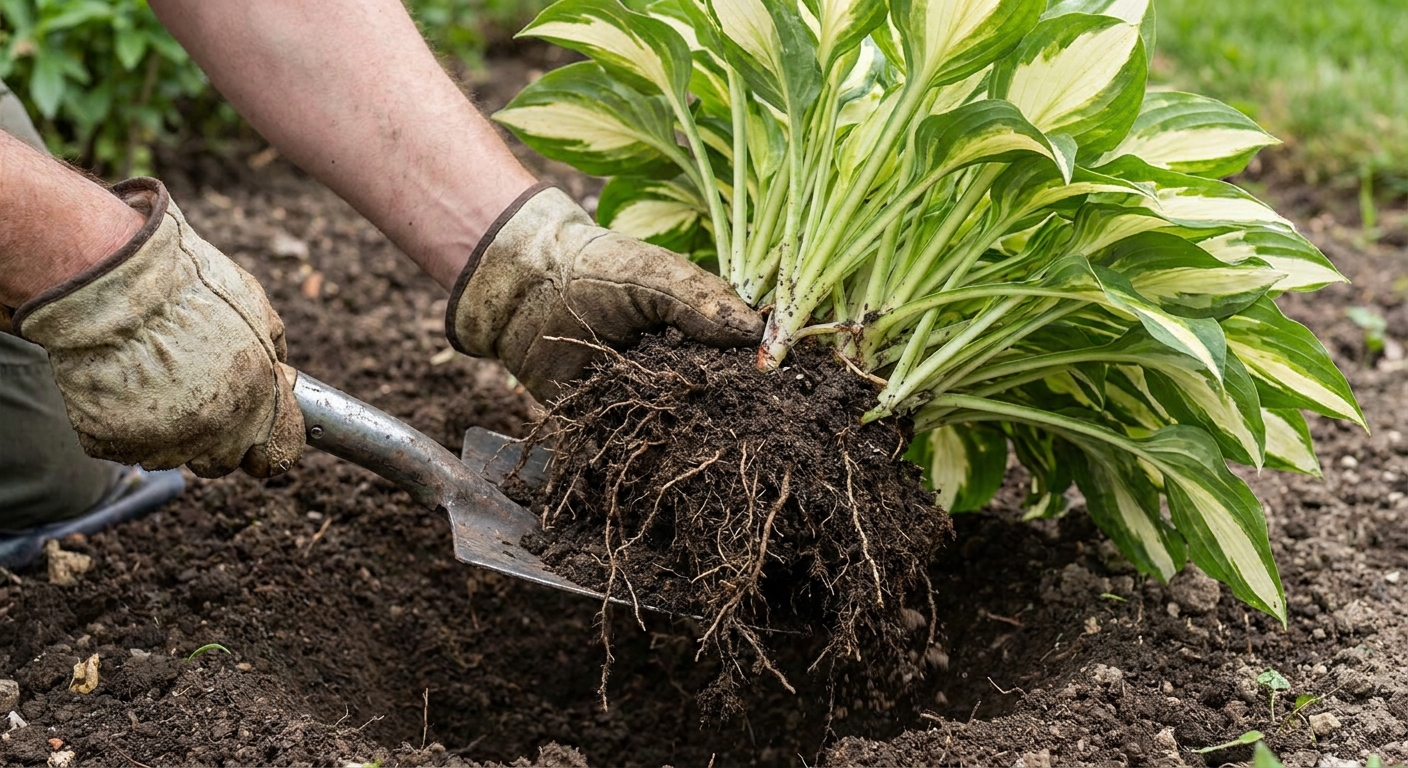
Hosta Virus X spreads primarily through infected sap. When you divide a hosta, you are slicing through sap-filled tissue. If the plant is infected, that division process can contaminate your tools, your hands, and every other hosta you touch afterward.
Here is the hard truth: dividing does not fix HVX. It simply creates multiple infected plants and increases the odds the virus moves into the rest of your collection.
How HVX spreads at home
- Dividing clumps with a spade, knife, or saw and then using that tool on healthy hostas.
- Sharing divisions with friends or plant swaps.
- Moving sap on gloves, hands, or surfaces like potting benches.
- Any activity that transfers plant juices from one hosta to another.
If you take only one thing from this page, let it be this: Do not divide, trade, donate, or gift a hosta with suspicious mottling.
Can HVX be cured?
No. There is no cure for HVX in an infected plant. You cannot spray it away, compost tea it away, or fertilize it back to health. An infected hosta may limp along for years or decline, but it remains a source of virus for other hostas.
I know that stings. Gardeners are builders by nature. We want a remedy. With HVX, the most responsible action is containment, confirmation when possible, and prevention.
What to do if you suspect HVX
If you are staring at a hosta and thinking, “This looks like spilled ink,” here is my calm, practical playbook.
Step 1: Quarantine
Mark the plant clearly so nobody “helpfully” divides it later. If you must handle it, handle it last, and keep your hands and tools away from other hostas until you clean up.
Step 2: Photograph and watch new leaves
Because environmental stress can cause temporary weirdness, it helps to watch new growth. If fresh leaves continue to show the same smeared, vein-following pigment pattern, suspicion goes up.
Step 3: Confirm if you can
If the plant is valuable or you are unsure, consider confirmation before removal. Options vary by location, but gardeners often use an HVX immunostrip test (sold through garden and diagnostic suppliers) or contact a local extension service for guidance on testing. Keep the plant quarantined while you decide.
Step 4: Stop dividing for now
If you planned a hosta-splitting weekend, postpone it. It is not worth risking your whole shade border.
Step 5: Clean like you mean it
Viruses move on sap, and hostas are full of it. If you have already been dividing, sanitize tools between plants and set up a simple workflow:
- Change gloves or wash hands after handling the suspect plant.
- Keep a “dirty tool” bin so nothing accidentally goes back into use.
- Disinfect with an appropriate product and follow label directions for dilution and contact time. A freshly mixed 10 percent bleach solution is commonly used but can be corrosive to tools. Some gardeners use alcohol for convenience, but contact time matters. Whatever you choose, rinsing is not disinfecting.
Step 6: Remove if confirmed or strongly suspected
When HVX is confirmed, or when symptoms are classic and persistent, the safest route for the rest of your garden is removal of the infected plant, including as much crown and roots as you can. Avoid saving divisions. Avoid “seeing if it grows out of it.”
Disposal matters. Do not share it. Do not put it where someone else might rescue it from the curb. In many areas, the simplest option is to bag the plant material and dispose of it with household trash, if your local rules allow. Skip home composting for suspect or confirmed HVX material.
How to prevent HVX
Prevention is wonderfully unglamorous. It is also the best way to keep your hosta patch peaceful for the long haul.
- Buy from reputable sources that monitor stock and rogue out suspicious plants.
- Inspect leaves before planting, especially on bargain hostas or clearance racks.
- Disinfect cutting and dividing tools between plants, not just between beds.
- Be cautious with plant swaps. If the donor is unsure of the cultivar’s normal variegation, treat that as a yellow flag.
- Label your hostas so you know what “normal” looks like for each cultivar over time.
And a small Clara confession: I talk to my ferns, but I also talk to my tools. “We disinfect between plants,” I tell my hori-hori. “We do not bring drama into the shade garden.”
Quick FAQ
Does HVX spread through soil?
HVX is best understood as spreading through sap transfer, especially during dividing and cutting. It is not known as a soil-borne pathogen in the way some diseases are. In most home gardens, the practical risk is contaminated tools, hands, and plant-to-plant sap contact.
How do I confirm HVX?
If you want more certainty, look into an HVX immunostrip test or ask a local extension office about testing options. Even when you plan to test, quarantine the plant and pause dividing in the meantime.
Could fertilizer burn, cold damage, or herbicide injury look similar?
Yes, some injuries can mimic parts of the look. Burn and cold injury usually show up as dead tissue, bleached areas, or distortion without that classic ink-bleed pigment movement through living tissue. Herbicide drift can cause twisting or odd streaking. When in doubt, quarantine and consider testing.
If only one leaf looks mottled, can I just cut it off?
Removing a leaf does not cure the plant. If the plant is infected, symptoms can return on new growth. If you do cut leaves, disinfect tools immediately and avoid touching other hostas until you have washed up.
Should I divide a hosta to see if new divisions grow normally?
No. Dividing is one of the easiest ways to spread HVX to healthy hostas through sap. If HVX is on your mind at all, dividing should be off the table.
The gentle bottom line
If your hosta has the classic ink-bleed look, do not panic, but do take it seriously. Slugs make holes. Sun makes crisp edges. HVX makes pigment look like it is bleeding through the leaf. And because there is no cure, the kindest thing you can do for your garden and your neighbors’ gardens is to not divide, not share, and not spread.
Your shade garden can still be lush and joyful. Sometimes that starts with one careful decision and a clean pair of pruners.