
Hosta Sun Scorch: Pale, Papery Patches on Leaves

The first time I saw sun scorch on a hosta, I blamed myself in about eight different ways before breakfast. Then I did what I always do when a plant looks “mysteriously offended.” I crouched down, ran my fingers over the damage, and looked at the light patterns like a detective with a trowel.
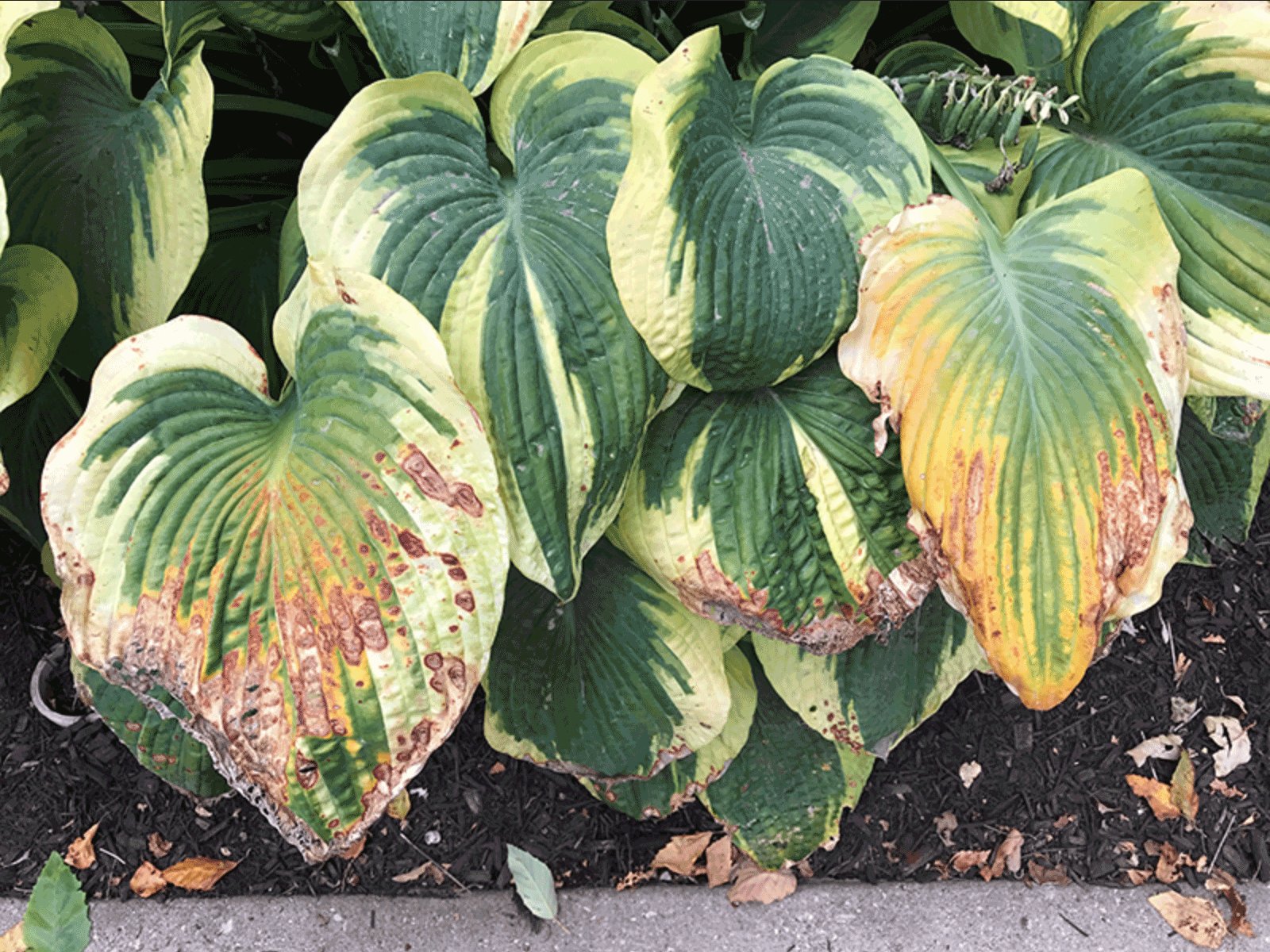
If your hosta leaves have pale, bleached patches that feel thin and papery, you are very likely dealing with sun scorch or reflected heat. It looks dramatic, but it is usually straightforward to improve once you put the plant in kinder light.

What sun scorch looks like
Sun scorch is leaf tissue damaged by heat and light stress. Hostas have juicy, shade-adapted leaves, and when they get too much direct sun, hot afternoon rays, or extra heat bouncing off hard surfaces, parts of the leaf can bleach out and die.
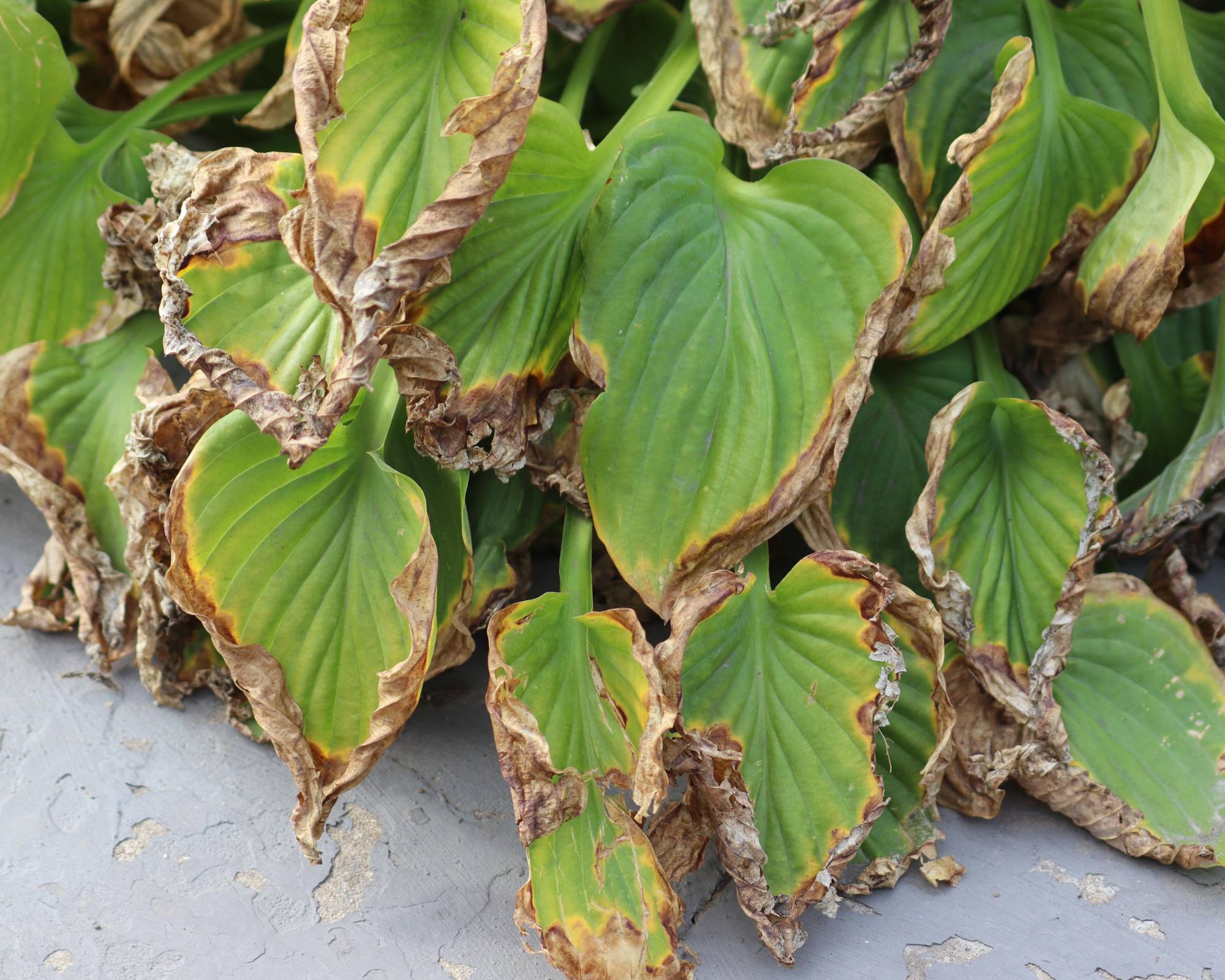
- Color: washed-out pale yellow to bone-white patches that may later turn tan or light brown.
- Texture: thin, crisp, papery, sometimes slightly wrinkled.
- Pattern: irregular blotches, often on the most exposed areas, commonly the leaf tops and edges.
- Timing: often appears after a hot spell, a sudden move into brighter light, or the first truly intense sun of summer.
One little clue I rely on: scorched tissue usually looks like it has been faded by the sun rather than chewed, speckled, or oozing. It is damage-by-exposure.
Why it happens
Hostas are not all identical in their sun tolerance, but most are happiest in bright shade or morning sun with afternoon shade. Variety matters too. Thick-leaved, some gold types, and a few fragrant varieties can often take more sun, while thinner-leaved and many blue hostas tend to scorch faster.
Sun scorch tends to show up when one of these sneaky heat sources joins the party:
- Afternoon sun: Even “part shade” can become full blast from 2 pm to 6 pm.
- Reflected heat: Light and heat bouncing off white fences, light-colored walls, windows, metal edging, pavers, or gravel.
- Dry soil: A hosta in brighter light needs steadier moisture. Dry roots make scorch worse.
- Sudden exposure: Removing a tree limb, pruning shrubs, or moving a pot can change light overnight.
- Wind + sun: Windy, sunny corners dry leaves faster and stress the plant.
Quick scorch check
Before you cut anything, do this simple check. It takes two minutes and saves a lot of worry.
- Touch test: Does the pale area feel dry and papery compared to the rest of the leaf?
- Look up: Is there direct sun hitting the plant for more than a couple hours, especially afternoon?
- Look around: Any nearby surface that bounces heat or bright glare onto the hosta?
- Consistency: Is the damage worse on the side facing the sun or the reflective surface?
- New growth: Are newer leaves emerging more normally once weather cooled or shade increased?
If you are nodding along, treat it like scorch first. Correcting the light and moisture situation often stops additional damage.
Not scorch
I am going to keep this focused, because you came here for scorch. Still, two problems get confused with sun damage all the time, and the fix is very different. Here are the quick distinctions.
Slug and snail damage
- What you see: ragged holes, missing chunks, or scraped “windowpane” areas where green tissue has been rasped away.
- What it feels like: torn or thinned spots can happen, but it usually looks eaten, not bleached.
- Clue: damage often shows up overnight, especially in wet weather, with irregular edges.
HVX-like mottling
Some hosta leaf patterns raise red flags for viral issues. Sun scorch is typically a bleached, dead patch from exposure. Virus-like symptoms are more likely to look like color bleeding, mottling, or distortion that follows veins or creates an uneven “stained” pattern rather than a crisped, sunburned patch.
- Sun scorch: faded, papery, often on exposed leaf surfaces.
- HVX-like patterns: mottled or streaked color that can resemble green ink bleeding through lighter areas, sometimes with abnormal texture or leaf deformation.
One important caveat: you cannot confirm HVX by looks alone, and several issues can mimic mosaic or mottling. Only testing can confirm it. When in doubt, isolate the plant, avoid dividing or sharing it, and sanitize tools between plants.
What to do today
Once you are confident it is scorch, your job is simple: reduce the heat and light stress so you prevent additional scorch. The existing bleached patches will not turn green again, but you can stop the problem from spreading.
Where to move it
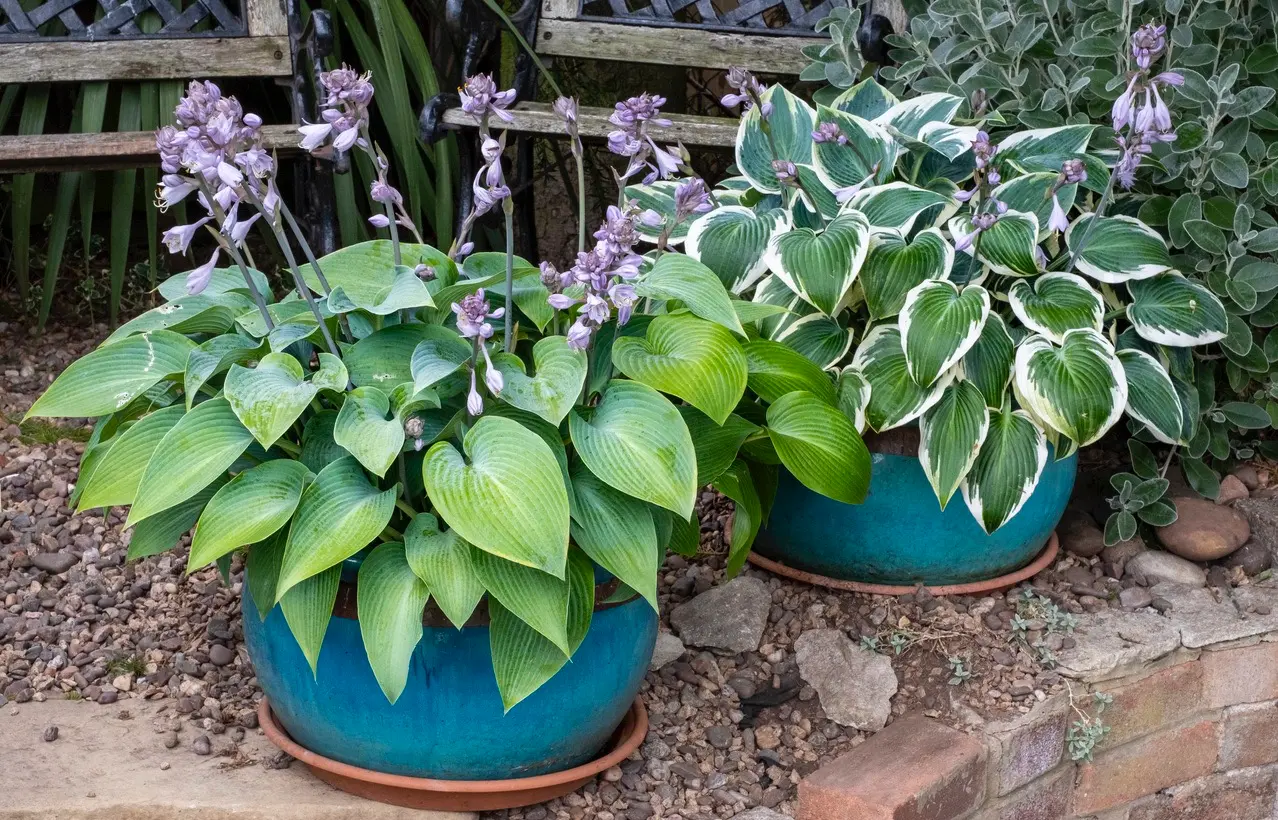
The goal is bright shade or gentle morning sun with protection during the hottest part of the day. Think “dappled light under a tree” or “east side of the house.”
Best spots
- Morning sun, afternoon shade: East-facing beds are hosta gold.
- Dappled shade: Under high-canopy trees where light moves, not blasts.
- North side with bright ambient light: Especially good for thinner-leaved varieties.
Avoid these traps
- West-facing walls and fences: afternoon heat plus reflection.
- Beside driveways, patios, and gravel beds: radiant heat bakes leaves.
- In front of reflective windows: glare and reflected heat can increase stress, especially in already sunny exposures.
Container hostas: If yours is in a pot, you can fix scorch fast by shifting it out of afternoon sun immediately. Even sliding it a few feet into shade can help prevent additional scorching.
Cut leaves or leave them
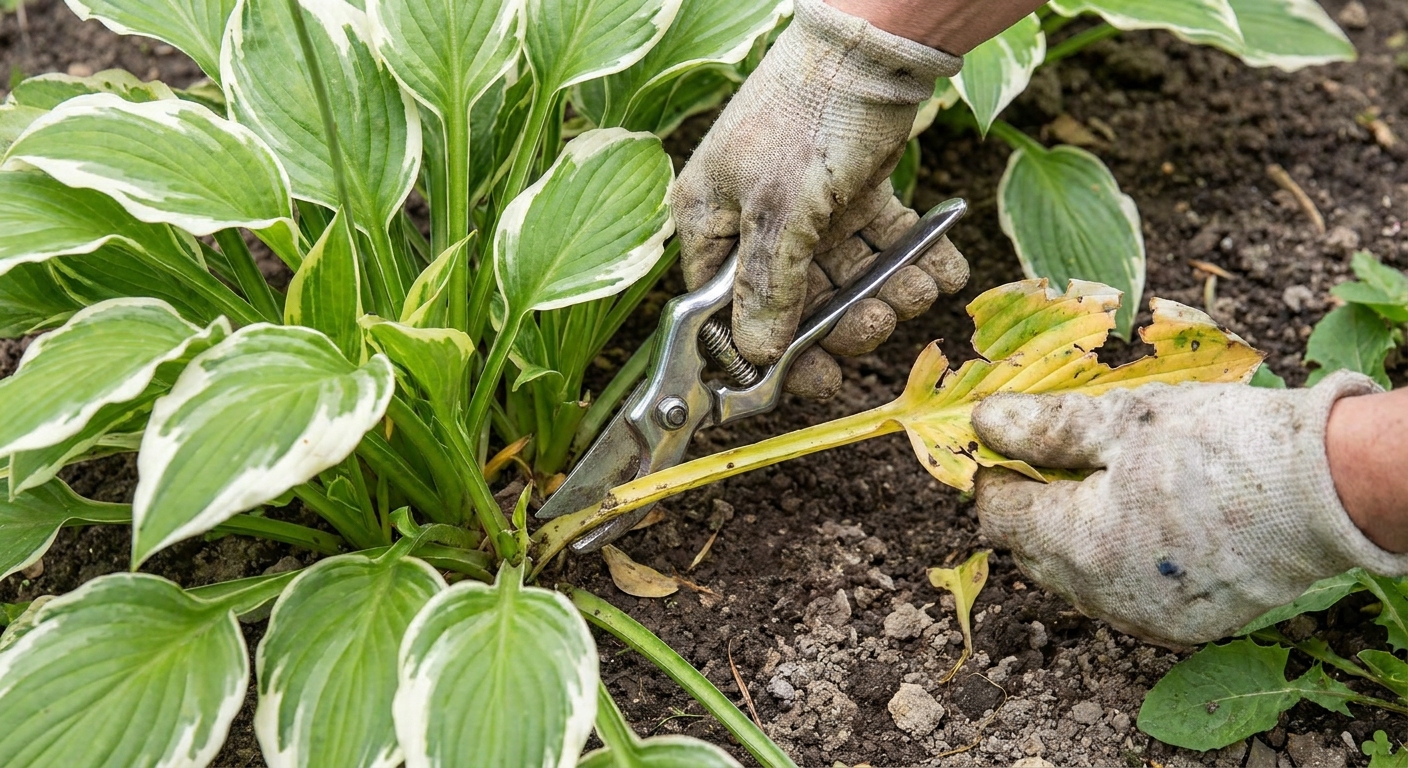
This is the part people stress over. Here is my practical rule: leave what is mostly green, remove what is mostly dead. Hostas will not “heal” scorched tissue, but they still use the green parts of the leaf to make energy.
Leave it for now if
- Less than about one-third of the leaf is scorched.
- The leaf is still firm and doing its job, even if it looks a little ugly.
- You need the leaf canopy to shade the crown and keep soil cooler.
Cut it off if
- More than about half the leaf is bleached, brown, or crispy.
- The leaf has collapsed and is flopping onto neighboring plants.
- The damaged tissue is turning mushy after rain and you want better airflow.
- The plant looks tattered and you want it to put energy into fresher growth.
How to prune cleanly
- Use clean, sharp snips.
- Follow the leaf stem (petiole) down and cut it off near the base without gouging the crown.
- Remove only what you need to. A haircut, not a scalping.
- For simple scorch, compost is typically fine. If there is any chance the plant has virus-like symptoms or another disease, play it safe and put removed leaves in the trash.
Help it recover
Once the light is corrected, recovery is mostly about reducing stress. Sun scorch does not usually kill an established hosta, but it can set it back for the season. Many plants look significantly better next year once they are sited correctly.
- Water deeply: Aim for consistent moisture, not daily sprinkles. Water at soil level.
- Water timing: Morning is ideal. Avoid overhead watering in hot sun. It does not fix scorch and can contribute to spotting on stressed foliage.
- Mulch: Add 1 to 2 inches of leaf mold, compost, or shredded bark, keeping it a little back from the crown.
- Skip heavy fertilizer: Pushing soft growth during heat can backfire. If you feed, keep it gentle and timed for active growth in spring.
- Provide temporary shade: A patio umbrella, shade cloth, or a taller pot plant can give relief during heat waves.
What you are looking for is that the new leaves emerge looking normal. The scorched spots will not green back up, but the plant can still finish the season in decent shape.
FAQ
Will scorched hosta leaves turn green again?
No. Once tissue is bleached and papery, those cells are done. The win is preventing more scorch and encouraging healthy new growth.
Can I move the hosta right now?
If it is in a container, yes, move it immediately. If it is in the ground, you can transplant in summer, but do it carefully: move it in the evening, keep as much root ball as possible, water deeply, and provide temporary shade. If the weather is extreme, it is often better to shade it now and transplant in early fall.
Why is only one side scorched?
That is a very common sun or heat exposure pattern. One side may face afternoon sun, a reflective wall, or a hot walkway. Rotate pots or reposition the plant so the hottest exposure is blocked.
Do blue hostas scorch more easily?
Often, yes. Many “blue” hostas have a waxy coating that gives the blue cast, and harsh sun can strip that look and stress the leaf. They typically prefer more shade than many gold varieties.