
Hardy Hibiscus Care and Spring Cutback

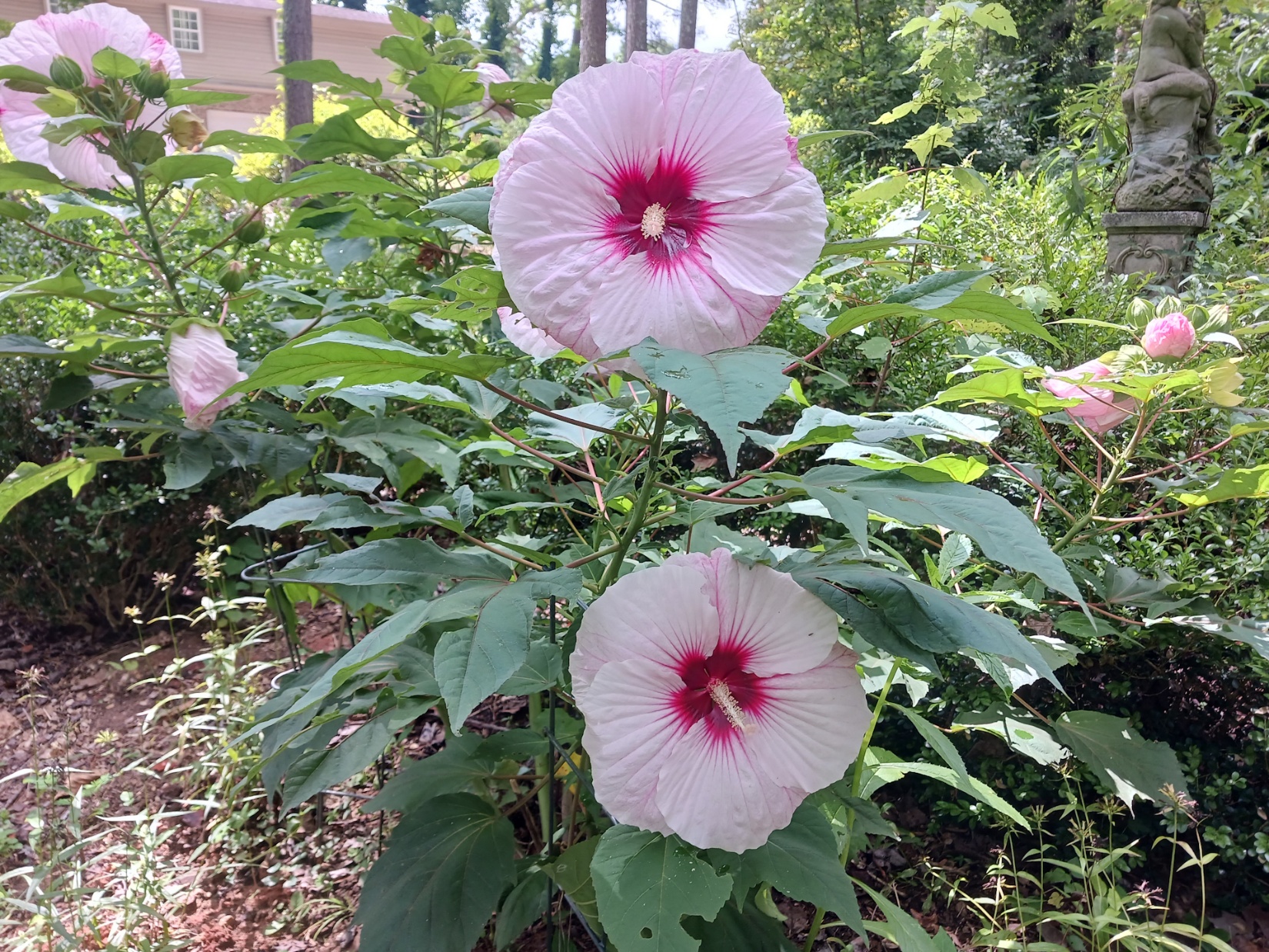
The first time I grew a dinner-plate hardy hibiscus, I thought it had died. It was late spring, my garden was waking up, and this plant was still a bundle of brittle sticks that looked, frankly, offended to be there. I almost dug it up. Then, right when I had given up, little red-green nubs appeared at the base like the plant was saying, “Relax, Clara. I am fashionably late.”
That is the trick with hardy hibiscus. It is a perennial that dies back and returns from the crown each year, even if last year’s stems linger like tiny wooden flagpoles. Once you understand that growth habit, care gets wonderfully simple, especially the spring cutback.

Hardy hibiscus vs. Rose of Sharon
Before we talk pruning, let’s make sure you have the right hibiscus.
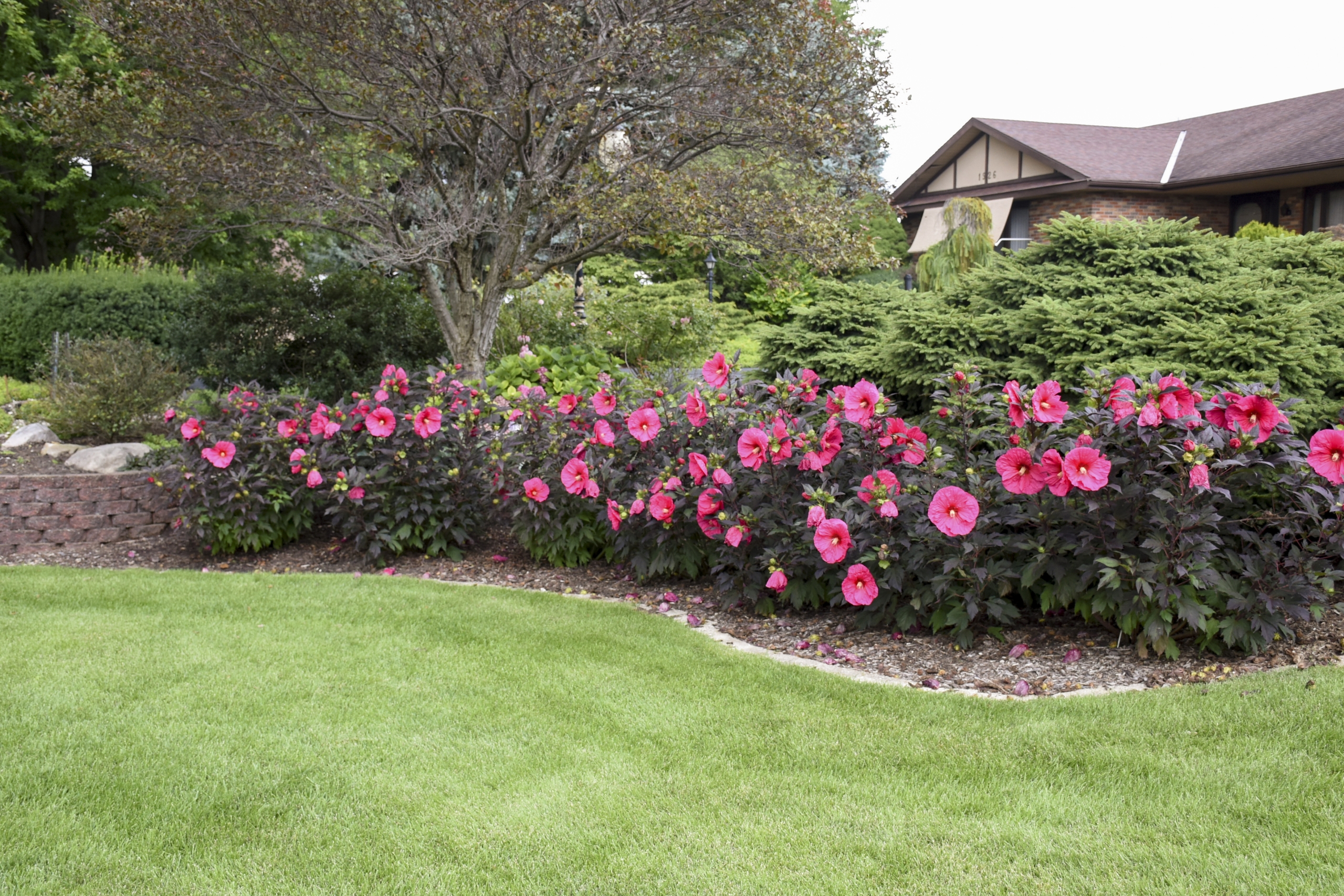
- Hardy hibiscus (often Hibiscus moscheutos and hybrids) is a herbaceous perennial. It dies back to the ground in winter and regrows from the base. It makes huge, tropical-looking flowers in mid to late summer.
- Rose of Sharon (Hibiscus syriacus) is a woody shrub. It keeps a permanent branching framework and is pruned like a shrub.
If your plant is throwing up new shoots from the soil line each year and last year’s canes are mostly dead wood, treat it like hardy hibiscus. Do not use woody shrub pruning rules on a dinner-plate hibiscus; you will just end up wrestling dead sticks while the real growth is happening at the base.
What it needs to thrive
Hardy hibiscus has two big “tells” that explain most care advice you will ever read about it.
1) It likes consistently moist soil
In nature, many hardy hibiscus types grow in wet meadows, along streams, and in low areas. In gardens, that translates to: even moisture makes a dramatic difference in growth rate and bloom size. If you want a simple target, aim for soil that stays evenly damp, like a wrung-out sponge.
- Best soil: Rich soil that holds moisture but still drains. Think loam with plenty of compost.
- If your soil is sandy: Mix in compost and add a 2 to 3 inch mulch layer to slow evaporation.
- If your soil is heavy clay: Compost still helps, but focus on keeping the crown slightly proud of the surrounding grade so water does not pool directly on the crown in winter.
2) It is slow to wake up in spring
Hardy hibiscus is one of the last perennials to emerge. In many climates it does not truly get moving until the soil warms. This is normal, not a failure on your part, and not a sign you should keep “fixing” it.
- Be patient until nights are reliably mild and hard freezes are mostly behind you.
- Watch the base for swelling buds or tiny shoots. Some gardeners notice more action once soil temps hover around the 60°F range, but your plant will go by its own calendar.
- Avoid deep digging around the crown while you are waiting. The new shoots are tender and easy to nick.
Spring cutback
This is the part that trips people up. Those woody stems you see in early spring are mostly last year’s growth. Hardy hibiscus blooms on new growth, meaning the fresh stems that grow this season.
When to cut back
The simplest timing is:
- Cut back in early to mid spring, once the worst cold has passed and you can work comfortably in the bed.
- If you see new shoots starting at the base, that is a perfect cue to cut. You are making space and sunlight for the new growth.
If you leave stems standing through winter, you are not doing anything “wrong.” Many gardeners do, especially for winter interest or to leave hollow stems for beneficial insects. Just plan to remove them in spring.
How to cut it back
- Find the crown. Gently brush mulch aside so you can see where stems meet the soil.
- Use clean pruners or loppers. Old stems can be tough and fibrous.
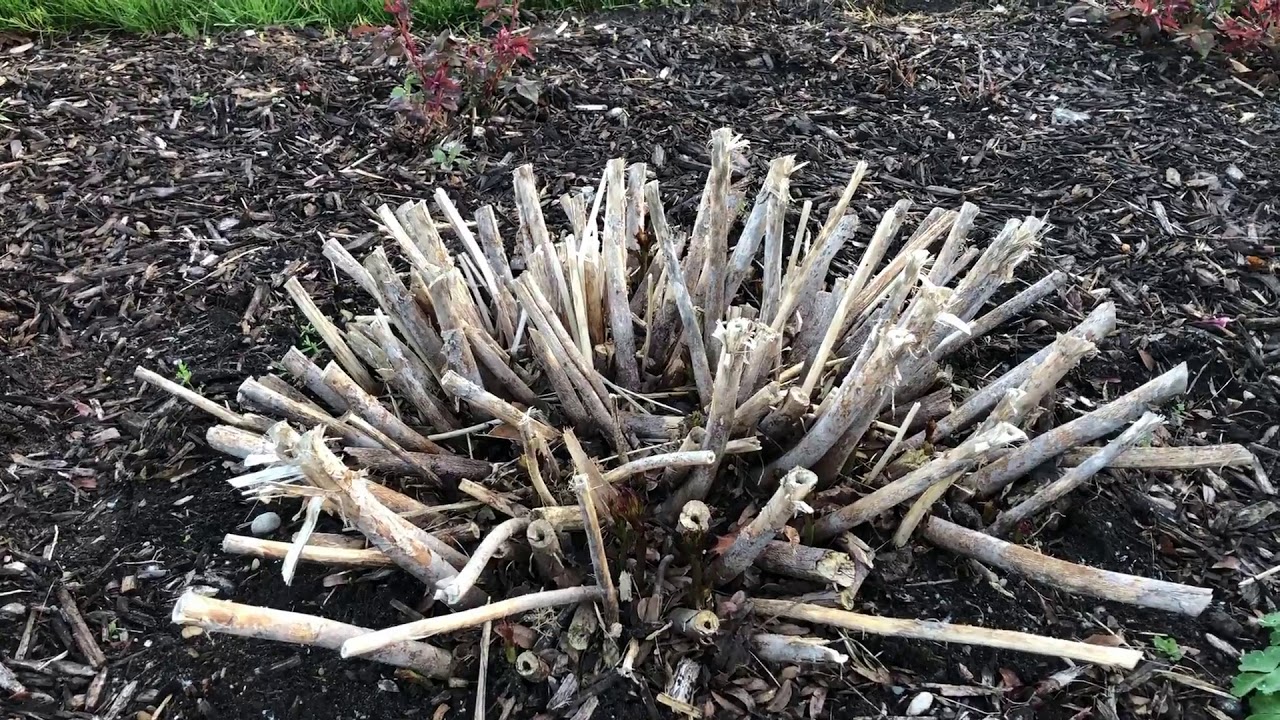
- Cut stems down to 3 to 6 inches above the soil line. Those little stubs are not laziness, they are a safety buffer. New shoots often pop up close to the surface, and leaving a short “marker” helps you avoid accidentally snipping the next season’s growth. You can trim lower later if you want.
- Remove the debris. Compost it if it is disease-free. If you had leaf spot or severe pest issues last year, discard stems to reduce carryover.
- Re-mulch lightly. Keep mulch pulled back an inch or two from the crown to prevent constant damp right on the growing point.
Why cutting low works
Hardy hibiscus does not rely on last year’s stems to leaf out. It pushes new canes from the base and grows fast once it decides it is time. Removing the old stalks:
- reduces hiding places for overwintering pests
- lets light and warmth reach the crown
- makes room for sturdy, straight new stems
- keeps the plant looking intentional instead of “forgotten in the corner”
One gentle caution: hardy hibiscus crowns can be surprisingly chunky and alive just below the soil. Do not hack or dig at the base. Clean cuts, minimal disturbance, and you are golden.
Watering
If I could whisper one piece of advice over every hardy hibiscus, it would be: do not let it dry out for long stretches, especially once buds are forming.
In the ground
- Deep water when the top 1 to 2 inches of soil dries, more often during heat waves.
- Mulch 2 to 3 inches with shredded leaves, compost, or bark to keep roots cool and moisture steady.
- If your hibiscus droops midday but rebounds in the evening, it is coping. If it droops in the morning too, it is telling you it needs water.
In containers
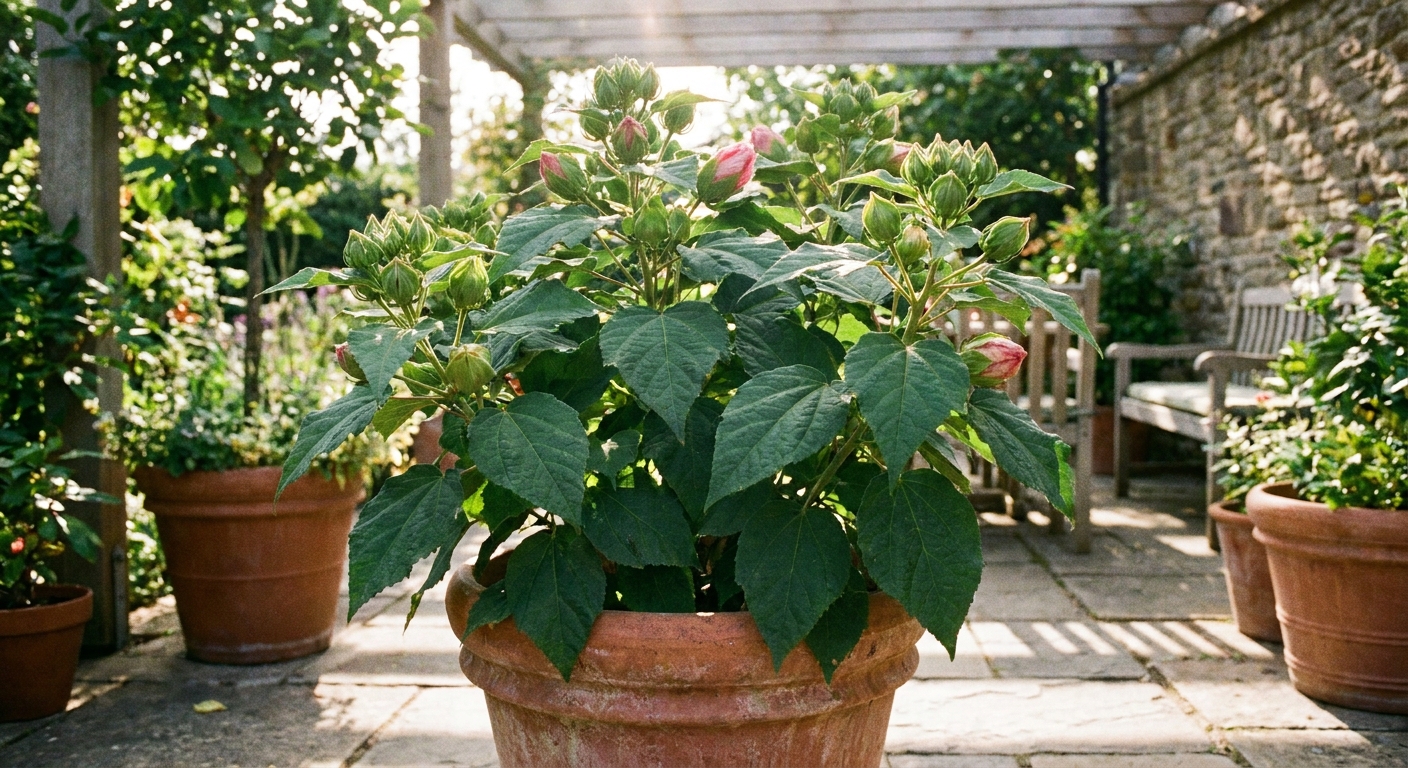
Yes, you can grow hardy hibiscus in a large pot, but it will be thirstier than you expect.
- Choose a container with excellent drainage and a wide base. These plants get tall and can catch wind.
- Use a quality potting mix and blend in compost for moisture retention.
- In hot weather, you may water daily. That is not you failing, that is physics.
Sun, spacing, and feeding
Sun
Hardy hibiscus blooms best with full sun, meaning 6 or more hours. In very hot climates, a little afternoon shade can help reduce stress, but too much shade means fewer flowers.
Spacing
Give it room. Many varieties bulk up to 3 to 5 feet wide. Crowding reduces airflow and can invite leaf spot.
Fertilizer
Hardy hibiscus is a hungry plant when it is actively growing, but you do not need to overdo it.
- In spring: Top-dress with compost, or use a slow-release balanced fertilizer.
- Early summer: If growth is pale or slow, a second light feeding can help.
- Avoid high nitrogen all season long: It can make lots of leaves and fewer blooms.
Cold hardiness
Hardy hibiscus is called “hardy” for a reason, and many Hibiscus moscheutos varieties handle real winters. Exact cold tolerance depends on the cultivar and your microclimate, so check the plant tag if you have it.
One extra note if you grow it in a pot: container roots are more exposed to cold than roots in the ground. In colder areas, giving potted plants extra winter protection (like tucking the pot into a sheltered spot and insulating the container) can make the difference between a sleepy spring and a truly dead crown.
What to expect
Spring
Slow emergence. Cut back last year’s stems once hard freezes are mostly past. Keep soil evenly moist but not swampy while the crown wakes.
Summer
Explosive growth, then buds. Water consistently. Stake if needed, especially in windy spots or if your variety grows tall.
Late summer to early fall
Peak bloom time for most dinner-plate hibiscus. Flowers often last a day, but the plant produces many over weeks.
Fall and winter
Foliage yellows, stems brown, the plant goes dormant. You can leave stems standing until spring, or cut them down after hard frost if you prefer a tidier bed.
Troubleshooting
No growth by late spring
- Check that you are not confusing it with a woody hibiscus shrub. Hardy hibiscus often has dead stems above a living crown.
- Be patient. Cold springs delay it.
- Gently scratch a stem. If it is hollow and brittle all the way down, it is likely dead stem tissue. New growth may still emerge from the base.
Yellow leaves
- A common cause: inconsistent watering, especially drought stress during warm spells.
- Also common: poor drainage or staying too wet, which can stress roots.
- In pots: root congestion, fast drying between waterings, or nutrient depletion can all show up as yellowing.
- If yellowing is mostly between the veins on newer leaves, consider pH or micronutrient issues (iron chlorosis can happen in higher pH soils).
Lots of leaves, few flowers
- Not enough sun
- Too much nitrogen
- Drought stress during bud formation
Leaf holes and chewed edges
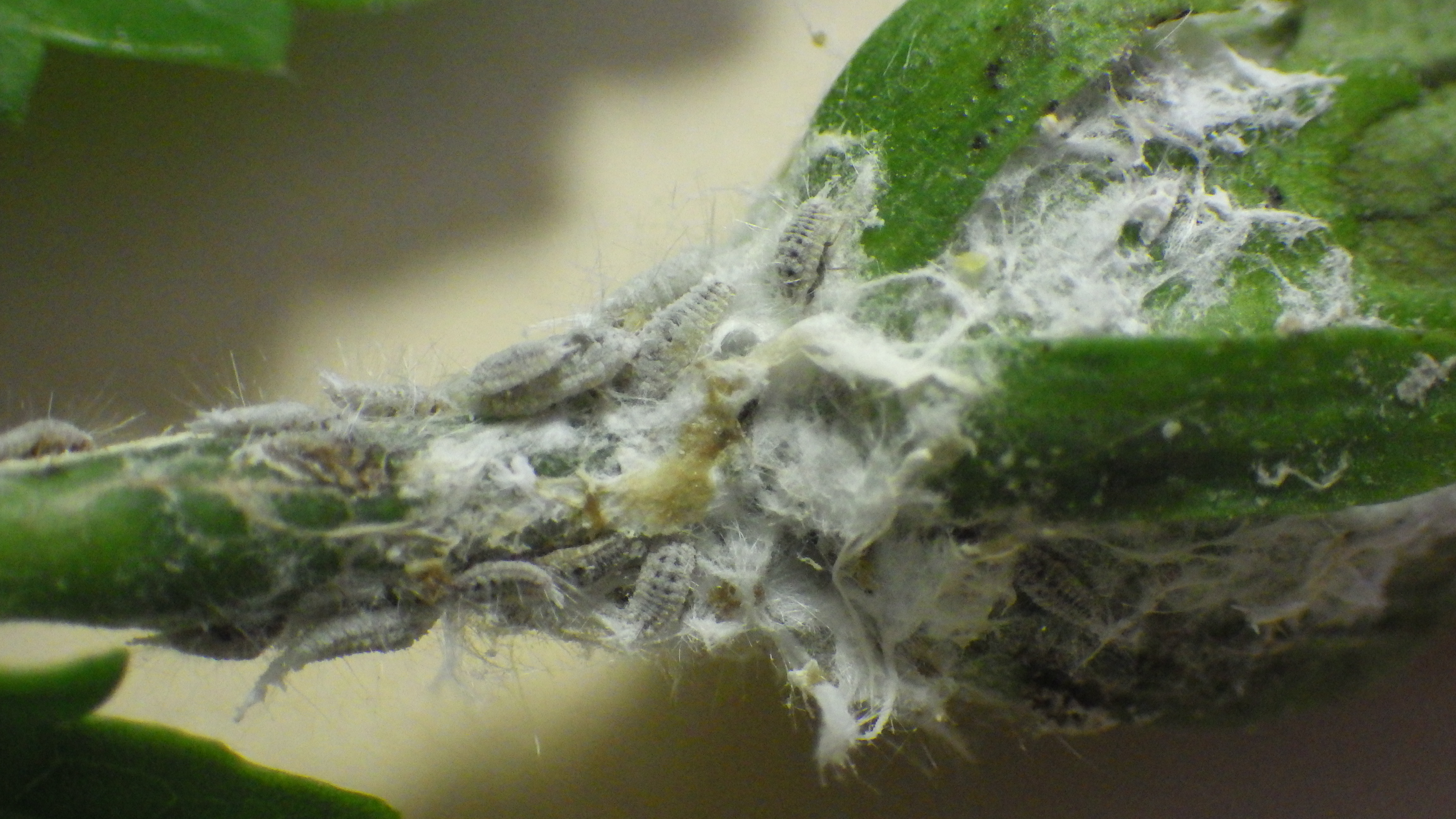
Hardy hibiscus can attract Japanese beetles, sawfly larvae, and other chewing insects depending on where you live.
- Hand-pick early in the morning into soapy water.
- Encourage beneficial insects by planting a mix of flowering plants nearby.
- Avoid broad-spectrum insecticides that harm pollinators and predators.
Quick spring checklist
- Wait for warming weather and signs of life at the base.
- Cut old stems down to 3 to 6 inches, watching for emerging red shoots.
- Top-dress with compost.
- Mulch, keeping it slightly away from the crown.
- Water deeply and consistently once growth starts.
If your hardy hibiscus is taking its time this spring, you are not alone. Mine does the same every year, and I still find myself leaning in close, talking to it like it can hear me. Then summer hits, it rockets up, and the blooms arrive so big they look borrowed from the tropics. Patience, water, and a confident spring cutback are the whole secret.
FAQ
Can I cut it back in fall instead of spring?
You can, especially after a hard frost when the plant is fully dormant. I prefer leaving stems until spring because they mark the spot and can provide a little winter habitat. Either way, the plant will regrow from the crown.
How far down should I cut it?
Typically to 3 to 6 inches above the soil line. Cutting lower can be fine later, but in early spring those short stubs help you avoid slicing off brand-new shoots.
Why does it look woody if it is a perennial?
The stems from last year often dry into wood-like canes. They are not meant to be permanent structure. The living, long-term part of the plant is the crown and roots.
Does it need wet soil all the time?
It needs consistent moisture, not standing water. In a garden bed, aim for soil that stays evenly damp like a wrung-out sponge, especially in summer.