
Fig Tree Care

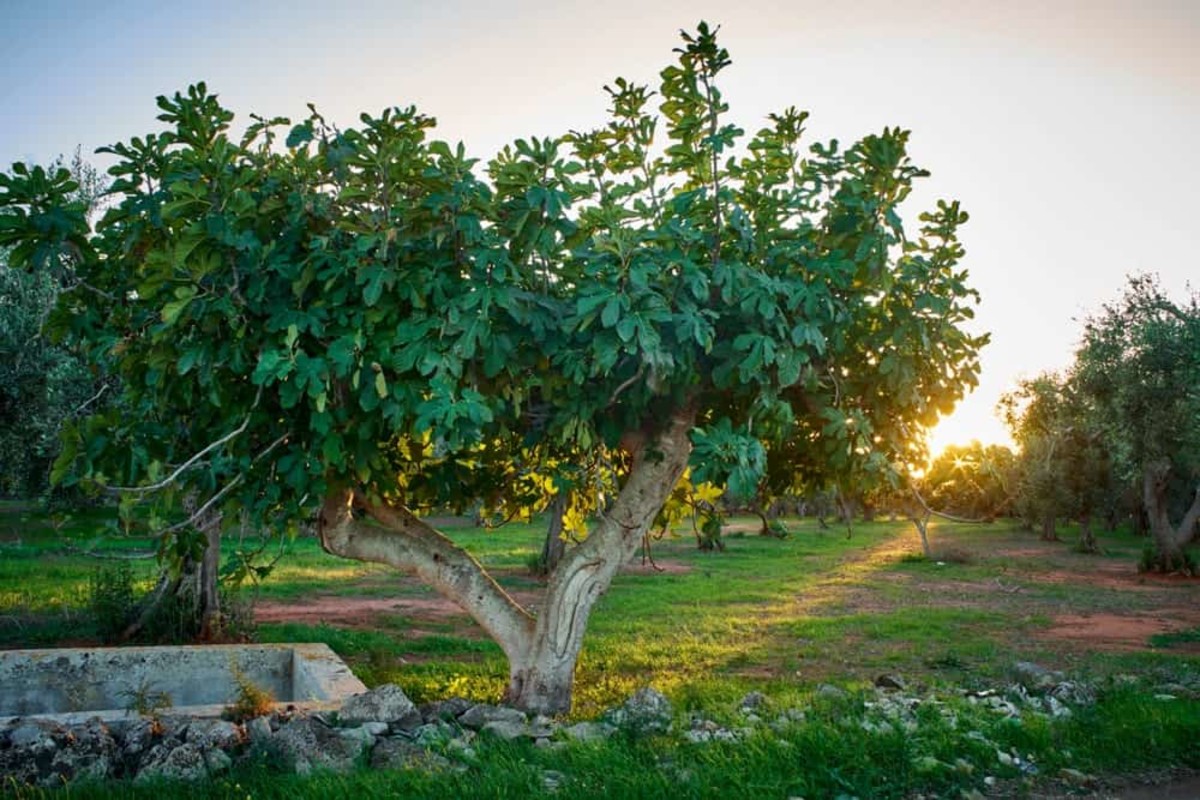
There is something quietly magical about a fig tree. The big, hand-shaped leaves. The sleepy-sweet scent of warm fruit. The way a small sapling can turn into a shade-giving, dessert-making companion in just a few seasons if you treat it right.
This guide covers the essentials of fig tree care for both in-ground and container growers: choosing varieties, planting and spacing, sun and soil, watering, feeding, pruning, breba versus main crop, common pests and diseases, and frost protection. I will keep it practical and organic-friendly, because figs respond best to steady, sensible care.

Choose the right fig variety
Most home gardeners do best with common figs (Ficus carica) that set fruit without pollination. That said, fig types can get confusing fast. Some types (like Smyrna, and some San Pedro types) need fig wasp pollination for the main crop, while many common types do not. If you live outside a warm-summer, mild-winter climate, focus on varieties that are reliable, early, and at least somewhat cold-tolerant.
Quick fig types
- Common: fruits without pollination. This is what most home growers want.
- Smyrna: needs pollination to set fruit.
- San Pedro: often has a breba crop without pollination, but the main crop may need pollination depending on the cultivar.
Quick variety guide
- Brown Turkey: dependable, forgiving, good for beginners. It often produces breba plus a main crop in warm areas, though timing and crop size can vary by climate.
- Chicago Hardy: a top choice for colder climates. It may die back in winter and still fruit on new growth in summer, although harvest can be later in very short-season areas.
- Celeste: sweet, rich flavor and often earlier than many. It often resists splitting better than many cultivars, but heavy rain can still cause trouble.
- Kadota: mild, honeyed figs, typically green-skinned. Usually needs a longer season to fully ripen.
- Desert King: known for a strong breba crop in some climates. Helpful where summers are not long enough for late main crops. Its main crop can be sparse or slow to ripen.
Tip: When shopping, ask the nursery if the fig fruits without a pollinator. If they mention a “caprifig” or fig wasp requirements, you are likely looking at a different fig type than most home growers want.
Planting: in-ground vs container
When to plant
Plant figs in spring after hard freezes in colder regions. In mild-winter areas, fall planting can work well, letting roots settle in while the weather is gentle.
In-ground planting steps
- Pick the warmest spot you have: full sun, south or west exposure, protected from strong winds.
- Dig a wide hole: about 2 to 3 times the width of the root ball, no deeper than the root ball height.
- Plant at the same depth it grew in the pot. Backfill with native soil. Avoid filling the hole with rich compost only, since it can create a “pot effect.”
- Water in deeply to settle soil around roots.
- Mulch 2 to 4 inches with wood chips or shredded leaves, keeping mulch a few inches away from the trunk.
Container planting steps
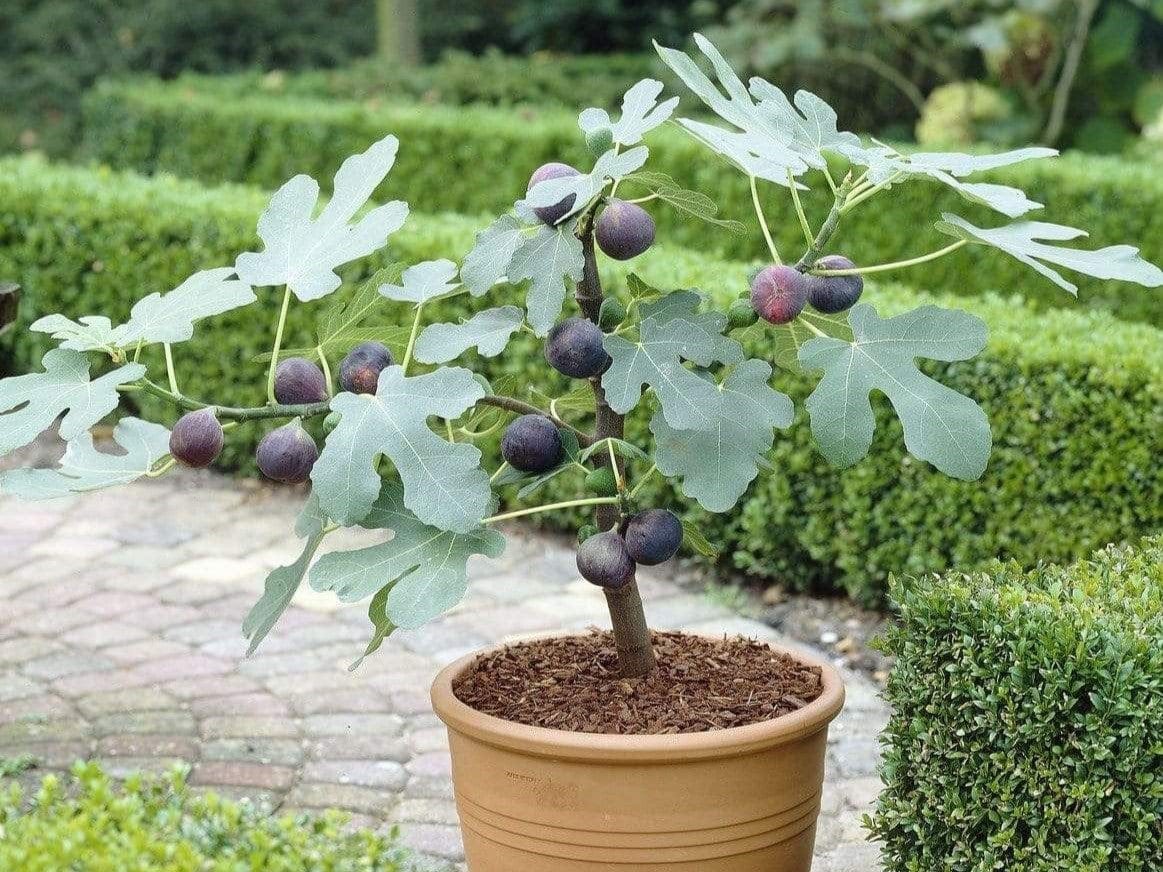
- Choose a large pot with drainage: 15 to 25 gallons is a sweet spot for many home growers.
- Use a chunky, fast-draining mix: a quality potting mix plus extra pine bark fines or perlite works well. If you like ratios, try 2 parts potting mix to 1 part pine bark fines and 1 part perlite.
- Do not overpot too fast: a tiny plant in a massive pot can stay wet too long and sulk.
- Plan for mobility: a plant caddy or rolling stand saves your back when it is time to protect from cold.
Container upkeep: plan to repot or root-prune every 2 to 3 years. When growth slows or watering becomes tricky (dry one day, soggy the next), it is usually a root-bound hint.
If you need help with winter care for potted figs, see our deeper guide: How to Overwinter Container Plants (Fig-Friendly Methods).
Spacing and training
Figs can be kept as a bushy shrub or trained into a single-trunk small tree. How you grow it should match your climate and your harvest style.
- In-ground spacing: aim for 10 to 20 feet between trees, depending on variety vigor and how hard you plan to prune.
- Against a warm wall: 4 to 8 feet from a south-facing wall can create a helpful heat pocket. Just keep it far enough away to access pruning and harvest.
- Cold climates: many gardeners keep figs as multi-stem shrubs so winter dieback is less of a tragedy. If one stem freezes, others often survive.
Sun, soil, and site
Sun
Figs want full sun for best sweetness and reliable ripening. In very hot desert climates, light afternoon shade can prevent leaf scorch, but most regions benefit from maximum sun.
Soil
Figs are adaptable, but they resent soggy roots. Ideal soil is well-draining, moderately fertile, and rich in organic matter. A soil pH around 6.0 to 7.0 is a comfortable range.
- Heavy clay: plant on a slight mound, add compost as a top-dress, and use mulch to improve structure over time.
- Sandy soil: mulch heavily and add compost regularly to help hold moisture and nutrients.
Hardiness basics
As a rough rule, figs are easiest in USDA zones 8 to 10. In zone 7 they often do well with a protected spot. In zone 6 and colder, expect dieback some winters unless you use protection or grow in containers you can move. Microclimates matter a lot, so do not underestimate the power of a warm wall and wind shelter.
Watering through the season
Figs like a rhythm: consistent moisture while establishing, then deep soakings that encourage strong roots. The most common mistake I see is erratic watering, especially during fruit set and ripening.
Note: watering frequency depends on heat, soil drainage, mulch depth, and for pots, container size and material.
Year 1 and 2
- Water deeply 1 to 2 times per week during dry spells.
- Let the top couple inches of soil dry slightly between waterings, but do not let it go bone-dry for long.
Mature in-ground trees
- Deep water every 7 to 14 days during hot, dry weather.
- Reduce watering once fruit begins to soften and color, especially in humid or rainy regions, to help prevent splitting and bland flavor.
Container figs
- Expect to water more often in summer, sometimes daily in heat waves.
- Water until you see drainage, then empty saucers so roots are not sitting in water.
Reading the plant: droopy leaves at midday can be normal heat response. Leaves that stay limp into evening, dry crispy edges, and dropping unripe fruit often point to watering stress.
Feeding and soil-building
Figs do not need heavy feeding, and too much nitrogen can create a gorgeous jungle of leaves with few fruits. My goal is steady growth, healthy leaves, and fruiting wood.
In-ground
- Early spring: top-dress with 1 to 2 inches of compost under the canopy, then mulch.
- Optional: if growth is weak, apply a balanced organic fertilizer once in spring, following label rates.
- Stop feeding by midsummer in colder regions so new growth can harden before winter.
Containers
- Use a slow-release organic fertilizer or light liquid feeds during active growth.
- Reduce feeding once fruits start swelling, especially if you are seeing lots of leafy growth and little fruit progress.
Container note: salts can build up in pots. A monthly deep watering that flushes excess minerals out the drainage holes can keep roots happier.
Pruning
Figs are generous plants, but they fruit on particular types of wood depending on variety and climate. Pruning is less about “perfect form” and more about light, airflow, and keeping fruiting wood coming.
Best time to prune
- Late winter to early spring: main pruning window while the tree is dormant.
- Summer pinching: you can tip-prune vigorous shoots to encourage branching, but do not go wild while fruit is developing.
- Avoid heavy fall pruning: it can stimulate tender growth that is easily damaged by frost.
Simple pruning checklist
- Remove dead, damaged, or crossing branches.
- Thin crowded interior shoots for airflow and sun penetration.
- Keep 3 to 8 main stems for a shrub form, or maintain one trunk plus scaffold branches for a tree form.
- Remove root suckers unless you want a multi-stem plant.
How hard should you prune? In warm regions, light annual pruning is often enough. In colder regions where dieback is common, you may be pruning back to living wood each spring, and that is fine.
Breba vs main crop
Fig talk gets easier once you know this: many varieties can produce two waves of figs. Some do it reliably, some do it only in certain climates, and some basically act like one-crop wonders.
- Breba crop: forms on last year’s wood and ripens earlier (often early to mid-summer). Not all varieties produce a worthwhile breba crop.
- Main crop: forms on new growth and ripens later (often late summer into fall). This is the main harvest for many gardeners.
Why it matters for pruning: if you prune off too much old wood in late winter, you may sacrifice brebas. If your climate rarely ripens the main crop before frost, choosing a variety known for strong brebas can be a game changer.
Common pests and problems
Healthy figs shrug off a lot, but ripe fruit is basically a dessert beacon for critters. The best defense is early observation and tidy habits.
Insects
- Scale insects: small bumps on stems and leaf undersides. Treat with horticultural oil during dormancy, or spot-treat during the growing season per label instructions.
- Aphids: clusters of soft-bodied insects on new growth, often with sticky honeydew. A strong water spray, insecticidal soap, or encouraging beneficial insects can help.
- Spider mites: more common in hot, dry conditions, especially indoors or on stressed container plants. Increase humidity around the plant, rinse foliage, and use insecticidal soap if needed.
- Ants: often attracted to honeydew from sap-feeding insects (aphids and scale), and they also visit split fruit. Address the honeydew source and pick fruit promptly.
Wildlife
- Birds: harvest as soon as figs soften and droop. Use netting if you are losing the whole crop.
- Squirrels and raccoons: pick early, use physical barriers, and avoid leaving overripe fruit on the tree.
Diseases
- Fig rust: yellow spots that turn rusty-brown, often leading to leaf drop later in season. Improve airflow, avoid overhead watering, and clean up fallen leaves.
- Leaf spot: dark spotting that can spread in humid weather. Thin for airflow and remove heavily infected leaves.
- Root rot: usually from poor drainage or overwatering, especially in containers. Fix drainage, reduce watering frequency, and repot if needed.
Common fruit issues
- Fruit drop: often from watering swings, cold snaps during fruit set, or a stressed plant.
- Splitting: common after heavy rain or sudden overwatering when fruit is close to ripe.
- Sour or fermented fruit: can happen when fruit overripens, splits, or gets damaged by insects.
Organic-friendly approach: start with sanitation (pick promptly, remove fallen fruit), airflow, and the gentlest effective controls. Horticultural oil, insecticidal soap, and neem-based products are common options, but always follow label instructions and avoid spraying in harsh heat or full sun.
If your fig tree is leafy but not fruiting, or it drops figs before they ripen, see our troubleshooting deep dive: Why Your Fig Tree Isn’t Producing Fruit.
Frost protection and winter care
Cold is the make-or-break factor for many fig growers. The good news is that figs are tougher than they look, and even when top growth dies back, roots often survive and resprout.
In-ground figs
- Mulch the root zone: 4 to 6 inches of mulch after the ground begins to cool can buffer temperature swings.
- Protect young trees: wrap trunks with breathable material and add a wind barrier on the coldest side.
- Planting location matters: a south-facing wall, fence line, or protected courtyard can add precious degrees of warmth.
- Extra-cold methods: in very cold areas, some gardeners build a simple burlap cage and fill it with dry leaves, or gently bend and cover young flexible stems for winter.
- After winter: wait until spring to see what is truly dead. Figs can look rough, then push fresh green growth when nights warm.
Container figs
- Move pots into an unheated garage, shed, or protected spot once the tree is dormant.
- Keep soil barely moist during dormancy. Wet soil plus cold equals trouble.
For a step-by-step overwintering plan for pots, see: Fig Trees in Containers and our winter-storage guide: How to Overwinter Container Plants.
Harvesting tips
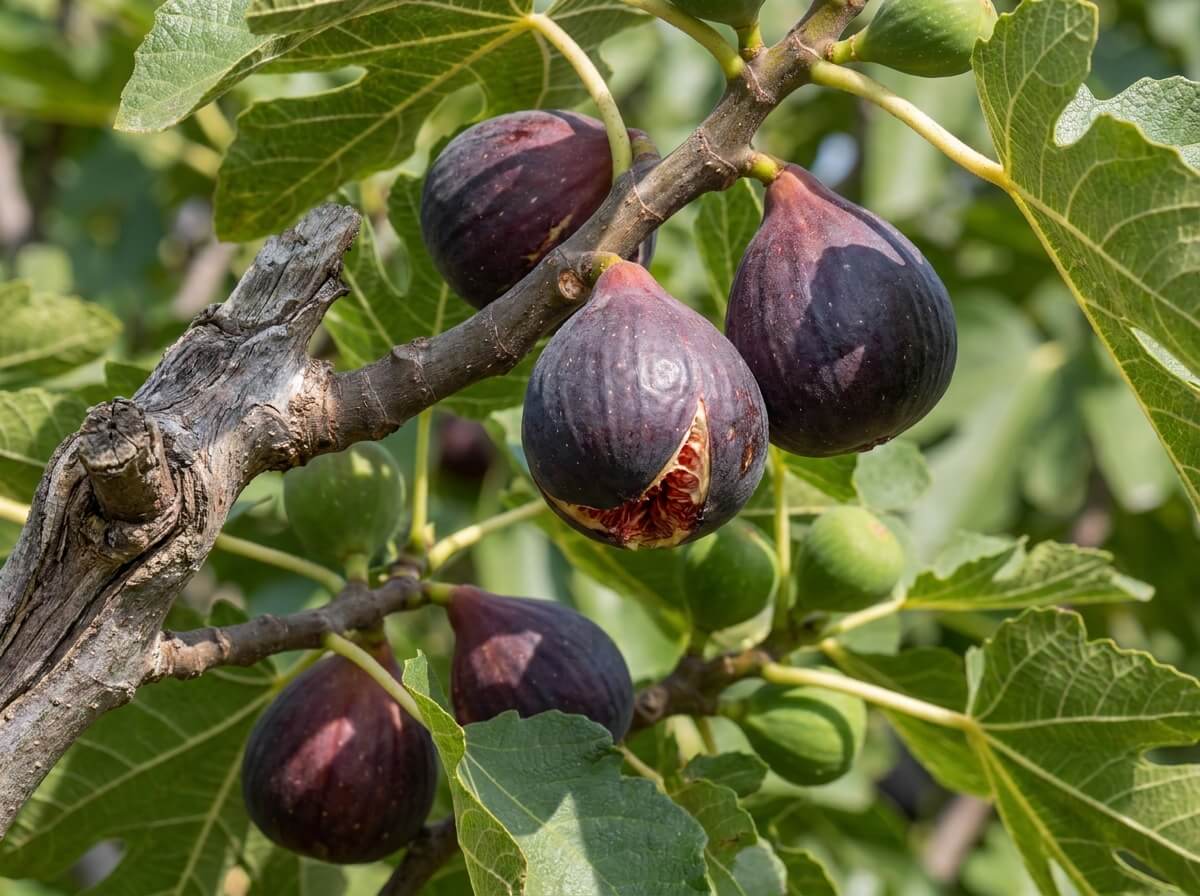
Figs do not improve much after picking. Some will soften indoors if harvested very close to ripe, but the best fig you will ever eat is the one you pick at the exact right moment from the tree.
- Look for the “droop”: ripe figs often hang slightly downward on the stem.
- Feel for softness: they should give gently when squeezed, like a ripe peach.
- Color and aroma: variety changes matter, but ripe figs usually deepen in color and smell distinctly sweet.
- Pick often: daily during peak season keeps wildlife pressure down and improves overall quality.
Seasonal care checklist
Spring
- Prune to shape and remove winter damage.
- Top-dress with compost and refresh mulch.
- Start regular watering as growth begins.
Summer
- Water deeply and consistently, especially during fruit set.
- Go easy on nitrogen once fruit is developing.
- Harvest frequently and watch for pests, splitting, and rust after rains.
Fall
- Finish harvesting and clean up dropped fruit.
- Reduce feeding and allow growth to harden.
- Plan frost protection if you live in a cold zone.
Winter
- Mulch roots in-ground.
- Move container figs into protected storage after dormancy.
- Do not prune heavily until late winter or early spring.
A final pep talk
If your fig has a weird year, welcome to the club. Figs are wonderfully responsive once you give them two things: sun and consistency. Start with the basics in this guide, observe what your tree does in your microclimate, and adjust one thing at a time. That is how you go from “I hope this works” to “I have more figs than I know what to do with.”