
Fig Trees in Containers

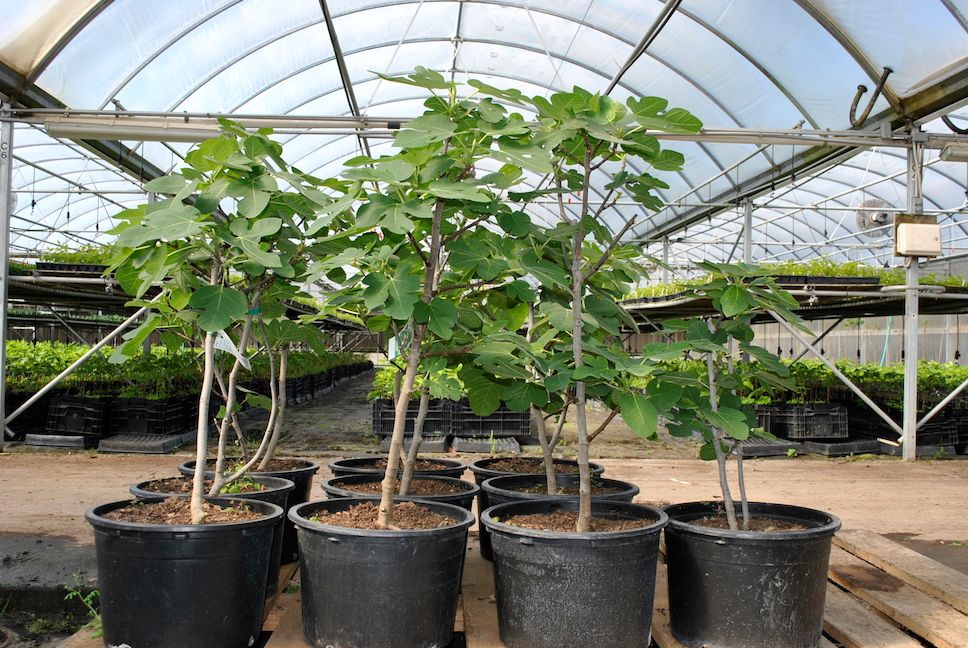
There is something quietly magical about a fig tree in a pot. One minute it is a bundle of sticks waking up on a spring patio, and a few warm weeks later it is throwing shade with leaves the size of dinner plates. The best part is that container growing lets cold-climate gardeners join the fig party. You can roll your tree to the sun in summer, then tuck it away to sleep through winter.

Choosing a fig that fruits in a pot
Most figs can be grown in containers, but a few traits make life easier: early ripening, a naturally compact habit, and good fruiting on new growth. Many common figs set their main crop on current-season growth, but cultivar performance can vary, especially where summers are short.
Good container picks for cooler regions
- 'Chicago Hardy': famously tough and dependable, with strong regrowth after winter dieback.
- 'Celeste': sweet, small to medium figs, often early, though it can be finicky in some cool or coastal climates.
- 'Brown Turkey': common and forgiving, but sometimes later to ripen in short-season areas.
- 'Violette de Bordeaux': compact with excellent flavor, appreciates warmth and sun.
Local microclimate matters: if you can, ask nearby growers or your local extension office what reliably finishes fruit where you live.
If you are buying locally, look for a plant labeled as a common fig (many backyard figs are). Common figs do not need pollination to set fruit. If you shop online for specialty cultivars, note that Smyrna-type figs and some other types may not fruit without fig wasps.
Breba vs. main crop
Figs can produce in two waves. Knowing which crop you are aiming for helps you prune with confidence.
- Breba crop: forms on last year’s wood and ripens earlier. Not all varieties produce breba well, and cold winters often reduce it in chilly climates.
- Main crop: forms on new growth made in spring and summer. This is the bread-and-butter crop for many container gardeners.
In cold climates, I tell most patio growers to focus on a strong, reliable main crop. It pairs beautifully with winter storage because you can prune in a way that encourages fresh, fruitful growth once the tree comes back outside.
Picking the right pot
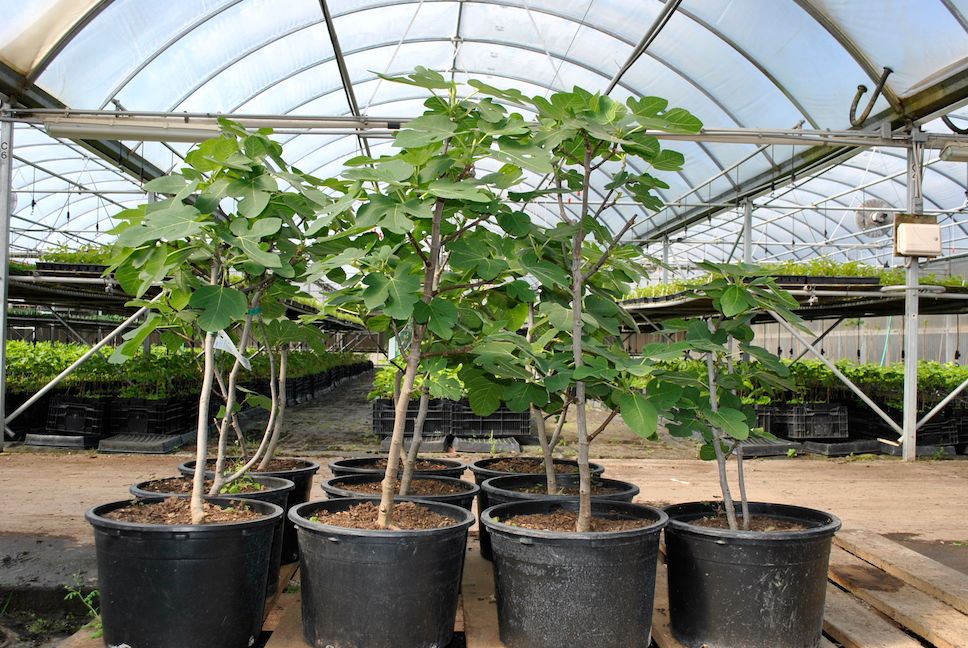
A fig tree is happy to be slightly root restricted, but too-small pots dry out fast and limit growth. Oversized pots relative to the root mass can stay wet longer, especially in cool weather or with dense mixes, and they get heavy in a hurry. The sweet spot is a container that matches the current root ball, with a little room to grow.
Best container features
- Drainage holes: non-negotiable.
- Stability: figs get top-heavy in leaf. Wider bases and heavier materials tip less.
- Material: fabric pots and plastic are light and easy to move; terracotta breathes but dries faster and can crack in freeze-thaw conditions.
Easy sizing guide
- New, young fig: start around 5 to 10 gallons.
- Established patio fig: often happiest in 15 to 25 gallons.
- Very large tubs (30+ gallons): great if you have space, but overwintering and moving become a real workout.
Quick note: these gallon sizes refer to nursery container volume. And yes, once you hit the bigger sizes, a plant caddy or dolly is your best friend.
My practical rule: choose the largest pot you can realistically move or slide. Your back gets a vote here.
Soil mix for container figs
In-ground fig trees can handle a surprising range of soils. In containers, the mix needs to drain well, hold moisture evenly, and stay airy for years.
A simple, reliable mix
- 60% high-quality potting mix (not garden soil)
- 20% compost (finished, earthy, not chunky or hot)
- 20% drainage booster like pine bark fines or perlite
If you are committed to organic growing, look for potting mixes without synthetic slow-release pellets and build fertility with compost and gentle organic fertilizers instead.
Drainage check
After watering, you should see steady drainage from the bottom shortly after. What you do not want is a pot that stays swampy or has standing water for long periods. If the mix stays soggy for hours, it is too dense, the drainage holes are blocked, or the pot is simply too big for the current root system.
Sun and heat
Figs want sun. More sun usually means stronger growth and better ripening.
- Full sun is ideal: aim for 6 to 8+ hours.
- Give your tree a warm wall if you can. Reflected heat helps fruit finish in cooler regions.
- Protect from constant wind, which can shred leaves and dry pots quickly.
If your fig is leafing well but fruits are slow to ripen, it is most often a heat and sun issue, not a lack of fertilizer.
Watering rhythm
Container figs hate two extremes: drought stress followed by a flood, and constantly wet roots. Your goal is even moisture.
How to tell when to water
- Stick a finger 2 inches into the mix. If it feels dry, it is time.
- Lift-test the pot if you can. Dry pots feel noticeably lighter.
- In peak summer heat, daily watering can be normal for big leafy figs in smaller pots.
How to water
Water slowly until it runs out the bottom, then stop. Dump any standing water in saucers so roots do not sit in it.
Tip for fruit quality: wildly inconsistent watering can contribute to splitting fruit. Keep it steady, especially as figs swell and soften.
Fertilizer
Figs are enthusiastic growers. In containers, they rely on you for nutrients, but too much nitrogen makes a gorgeous jungle with fewer ripe figs.
A simple seasonal plan
- Spring (bud break to early summer): feed lightly every 2 to 4 weeks with a balanced fertilizer. Compost top-dressing works beautifully here too.
- Mid-summer: ease off nitrogen. If you feed, choose something lower in nitrogen and a bit higher in potassium.
- Late summer to fall: stop fertilizing 6 to 8 weeks before your first expected frost so growth can slow down naturally.
Slow-release fertilizers are convenient; liquid feeds act faster but are easier to overdo. Either way, watch the plant. If leaves are pale and growth is sluggish despite good sun and watering, a gentle feed is warranted.
Also keep an eye out for micronutrient issues, especially if you have hard, high-pH water. Interveinal yellowing can point to iron or magnesium problems, which may require a targeted supplement.
Summer pruning basics
Pruning a fig in a pot is less about strict rules and more about managing size, light, and fruiting wood. Your best pruning tool is a pair of clean, sharp pruners and a calm attitude.
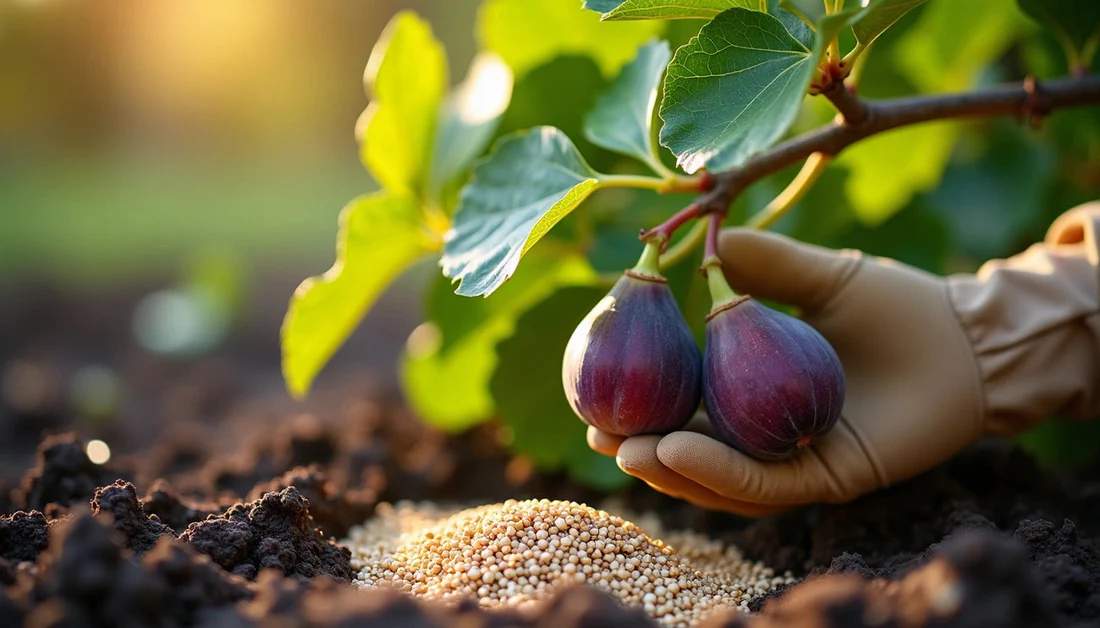
Comfort tip: fig sap can irritate skin for some people. If you are sensitive, wear gloves and long sleeves when pruning.
Start with a container-friendly shape
- Multi-stem bush (3 to 6 main stems): popular for pots and cold climates because it recovers well if a stem dies back.
- Small single-trunk tree: tidy and classic, but less forgiving if you lose the trunk to cold.
Three summer moves that work
- Pinch or tip vigorous shoots once they reach the height you want. This slows the skyscraper growth and encourages branching.
- Thin crowded interior growth so sunlight and air can reach leaves and fruit.
- Remove suckers if they are making the plant too crowded. If you want a bush form, you can keep a few and remove the rest.
Keep it gentle in late summer: heavy pruning late in the season can push fresh growth that will not harden off before winter.
Repotting and root pruning
After a couple of seasons, container figs often get root-bound. You will notice faster drying, smaller leaves, and slower growth.
When to repot
- Best time is late winter to early spring, while the tree is still dormant or just waking up.
- If roots are circling tightly, it is time.
Two options
- Pot up: move to the next size container (a few inches wider), refresh mix around the root ball.
- Root prune and refresh: slide the tree out, then trim 1 to 2 inches from the sides and bottom of the root mass before replanting in the same pot with fresh mix.
Root pruning sounds dramatic, but figs handle it well when done during dormancy. Think of it as a haircut that keeps the whole plant in balance.
Winter protection
This is the make-or-break piece for patio growers. In the ground, a fig’s roots are buffered by soil. In a pot, roots are exposed to cold much faster. The goal is to protect the root ball, keep the tree dormant, and avoid letting the pot freeze solid.
Option 1: Unheated garage or shed (my favorite)
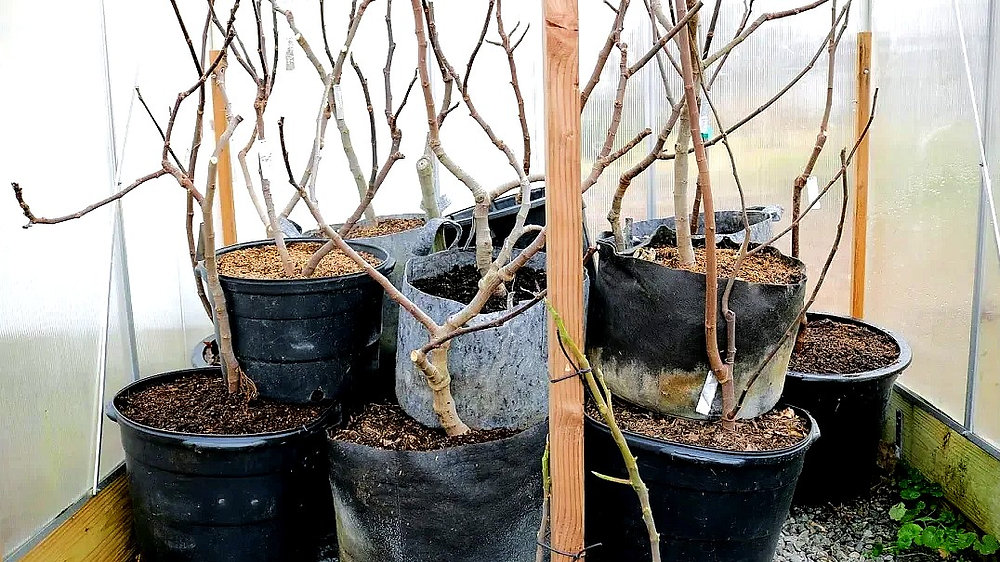
Once the tree has dropped leaves and had a few light frosts, move it into an unheated space that stays roughly 30°F to 45°F (-1°C to 7°C). Dark is fine. Dormant figs do not need light.
- Water lightly about once every 4 to 6 weeks. The soil should be barely damp, not wet.
- Check for rodents. They love cozy winter corners and can chew bark.
- Avoid warm basements where the tree may break dormancy too early.
If your storage space regularly dips below freezing, insulate the pot (for example, wrap it with a thick layer of leaves in bags, blankets, or foam) so the root ball does not freeze hard for long stretches.
Option 2: Insulate outdoors
If you cannot bring it inside, protect the roots by placing the pot in a sheltered spot and insulating it heavily with straw bales, leaves in bags, or thick blankets and burlap around the container. The challenge is moisture management and freeze-thaw swings.
- Keep the pot out of winter rain and slush as much as possible.
- Do not wrap the trunk so tightly that it stays soggy.
- Expect more dieback than with indoor storage.
Option 3: Cold greenhouse or enclosed porch
A cold but protected space can work well, especially if it stays below about 45°F so the tree stays asleep. If it warms up on sunny days, venting helps prevent early wake-ups.
When to bring it back out
In spring, wait until hard freezes are mostly finished (many growers move their figs out once nights are consistently near freezing or warmer), then bring the tree out gradually. Give it a few days in bright shade before full sun, especially if it overwintered in darkness. Sunscald on tender new growth is real.
Common problems
No figs, just leaves
- Most common causes: not enough sun, too much nitrogen, or a variety that needs more heat to ripen in your season.
- Fix: move to a hotter, sunnier spot; reduce feeding; consider a faster-ripening variety that performs locally.
Yellow leaves and leaf drop in summer
- Often caused by inconsistent watering, poor drainage, or a pot that stays waterlogged.
- Fix: adjust watering rhythm; make sure drainage holes are open; refresh soil if compacted.
Spider mites (especially in hot, dry spots)
- Look for stippled leaves and fine webbing.
- Fix: rinse foliage with a firm spray of water, improve airflow, and use insecticidal soap if needed.
Scale and mealybugs
- Look for sticky honeydew, sooty mold, and small bumps or cottony clusters on stems and leaf undersides.
- Fix: wipe or prune out heavy infestations; use horticultural oil or insecticidal soap, and repeat as needed.
Rust and leaf spots (humid climates)
- Look for speckling, rusty patches, or early leaf drop, especially late in the season.
- Fix: improve airflow, avoid wetting foliage late in the day, and clean up fallen leaves.
Winter dieback
- Even protected figs can lose some top growth.
- Fix: wait until spring growth starts, then prune back to living wood. Many figs bounce back beautifully.
How to tell when figs are ripe
Ripe figs do not get sweeter after picking, so timing matters. The best cues are feel and posture.
- The fruit feels soft and gives slightly when gently squeezed.
- The neck often droops and the fig hangs downward instead of sticking straight out.
- Color deepens and the fruit may show fine cracking near the eye.
- A ripe fig usually comes off easily with a gentle lift and twist.
Yearly schedule
- Early spring: repot or root prune if needed, start light feeding, move to sun after freeze risk eases.
- Late spring to mid-summer: water consistently, feed modestly, tip-prune to manage height.
- Late summer: reduce feeding, keep watering steady as fruit swells.
- Fall: stop fertilizer, let the tree slow down, harvest ripe figs, wait for leaf drop.
- Winter: store dormant in an unheated space, water sparingly, check occasionally for pests and dryness.
If you take nothing else from this page, take this: container figs thrive on consistency. Consistent sun, consistent moisture, and a calm winter rest. Do that, and you will be amazed how generous a potted fig tree can be.