
Cyclamen Mites on African Violets

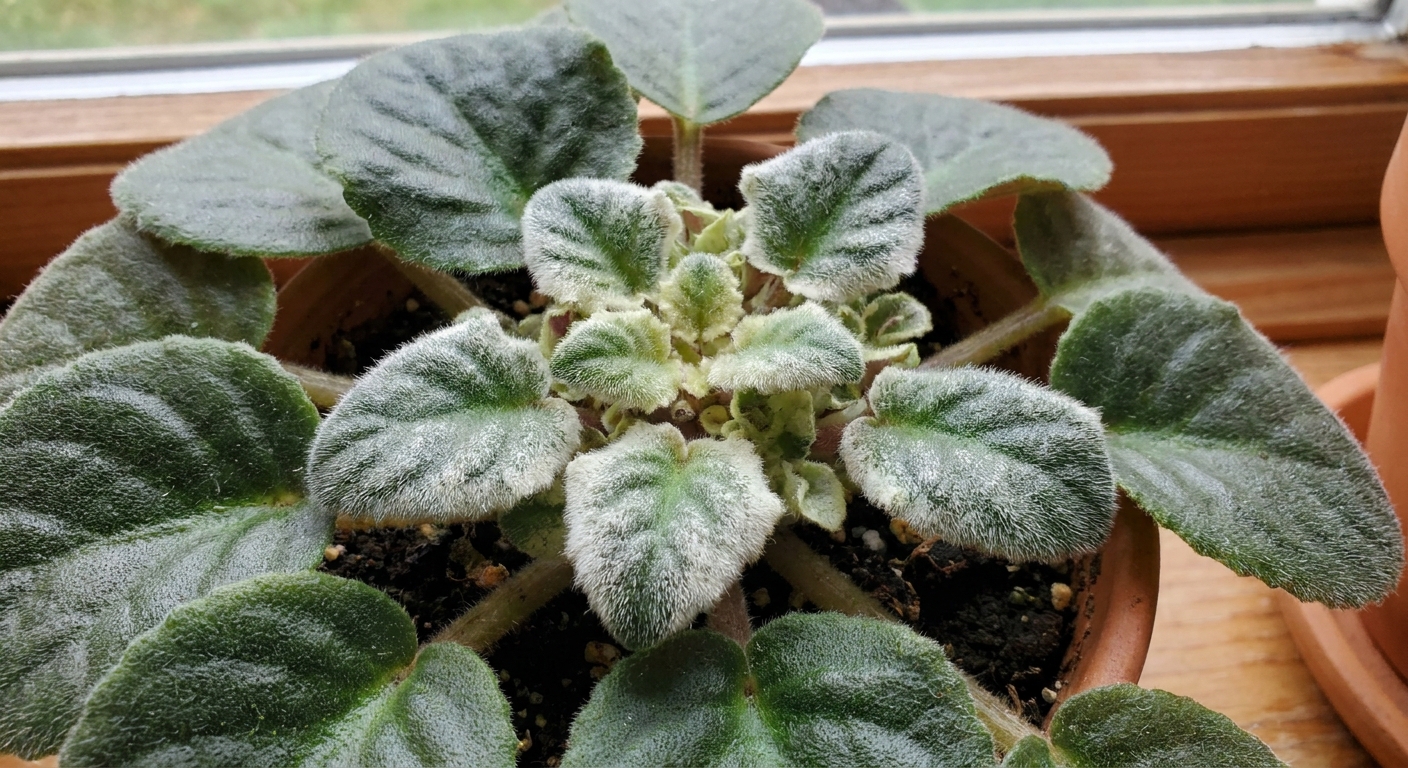
The first time I dealt with cyclamen mites on an African violet, I thought I had somehow offended the plant. The outer leaves looked mostly fine, but the center turned into a tight little rosette of cramped, fuzzy, misshapen growth that refused to unfold. I watered less, then more. I blamed the light. I even sweet-talked it (I talk to my ferns too, so yes, I tried). None of it helped because the problem was not care. It was mites.
This page is specifically about cyclamen mites on African violets. It is not a guide to the flowering houseplant called cyclamen, and it is not a no-bloom fix or a long-neck repot tutorial. This is a diagnosis and action plan for that frustrating distorted crown.

What damage looks like
Cyclamen mites are microscopic. You usually do not see the pest itself. You see the damage pattern, and on African violets it is very distinctive because mites prefer tender new growth tucked into the crown.
Classic signs
- Distorted center (crown): new leaves emerge twisted, puckered, cupped, or crumpled.
- Stunted new leaves: the plant stops making normal-sized leaves and the center stays tight.
- Fuzzy or “hairy” crown: the newest growth can look unusually velvety, bristly, or dusty compared with the rest of the plant.
- Brittle, thickened growth: young leaves may feel stiff or leathery.
- Bud failure: buds stall, deform, or dry up before opening.
- Damage concentrates at the top: older, outer leaves can look okay at first, which tricks you into thinking it is a minor issue.
If you are seeing discrete brown spots, ringed “splash marks,” obvious webbing, or widespread stippling across mature leaves, you are likely dealing with something else. Spider mites, thrips, powdery mildew, fertilizer burn, cold water splashes, and chemical injury all have different fingerprints. Cyclamen mite damage is all about the crown staying ugly and tight even while you adjust care.
Why sprays miss
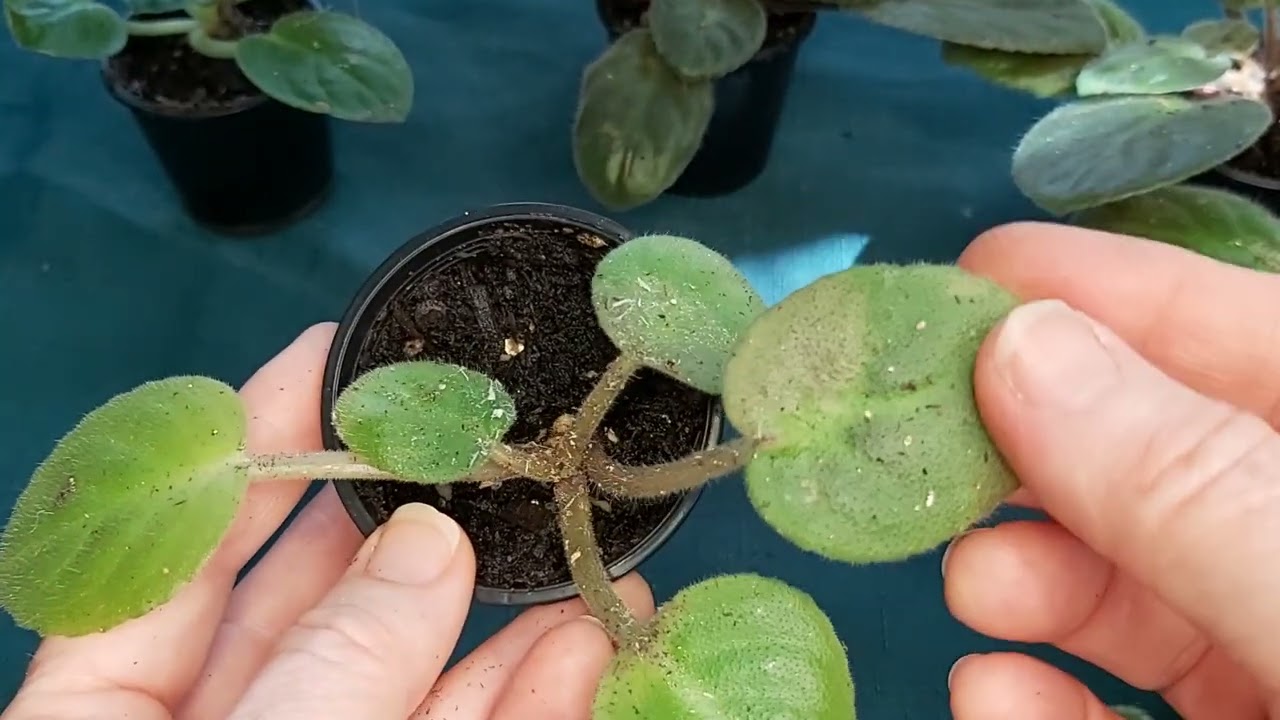
Here is the maddening part: even if you use a common houseplant spray, you can still fail to control cyclamen mites because of where they live.
They hide in the crown
Cyclamen mites feed down inside the tight folds of new leaves, deep in the crown where you cannot easily wet every surface. Many sprays hit the outer foliage and never reach the mites tucked into those protected crevices.
They are not insects
Mites are closer to spiders than to insects, and many “bug sprays” are not effective on mites. Some products are contact-only and must hit the pest directly. Others are not labeled for indoor ornamentals, or are risky for sensitive plants like African violets.
Eggs and repeat treatments
Even with an effective miticide, you often need repeat applications at label intervals to catch newly hatched mites. One quick “spray-and-hope” attempt almost never solves a real infestation.
Immediate steps
Because cyclamen mites spread most easily through close contact, handling, and shared tools or surfaces, the very first step is not treatment. It is quarantine.
1) Isolate the violet now
- Move it to a separate room if possible.
- Do not let leaves touch neighboring plants.
- Avoid carrying the plant against your clothes past your collection.
2) Check nearby susceptible plants
Inspect any plants that were close to it, especially other African violets and related gesneriads such as streptocarpus. Pay special attention to centers that look tight, fuzzy, or “stuck.”
3) Stop sharing tools and water
Clean and dedicate tools. If you top-water, be careful not to splash from plant to plant. If you bottom-water, do not reuse water between plants.
If multiple plants show symptoms, quarantine and treat the susceptible group at the same time. Otherwise, it can turn into an annoying little ping-pong game where mites keep reappearing.

Treatment options
I am an organic gardener at heart, but I am also honest about what works. Cyclamen mites can be stubborn. Your best option depends on how valuable the plant is to you, how many plants you have, and your comfort level using labeled products.
Option A: Discard the plant
If the violet is heavily distorted, you have multiple plants nearby, or you cannot confidently treat and isolate, discarding can protect the rest of your collection. Seal the entire plant, potting mix, and even the pot in a bag before removing it from your home.
Option B: Hot water treatment
Warm water dips are commonly used by violet growers because they can reach the crown where sprays miss. The general idea is to immerse the plant (foliage and crown) in water that is hot enough to harm mites but not so hot it cooks the plant.
Temperature control is everything, so use a thermometer and follow guidance from a reputable violet society or extension resource. You will see different temperature and time recommendations depending on the authority, so do not wing it from memory or internet hearsay. If you are nervous, practice on a less precious plant first.
After a dip, keep the plant warm, out of harsh light, and allow it to dry with good air circulation. Expect the plant to look a bit sulky for a while.
Option C: A labeled miticide
If you choose a miticide, use only products labeled for cyclamen mites and suitable for indoor ornamentals. Coverage must reach the crown and undersides of the newest leaves, and repeat treatments are usually required. Always protect surfaces, ventilate well, and keep products away from pets and children.
Also, not every effective miticide is available or legal for homeowner indoor use everywhere. Labels, regulations, and availability vary by region, so check local rules and the product label, and consider guidance from a local extension office or African violet society if you are unsure.
If a product is not labeled for mites, or not labeled for your use case, skip it. African violet leaves can spot and burn easily, and the crown is too important to gamble with experimental mixes.
When to discard
I love a good plant comeback story, but cyclamen mites are one time I give permission to let go without guilt. Consider discarding when any of the following is true:
- The crown is severely deformed and has been stalled for weeks, with no healthy new leaves emerging.
- You have a large collection and one infested plant could endanger many others.
- You cannot isolate effectively in your space.
- Treatment attempts failed and symptoms keep returning.
- The plant is not sentimental and replacement is easy.
If the plant is sentimental, you can try to save it, but protect the rest of your violets like they are tiny green treasures (because they are).
Cleaning and aftercare
Whether you treat or toss, it helps to clean up the environment so you are not reintroducing the problem.
What to clean
- Shelves and trays: wipe with hot, soapy water, then disinfect if appropriate for the surface.
- Pots: scrub and disinfect before reuse, or replace.
- Tools: wash and disinfect snips, tweezers, and any grooming tools.
- Hands and sleeves: wash hands after handling. If you have been hugging your violets close (we have all done it), change your shirt before tending others.
What recovery looks like
With successful control, the best sign is not that the old distorted center suddenly looks perfect. It will not. The win is fresh, normal new leaves emerging over time.
Plan on keeping the plant in quarantine until you see consistent healthy new growth. For most indoor growers, that means monitoring for several weeks at minimum, and longer if your violet grows slowly. If the crown keeps producing tight, misshapen leaves, assume the mites are still active and re-evaluate your plan.
Prevention
I wish I could tell you there is a foolproof way to never deal with cyclamen mites again. There is not. But you can make it much less likely.
- Quarantine new plants before they join your violet shelf, especially new violets and other gesneriads.
- Inspect crowns, not just outer leaves: the center tells the story.
- Avoid leaf-to-leaf contact between plants on crowded shelves.
- Do not share tools or water between plants unless cleaned first.
- Be picky about plant sources: clean, well-managed collections tend to have fewer surprises.
Lookalikes
Because African violets can be dramatic for many reasons, here is a quick reality check.
More likely cyclamen mites
- Only the newest growth is deformed and tight.
- The center looks unusually fuzzy or “hairy.”
- Care tweaks do nothing and the crown keeps worsening.
More likely something else
- You see webbing and stippling on mature leaves (more typical of spider mites).
- Leaves have ring spots after top watering (water temperature and droplet damage).
- The whole plant is limp with mushy stems (rot, often from overwatering or cold conditions).
- Leaves are reaching up with long stems and a bare neck (that is a different issue, and this page is not a long-neck repot guide).
- New growth is twisted after exposure to a strong product or nearby chemicals (possible chemical injury, especially in sunrooms or mixed indoor-outdoor setups).
FAQ
Can cyclamen mites spread to other houseplants?
They strongly prefer certain plants with tender new growth and tight crowns. African violets, streptocarpus, and some other gesneriads are common targets. In a mixed houseplant collection, focus your closest inspection on nearby susceptible hosts, and be extra careful about hands, tools, and plant-to-plant contact.
Can I see cyclamen mites with a magnifying glass?
Usually no. They are extremely small. Even with magnification, confirmation is tricky. Most home growers diagnose by the pattern of distorted crown growth and response to treatment.
Should I cut off the distorted crown?
Removing badly damaged leaves can reduce hiding places, but you cannot prune your way out of an active infestation. The mites live in the newest folds. Pruning is only helpful alongside isolation and an effective control method.
Will neem oil fix cyclamen mites on African violets?
Neem is inconsistent for cyclamen mites, and oily sprays can spot African violet leaves. More importantly, oils often fail to reach the mites deep in the crown. If you choose any product, prioritize what is specifically labeled and proven for mites and safe for violets.
A gentle pep talk
If your violet has that telltale tight, fuzzy, distorted center, you did not fail as a plant parent. Cyclamen mites are stealthy, and they can hitchhike home from one innocent-looking plant. The best thing you can do is act quickly: isolate, inspect the rest, and choose a plan, even if that plan is tossing one plant to protect many.
And if you decide to start fresh with a new violet later, I will be right here, cheering you on, probably whispering encouragement at my own plants while I water.