
Coleus Downy Mildew: Sudden Leaf Drop and What to Do

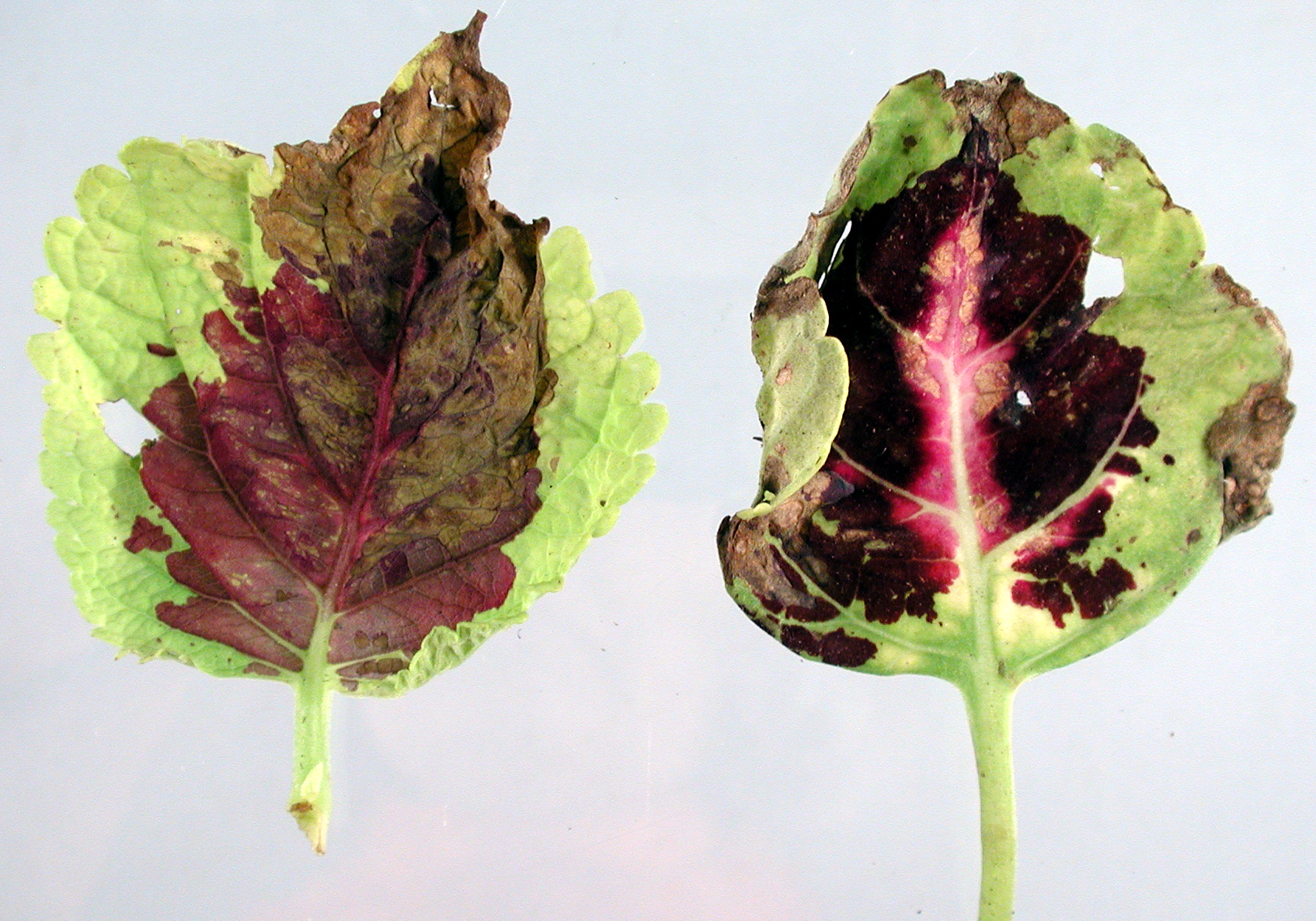
I have seen plenty of coleus drama over the years. A little midday sun and they sulk. Miss a watering and they flop like fainting goats. But when a coleus goes from lush to nearly bare in a blink, and you flip a leaf to find a smoky gray to purple fuzz underneath, that is a different story. That is coleus downy mildew, and it is one of the few times I will tell you not to baby the plant back to health.

What coleus downy mildew looks like
Coleus downy mildew is caused by a water mold type pathogen, most commonly identified as Peronospora belbahrii (sometimes listed more broadly as a Peronospora species on coleus). It loves cool, humid conditions, especially when leaves stay wet for hours at a time. It spreads fast, and it is sneaky because the top of the leaf can look fairly normal at first.
If you garden where nights are cool and mornings are humid, or you have a crowded container that stays damp, keep your antenna up. That weather combo is when I see it explode.
Most common signs
- Gray, silvery, or purple fuzz on the underside of leaves, often clustered along veins. This is the spore-producing growth.
- Sudden leaf drop that can strip a plant quickly, sometimes in days.
- Yellowing or bronzing between veins on the upper leaf surface before leaves fall.
- Stunted, bare stems with tufts of new growth that struggle to size up.
One early clue, before the fuzz is obvious: look for yellow, angular patches that seem boxed in by leaf veins, especially after cool, damp nights.
If you only do one thing: turn the leaves over. The underside tells the truth.
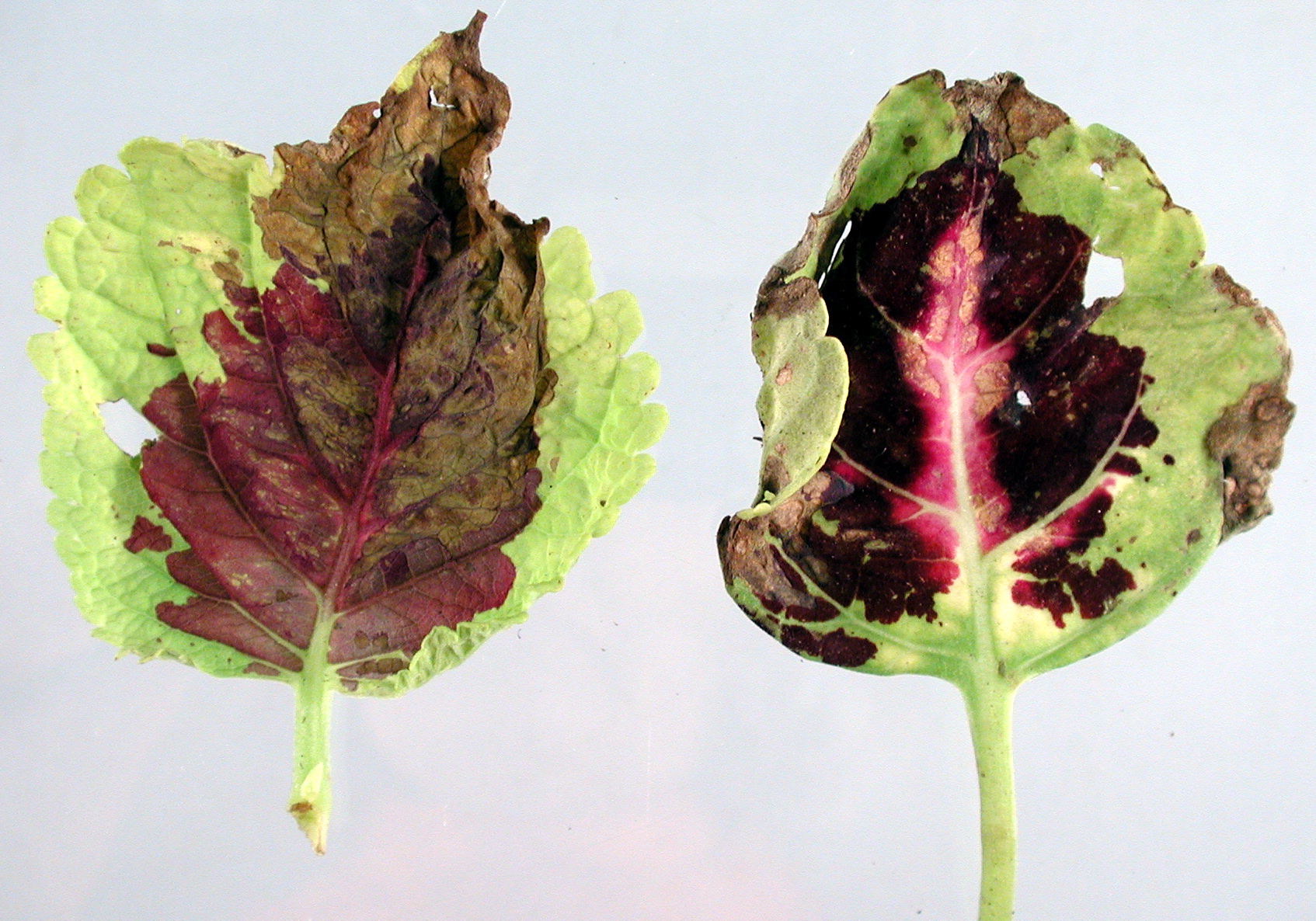
Why infected coleus should be removed, not pruned
I know the instinct. You want to snip off the worst leaves, tuck the plant into better light, and hope it rebounds. With downy mildew on coleus, that often backfires.
The problem with pruning it back
- Once it is established, it often comes right back even after you remove the worst leaves. New growth commonly gets hit again.
- It produces loads of spores on the underside of leaves. Handling and pruning can shake spores loose and spread them to nearby coleus.
- It moves fast under the right conditions. By the time you see fuzz, other leaves may already be infected.
In a mixed container or a bed full of coleus, the kindest choice is usually triage. Remove the infected plant promptly to protect the others.
What to do right now
If you suspect downy mildew, move quickly, but do not panic. Think: isolate, confirm, remove, clean, and adjust conditions.
Step 1: Isolate the plant
Move the coleus away from other coleus plants and away from any area where water splashes from pot to pot. If it is in the ground, mark it and avoid brushing it as you work nearby.
Step 2: Confirm with a simple look test
- Check multiple leaves, especially the lower and inner canopy where airflow is worst.
- Look for that gray-purple fuzz underneath. Early on, it can look like a smoky coating rather than thick fluff.
- Notice the pattern: yellowing, then drop, often without the crispy edges you see in drought stress.
Step 3: Remove the plant (and do not compost it)
When the fuzz is present, I recommend removing the entire plant.
- Bag it gently to avoid shaking spores loose.
- Dispose of it in trash or municipal green waste if your facility accepts diseased material. Do not add it to a home compost pile.
Step 4: Clean up and disinfect
- Pick up fallen leaves. They are spore factories.
- Wash hands and tools with soap and water. Then disinfect pruners if you used them.
- If it was in a pot, wash the container thoroughly before reuse.
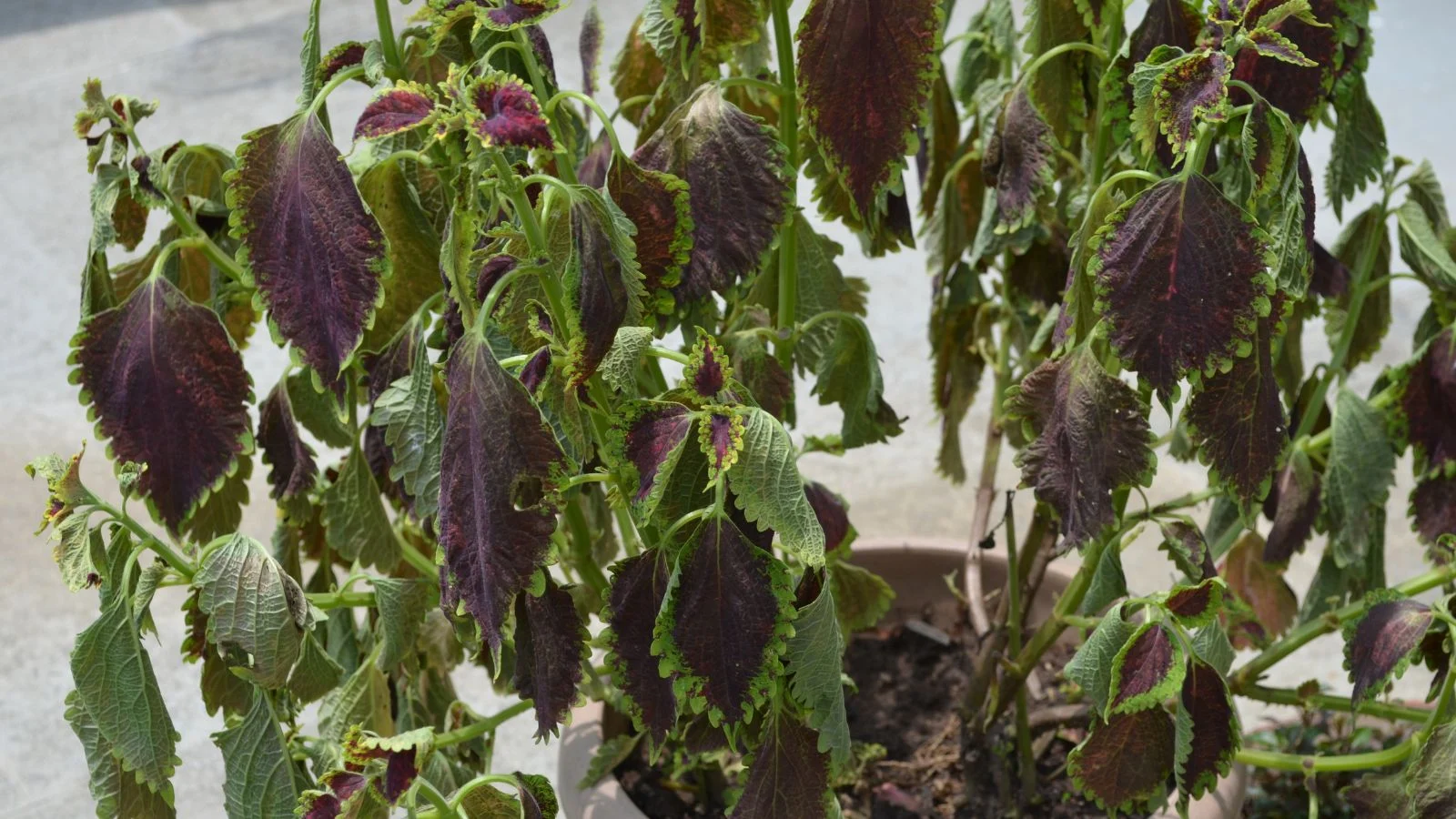
Step 5: Adjust conditions for what remains
- Water at the soil line, not over the leaves.
- Morning watering so any splash dries quickly.
- Increase spacing and airflow. Thin crowded containers and avoid leaves touching.
- Avoid cool, stagnant, wet canopies. Shade is fine, but still aim for moving air.
Is it really downy mildew?
Coleus is dramatic, and several everyday issues can mimic the start of disease. Here is how I separate them in my own garden walks.
Sun fade or sun scorch
- What you see: Colors wash out, especially reds and purples. Leaves may bleach to pale green or tan. Edges can crisp in hot sun.
- Underside fuzz? No.
- Leaf drop speed: Usually gradual unless the plant is severely stressed.
Drought wilt
- What you see: Whole plant flops, leaves feel thin and papery. Soil is dry and pot feels light.
- Underside fuzz? No.
- Leaf drop speed: Leaves may drop after repeated drought cycles, but wilting comes first and perks up after watering if not too far gone.
Overwatering and root stress
- What you see: Yellowing, soft stems, slow decline. Potting mix stays wet, sometimes sour smelling.
- Underside fuzz? No.
- Leaf drop speed: Can be significant, but you often see mushy issues at the base rather than fuzzy growth under leaves.
Powdery mildew (different disease)
- What you see: White powdery coating mostly on the top of leaves.
- Underside fuzz? Not the gray-purple downy growth.
- Leaf drop speed: Usually slower than downy mildew on coleus.
Impatiens downy mildew (different host)
This one causes a lot of confusion because the name is similar. Impatiens downy mildew targets impatiens, not coleus. The pathogens are host-specific enough that you should not assume your coleus problem is coming from your impatiens or vice versa.
- Impatiens symptoms: Yellowing, leaf curling, leaf drop, and a white downy growth under leaves in cool damp weather.
- Coleus symptoms: Gray-purple fuzz under coleus leaves and rapid defoliation.
If your impatiens look sick too, treat it as a separate diagnosis and manage each planting based on the plant affected.
Can I save anything?
The honest answer: once you see active fuzz, I do not recommend taking cuttings from that plant. Cuttings can carry infection even if they look clean today. Also, bringing a questionable coleus indoors for winter can introduce the problem to your houseplant collection or to overwintered stock.
If you have a prized variety and you caught it extremely early, you can try taking a cutting from a visibly clean tip after isolating the plant, but consider it a high-risk rescue. Keep it quarantined and watch it like a hawk. The moment you see suspicious yellowing or underside growth, discard it.
Prevention for next time
Downy mildew is all about conditions. The goal is not sterile gardening. The goal is making your coleus a less welcoming hotel.
- Buy healthy starts and inspect undersides before you bring them home.
- Give coleus breathing room. Crowding keeps leaves wet longer.
- Water the soil, not the foliage. Drip, a watering can, or careful hose placement helps.
- Water early in the day so any splash dries fast.
- Keep leaves off the soil. Pinch and shape plants so the canopy lifts a bit and airflow improves.
- Clean up fallen leaves promptly in containers and beds.
FAQ
Why did my coleus lose all its leaves so fast?
When leaf drop is rapid and you find gray to purple fuzz under the leaves, downy mildew is a top suspect. Coleus can also drop leaves from severe drought or cold shock, but those do not create fuzzy growth on the leaf underside.
Will a fungicide fix coleus downy mildew?
In home gardens, results are mixed, timing-dependent, and products labeled for downy mildew vary by region. Protectant sprays are generally most useful early and preventively, not as a rewind button once a plant is collapsing. Once a coleus is actively sporulating and defoliating, removal is usually the most effective control to protect nearby plants. If you choose to treat, follow the label exactly and focus on protecting uninfected plants rather than trying to reverse a collapse.
Is it safe to plant coleus in the same potting soil next year?
Downy mildew spreads mainly through airborne spores, splash, and infected plant material. How long it persists in old potting mix can be variable. If it was a container, it is safest to discard the mix and sanitize the pot, especially if you plan to replant coleus right away. It is a small cost compared with losing a whole display again.
Does downy mildew spread to other plants?
Downy mildews are typically host-specific. Coleus downy mildew primarily affects coleus and close mint-family relatives grown as ornamentals, so it is not likely to jump to everything in your garden. Still, spores can spread easily between coleus plants, especially when leaves stay wet.
A final pep talk
If your coleus crashed overnight, you did not fail. Downy mildew is one of those ruthless problems that can take a gorgeous plant and turn it into a sad bundle of sticks before you have had your morning coffee. The win here is acting quickly: remove the infected plant, clean up well, and tweak your watering and airflow. Your next batch of coleus can be just as lush, and a lot less dramatic.