
Are Hydrangeas Toxic to Dogs and Cats?

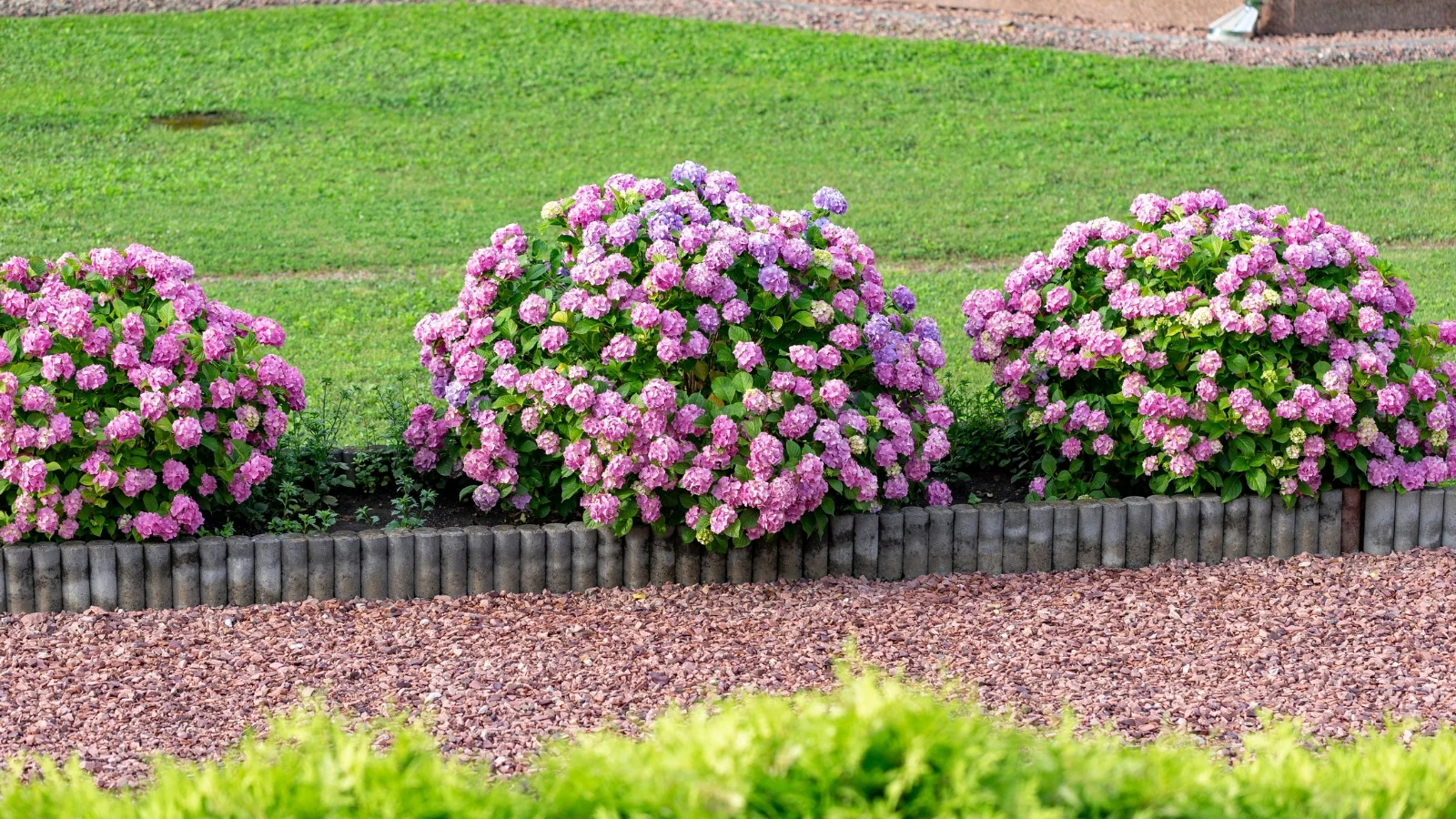
A little green. A lot of curiosity.
Hydrangeas are the kind of shrub that makes a garden feel instantly generous. Big blooms, glossy leaves, a whole season of wow. But if you share your space with a curious dog or a nibbling cat, it is smart to ask the safety question before the first chomp: are hydrangeas toxic to pets?

Yes, hydrangeas can be toxic to dogs and cats
Hydrangeas (plants in the Hydrangea genus, including bigleaf and panicle hydrangeas) are generally considered toxic to both dogs and cats if pets chew and swallow plant parts. Even small amounts can cause gastrointestinal upset in some pets, while larger ingestions raise the risk of more intense symptoms.
Toxicity risk is usually tied to chewing and swallowing plant material, not brushing against the plant.
Which parts of hydrangea are toxic?
The main concern is the leaves and flower buds and blooms, though other parts can be irritating if eaten. Pets that browse tend to go for the tender bits first, which is where the risk is highest.
- Leaves: Commonly chewed by dogs that snack on shrubs and by cats that mouth plants.
- Flower buds and blooms: Attractive to pets that like to play with or chew “crinkly” plant parts.
- Stems: Less commonly eaten, but still not something you want a pet chewing.
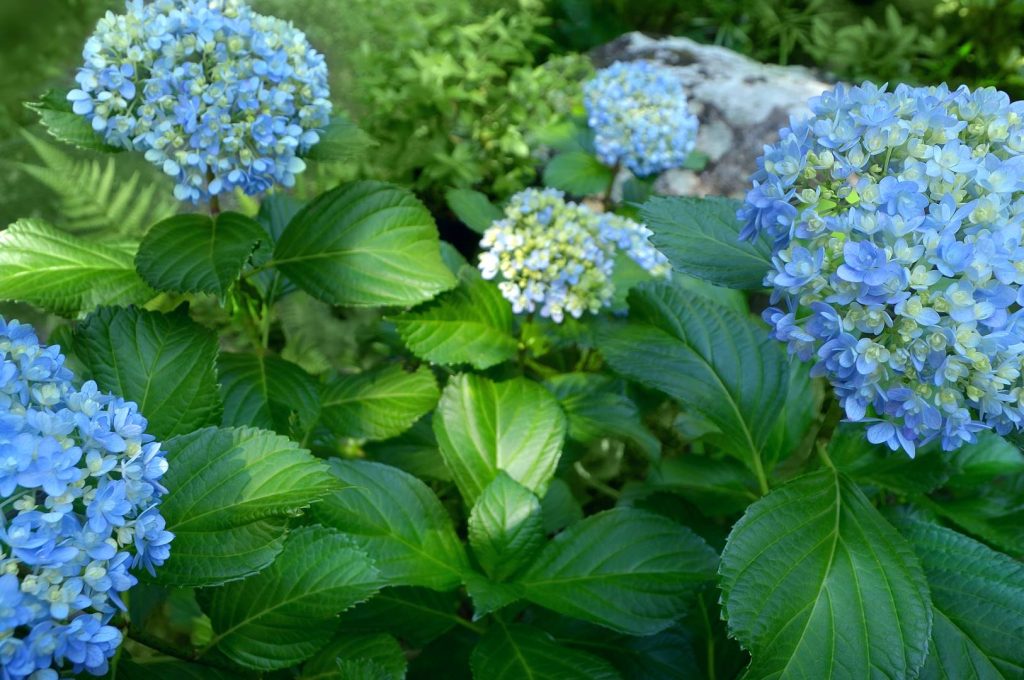
Why are hydrangeas toxic?
Hydrangeas contain cyanogenic glycosides. When plant tissue is chewed and digested, these compounds can contribute to toxicity and irritation, most commonly in the stomach and intestines. In plain garden terms, the plant has built-in chemical defenses, and pets do not always respect boundaries.
The good news is that many pet exposures are small nibbles, which tend to cause temporary stomach and intestinal upset. Severe reactions are considered uncommon and are more likely with larger ingestions, very small pets, or pets with other medical vulnerabilities.
Typical symptoms in dogs and cats
Symptoms often show up within a few hours, sometimes sooner, after chewing or eating hydrangea. Mild cases can look like a regular “I ate something I should not have” episode. More significant cases can look more dramatic.
Common signs
- Drooling
- Vomiting
- Diarrhea
- Decreased appetite
- Abdominal discomfort
- General tiredness or acting “off”
More urgent red-flag signs
- Repeated vomiting that will not settle
- Weakness, wobbliness, or collapse
- Difficulty breathing
- Pale gums
- Severe lethargy
- Blood in vomit or stool
- Signs of dehydration (very dry gums, sunken-looking eyes, extreme thirst)
If you see red-flag signs, treat it as urgent and contact a veterinarian or an animal poison helpline immediately.
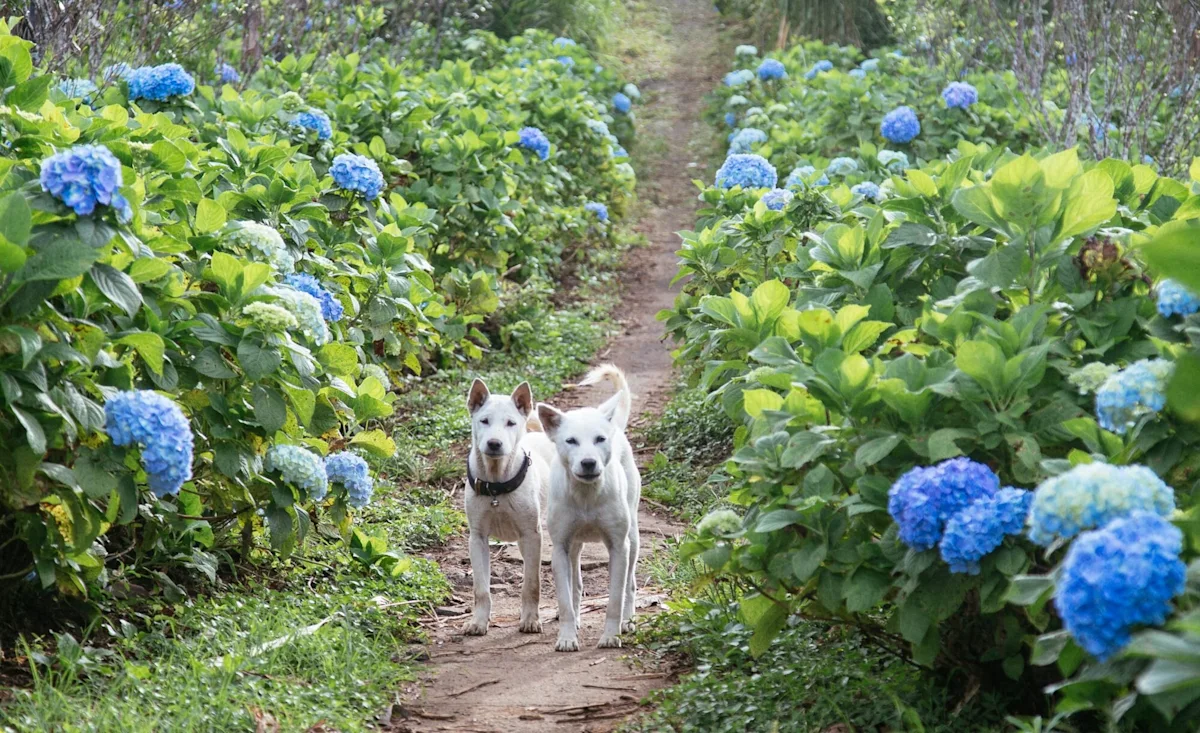
If your pet chews hydrangea: what to do right away
Garden emergencies feel loud, even when they are small. A calm, quick response is your best tool.
- Remove access. Gently move your pet away from the plant so the snacking does not continue.
- Check the mouth. If it is safe to do so, look for plant pieces. Remove what you can with your fingers. Do not pry if your pet is stressed or likely to bite.
- Rinse and offer water. You can offer a small amount of fresh water to help clear the mouth. Avoid forcing water.
- Estimate how much was eaten. Was it one leaf? A mouthful of blossoms? A whole stem? This helps a vet judge the risk.
- Save a sample or take a photo. A quick photo of the plant and any chewed pieces is genuinely useful.
Do not induce vomiting unless a veterinarian or poison professional tells you to. The safest next step depends on the pet, what was eaten, and when.
When to call the vet (and what to have ready)
If you are unsure, calling is never a bad idea. Vets and poison lines would rather talk you through a small exposure than miss a big one.
Call promptly if:
- Your pet is a small dog or young puppy, or a kitten.
- You suspect they ate more than a small nibble.
- They are showing symptoms (vomiting, diarrhea, drooling, lethargy).
- Your pet has other health issues, especially kidney, liver, or breathing conditions.
Have this information ready
- Your pet’s weight, age, and any medical conditions
- What was eaten (leaves, flowers, buds) and how much
- When it happened
- Current symptoms
- A photo of the plant if you can
If you are in the US, you can also contact the ASPCA Animal Poison Control Center or Pet Poison Helpline for guidance (fees may apply). Your veterinarian can advise which option is best for your situation.
What treatment might look like
Depending on what was eaten and how your pet is doing, treatment may include an exam, anti-nausea medication, supportive care like fluids, and monitoring. In some cases, a vet may recommend decontamination steps if the exposure was recent. The goal is usually to settle the stomach, prevent dehydration, and make sure nothing more serious is developing.
Pet-friendly hydrangea placement tips
You do not always have to choose between hydrangeas and pets, but you do need a layout that matches your household’s level of plant curiosity.
In-ground shrubs
- Plant behind a physical boundary. A low fence, decorative edging, or a short garden gate can keep noses out of the buffet line.
- Use “no-access” zones. Side yards, front beds, or fenced areas are often safer than the main play space.
- Avoid planting near pet paths. If your dog always trots the same route, do not line it with chewable leaves and blooms.
Container hydrangeas
- Raise the pot. A sturdy plant stand can put foliage out of easy reach.
- Skip flimsy stands. If a dog can bump it, it can topple. Choose wide, stable bases.
- Deadhead promptly. Spent blooms can end up on the ground, which is where “just playing” turns into chewing.

How to reduce chewing in the first place
Some pets ignore landscaping entirely. Others treat it like a salad bar. If your pet is a known plant-chewer, prevention is the gentlest long-term plan.
- Provide safe chew alternatives. Dogs often chew when bored. Enrichment toys and supervised play help.
- Offer pet-safe greens. Some cats nibble plants for texture. Ask your vet about safe options like cat grass.
- Use training and management. “Leave it” is powerful for dogs, especially in spring when everything is tender.
- Clean up clippings. Do not leave pruned hydrangea stems where pets can grab them.
One more real-life note: many cats are not big outdoor shrub chewers, but they may investigate cut stems and dried flower arrangements indoors. A bouquet on a low table can be more tempting than a shrub in the yard.
FAQ
Are panicle hydrangeas toxic to dogs and cats?
Panicle hydrangeas (Hydrangea paniculata) are generally treated as toxic to pets if ingested, similar to other hydrangea types. If your pet chews leaves or blooms, monitor closely and call your vet for advice.
Are dried hydrangea flowers toxic to pets?
They can be. Dried blooms used in arrangements still come from the same plant, and pets can chew and swallow them more easily because they are crunchy. Keep dried hydrangeas well out of reach.
Are hydrangeas poisonous just from touching?
Touching is not usually the main concern. The bigger risk is chewing and swallowing. In sensitive pets or people, sap or rough plant material can sometimes cause mild skin irritation, but ingestion is what warrants a poison risk conversation.
My pet took one bite. Should I panic?
No, but do pay attention. A single nibble may cause no symptoms or mild stomach upset. Remove access, offer water, and monitor for vomiting, diarrhea, drooling, or lethargy. When in doubt, call your veterinarian with your pet’s size and what was eaten.
A calm garden is a safe garden
Hydrangeas are generous bloomers, and pets are generous explorers. When the two overlap, a little planning goes a long way. Place shrubs where chewing is unlikely, clean up fallen blooms, and treat any nibble like a real data point, not a scolding moment.
If you want, tell me which hydrangea you grow (panicle, bigleaf, oakleaf) and whether your pet is a “sniffer,” a “taster,” or a full-time leaf enthusiast. I will help you pick the safest spot.