
Panicle Hydrangea Care and Pruning for Big Blooms

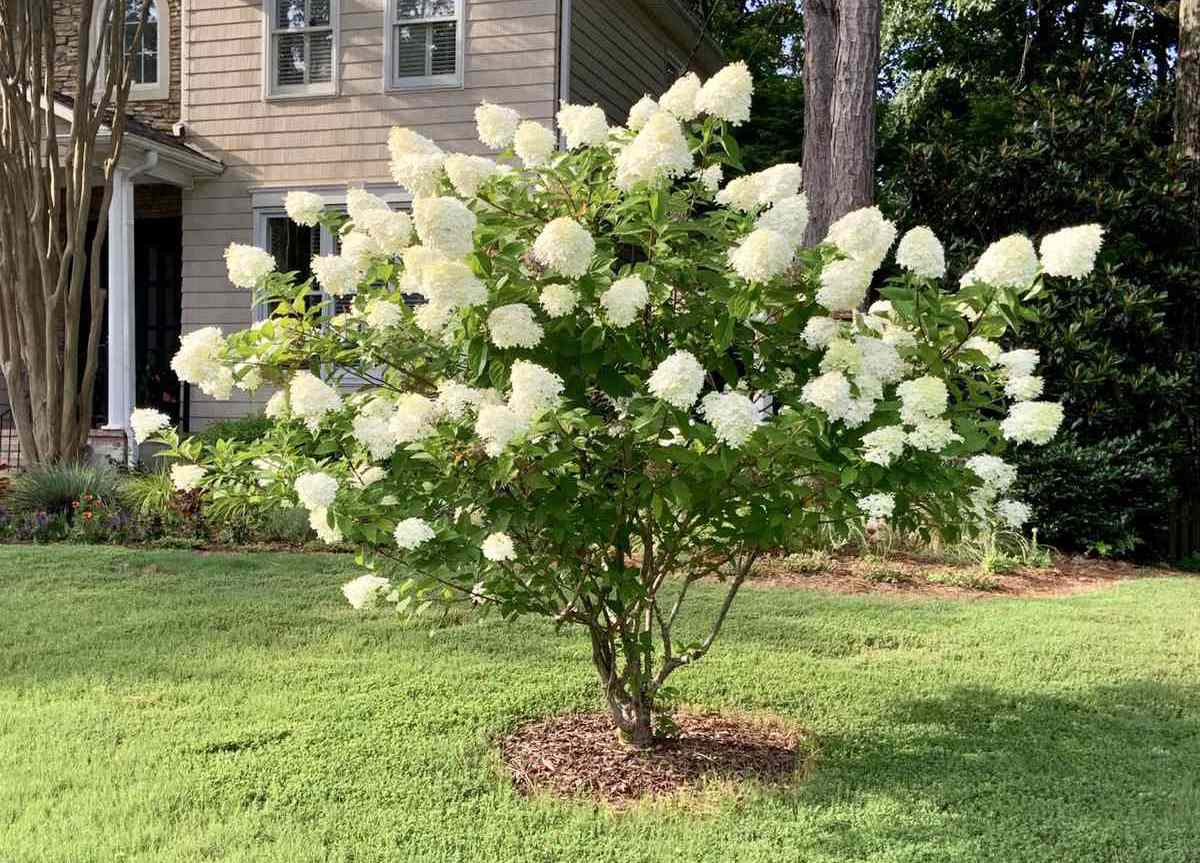
Panicle hydrangeas (Hydrangea paniculata) are my go-to “confidence booster” hydrangea. If you have ever babied a bigleaf hydrangea all season only to lose buds after a cold snap, panicles feel like a deep exhale. They bloom on new wood , tolerate more sun, and they are wonderfully forgiving about pruning. In other words, they are built for big blooms and real life.
Let’s get you those fluffy, cone-shaped flower clusters that look like scoops of sherbet in late summer.

Panicle vs bigleaf (the difference that matters)
Most hydrangea heartbreak comes from mixing up bloom habits. Bigleaf hydrangeas (Hydrangea macrophylla) often set flower buds on old wood. Panicle hydrangeas set buds on new growth that forms the same season they bloom.
Quick comparison table
| Feature | Panicle hydrangea (H. paniculata) | Bigleaf hydrangea (H. macrophylla) |
|---|---|---|
| Blooming wood | New wood (current season growth) | Often old wood (last year’s growth), some rebloomers do both |
| Pruning window | Late winter to early spring | Depends on type, often prune right after flowering if needed |
| Sun tolerance | Handles more sun, especially with moisture | Usually prefers morning sun, afternoon shade |
| Soil and pH | Adaptable, color not pH-driven | Flower color often influenced by pH and aluminum availability |
| Cold resilience | Generally very cold-hardy | More bud damage risk in cold or windy winters |
| Bloom timing | Mid to late summer into fall | Early to mid summer (variety dependent) |
If you remember only one thing: panicles are pruned in late winter or early spring because they bloom on new wood. That’s the big bloom secret.
Zones, spacing, and when to plant
- Hardiness: Most panicle hydrangeas do well in USDA Zones 3 to 8, with cultivar differences. If you garden on the edges of that range, check your specific variety tag.
- When to plant or transplant: Spring and fall are easiest on the plant. Avoid moving them in peak summer heat unless you can baby the watering.
- Spacing: Give them room for air flow and mature size. Many full-size cultivars want about 5 to 8 feet between shrubs, while compact types can be closer. Your future self will thank you.
Sun and soil
Sunlight
- Best: 4 to 8 hours of sun. Morning sun with some afternoon shade is perfect in hotter climates.
- Full sun: Totally doable if the plant gets consistent water and mulch.
- Too much shade: You will still get growth, but blooms tend to be smaller and floppier.
Soil
- Texture: Moist, well-draining soil is the sweet spot. They dislike sitting in waterlogged soil . (Clay is not automatically bad, but it needs good drainage and oxygen at the roots.)
- Organic matter: Top-dress with compost yearly. Panicles respond beautifully to steady soil improvement.
- pH: They are not picky. Unlike bigleaf hydrangeas, you are not chasing blue vs pink through soil chemistry.
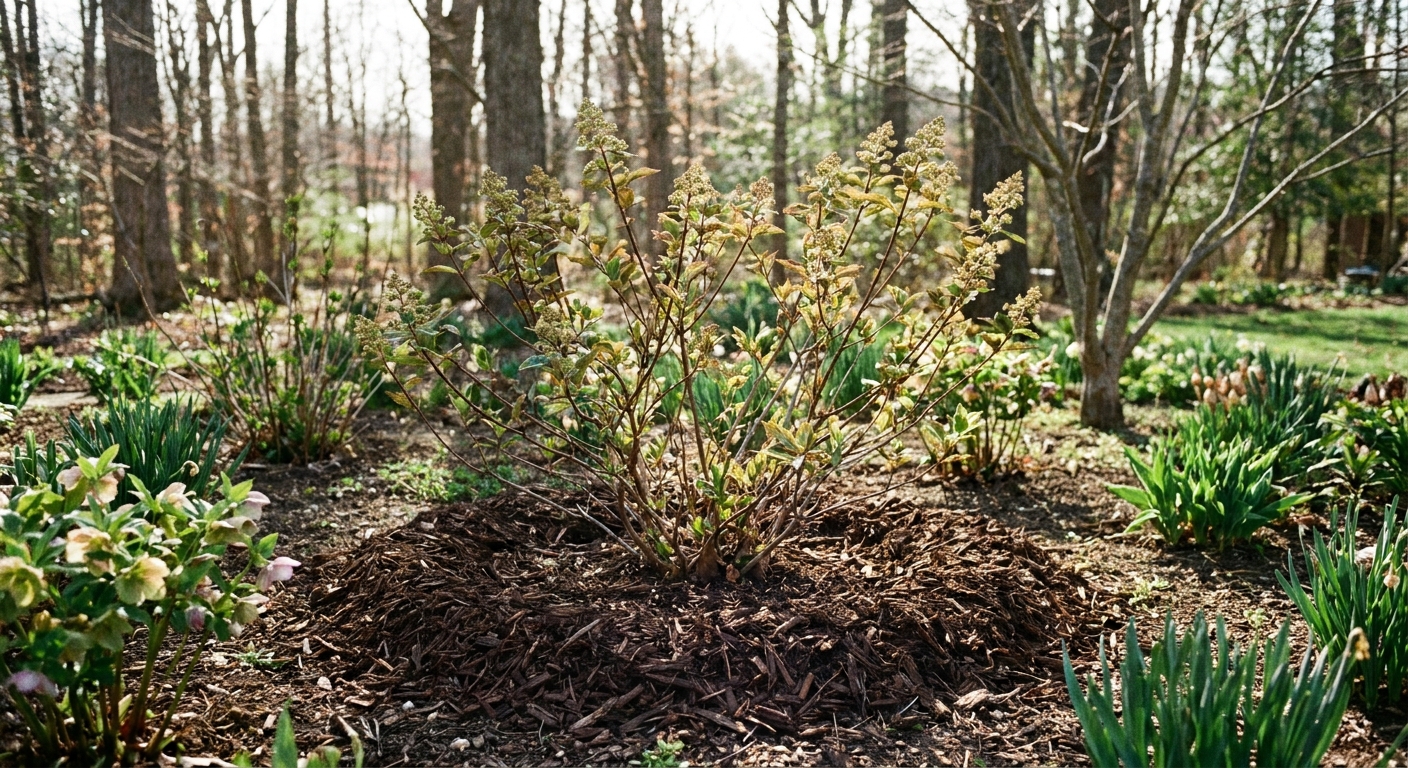
My favorite low-effort upgrade: a 2 to 3 inch layer of shredded bark or leaf mold over the root zone, kept a few inches away from the stems. It buffers heat, saves water, and feeds soil life as it breaks down.
Watering for sturdy stems
Panicles are tougher than many hydrangeas, but big blooms require steady moisture.
- New plantings: Deep water 2 to 3 times per week the first season, adjusting for rain, heat, and how fast your soil dries.
- Established shrubs: About 1 inch of water per week is a solid baseline in average garden soil during active growth. Expect to water more in sandy sites, windy spots, containers, or heat waves.
- How to tell you are under-watering: Midday wilt that does not bounce back by evening or the next morning, crispy leaf edges, and smaller bloom heads.
Try watering at soil level in the morning. Wet leaves overnight can invite leaf spot and mildew, especially in humid summers.
Fertilizer timing (and what to avoid)
If there is one easy mistake that leads to lots of leaves and not much flower power, it is feeding at the wrong time or too heavily.
Simple feeding schedule
- Early spring (as buds swell): Top-dress with compost, or apply a balanced slow-release fertilizer.
- Late spring to early summer: Optional light feeding if growth is weak or your soil is very sandy. In shorter-season or cooler climates, a light early-summer feed is usually fine.
- Mid to late summer: For most gardens, skip fertilizer. Late nitrogen pushes soft growth that can flop, delay hardening off, and be more vulnerable going into winter.
- Fall: Compost is fine, but avoid high-nitrogen products.
What to use
- Compost: My first choice for steady, sustainable feeding.
- Slow-release balanced fertilizer: Look for something close to even numbers (for example, 10-10-10) or a shrub and tree blend.
- Skip heavy nitrogen lawn fertilizer: It can turn your hydrangea into a leafy teenager with no interest in flowering.
Pruning for big blooms
Because panicle hydrangeas bloom on new wood, you can prune them when they are dormant without sacrificing flowers. Pruning is how you control size, strengthen structure, and encourage those glorious, oversized cones.
When to prune
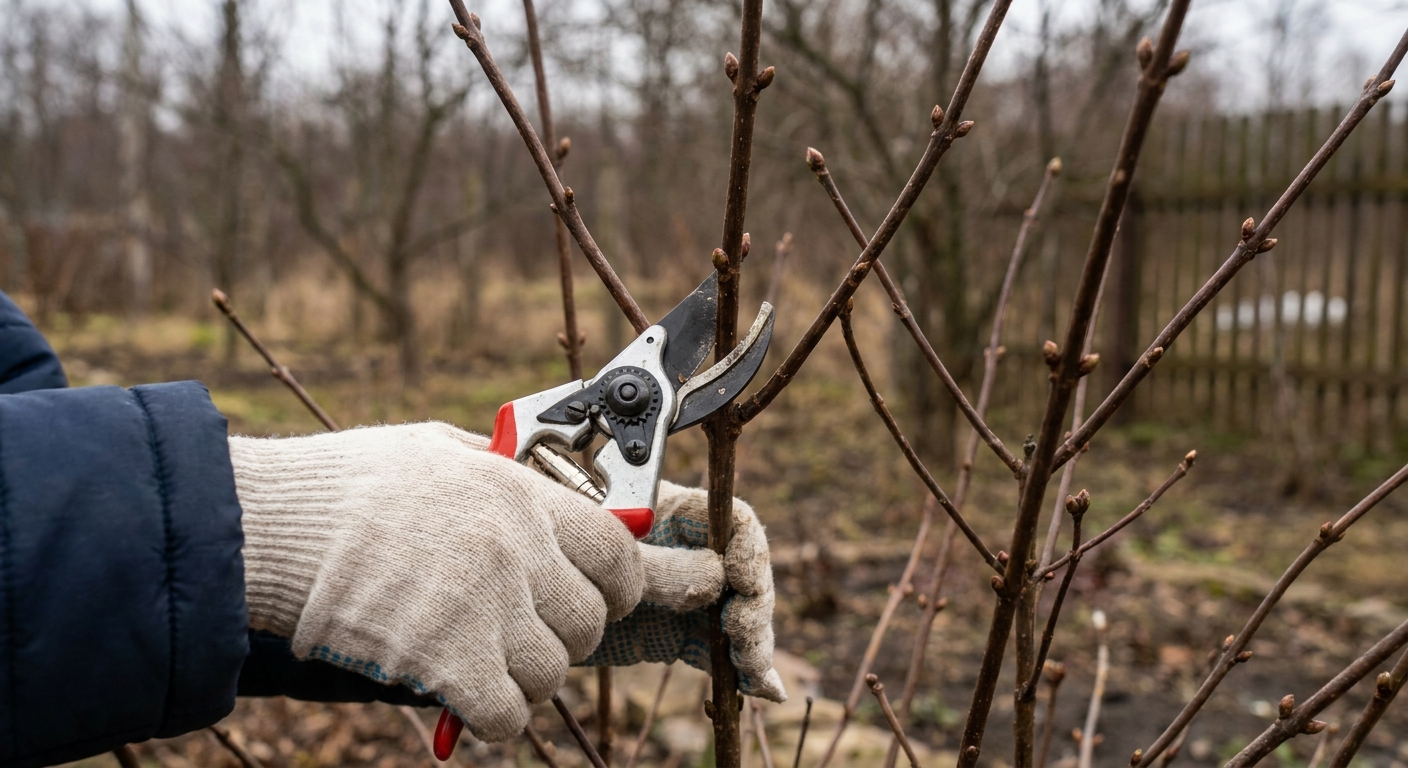
Late winter to early spring is ideal, after the worst cold has passed but before vigorous new growth starts. If you are a visual person, wait until you see buds swelling and you can tell what is alive.
How much to prune
- For the biggest blooms: Reduce last year’s stems by about 1/3 to 1/2. This concentrates energy into fewer, stronger flowering stems.
- To keep a large shrub in bounds: You can prune more firmly, but avoid cutting everything to the same height. Keep a natural, rounded shape.
- For a taller, airier look with more but smaller blooms: Do lighter pruning, focusing on thinning and shaping.
Step-by-step pruning (my routine)
- Start with the three D’s: remove dead, damaged, and diseased wood.
- Thin crossing stems: If two branches rub, one has to go. Choose the weaker or inward-facing one.
- Cut back last year’s growth: Make cuts just above a pair of healthy buds. Aim for outward-facing buds to open the center.
- Balance the framework: Step back every few cuts. You are building a sturdy “scaffold” that can hold flower weight.
- Clean up: Rake up old leaves and stems to reduce disease carryover.
Clara’s small quirk: I talk to the shrub while I prune. It slows me down and keeps me from overdoing it. If your neighbors think you are weird, welcome to the club.
Staking and flop help
If your blooms droop (it happens, especially after a storm), you have a few options: prune a bit harder next spring to build thicker stems, thin weak interior shoots, or use a discreet support ring early in the season before the plant fills out.
Can you prune in fall?
You can, but I do not recommend it for most gardens. Leaving stems over winter offers some protection, and fall pruning can encourage tender growth in a warm spell. Save the real cuts for late winter or early spring.
Reblooming (what to expect)
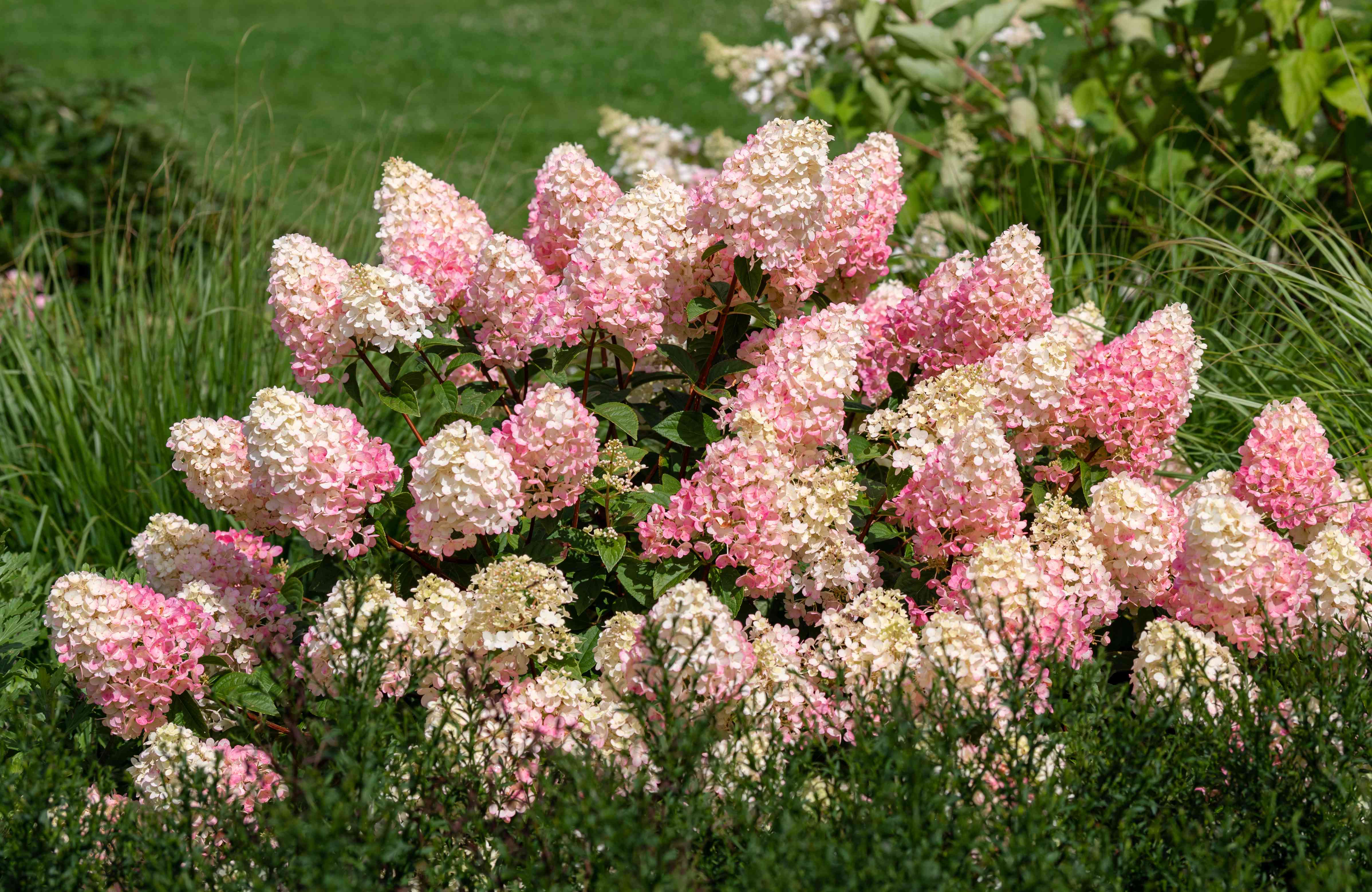
Most panicle hydrangeas put on one long, glorious show rather than true reblooming cycles. The flowers often change color as they age (green to white to pink to tan), which can look like multiple rounds of bloom even though it is the same set of flower heads maturing.
How to stretch bloom time
- Sun plus steady water: Drought stress shortens bloom time.
- Do not over-fertilize: Especially mid-summer nitrogen.
- Deadheading is optional: Removing spent blooms can tidy the shrub, but it usually does not trigger a big second flush.
If your panicle hydrangea finishes early, the cause is often heat stress, drought, or too much shade, not a lack of deadheading.
Winter damage
Panicles are cold-hardy, but winter can still rough them up, especially with drying winds, ice storms, or sudden temperature swings.
Common signs
- Stem tips that snap and look tan or hollow
- Delayed leaf-out on some branches
- Cracked bark near the base after freeze-thaw cycles
What to do in spring
- Wait for bud swell: It is easier to see what is alive.
- Scratch test: Lightly scrape bark with your fingernail. Green underneath means living tissue.
- Prune back to healthy buds: Remove dead tips and reshape once you know what survived.
- Support recovery: Compost, mulch, and consistent water beat heavy fertilizer every time.
Why blooms turn brown
Brown blooms are one of the most common panicle hydrangea worries I hear. Sometimes it is totally normal aging. Sometimes it is a fixable care issue.
Brown blooms checklist
- Normal aging: Many varieties naturally fade to tan in late summer and fall. If the leaves look healthy, you are probably fine.
- Hot sun scorch: In extreme heat, petals can brown on the sun-facing side. Add afternoon shade if possible, and increase deep watering.
- Drought stress: Blooms crisp and brown quickly when the plant repeatedly wilts. Mulch and water deeply.
- Too much fertilizer: Soft growth and stressed flowering can lead to fast browning. Ease up, especially mid-summer.
- Heavy rain and storms: Blooms can turn brown after being battered or staying wet for long periods. Gentle deadheading helps appearance.
- Botrytis (flower blight): In prolonged wet, humid weather, blooms may brown with a fuzzy gray mold or mushy spots. Improve air flow, avoid overhead watering, and remove affected flowers.
- Frost: Early fall frost can brown blooms overnight. Leave them for winter interest or clip them off for tidiness.
Should you deadhead brown blooms?
If the flowers are brown from age, weather, or frost, deadheading is mostly cosmetic. Snip just below the flower head to a strong set of buds or a branching point. If you love winter texture, leave them. Snow on dried panicle blooms is honestly a little garden magic.
Varieties: Limelight vs Vanilla Strawberry vs Pee Gee
Not all panicle hydrangeas behave the same. Some stay neat and upright, others grow into small trees, and some are born to blush pink.
At-a-glance comparison
| Variety | Bloom color progression | Typical size | Growth habit | Best use |
|---|---|---|---|---|
| Limelight | Lime green → creamy white → blush pink (often) → tan | Often 6 to 8 ft tall and wide (with maturity and minimal pruning, cultivar dependent) | Strong, upright shrub | Statement shrub, hedging, sunny foundation beds |
| Vanilla Strawberry | White → pink → deeper strawberry red tones | Often 6 to 7 ft tall, 4 to 5 ft wide (with maturity and typical pruning) | Upright with showy color shift | Color-focused borders, cottage gardens, cut flowers |
| Pee Gee (Hydrangea paniculata ‘Grandiflora’) | White → cream → pinkish → tan | Often 10 to 20 ft if trained as a tree (smaller as a shrub with pruning) | Large, vigorous, can be tree-form | Classic landscape specimen, training into a small flowering tree |
Choosing tip: If your space is tight, check for compact versions (many nurseries carry smaller forms of these classics). If you have room, Pee Gee is wonderfully old-school and dramatic.
Big bloom checklist
- Plant in 4 to 8 hours of sun with good soil moisture
- Mulch 2 to 3 inches deep for cooler roots and steadier watering
- Feed in early spring, then ease up by early summer in most gardens
- Prune in late winter or early spring, cutting back 1/3 to 1/2 for big blooms
- Water deeply during heat and drought to prevent crispy brown flowers
If you want, tell me your variety name, your approximate zone, and how much sun the shrub gets. I can help you choose a pruning intensity that fits your yard and your bloom goals.