Why Small Figs Fall Off the Tree

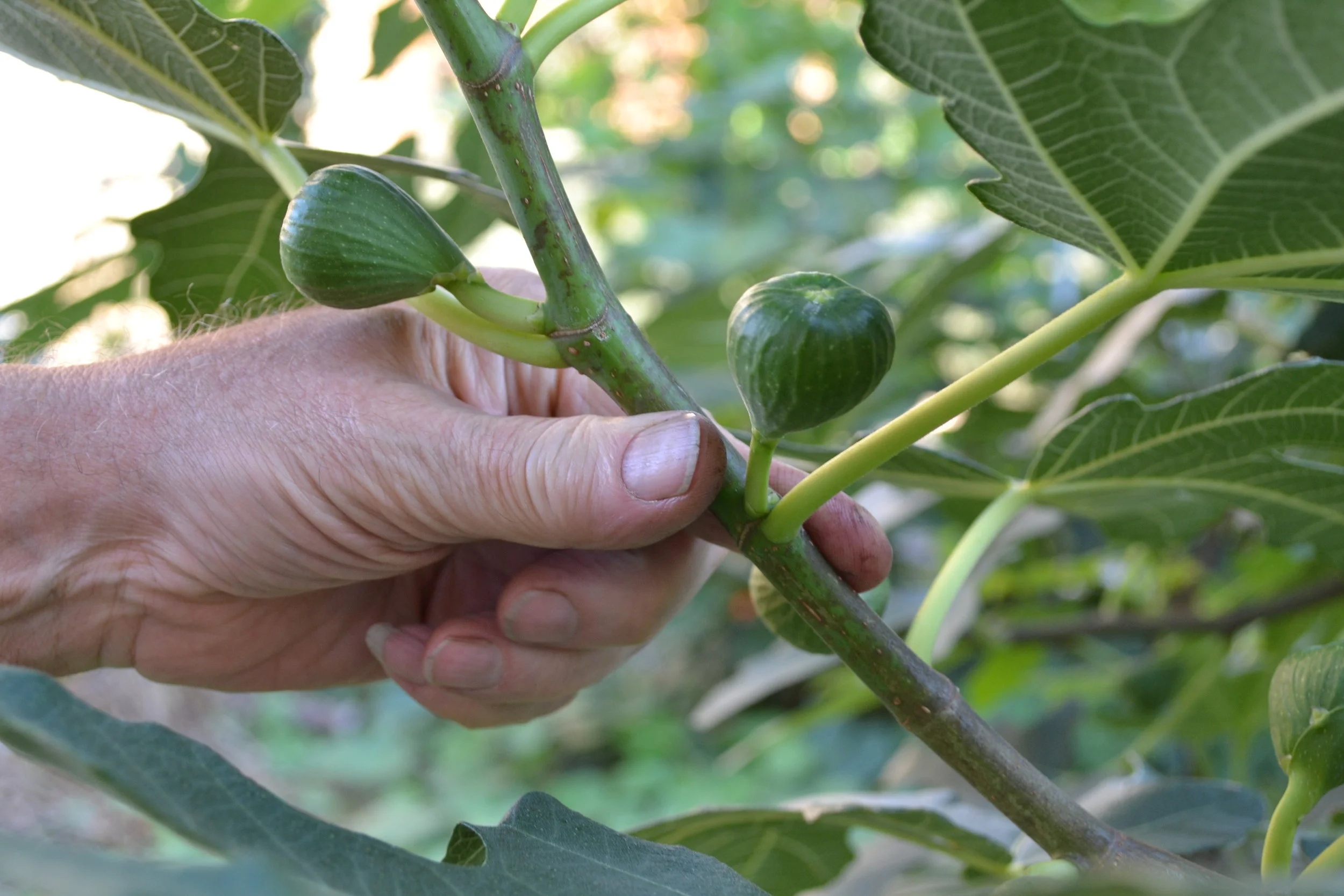
A little green. A lot of curiosity.
If your fig tree is sprinkling the ground with pea-sized figs, you are not alone. Figs will drop immature fruit for a handful of very normal reasons, and they will also drop when something about growing conditions changes faster than the tree can handle.
The trick is figuring out which kind of drop you are seeing: early fruit abort (tiny figs), later fruit failure (larger figs that split or sour), or the separate issue of a tree that leafs out but never sets fruit at all. Let’s sort it out.
First: normal drop or a problem?
Fig trees often set more baby figs than they can mature. When conditions are less than perfect, the tree may “thin” the crop by dropping the weakest fruitlets early. Those dropped figs are usually:
- Very small (pea-sized to marble-sized)
- Hard, not soft
- Green and immature, with no sweetness
- Clean-looking (no mold, no leaking, no sour smell)
If that matches what you see, think “stress or overload” first, not disease.
Common reasons tiny figs fall off
Drought stress and uneven watering
This is one of the most common causes in home gardens. Tiny figs are basically a water budget test: if moisture swings hard from dry to soaked, the tree may decide it cannot afford the fruit.
Watch for these clues:
- Drooping leaves in the afternoon that do not perk up by evening
- Dry, dusty soil a few inches down
- Fruit drop after a heat wave, vacation, or missed watering
- Fruit drop after a heavy soak following a dry stretch (big swings)
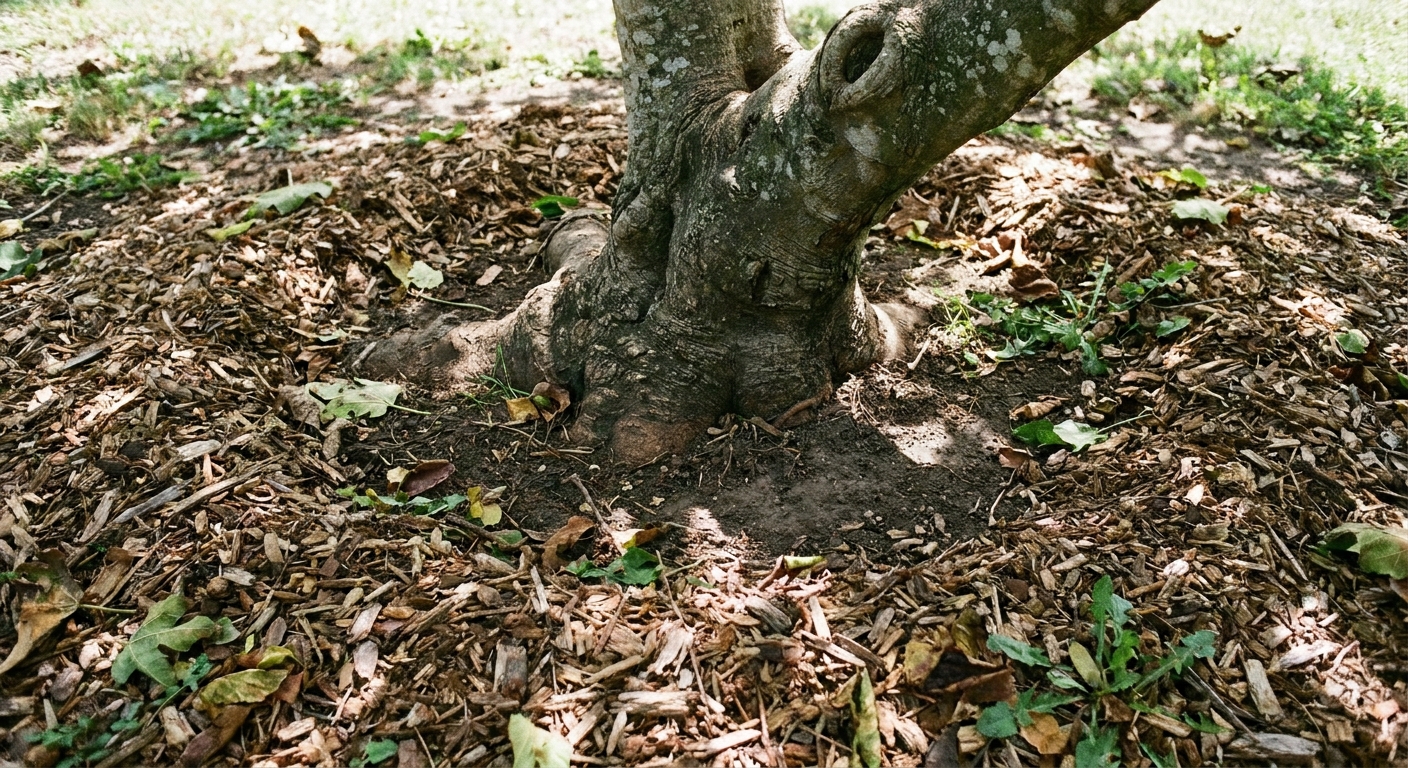
What helps: water deeply and consistently. Aim for evenly moist soil, not soggy soil. For in-ground trees, slow soaking is better than frequent sprinkles. For potted figs, check more often in hot weather since containers dry fast. A 2 to 4 inch mulch layer (kept a few inches away from the trunk) helps smooth out moisture swings.
A heavy first crop or a young tree
Young figs, newly planted figs, and recently hard-pruned figs can try to set fruit before they have enough roots and leaf area to finish the job. Dropping some baby figs is the tree protecting itself.
What helps:
- Prioritize steady watering and sun.
- Do not push with high nitrogen fertilizer, which can favor leafy growth at the expense of fruit retention.
- If the tree is truly small and loaded with fruitlets, thinning a few can reduce stress, especially in containers.
Sudden changes: moves, pruning, weather
Figs respond to abrupt change by shedding fruitlets. Common triggers include moving a potted fig to a new exposure, planting into the ground, a late cold snap, or aggressive pruning during active growth.
What helps: after a move or planting, keep moisture consistent, avoid heavy feeding, and give the tree time. If temperatures dip unexpectedly, protect small trees with frost cloth overnight.
Late frost or cold damage
In spring, a late frost can damage tender new growth and the embryo fruitlets that were just starting. Sometimes you will see a wave of tiny figs drop shortly after a cold night, even if watering has been fine.
What helps: if frost is in the forecast, cover young or small trees overnight with frost cloth. In borderline climates, choose a warm microclimate and avoid pushing early, tender growth with heavy fertilizer.
Too much nitrogen
When a fig gets lots of nitrogen, it may pump out lush leaves and long shoots, then quietly let fruitlets go. You will often see a very green, vigorous canopy paired with disappointing fruit set or fruit drop.
What helps: ease off quick-release lawn-type fertilizers near the root zone. If you fertilize, choose a balanced or lower-nitrogen option and apply lightly, timed to active growth rather than repeatedly through the season.
Not enough sun or heat
Figs want bright sun and warmth to hold and ripen fruit. In partial shade, or in cooler summers, trees may set figs but drop many before they size up.
What helps: aim for full sun whenever possible. For containers, placing the pot in the sunniest, warmest microclimate (a south-facing wall, a patio that holds heat) can make a noticeable difference.
Root stress in containers or poor drainage
Container figs can drop fruitlets when they dry too quickly, get rootbound, or sit in a pot that drains poorly. In the ground, chronically wet soil can stress roots and lead to weak growth and recurring drop.
Clues: the pot dries out in a day, water runs straight through, roots circle the pot, leaves yellow or drop along with fruit, or the soil stays wet and smells sour.
What helps: in summer, focus on consistent watering and shade the pot from intense afternoon heat if needed. Plan repotting for a milder window, and use a fast-draining mix and a container with good drainage.
Pollination and variety quirks
This one surprises people because most backyard figs do not need pollination. Many common edible figs are “common figs” and ripen without a fig wasp.
But some types, often referred to as Smyrna-type figs, need pollination by a specific fig wasp to mature fruit. San Pedro-type figs can be a little trickier: many will ripen a breba crop (an early crop on last year’s wood) without pollination, but may drop the main crop (later fruit on current season growth) if it is not pollinated.
Clues you might have a pollination-dependent type:
- The tree sets fruit, but nearly all immature figs drop year after year despite good care.
- You consistently lose one crop timing (often the main crop), even when the tree looks otherwise healthy.
- Your area is not known for fig wasp activity, yet the variety is reported to need it.
What helps: confirm your variety if you can. If it is pollination-dependent and you do not have the right fig wasp in your region, the long-term fix is usually switching to a common fig variety suited to your climate.
Breba vs main crop timing
If you garden where summers are short or cool, it helps to know what crop you are actually losing. Some varieties produce a breba crop on last year’s wood and a main crop on this year’s growth. A tree can drop one crop and still be perfectly capable of ripening the other.
If tiny figs form early, then stall and drop as the season shifts, it may be the tree abandoning a crop it cannot finish in your conditions. The fix is often better sun and warmth, less nitrogen, and choosing varieties known to ripen reliably in your region.
Early drop vs ripe fruit problems
Pea-sized figs dropping is one story. Ripe or nearly ripe figs splitting, leaking, or turning sour is a different story with different causes.
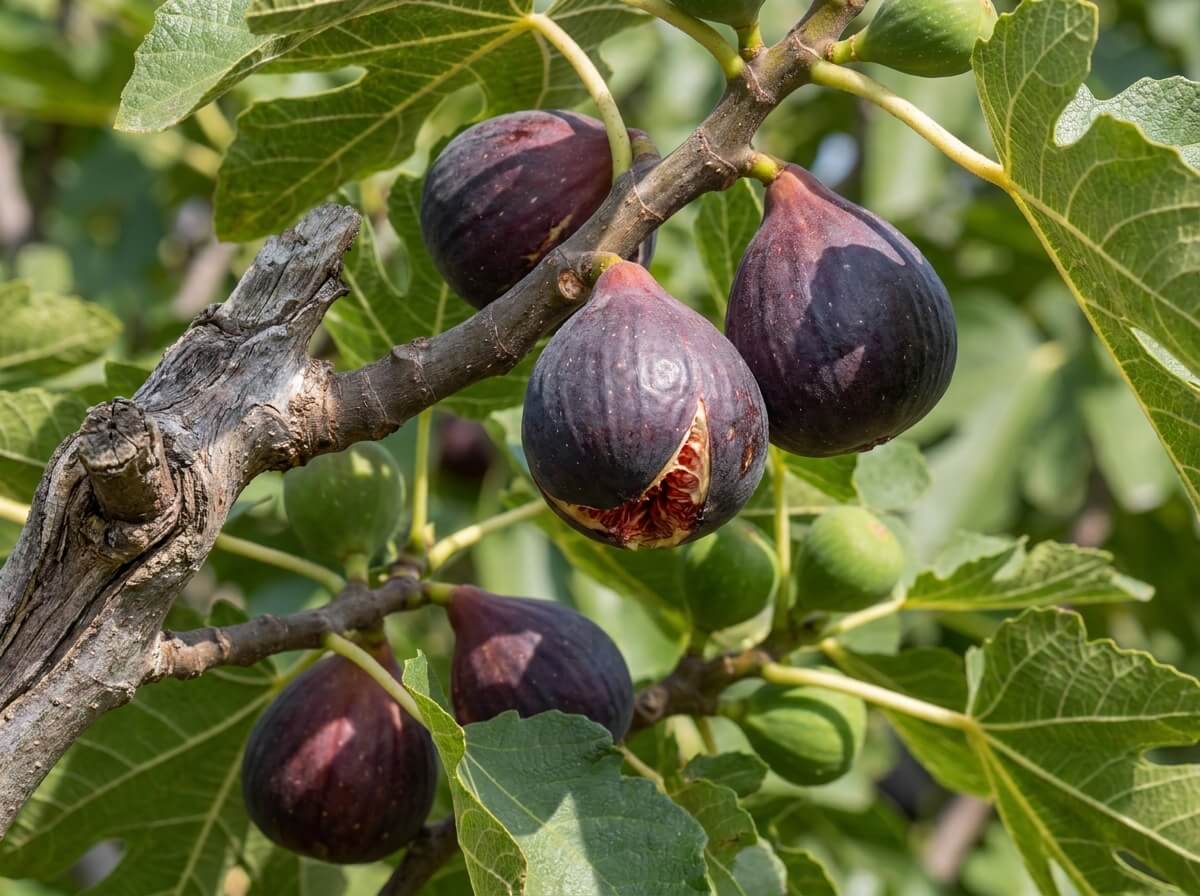
If figs get big, then split
Splitting typically happens when a fig takes up water quickly after a dry period or after heavy rain, especially close to ripening. The skin cannot stretch fast enough, so it cracks.
What helps: keep soil moisture more even through the season with deep watering and mulch. For containers, consistent watering is key, and sheltering the pot from soaking rains can help when fruit is nearly ripe.
If figs turn sour or attract insects
Souring is usually about fruit sitting too long, taking on rainwater, being damaged, or being opened up by pests and then fermenting. You often notice a sharp smell, seepage, and increased interest from ants, wasps, or fruit flies.
What helps: harvest promptly when figs soften and droop, protect fruit from excessive rain when possible, and remove damaged fruit quickly so it does not become an insect magnet.
Leaves but no fruit at all
This is not “small figs falling off.” This is a separate situation, and it has its own usual suspects:
- Too much nitrogen (vigorous leaves, no fruit)
- Not enough sun
- Pruning at the wrong time, removing wood that would carry a crop
- Cold damage that kills fruiting wood back each winter in cooler climates
- Immaturity, especially if the tree is still establishing roots
If you have a leafy fig with zero fruitlets, focus on light, fertilizing habits, winter dieback, and pruning timing rather than troubleshooting fruit drop.
Quick check: what to do this week
If your tree is dropping tiny figs right now, here is a simple, practical sequence.
- Check soil moisture 2 to 4 inches down. If it is dry, start deep, regular watering.
- Mulch the root zone to reduce hot-dry swings.
- Pause high-nitrogen feeding. If you recently fertilized heavily, let the tree coast.
- Think back 7 to 14 days. A heat spike, missed watering, move, pruning, or a cold night often lines up with the drop.
- Note the pattern. A few dropped fruitlets can be normal. A mass drop after weather whiplash usually means stress.
FAQ
Is it normal for a fig tree to drop some baby figs?
Yes. Some early thinning is normal, especially on young trees or during heat and dry spells. The concern is when most fruitlets drop repeatedly, or when drop lines up with obvious stress like drought, cold snaps, or big temperature swings.
Will dropped tiny figs grow back this season?
Sometimes. Many figs form new fruitlets along current season growth, so if the tree recovers and conditions stabilize, it may set another round. Timing depends on your climate, the variety’s fruiting habit, and how long your warm season lasts.
Do I need to hand pollinate figs?
Usually no. Most home garden figs are common fig types that do not require pollination. For types that do require it, hand pollination is not practical in the way it is for some other fruits because fig pollination normally involves specific caprifigs and fig wasps. If you do not know your variety and you get total drop year after year despite good care, variety identification and variety choice are the real solutions.
Could pests or disease be making my figs drop?
They can contribute, but for pea-sized fruit drop, water stress, weather swings, and crop overload are more common. If drop is chronic and the tree looks weak, check for bigger health issues too, such as root problems from poor drainage, severe rust defoliation, or other stressors that reduce overall vigor.
When to worry and get help
If you want to go from “most likely” to “pretty certain,” take a close look at what is falling and what is staying:
- Size of dropped figs: pea-sized suggests early abort, larger suggests later issues like splitting or souring.
- Condition: hard and clean is often stress thinning; mushy or leaking points to damage and rot.
- Timing: drop right after heat, missed watering, a move, pruning, or a frost night strongly suggests stress.
Get a closer diagnosis if you see repeated mass drop plus yellowing leaves, dieback, stunted growth, or constantly soggy soil. Those patterns can point to root stress, drainage problems, or a broader health issue that will not be solved by watering tweaks alone.
If your fig is in a pot, also consider root crowding. A severely rootbound container fig can dry fast and struggle to support a heavy crop. Repotting is best done when the tree is not already under peak summer stress.