
Why Did My Blue Hosta Turn Green?

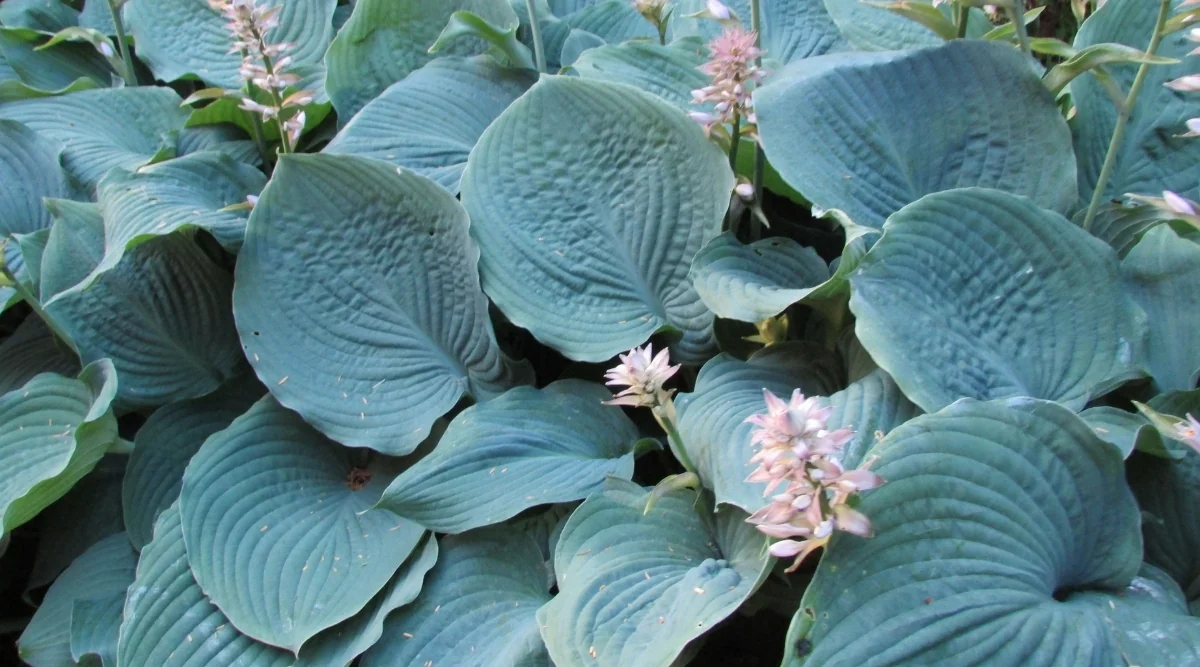
I still remember the first time a “blue” hosta of mine went mysteriously green. I hovered over it with my coffee like a worried parent, convinced I had ruined it with one wrong move. Turns out, most of the time, a blue hosta turning green is not a tragedy. It is just the plant’s natural makeup showing through once the blue coating gets rubbed or rinsed away.
Let’s walk through what causes that blue-to-green shift, what a healthy fade looks like, and how to tell it apart from the two things that actually deserve your concern: sun scorch and Hosta Virus X.
The real reason blue hostas turn green
Blue hostas look blue because of a waxy layer on the leaf surface called glaucous bloom. Think of it like a natural plant sunscreen and rain jacket in one, a thin, matte coating that scatters light and gives leaves that smoky blue, steel-blue, or chalky teal look.
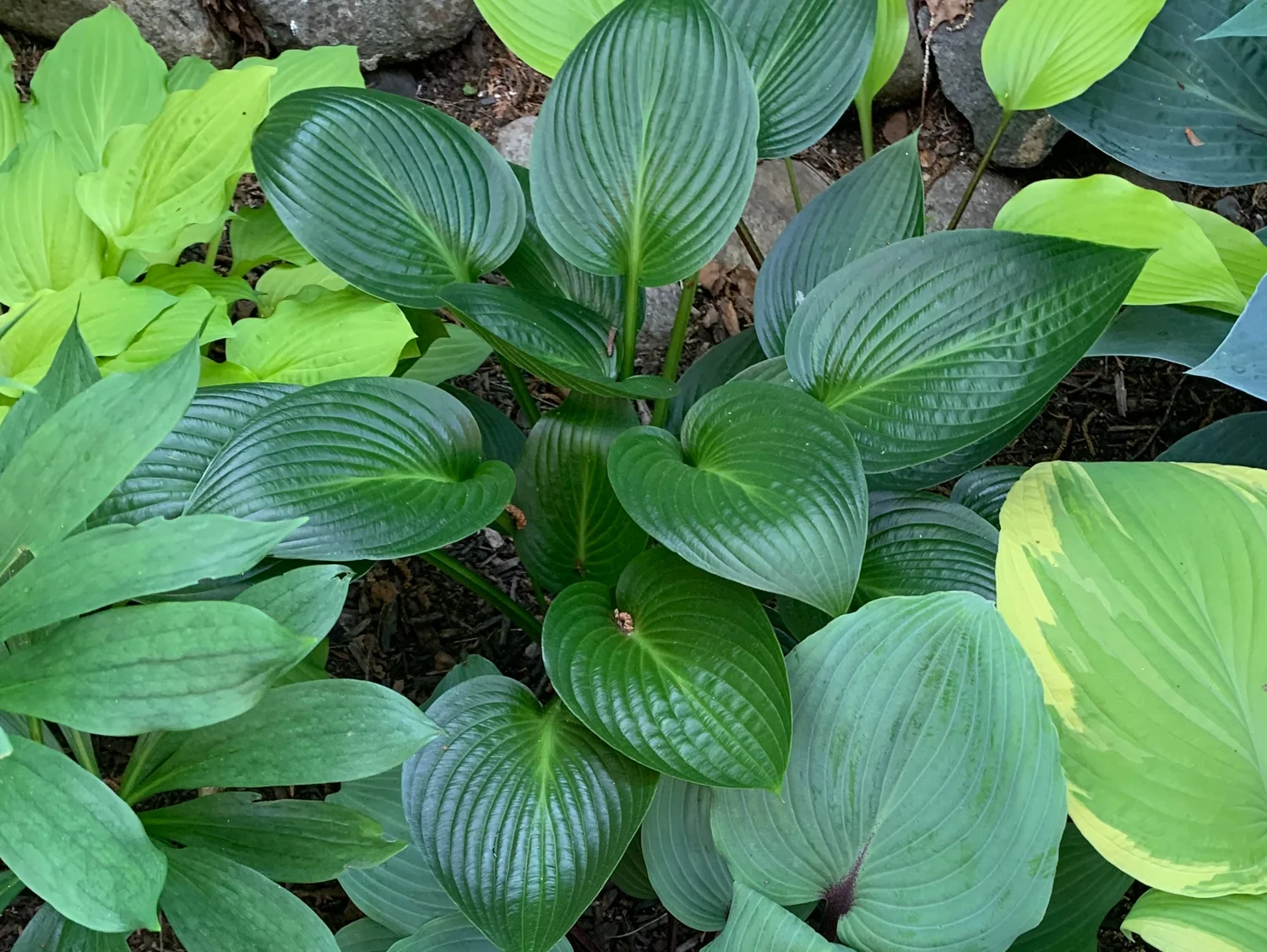
Underneath that wax, the leaf tissue is usually plain green. When the wax wears off, the leaf does not “change color” so much as it reveals its true color.
Also worth knowing: some cultivars are simply better at holding that blue look than others. Even in ideal shade, many blue hostas are at their bluest in spring, then gradually green up as leaves weather through the season.
What wears the wax off?
- Sun: More direct light speeds up the breakdown of that bloom, especially hot afternoon sun.
- Heavy rain or hail: Strong downpours and hail can physically erode the coating over time.
- Overhead watering: Frequent sprinkling is gentler than storms but still contributes.
- Leaf rubbing: Kids, pets, passing pant legs, slugs, or even you admiring the leaves (we have all done it) can polish the wax right off.
- Leaf-shine products or oily sprays: These can dissolve or strip the wax, leaving shiny green patches.
Once the bloom is gone from a particular area of a leaf, it typically does not return on that same leaf. The plant will produce fresh blue leaves next season if conditions suit it.
What normal fading looks like
Normal fading is usually gradual and the leaf still looks thick, hydrated, and smooth. The plant continues growing, and the clump looks generally happy even if it is less blue than you expected.
Signs it is just wax wear
- Color shift is even or gently mottled where leaves were touched or hit by rain.
- Leaves stay supple, not crispy.
- No expanding dead patches that later tear into holes.
- Newer, inner leaves look bluer than older, outer leaves (inner leaves are more protected).
Do not confuse fading with sun scorch
Sun scorch is a very different problem than “my blue turned green.” Scorch happens when leaves lose moisture faster than the roots can replace it, usually from too much sun, heat, wind, or inconsistent watering.
Many blue-leaved cultivars are happiest in shade, so they often show scorch when they are pushed into brighter, hotter spots. The waxy bloom can help a little, but it is not enough protection if the light and heat are intense and soil moisture swings up and down.
How sun scorch looks
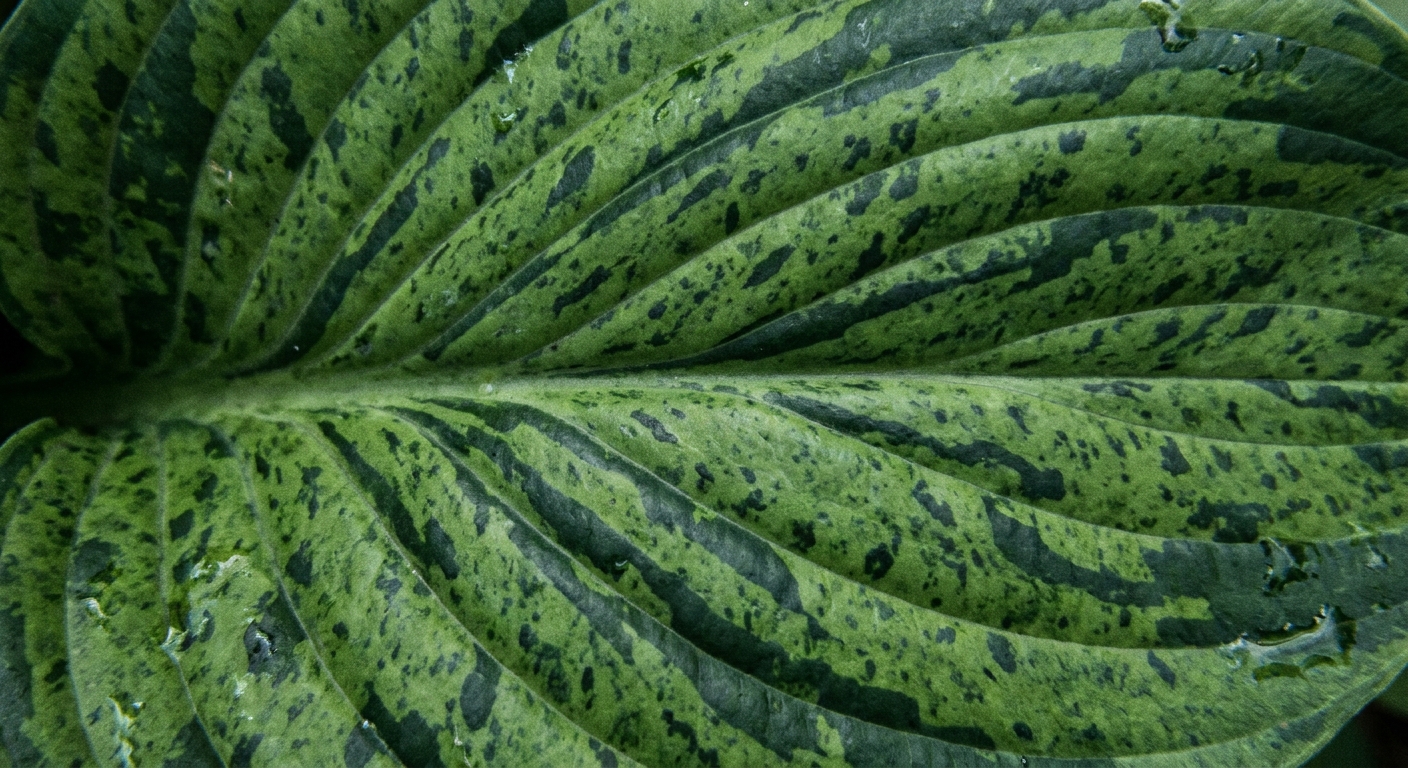
- Bleached areas that turn tan, cream, or whitish.
- Paper-dry texture, like the leaf was ironed.
- Crispy brown edges, especially on the side facing the sun.
- Damage is often worse after a hot spell or sudden jump in sun exposure.
A scorched leaf will not “heal” back to green or blue. Your goal is to protect the new growth that comes next.
Do not ignore virus-like mottling
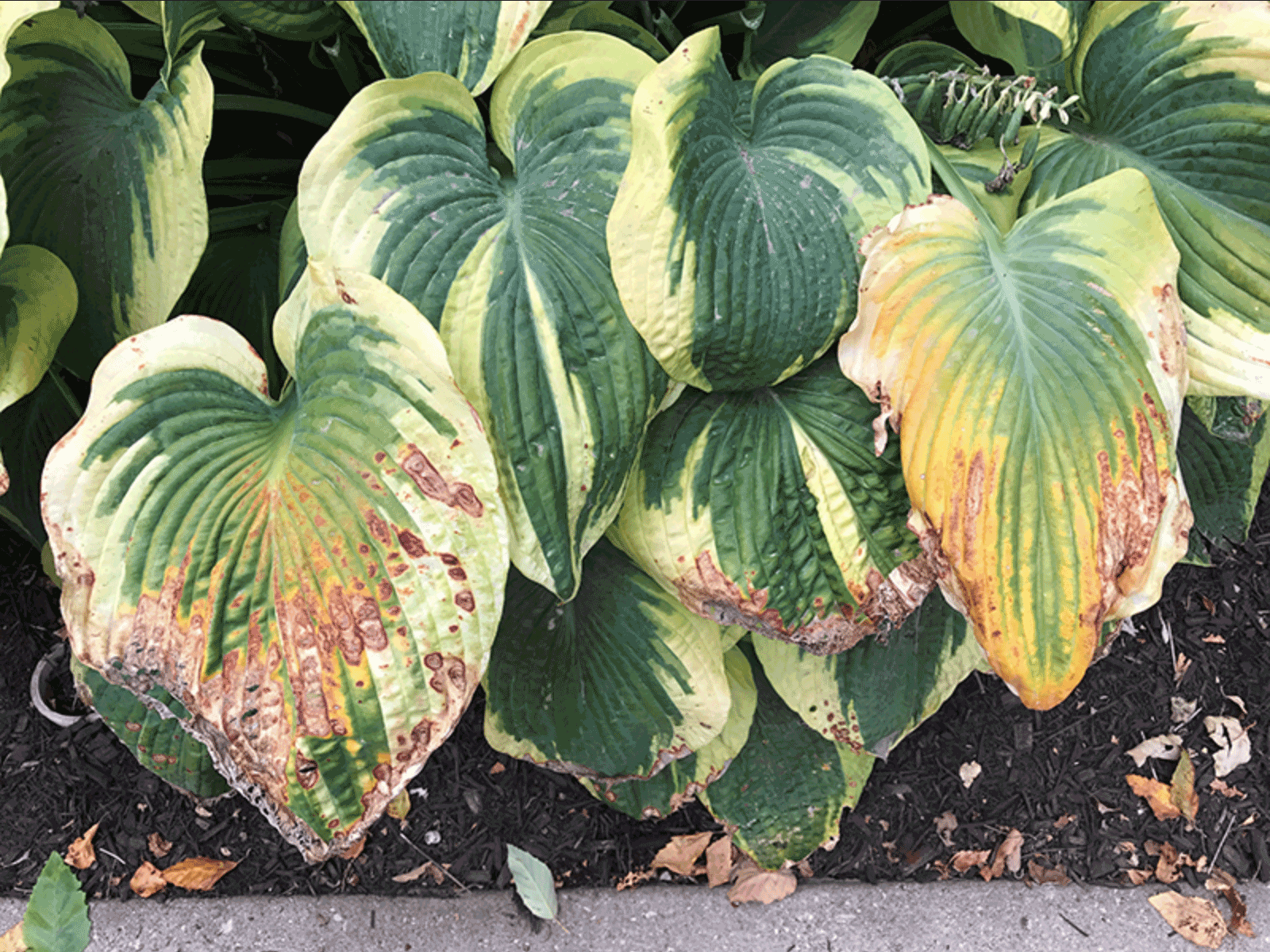
Most blue hostas going green is harmless. But if you are seeing ink-bleed style mottling, it is worth slowing down and taking a closer look. The big one gardeners worry about is Hosta Virus X (HVX), which can create distinctive, irregular patterns that look like dye bleeding through fabric.
One cautious-gardener-to-another note: many things can mimic HVX, including normal variegation quirks, nutrient stress, weather damage, herbicide drift, and mite injury. Still, it is smart to recognize the classic red flags and handle suspicious plants carefully.
What HVX often looks like
- Dark green “ink bleed” or jagged color breaks that often follow veins or form vein-banding, especially on varieties that should be solid colored.
- Pattern looks embedded in the leaf, not like surface scuffing or rubbed-off wax.
- Leaves may look distorted (puckered, twisted, or oddly narrow) compared with the rest of the clump, especially if symptoms keep repeating on new leaves.
- Symptoms persist and worsen as the season goes on.
What to do if HVX is possible
- Stop dividing or sharing that hosta until you are confident it is healthy.
- Isolate it if you can and avoid working it, then other hostas, without cleaning up first.
- Disinfect tools between plants. HVX can spread through sap on blades.
- Photograph the leaves and monitor changes over 2 to 3 weeks.
- Consider an HVX test kit or local extension guidance if symptoms strongly match and you have valuable hostas nearby.
- If it is confirmed, the common recommendation is to remove and discard the plant to reduce spread. Bag and trash it rather than composting.
Which leaves should you keep?
This is where beginner hosta care gets pleasantly simple. In general, hostas are solar panels with roots attached. Even a less-than-perfect leaf is still feeding the crown and building next year’s growth.
Leave these leaves
- Leaves that simply turned greener but remain thick and healthy.
- Leaves with minor cosmetic weathering from rain, slugs, or handling.
- Older leaves that are a little dull but not diseased.
Remove these leaves
- Scorched leaves that are mostly brown and crispy. You can snip them at the base to tidy the plant and improve airflow.
- Diseased-looking leaves with spreading rot, mushiness, or severe spotting. Bag and trash them rather than composting.
- Leaves that are torn and collapsing and attracting slugs and decay.
If you are unsure, do the gentle test: feel the leaf. Healthy leaves feel cool, pliable, and a bit leathery. Scorch feels dry and thin. Virus-like issues often come with distorted texture and persistent odd patterning.
When should you move the plant?
If your only complaint is that your blue hosta is now greener, moving it is optional. If the plant is otherwise healthy, you might decide to simply enjoy it as a handsome green hosta for the season.
But if you want that blue color to stick around longer, or if scorch is creeping in, location matters a lot.
Move it if you notice
- Regular afternoon sun hitting the plant, especially in hot climates.
- Repeated scorch year after year.
- Fast-drying soil that stays thirsty even with consistent watering.
- Reflected heat from a wall, driveway, or bright patio nearby.
Best light for blue color
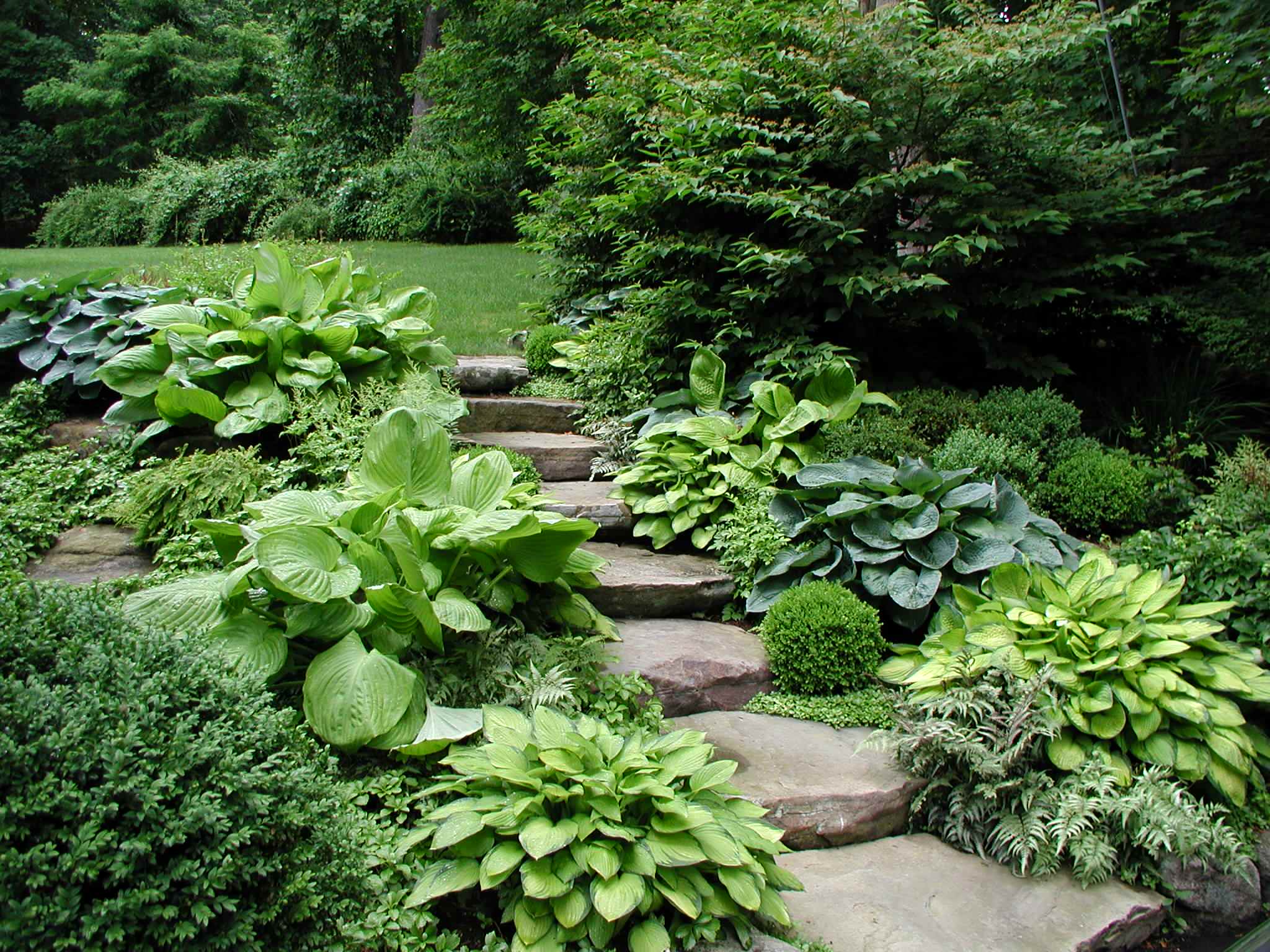
Aim for bright shade or morning sun with afternoon shade. Dappled light under high tree canopies is hosta heaven. The less harsh light the leaves receive, the longer that waxy bloom tends to last.
Best times to transplant
- Early fall, when soil is still warm but sun is gentler.
- Early spring, just as the eyes are emerging.
If you transplant in summer, it can be done, but support it with extra water and temporary shade for a couple of weeks.
How to keep it bluer longer
You cannot “paint” the blue back onto a leaf once it is gone, but you can set the plant up to produce better blue foliage next season.
- Give it the right shade: Morning sun is fine for many varieties, but harsh afternoon sun is usually the blue-killer.
- Water at the base: Soaker hoses and drip lines reduce leaf wear compared with overhead watering.
- Skip leaf-shine products: Hostas are naturally matte. Shiny leaves often mean the bloom has been stripped.
- Mulch gently: A thin layer of compost or shredded leaves keeps soil moisture steadier, which reduces stress.
- Handle leaves less: I know they are irresistible. Try admiring with your eyes more than your fingers.
Quick check
- Fade to green: leaf stays thick and healthy, color change looks like the matte coating wore off.
- Sun scorch: tan or white bleached patches, crispy edges, papery feel.
- Possible HVX: ink-bleed mottling or vein-banding, embedded patterns, distortion, symptoms that worsen.
FAQ
Will my blue hosta turn blue again?
Not on the same leaf. But yes, new leaves next season can be blue again if the plant is healthy and growing in the right light. Many gardeners notice the bluest flush in spring, then gradual greening as the season wears on.
Is it normal for older leaves to be greener than new ones?
Very normal. Outer leaves are older, more exposed to sun and rain, and get brushed more often. Inner leaves are sheltered and often hold their bloom longer.
Did I overfertilize and turn it green?
Heavy nitrogen can push lush green growth and soften that steely look in some plants, but with blue hostas, the big factor is still light and leaf wear. If your hosta is otherwise healthy, focus on shade and steady moisture rather than chasing fertilizer fixes.
Should I cut off green leaves so the plant makes blue ones?
No. Removing healthy green leaves just reduces the plant’s ability to feed itself. Let them work. If you want a bluer look, adjust conditions for next year’s new growth.