
Rose Replant Disease After an Old Rose Dies

A little green. A lot of curiosity.
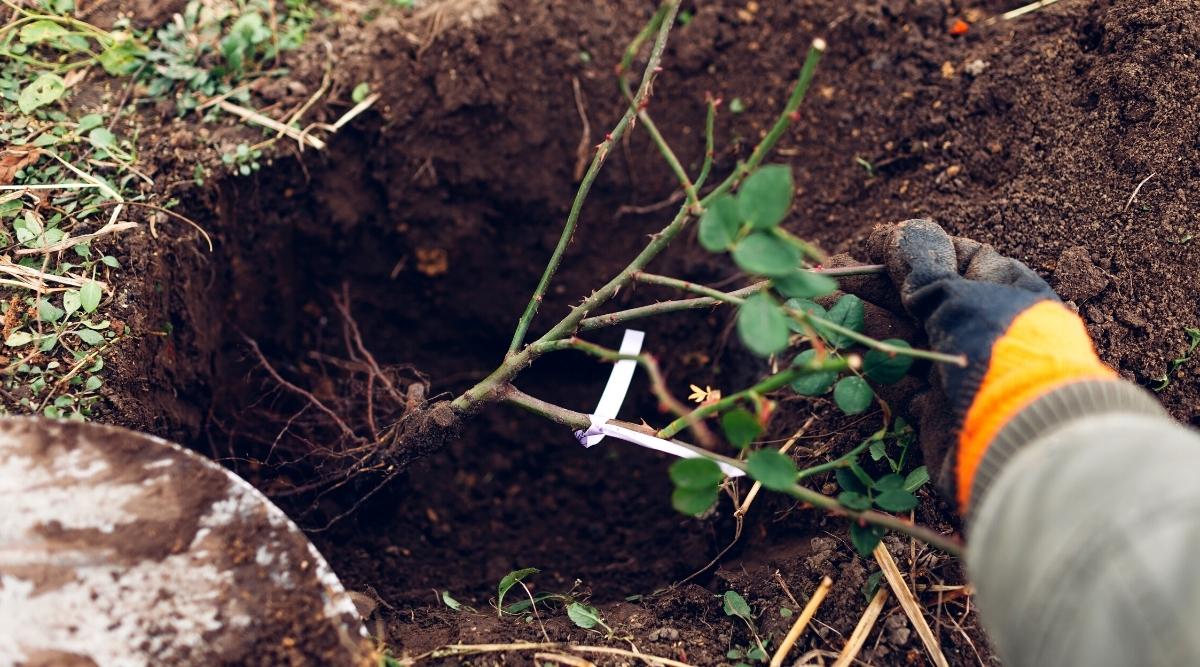
If you have ever tucked a fresh rose into the exact hole where an old rose lived and watched the new one sulk, stall, or flat-out fail, you are not imagining things. Gardeners have a name for it: rose replant disease, also called replant disorder, soil sickness, or soil fatigue depending on where you live. Whatever the label, it is best thought of as a syndrome, not a single, neat disease. It is also not the same as rose rosette, black spot, or borers. It is a soil and site issue that shows up most clearly when roses follow roses.
What it is (and is not)
Rose replant disease is a growth decline that can happen when a new rose is planted into soil where a rose grew before, especially if that previous rose was established for years. The new plant often starts out looking fine, then gradually fails to thrive.
This is not a single, easily diagnosed pathogen like a virus you can spot on leaves. Think of it more like an underground hangover: a mix of shifted soil biology, leftover root material, and soil conditions that are unfriendly to a newcomer rose.
Common signs
- Slow growth compared to the same variety planted elsewhere
- Small leaves, weak shoots, poor cane development
- Yellowing that does not respond well to reasonable feeding
- Thin roots and poor root spread when you gently check later
- Reduced flowering and a general “stuck” look
The biggest clue is context: the rose struggles specifically where a rose used to be, while other roses or shrubs in other spots do fine.
Why the same hole can fail
Roses can leave behind a very rose-specific underground footprint. The cause is usually a combination of factors, and that is why quick fixes sometimes disappoint.
1) Leftover roots and old root zones
Even after you remove a dead or declining rose, plenty of roots remain. As those roots decay, they can:
- Support populations of root-associated microbes that are not ideal for a new rose
- Change how water moves through the hole as decaying roots leave channels and pockets
- Contribute to short-term nutrient tie-up in the immediate area as woody material breaks down
It is not that the old roots are “bad.” It is that a brand-new rose wants clean, open soil to expand into, and an old rose root zone is often anything but neutral.
2) Soil biology shifts toward “old rose” conditions
Long-lived plants shape their rhizosphere, the community of microbes around their roots. When a rose occupies the same place for years, the soil life can become specialized. A new rose in the same spot may run into a microbial community that is out of balance for young root growth.
3) Compaction, salts, and nutrient imbalance
Roses are often fertilized regularly, watered often, and sometimes mulched heavily. Over time, that can lead to:
- Compacted soil from foot traffic and repeated watering cycles
- Salt buildup in some gardens, especially where synthetic fertilizers were used heavily
- Nutrient imbalance or pH drift
A new rose can look hungry even when the soil tests as “fertile,” because physical structure and root health are the real bottlenecks.
4) Nematodes or soil-borne fungi
In some regions, plant-parasitic nematodes or soil-borne fungi that affect roots can contribute. The key point is that rose replant decline is often not a single culprit you can spray away on the leaves.
How far to move or how long to wait
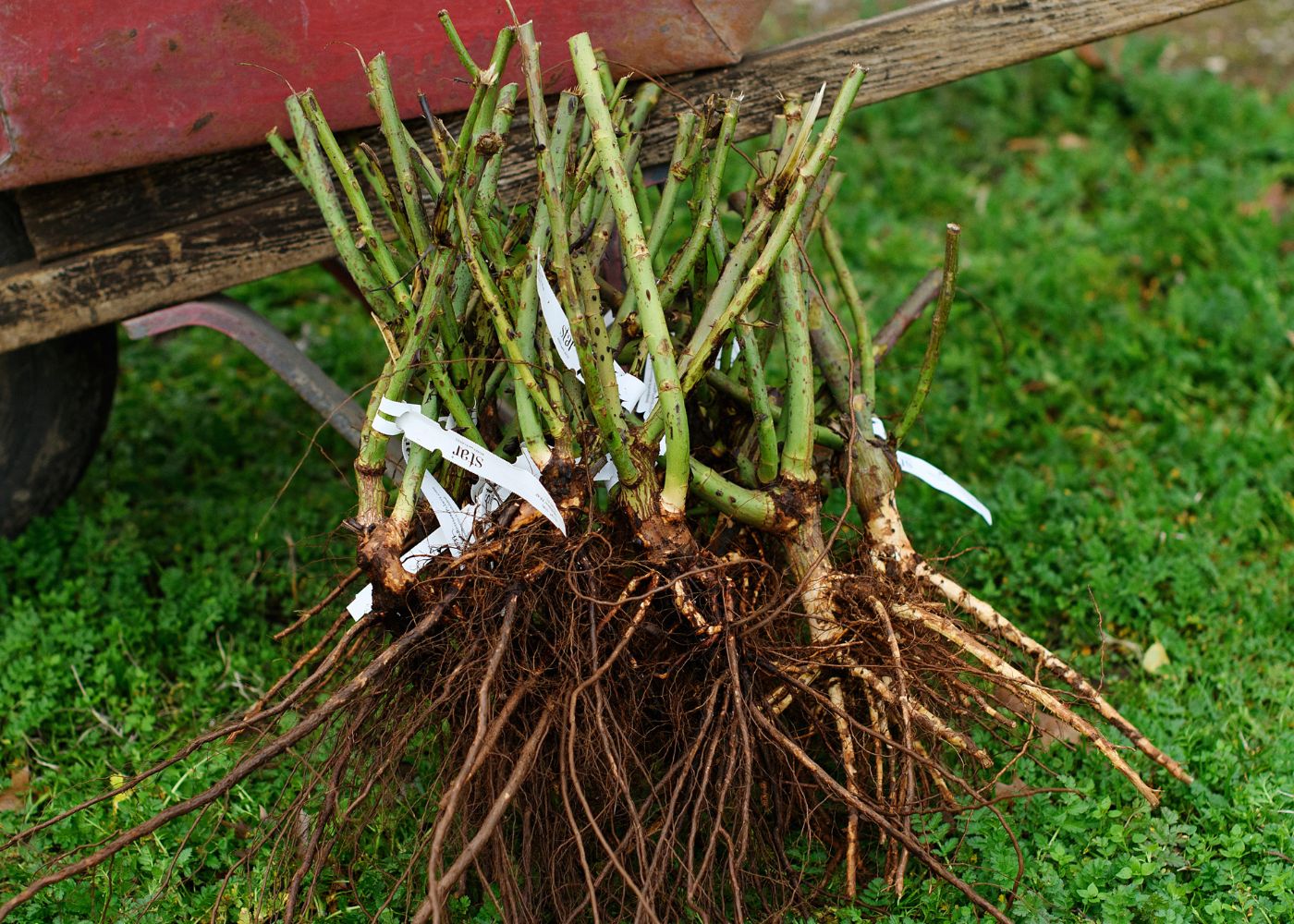
If you want the simplest way to dodge replant trouble, do not plant the new rose into the exact same soil volume the old rose occupied. Distances and timelines vary by garden, so treat these as rule-of-thumb ranges and adjust to local extension guidance when you can.
Option A: Move the planting spot
Shifting the planting hole is often the most effective approach.
- How far? Aim for 18 to 24 inches away from the old rose’s center if you can. For very large, old roses, 3 feet is even better.
- Why it helps: You are putting new roots into soil that is less dominated by old rose roots and the old rose rhizosphere.
If you are replanting into a formal bed and cannot move far, even a modest shift can help, especially combined with soil replacement in the immediate planting zone.
Option B: Wait (the slow lane)
Waiting can help, but it is not always practical.
- Baseline: Waiting one full growing season is a reasonable starting point.
- Better: Two seasons gives old roots more time to break down and the soil biology more time to rebalance.
During the waiting period, a non-rose “break crop” can help shift the soil community. Think simple, fast growers and non-Rosaceae ornamentals or annuals. Even a season of grasses or mixed annuals, plus compost, can improve structure and microbial diversity without promising miracles.
Option C: Container first
If you already bought the rose and timing is tight, one gentle workaround is to grow it in a container for its first season, then transplant it into the garden after you have improved the planting site. Do not reuse potting mix from a rose that failed badly in a container unless you are confident it was a watering or exposure issue, not roots and soil health.
Soil replacement: what it can and cannot do
Gardeners often hear “replace the soil” and imagine swapping a few scoops. With replant problems, the volume matters.
What it can do
- Reduces the old rose influence in the immediate root zone
- Improves structure if you replace with a well-textured soil plus compost
- Dilutes salts and localized nutrient imbalances
What it cannot reliably do
- Guarantee you removed all problematic biology if you only replace a small amount
- Fix drainage if the whole bed or site is poorly draining
- Fix shade or root competition from nearby trees and shrubs
How much soil to replace
If you are staying in the same spot, aim to remove and replace soil in a wide, deep zone:
- Diameter: about 2 feet across (wider is better)
- Depth: about 18 inches (or as deep as you can reasonably work)
Yes, it is a lot of digging. Roses are long-term plants. Giving them a fresh start pays back in years, not weeks.
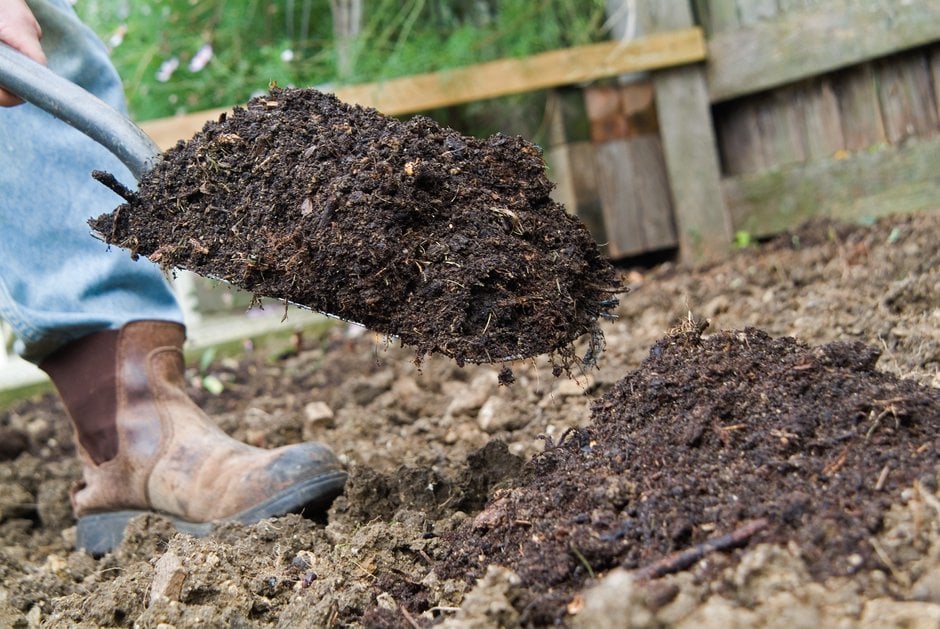
Replace with a mix that encourages roots: good garden soil, compost, and drainage-improving amendments appropriate for your soil type. Avoid creating a “perfect pocket” of light soil inside heavy clay with sharp boundaries. Blend the edges so water does not perch and sit oddly at the interface.
Step by step
Here is a calm, repeatable sequence that helps avoid the common traps.
1) Remove old roots
Dig wider than you think you need to. Pull out thick roots and the crown. Snip and remove what you can reach without turning the bed into a crater. The goal is not perfection. It is reducing the old root mass in the new rose’s first root zone.
2) Decide: move, replace, or wait
- If you can move the hole 18 to 24 inches, do it.
- If you cannot move, plan for significant soil replacement.
- If neither is possible, waiting a season plus heavy organic matter work is the next best route.
3) Check drainage
Fill the hole with water and see how it behaves. In many soils, you want that water to drain down within roughly 1 to 2 hours. If water sits much longer than that, treat it as a drainage warning. (Clay soils can be slower, but a rose that sits in a bathtub of water will struggle no matter what you plant after what.)
4) Consider a basic soil test
If replanting keeps going sideways in your garden, a soil test can save time and guessing. A basic test for pH and nutrients is helpful, and if your lab offers it, an EC or soluble salts reading can be eye-opening in heavily fertilized beds. Use the results to adjust, rather than chasing symptoms with more fertilizer.
5) Plant at the right depth
Planting depth varies by region and rose type. The important thing is consistency with local best practice and avoiding a rose planted too deep in heavy soil.
6) Water deeply, then mulch lightly
New roses like even moisture, not swampy roots. Mulch helps, but keep mulch pulled back from direct contact with the canes to reduce stem rot and pest hiding spots.
7) Go easy on fertilizer at first
If the rose is not growing well, heavy feeding rarely solves the core issue. Gentle nutrition and good moisture management while roots establish tends to do more than a big dose of fertilizer.
Do not mix it up with other problems
This is the part I wish every rose bed came with on a tiny tag. Replant problems are underground and site-based. Many common rose troubles are above-ground and contagious or insect-driven.
Replant decline vs rose rosette
Rose rosette disease is a serious, eriophyid-mite associated disease that causes distinctive distorted growth.
- Rose rosette clues: witches’ broom clusters, thickened abnormal shoots that stay abnormal, distorted leaves and buds, and often increased prickles and odd reddening
- Replant clues: overall weak growth and poor vigor without the classic rosette distortions
If the previous rose was removed because of suspected rose rosette, follow local extension guidance. Infected plants should be removed promptly and disposed of appropriately. Do not compost them.
Replant decline vs black spot and other leaf diseases
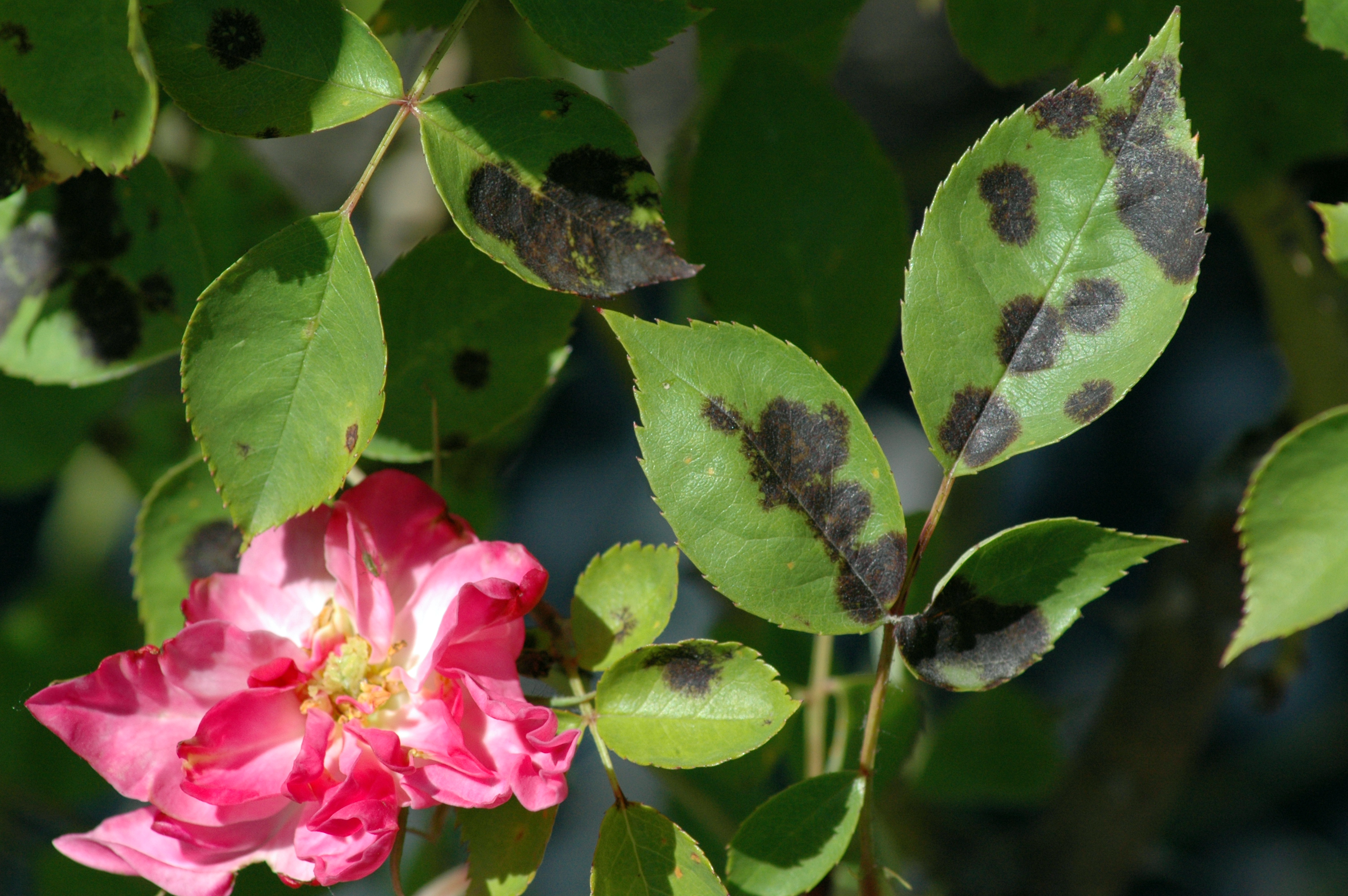
Black spot, rust, and powdery mildew mainly show up as leaf symptoms.
- Black spot clues: round black spots with fringed edges, yellowing leaves, leaf drop starting low
- Replant clues: the rose never gains strength, even if leaves look relatively clean at first
A rose can have both, of course. But leaf-spot diseases do not typically target only the “old rose hole.”
Replant decline vs cane borers
Cane borers affect the stems, often after pruning.
- Borer clues: wilting cane tips, holes in cut ends, dieback traveling down a single cane
- Replant clues: the whole plant is slow and small, not one cane collapsing at a time
If you see clean, localized cane dieback, look for borers. If the entire plant just fails to launch, think soil and roots.
What if you plant a different rose?
Sometimes you will get away with it, but do not count on it. Hybrid tea, floribunda, shrub roses, and climbers are all still roses with similar root relationships. Rootstock differences can change vigor, but they do not automatically erase replant conditions.
If you are determined to keep a rose in the exact same location, the best odds usually come from:
- Moving the planting spot within the bed if possible
- Replacing a large volume of soil
- Improving drainage and structure
- Planting at the right time for your region so the rose can establish roots without extreme heat or cold stress
Quick checklist
If your replacement rose is struggling, run through this list before you assume it is a mysterious new disease.
- Was a rose in this exact spot for years? If yes, replant disorder is on the table.
- Did you remove the crown and big roots? If not, old roots may still be steering the soil environment.
- Does the planting hole drain reasonably? Water that lingers points to a bigger site issue.
- Is the rose getting at least 6 hours of sun? Low sun can mimic “weak rose” symptoms.
- Are there clear leaf lesions or distorted shoots? If yes, you may have a true foliar disease or rose rosette instead.
- Is one cane dying back while others look okay? That pattern leans pest or pruning wound issues, not replant decline.
- Have you tested the soil? pH and salts can quietly sabotage a bed that looks “fine.”
FAQ
How long does it last in soil?
There is no single countdown timer. In many gardens, the risk is highest in the first year or two after a mature rose is removed. Waiting one season helps, waiting two helps more, but soil replacement or moving the planting site is usually more reliable than waiting alone.
Will compost fix it?
Compost helps soil structure and microbial diversity, which is useful, but it is not a guaranteed cure if the new rose is going into the same old rose root zone. Compost is best used as part of a bigger plan: soil replacement, blending the edges of the planting zone, and improving drainage.
Can I sterilize the soil?
For in-ground beds, soil sterilization is rarely practical, and it can wipe out beneficial organisms. Solarization can reduce some soil issues in hot sunny climates, but it is not a simple, universal answer for rose replant problems.
Is it my fault if the new rose fails?
No. This is a known rose quirk, and it happens to careful gardeners. The helpful takeaway is that replant failure often means “change the soil situation,” not “spray the leaves harder.”