
How Long Do Christmas Cactus Flowers Last?

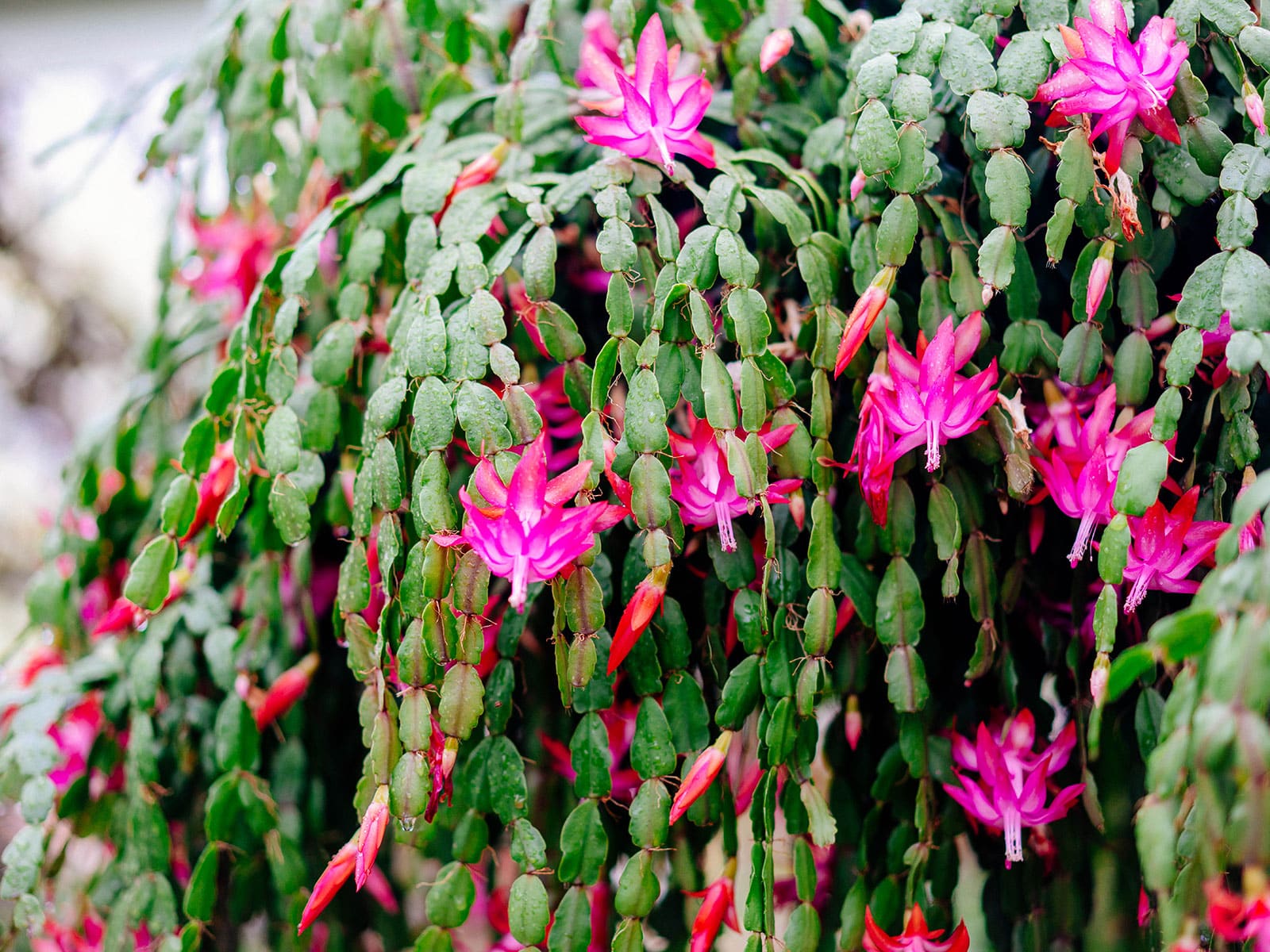
I still remember my grandmother’s kitchen windowsill in December, crowded with canning jars, seed catalogs, and one glorious Christmas cactus throwing out hot-pink blooms like it was showing off. As a kid, I assumed those flowers would last forever because they felt so festive and steady in the middle of winter. As an adult gardener with a few Schlumbergera of my own, I can tell you the real secret is not that the flowers last forever, but that the plant keeps opening new ones when it’s happy.
Quick note: Many plants sold as “Christmas cactus” are actually Thanksgiving cactus (Schlumbergera truncata) or holiday cactus hybrids. Care is similar, and bloom longevity is usually in the same ballpark.
How long each flower lasts
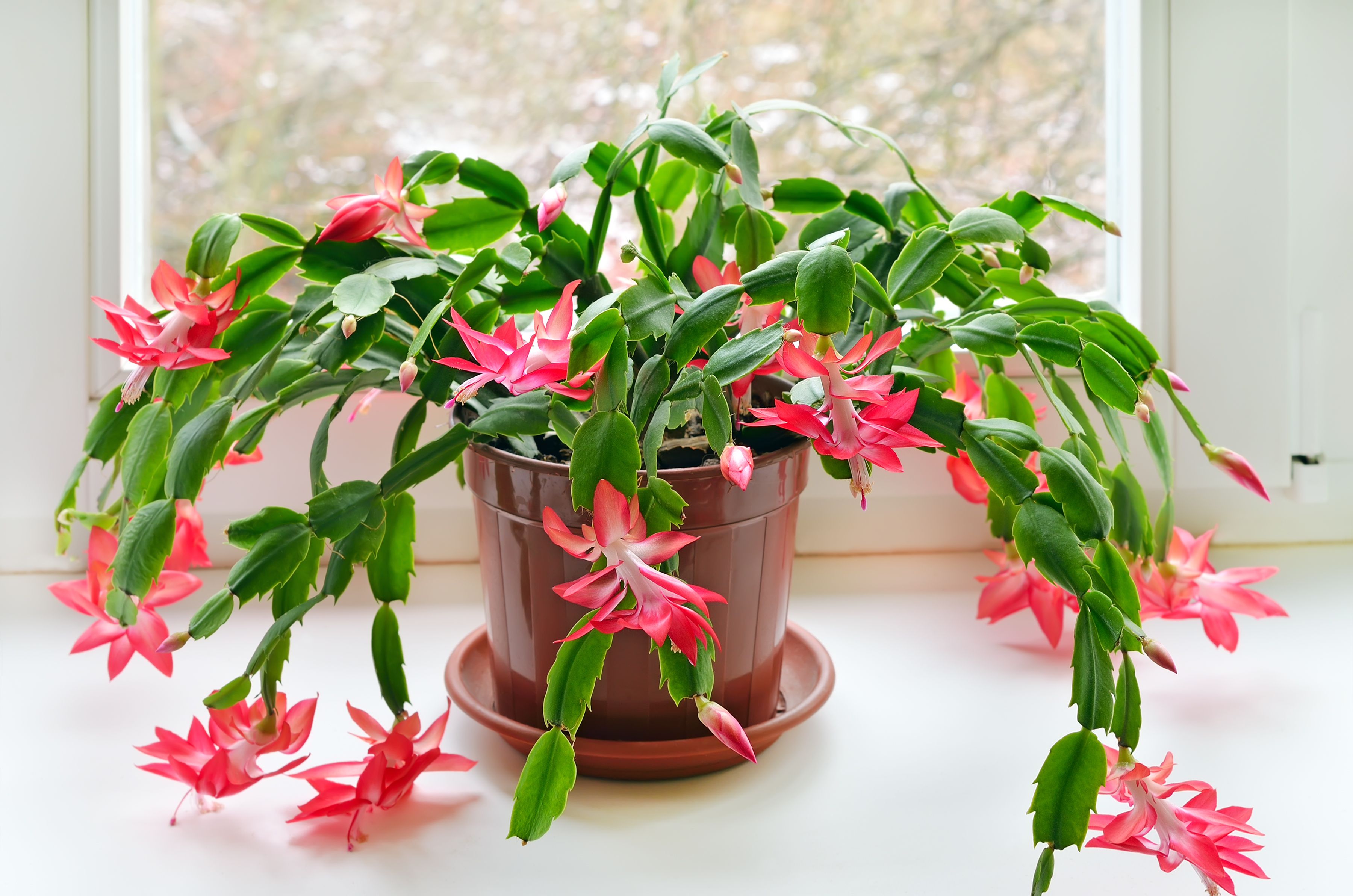
On a healthy holiday cactus (Schlumbergera), a single flower often stays open about 3 to 7 days. In cooler, steadier conditions, some blooms can hold on closer to a week or a bit more. In warm, dry, drafty rooms, it can be closer to the low end.
The good news is that Christmas cactus is a “relay race” bloomer. While each flower is short-lived, the plant usually opens buds in waves. That means the overall bloom season can last 2 to 6 weeks (sometimes shorter or longer), depending on how many buds it set, the variety, and how stable your indoor conditions are.
- Per flower: often 3 to 7 days open
- Full plant show: commonly 2 to 6 weeks as buds open successively
What shortens bloom life
Once the buds have opened, your job is basically to keep the plant’s world boring. Blooms last longest when temperature, airflow, and moisture stay steady.
Heat speeds up aging
Warm air makes flowers run through their lifespan faster. If your plant is sitting near a heater, fireplace, wood stove, or a warm electronics shelf, blooms can fade in just a few days.
For longest-lasting flowers, aim for a cool, comfortable room, roughly 60 to 70°F (about 16 to 21°C). It does not have to be cold. It just needs to be steady and not in a heat stream.
Drafts dry petals and stress buds
Cold drafts (like a leaky window) and hot drafts (like a vent) both shorten flower life. They dry petals and create quick temperature swings, which is exactly what Schlumbergera dislikes during bloom.
If you notice flowers looking tired soon after opening, check airflow first. Hold your hand where the plant sits and see if you feel moving air. If you do, relocate it a few feet away.
Very dry air can shorten the show
Holiday cacti are not desert cacti. When indoor air is extremely dry, blooms can look papery faster. If your home runs dry in winter, a small humidifier nearby or a pebble tray can help a bit, as long as the pot is not sitting in water.
Ethylene can speed fading and drop
Ethylene is a natural plant hormone that acts like an aging signal. In the home, common sources include:
- Ripening fruit (especially apples, bananas, pears, avocados)
- Cut flowers that are aging in a vase
- Smoke from cigarettes, fireplaces, and candles
- Gas appliances with poor ventilation
In an open, well-ventilated room, ethylene levels are often low. But close proximity can matter, especially in small kitchens or enclosed spaces. If your Christmas cactus is blooming right next to a fruit bowl or a smoky area, moving it farther away can help in some homes.
Normal fading vs trouble
Some bloom decline is simply the plant doing what plants do. A Christmas cactus flower is delicate, and it is meant to be temporary.
Normal aging
- The flower looks great for a few days, then petals start to look thinner or papery.
- Color softens or dulls slightly.
- The bloom droops, then drops off cleanly with a light touch.
- The rest of the buds still look firm, plump, and attached.
If the plant keeps opening new buds while older blooms fade, you are in the normal rhythm of the bloom cycle.
More concerning signs
- Flowers collapse in 24 to 48 hours right after opening.
- Multiple buds yellow or shrivel before opening.
- Bud drop increases after the plant is moved, rotated, or hit by drafts.
- Segment drop (stem pieces falling) happens along with bloom trouble.
Those patterns usually point to environmental stress rather than normal aging.
How to keep blooms longer
Once your Christmas cactus is in bloom, think “steady and gentle.” Here are the biggest practical wins.
Keep it stable
Schlumbergera can be picky during bud and bloom time. If yours tends to drop buds, avoid relocating it or rotating the pot while it is budding and flowering. Choose a bright spot and keep its orientation consistent.
Give bright light, gentle sun
Bright, indirect light is ideal. A little gentle morning sun is usually fine, but avoid harsh midday sun through glass, which can heat the plant and speed bloom fade.
Water thoughtfully
During bloom, keep the soil lightly, evenly moist, not soggy. Let the top inch dry slightly, then water thoroughly and let excess drain. A plant that gets bone-dry can speed up flower decline, but a plant left wet can develop root issues that also shorten bloom time.
Go easy on fertilizer
Fertilizer is not a bloom extender in this moment. If you already have flowers, focus on consistent care. Most growers feed during the active growth season (often spring and summer) rather than trying to push fertilizer while it is blooming or immediately afterward.
If buds are dropping
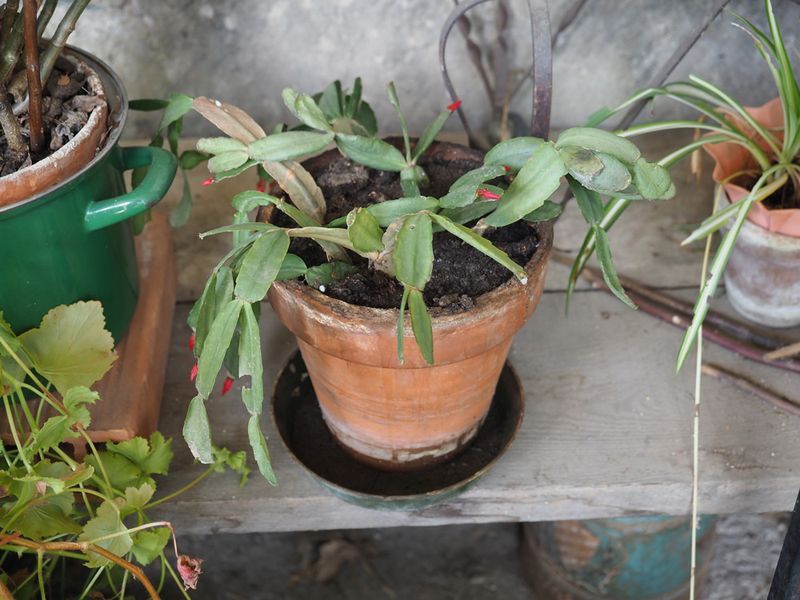
Unopened bud drop is a different problem than flowers naturally fading after a few days open. Buds usually drop due to stress like temperature swings, drafts, underwatering, overwatering, or sudden changes in light.
Leafy Zen has a dedicated guide for that scenario here: Why Christmas Cactus Buds Are Falling Off.
If segments are dropping
If you are finding stem segments (the flat pads) dropping, that is not part of normal flowering. Segment drop points to a bigger stressor like overwatering, root trouble, cold shock, or physical damage.
Head to our troubleshooting page here: Why Christmas Cactus Leaves Are Falling Off.
More blooms next year
Bloom duration is about protecting flowers that have already opened. If you are trying to get a bigger bud set for next season, the recipe is about the right light routine and temperatures in the weeks leading up to bloom.
For the full step-by-step schedule, follow our care guide: Christmas Cactus Care and How to Make It Bloom.
Quick FAQ
Why do my Christmas cactus flowers only last a couple of days?
The most common causes are warm air (near a vent or heater), drafts, and very dry indoor air. Ethylene exposure from ripening fruit or smoke can also contribute, especially at close range. Move the plant to a cooler, steadier spot with bright indirect light and calm air.
Is it normal for a Christmas cactus to drop flowers?
Yes. After a flower has been open for several days, it is normal for it to droop and drop. That is normal aging. What is not normal is lots of buds dropping before opening.
Should I deadhead Christmas cactus flowers?
You can gently pinch off spent blooms if they cling, but most drop on their own. Be careful not to tug on the segment tip where the next buds may be forming.
My plant finished blooming. What now?
Let it rest a bit, keep care steady, and resume regular growth-season routines. If you want to make more plants (or rescue a leggy one), we also have a guide on propagating Christmas cactus from cuttings.