
Why Your Christmas Cactus Drops Flower Buds

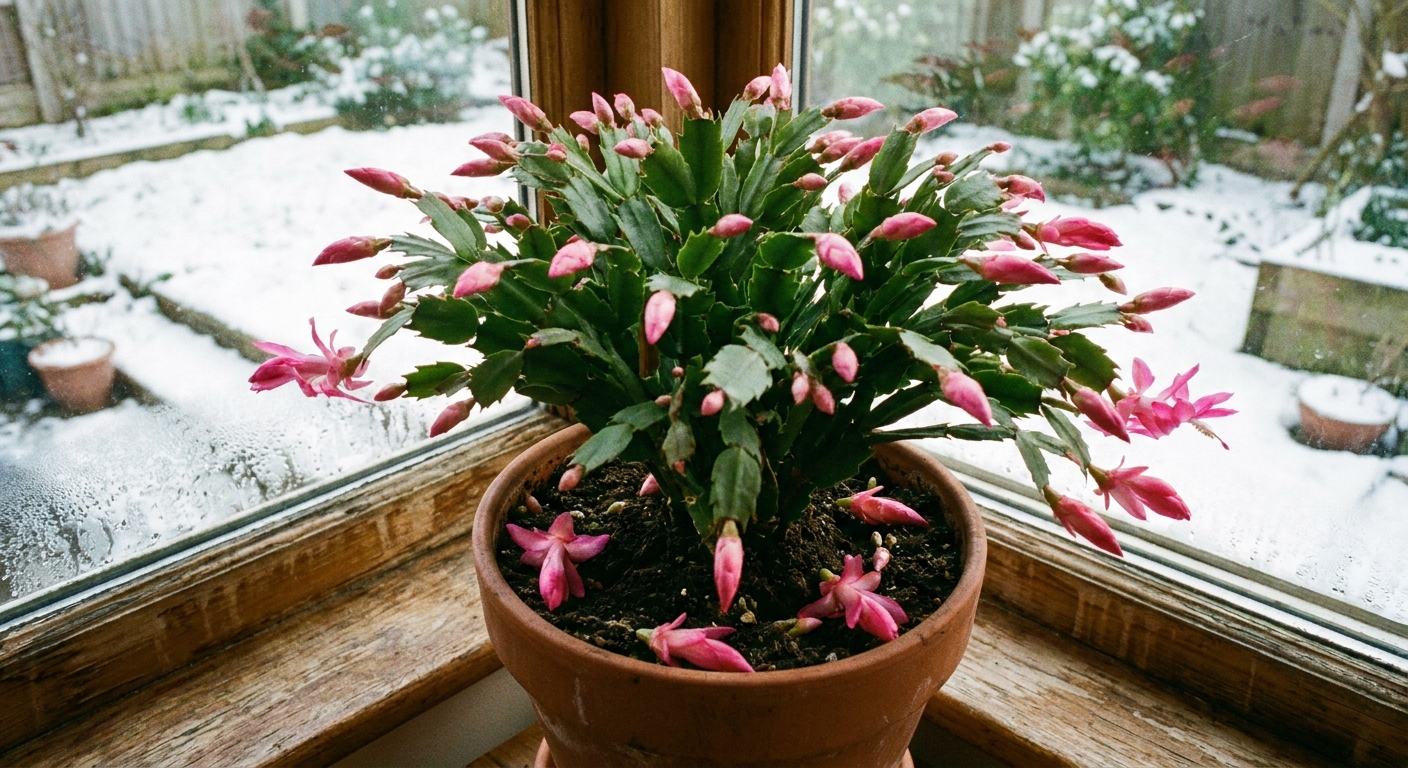
Nothing tugs at a gardener’s heart quite like a Christmas cactus loaded with buds, only to watch them pop off one by one like confetti you did not ask for. If your plant looks healthy but the buds keep dropping, you are dealing with bud blast. It is different from general leaf drop, and it is usually triggered by stress right when the plant is trying to bloom.
The good news: most bud drop has a clear cause, and once you correct it, your holiday cactus can settle in and flower beautifully.
Quick note: Many “Christmas cactus” sold today are actually Thanksgiving cactus (Schlumbergera truncata). Their care is essentially the same, and both can bud blast.

What bud blast looks like
Bud blast is when your Christmas cactus (Schlumbergera) forms buds, then the buds yellow slightly, shrivel, or drop cleanly before opening. Often the plant’s segments (the flat “leaves”) stay firm and green, which makes the bud loss feel extra confusing.
- Bud drop: buds fall before opening, sometimes all at once after a change in conditions.
- Normal bloom cycle: flowers open and fade after several days, then drop naturally.
- General decline: limp segments, widespread yellowing, mushy stems, or a sour smell usually points to watering or root problems beyond just bud blast.
Top causes of buds falling off
In my experience, bud blast is almost always one of these. Sometimes it is two small stresses stacked together, like a draft plus soggy soil.
1) Drafts and temperature swings
Buds are sensitive to sudden temperature changes. A plant that was fine in the store greenhouse can drop buds quickly once it gets a blast of cold air at home.
- Cold drafts from doors, leaky windows, or a chilly night against the glass.
- Hot blasts from heating vents, fireplaces, or radiators.
- Big day to night swings, especially with sudden drops into the 50 to 55°F (10 to 13°C) range or below.
What to do: Move the plant to a stable spot with bright, indirect light where temps stay roughly 60 to 70°F (16 to 21°C). Keep it away from exterior doors and HVAC vents.
2) Light changes or being moved too often
Holiday cacti can be surprisingly fussy about changes in light direction and intensity. Frequent moving, rotating, shifting to a darker room, or suddenly putting the plant in direct sun can trigger bud drop.
What to do:
- Pick one good blooming spot and leave it there until flowering is finished.
- If you must move it, do it gradually and avoid drastic light changes.
- Keep it in bright, indirect light. Gentle morning sun can be fine, harsh midday sun is often too much.
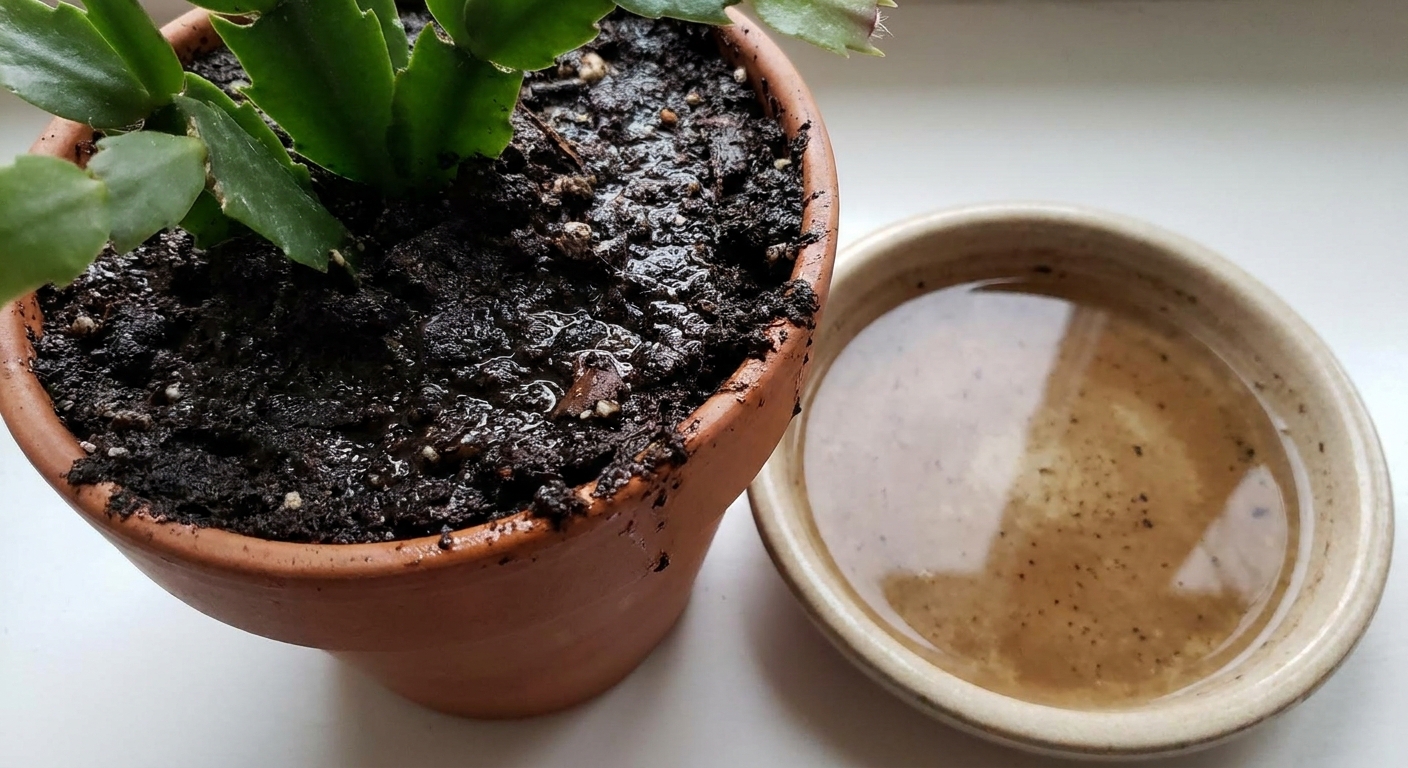
3) Overwatering and poor drainage
This is the classic. Holiday cacti are not desert cacti. They are epiphytic, forest plants that like steady moisture but hate sitting in waterlogged soil. When roots cannot breathe, the plant will often abort buds first.
- Soil stays wet for many days.
- Pot feels heavy and cool.
- Segments may look a bit translucent or overly soft.
What to do: Use this as a starting point: water when the top 1 to 2 inches of mix feels dry. Then water thoroughly and let excess drain fully. For small pots, that “dry zone” can happen fast. For large pots or dense mixes, it can stay wet longer than you think, so always check with a finger or wooden skewer near the root zone. Never let the pot sit in a saucer of water.
4) Underwatering during bud development
On the flip side, if the plant dries out too hard while buds are forming, it may drop buds to conserve moisture. This is especially common in winter when indoor heat runs dry.
What to do: Aim for lightly moist, not wet. If the pot dries out quickly, check whether it is rootbound or sitting near a heat source. You can also raise humidity a bit (more on that below).
5) Root stress: compacted soil, rot, or being rootbound
Buds require energy and steady water flow. If roots are stressed, bud drop is a common “triage” response.
- Root rot often follows chronic overwatering, dense soil, or no drainage holes.
- Rootbound plants can dry too fast and struggle to support a heavy bud set.
- Salt buildup from heavy fertilizing can burn roots, especially in winter.
Quick moisture clue: wrinkled segments plus a dry mix usually points to dehydration. Limp or translucent segments plus a wet mix points to overwatering or root trouble.
What to do: If you suspect root trouble, slide the plant from the pot and take a quick look. Healthy roots are usually pale and firm. Rotten roots are brown, black, or mushy and may smell off.
- If roots look healthy but crowded, wait to repot until after blooming.
- If you see rot, remove affected roots, let cuts dry briefly, and repot into a fresh, airy mix in a pot with drainage.
- Flush salts occasionally by watering thoroughly and letting lots of water drain out, but only when the plant actually needs watering.
6) Repotting at the wrong time
Repotting is a shock, even when you do it gently. If you repot while buds are forming or opening, the plant may drop buds because it is busy repairing roots and rebalancing moisture.
What to do: Repot after flowering, ideally in late winter to spring. Christmas cactus actually blooms best when slightly snug in its pot, so do not size up too aggressively.
7) Ethylene gas, smoke, and combustion fumes
This one surprises people. Ethylene is a natural plant hormone released by ripening fruit, and it can trigger bud and flower drop in sensitive houseplants. Smoke is also stressful, and poorly vented combustion fumes (from some gas appliances) can irritate plants and contribute to overall stress.
What to do: Keep blooming plants away from:
- Fruit bowls, especially apples and bananas
- Smoking areas
- Fireplaces and any unvented or poorly vented combustion source
8) Low humidity
Holiday cacti are native to humid forests, not dry deserts. Winter air indoors can be very dry, and buds can shrivel before opening.
What to do:
- Group plants together.
- Run a small humidifier nearby.
- Use a pebble tray with water, making sure the pot sits above the waterline, not in it.
- Avoid keeping buds and flowers wet for long periods, and aim for decent airflow.
9) Pests that target buds
Pests are less common than environmental triggers, but they are worth checking because they can cause buds to deform, dry, or drop.
- Thrips can scar buds and petals. On open flowers, damage often looks like streaking or papery spots.
- Spider mites thrive in dry air and can weaken the plant.
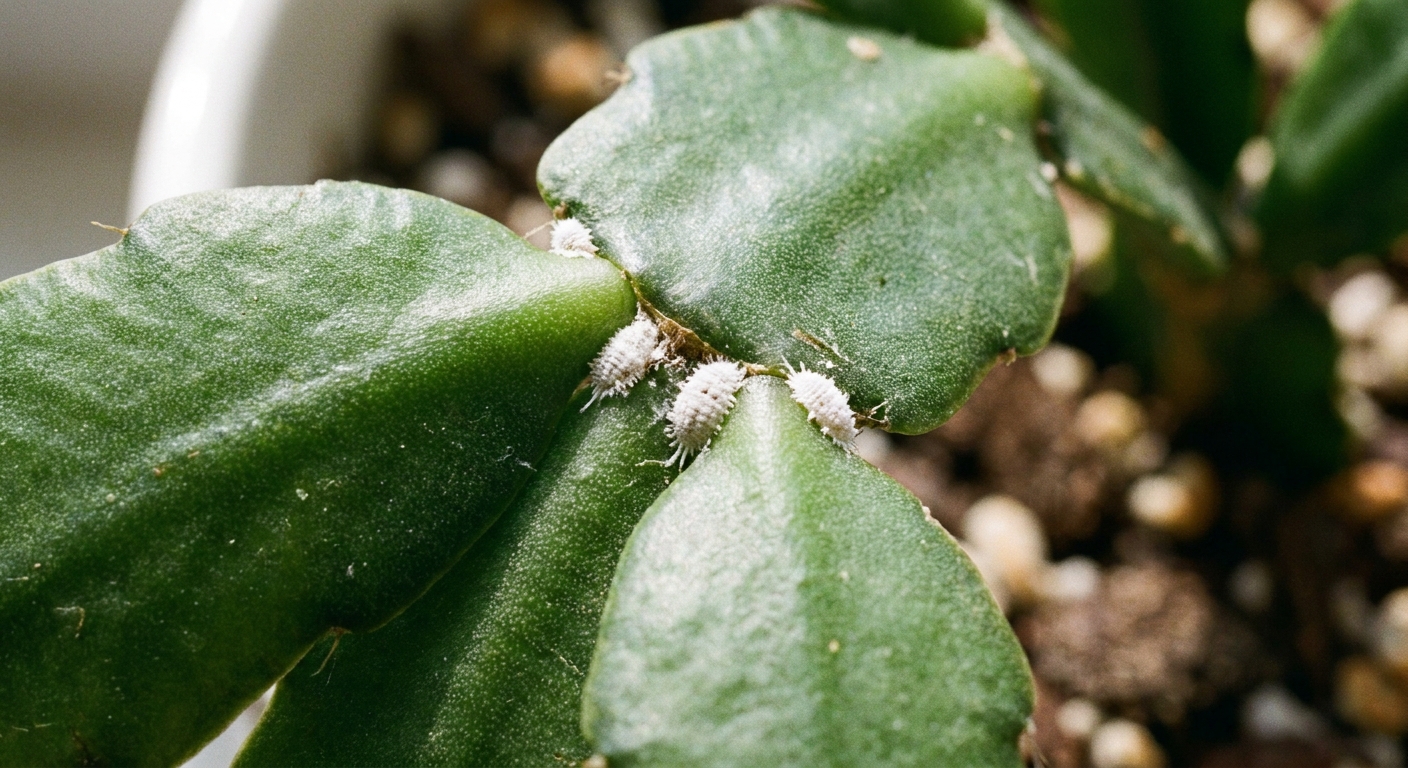
- Mealybugs hide in joints and along the midrib of segments, draining sap.
- Scale is less common, but can show up as small, immobile bumps on stems.
What to do: Inspect buds and stem joints with a flashlight. Look for tiny moving specks, cottony clusters, fine webbing, or stuck-on bumps.
- Rinse the plant in the sink with lukewarm water.
- Spot treat with insecticidal soap or horticultural oil, following label directions and keeping the plant out of direct sun while treated.
- Isolate the plant until pests are gone.
10) Night light during bud set
This is more about prevention than emergency triage, but it matters. Holiday cacti typically set buds with longer nights and slightly cooler conditions. Bright indoor lights late at night (especially right next to the plant) can disrupt bud development, and stressed buds are more likely to drop.
What to do: During bud set, give the plant genuinely dark nights. A nearby lamp on until midnight can be enough to throw it off.
Quick fix checklist
If your cactus is actively dropping buds right now, do this in order. These steps are gentle and designed to stabilize conditions quickly.
- Stop moving the plant. Pick a bright, indirect light spot and keep it there.
- Check for drafts. Move it at least a few feet away from doors, windows, and vents.
- Assess moisture. If the mix is wet well below the surface, pause watering. If it is dry and the pot feels light, water thoroughly once and drain well.
- Raise humidity modestly. Aim for comfortable indoor humidity, especially if heat is running constantly.
- Scan for pests. Treat promptly if you see evidence.
Then give it a week. A little bud drop after a disruption is common, but once conditions are steady, the remaining buds often hold and open.
Care while budding and blooming
Water
During bud set and bloom, keep the mix evenly moist, but never saturated. Most homes land on watering every 7 to 14 days, but always go by the soil, the pot size, and how quickly your mix dries, not the calendar.
Light
Bright, indirect light is the sweet spot. Too little light can weaken blooms, and too much direct sun can stress buds and warm the plant unevenly.
Temperature
Stability matters more than perfection. If you can keep the plant away from sudden cold or heat, you have already solved a huge chunk of bud blast.
Fertilizer
Skip fertilizer while the plant is budding and blooming. Feeding at the wrong time can add salt stress or push leafy growth over flowers. Resume after flowering with a balanced houseplant fertilizer (or one slightly higher in potassium) at quarter to half strength during active growth.
Repot and prune timing
If your plant is overdue for fresh mix, the best time to repot is after flowering. Choose a pot only 1 to 2 inches wider, with drainage holes.
Use an airy mix that drains well, such as a blend of quality potting soil with added perlite and fine bark. You want something that holds moisture but still breathes.
Prune by gently twisting off a few segments per stem after blooming if you want a fuller plant. Those segments can be rooted into new plants, which is one of my favorite low-stakes gardening joys.
FAQ
Will dropped buds grow back this season?
Usually, dropped buds do not regenerate immediately. The plant may open remaining buds if conditions stabilize, but new buds typically wait for the next bloom cycle.
Should I mist my Christmas cactus to stop bud drop?
Misting can help briefly, but it is inconsistent and can encourage spotting if done heavily in cool rooms. A humidifier or pebble tray is more reliable.
Is bud drop normal after bringing it home?
Yes. The sudden change in temperature, light, and humidity can cause a little bud blast. Treat your plant like it just had a long trip and needs a calm, steady landing zone.
A final gentle reminder
If you are feeling discouraged, you are in good company. Even experienced gardeners lose buds sometimes. Holiday cacti are a little like sensitive artists. They bloom best when their world is calm, consistent, and just slightly humid. Settle the basics, resist the urge to fuss, and let the plant do what it has been practicing for decades.