
Why Canna Lilies Are Not Blooming

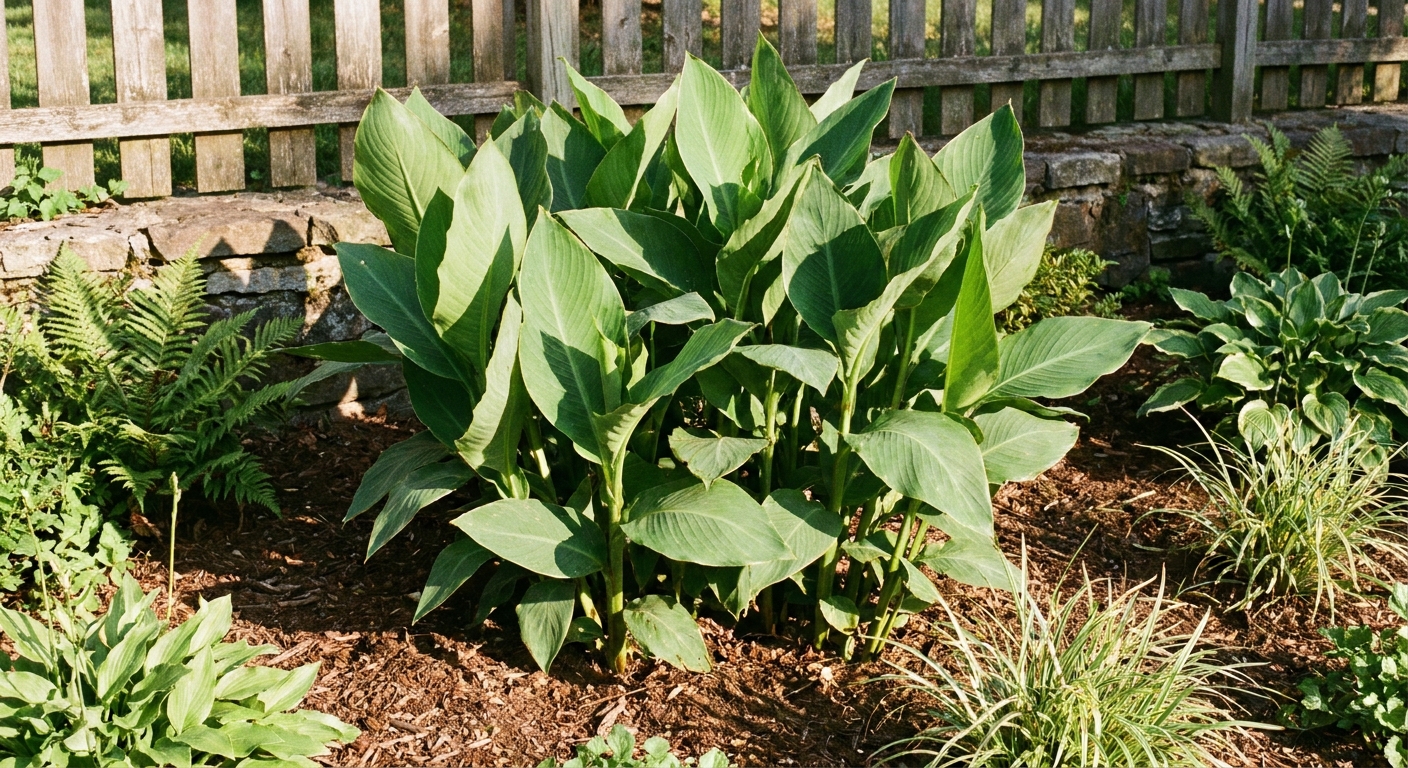
I have a soft spot for cannas. They are the loud, tropical friends of the summer garden, the ones that make even a plain fence line look like a resort. So when a canna clump gives you gorgeous leaves but zero blooms, it feels personal. The good news is that “all foliage, no flowers” is usually a solvable problem once you know what cannas are quietly asking for.
This page is my quick diagnosis for cannas that look healthy and are growing, but are not flowering. We will start with the biggest culprits first, then move into a few quick side checks.

First, confirm what “not blooming” means
Cannas bloom on upright flower stalks that rise above the leaves. If you are seeing plenty of leaves but:
- No flower stalks at all, the plant is not initiating blooms.
- Stalks form but buds abort, the plant is stressed or something is physically damaging the growing point.
- Blooms appeared once, then stopped, it may be a spent stalk issue, crowding, or a nutrition imbalance.
Keep that in mind as you work through the checklist below. The fix depends on where the process is failing.
Cause #1: Too much shade
Cannas will grow leaves in surprisingly low light, which is why shade problems can be sneaky. But flowering takes real energy. Most cannas bloom best in full sun.
What to look for
- Plants are tall, leafy, and a bit stretched or leaning toward light.
- Lots of lush green growth, but the clump looks “soft” rather than sturdy.
- They get morning sun only, or dappled light under a tree canopy.
How to fix it
- Aim for 6 to 8 hours of direct sun for the most reliable flowering. In very hot climates, a little afternoon shade can be fine, but consistent bright light still matters.
- If you cannot move the plant, thin overhead branches or nearby plants that are shading it.
- For container cannas, simply roll the pot into brighter light and watch what happens over the next few weeks.
Clara note from the dirt: If your canna gets 3 to 4 hours of sun and looks like a supermodel, it still is often not enough for flowers. Leaves are cheap. Blooms are expensive.
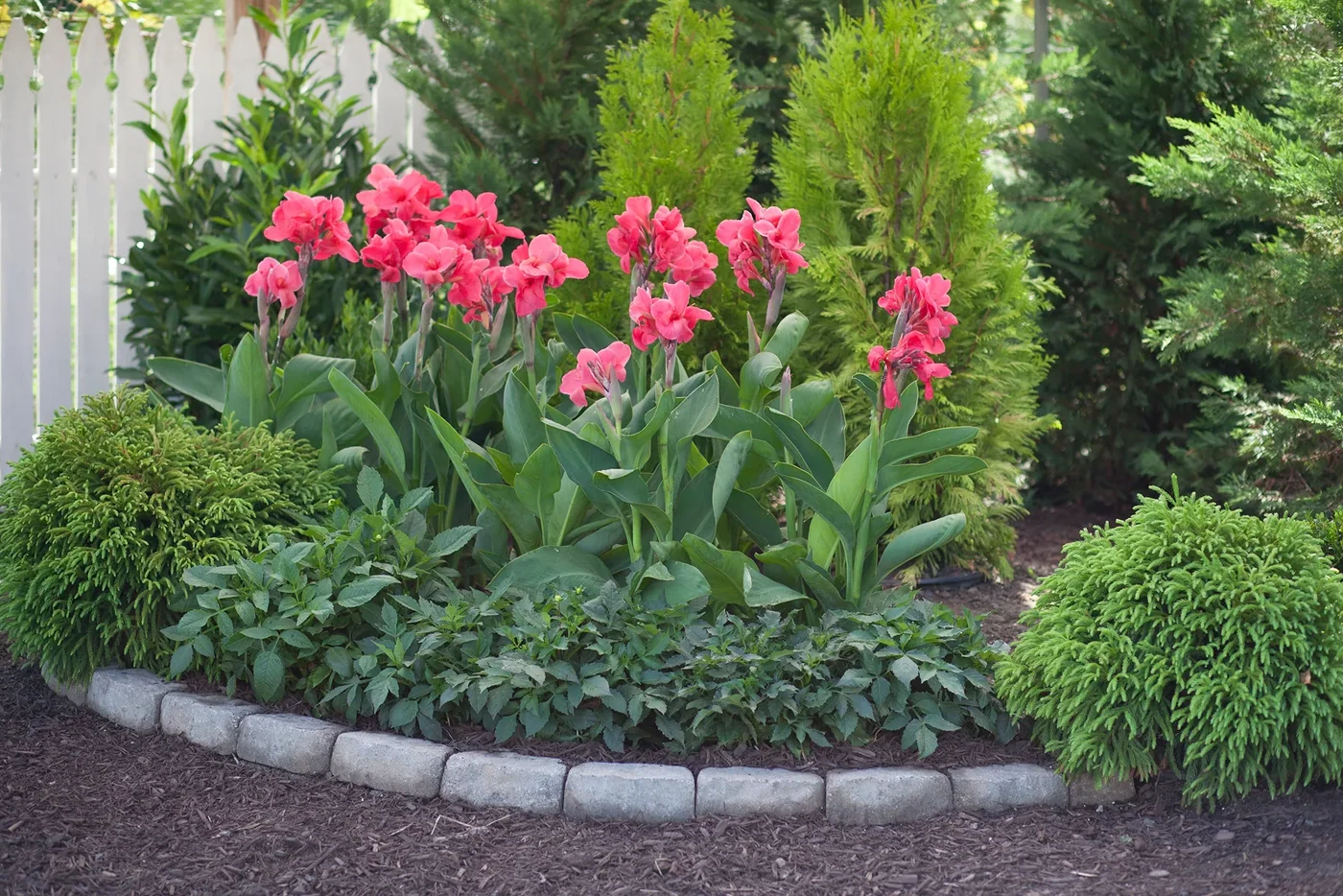
Cause #2: Excess nitrogen
Nitrogen pushes leafy growth. That is wonderful for lettuce. For cannas, too much nitrogen can mean a green explosion with very few flowers.
Common ways this happens
- You used a high nitrogen lawn fertilizer nearby and it washed into the bed.
- You fed with a fertilizer where the first number is high, like 30-0-0 or a lawn-leaning blend.
- The bed is regularly amended with unfinished manure or heavy manure-based amendments that are still “hot.” (Finished compost is usually gentler.)
How to fix it
- Stop high nitrogen feeding for now.
- Switch to a bloom-leaning fertilizer with lower nitrogen and adequate potassium, such as something in the range of 5-10-10 or 4-6-8.
- Go easy on phosphorus unless a soil test suggests you need it. More phosphorus is not automatically more flowers.
- If you prefer organic, use slow-release options and go lightly. Cannas respond better to steady, moderate feeding than big blasts.
- Water after feeding so nutrients move into the root zone rather than sitting hot near the surface.
If your canna is already huge, do not overcorrect with heavy phosphorus. Just stop pushing nitrogen and give the plant time to rebalance.

Cause #3: Crowded rhizomes
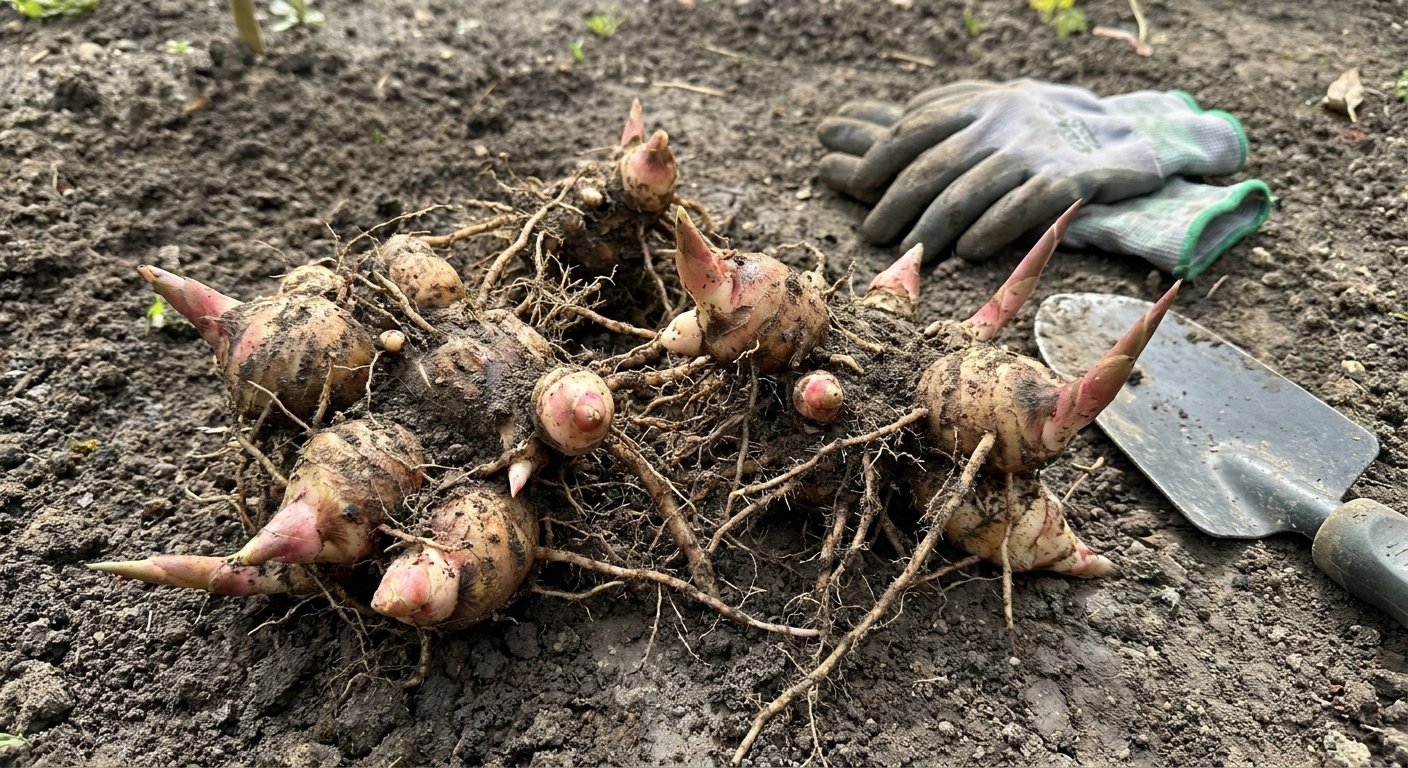
Cannas grow from rhizomes, and they multiply enthusiastically. A crowded clump can put energy into producing more shoots and leaves, while flowering slows down. Crowding can also reduce airflow and light into the center of the plant, which does not help.
Signs your cannas are overcrowded
- The clump is very dense, with many thin stems.
- New growth is strongest around the edges, while the center looks tired.
- Flowering has decreased each year even though the plant looks healthy.
How to fix it
Divide the clump. Timing depends on your climate:
- Warm climates where cannas stay in the ground: divide in late winter to early spring, just as new growth starts.
- Cold winter climates where you dig rhizomes: divide in spring when you replant, or in fall at dig time if that is easier.
When dividing, keep sections with at least one to three healthy “eyes” or growing points. Replant with room to expand. Crowding is a slow-burn problem, so do not expect an overnight change, but many gardeners see blooms improve the very next season.
Cause #4: Late planting or cool start
Cannas are heat lovers. If they went into cold soil, or were planted late, they may spend a big chunk of the season just building roots and leaves. Flowering can arrive late, or not at all before the weather shifts. Cool summers and cool nights can also slow the whole timeline even when the plant looks healthy.
What to look for
- Planted outdoors before nights were reliably warm.
- Rhizomes started late in the season or were slow to sprout.
- In cooler regions, the plant looks great by late summer but frost arrives before it blooms.
How to fix it
- Next season, wait for warm soil or pre-sprout rhizomes indoors a few weeks before planting out.
- Choose a faster-blooming cultivar if you garden with a short summer.
- In containers, use a dark pot in full sun to warm the root zone faster, and protect the pot from cold spring nights if needed.
Cause #5: Short season or shy variety
Some cannas bloom earlier than others. In regions with cooler summers or early fall frost, a late-blooming variety can be all leaf and no fireworks. Also, a small but real possibility: some ornamental cannas are grown primarily for foliage and may bloom sparsely even when they are perfectly happy.
How to tell
- Your cannas are vigorous, pest-free, and in good sun, but buds simply never show up before fall.
- Neighbors with cannas may bloom, but they have a different variety or start theirs earlier.
How to fix it
- Start earlier by potting rhizomes indoors, then transplant once warm weather settles.
- Plant in the warmest microclimate you have, like near a south-facing wall that reflects heat.
- Pick earlier bloomers for next year, and treat your current clump as foliage drama if it never quite gets to the flower phase in your climate.
There is no shame in growing cannas for leaves alone. I do it on purpose in one shady corner. But if you want flowers, you may need to match the variety to your summer length.
Quick side checks
If your light, feeding, spacing, and timing all look good, do these quick inspections. They are not the usual cause of no blooms, but they can tip a healthy plant into “not today.”
Moisture and drainage problems
Cannas like consistent moisture, but there is a difference between “evenly moist” and “stressed.” Both drought stress and soggy roots can cut bloom production.
- Too dry: leaf edges crisping, curling, or a plant that droops daily even after watering. Deep watering and mulch help stabilize moisture.
- Too wet: soil that stays swampy, a sour smell, yellowing leaves, or slowed growth. Improve drainage, avoid constant saturation, and consider raising the bed if needed.
Spent stalks (one flush, then nothing)
Each canna flower stalk is a one-and-done performer. After it finishes, the plant moves on to new shoots and new stalks.
- Once a stalk is done flowering, cut it down to the foliage line. This keeps things tidy and encourages the plant to put energy into the next round.
Leaf-roller damage
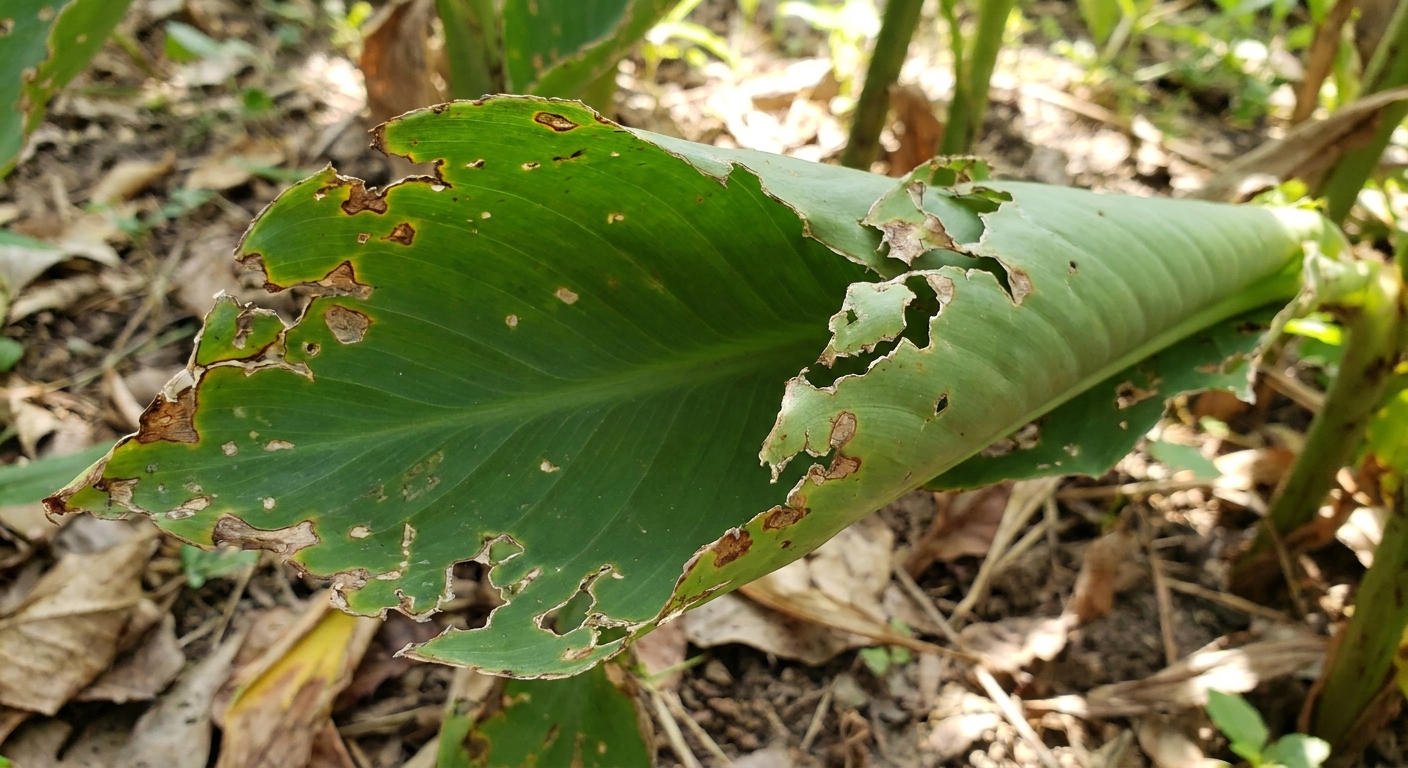
Canna leaf rollers are caterpillars that stitch and roll leaves into tight tubes. Usually you notice the leaf damage first, but heavy infestations can stress the plant and interfere with normal growth.
- Look for rolled or tightly folded leaves with webbing or frass inside.
- Unroll a damaged leaf and remove any caterpillar you find.
- Clip and discard badly affected leaves to reduce the population.
- If the problem is persistent, products containing Bt (Bacillus thuringiensis) or spinosad can help when used according to the label and timed for young caterpillars.
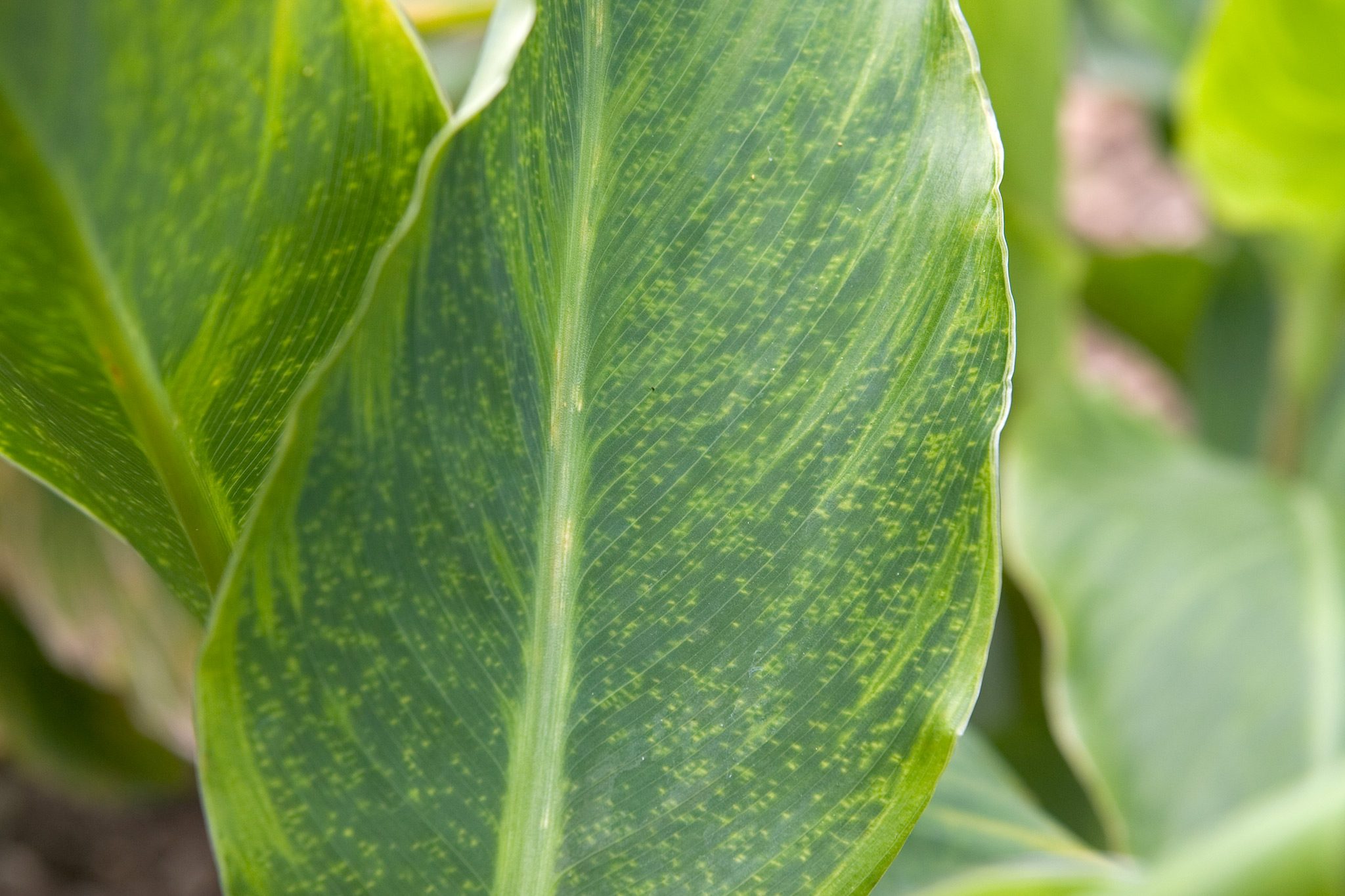
Virus-like symptoms
If leaves show mottled streaking, mosaic patterns, distortion, or stunting along with weak growth and poor flowering, consider a virus issue. There is no cure for viral diseases in cannas. The best move is usually to remove and discard the affected plant (do not compost it), then replant with clean stock.
Winter storage or cold injury
If you dig and store rhizomes over winter, poor storage can weaken them even if they sprout.
- Rhizomes that shrivel badly may produce foliage but lack the energy reserves to bloom well.
- Rhizomes that partly rot can still send up shoots, but flowering suffers.
If this sounds familiar, be gentler next winter: store rhizomes cool, dry, and breathable, and avoid sealing them in airtight plastic where moisture can build up.
What to do this week
If you want a straightforward plan without overthinking it, here is what I would do in order:
- Track sun for one day. If it is under about 6 hours, move or brighten the spot if possible.
- Stop high nitrogen. If you have been feeding often, pause for a few weeks.
- Water consistently and deeply. Cannas love moisture, but in fast-draining soil or containers, little daily sips can leave roots shallow and stressed in heat. Aim for a thorough soak, then let the top inch or two dry slightly before the next deep watering.
- Check drainage. If water sits, fix the sogginess first. Flowers rarely come from unhappy roots.
- Check crowding. If the clump is a tight mass, plan to divide at the next appropriate season for your climate.
- Be patient with timing. If you planted late or had a cool spring, give the plant time, then adjust next year by starting earlier.
FAQ
Will my canna lilies bloom again if they did not bloom this year?
Usually, yes. Cannas are resilient. When the cause is shade, excess nitrogen, late planting, cool conditions, or crowding, correcting the condition often restores blooming the next season, and sometimes later in the same season if warmth and light improve.
Do I need to deadhead cannas to get more flowers?
Deadheading does not usually cause the first bloom, but it helps encourage continued flowering. Once a flower stalk finishes, cut that stalk down to the foliage line so the plant can redirect energy into new growth and new stalks.
My cannas are huge. Should I fertilize more to make them bloom?
Not necessarily. If they are huge and leafy, more fertilizer, especially nitrogen, can make the problem worse. Focus on sun first, then use a moderate bloom-friendly feed if needed.
How long does it take for cannas to bloom after planting rhizomes?
In warm conditions, cannas often bloom about 8 to 14 weeks after planting, but it varies by variety and climate. Cool springs, cool nights, and late planting can push bloom time much later.
Are canna lilies true lilies?
No. “Canna lily” is a common name, but cannas are not true lilies. They are tropical-looking perennials grown from rhizomes, valued for both bold foliage and summer flowers.
When to start fresh
If your canna clump has been in the same spot for years, gets less than half a day of sun, and you have been feeding it like a lawn, you might be trying to coax flowers out of a situation that is built for leaves. Moving it to full sun and dividing it is often the turning point. If you cannot do either, consider enjoying it as a foliage plant and adding a separate flowering canna or another sun-loving bloomer somewhere brighter.
And if you want, tell me what your canna setup looks like: how many hours of sun, what you have been feeding, whether it is in ground or a pot, and what your summers are like. Cannas give very specific clues once you know how to read them.