
What Is the Fuzzy Mold on My Pansy Flowers?

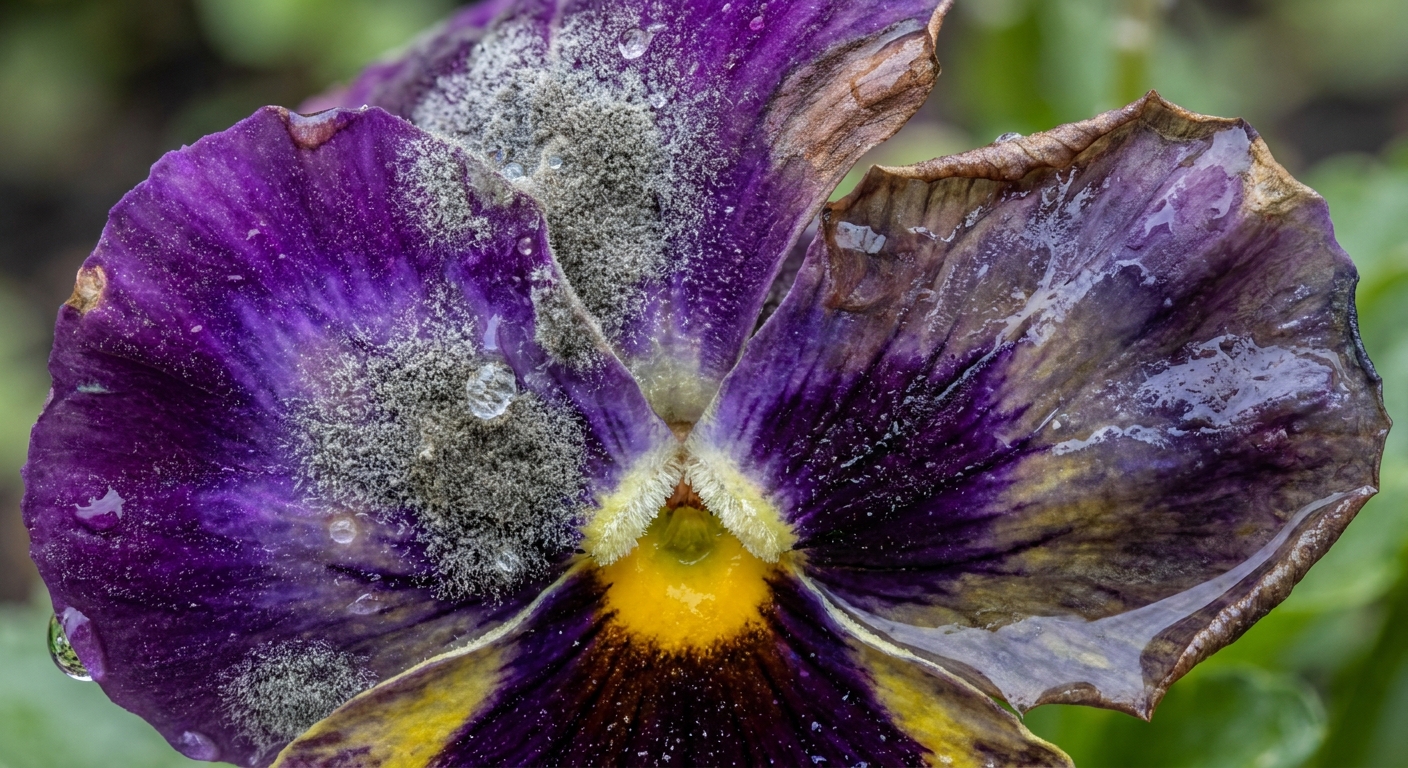
The first time I saw it on my own pansies, I thought a curious neighborhood cat had somehow dusted my flowers with lint. The blooms looked fuzzy, almost velvety in the worst way, and they collapsed into mush right after a rainy stretch. If your pansy flowers are growing a gray, fuzzy coating during cool, wet weather, you are very likely dealing with botrytis, also called gray mold.
The good news is that you can often turn it around with a little cleanup and a few habit tweaks, especially if you catch it early. Pansies are tough little optimists, but they do not love soggy petals and poor airflow.

What that fuzz usually is: Botrytis (gray mold)
Botrytis cinerea is a very common fungus that shows up when conditions are just right for it, especially cool temperatures, high humidity, and long periods of wet flowers. Pansies often bloom through shoulder seasons, which is exactly when botrytis likes to party.
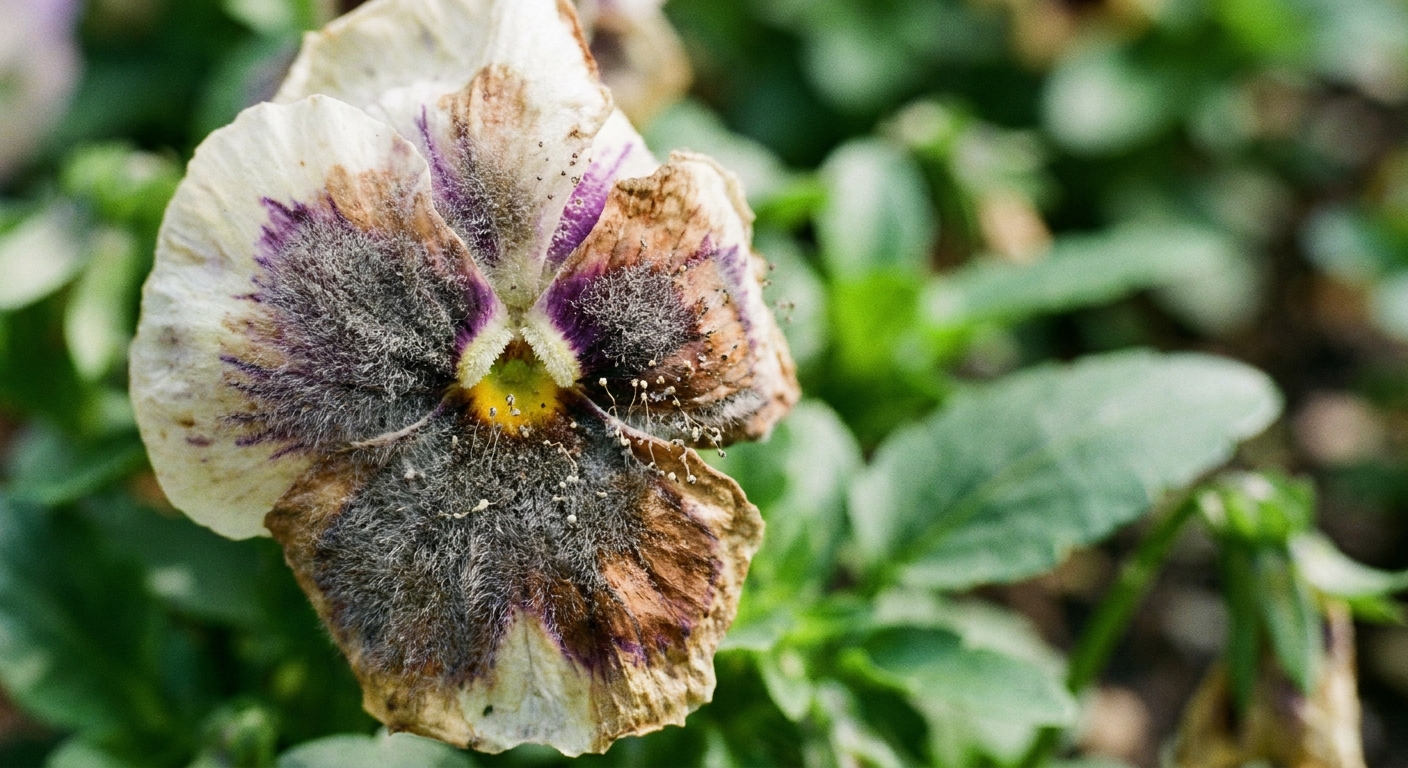
Classic signs on pansy blooms
- Gray to brown fuzzy coating on petals, buds, or spent blooms
- Water-soaked spots that quickly turn tan or brown
- Blooms collapsing into mush, especially after rain or heavy dew
- Bud blast, where buds shrivel and fail to open
Botrytis frequently starts on older blossoms or damaged petals, then spreads when everything stays damp. Spores can hitch a ride on splashing water, wind, hands, and tools, but the bigger truth is that botrytis spores are common in the environment. Outbreaks happen when wet, cool conditions and dying plant tissue line up.
What to remove (and what to leave alone)
When gray mold hits, the fastest fix is simple: remove what is infected so the fungus loses its foothold.
Remove these parts right away
- All moldy flowers, even if only one petal is affected
- Spent blooms that are sticking to the plant (botrytis loves dying tissue)
- Mushy buds or buds with brown tips
- Leaves with soft, brown rot, especially where leaves touch each other or the soil
How to deadhead for botrytis control
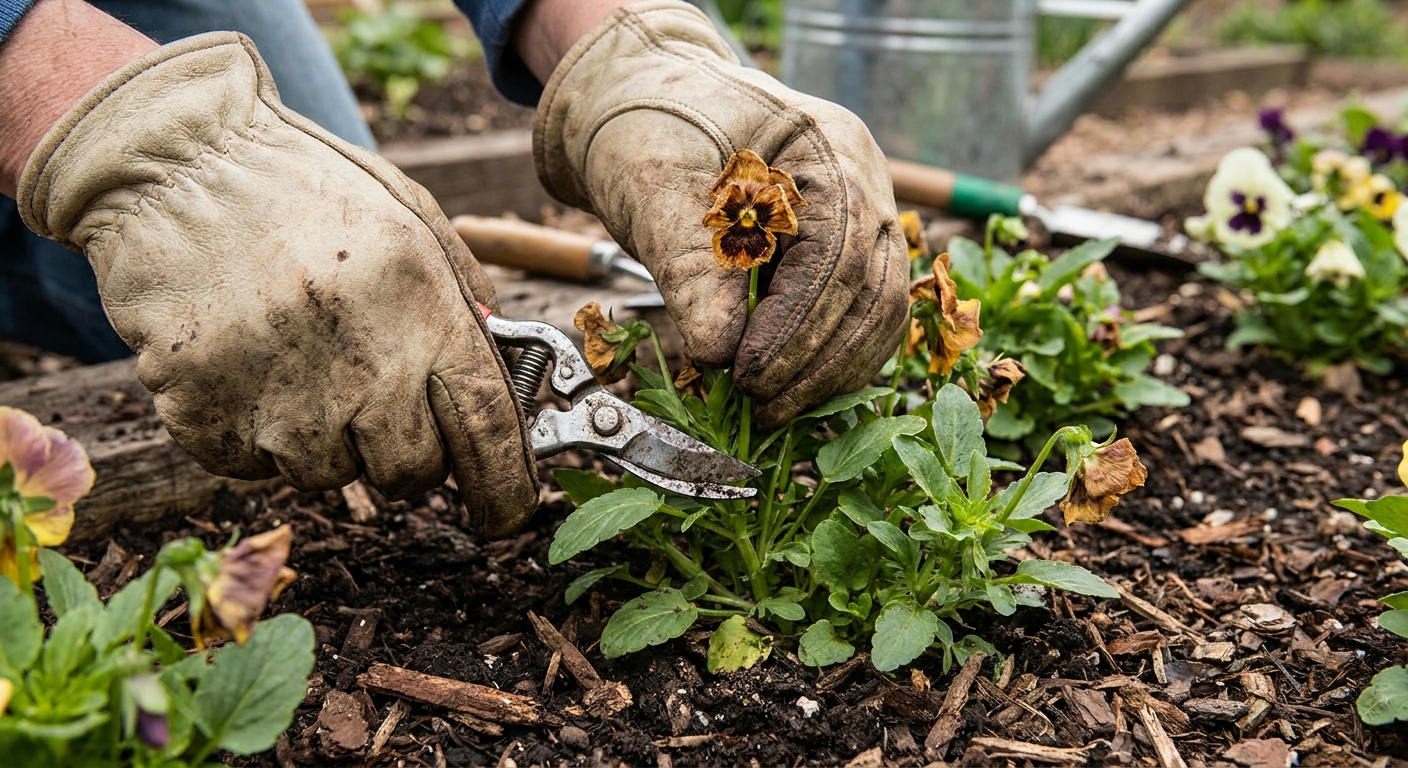
Instead of pinching just the petals, I like to remove the whole flower stem down to where it meets the plant. Use clean snips and make a neat cut so you are not leaving a stub that stays wet.
- Snip infected blooms before you water.
- Cut below the flower head, taking the short stem with it.
- If mold has crept into the base of a flower stem, cut back to healthy, firm tissue.
If you are working through a patch where several plants are infected, it is worth doing one extra thing: wipe or disinfect your snips between plants so you are not moving spores around as you prune.
Do not compost moldy blooms unless your compost gets reliably hot. Most home piles do not heat evenly all the way through, so it is safer to bag and trash them so you are not saving spores for later.
Why botrytis shows up during cool, wet spells
Botrytis takes off when there is moisture, cool temps, and enough time for petals to stay wet. It also loves having a little snack available, like aging blossoms, bruised petals, or other damaged tissue. Cool weather slows evaporation, and thick plantings hold humidity like a little tent. Add rain or overhead watering, and flowers can stay wet long enough for spores to germinate.
Common garden triggers
- Overcrowded pansies with leaves and blooms touching
- Containers packed tightly against a wall with little breeze
- Watering late in the day so plants stay wet overnight
- Old flowers left on the plant
- Mulch or soil splashing onto blooms during rain
Fix it fast: Airflow, spacing, and smarter watering
If you do three things, most mild botrytis outbreaks calm down: clean up, dry out, and increase air movement. In a long, wet stretch, you may still see flare-ups until weather improves, but these steps keep it from snowballing.
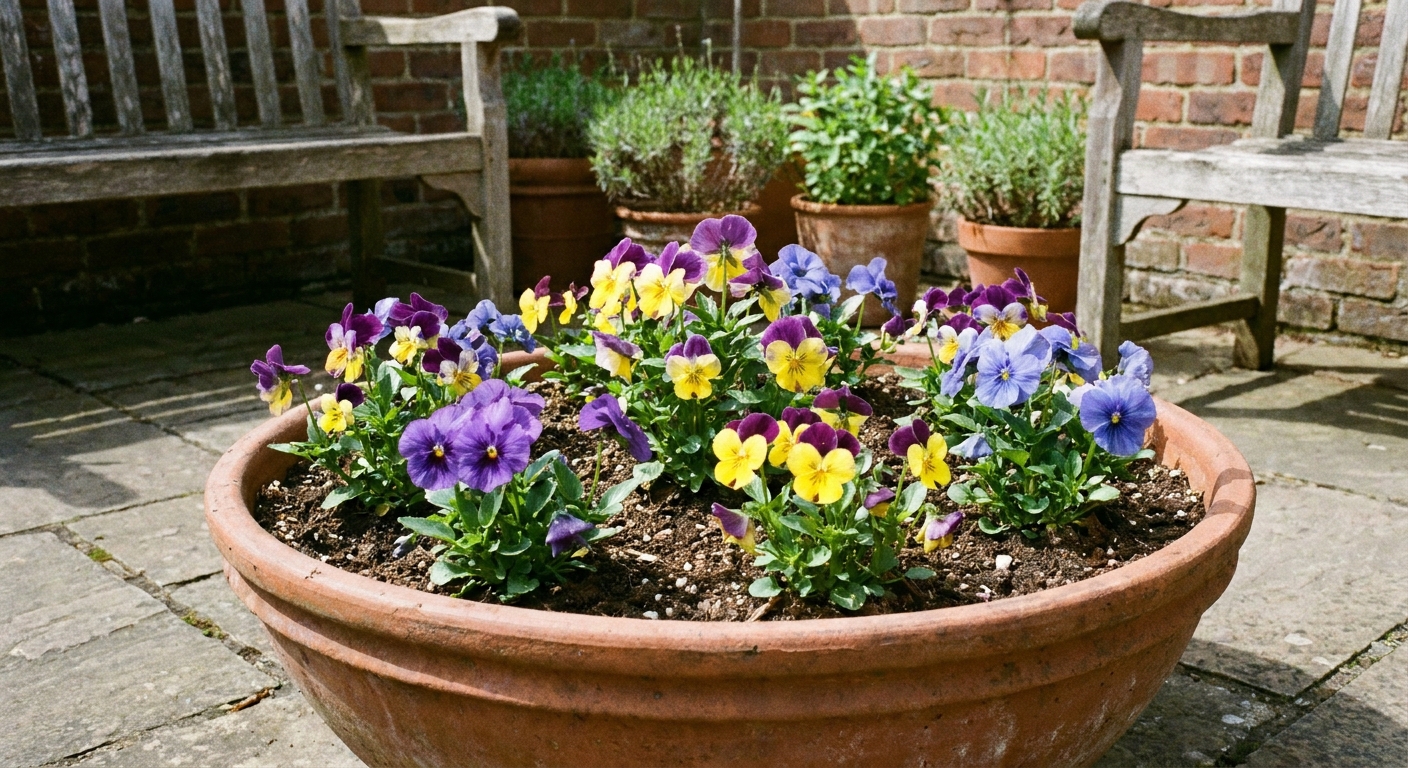
1) Give pansies breathing room
Pansies look adorable when they knit together into a quilt, but botrytis loves that quilt. If your plants are crowded:
- Thin the worst affected plants to create gaps.
- Re-space new plantings so mature plants will not overlap constantly.
- In containers, avoid stuffing pansies shoulder-to-shoulder with taller plants that block breezes.
2) Water at the right time and in the right place
Botrytis is less likely when petals and leaves dry quickly.
- Water in the morning so foliage dries with the day.
- Water the soil, not the flowers. Aim the spout at the base of the plant.
- If you use sprinklers, consider switching to drip irrigation or a gentle hose at soil level during wet seasons.
3) Keep blooms off soggy surfaces
Flowers that rest on wet mulch or muddy soil are easy targets.
- Refresh mulch if it is matted and holding moisture.
- In containers, make sure plants are not sitting in saucers of water.
- Check drainage holes and empty catch trays after rain.
One simple prevention move is placement. If you can, give pansies a spot with a bit more sun and breeze, especially in spring and fall. A bright, airy location helps blooms dry faster after dew and rain.
Not botrytis? Quick look-alikes
Gray fuzz plus mushy blooms during damp weather screams botrytis, but a couple of issues can confuse the picture.
- Powdery mildew: Usually looks like a dry white or gray powder, more often on leaves than on petals. It is not typically slimy or mushy.
- Frost damage: Can turn blooms limp and translucent after a cold snap, but you will not see the fuzzy gray mold growth.
- Thrips and other flower pests: Can cause distorted petals and brown streaking. Damage is often worst on new growth, and you might see tiny insects or black specks of frass.
If you are unsure, remove the worst blooms and improve airflow anyway. Those steps help no matter what the culprit is.
Botrytis vs heat stress
Pansies can look rough for two totally different reasons depending on the season. Botrytis is a cool and wet problem. Heat stress is a warm and dry or hot and sunny problem. They can both cause ugly blooms, but the clues are different.
Botrytis (gray mold) tends to look like:
- Gray, fuzzy growth on petals or buds
- Soft rot, mushy flowers
- Problems worsen after rain, fog, heavy dew, or prolonged cloudiness
Heat stress tends to look like:
- Faded color and smaller blooms
- Wilting in afternoon sun that improves at night
- Crispy edges or scorched petals, not fuzzy mold
- Plants slowing down or stopping flowering during hot spells
If your pansies are declining during a warm stretch and there is no fuzz, focus on afternoon shade, consistent moisture, and letting them rest. If you see fuzz plus mush during damp weather, treat it like botrytis and prioritize drying and cleanup.
Do I need to spray anything?
Most home pansy botrytis issues can be managed with sanitation and airflow. Sprays can help in persistent, high-pressure conditions, but they work best after you remove infected tissue.
If you choose to treat
- Look for products labeled for botrytis or gray mold and approved for ornamentals.
- Apply when conditions allow foliage to dry, and follow the label exactly.
- Rotate products by mode of action if you spray repeatedly, since botrytis can develop resistance.
If you are gardening organically, your best tools are still the basics: remove diseased blooms promptly, reduce leaf wetness, and increase airflow. Those steps remove the fungus’s favorite habitat instead of chasing it around.
Prevention checklist for the next wet spell
When I know a cool, rainy week is coming, this is what I do to keep pansies from turning fuzzy overnight.
- Deadhead twice a week, more if it is raining
- Remove fading blooms before they melt into the foliage
- Water early and only at soil level
- Space plants so leaves are not constantly touching
- Clean up plant debris on the soil surface
- Avoid overhead fertilizing or misting that keeps petals wet
When to start over
If botrytis has spread through the crown and you are seeing repeated mushy collapse even after cleanup, it can be kinder to pull the worst plants and replant with fresh starts once weather improves.
Also consider that pansies are often treated as seasonal color. If you are near the end of their best season and conditions are staying wet, replacing a few plants can be the simplest reset.
FAQ
Is botrytis dangerous to other flowers nearby?
It can be. Botrytis has a broad host range, and many ornamentals can develop gray mold when conditions are cool and damp. The best protection for nearby plants is fast cleanup and reducing how long flowers stay wet.
Will botrytis go away when the weather dries out?
Often, yes. When conditions turn sunnier and breezier, botrytis pressure drops. The key is to remove infected material so you are not left with a spore factory waiting for the next damp stretch.
My pansy leaves look fine, but the flowers keep molding. Why?
Petals are delicate and hold moisture, so blooms can be hit first. Leaves may look healthy while older flowers become infected, especially if spent blossoms are not removed promptly.
Can I just rinse the fuzz off?
I would not. Rinsing spreads spores and keeps the bloom wet longer. Snip the infected flowers off and discard them.