
Spanish Lavender Care

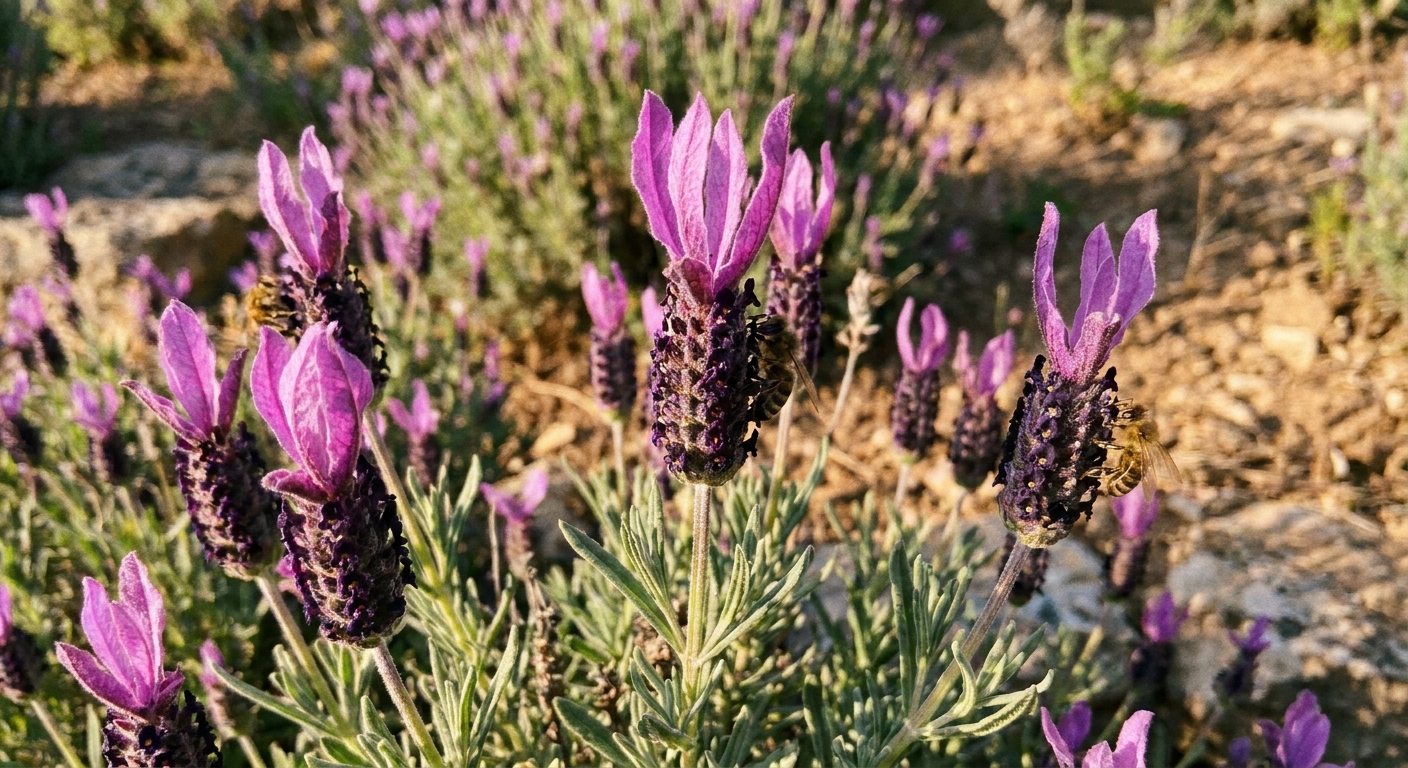
The first time I grew Spanish lavender, I kept walking past it like it was wearing a tiny hat. Those perky little “rabbit ears” on top of each bloom look almost too whimsical to be real. If you have one on a sunny porch or tucked into a dry border, you already know the charm. You might also know the heartbreak when winter shows up and this Mediterranean beauty decides it has limits.
Let’s get you confidently identifying Lavandula stoechas, then caring for it the way it actually wants to be treated, especially in summer and at pruning time. We will also talk honestly about where it survives outdoors and why cold is often the dealbreaker.

How to identify Spanish lavender
Spanish lavender is Lavandula stoechas. It is sometimes sold as “butterfly lavender,” too. The easiest way to identify it is to look at the top of the flower head.
What you are looking for
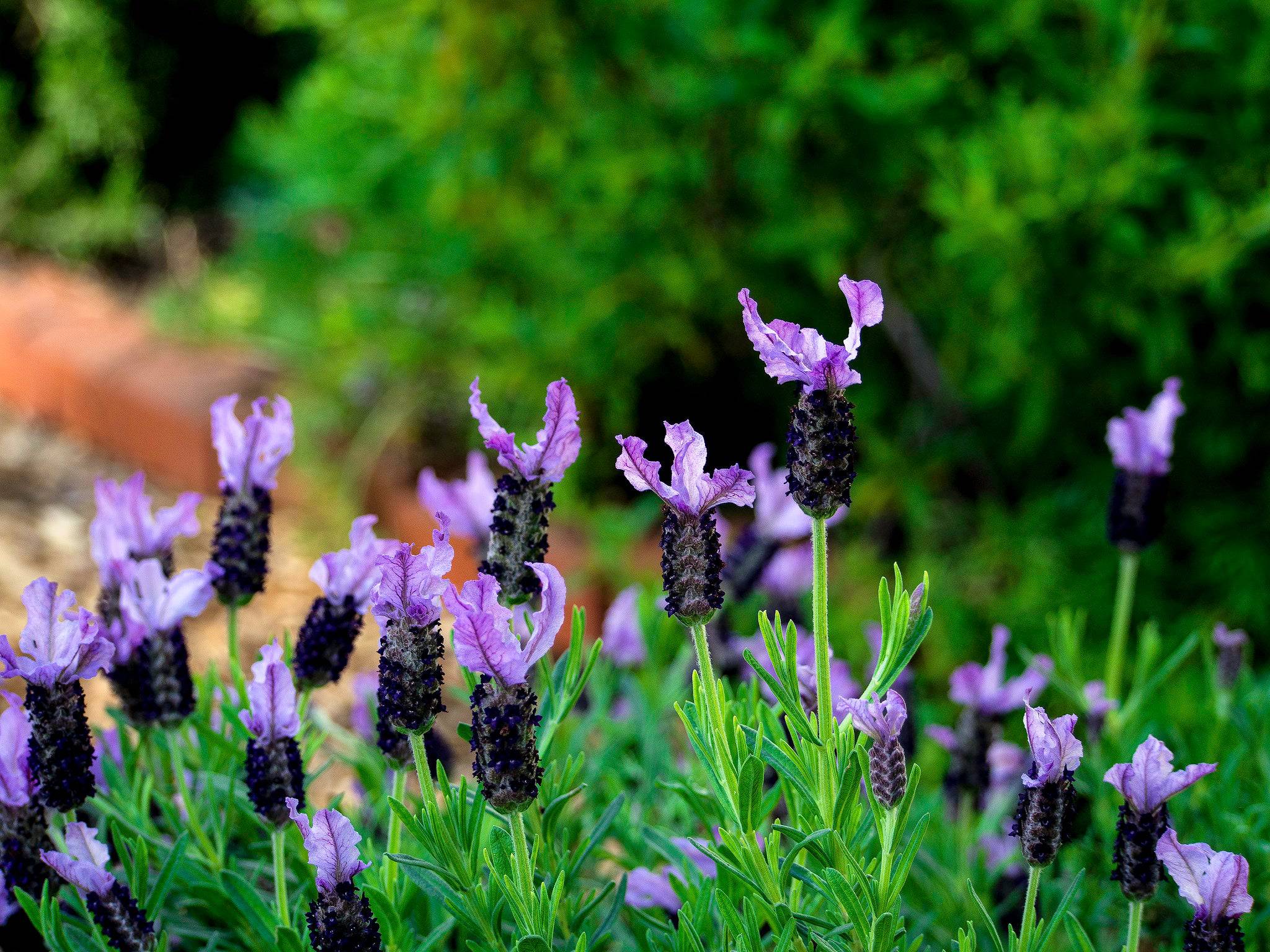
- Distinct bracts on top of the bloom: Two to several showy, petal-like flags that stick up like bunny ears.
- Pinecone-shaped flower head: The actual flowers are tiny and packed into a dark, textured head below the bracts.
- Long bloom season in mild climates: Often flowers in spring, and may repeat through summer with regular deadheading. In very hot or humid stretches, rebloom can slow down.
The bracts can be purple, pink, or creamy white depending on the cultivar, but the “ears” are the signature. If your lavender has classic long wands of evenly spaced florets and no ears, it is probably a different species.
Sun and airflow
If Spanish lavender struggles, it is usually not because you did not fertilize. It is usually because the plant is not getting enough sun and dryness around the crown.
- Full sun: Aim for 6 to 8+ hours of direct sunlight. In mild and coastal climates, all-day sun is perfect. In very hot inland climates, a touch of afternoon shade can help it look fresher.
- Airflow: Give it space from dense perennials. Good airflow helps prevent fungal issues and keeps foliage dry.
- Drainage above all: Spanish lavender hates sitting wet, especially at the base where stems meet soil.
Think “bright hillside somewhere around the Mediterranean Basin” and you are mentally in the right place.
Soil and drainage
If you want Spanish lavender to live a long, cheerful life, give it lean soil and fast drainage. Rich, moisture-holding soil is how you get lush growth and a short lifespan.
- Texture: Sandy or gravelly soil is ideal. Heavy clay is a challenge unless you change the planting setup.
- Planting method: Mound the planting area slightly or use a raised bed so water never pools at the crown.
- Amending for drainage: If your soil is sticky, mix in mineral grit like gravel, coarse sand, or pumice around the root zone. Go easy on compost right at the crown. Lavender likes “crumbly,” not “spongy.”
- pH: Neutral to slightly alkaline is usually a sweet spot, but drainage matters more than chasing a perfect number.
Summer watering
Spanish lavender is drought tolerant once established, but that does not mean it wants to be ignored forever, especially in containers or during heat waves. The goal is to water thoroughly, then let the soil dry down before the next drink.
What it does not love is frequent little sips. Light, shallow watering encourages shallow roots and keeps the crown area damp, which is exactly where problems start.
In the ground
- New plants (first 4 to 8 weeks): Water when the top couple inches of soil are dry. Keep it consistent while roots expand.
- Established plants: Water deeply, then wait. In many gardens, that can mean every 7 to 14 days in summer, depending on heat, wind, and soil type.
In pots
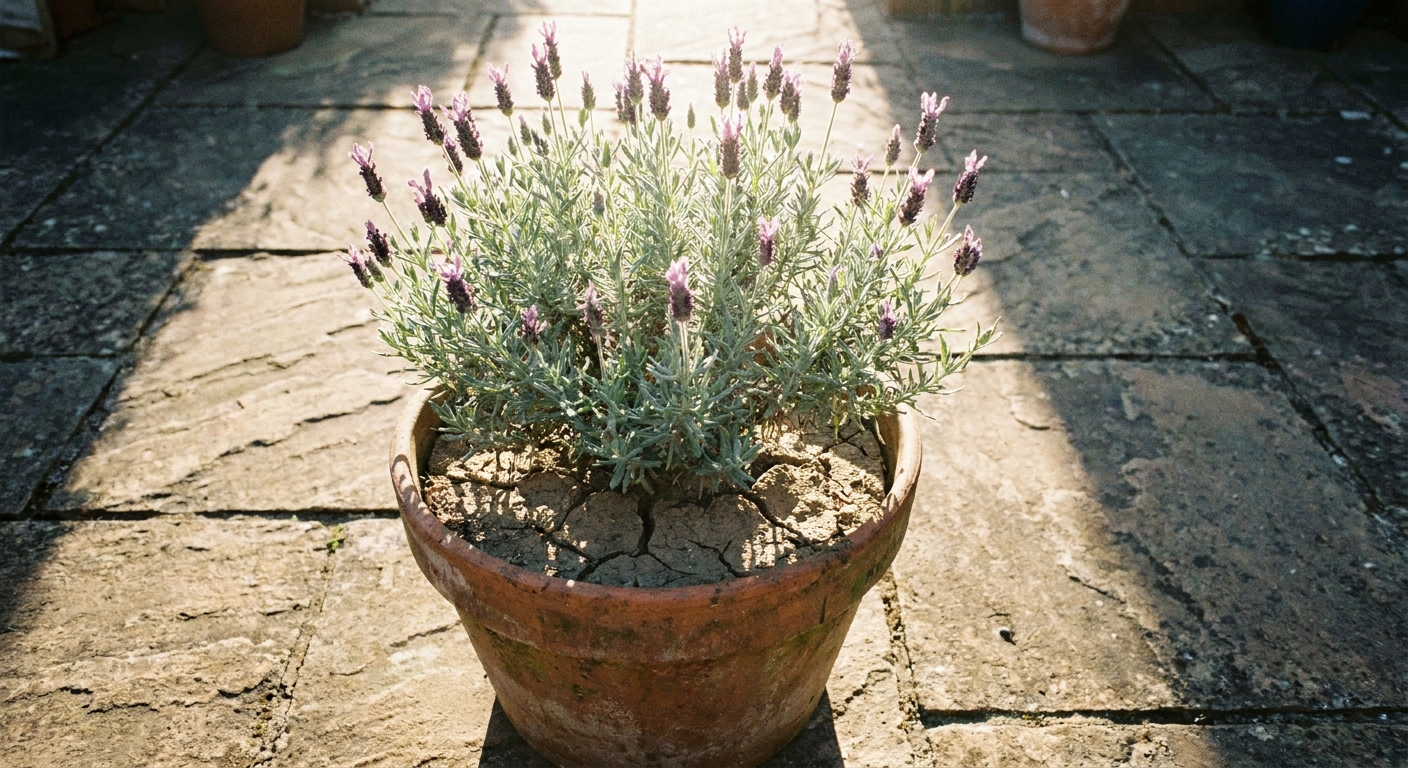
Potted Spanish lavender dries faster. In mid-summer, I check mine every couple of days.
- Water when the pot feels noticeably lighter and the top inch or two is dry.
- Water until it runs out the drainage holes, then let it drain fully.
- Saucers are fine if you empty them promptly. Do not let the pot sit in standing water.
How to tell you are overwatering
Overwatered lavender often looks like it needs more water, which can be misleading. Watch for:
- Yellowing leaves starting near the base
- Soft, darkening stems near the crown
- Sudden droop that does not perk up in the evening
- A musty smell at the soil surface
If you see those signs, pause watering and prioritize drainage and airflow. Lavender roots need oxygen as much as they need moisture.
Containers and potting mix
If you are growing Spanish lavender in a pot, the container choice does a lot of the “care” for you. My rule is simple: the pot must dry out predictably.
- Pot size: Choose a pot that fits the root ball with a little room to grow. Too large can stay wet for too long.
- Material: Terracotta breathes and helps the mix dry between waterings. Plastic works too, but you have to be more conservative with watering.
- Drainage: One big drainage hole is good. Several is better.
- Mix: Use a fast-draining blend. A cactus or succulent mix is a great base, and you can cut it with pumice or perlite for extra drainage.
Deadheading and pruning
This is where Spanish lavender gets misunderstood. Many gardeners have learned a classic routine for other lavenders: a stronger post-bloom trim to shape the mound and encourage fresh growth. With Spanish lavender, a heavy cut into older wood can backfire.
Deadheading
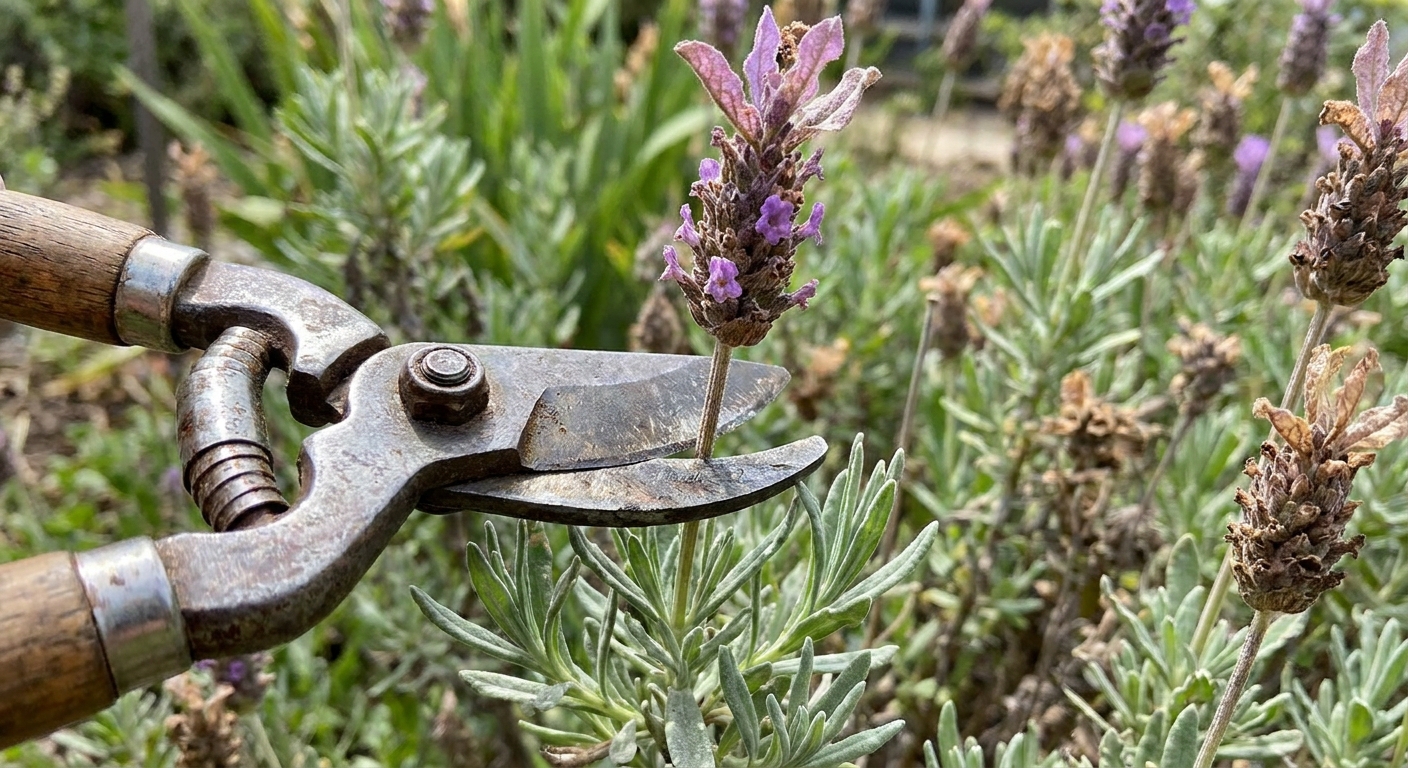
To keep flowers coming, deadhead regularly during the growing season.
- Follow the flower stalk down to where it meets leafy growth.
- Snip just above a set of leaves.
- Take a little foliage with the spent bloom if needed to keep the plant tidy, but avoid cutting into thick, bare, woody stems.
I like to do a quick “snip walk” once a week in peak season. It takes five minutes and keeps the plant looking like a neat little lavender fountain.
Seasonal shaping
After a big flush of blooms, you can lightly shape the plant, but keep it conservative.
- Do: trim back leggy green tips to maintain a rounded shape.
- Do: remove stray stems that flop outward.
- Do not: cut deeply into old wood that has no leaves, especially late in the season.
Timing
- During the bloom season: deadhead anytime.
- Late summer to fall: avoid major pruning. Tender new growth is more likely to suffer in cold snaps.
- Spring: wait until you see fresh growth starting, then clean up winter damage and shape lightly.
Fertilizer
Spanish lavender usually does best when you mostly leave it alone. If it is in the ground, you can often skip fertilizer entirely. If you do feed, keep it light and low-nitrogen in spring. Too much nitrogen pushes soft growth that flops and blooms less.
Cold hardiness and winter losses
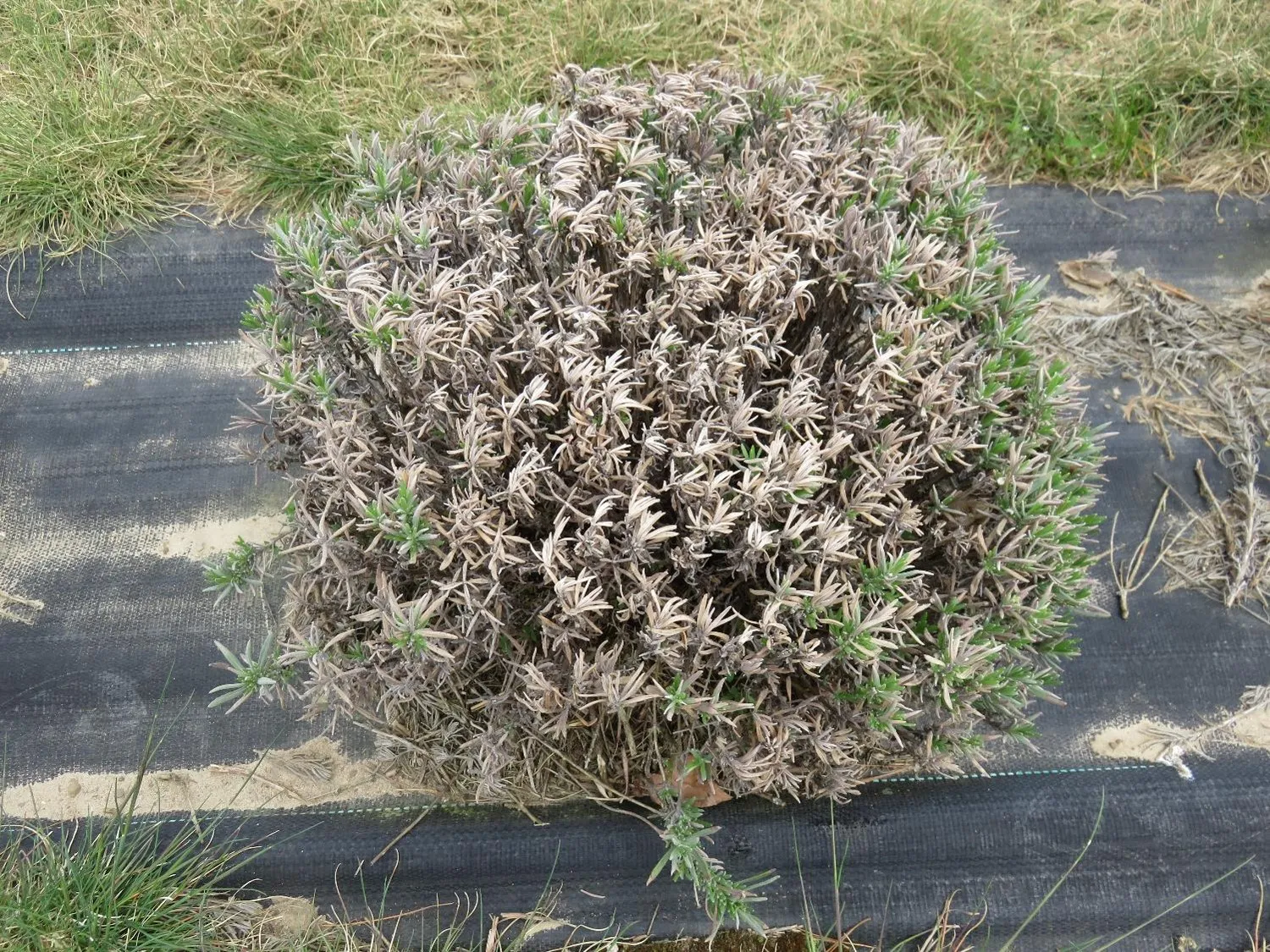
Spanish lavender is native to parts of the Mediterranean Basin, including the Iberian Peninsula and nearby regions. It is adapted to mild winters, bright light, and excellent drainage. In colder climates, the plant often dies for one of two reasons: freeze damage or winter wet. Sometimes it is both.
Hardiness reality check
Most Spanish lavender is reliably hardy around USDA Zone 8 and warmer. Some cultivars and protected microclimates can make it through Zone 7, especially with sharp drainage, but it is still a gamble. In Zones 6 and colder, it is typically treated as an annual outdoors or overwintered in a protected setting.
Also important: hardiness is not just your zone number. It is about how long the cold lasts, how wet your winter soil is, and whether temperatures swing up and down.
What actually kills it
- Freeze-thaw cycles: Warm spells followed by hard freezes can rupture stems and heave roots.
- Waterlogged winter soil: Roots suffocate and rot when soil stays wet and cold.
- Wind and winter sun: Desiccation can dry foliage when the ground is frozen and roots cannot replace moisture.
Microclimates that improve odds
If you are trying Spanish lavender near the edge of its comfort zone, stack the deck:
- Plant on a slope, mound, or raised area so winter rain drains away quickly.
- Choose a spot with winter sun and shelter from harsh wind, like near a south-facing wall.
- Avoid low spots where cold air pools.
Overwintering in pots
If you garden in a cold zone, containers are your easiest way to keep Spanish lavender year to year. The trick is giving it a winter that is bright and cool, not warm and dim.
- When to bring it in: Before repeated hard freezes settle in.
- Where it does best: A bright, cool spot like an unheated sunroom, bright garage window, or cool greenhouse.
- Water: Very sparingly. Just enough to keep the roots from completely drying out. Soggy winter mix is the fastest route to rot.
- What not to do: Do not park it in a warm, low-light living room and then water it like a houseplant. It usually responds by sulking, stretching, or rotting.
Quick troubleshooting
It is green but not blooming
- Not enough sun is the top cause.
- Too much nitrogen can also push leafy growth over flowers.
- Old blooms left on the plant can slow repeat flowering. Deadhead more often.
Leaves are yellowing at the base
- Most often overwatering or poor drainage.
- Check for soggy soil and a dark, soft crown.
Plant is splitting open in the middle
- Sometimes it is age and legginess.
- Light shaping after bloom flushes helps keep a sturdier mound.
- If the center is bare wood, do not cut hard into it. Take cuttings from healthy green tips and start a fresh plant.
Gray fuzz or leaf spotting
- Humidity and poor airflow are common culprits.
- Remove affected parts, improve spacing, and water at the base rather than overhead.
Spanish lavender FAQ
Is Spanish lavender the same as French lavender?
“French lavender” is a common name that gets used loosely. Spanish lavender is Lavandula stoechas. Some labels call it French lavender, but botanically, it is its own species. When in doubt, look for the rabbit-ear bracts.
Should I cut Spanish lavender back hard?
No. Stick to deadheading and light shaping while keeping cuts in leafy, green growth. Avoid cutting deep into bare, woody stems, especially late in the season.
Will Spanish lavender come back after winter?
In mild climates, often yes, especially with excellent drainage. In colder or wetter winter areas, it often does not survive outdoors due to freeze damage and winter wet.
Does Spanish lavender smell like classic lavender?
It is still aromatic, but many people find the fragrance a bit sharper or more resinous than the “classic” scent associated with other lavender types. It is still lovely, especially when warmed by sun.
A closing note
If Spanish lavender has ever broken your heart in winter, please do not take it personally. This plant is not being dramatic. It is simply true to its Mediterranean roots. Give it sun, airflow, and dry feet, and it will reward you with those joyful rabbit-ear blooms that make even a quick porch check feel like a tiny vacation.