
Lilac Suckers: What to Cut and What to Leave

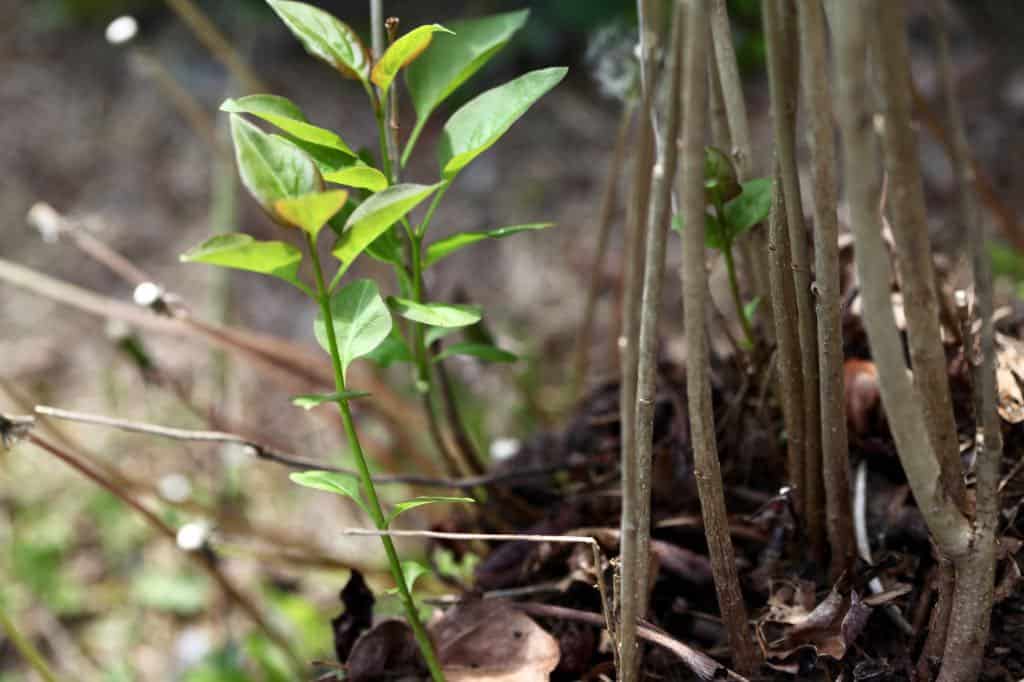
The first time I met a truly enthusiastic lilac, I thought it was being helpful. So many fresh green shoots at the base. So much vigor. It felt like the shrub was cheering me on.
Then bloom season arrived, and the flowers were fine, not fabulous. The base had turned into a thicket, and the older canes that actually know how to bloom were getting crowded out. That is when I learned the gentle truth about lilac suckers: some are your future flowering wood, and some are just stealing groceries from the pantry.

What gardeners mean by “lilac suckers”
In everyday garden talk, “suckers” usually means vigorous shoots coming from the base or from the roots. On lilacs, there are two main types, and they matter a lot:
- Basal shoots on an own-root lilac: new canes arising from the crown or roots of the same lilac variety you bought. These can be very good.
- Suckers from below a graft: shoots coming from the rootstock of a grafted lilac. These are not your named variety and should usually be removed.
There is also a third “sucker-ish” situation that confuses people:
- Water sprouts: fast vertical shoots popping out of older wood after heavy pruning or stress. They are not base suckers, but they can crowd the shrub and reduce flowering if you keep too many.
Own-root vs grafted: the quickest way to tell
If you are not sure whether your lilac is own-root or grafted, you are not alone. Nurseries do not always label it clearly, and older shrubs have long since lost their plant tags.
Check for a graft union
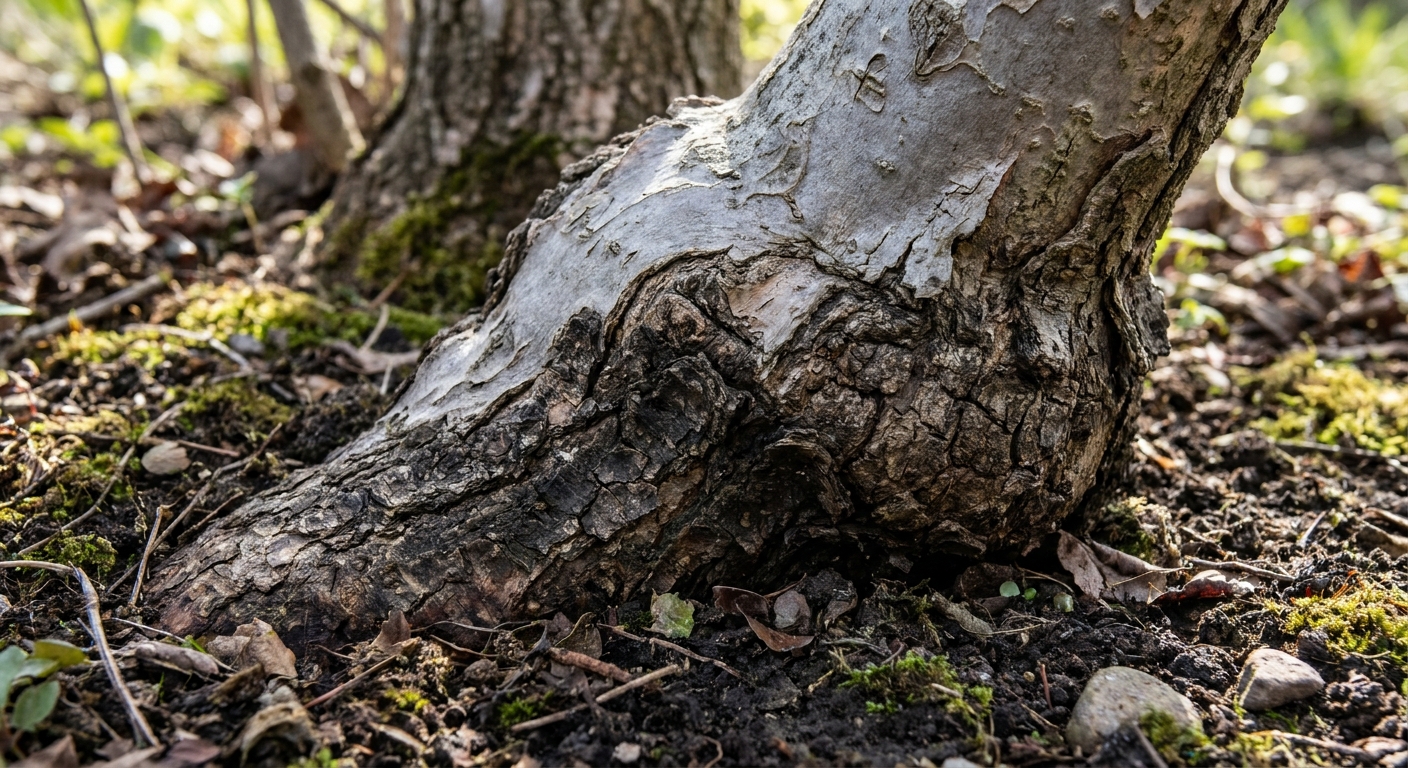
Look low on the trunk, usually a few inches above the soil line, for a swollen knuckle, a bend, or a clear change in bark texture. That is often the graft union.
- No obvious union: it may be own-root, or the union may be buried, or age may have obscured it.
- Obvious union: treat new shoots based on where they originate relative to that union.
Where is the shoot emerging?
This is the part that matters for what to cut.
- Shoots emerging above the graft union: these are part of your desired lilac variety. They might be worth keeping if they fit your cane-renewal plan.
- Shoots emerging from below the graft union, from the roots, or from the soil several inches away: these are typically rootstock suckers. They should be removed promptly because they can gradually take over.
Which shoots steal energy from blooms?
Lilacs bloom best when they have a steady mix of canes, with plenty of light and air moving through the shrub. Anything that creates a crowded, shady base reduces bloom potential over time.
Cut these (most of the time)
- Rootstock suckers from below a graft: they divert energy and can outgrow the top variety.
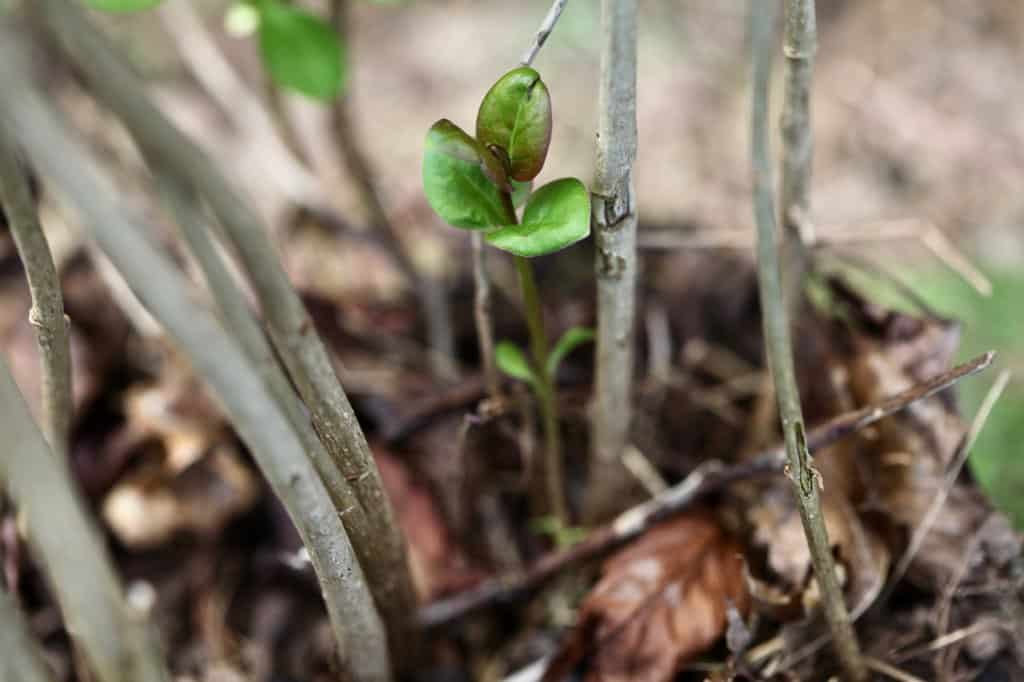
- Spindly, pencil-thin basal shoots: especially those that pop up in the dense interior and will never have good space to mature.
- Basal shoots that cross and rub or aim straight into the center of the shrub.
- Any shoot that is clearly coming up far away from where you want the lilac to live. Root-running lilacs can try to start a colony.
Consider leaving these
- Strong basal shoots on an own-root lilac that are well placed around the outside of the plant. These become the next generation of flowering canes.
- One or two robust new shoots even on an older shrub, if you are gradually replacing aging canes.
A bloom-friendly rule I use: if you keep every new basal shoot, you get a jungle. If you remove every new basal shoot, you eventually lose vigor and flowering as older canes decline. The sweet spot is selective renewal.
The “cane renewal” mindset (without turning it into a big prune)
Here is the quiet secret of lilacs: they are shrubs that like to be renewed. The oldest canes (often the thickest, with rough gray bark) become less productive. New canes are your insurance policy for future blooms.
You can manage suckers with a very light version of renewal pruning:
- Goal: keep a shrub with roughly 6 to 12 main canes for an average mature lilac, spaced so light reaches the center.
- Each year: remove a few problem shoots and, if needed, remove 1 to 3 of the oldest canes at ground level after bloom. Replace them by letting a similar number of strong new basal shoots mature.
This approach prevents the “all leaves, no lilacs” problem without shocking the plant.
How to remove suckers at the source (cleanly and calmly)
If you only take one thing from this article, make it this: do not just snip suckers halfway up. That leaves buds behind that often resprout, sometimes with even more vigor.
What you need
- Hand pruners for thin shoots
- Loppers for thicker shoots
- A pruning saw for cane-sized stems
- Gloves (lilac bark can be surprisingly scratchy)
Step by step
- Find the origin point. Part the foliage and follow the sucker down to where it meets the crown, trunk, or root.
- Clear a little soil if necessary. If the shoot emerges from just below soil level, gently pull mulch aside so you can see the attachment.
- Cut flush to the source. Make a clean cut as close as you reasonably can without gouging the main trunk or crown tissue.
- Do not paint the cut. Lilacs heal fine on their own in normal garden conditions.
- Put mulch back, but do not pile it on the stems. Keep mulch a few inches away from the base to reduce rot and discourage hidden suckers.
Timing: when to cut suckers without sacrificing next year’s flowers
Lilacs set next year’s flower buds soon after they finish blooming. That is why heavy pruning at the wrong time can wipe out blooms.
- Best time for any bigger cane decisions: right after flowering. You can remove old canes and thin thoughtfully while the plant has the whole season to regrow and set buds.
- For true graft suckers: you can remove them any time you see them. The sooner, the better.
- For minor basal shoot thinning on own-root lilacs: you can do light removal anytime, but I still prefer just after bloom so I do not get carried away and accidentally “shape prune” my way into fewer flowers.
Avoid these common sucker mistakes
Mistake 1: Shearing the lilac like a hedge
Lilacs are not hedge plants. Shearing creates dense outer growth that shades the interior, and it often removes next year’s flower buds.
Mistake 2: Keeping every new basal cane
This is the most common reason I see for reduced flowering in older lilacs. Too many canes means too much shade at the base, and flowers slowly migrate upward and outward.
Mistake 3: Removing all new basal shoots on an own-root plant
If you take away every young cane year after year, the plant gets stuck with aging wood. You want a few youngsters coming up behind the seniors.
Mistake 4: Cutting graft suckers above ground and calling it done
They often come right back. Track them down and cut them off at the point of origin.
Quick ID guide: what to cut, what to leave
- Shoot emerges from below a graft union or from roots away from the trunk: cut it at the source.
- Shoot emerges from the crown on an own-root lilac and is thick, upright, and well placed: consider leaving it as a future blooming cane.
- Shoot is thin, crowded, or aimed into the center: cut it at the source.
- Shoot is one of many strong basal canes: keep a few, remove the rest so the shrub stays open and airy.
FAQ
Do lilac suckers turn into flowers?
Some do. On an own-root lilac, strong basal shoots mature into flowering canes. On a grafted lilac, suckers from below the graft are rootstock growth and usually will not give you the flowers you expect.
Should I pull suckers off instead of cutting them?
I do not recommend yanking. Pulling can tear bark and create larger wounds. A clean cut at the origin is more controlled and kinder to the plant.
My lilac has lots of shoots but few blooms. Is it all suckers?
Often it is a crowding issue, but not always. Too much shade, pruning at the wrong time, drought stress during summer bud set, or an overly nitrogen-heavy fertilizer can also reduce blooms. Still, thinning excess basal shoots and removing a few oldest canes after flowering is a strong first move.
What if I cannot find the graft union?
Then rely on origin and behavior. Shoots coming up a foot away from the main trunk are more suspicious on a grafted plant. If those shoots also look different in leaf size, stem color, or growth habit, remove them. When in doubt, take photos during the season and watch what blooms next spring.
A gentle plan for a better-blooming lilac
If your lilac is a little wild at the base, here is the tidy, low-stress approach I use:
- This week: remove obvious graft suckers or badly placed basal shoots by cutting at the source.
- Right after bloom: thin extra basal shoots, then remove 1 to 3 of the oldest canes at ground level if the shrub is crowded.
- All summer: keep the base mulched lightly, water during dry spells, and let a few well-placed young canes grow up for next year.
Your lilac does not need a makeover. It just needs a little breathing room and the right stems doing the work. The rest can go, no guilt, no drama, and no hedge trimmer.